
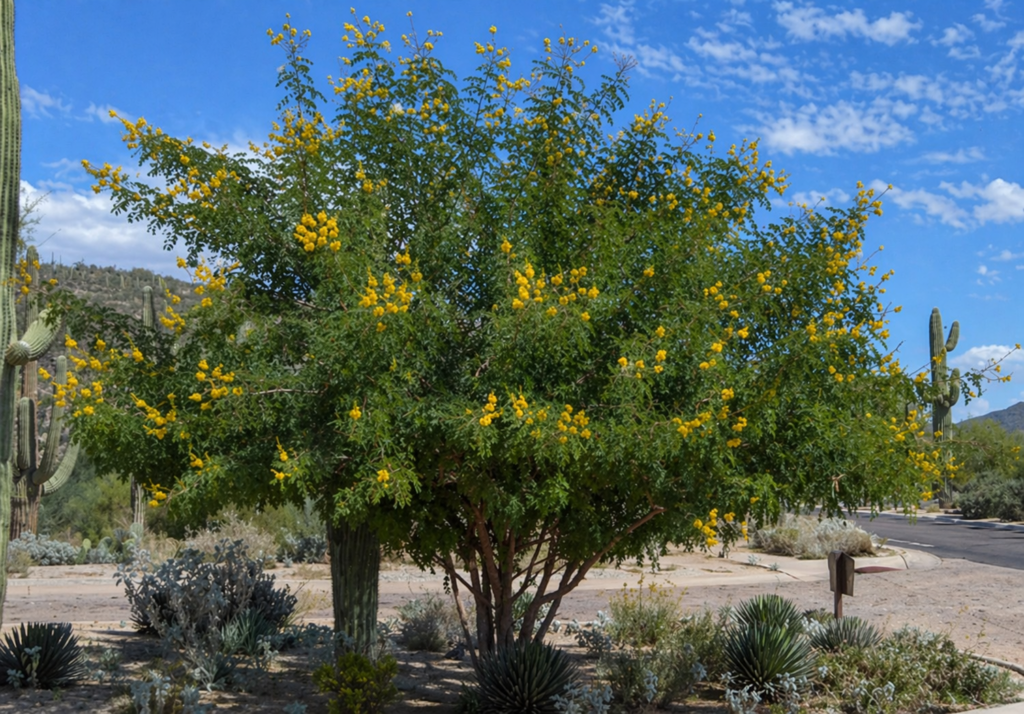
Cascalote Tree
Caesalpinia cacalaco (also listed as Tara cacalaco) | Also called: Cascalote, Mexican Bushbird Most trees in Phoenix do their best work in spring and summer. The Cascalote does the opposite. It saves its flower show for late fall through winter
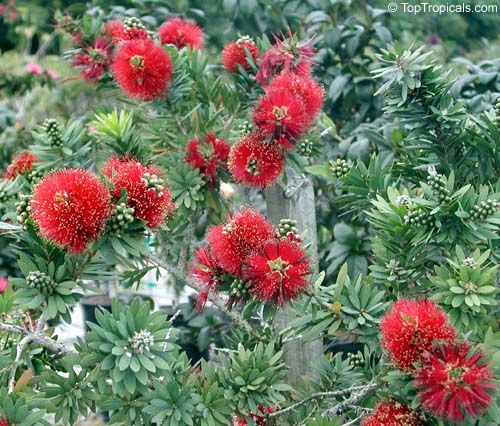
Bottlebrush Tree
Callistemon viminalis (Weeping Bottlebrush) / Callistemon citrinus (Lemon Bottlebrush) | Also called: Weeping Bottlebrush, Crimson Bottlebrush, Scarlet Bottlebrush The Bottlebrush is one of those trees that earns its place in Phoenix landscapes on looks alone. The flowers are unlike almost
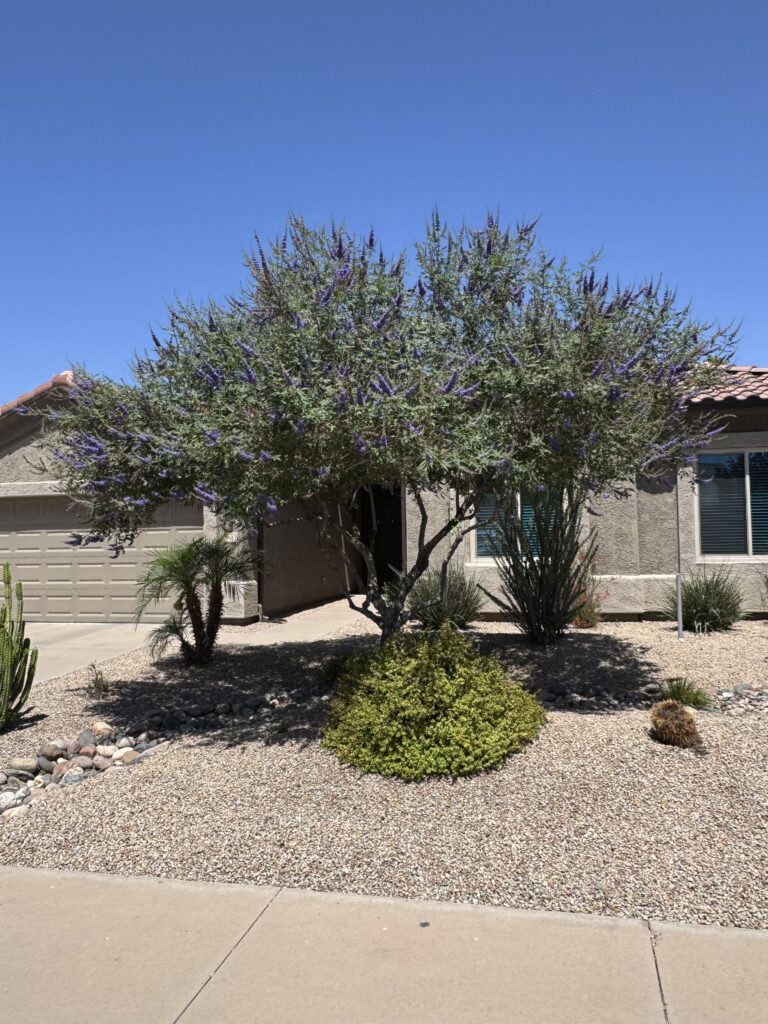
Vitex (Chaste Tree)
Vitex agnus-castus | Also called: Chaste Tree, Chasteberry, Monk’s Pepper Tree, Lilac Chaste Tree If you want a tree that blooms its head off in the Phoenix summer heat while everything else looks like it’s surviving rather than thriving, the
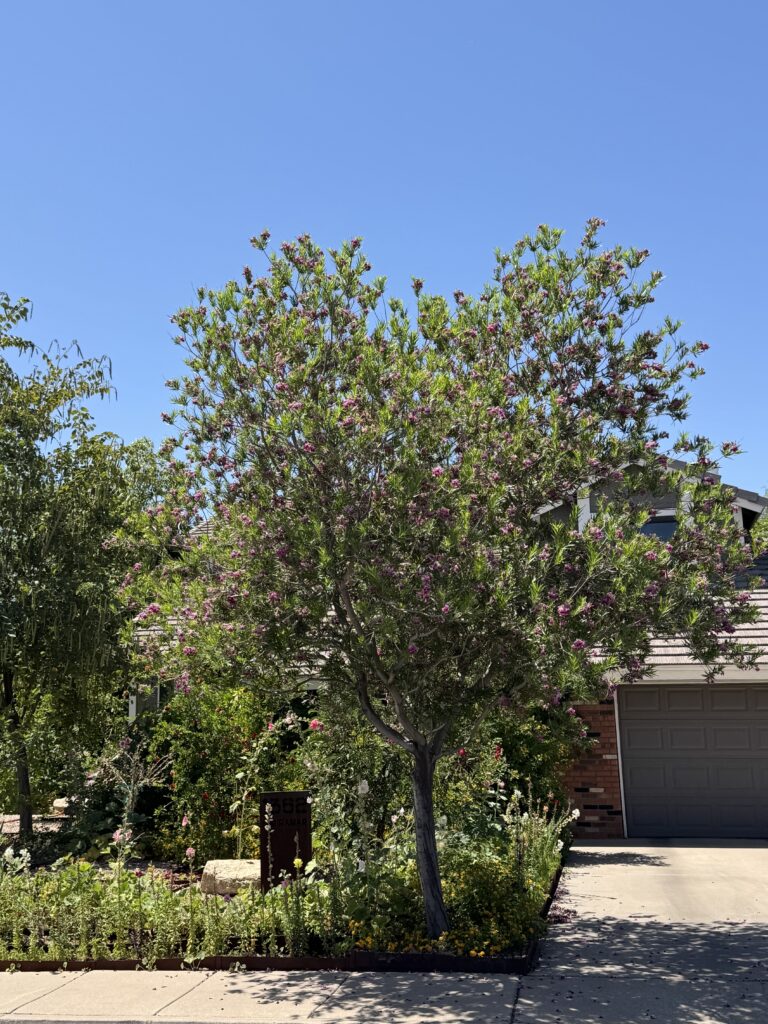
Desert Willow Tree
Chilopsis linearis | Also called: Flowering Willow, Mimbre, Desert Catalpa The Desert Willow might be the best flowering tree for Phoenix that most people underestimate. It’s native, it’s tough, it blooms from late spring all the way into fall, it
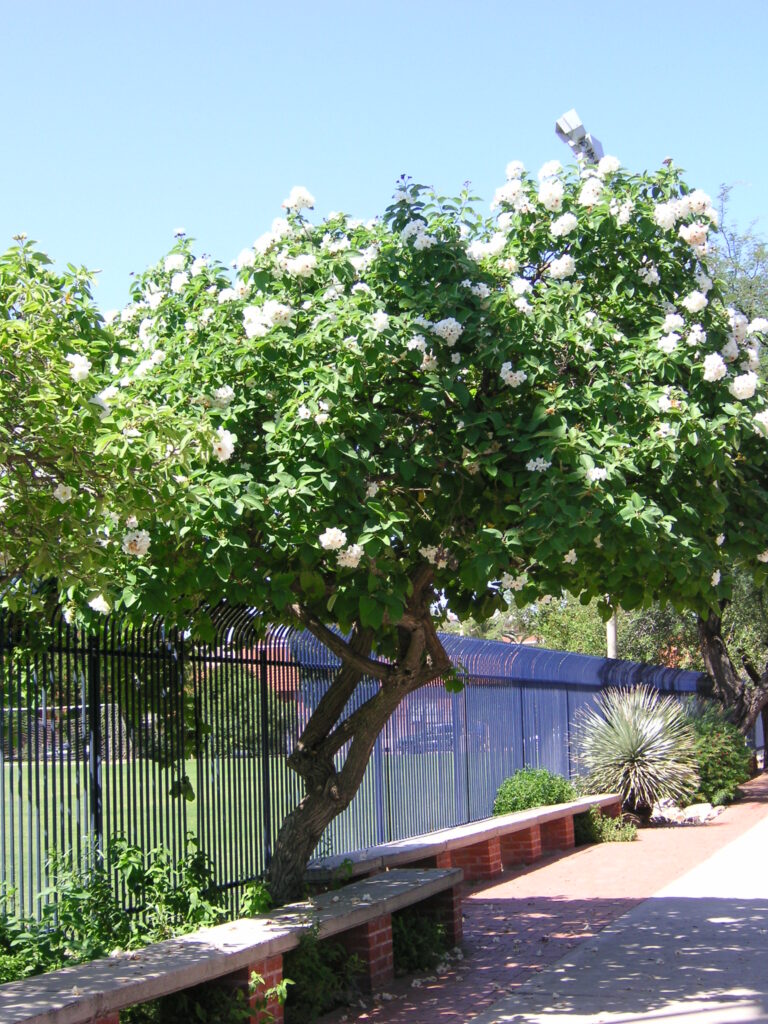
Texas Olive Tree (Anacahuita)
Cordia boissieri | Also called: Mexican Olive, Anacahuita, White Cordia There are a handful of trees that stop people in their tracks when they’re in bloom, and the Texas Olive is one of them. Large, crepe-paper-white flowers with a yellow
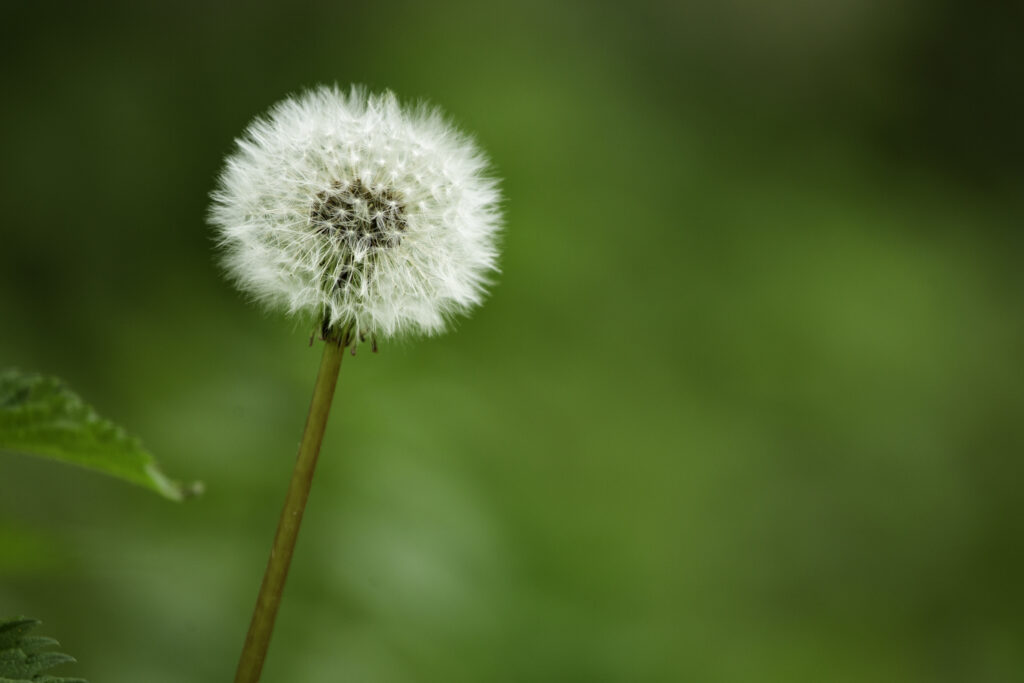
STOP Your War On Weeds!
Soil First Your War on Weeds Is Killing Your Soil What weeds are actually trying to tell you about your yard. Walk outside and look at your yard. Most people scan right past everything else and land on the weeds.
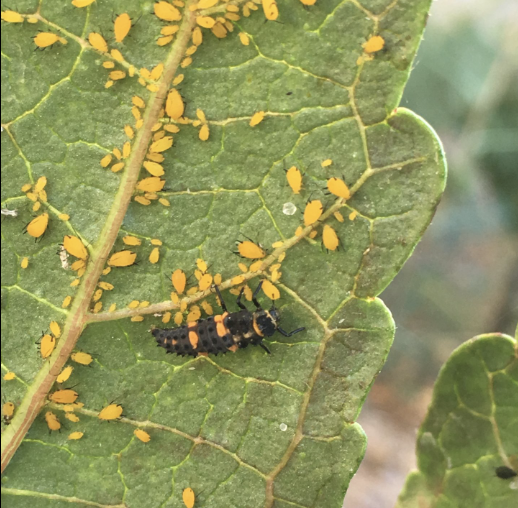
Friend or Foe? Neither… And Stop Asking That Question
Every gardener eventually asks it: “Is this a good bug or a bad bug?” I get it. It feels like exactly the right question to ask. It isn’t. And I don’t say that to be contrarian. I say it because
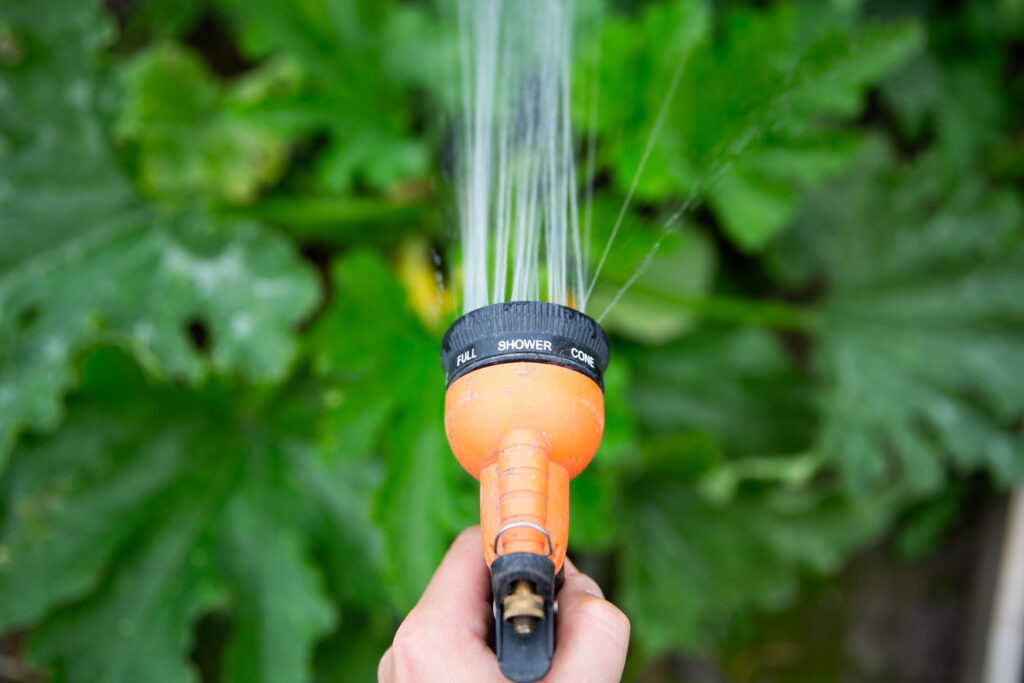
Watering Guide – Phoenix, AZ | Zone 9B
Learn how to properly water trees and plants in Phoenix with this simple, science-backed deep watering guide. Instead of frequent shallow watering, this method focuses on slow, deep irrigation that strengthens roots, improves drought tolerance, and prevents overwatering. You’ll also
Why Diversity Is the Secret to Growing Almost Anything in Phoenix Soil
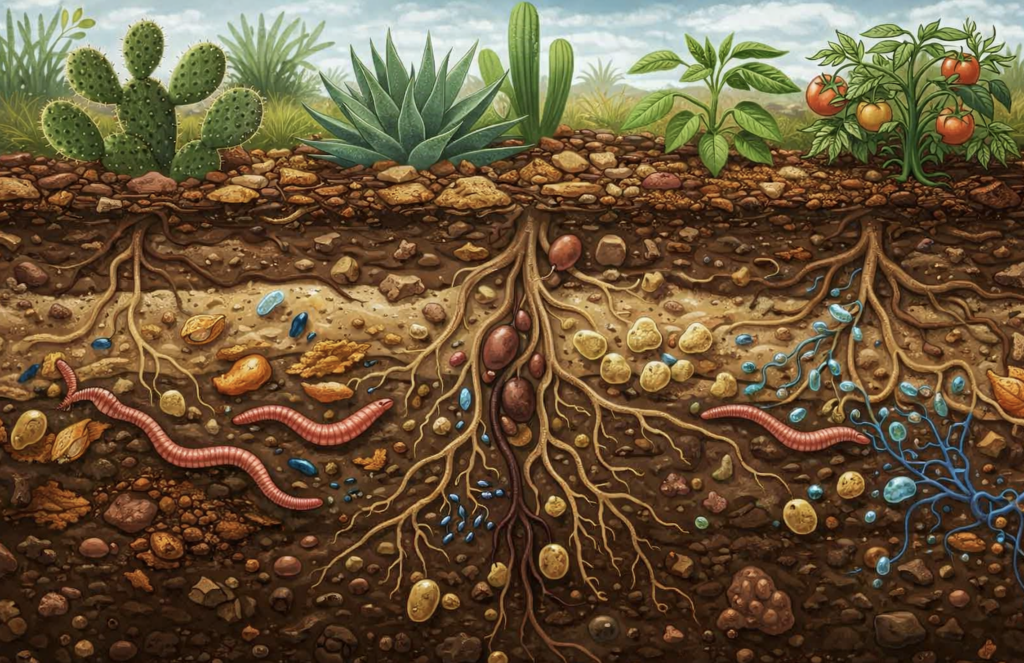
Successful gardening isn’t really about finding the perfect fertilizer. It’s a common assumption — that if your plants aren’t thriving, the right product applied at the right time in the right amount will fix it. And while fertilizer matters, it’s

Salt River Valley: What Salts Are Doing to Your Soil
The Hidden Desert Variable Phoenix sits in the Salt River Valley, and that name tells you exactly what we’re dealing with. Spanish explorers named the river for the mineral content in its water. The valley we live in is a

Phoenix Soil pH Is Stubborn — Here’s What’s Actually Happening Underground
Most Phoenix area yards have soil with a high pH, that’s not news to anyone. But you’ve probably wondered what you can actually do about it. Sulfur and other acidifying amendments can help, but in Phoenix they often don’t move

Phoenix Soil Is NOT Bad
Stop believing the lies, and stop repeating them…our soil is not “bad” and it’s not impossible to grow anything. If our soil was truly “bad” then how did the Native Americans farm here for centuries before we came along? (You

Bare Root Trees in Phoenix: How to Plant Them Right in Zone 9b
If you’ve been shopping nurseries in late winter and noticed fruit trees with their roots exposed and wrapped in damp packing material, you’ve probably seen bare root trees. They can look intimidating (and dead) at first—but when planted correctly, bare
Growing Strawberries in Phoenix, Arizona (Zone 9b)
Strawberries thrive in cool, moist conditions, yet the Phoenix metro area (USDA zone 9b) has scorching summers and alkaline, salty soils. Daily temperatures regularly exceed 100°f from May through September and frost may occur during winter. Strawberries stop producing when temperatures

How to Grow Mangos in Phoenix (Zone 9b)
Mangos can be a backyard success in Phoenix — but they need special care in our low desert conditions. The challenges are real: extreme heat (and cold), alkaline clay soils, salts, monsoon wind, and frost pockets. With smart placement, soil