
Sudha Uppala
23248 N 38th Pl, Phoenix, AZ 85050
Now that everything is in the ground, the next step is keeping the soil alive and feeding these plants while they settle in. Here's what our monthly fertilizing program looks like for your yard and what it costs.
Why Feed a New Planting
The first year matters mostNew plants spend their first year pushing roots out of the nursery soil and into yours. The faster that happens, the faster they handle our heat on their own. What decides how fast is the life in the soil: the fungi, bacteria, and other microbes that break down organic matter and trade nutrients with the roots.
Phoenix soil is naturally low in organic matter, and a lot of yours sat under rock for years. The compost and mulch we put down at planting gave it a good start. Feeding it every month keeps that biology growing so the plants have a steady supply of nutrients instead of feast and famine.
Your yard also has a lot of heavy feeders. Mangos, mamey sapote, bananas, papaya, citrus, guava, hibiscus, plumeria, and roses all want consistent feeding to push new growth and fruit. The natives, the yellow bells, and the crossvine benefit too, just in a quieter way, with healthier roots and better flowering.
What the Program Includes
Monthly visits- Monthly organic liquid feeding. Every visit we spray the whole planted area with our organic blend, feeding the plants and the soil biology at the same time.
- Compost three times a year. Fresh compost around the drip line of the trees and closer in on the shrubs, which keeps building organic matter under the mulch.
- A recap video after every visit. You'll get a short video showing what we did and how things look, so you can see the yard filling in month to month.
- A set of eyes on the new plantings. With this many new plants and a new irrigation system, monthly visits let us catch problems early. If anything looks off with the watering, we'll let you know so Garrett can take a look.
Everything is covered: the tropical sideyard, the trees, the rose garden and plumeria, the north side yard, the fence vines, the fireplace hedge, the front yard plantings, and the lawn.
Your Lawn
The lawn gets the same organic liquid feeding every month. The Catalyst blend works great on grass and really greens it up. Shade from the big tree is still the main thing holding that lawn back, so feeding won't fix the light, but it keeps the grass and the soil underneath as healthy as they can be, and it's the same program whether you keep the current turf or switch to St. Augustine later.
What We Use
Organic, soil firstOur liquid blend is built around Catalyst products. They're organic, high in fulvic acid, and feed the soil biology rather than just pushing quick growth. You can read more about them on the Catalyst site (click Products, then Home and Garden).
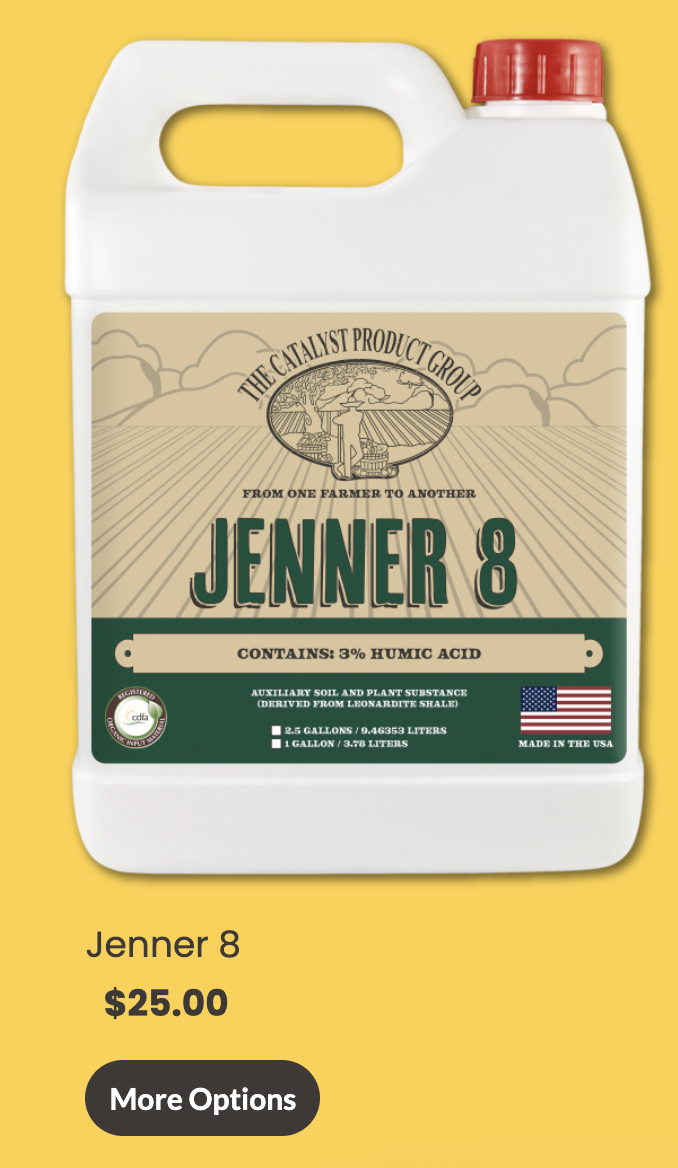
Catalyst Jenner 8
Our base feeding blend. Rich in fulvic acid, which helps roots take up nutrients and feeds the microbes in the soil.
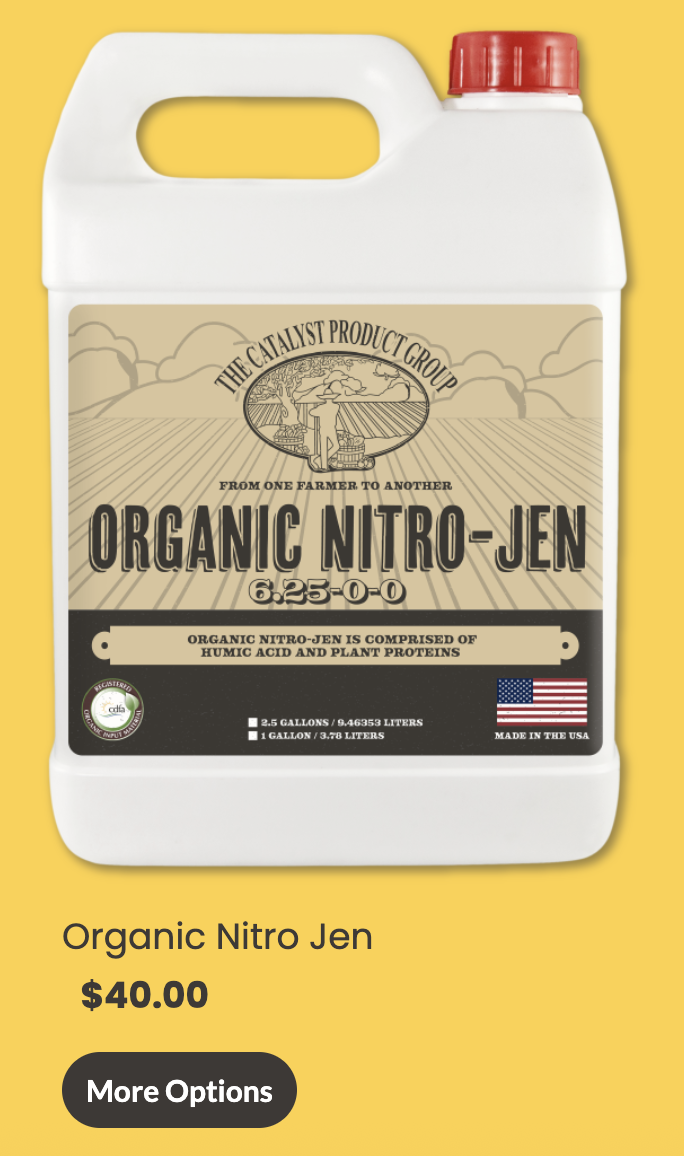
Catalyst Organic Nitro Jen
Organic nitrogen for strong green growth, which matters a lot for the tropicals and fruit trees.
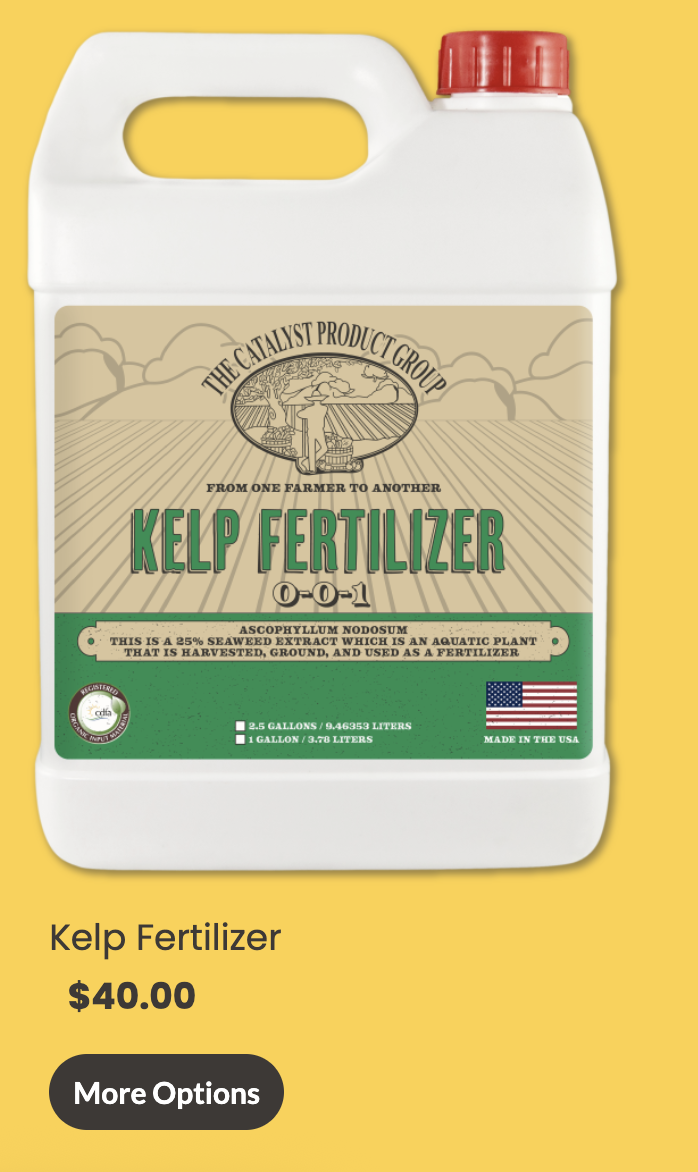
Catalyst Kelp
Trace minerals and natural growth compounds that help plants handle heat stress and push healthy roots.
Your Fertilizing Quote
Monthly programOrganic Feeding for the Whole Yard and Lawn
Billed monthly. We'll get you on the schedule for the next round of visits in your area.
Text us to get startedQuick Reference
Fertilizer Products
Irrigation
Call Garrett at 480-678-9121
Your Planting Plan
Questions
Text us anytime at 480-253-9261