
Building the microclimates that let your yard fill itself in.
Your yard is big, and there's a lot that could eventually go into it. Rather than trying to plan every bed at once, this proposal covers the foundational planting: the pieces that establish shade, privacy, and screening first, so the microclimates they create make everything you plant after this easier to grow.
Four zones in the backyard, two in the front. We'll plant all of it this fall, let it establish, and figure out what's next once you've had a chance to see how it fills in.
Orange Jubilee Along the Block Wall
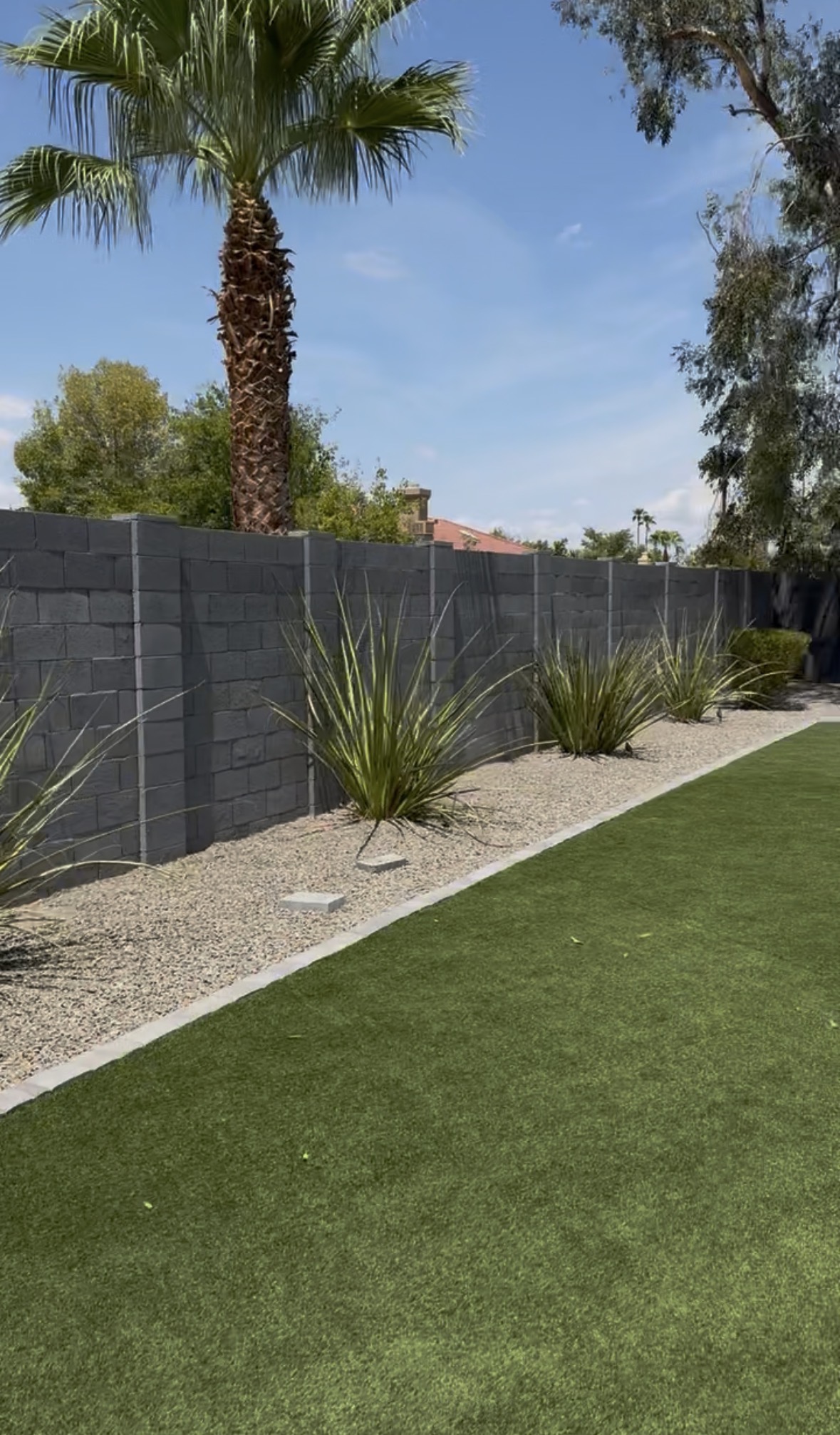
Your agave running along the north, east, and south block walls are already established and evenly spaced, with a lot of open ground between them. Orange jubilee fills that gap, softens the wall line, and gives the whole perimeter color for most of the year.

$1,360
Shade Tree Behind the Pergola
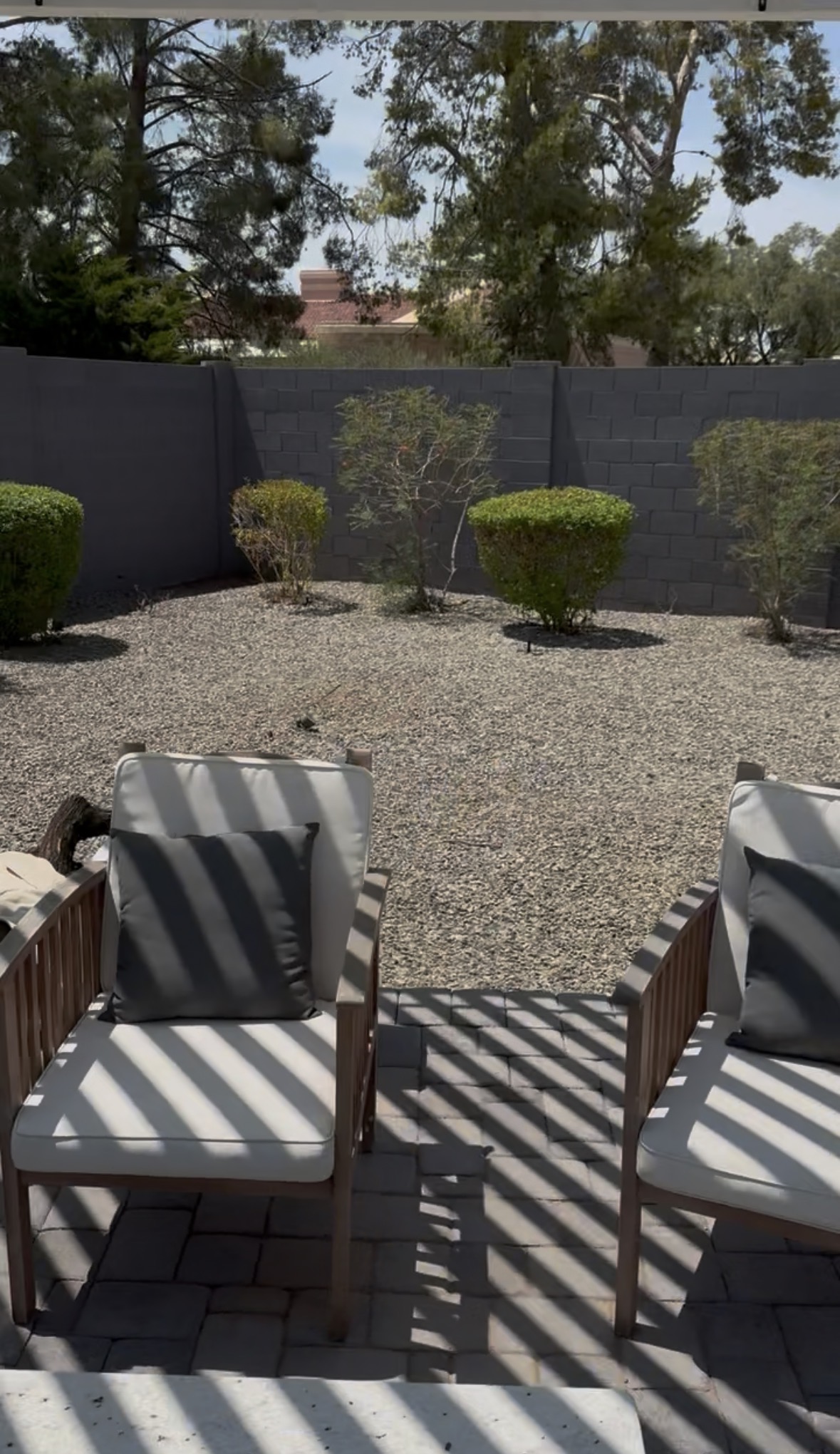
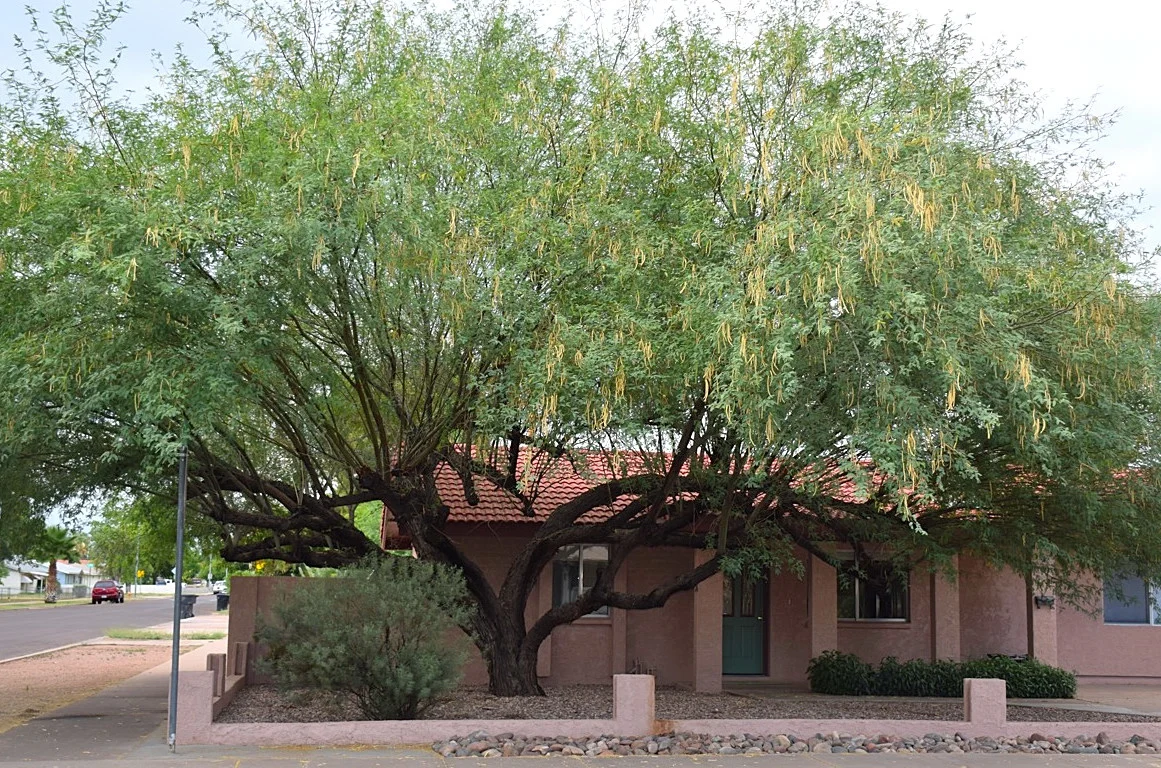
A large tree used to live in this corner, and putting one back matters more than it might seem. Your backyard faces west and takes the full brunt of afternoon sun, and this tree will shade both the pavers around your seating area and the back of the house itself once it fills in.
Thornless mesquite is the choice here. It's the safer long-term tree next to a seating area, it matches what stood here before, and it handles our winters without any frost worry. One tree, staked at install to get it through establishment.
$300
Twisted Myrtle Screen
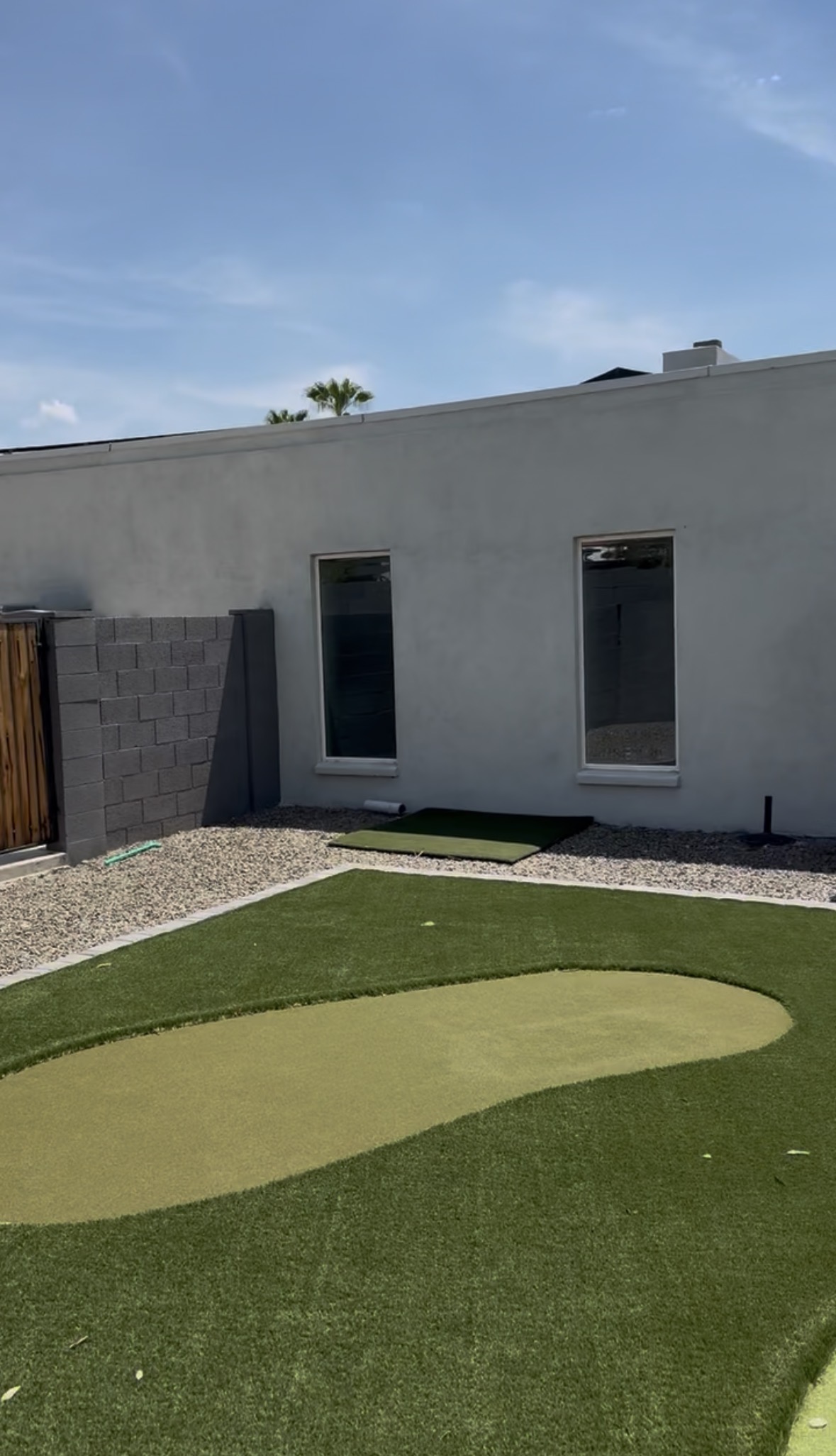
Four twisted myrtle spaced to run the length of the north wall, giving that side of your yard a clean, textured screen as they fill in.

$340
Clumping Bamboo
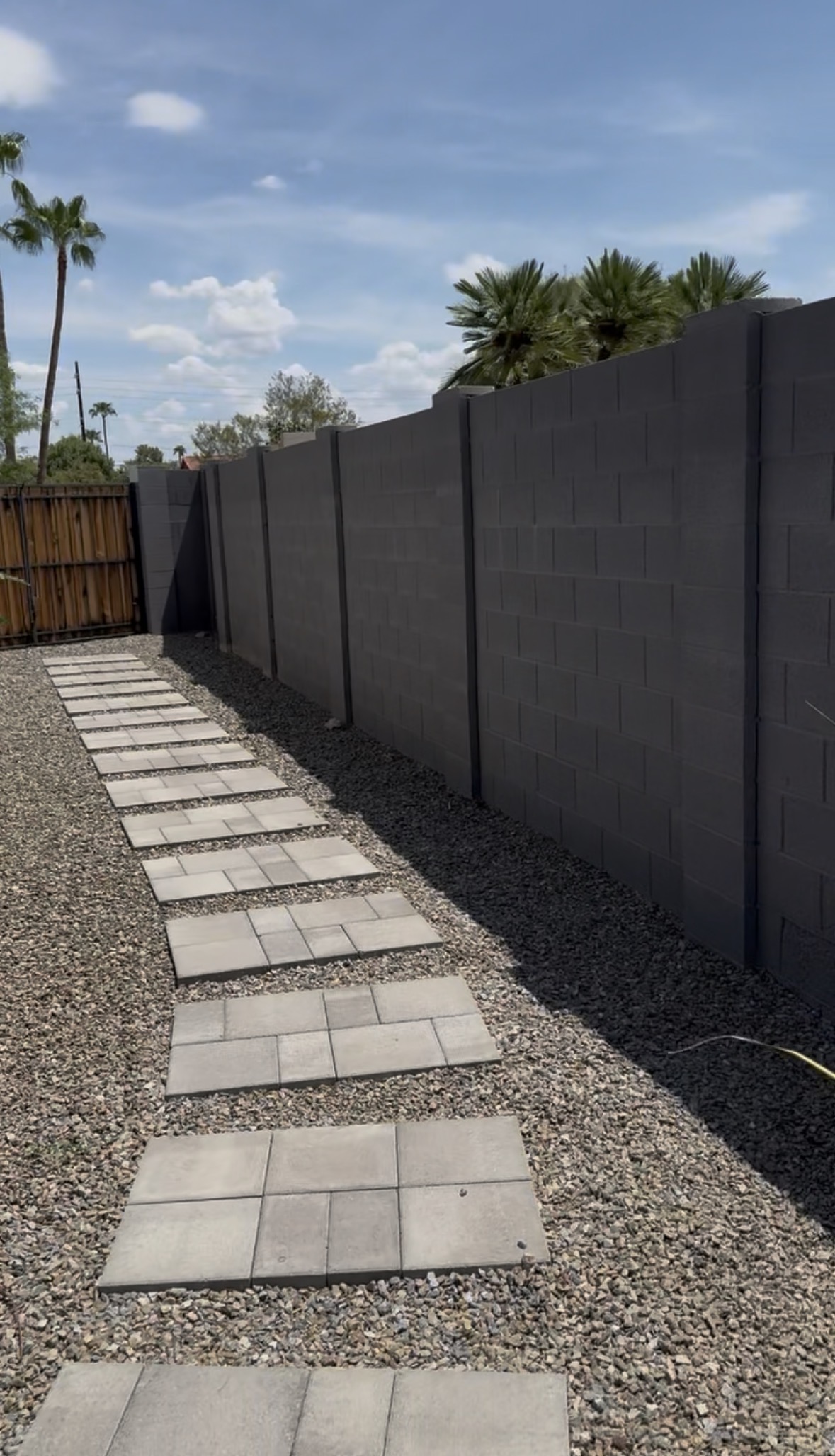
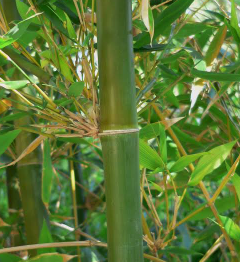
The narrow walkway between the south-facing wall of your house and the block wall on the other side is a good spot for a privacy and shade planting that still leaves the walkway clear. Bambusa oldhamii clumps tight instead of running, so it won't push into the walkway or the foundation over time.
$875
Mesquite Shade for the Citrus Beds
This bed is full sun and rock, which is a tough spot to establish citrus. Rather than crowding a shade plant in around the citrus itself, we're adding a third thornless mesquite further down the driveway line, positioned to shade the citrus bed as it grows in alongside the two mesquite already established there.
The mesquite goes in now and gets a year to establish before the citrus goes in the ground. Your potted citrus can stay in their pots and wait. The one citrus currently in the ground should come out and go into a pot in the meantime, that gives it a chance to recover from the move in a spot you can keep shaded and shift around as needed, rather than asking it to recover and handle full sun exposure at the same time.
$300
Filling the Bed Along the Porch
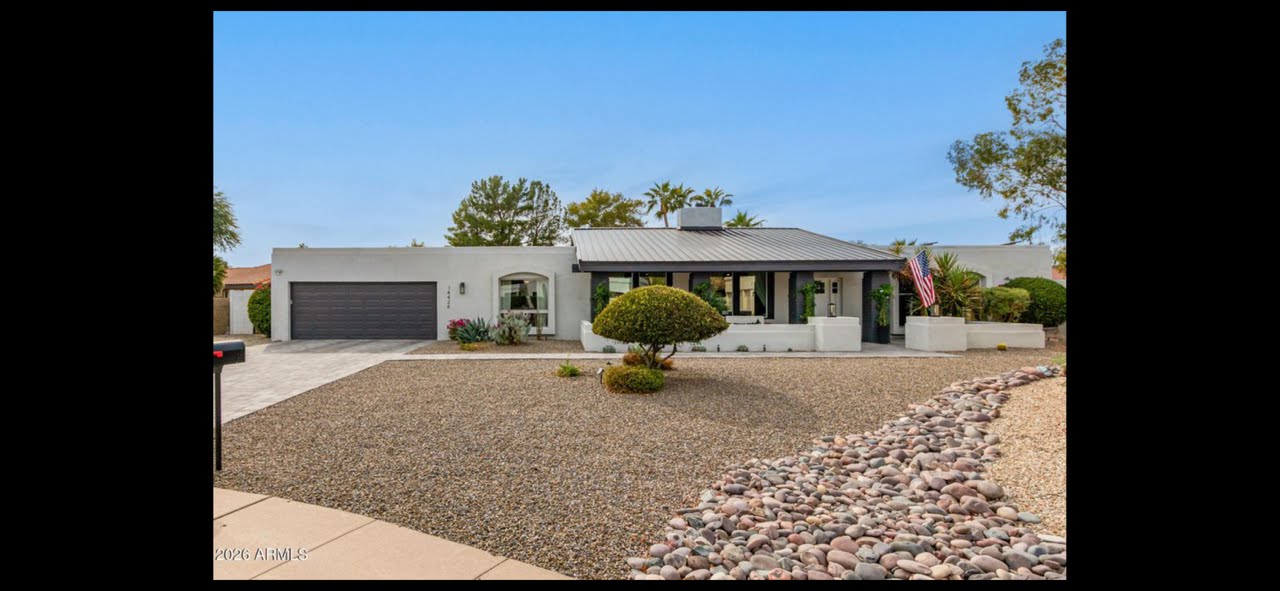
The in-ground bed up against the house in the porch area, in front of the retaining wall, is a spot you've been wanting to plant. It faces east, so it gets morning sun and afternoon shade, which is about as comfortable a spot as a front yard bed gets in Phoenix. That opens up options that wouldn't survive a west-facing wall.
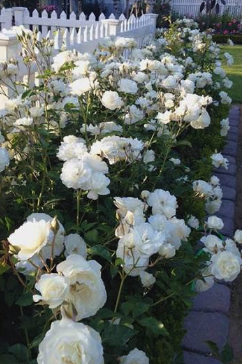
My pick here is Iceberg roses. They're one of the easiest roses to grow in the Valley, they bloom in white for most of the year, and the morning-sun, afternoon-shade exposure is exactly what keeps them looking good through summer. Seven of them fills the bed with a clean, consistent line of color right where you see it every time you walk up to the house.
$595
If you'd rather keep it green
Hopseed is the other option. It's a solid, easy green hedge that would run the length of the retaining wall and stay low with regular trimming. Less color than the roses, but very little upkeep beyond keeping the height in check. Five plants covers the bed.

$425
What's Included With Every Planting
Next Steps
- Confirm Iceberg roses vs. hopseed for the porch bed (Zone 6).
- Assess irrigation across all six zones and repair or overhaul as needed before planting begins.
- Schedule fall install once irrigation is confirmed working.
- Let the yard fill in through the season, then we'll walk it together and figure out what to add next.