

Terri Wolf
This is everything from your sketch, laid out area by area. Color around the pool, daisies at both ends of the deck, pollinator plants by the shed, Lady Banks roses on the trellis, star jasmine on the fence line, the orange jubilee finally out of its pot and in the ground, and ruellia across the front of the house. Your irrigation is already set, so we can plant as soon as you're ready.
Every plant goes in with compost. Pricing is at the bottom.
01Pool corner
Two red hibiscus up front for big summer color, with a Sticks on Fire euphorbia behind them. The euphorbia gives you height and a bright orange and red backdrop, especially in the cooler months when the hibiscus slows down.
Red hibiscus are the ones that hold up best here, so that's what we're using. No other hibiscus in this plan.
One question for you: this corner is mostly concrete. Are you thinking these three go in containers, or is there a spot of open ground here I'm not seeing? If they're going in pots, let me know if you already have them or want us to bring some, and we'll plant them in a good potting mix with compost.

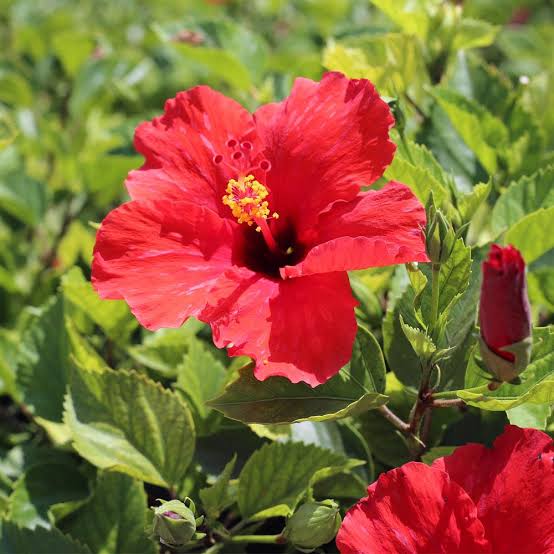
Red Hibiscus
Large red flowers from spring through fall, 4 to 6 ft over time. Likes regular water and a break from the harshest afternoon sun. Cover it on frost nights.
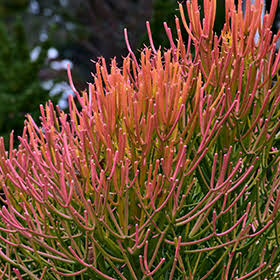
Sticks on Fire Euphorbia
Firecracker pencil sticks. Upright, pencil-thin stems that turn orange and red as it cools off. Takes much less water than the hibiscus in front of it. The milky sap irritates skin and eyes, so wear gloves when you trim it, and it stays tucked behind the hibiscus away from foot traffic.
02Along the pool
Blue Cape plumbago and foxtail fern, alternating along the pool line where you marked them. The soft blue and the bright green plumes play well together and both stay tidy next to the water.
We'll keep them a couple of feet back from the pool edge so they fill in toward the deck, not over the water.
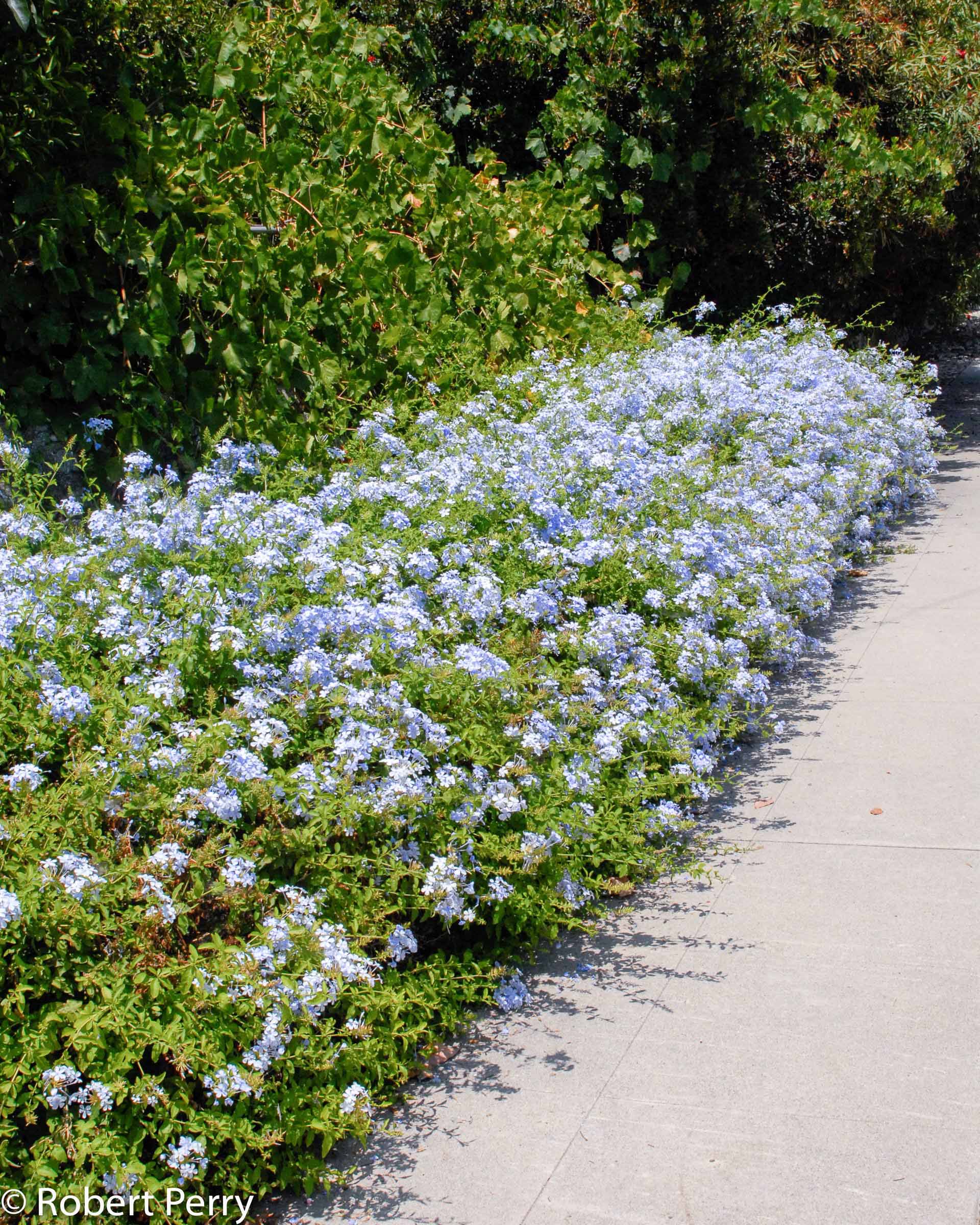
Blue Cape Plumbago
Sky blue flower clusters most of the year, mounding to about 3 to 4 ft. It can get nipped in a hard freeze and comes right back in spring.
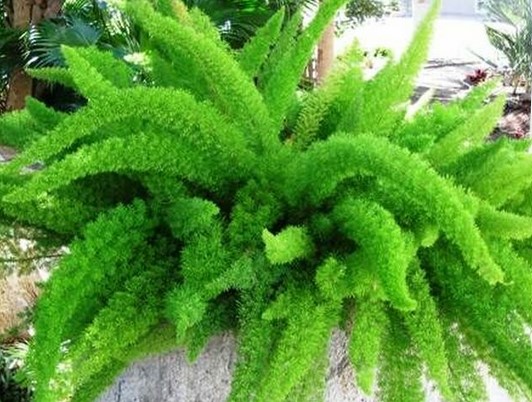
Foxtail Fern
Upright, fluffy green plumes about 2 ft tall. Not a true fern, so it handles our heat far better than one, and it does best with some afternoon shade. Very clean around a pool.
03Both ends of the pool deck
Two Angelita daisies at each end of the deck. They stay low, so they frame the deck without blocking anything, and they bloom bright yellow almost all year. Bees and butterflies love them.
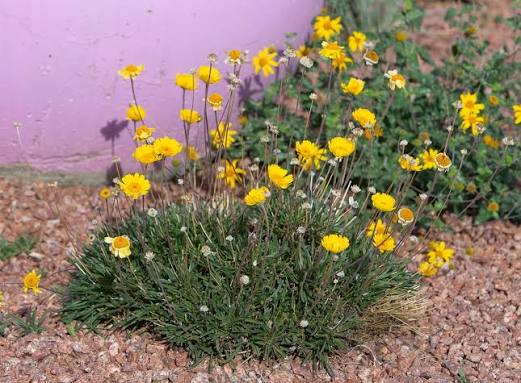
Angelita Daisy
Low mounds about 1 ft tall and 1 to 2 ft wide, covered in small yellow daisies. Shear off the spent flowers once or twice a year to keep it tight.
04By the shed
Autumn sage in mixed colors and Gregg's mistflower, both in the ground by the shed. This is a pollinator pocket: hummingbirds on the sage, butterflies all over the mistflower.
We'll mix the sage colors so you get red, pink, and coral side by side. Mistflower spreads over time, which is exactly why it goes in the ground here and not in your raised bed.

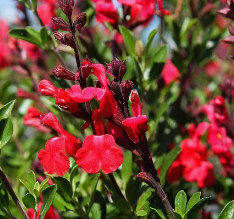
Autumn Sage
2 to 3 ft, blooming spring and fall with a lighter show through summer. A light trim in late winter keeps it full.
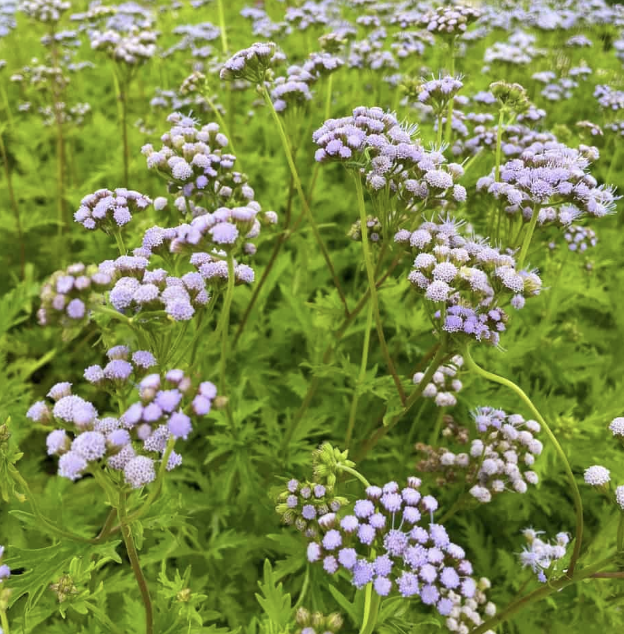
Gregg's Mistflower
Fuzzy lavender flowers that pull in queen butterflies by the dozen. About 2 ft tall and spreads. Cut it back hard in late winter and it comes back thick.
05Orange jubilee on the arch
We'll take your existing orange jubilee out of its pot and plant it in the ground at the arch. In the ground it'll finally have room to grow, and one plant will cover the arch on its own.
It goes in no deeper than it sits in the pot. Once it starts pushing long shoots, tie them loosely to the arch and let it grow naturally instead of shearing it. That's how you keep the flowers coming.


Orange Jubilee
Your existing plant, moved from the pot into the ground. Orange trumpet flowers spring through fall, and hummingbirds love it.
06Trellis
Two Lady Banks roses on the trellis, one on each side so they meet in the middle. We'll plant them about a foot out from the base and angle them in toward the trellis.
For the first few months, weave or loosely tie the new canes in. After that they take off on their own.

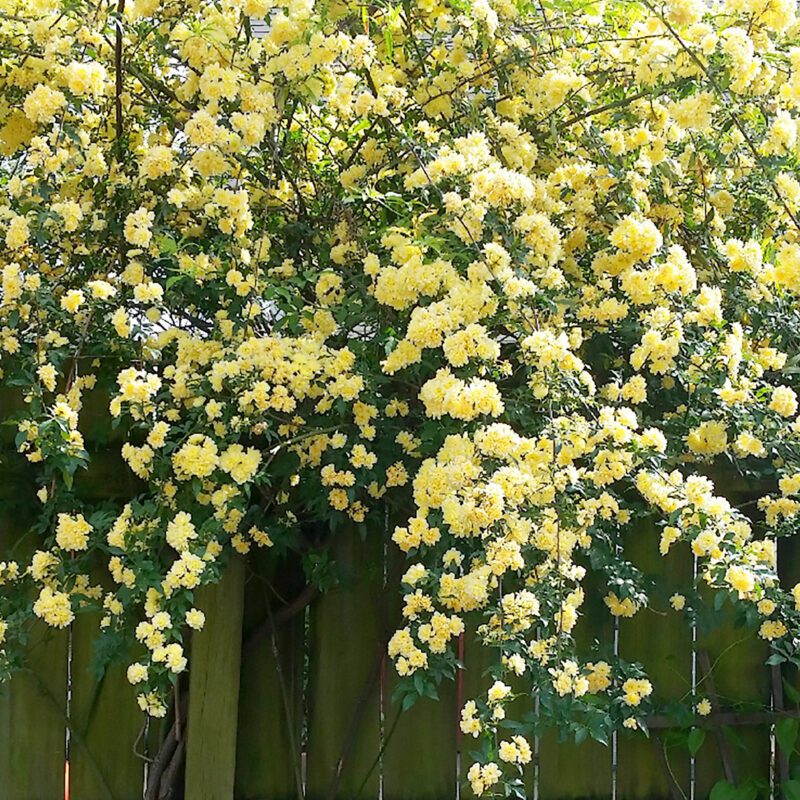
Lady Banks Rose
A vigorous climbing rose that's nearly thornless and covers itself in small yellow blooms every spring. Evergreen here, handles our heat, and takes less water than most roses. Prune right after the spring bloom, never in winter, or you cut off next year's flowers.
07Fence line
One star jasmine on the fence line. It'll twine up and spread along it, giving you a green screen that smells amazing every spring.
One question for you: star jasmine needs something to climb. Are you planning to put up a trellis or lattice panel here yourself? If so, it's best to have it in before we plant so we can tie the vine right onto it. If it's a lattice panel, anchor it well, since a mature vine gets heavy.

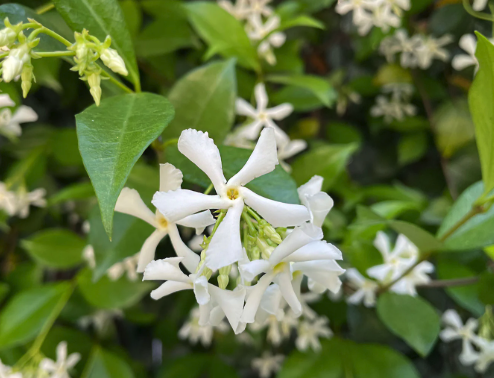
Star Jasmine
Evergreen vine with glossy leaves and very fragrant white flowers in spring. Does best with some shade in the afternoon. Guide new growth onto the fence for the first few months.
08Bottom border bed
More vinca to fill out the border bed along the bottom of the yard. We'll pick up a good batch of them and fill in the gaps so the bed reads as one continuous band of color.
A quick note on timing: vinca is a warm season plant, and we'd be planting it heading into winter. That's usually not a problem. Most vinca make it through winter just fine, especially with the warmer winters we've been having, and this bed sits right up against your house, which holds heat and protects it on cold nights. It may slow down and flower less in December and January, then it picks right back up in spring.

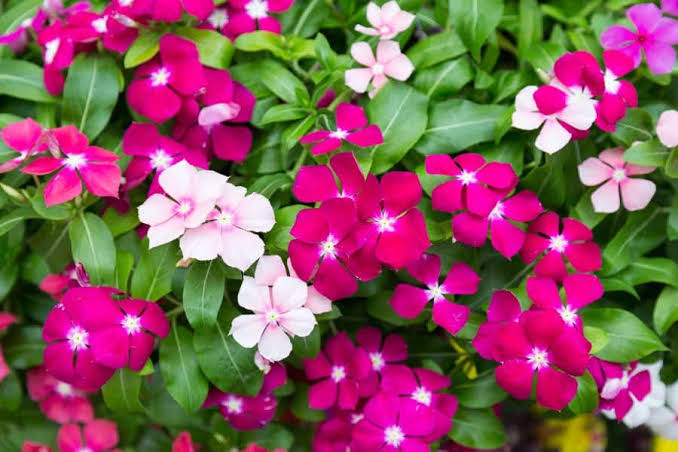
Vinca
Low, colorful, and loves the heat. Blooms nonstop through the warm months, slows down a bit in the coldest stretch of winter, and comes right back in spring.
09Under the bottle tree
The Bermuda under the bottle tree is thinning out because it wants full sun, and that tree's shade gets heavier every year. I'd suggested St. Augustine at the consult, but since that's not the direction you two want to go, here are two good alternatives: clover and dichondra. Both handle shade far better than Bermuda, both are soft underfoot, and neither needs mowing like a lawn does.
You can go with one or mix them. A mix works really well here: the dichondra fills the shadiest spots right under the canopy, and the clover takes the edges where it gets more light.

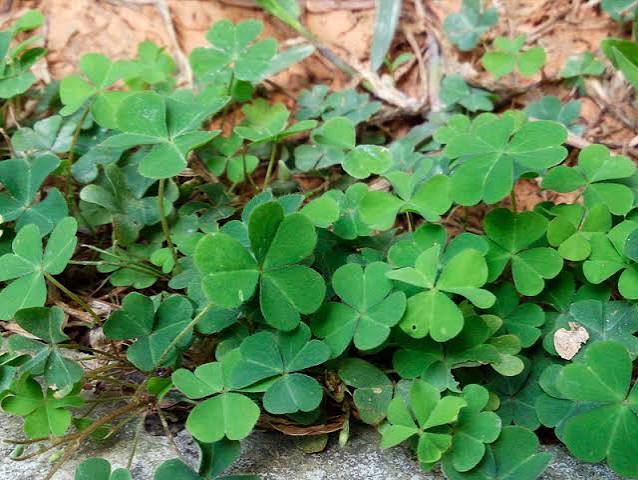
Clover
Stays green and soft, and it feeds your soil. Clover pulls nitrogen out of the air and puts it into the ground, so it fertilizes itself and the tree's roots around it. Microclover is the one I'd pick: smaller leaves, lower growth, and fewer flowers, so fewer bees if people walk barefoot out there. It's a cool season plant, so fall is the best time to seed it, and the shade from the tree helps it get through summer. It can be mowed high a few times a year, or just left alone.
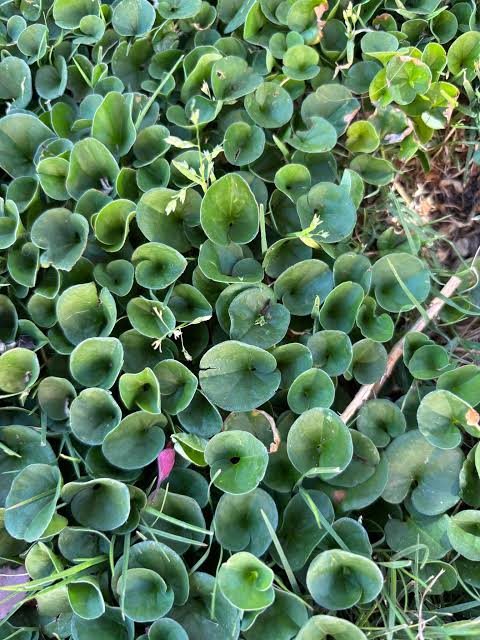
Dichondra
A low, dense carpet of small round leaves that looks like a lawn from a distance and loves shade. It stays about 1 to 2 inches tall, so it rarely needs mowing. It handles light foot traffic, not heavy play. It likes consistent moisture, so it needs regular water to stay lush. It sprouts best in warm soil, so seed it in early fall or wait until spring.
How to put it in
1. Knock back the Bermuda. Mow it as low as it'll go and rake out the dead thatch so the seed can reach the soil. You don't have to kill it all. Clover and dichondra will fill in and outcompete it in the shade over time.
2. Add compost. Spread a thin layer, about a quarter inch, over the whole area. This gives the seed something to sprout in and feeds the soil life under the tree.
3. Seed it. Broadcast the seed evenly. Microclover goes down at about 1 to 2 lbs per 1,000 sq ft, and dichondra at about 1 lb per 1,000 sq ft. Lightly rake it in or press it down so it makes good contact with the soil.
4. Keep it moist. Water lightly once or twice a day for the first 2 to 3 weeks until it sprouts and fills in. Then back off to deeper, less frequent watering.
5. Feed it. Once it's established, the same organic liquid feed we use on lawns works great here too and really greens it up.
10Front of the house
Eight ruellia along the front of the house. They give you a full, soft band of green with purple flowers from spring through fall, and they stay the right size for a bed against the house without blocking windows.
We'll space them about 2 to 3 ft apart so they grow together into one continuous planting. Let them keep their natural shape instead of shearing them into balls. That's how you get the most flowers.

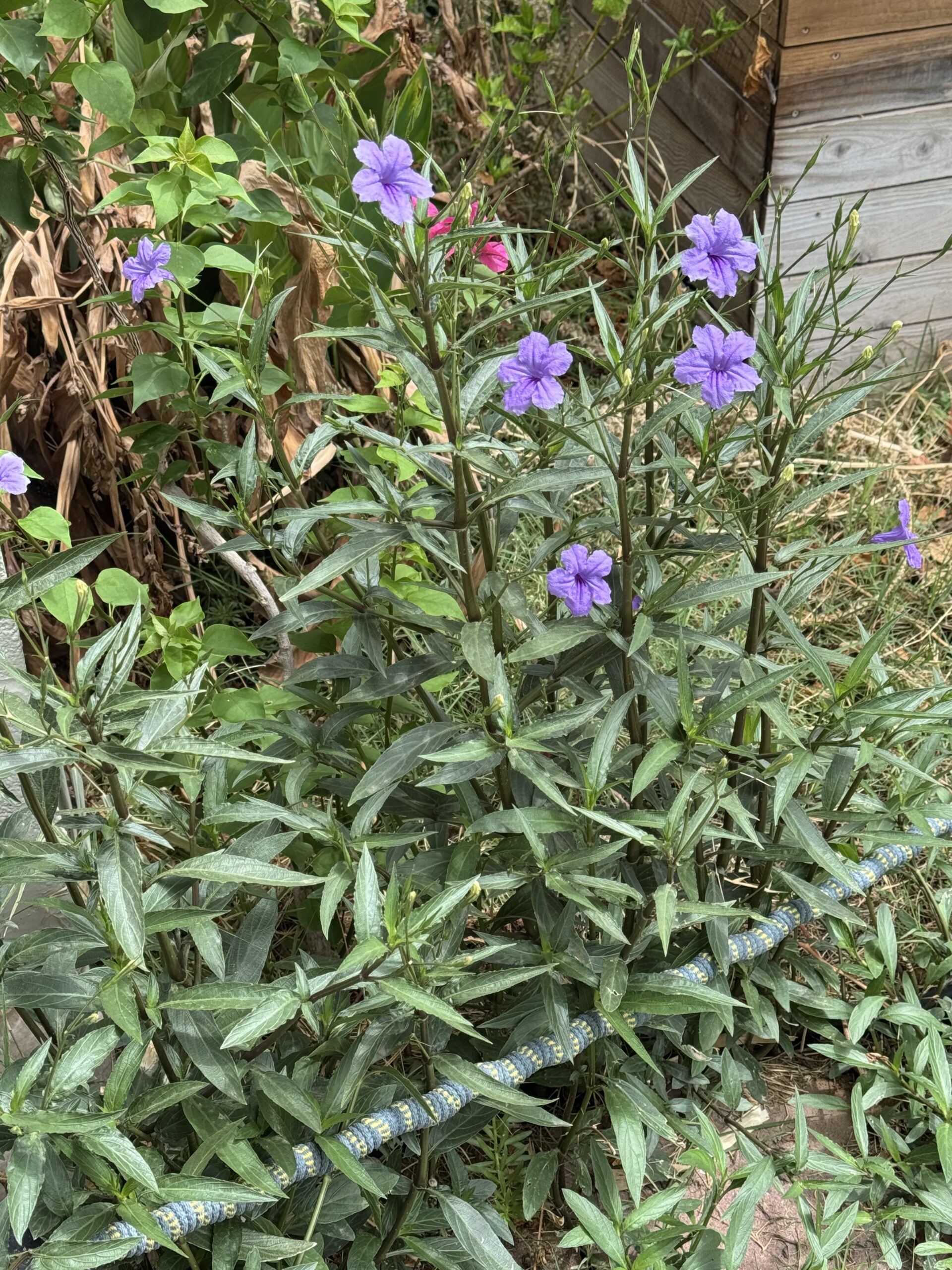
Ruellia
Upright green leaves with purple trumpet flowers that open fresh every morning, spring through fall. Handles full sun and reflected heat off the house, and takes less water than plants that aren't desert adapted. If a cold snap browns the tips, cut it back in late winter and it comes right back.
Every plant goes in with compost
Your planting quote
| 22 plants at 5 gallon, planted2 red hibiscus, 1 Sticks on Fire, 4 plumbago, 4 foxtail fern, 4 Angelita daisy, 2 autumn sage, 2 mistflower, 2 Lady Banks rose, 1 star jasmine. Includes compost in and on top of every hole. | $1,749.00 |
| 8 ruellia at 5 gallon, plantedFront of the house. Includes compost in and on top of every hole. | $520.00 |
| Orange jubilee transplantOut of the pot and into the ground at the arch | $49.50 |
| Vinca for the border bed | $30.00 |
| Total | $2,348.50 |
A 50% deposit of $1,174.25 gets you on the schedule. The balance is due when we finish.
Questions about any of these, or want to swap something out? Text me anytime. As a consult client you're already in the Garden Nerd Club, so you've got direct access to me there too.