
Your Yard, Donna and Mark
Thanks for having me out. This is everything we walked through, written down in the order we covered it. The big picture: a few of your citrus trees need rock pulled back and regular compost, a couple of walls and the dog run could use some hedge coverage, the pool area needs some heat relief, and there's a good spot out front for a new shade tree.
Every plant on this list is adapted to this climate and takes a lot less water than something that isn't desert adapted. When we plant, we backfill with your native soil, lay compost right on top, and mulch over that, so the soil biology gets going from day one without disturbing the roots.
Citrus, walls, and the pool
Cut back the affected growth, watch it through spring
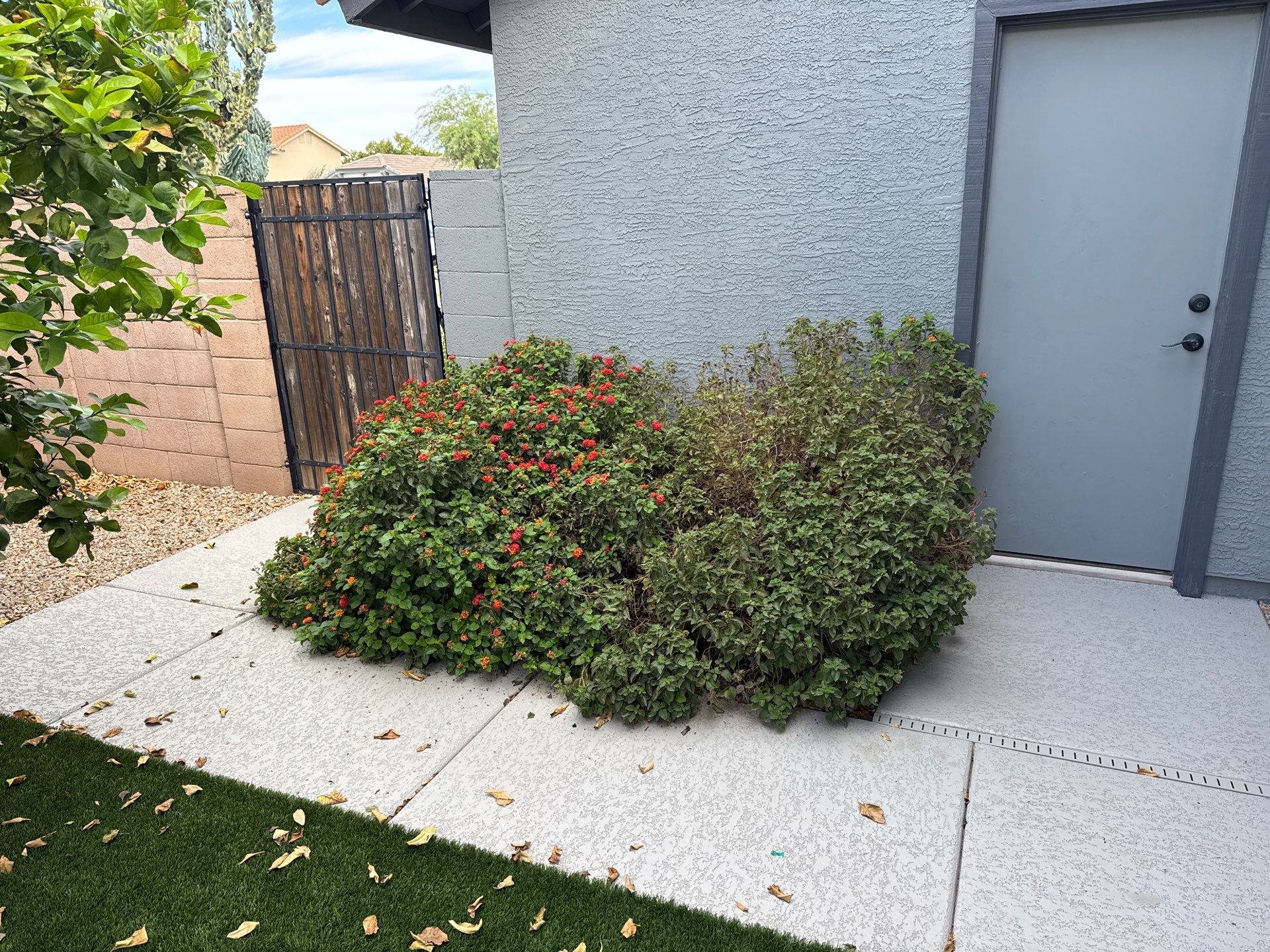
This lantana picked up something that looks like gall. There hasn't been any pruning here, so it's not clear exactly why, but it's nothing to worry about. Cut back about a third to half of the infected growth now. If it hasn't cleared up by the end of winter heading into spring, that's when you'd hack it back hard. Either way, it should be fine. A deep soak never hurts either, so that's worth doing regardless of how it responds.
Expose the root flare, clean up the cross branches

Your lemon tree is looking good, honestly the least of my worries on the property. It would still benefit from exposing the root flare and cleaning up a few cross branches inside the canopy. Winter is the right time for both, so it's a good one to knock out now.
Pull the rock back, add mulch and more color

This whole area gets baked all day between the sun, the surrounding rock, and the heat both the rock and that block wall hold onto. That wall is actually one of the biggest heat drivers in this spot. Pulling the rock out and replacing it with mulch cools this space down noticeably, and Arizona Worm Farm has everything you'd need for that. You've already got a red hibiscus here, and the yellow and white ones that used to be here didn't make it. San Marcos hibiscus gives you color that actually holds up to this exposure. A wider mix to round it out:
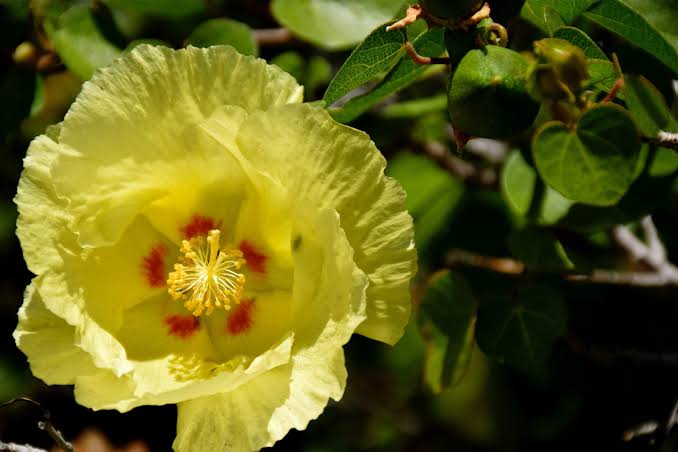
San Marcos Hibiscus
Yellow blooms with a maroon spot at the base, holds up well to reflected heat.

Globe Mallow
Orange-red blooms most of the year, takes a lot less water than something that isn't desert adapted.
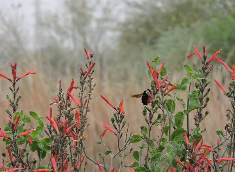
Chuparosa
A hummingbird favorite, red tubular blooms most of the year.

Desert Milkweed
A great pick for right next to a pool, leafless and clean, no litter to skim out. Loves full sun and heat, and it's a real butterfly draw.
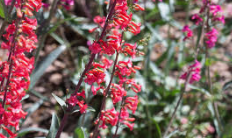
Penstemon
Tall spikes of red or pink tubular flowers in spring, another hummingbird draw.
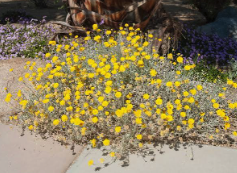
Desert Marigold
Bright yellow daisy blooms nearly year round, low and mounding.
If you wanted to take it further, that block wall could also take a vine or two. Keep in mind vines drop leaves, which is a different kind of upkeep right next to a pool than the options above, but it would look great covering parts of that wall in green.

Tangerine Crossvine
Orange trumpet blooms in spring, climbs fast and covers a lot of wall.
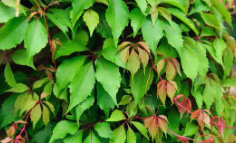
Hacienda Creeper
Fuller coverage with good fall color before it drops for the winter.
Ground Cover
Worth adding a low ground cover through this bed too, something dense and mat-forming so mulch has less of a path to wash or blow into the pool.
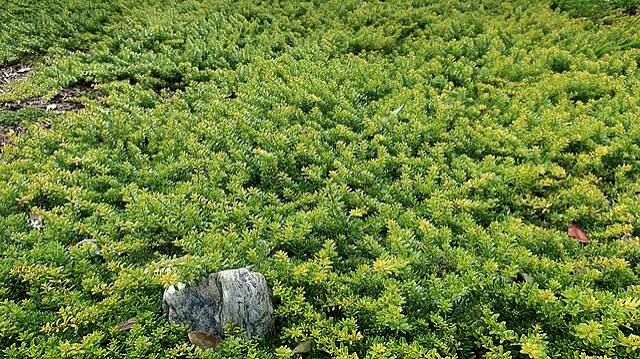
Myoporum
Fast, dense, mat-forming groundcover, holds mulch in place better than most.
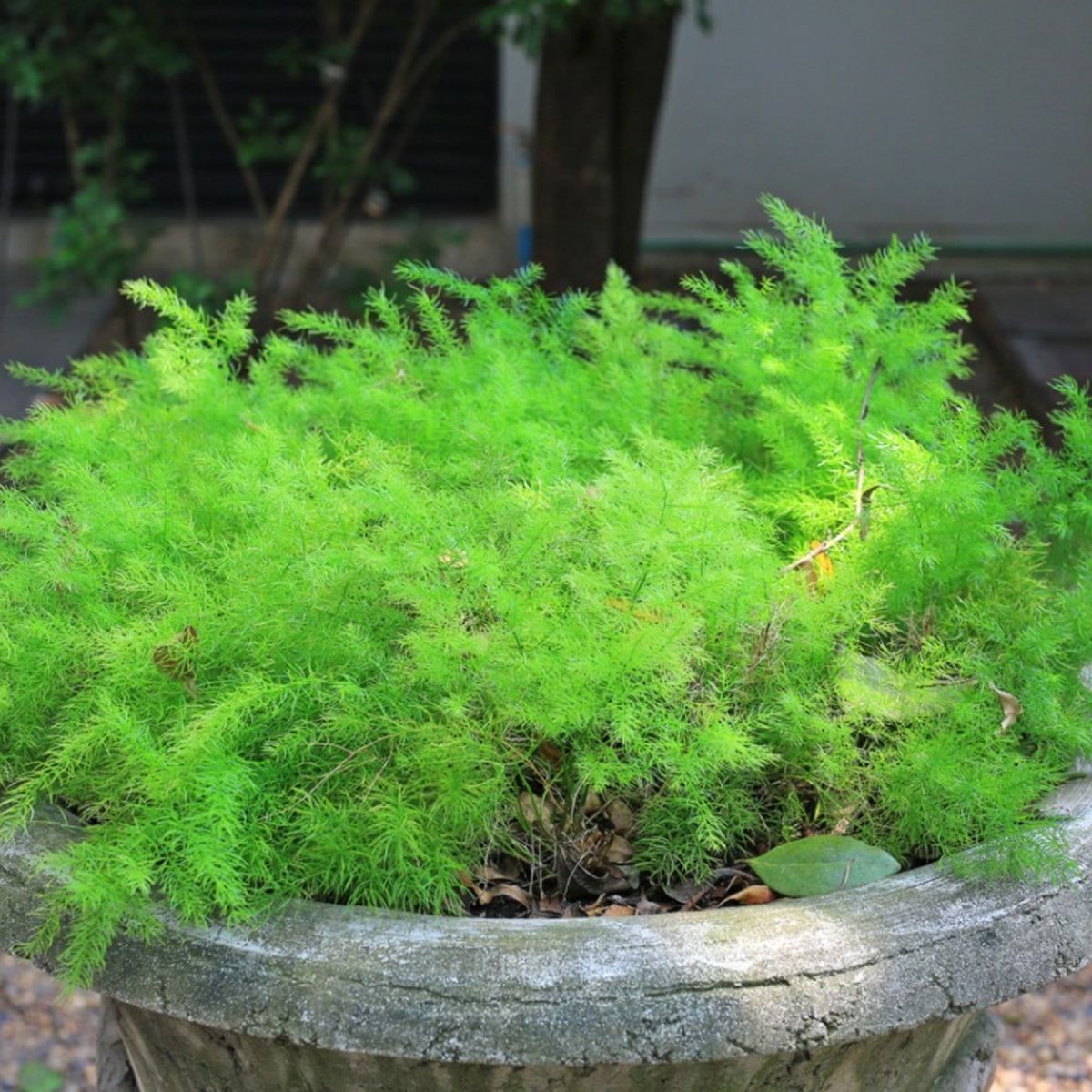
Asparagus Fern
Soft, feathery texture, fills in low and thick along the bed edge.

Iceplant
Succulent mat with bright, near-year-round color, tough right at a pool edge.

Sunrise Emu
Low, spreading, silvery foliage with small yellow-orange blooms.

Blue Euphorbia
Blue-gray succulent texture, low mounding habit, holds mulch well.

Yellow Dot
Dense, fast-spreading mat with small yellow flowers, fills in completely.
Cover the walls for privacy and shade

On any of the block walls here, getting coverage growing on them is worth doing. These will grow tall over time, 10 to 15 feet and sometimes up to 20, and they can go in on the same line as your other shrubs rather than needing their own dedicated row.

Hopseed
Dense, fast-growing evergreen screen, good for covering a lot of wall.

Arizona Rosewood
Native, upright structure, a cleaner look than hopseed.

Orange Jubilee
Bright orange trumpet blooms most of the warm season.

Twisted Myrtle
Dense, glossy evergreen with a more sculptural, twisted form than a plain hedge.
This one's in good shape, just keep feeding it

This Bearss lime is doing fine as is. It would be happier in a wider pot eventually, but that's not urgent. A couple handfuls of compost every month will do a lot for it in the meantime.
Pull the rock back, feed it heavier than the rest

This one wants the same base treatment as the other citrus: rock pulled back, a water well built around the base, mulch down, and compost added monthly. This tree specifically responds well to a heavier hand with the compost, so add in as much as you reasonably can.
Same treatment, and don't worry about the off year

Same recipe as the other citrus here: pull the rock back to the drip line, build a water well, mulch, and add compost monthly. It's completely normal for citrus, oranges especially, to have an off year, so don't read too much into that. There's already plenty of new healthy growth on this one, which is the sign that actually matters, and this treatment builds on it.
Dig down and find the flare on this one too

Same recipe again: rock back, water well, mulch, compost. This one specifically would benefit from a real deep soak with the hose, not just a quick pass, let it sit and soak in. One of the dead branches on this tree is a sign it's planted too deep and one of the root flares is being choked off. Once you've dug down and found it, treat it the same as everything else on this list.
Add a hedge along this wall

This wall could use the same hedge treatment, a mix to soften it and build privacy over time.
Twisted Myrtle
Dense evergreen with a sculptural, twisted form.
Hopseed
Fast, dense screen, good for covering ground quickly.
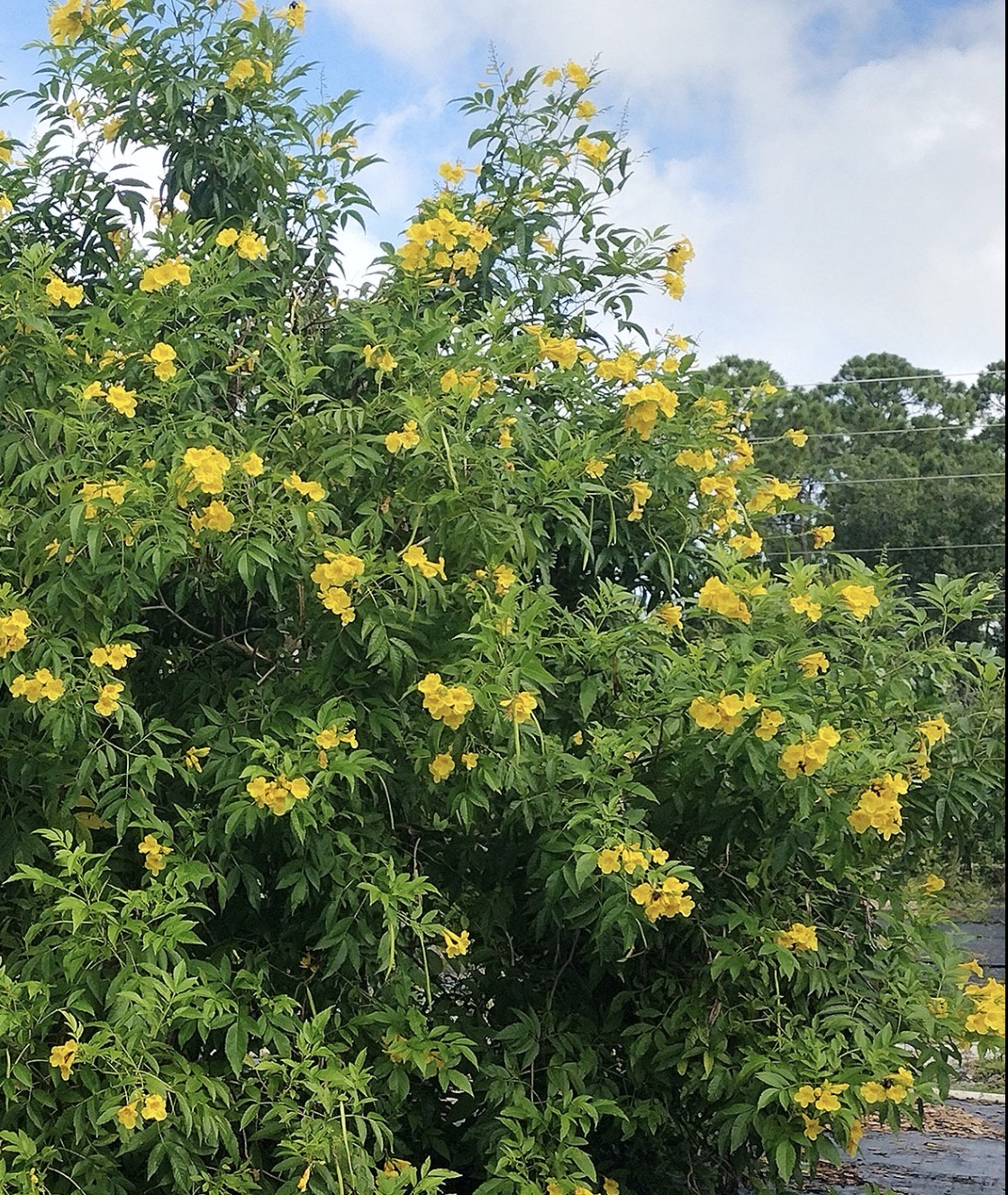
Yellow Bells
Bright yellow trumpet blooms most of the warm season, pairs well with orange jubilee.
Orange Jubilee
Same family as yellow bells, orange blooms instead.
Cover these walls too, shade and all

Same idea in the dog run. Covering these walls helps cool the space down for your dog. There's shade overhead here from the sail, which affects things a bit, but twisted myrtle still works fine in that light, along with orange jubilee and yellow bells, the same three from the wall above.
A new tree and some light pruning
Train it up into a tree form

This desert willow is naturally growing more upright already, that's just how it wants to grow, so the plan is to train it into more of a tree form rather than let it stay multi-trunked and shrubby. Don't trim anything on it right now. Once it goes fully deciduous for the winter, that's your window, and even then just trim the lower branches and anything growing outward instead of upward. Let the rest do what it's already doing.
It's recovering, just give it a little help

This crown of thorns isn't something I'm worried about, it's recovering from what was just a rough stretch of heat and it'll keep improving on its own. It'll bounce back faster if you pull the rock back, build a small water well around it, and add mulch and compost as often as you can, at least once a month.
A desert-adapted shade tree for this spot

This spot would be a great home for a desert-adapted shade tree. A few options that fit well here:
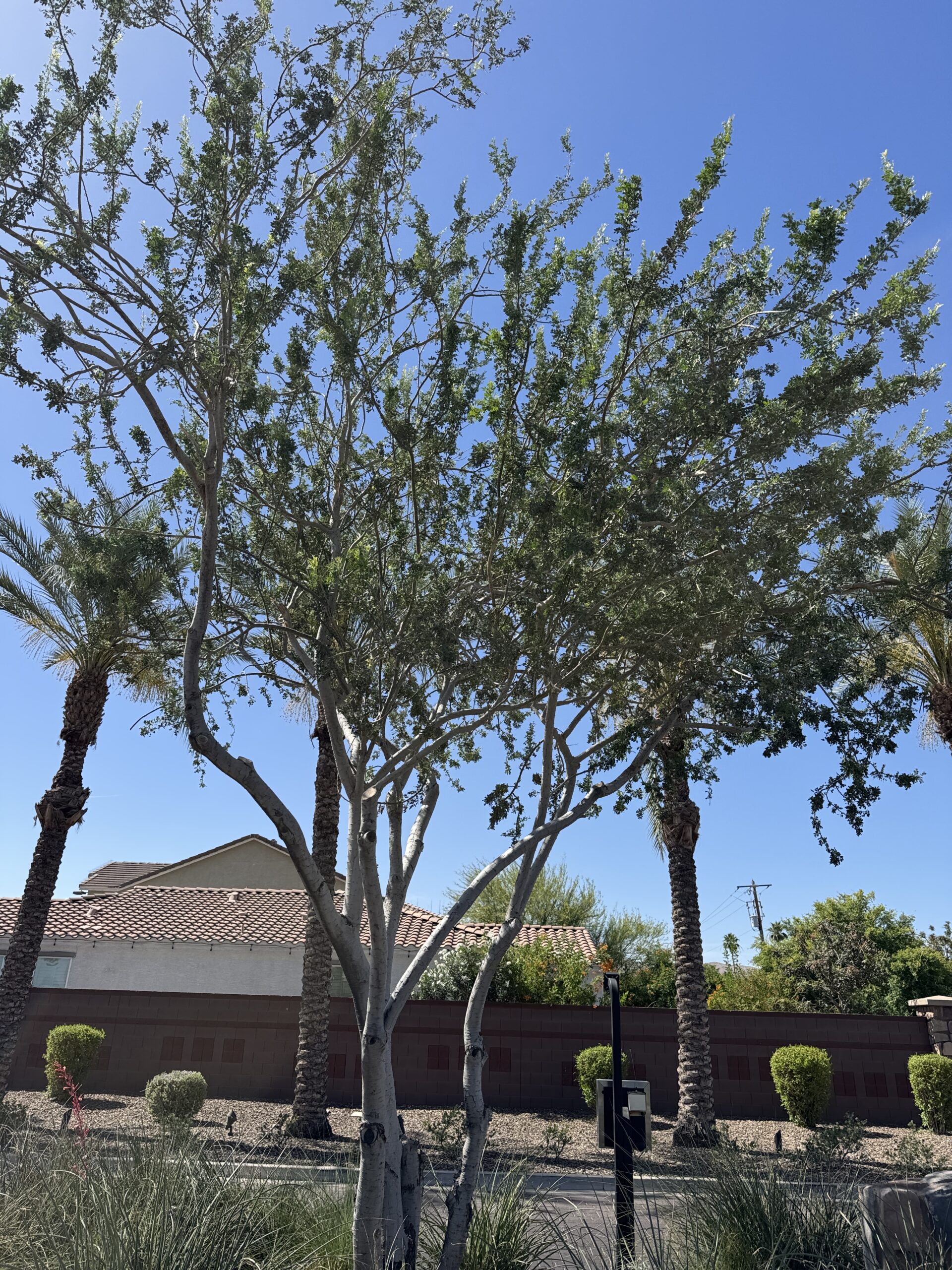
Desert Ironwood
Slower growing, but it will outlive nearly anything else you could plant here, with soft lavender blooms in late spring.

Mulga Acacia
Dense, upright form with silvery foliage, a different look if you'd rather not repeat ironwood elsewhere on the property.
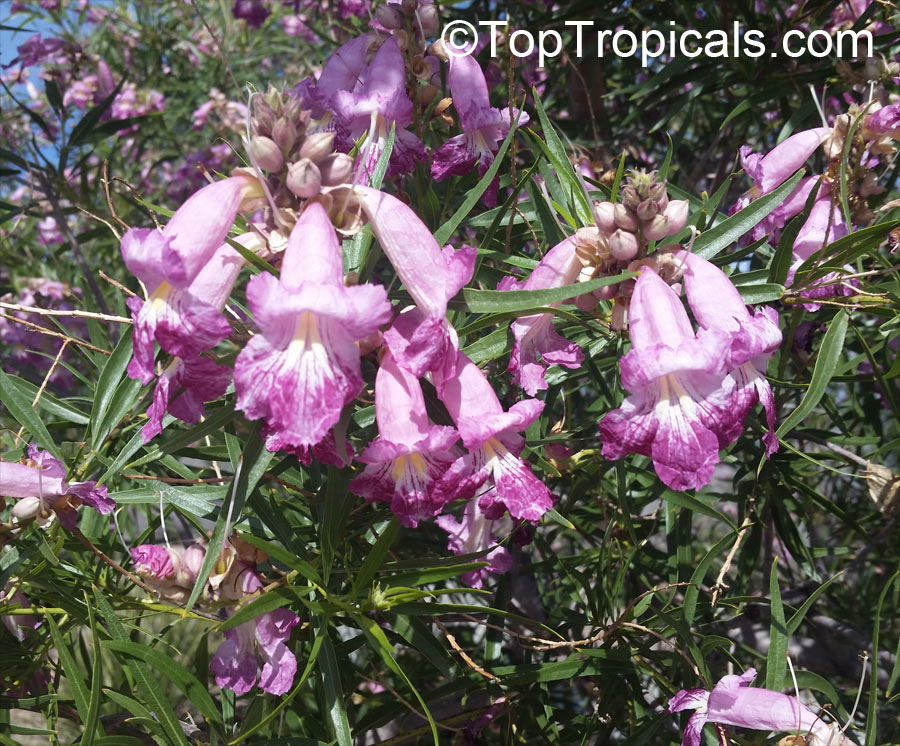
Desert Willow
A second one to match the desert willow you're already training up front, showy summer blooms and lighter, airy shade.
These are doing great, just prune twice a year

Everything in this bed already looks good and doesn't need much from you. Twice a year is really all it takes: once at the end of summer heading into fall, right around now, and once at the end of winter heading into spring to give it a clean reset before it starts pushing new growth. Outside of those two windows, you can just leave it alone.
Monthly organic fertilizing program
Compost came up almost everywhere we walked today. This turns that into a standing habit instead of something you have to remember.
Whether you handle the planting and pruning yourself or have us do it, everything on this list, the citrus especially, does better with regular compost rather than an occasional handful. We come out monthly, spray the whole landscape with our organic liquid blend to feed the soil life, and top dress with quality compost a few times a year, all sourced through Arizona Worm Farm. You get a short recap video after each visit so you know exactly what was done and what we're seeing.
Fruit trees and anything else that isn't desert adapted lean on this more than the native stuff does. Your citrus, especially, will notice the difference. A good quality compost from Arizona Worm Farm added in monthly is really all it takes, and everything from the lemon tree to the finger lime will be noticeably happier for it.
Monthly Organic Fertilizing
No contract, cancel anytime.
Where this goes next
Everything above is laid out so you can handle it yourselves if you'd like. You'll be added to the Garden Nerd Club, where you can ask questions as you go and I'll walk you through anything, from finding a root flare to what goes in the hole. If you'd rather I put together a planting proposal with pricing for the new tree or the hedges, just say so.
Once the new tree and hedges are in, it's worth getting irrigation run out to them. Garrett, the irrigation guy I work with, can take care of that. He's at 480-678-9121.
Questions on anything here, just reach out. You can also read more about how we plant at thegardennerd.org.