

Nanette Deal
Here's everything we talked about
Thanks for having us out, Nanette. Everything is laid out below in the order we walked the yard, and every plant suggestion has its own card so you can see what it looks like and why it fits that spot.
West Side: Arizona Rosewood
West facingAbout 10 feet wideThis side of the house faces west and gets blasted with afternoon sun. There's only about 10 feet between the house and the block wall, so whatever goes here needs to give shade without taking over the walkway.
Arizona rosewood along the block wall is a great fit. It grows up to 10 to 15 feet tall, which is enough to block that afternoon sun off the house and cool this whole side down, but it stays fairly contained and won't push too far out toward the house. If it does reach out over the walkway, a light thinning cut back to a branch keeps it in its space without shearing it.
Hopseed is another good option here. It grows faster than rosewood with a lighter, airier look, and handles the same full western sun. You can go with one or mix the two along the wall.
Space rosewood about 6 to 8 feet apart and hopseed about 6 to 7 feet apart. Go with 5 gallon plants. They root in quickly and catch up to larger plants fast.
Against the house
On the other side of the walkway, right up against the house, you need plants too, but different ones. They have to stay low so they don't cover the windows, and they shouldn't need a lot of water, since you don't want a lot of water sitting next to the foundation. Desert milkweed, totem pole cactus and San Marcos hibiscus are all great here, and I've added a few more low, desert adapted options below.
Plant them about 2 feet out from the wall rather than tight against it, and have the drip emitters placed on the outside of each plant, away from the house.
You can't fit all of these, so pick your favorites and mix a few together.


Arizona Rosewood
Dense, dark green evergreen shrub that reaches 10 to 15 feet tall and stays narrower than most screening shrubs. White flowers in spring and some red leaf color in fall. Handles full western sun and takes less water than plants that aren't desert adapted.

Hopseed
Fast growing evergreen screen about 10 to 15 feet tall and 6 to 8 feet wide with a soft, airy look. Takes full sun and less water than plants that aren't desert adapted. Let it grow into its natural shape rather than shearing it.

Desert Milkweed
Upright, rush-like native about 3 to 4 feet tall with pale yellow flowers. Stays narrow, takes the west sun, and is a host plant for monarch and queen butterflies.
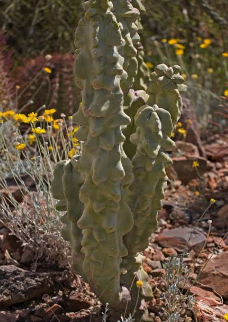
Totem Pole Cactus
Smooth, knobby green columns with no spines. Narrow, sculptural, and needs very little water, so it's ideal near the foundation.
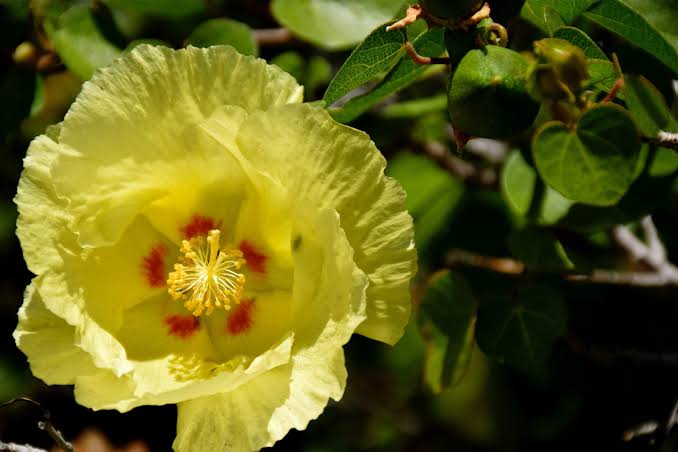
San Marcos Hibiscus
Mounding shrub about 2 to 3 feet tall with lavender-pink flowers spring through fall. Stays well below the windows and loves heat.
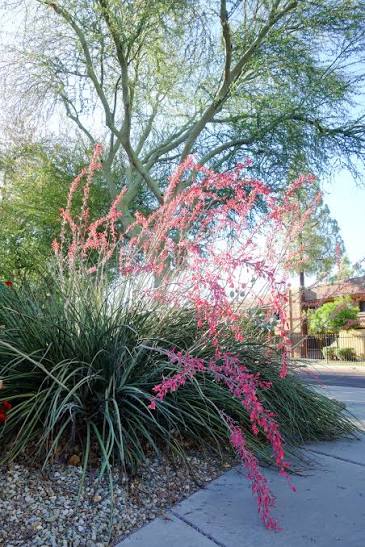
Red Yucca
Grass-like clumps about 2 to 3 feet tall with tall coral flower spikes hummingbirds love. Very little water.
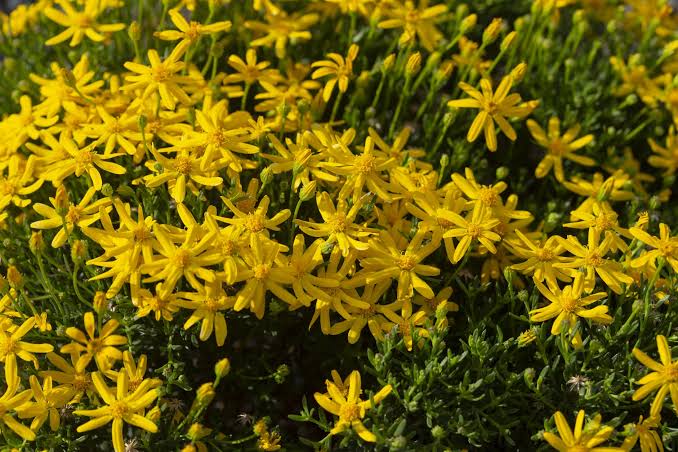
Damianita
Low, fragrant mound about 1 to 2 feet tall covered in golden daisies in spring and fall.
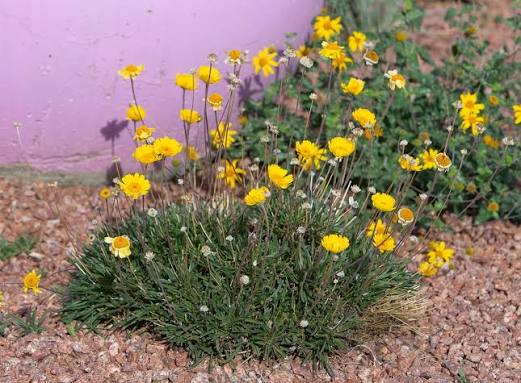
Angelita Daisy
Small mounds of bright yellow daisies almost year round, about 1 foot tall.
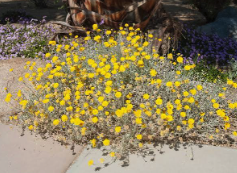
Desert Marigold
Silvery mounds about 1 foot tall with bright yellow daisies most of the year. Reseeds itself.
Citrus Trees: Root Flares
3 treesDIY friendlyThe grapefruit and actually all three of your citrus trees are buried a little too deep. The root flare is where the trunk widens out into the roots, and it should sit at or just above the soil. When it's buried, the bark stays wet, it invites rot, and roots can start to grow up and around the trunk and choke it over time. Citrus are especially sensitive to this.
The video below shows why an exposed root flare matters, with real examples of what buried flares look like.

Video not loading? Watch it on YouTube.
How to open up the root flare
- Work gently around the base of each tree. Don't go in aggressive with a shovel, or you'll damage the roots you're trying to expose.
- A strong stream of water from a hose works great for blasting the dirt away without hurting the bark or roots.
- Keep going until you can see the trunk flare out into the main roots.
- Look for any roots growing up over the flare or wrapping around the trunk. If you think something needs to be cut, post a photo in the Garden Nerd Club first and I'll let you know. If you'd rather we handle it, we do root flare work too.
- Once it's open, leave it exposed. Keep mulch and rock at least a foot back from the trunk.
Corner Behind the Pool
East and south wallsVines + layersThis corner behind the pool has your two citrus trees, but there's room for a lot more. One wall faces east and the other faces south, so it gets a good amount of sun. You liked the idea of Hacienda creeper climbing the walls, which is a great base. It grips the block on its own and takes up almost no space.
To give it depth and dimension, layer some flowering plants in front of the vines and between the citrus. Taller plants against the walls, medium plants in the middle, lower plants along the front, and keep anything that drops a lot of flowers or leaves a little back from the pool edge.
Canna lily works great here for a tropical look by the pool, as long as it's layered in with other plants and gets some shade during the day. On its own in full sun the leaves burn, but tucked in with the citrus and other plants it does really well.
You can't fit all of these, so pick your favorites and mix a few together.
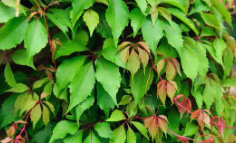
Hacienda Creeper
Self-clinging vine that grips the block wall on its own, no trellis needed. Stays flat against the wall, so it takes almost no space, and turns red in fall. Takes full sun and our heat.

Tangerine Crossvine
Self-clinging, evergreen vine with orange trumpet flowers in spring that hummingbirds love. Handles full sun and reflected heat on a south or west wall.
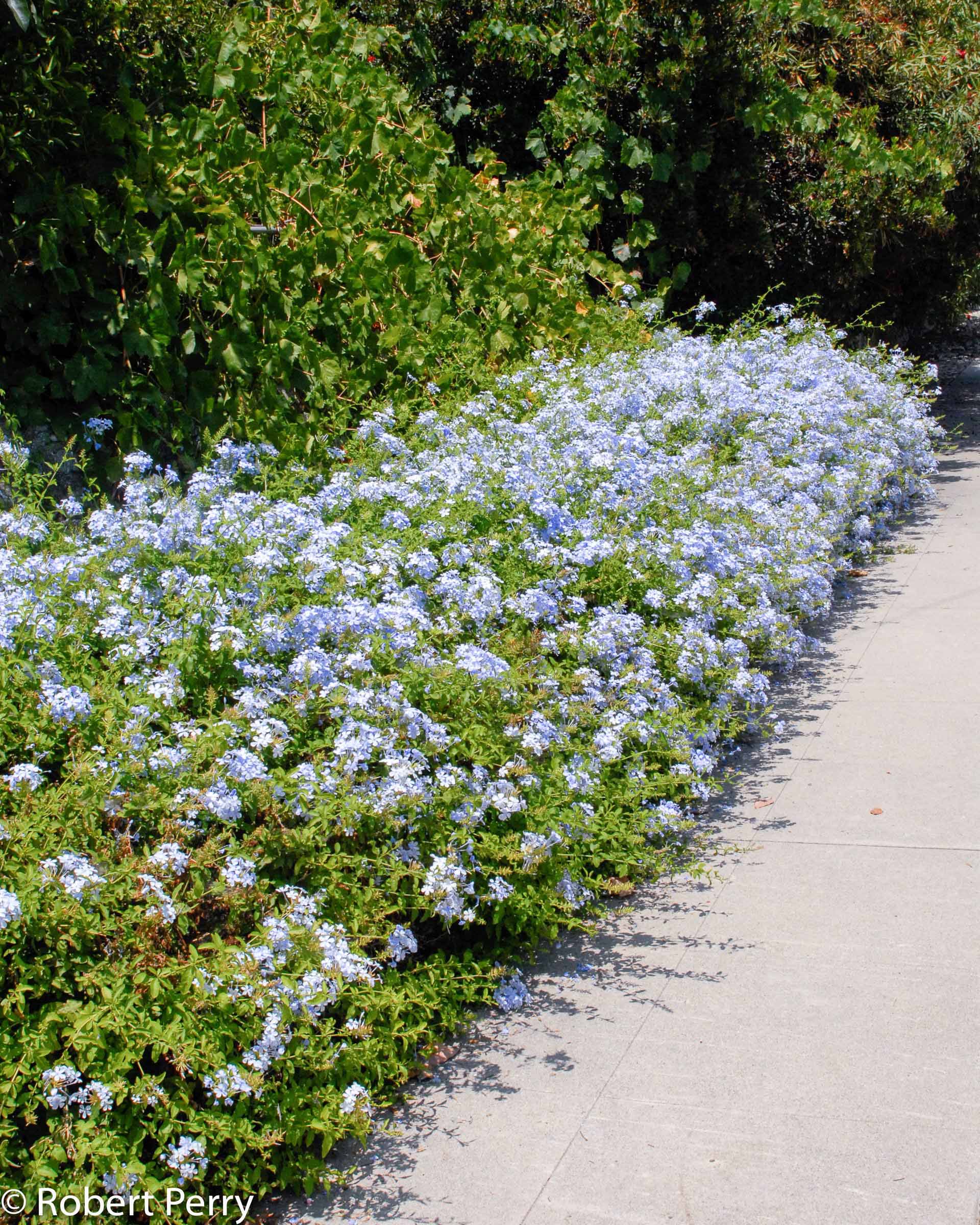
Cape Plumbago
Soft mounds of sky blue flowers most of the year, about 4 to 6 feet tall and wide. Perfect on the east wall with morning sun.
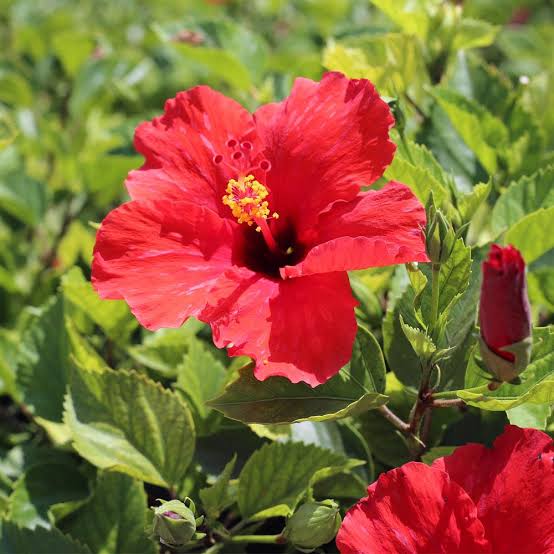
Red Hibiscus
Big red tropical blooms and glossy leaves, 6 to 8 feet against a wall. Looks great by a pool. Cover it on frost nights.
San Marcos Hibiscus
Mounding shrub about 2 to 3 feet tall with lavender-pink hibiscus-like flowers spring through fall. Loves heat and stays a clean size near the pool.

Canna Lily
Big, tropical leaves and bright flowers in summer, about 3 to 5 feet tall. Needs to be layered in with other plants and get some shade during the day. Cut spent stalks to the ground to keep new ones coming.
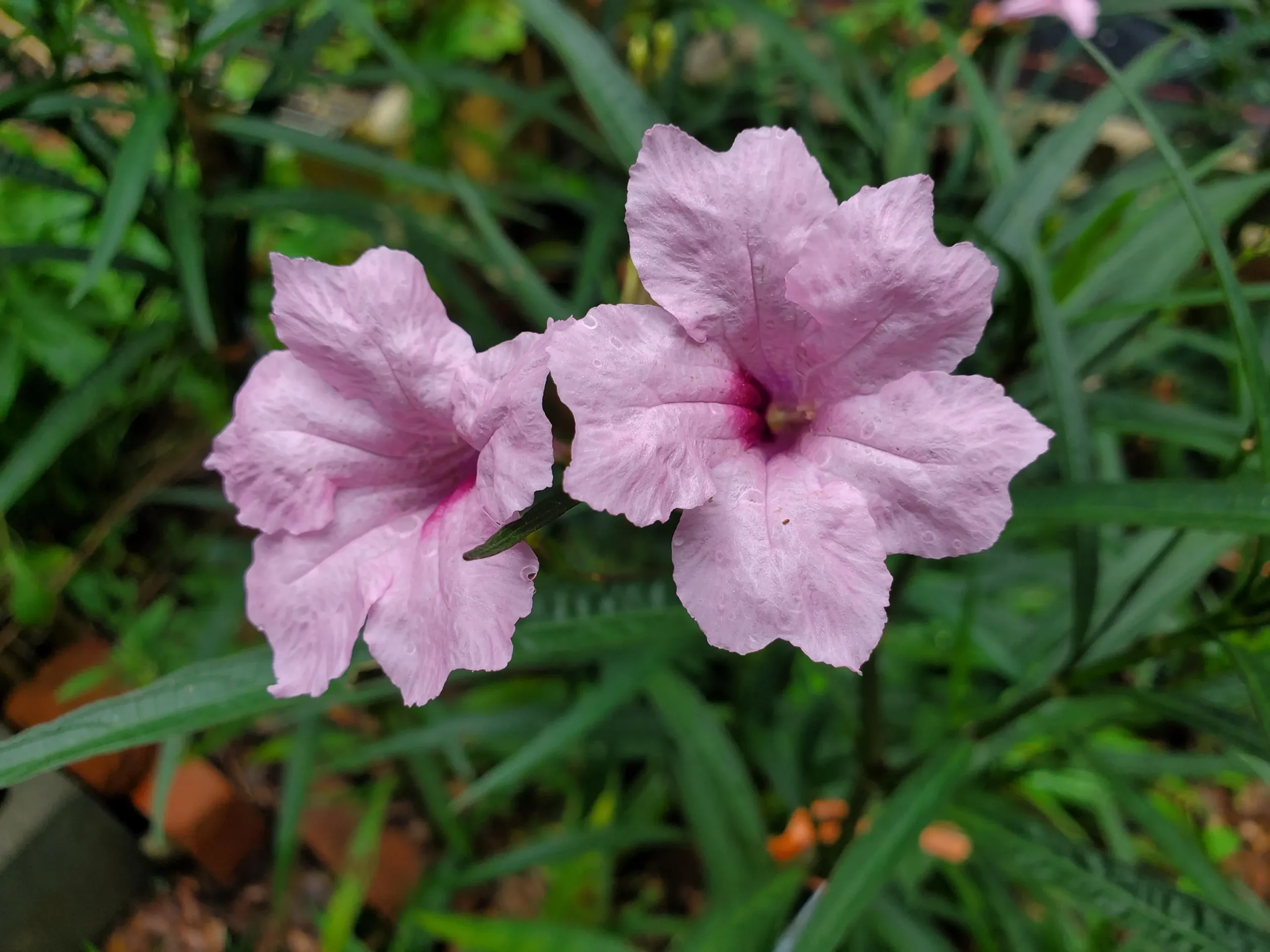
Pink Ruellia
Upright clumps about 2 to 3 feet tall with pink flowers spring through fall. Tough and easy.
Angelita Daisy
Small mounds of bright yellow daisies almost year round, about 1 foot tall. Great along the front edge.
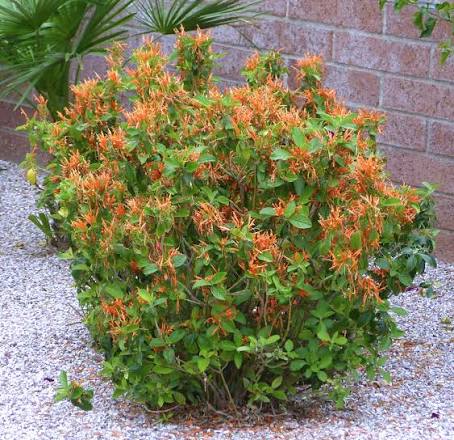
Mexican Honeysuckle
Soft green shrub about 3 to 4 feet tall with orange flowers almost year round. Great tucked under the citrus where it gets a little shade.
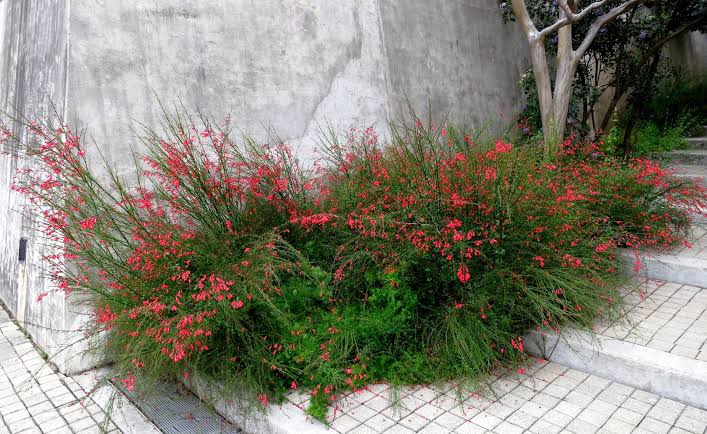
Firecracker Plant
Arching stems covered in small red tubular flowers, about 3 to 4 feet. Nice along the front edge of the planting.
South-Facing Walls: Vines and Ground Cover
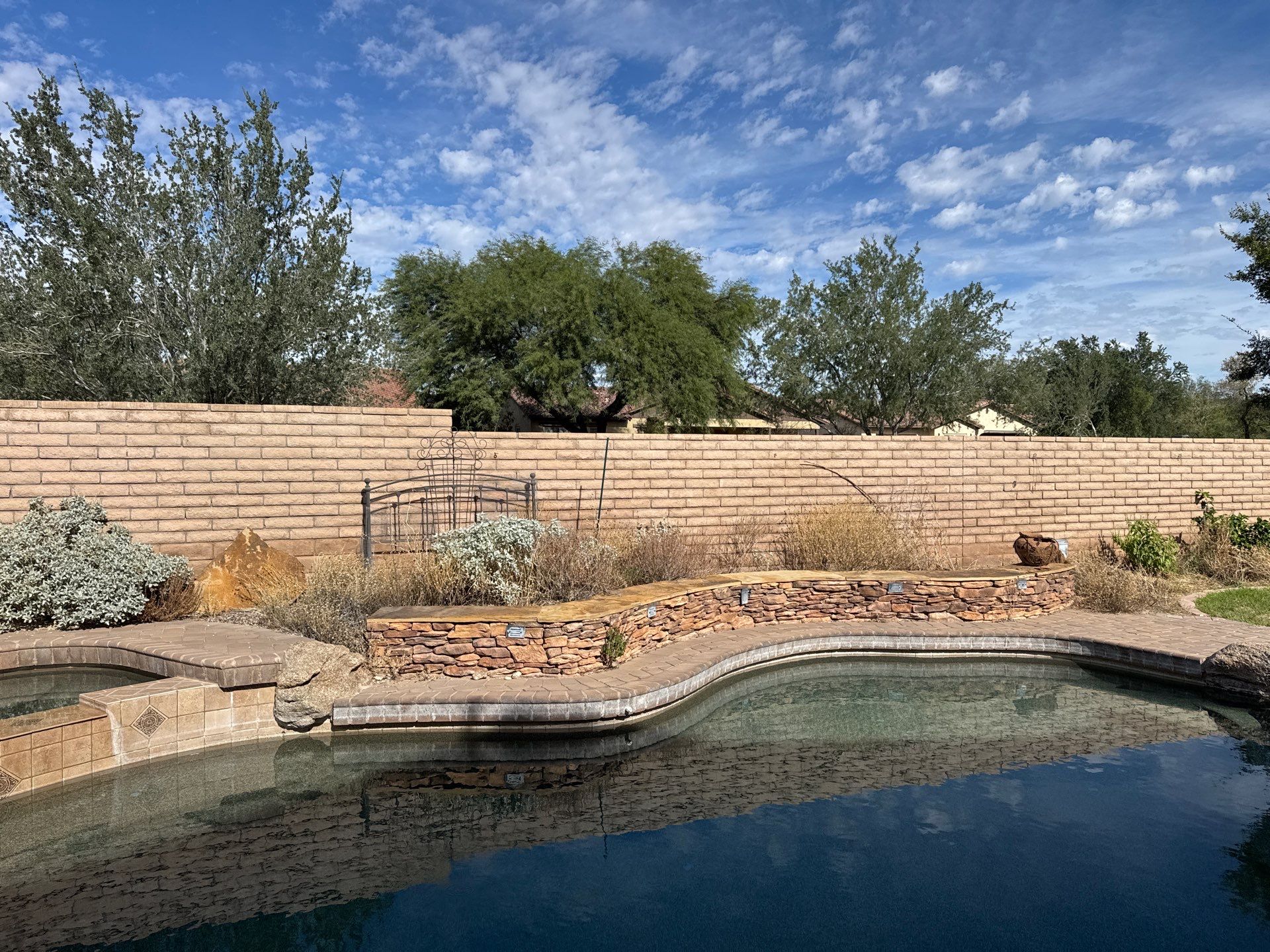
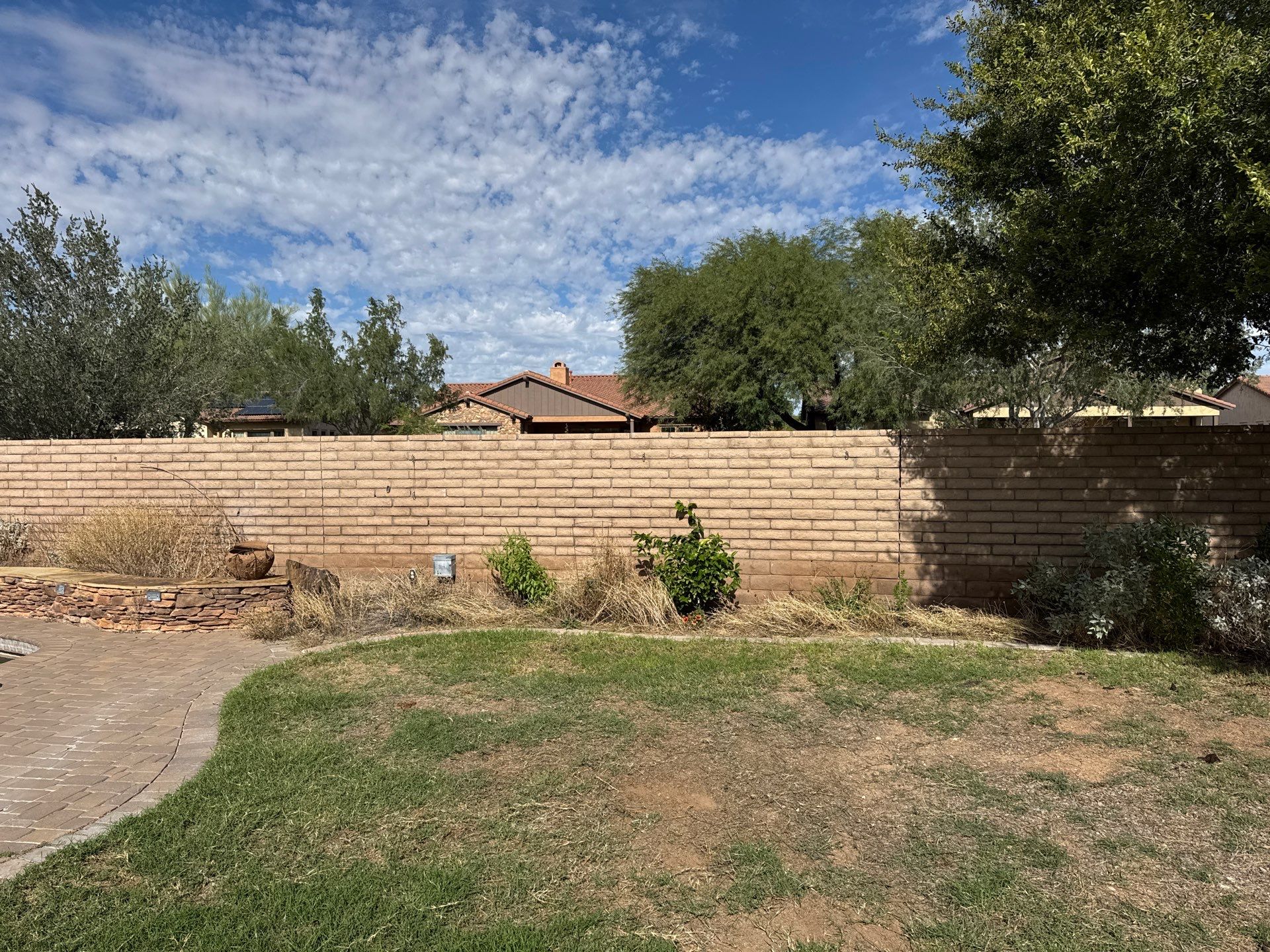
South facingVines + foodDimensionThe back wall and the wall continuing east both face south, so they're grouped together here. These walls get quite a bit of sun, so everything needs to be able to take it. The plan is vines on the walls with lower growing plants in front for dimension.
Vines
You liked Hacienda creeper, tangerine crossvine, lilac vine and bower vine. Hacienda creeper and tangerine crossvine are the two toughest and will handle the full sun on any stretch of these walls. Lilac vine and bower vine do best where they get a little afternoon relief, so put them in spots that get some shade from a tree or the house.
If you want to grow food here, passion fruit is a fun option. It grows fast, covers a trellis quickly, and gives you fruit. It needs a trellis or wire to climb, good compost and mulch at its base, and consistent water to handle the sun.
Lower plants in front
In front of the vines, go with lower growing plants. San Marcos hibiscus, chuparosa and globe mallow are all great here, and I've added a few more that love this kind of heat.
You can't fit all of these, so pick your favorites and mix a few together.
Hacienda Creeper
Self-clinging vine that grips the block wall on its own, no trellis needed. Stays flat against the wall, so it takes almost no space, and turns red in fall. Takes full sun and our heat.
Tangerine Crossvine
Self-clinging, evergreen vine with orange trumpet flowers in spring that hummingbirds love. Handles full sun and reflected heat on a south or west wall.
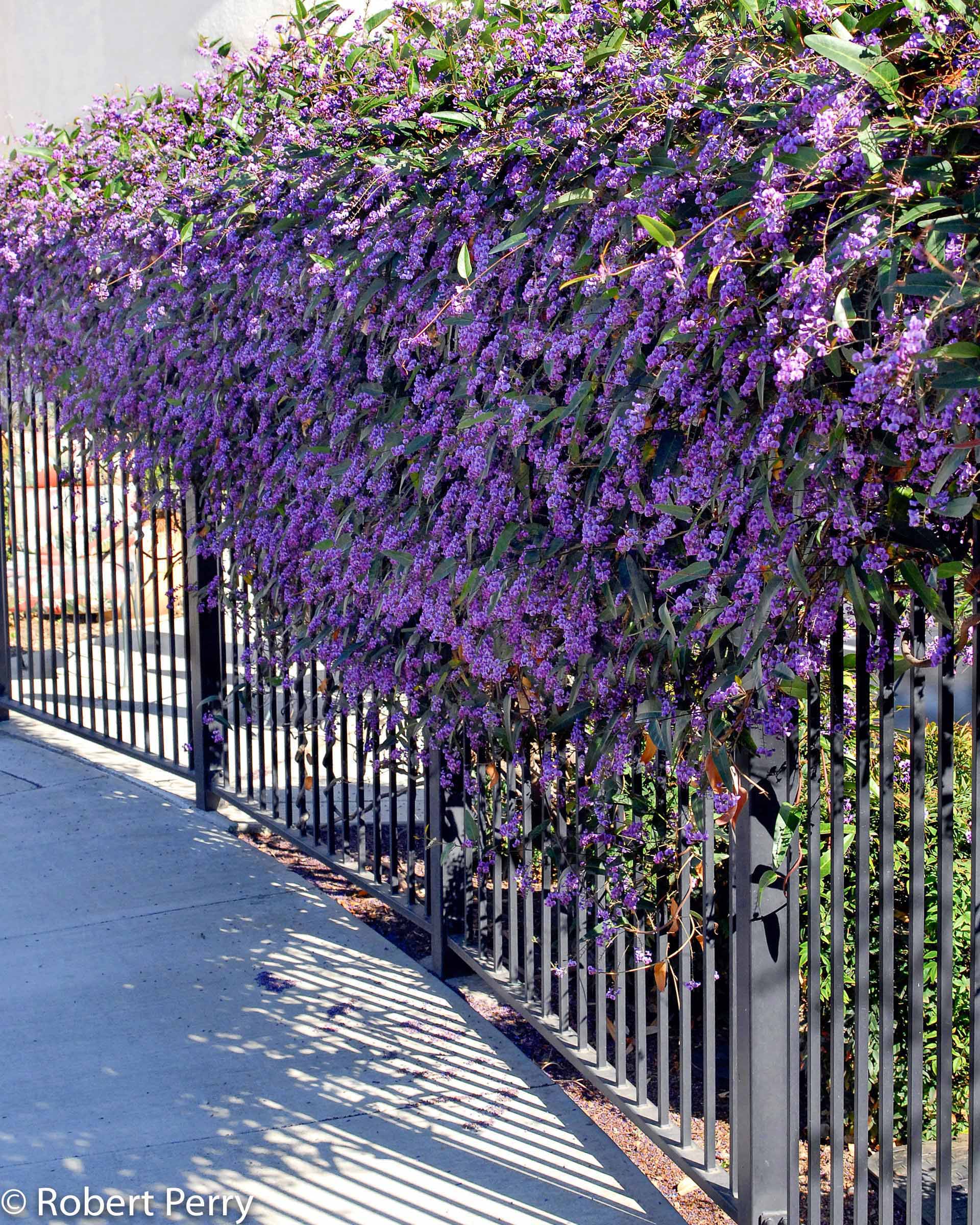
Purple Lilac Vine
Evergreen vine with cascading purple flowers in late winter and spring. Does best with a little relief from the harshest afternoon sun and needs a wire or trellis to climb.

Bower Vine
Lush, tropical looking vine with pink and white trumpet flowers spring into fall. Appreciates some afternoon relief in summer and climbs on a trellis or wire.

Passion Fruit
Fast growing vine with wild looking flowers and edible fruit. Give it a trellis or wire, plenty of compost, mulch and regular water. It can take the sun here with good soil and water, and cover it on frost nights.
San Marcos Hibiscus
Mounding shrub about 2 to 3 feet tall with lavender-pink hibiscus-like flowers spring through fall. Loves heat and full sun.
Chuparosa
Native shrub about 3 to 4 feet tall with red tubular flowers in winter and spring that hummingbirds love. Full sun, heat, and takes less water than plants that aren't desert adapted.

Globe Mallow
Native perennial about 2 to 3 feet tall with silvery leaves and orange cup shaped flowers in spring. Reseeds and fills in on its own.
Damianita
Low, fragrant mound about 1 to 2 feet tall covered in golden yellow daisies in spring and fall. Takes full sun and heat.
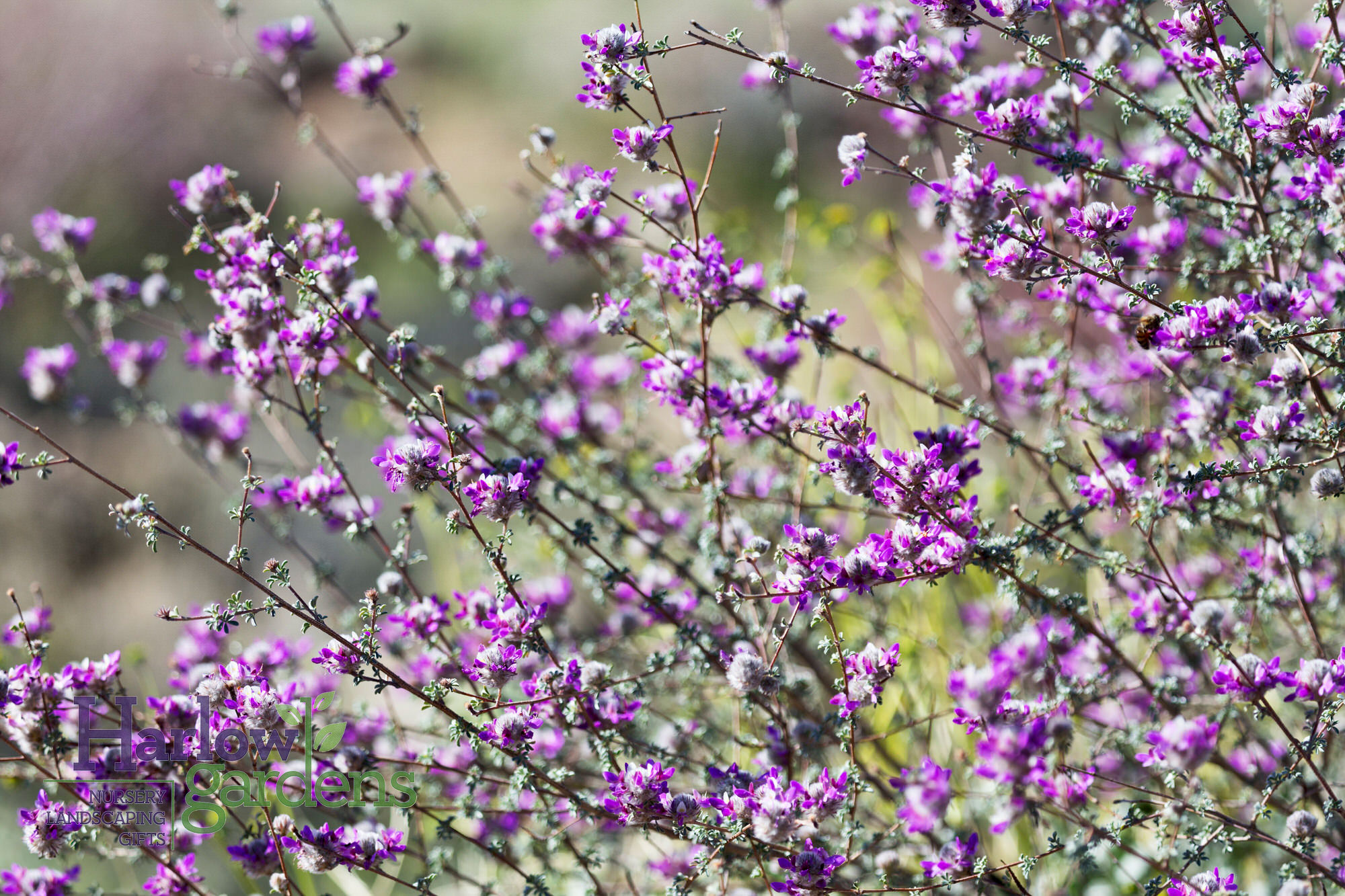
Trailing Indigo Bush
Low, spreading silvery ground cover with purple flowers in spring. Covers a lot of ground and handles reflected heat.
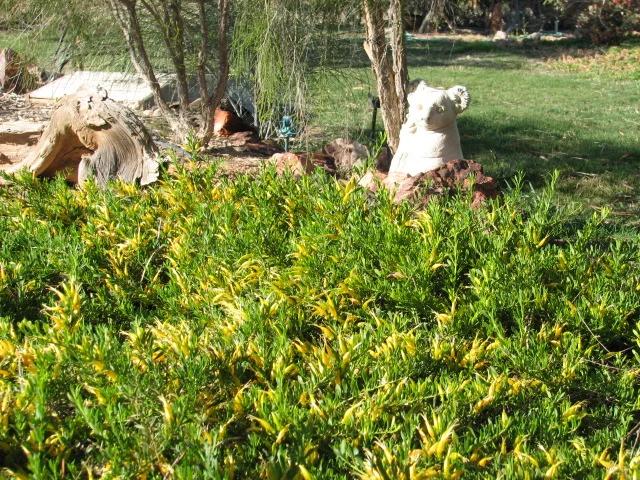
Yellow Emu Bush (Outback Sunrise)
Low, spreading ground cover with bright yellow flowers in late winter and spring. One of my favorites for hot spots.
Angelita Daisy
Small mounds of bright yellow daisies almost year round, about 1 foot tall. Great along an edge.
Narrow West-Facing Wall
West facing1 to 2 feet of spaceFull afternoon sunThis west-facing wall gets blasted with afternoon sun, and there's only about a foot, two feet max, to work with. So whatever goes here needs to fit in a tight space and take serious heat.
The best fit is a self-clinging vine, since it grows up the wall instead of out. Hacienda creeper and tangerine crossvine both stick right to the block and stay flat. If you want something sculptural instead of (or mixed with) a vine, upright cactus and red yucca stay narrow and love this exact exposure.
You can't fit all of these, so pick your favorites and mix a few together.

Hacienda Creeper
Self-clinging vine that grips the block wall on its own, no trellis needed. Stays flat against the wall, so it takes almost no space, and turns red in fall. Takes full sun and our heat.
Tangerine Crossvine
Self-clinging, evergreen vine with orange trumpet flowers in spring that hummingbirds love. Handles full sun and reflected heat on a south or west wall.
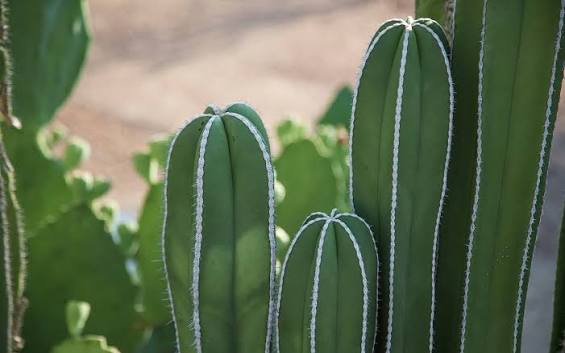
Mexican Fence Post Cactus
Tall, straight columns that stay only a few inches wide. Perfect for tight spaces and takes all the sun you can throw at it.
Totem Pole Cactus
Smooth, knobby green columns with no spines, about 6 to 10 feet tall over time. Narrow and very sculptural against a wall.
Red Yucca
Grass-like clumps about 2 to 3 feet tall and wide with tall coral flower spikes hummingbirds love. Takes the hottest spots.
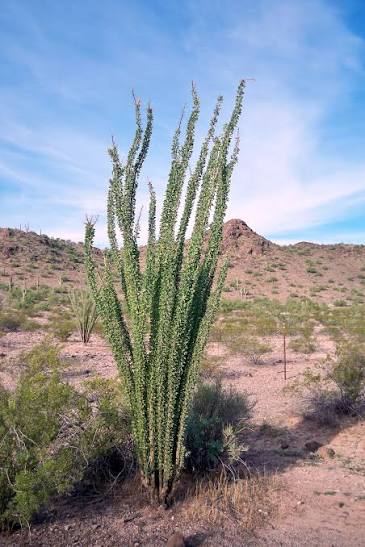
Ocotillo
Tall, thin canes that leaf out after rain and get red flower tips in spring. Takes up very little ground space.
Bed Along the House
Morning shadeAfternoon sunRight up against the house here gets a little more sun than it first looked like. It's in shade in the morning and then picks up afternoon sun, so it needs plants that can handle the afternoon heat.
For the main plants, go with something that stays about 2 to 3 feet tall. Ruellia is a great fit here. Then fill in the space in front with a ground cover so there's no bare dirt.
You can't fit all of these, so pick your favorites and mix a few together.

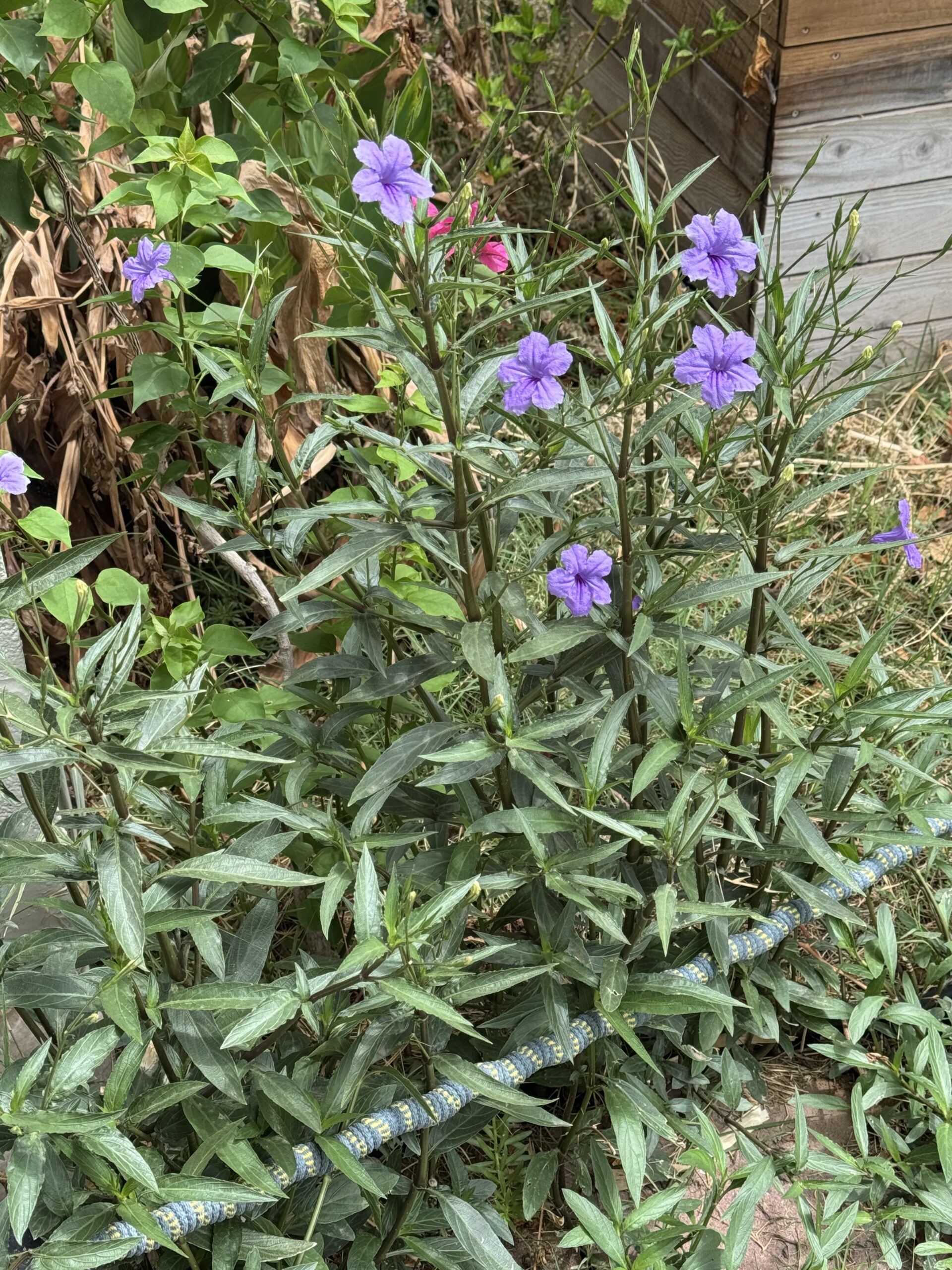
Purple Ruellia
Upright clumps about 2 to 3 feet tall with purple flowers spring through fall. Tough, handles afternoon sun, and fills in fast.
Pink Ruellia
Same easy ruellia with pink flowers. Mix it with the purple for more color.
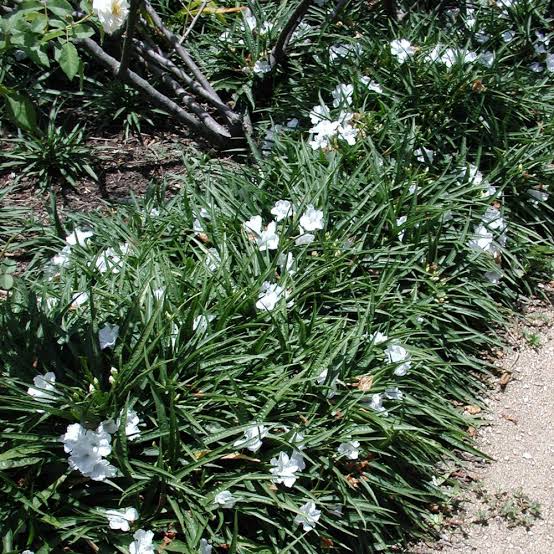
Desert Ruellia (White)
Clean white flowers and a tidy shape. Brightens up the bed next to the house.
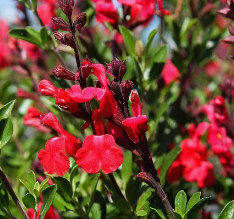
Autumn Sage
Small shrub with red, pink or white flowers spring through fall that hummingbirds love. Handles afternoon sun.
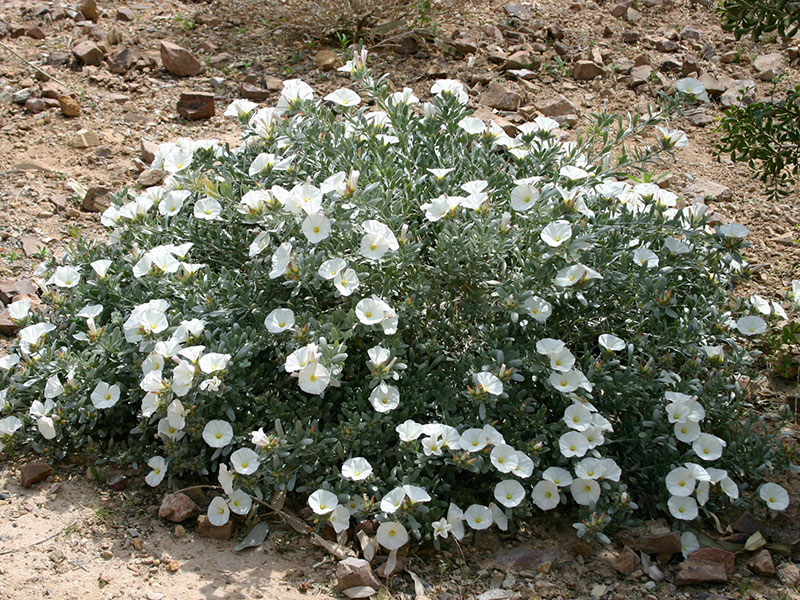
Bush Morning Glory
Silvery mound with white morning glory flowers spring through fall. Takes heat well.
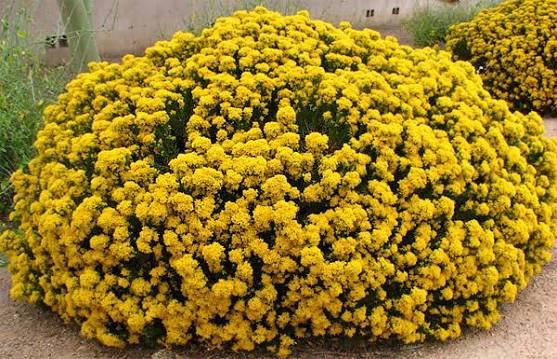
Turpentine Bush
Compact native with yellow flowers in fall. Very tough in afternoon sun.
Firecracker Plant
Arching stems covered in small red tubular flowers. Hummingbird favorite.
Damianita
Low, fragrant mound covered in golden daisies in spring and fall.
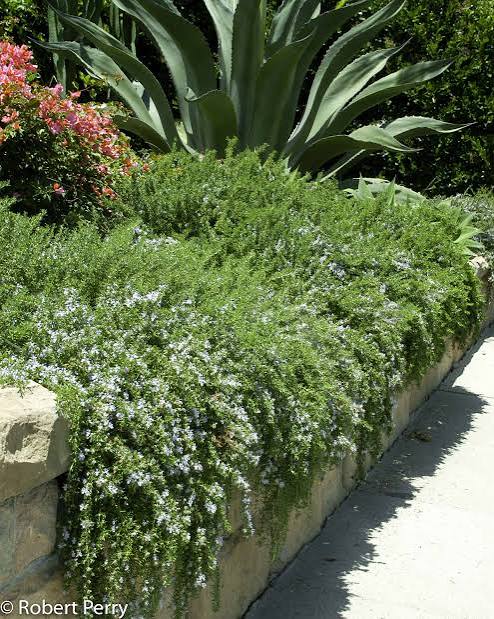
Trailing Rosemary
Low, spreading, fragrant rosemary with blue flowers. Handles afternoon sun and stays low.
Yellow Emu Bush (Outback Sunrise)
Low, spreading ground cover with bright yellow flowers in late winter and spring.
Deep Watering Your Trees
All treesWater wellsFor all of your trees, the best way to make sure they're getting deep water is to build a water well around each one. A well is a raised ring of soil that holds water so it soaks straight down to the roots instead of running off.
- Where: build the ring out near the drip line (the edge of the canopy), not tight against the trunk. That's where the feeder roots are.
- How big: make the berm about 3 to 4 inches tall. As the tree grows, move the ring out with the canopy.
- Keep the trunk dry: don't let water pool against the trunk or the root flare. The inside of the ring right at the trunk should stay slightly higher.
- Fill it slowly: fill the well with a hose and let it soak in, then fill it again if needed.
- Check the depth: pick up a soil probe at Lowe's or Home Depot. After watering, push it in. For trees you want water reaching 2 to 3 feet down. If it stops short, water longer next time.
- Don't skip a deep watering just because it rained. Our rain rarely soaks in deep enough.

Replacing the Grass with Kurapia
Lawn alternativeLess waterYou're considering Kurapia for the grass area, and I think it's a great choice. Kurapia is a low growing ground cover that stays green, feels soft underfoot, handles foot traffic, and uses a lot less water than Bermuda or other turf. It also covers itself in small white flowers that the bees love. If you'd rather not have the flowers, just mow it.
I recommend West Coast Turf for Kurapia. They grow it as sod, so you get an instant green yard instead of waiting for plugs to fill in.
Getting it established
- Timing: Kurapia roots in best when the soil is warm, so spring through early fall is ideal. It slows down in winter and can lose some color on cold nights.
- Get rid of the Bermuda first: this is the most important step. Bermuda will creep right back into Kurapia if any is left, so kill it out completely before installing.
- Prep: loosen the top few inches of soil and work in a layer of compost so the new roots have something to grow into.
- Watering new sod: keep it consistently moist for the first 1 to 2 weeks with short, frequent waterings so the sod doesn't dry out. Once it's knitted into the soil (tug a corner, it shouldn't lift), back off to deeper waterings every few days, then once or twice a week in summer once established.
- Feeding: the Catalyst products in the Feeding section below work great on Kurapia and grass and really green it up.
Your sprinklers will likely need adjusting for even coverage. Call Garrett at 480-678-9121.

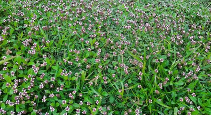
Kurapia
Dense, low ground cover about 1 to 2 inches tall that stays green most of the year, takes foot traffic, and uses much less water than turf. Full sun to part shade.
Pots Off the Patio
Southeast facingLots of potsThis spot off your patio faces southeast, so it gets nice morning sun and some relief in the afternoon. You have a lot of pots, so here are all the options that do well in containers here.
A few tips for pots: go big, since larger pots hold moisture and stay cooler. Use a quality potting mix with compost blended in, and top-dress with worm castings every few months. Pots dry out much faster than the ground, so in summer they'll need water more often, and a drip line to the pots makes life much easier. For seasonal color, A&P Nursery always has a great selection of flowers. For vegetables in pots, here's my Maricopa County planting guide.
Also, that corner where the water collects needs to be looked at. Standing water like that will rot roots and attract mosquitoes. Have Garrett check it at 480-678-9121.
You can't fit all of these, so pick your favorites and mix a few together.

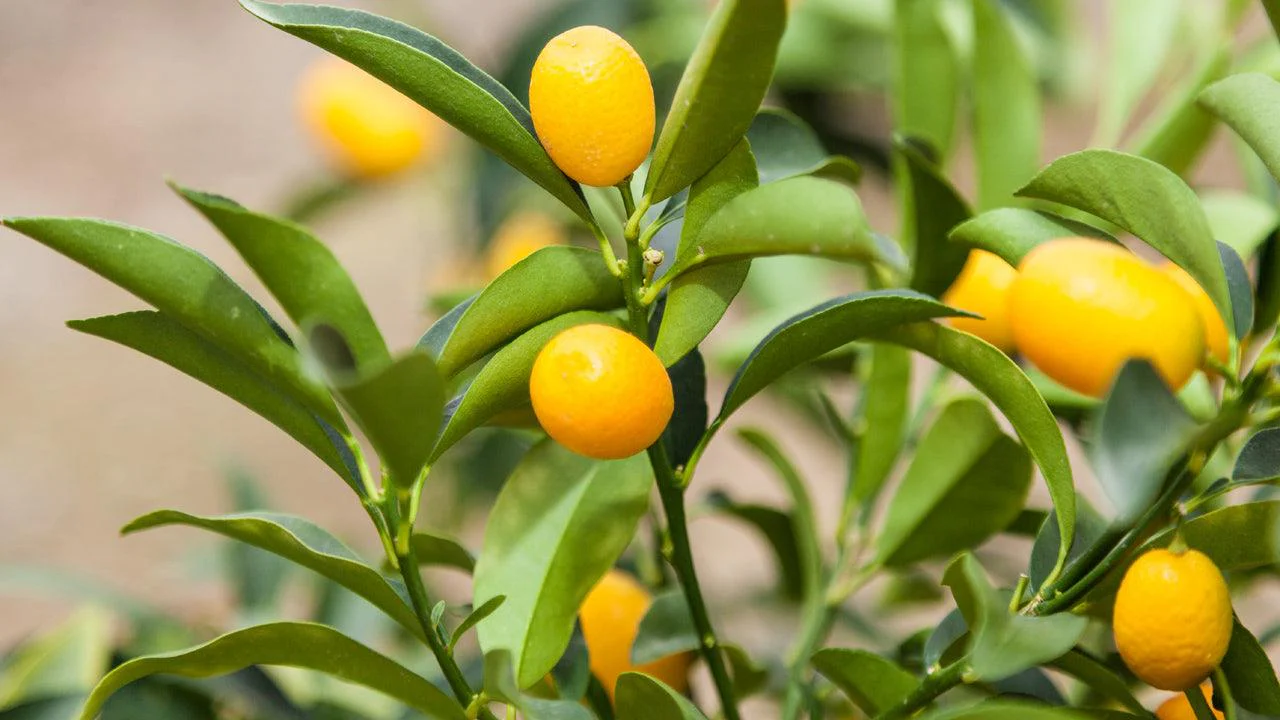
Kumquat
Small, tidy citrus that stays compact in a pot and is covered in little sweet-tart fruit in winter.

Meyer Lemon
The best lemon for a container. Stays smaller, fruits heavily and smells amazing when it flowers.
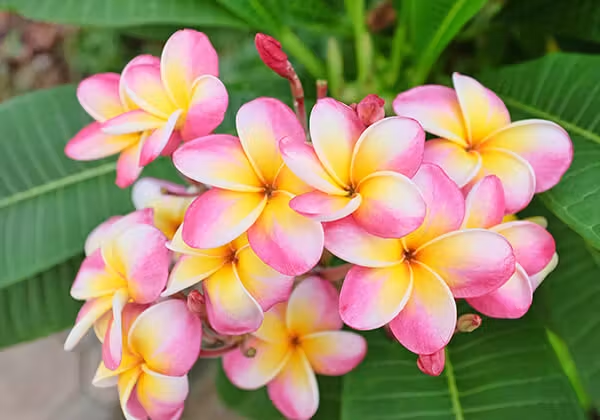
Plumeria
Fragrant, tropical flowers all summer. Does great in a pot and can be moved to shelter on frost nights.
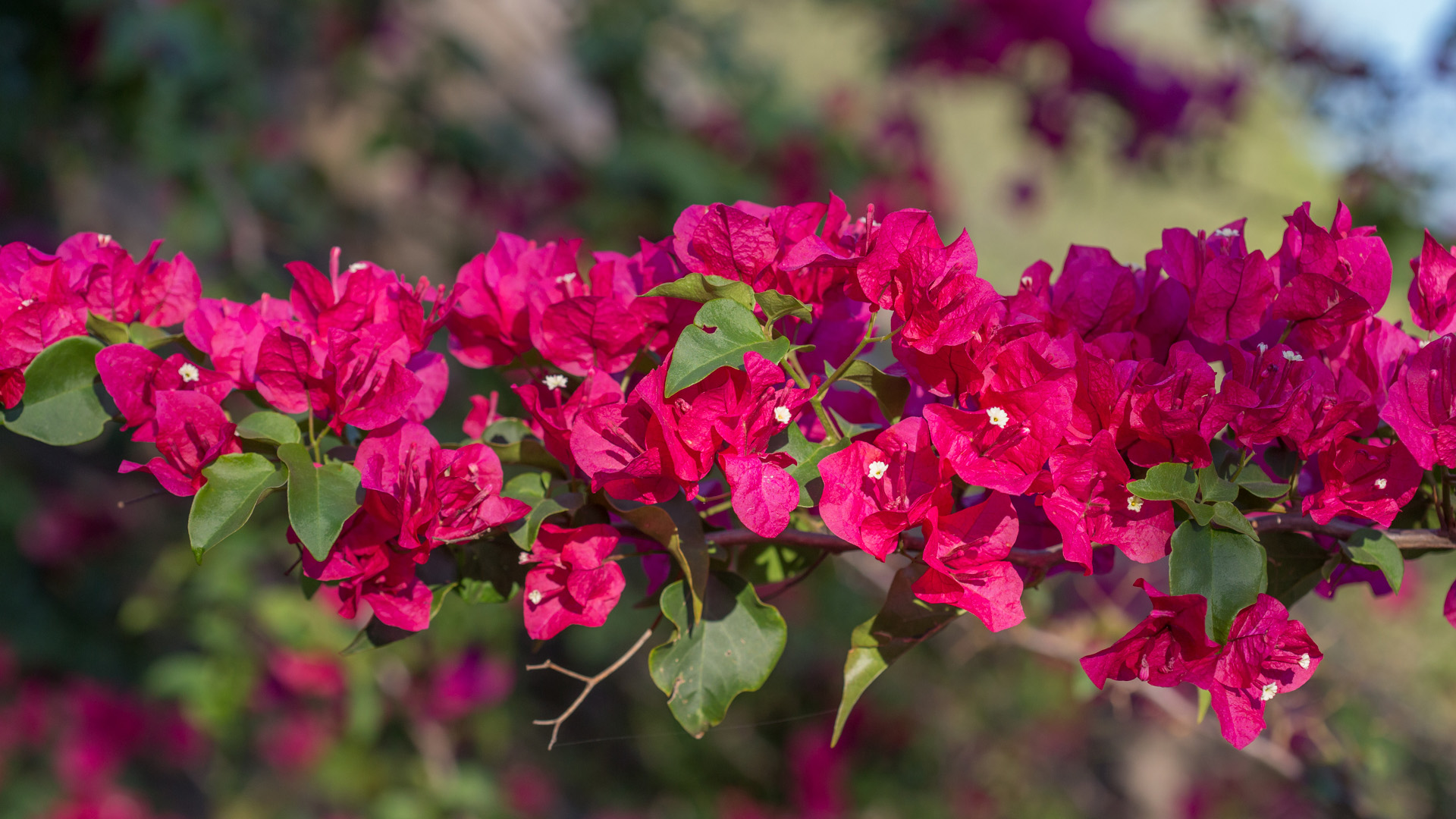
Bougainvillea
Bright color most of the year. Stays more manageable in a pot and loves the sun.
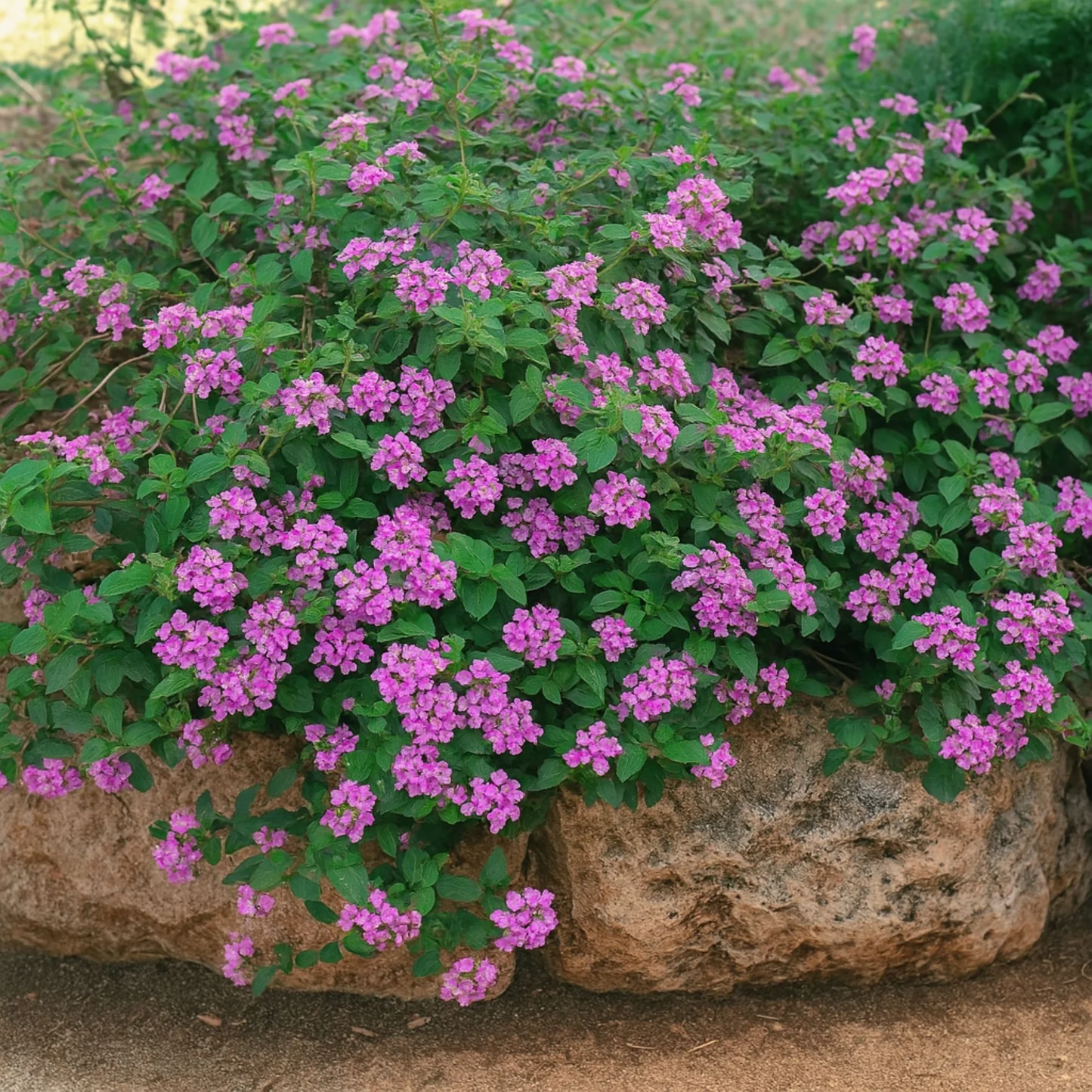
Lantana
Nonstop flowers in heat, and the butterflies love it. Trailing varieties spill nicely over the edge.

Purple Heart
Deep purple leaves that trail over the edge of a pot with small pink flowers.
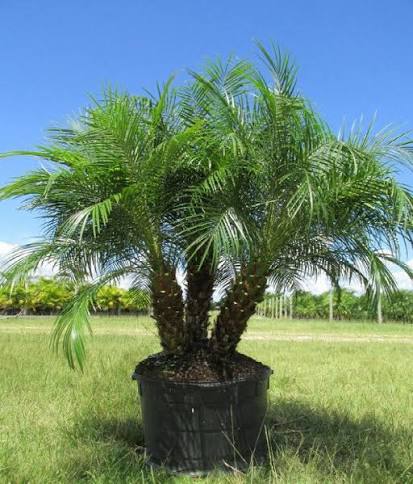
Pygmy Date Palm
Small, slow growing palm that gives a tropical look without getting big.
Red Hibiscus
Big red blooms all summer. Pots let you move it to protect it on cold nights.
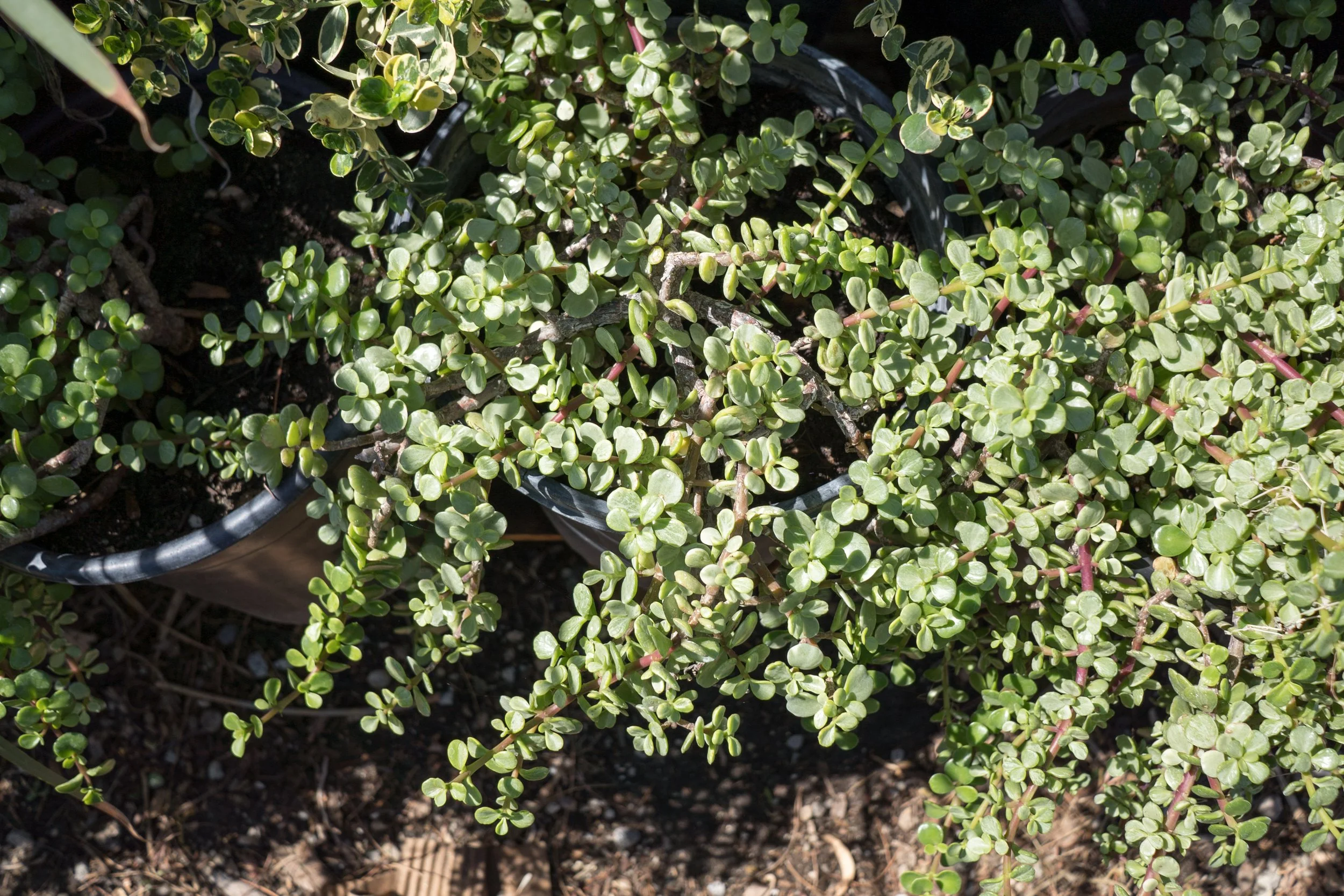
Elephant Food
Succulent with small round leaves on red stems. Takes the heat and less water than most potted plants.
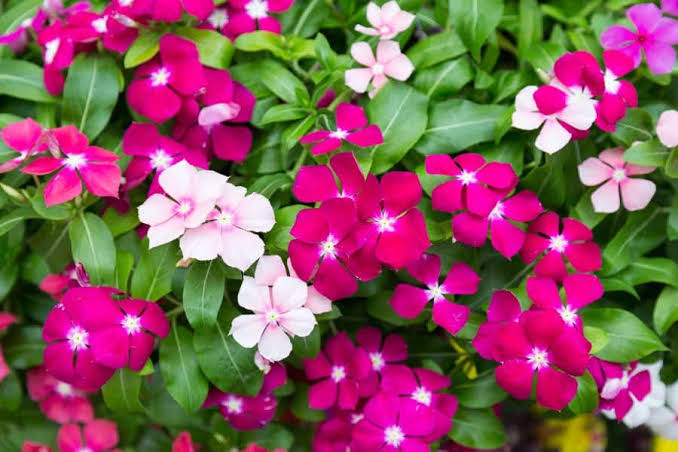
Vinca
Summer annual that thrives in heat with pink, white or red flowers. Swap for petunias or snapdragons in the cool season.
Low Ground Cover by the Driveway
Southeast facingLow and toughThis spot has the same southeast orientation, and it needs something that stays low and can handle getting run over by a car now and then. Dwarf ruellia and emu bush are both good options, and here are a few others.
Keep in mind that nothing living handles being parked on every day. These will bounce back from an occasional tire, but if a car regularly rolls over one spot, stepping stones or a small gravel strip right in the tire path is the way to go.
You can't fit all of these, so pick your favorites and mix a few together.

Dwarf Ruellia (Katie)
Low clumps about 8 to 12 inches tall with purple flowers spring through fall. Tough, fills in and bounces back fast.
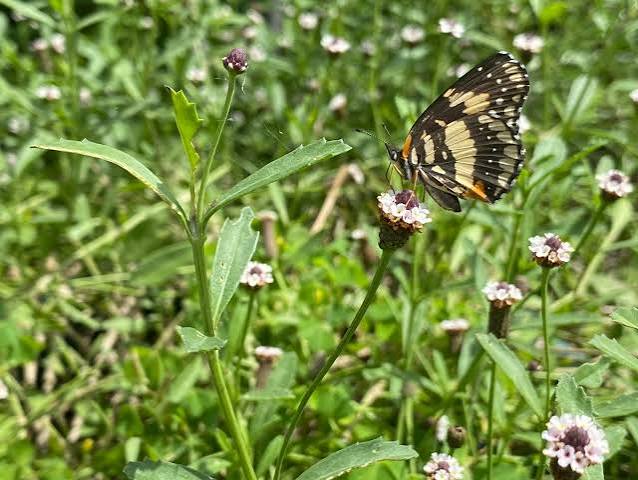
Frogfruit
Native, flat ground cover with tiny white flowers that butterflies love. Handles foot traffic and an occasional tire well.
Kurapia
Low, dense and green, and handles traffic better than most ground covers. A good choice if you want it to match the backyard.
Yellow Emu Bush (Outback Sunrise)
Low, flat spreading ground cover with bright yellow flowers in late winter and spring. Tough, takes heat, and recovers well.
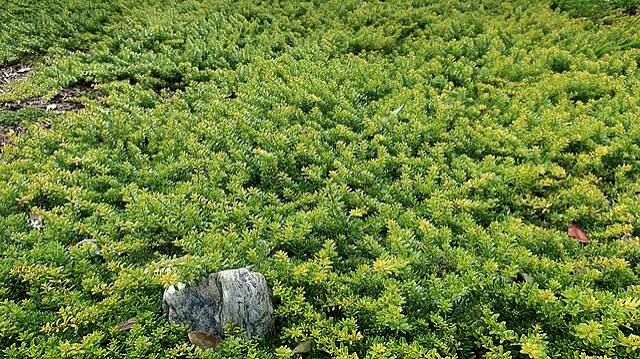
Myoporum
Fast spreading, bright green carpet only a few inches tall with tiny white flowers in spring. Fills in quickly and handles light traffic.
Trailing Indigo Bush
Low, spreading silvery ground cover with purple spring flowers. Handles reflected heat off the driveway.
Trailing Rosemary
Low, spreading, fragrant rosemary with blue flowers. Handles heat and sun and stays low along an edge.
Northeast-Facing Wall Vines
Northeast facingGentle sunAlong this wall, which faces more northeast, you want a vine. This wall gets gentle morning sun and is protected in the afternoon, which is a great spot for vines that would struggle on the hot walls.
Lilac vine, Hacienda creeper, bower vine and snail vine are all good options here, and skyflower is a good option too if you want a shrub instead of a vine. I've added a few more below.
You can't fit all of these, so pick your favorites and mix a few together.

Purple Lilac Vine
Evergreen vine with cascading purple flowers in late winter and spring. Does best with a little relief from the harshest afternoon sun and needs a wire or trellis to climb.
Hacienda Creeper
Self-clinging vine that grips the block wall on its own, no trellis needed. Stays flat against the wall, so it takes almost no space, and turns red in fall. Takes full sun and our heat.
Bower Vine
Lush, tropical looking vine with pink and white trumpet flowers spring into fall. Appreciates some afternoon relief in summer and climbs on a trellis or wire.
Snail Vine
Fast growing vine with unusual, curled lavender and white flowers that look like snail shells and smell sweet. Loves morning sun and afternoon protection.
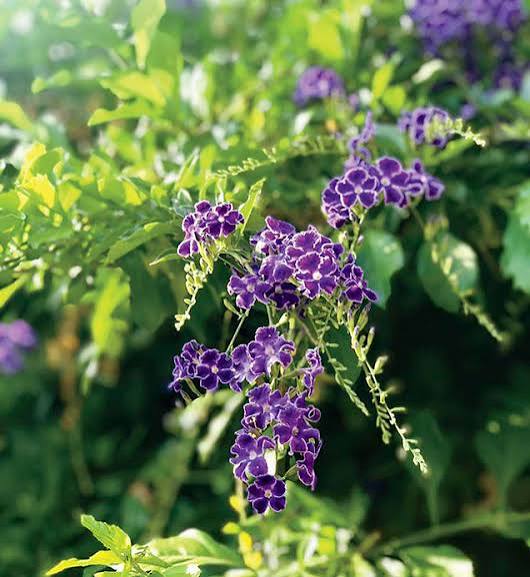
Skyflower
Fast growing shrub with cascading purple flowers and golden berries, about 6 to 10 feet tall. Does great with morning sun.
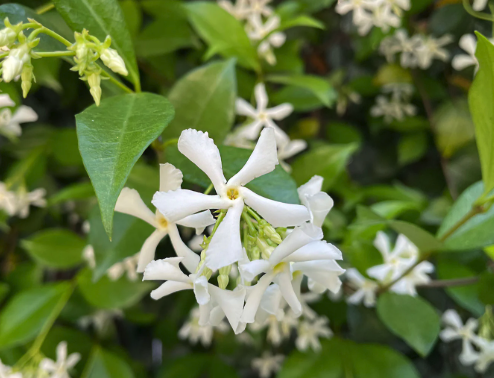
Star Jasmine
Evergreen vine with glossy leaves and very fragrant white flowers in spring. Loves this exposure.
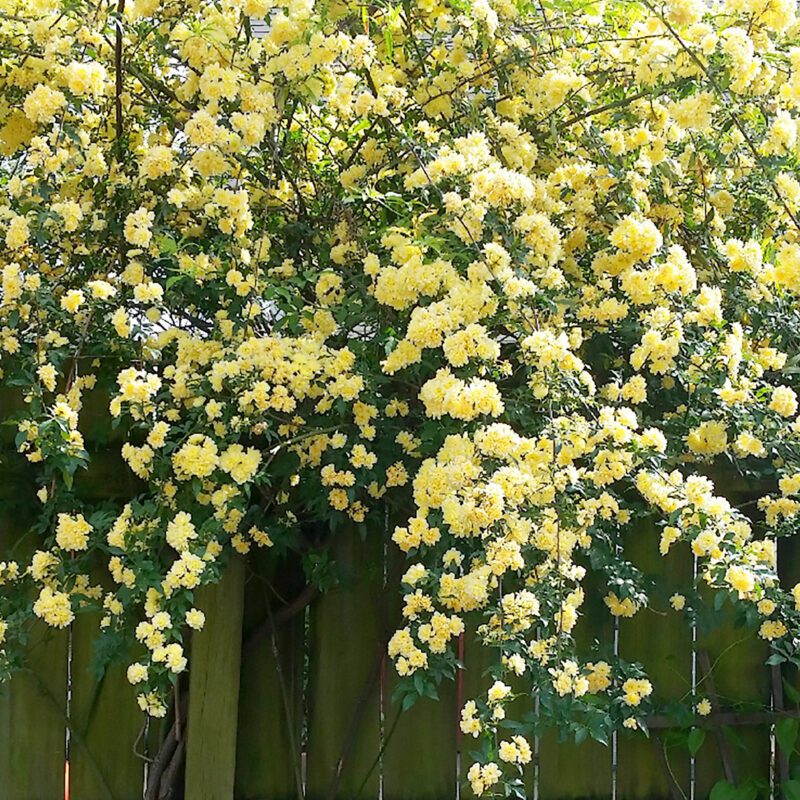
Lady Banks Rose
Thornless climbing rose covered in small yellow flowers every spring. Vigorous and evergreen.
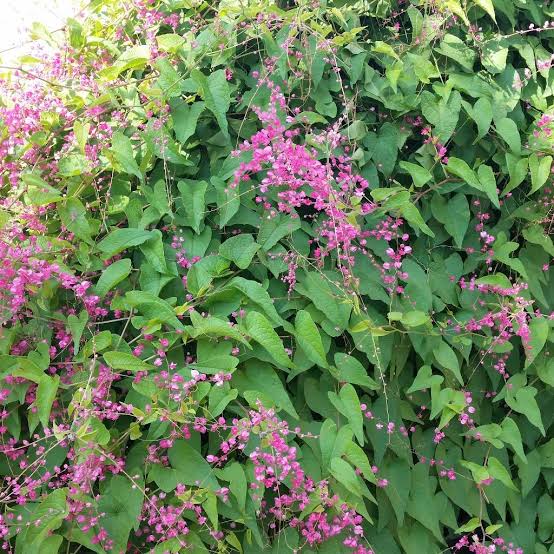
Coral Vine
Covered in pink flowers late summer into fall, and the bees love it. Dies back in a frost and returns fast in spring.
Wildflowers and Native Plant Palette
WildflowersNatives and pollinatorsUp and down this side yard, you're planning to do wildflower seeds, which is a great idea. Right now is the perfect time. Wildflower seed goes down October through December so the winter rains get it going for a spring bloom.
Where to get seed
Check Summerwinds first. If they don't have what you want, A&P Nursery carries wildflower seed, and you can order Southwest native wildflower mixes online from Native Seeds/SEARCH (based in Tucson) or Plants of the Southwest. Look for a low desert or Sonoran Desert mix.
How to sow
- Lightly rake the soil to loosen the top half inch. Seeds need contact with soil, not rock.
- Mix the seed with some sand so it spreads evenly, then scatter it.
- Lightly rake again or press it in. Don't bury it deep.
- Keep the soil damp with light waterings until you see sprouts, then water deeply about once a week if it doesn't rain.
- Let the flowers go to seed in late spring and they'll reseed themselves for next year.
Plants to fill it in
Along with the seed, add perennial plants so this side yard looks good year round, not just in spring. Chuparosa, globe mallow and milkweed are great starts, and here's a full palette of everything that will work here. Mix them sporadically rather than in rows, with lower plants along the path. It looks fuller and more natural that way.
You can't fit all of these, so pick your favorites and mix a few together.

Chuparosa
Native shrub about 3 to 4 feet tall with red tubular flowers in winter and spring that hummingbirds love. Full sun, heat, and takes less water than plants that aren't desert adapted.
Globe Mallow
Native perennial about 2 to 3 feet tall with silvery leaves and orange cup shaped flowers in spring. Reseeds and fills in on its own.
Desert Milkweed
Upright, rush-like native about 3 to 4 feet tall with pale yellow flowers. Host plant for monarch and queen butterflies.
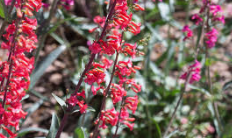
Penstemon
Tall spikes of red, pink or purple flowers in spring. Hummingbirds love them.
Desert Marigold
Silvery mounds with bright yellow daisies most of the year. Reseeds itself.
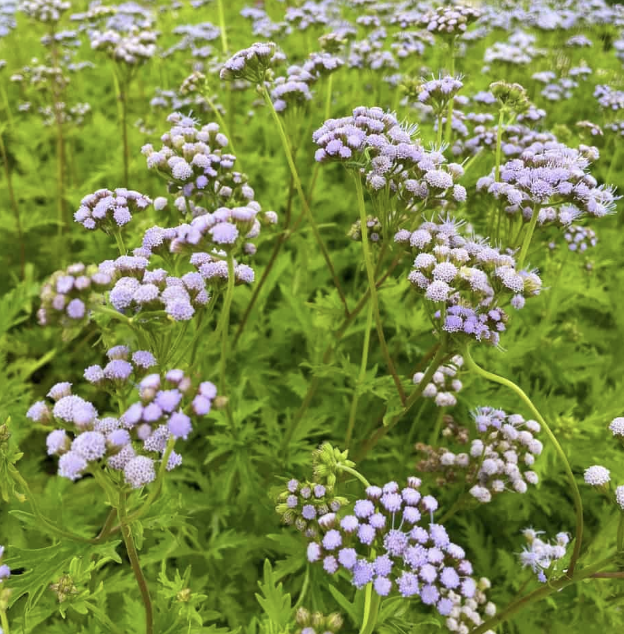
Greg's Mistflower
Fluffy lavender flowers in summer and fall that are a butterfly magnet. Spreads to fill in.
Autumn Sage
Small shrub about 2 to 3 feet with red, pink or white flowers spring through fall.
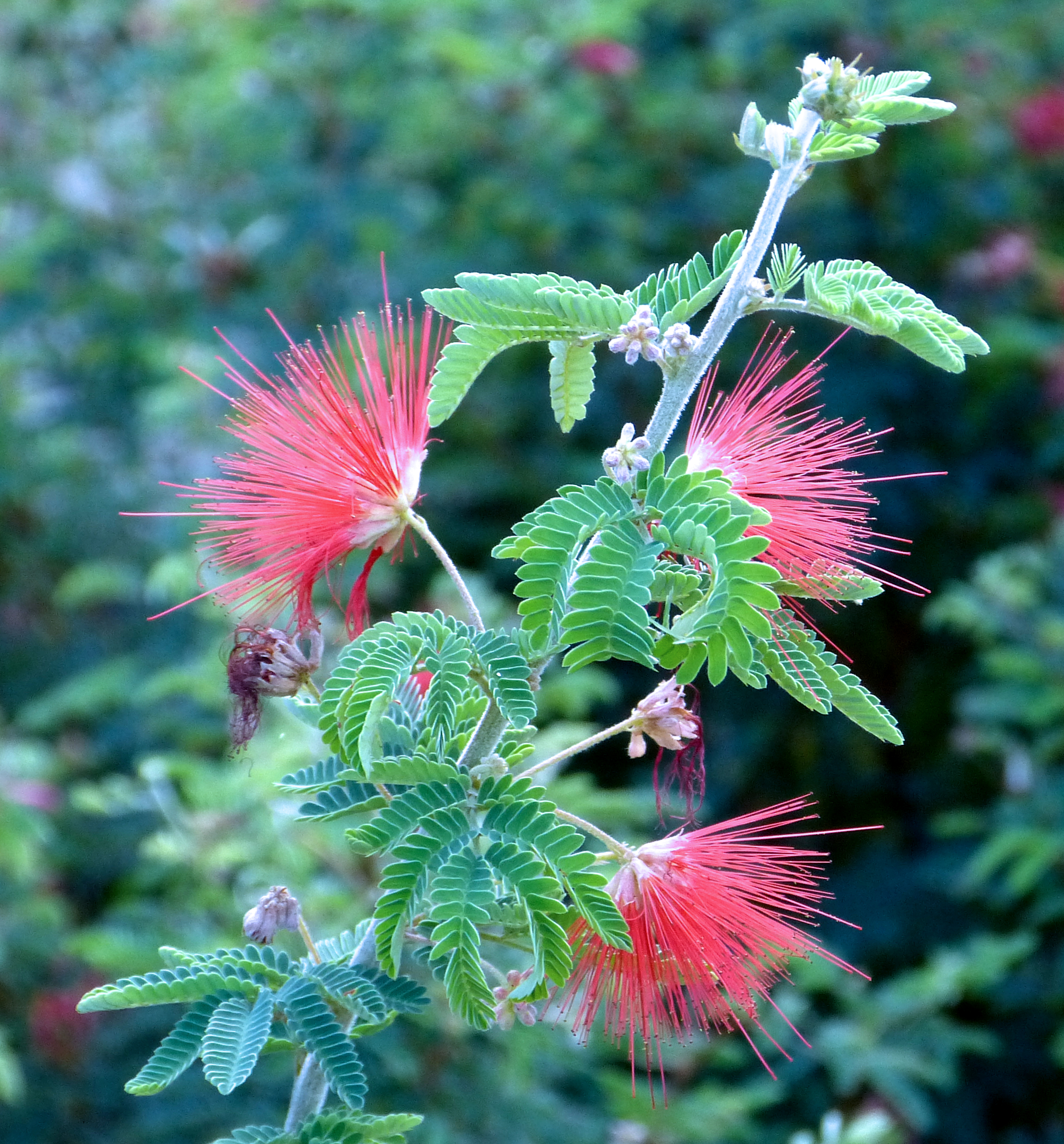
Baja Fairy Duster
Red powder puff flowers most of the year, about 4 to 5 feet tall.
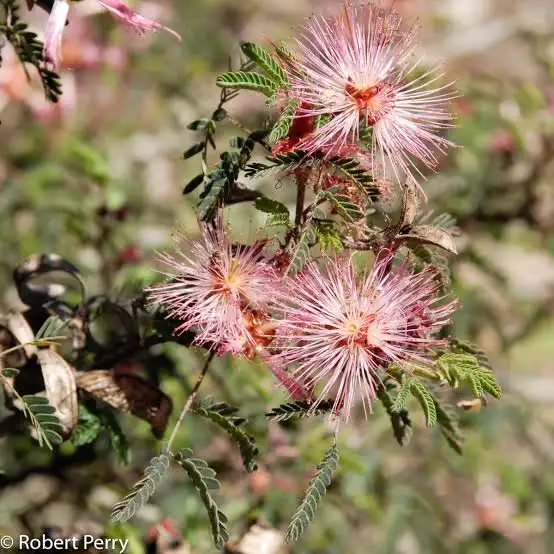
Pink Fairy Duster
Lower, airy native with soft pink puffball flowers in spring.
Turpentine Bush
Compact native about 2 to 3 feet with yellow flowers in fall when not much else is blooming.
Damianita
Low, fragrant mound covered in golden daisies in spring and fall.

Texas Sage
Silvery shrub about 4 to 6 feet with purple flowers after summer rains.
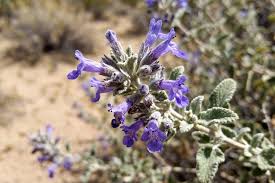
Desert Lavender
Fragrant gray-green native shrub about 4 to 6 feet with small lavender flowers bees love.
Bush Morning Glory
Silvery mound about 2 to 3 feet with white morning glory flowers spring through fall.
Red Yucca
Grass-like clumps with tall coral flower spikes for hummingbirds.
Angelita Daisy
Small mounds of bright yellow daisies almost year round.
Other Side of the Driveway
Desert adaptedSame paletteSame suggestions here on the other side of the driveway: desert adapted shrubs and perennials that tie in with the side yard. Using the same palette on both sides makes the whole front feel connected. Here are all the options again so you have them in one place.
You can't fit all of these, so pick your favorites and mix a few together.

Chuparosa
Native shrub about 3 to 4 feet tall with red tubular flowers in winter and spring that hummingbirds love. Full sun, heat, and takes less water than plants that aren't desert adapted.
Globe Mallow
Native perennial about 2 to 3 feet tall with silvery leaves and orange cup shaped flowers in spring. Reseeds and fills in on its own.
Desert Milkweed
Upright, rush-like native about 3 to 4 feet tall with pale yellow flowers. Host plant for monarch and queen butterflies.
Penstemon
Tall spikes of red, pink or purple flowers in spring. Hummingbirds love them.
Desert Marigold
Silvery mounds with bright yellow daisies most of the year. Reseeds itself.
Greg's Mistflower
Fluffy lavender flowers in summer and fall that are a butterfly magnet. Spreads to fill in.
Autumn Sage
Small shrub about 2 to 3 feet with red, pink or white flowers spring through fall.
Baja Fairy Duster
Red powder puff flowers most of the year, about 4 to 5 feet tall.
Pink Fairy Duster
Lower, airy native with soft pink puffball flowers in spring.
Turpentine Bush
Compact native about 2 to 3 feet with yellow flowers in fall when not much else is blooming.
Damianita
Low, fragrant mound covered in golden daisies in spring and fall.
Texas Sage
Silvery shrub about 4 to 6 feet with purple flowers after summer rains.
Desert Lavender
Fragrant gray-green native shrub about 4 to 6 feet with small lavender flowers bees love.
Bush Morning Glory
Silvery mound about 2 to 3 feet with white morning glory flowers spring through fall.
Red Yucca
Grass-like clumps with tall coral flower spikes for hummingbirds.
Angelita Daisy
Small mounds of bright yellow daisies almost year round.
Desert Ironwood
New tree15 gallonThis is the perfect spot for another tree, and you want to do a desert ironwood, which I agree with. It's one of the best native trees we have. It's slow growing, but it lives for hundreds of years, takes our heat and sun without complaint, and is a huge benefit to native birds, bees and wildlife. It also matches the desert palette going in around it perfectly.
Go with a 15 gallon tree. Smaller trees root in faster and end up healthier long term than big boxed trees, which matters even more for a slow grower like ironwood. Fall is a great time to plant, so it has all winter and spring to build roots before summer.

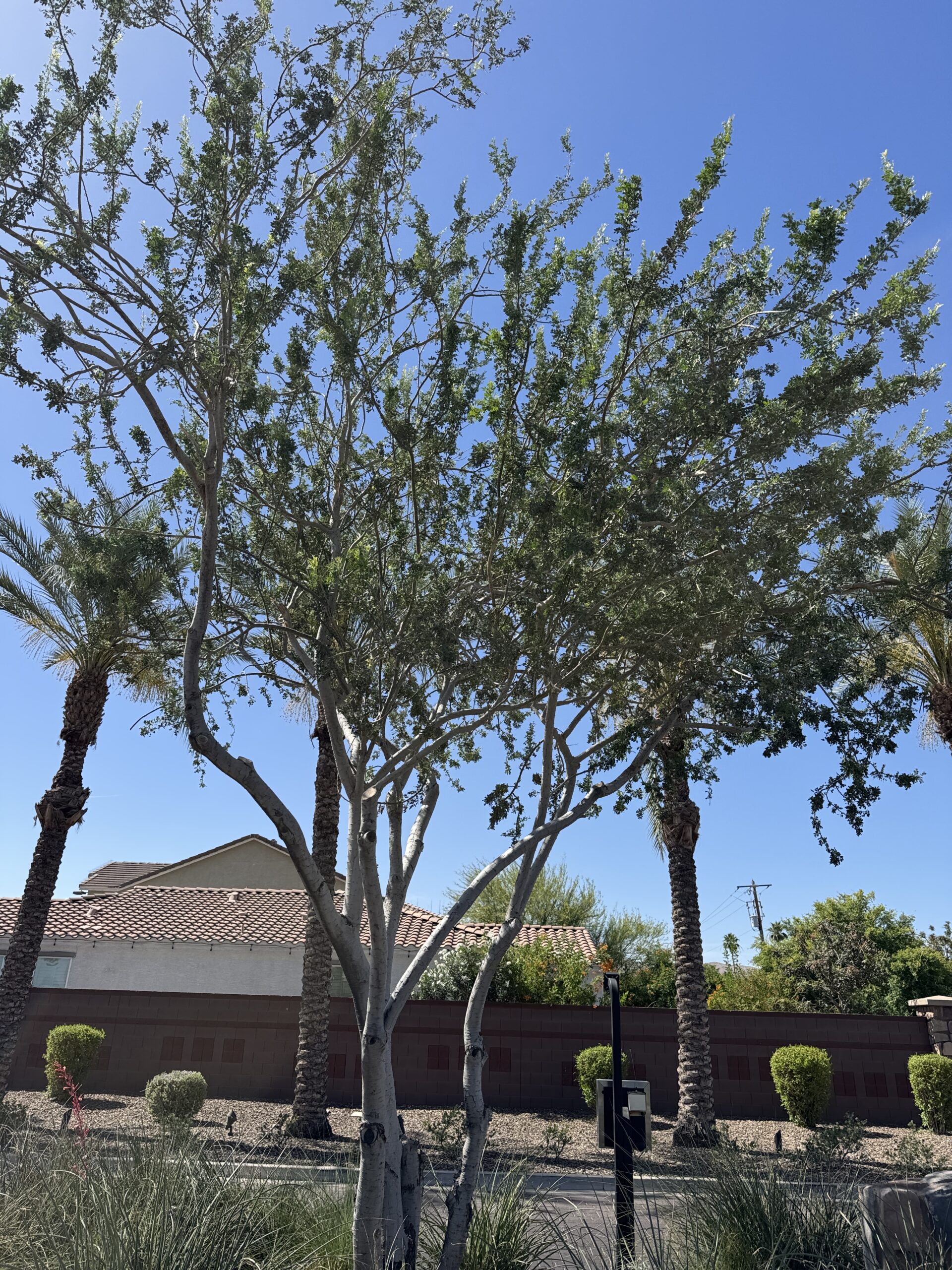
Desert Ironwood
Slow growing Sonoran native that reaches 15 to 25 feet with a dense, gray-green canopy and lavender flowers in late spring. Has small thorns, so keep it a little off walkways. Needs very little pruning.
Planting it right
- Dig wide, not deep: make the hole 2 to 3 times as wide as the root ball but only as deep as the root ball, so it sits on solid soil and doesn't sink.
- Find the root flare first: brush soil off the top of the root ball until you see where the trunk flares out. That should sit at or slightly above grade.
- Backfill: use the native soil you dug out with just a tiny bit of compost. Water as you go to settle it.
- Top it off: lay compost on top of the soil, then mulch over the compost. Don't work it in, and keep mulch a foot back from the trunk.
- Build a water well: see Section 7 for how to set one up.
Watering it in
The biggest thing is not letting the root ball dry out. Water deep, and stretch out the time between waterings as it settles in:
- Weeks 1 to 2: every 2 to 3 days
- Weeks 3 to 4: every 4 to 6 days
- Weeks 5 to 6: every 6 to 8 days
- Weeks 7 to 8: every 8 to 12 days
- Each watering should soak 24 to 36 inches down. Check it with your soil probe.
Once ironwood is established after its first couple of years, it takes less water than plants that aren't desert adapted. Deep, infrequent watering is what it wants.
Feeding the Whole Yard
Feeding the soil is what makes everything in this yard thrive, from the citrus to the new natives. Healthy soil biology is what makes nutrients available to plants, holds water longer, and keeps roots strong through the summer. Here's how to do it yourself:
- Compost: spread compost generously around the drip line of the trees (out under the edge of the canopy, where the feeder roots are) and closer in around shrubs. I recommend Arizona Worm Farm.
- Worm castings: add worm castings every quarter. They're packed with biology and gentle enough to use around everything.
- Organic fertilizer: feed monthly with a good organic fertilizer that's high in fulvic acid. The ones I use are from Catalyst: Jenner 8, Organic Nitro Jen, and their kelp fertilizer. You can find them here (click Products, then Home and Garden).
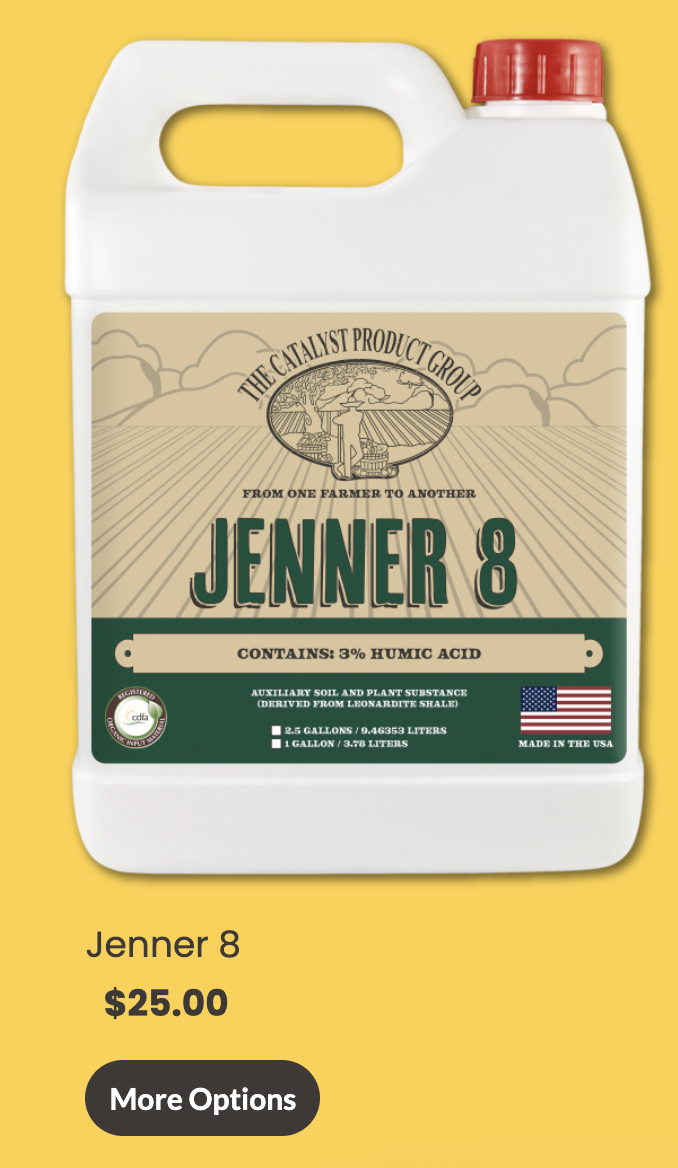
Jenner 8
Organic fertilizer high in fulvic acid that feeds the soil biology and the plant at the same time.
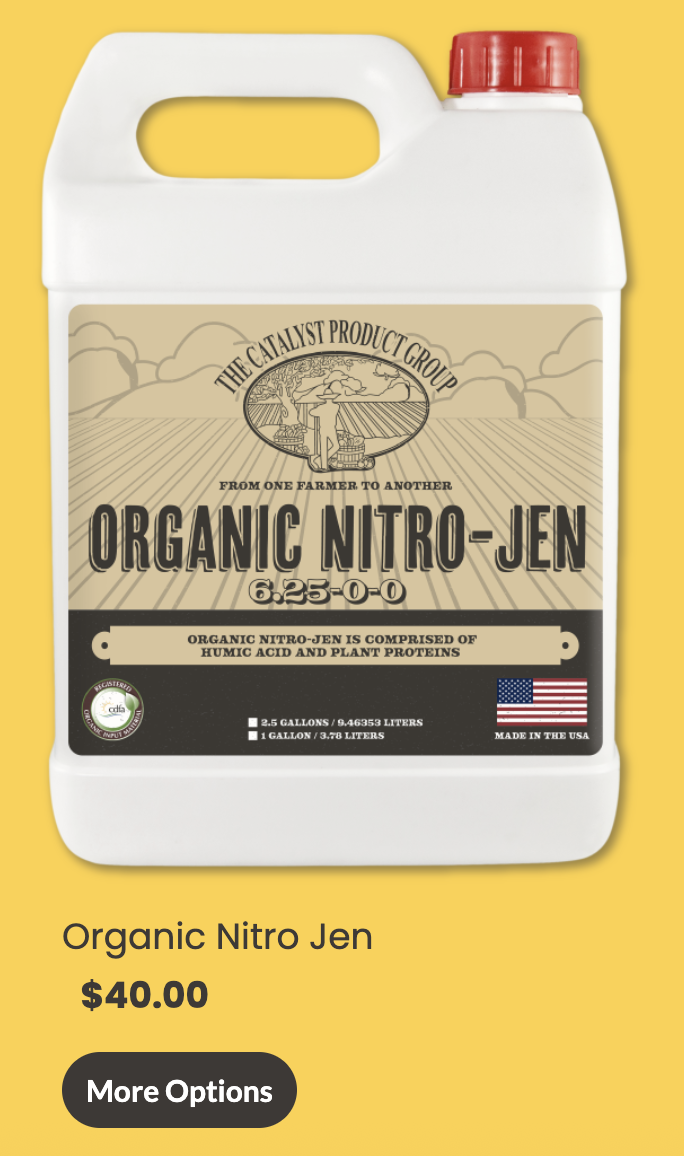
Organic Nitro Jen
Organic nitrogen to push healthy green growth, especially useful for new plantings getting established.
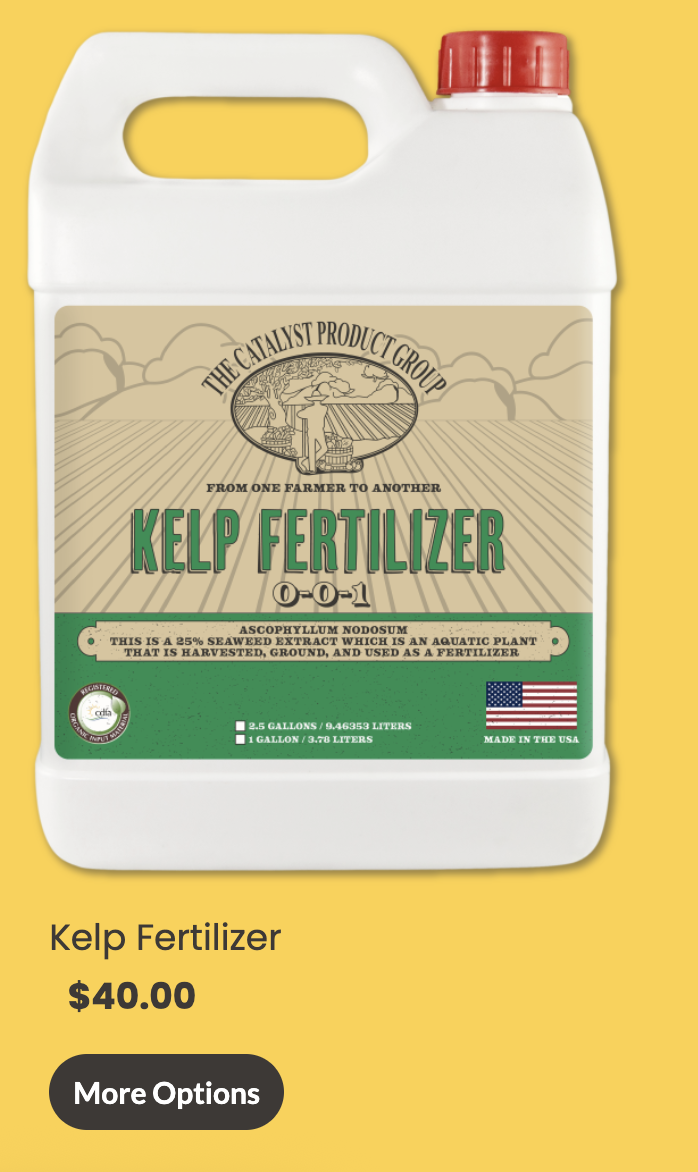
Kelp Fertilizer
Trace minerals and natural growth compounds that help plants handle heat and stress.
Monthly Fertilizing Program
- Monthly liquid organic feeding for the whole landscape
- Compost applied three times a year
- A recap video after every visit so you know what we did and what we saw
Where to go from here
You can take this write-up and do as much of it yourself as you want. As a consult client, you're already in the Garden Nerd Club, so you have direct access to me there. Post photos, ask questions, and I'll help you along the way.
When you're ready to plant, we do planting too. If you'd like, I can put together a planting proposal for any or all of these areas whenever the timing works for you. Just text me.
For anything irrigation related, call Garrett at 480-678-9121.
You can see more about our planting services at thegardennerd.org.
Everything in one spot
Thanks again, Nanette
It was great walking the yard with you. Reach out anytime in the Garden Nerd Club, and follow along for more tips.