

Michaelle Wright
Here's everything we talked about
Thanks for having us out, Michaelle. Everything is laid out below in the order we walked the yard, and every plant suggestion has its own card so you can see what it looks like and why it fits that spot.
The Tropical Area
East facingOpen areaThis open, east-facing area is where we want to build your tropical area. You already have mangoes, figs and bananas, and all of those will work great in here. East facing is the right call for tropicals: they get the gentle morning sun and some relief from the hottest part of the afternoon.
Line the wall with bamboo
The first step is lining the wall with bamboo. My pick is Oldhamii bamboo. It's a clumping bamboo, so it does not run or spread across the yard, it just slowly gets wider at the base. It gets tall, which gives the whole area height and a tropical backdrop, and it creates shade and a little microclimate for everything you plant in front of it. Space plants about 5 to 6 feet apart along the wall. Go to Whitfill Nursery for it. Their Oldhamii is very good looking bamboo.
Sugarcane would also work here, but I think bamboo is the better choice since it gives you a lot more height. Sugarcane tops out around 8 to 12 feet, while Oldhamii can get well over twice that.
Pack the tropicals in
Don't be afraid to cram tropicals into this area. They actually like it. Planted close together, they shade each other's trunks and roots, hold humidity around their leaves, block the wind for each other, and stay warmer on cold nights. A tight, layered planting of bananas, mangoes, figs and papayas in front of the bamboo looks lush and grows better than the same plants spaced out on their own. Mangoes and guavas can go as close as about 5 feet apart, and bananas can fill in the gaps.
Prepare the soil
Tropicals want rich, loose soil full of biology, which is the opposite of what our native soil gives them. Before planting, spread a generous layer of compost over the whole area, about 2 to 3 inches, then cover it with 3 to 4 inches of wood chip mulch. Don't till it in. Keep it watered and the worms and soil life will work it down for you. Keep adding compost and mulch every year and this area just keeps getting better.
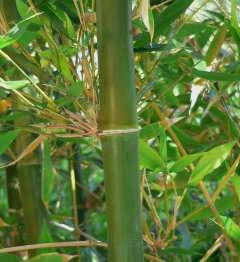
Oldhamii Bamboo
Tall, upright clumping bamboo with thick green canes. Makes a dense, living privacy wall and one of the best looking bamboos you can grow here. Does best with regular water and lots of mulch over its roots. Find it at Whitfill Nursery.
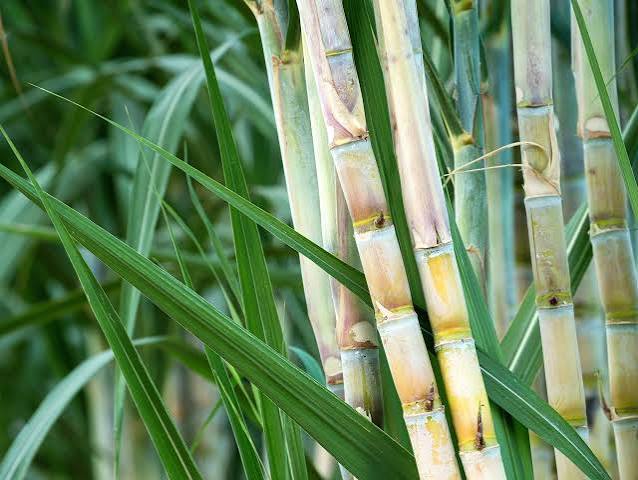
Sugarcane
Fast growing, tropical looking canes about 8 to 12 feet tall, and you can cut and chew the stalks. A good option if you want something shorter than bamboo.

Mango
Mangoes are happiest tucked in with other tropicals, where they shade and protect each other. Cover them on frost nights for the first few winters.

Fig
Figs love the rich soil and mulch in an area like this, and they handle our heat well with morning sun.

Banana
Heavy feeders that love compost and water. Planting them in front of the bamboo gives them wind protection and a little extra warmth in winter.
Shaping and Grafting the Mango
Seedling mangoGraft in springThis mango is a seedling, which is actually a good thing. Seedling mangoes tend to have stronger, deeper roots than grafted trees and handle our conditions better long term. The tradeoff is you don't know exactly what fruit you'll get, or how long it will take to fruit. Grafting fixes that.
- Prune now: cut off the lower branch and leave the three main branches above it. Those three become the structure of the tree.
- Graft in spring: once it's warm and the tree is pushing new growth, usually April to May, graft a named variety onto one or more of those branches. You can get scion wood (cuttings for grafting) shipped from mango growers in Florida.
- Get help locally: there's a Facebook group called Mango Growers of Arizona that's full of people grafting mangoes here. Post in there and you'll likely find people offering scion wood or even offering to help with the graft.
- Cover it on frost nights through winter, especially while it's young.

Lifting the Orange Tree
Planted too deepFix it nowThis orange is sinking. It was planted a little too deep, which means the root flare (where the trunk widens out into the roots) is buried. That keeps the bark wet, invites rot, and can cause roots to grow up and around the trunk over time. The good news is it still moves a lot when you push on it, so it hasn't rooted in yet. There's still time to lift it.
The video below shows why an exposed root flare matters, with real examples of what happens when it stays buried.

Video not loading? Watch it on YouTube.
How to lift it
- Dig a circle around the tree as wide as you can, trying not to cut or damage the roots.
- Get a shovel or two under the root ball from opposite sides and lift the whole thing up.
- Push native soil underneath to raise it, and firm it down so it doesn't sink again.
- Set it so the root flare sits at or slightly above the surrounding soil. It will settle a little.
- Backfill around it and water deeply to settle the soil and get rid of air pockets. Lay compost on top, then mulch over it, keeping the mulch a foot back from the trunk.
Raising the Next Tree
Same fixSame thing with this tree. Dig around it and raise it up, following the same steps as the orange in Section 3.
Now is a good time to do it. As the weather cools down, the tree isn't pushing out aggressive growth, so it handles being moved with a lot less stress. Get it done before the spring growth flush starts.

Bananas Along the House
East facingRemove rock firstThis side yard faces east, and bananas would work here. Before planting, the rock needs to come out and mulch goes down instead. Rock heats up, holds that heat against the roots, and does nothing for the soil. Bananas are heavy feeders and want rich, moist soil, so put down a few inches of compost and then 3 to 4 inches of wood chip mulch over it.
Planting right up against the house is the best spot for two reasons. First, the house blocks the wind, so the big leaves don't shred and the plants don't fall over. Second, the wall holds warmth, which helps protect them on cold winter nights.
Space them about 4 to 6 feet apart and feed them well. After a stalk fruits, cut it down to the ground and let the next pup take over.

Banana
Big tropical leaves and fruit in a few seasons. Loves east exposure, compost, mulch and consistent water. Leaves can get frost damaged in winter, but the plant comes back strong in spring.
Trimming the Moringa
Yearly cut backMoringa grows fast and will shoot straight up into a tall, skinny tree if you let it. Trimming it every year keeps it bushy, keeps the leaves within reach for harvesting, and makes for a stronger tree.
- When: once a year in late winter or early spring, around late February to March, after the danger of frost has passed. If it gets frost damage over the winter, wait and cut it after that.
- How much: cut the main trunk and branches back hard, down to about 3 to 5 feet. It sounds like a lot, but moringa responds by pushing out lots of new branches.
- During the season: pinch or cut the tips of new branches as they grow. Every cut makes it branch more, and you harvest the leaves at the same time.

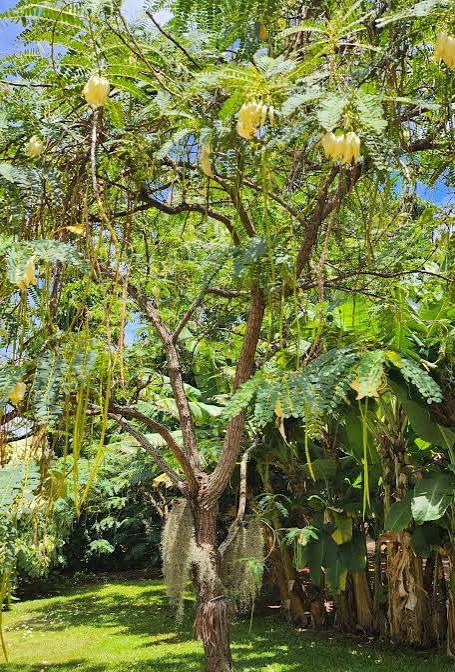
Moringa
Fast growing tree with small, highly nutritious edible leaves. Loves our heat and full sun, and can be kept as a bushy, easy-to-harvest tree with a yearly cut back.
Back Corner: Silk Floss Tree
Statement treeFull sunThis back corner is a great spot for a silk floss tree. I have one in my own yard and it's one of my favorite trees. In the fall it covers itself in big pink flowers, and the trunk is green with thick spines, so it looks like nothing else in the neighborhood.
Treat it like a tropical. Silk floss likes to be fed, so give it compost around the drip line, a thick layer of mulch, and monthly organic fertilizer, along with regular deep water. The better you feed it, the faster it grows and the harder it blooms.
Because of the spines on the trunk, a back corner away from walkways is the right place for it. Go with a 15 gallon tree.

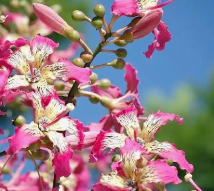
Silk Floss Tree
Fast growing tree with a green, spiny trunk and big pink, orchid-like flowers in fall, followed by pods full of silky fluff. Loves full sun and our heat, and gives you real shade once it's established.
Papaya: Getting More Branches
OptionalSpringThis one is just an option, not something you have to do. Papayas naturally grow as one tall stem. If you want more branches and more fruit, cut off the top of the papaya in spring once it's warm, around April.
I know it sounds worrisome to cut the top off, but don't worry. It will push out new branches, usually several of them, and each one can flower and fruit. You end up with a shorter, fuller plant that's easier to harvest.
A tiny bit of Epsom salt will also encourage more branching, so it fills in quicker. Really just a little: about a tablespoon dissolved in a gallon of water, poured around the base once after you cut it.
The biggest thing with papaya: don't overwater it. Overwatering is the number one killer of papayas I see. Their roots rot easily in soggy soil, especially when it's cool. Let the top few inches of soil dry out between waterings, water less in winter when it's barely growing, and make sure it's not sitting on the same emitters as your bananas, which want a lot more water.
Through winter, cover it on frost nights. Papayas are very frost sensitive.

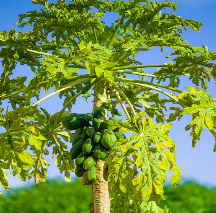
Papaya
Fast growing tropical that can fruit within its first year or two. Loves heat, rich soil and steady water, and does best with some protection from the wind and cold.
Royal Poinciana
Full sunShade treeThis is a great spot for a royal poinciana. It's one of the most stunning flowering trees you can grow here, with a wide, umbrella shaped canopy that gives great shade and covers itself in flowers in early summer.
Ken at Jungle Nursery has them. He sometimes has the yellow flowered variety too, if you want yellow instead of the classic red.
Royal poinciana is frost sensitive when it's young, so plant it in spring (March to April) once frost danger is past, and cover it on cold nights for its first few winters. Give it room, since the canopy can spread 20 to 40 feet wide.


Royal Poinciana (Red)
Brilliant red-orange flowers over fine, fern-like leaves. Fast growing in our heat, with a broad, flat canopy perfect for shading a big part of the yard.
Citrus Row
Full sunFruit treesAlong this line is a good spot for any type of citrus. You could plant the grapefruit you already have here, or go with a lemon or lime. Space citrus about 8 feet apart.
For citrus, I recommend Greenfield Citrus Nursery. Their trees are grown here and they're healthy, well rooted trees. When you plant, make sure the root flare sits at or slightly above grade (citrus planted too deep is one of the most common problems I see), backfill with native soil and a tiny bit of compost, lay compost on top, then mulch over it, keeping the mulch a foot back from the trunk.

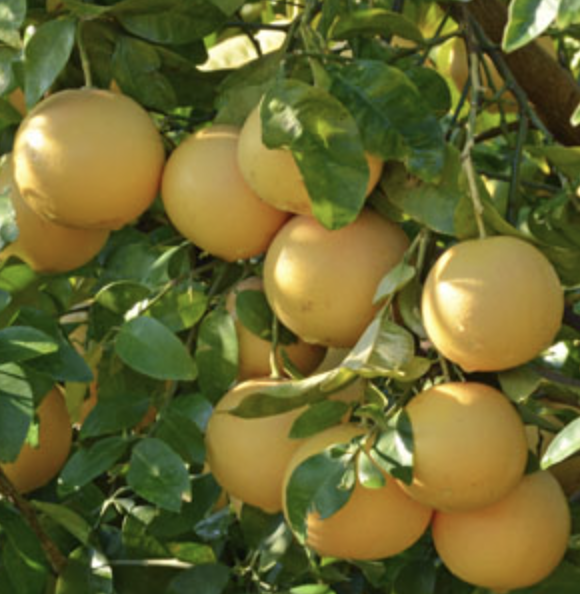
Grapefruit
Big, vigorous citrus that loves our heat. The fruit gets sweeter the longer it hangs on the tree into winter and spring.

Lemon
Productive and easy, often fruiting more than once a year. Meyer lemon is a great pick for a sweeter, juicier lemon.
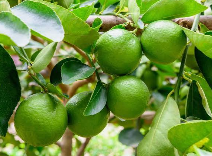
Lime
The most frost sensitive of the citrus, so cover it on cold nights while it's young. Gives you limes for months once it's established.
All Day Sun Spot
Full sunThis spot gets quite a bit of afternoon sun, really almost all day sun. The pomegranate you already have in the pot would go great right here. Pomegranates love full sun and heat, and getting it out of the pot and into the ground will let it really take off.
Barbados cherry and guava are also good options for this spot. Pick one, or if there's room, mix a couple of them.

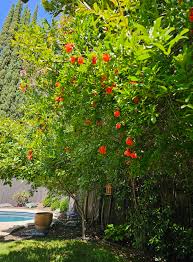
Pomegranate
One of the best fruit trees for our climate. Takes the full sun, takes less water than plants that aren't desert adapted once rooted in, and has beautiful orange flowers in spring. Grows about 10 to 15 feet tall.
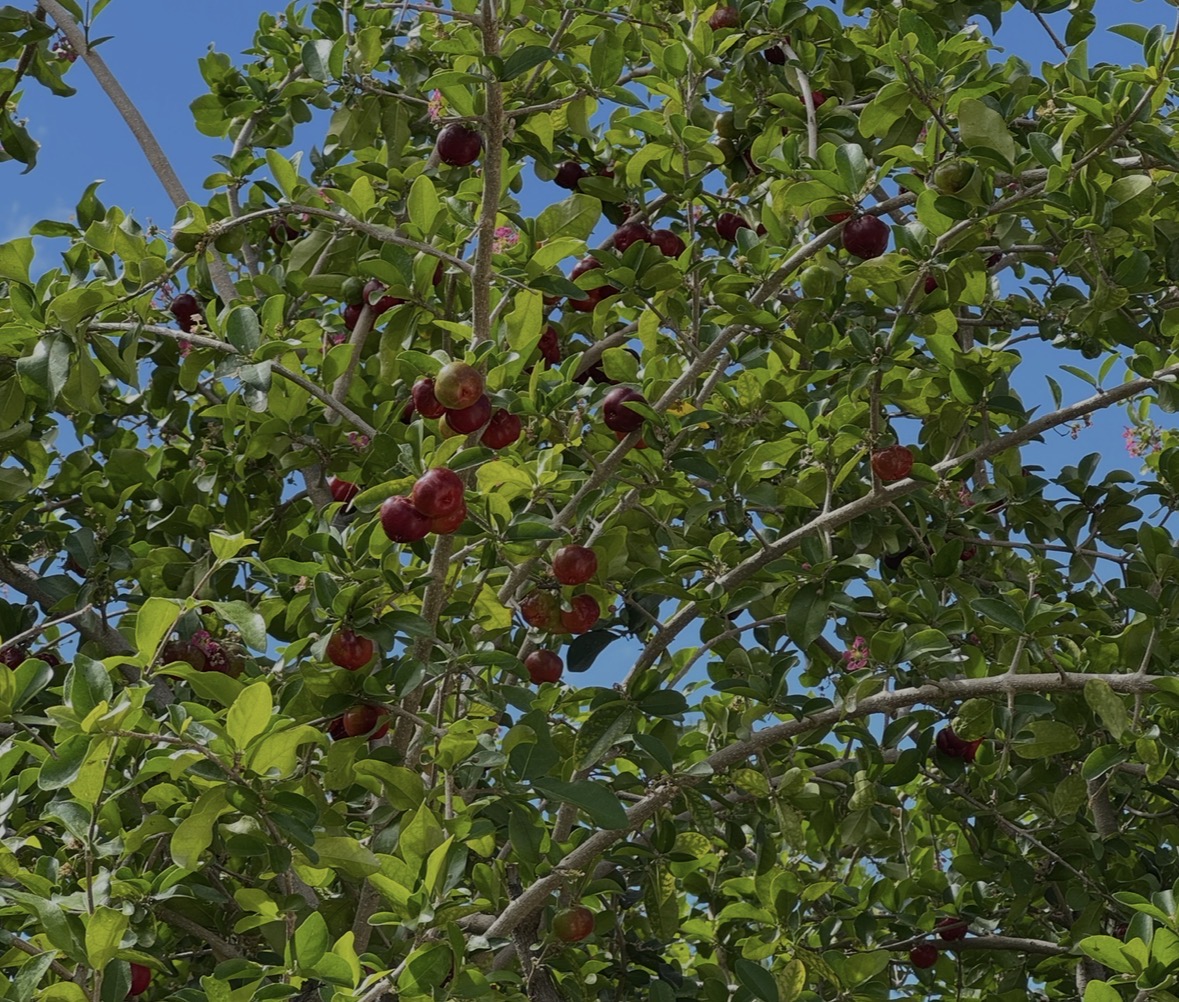
Barbados Cherry
Evergreen shrub about 6 to 10 feet tall with small pink flowers and bright red, tart, vitamin C packed cherries several times a year. Give it compost and mulch and keep the soil from drying out.

Guava
Fast growing tropical fruit tree about 10 to 15 feet tall with peeling, cinnamon colored bark and fragrant fruit in late summer and fall. Handles our heat well with compost, mulch and regular deep water. Cover it on frost nights while it's young.
Ficus: Root Flare Excavation
DIY friendlyThese ficus can really benefit from a root flare excavation. Soil has built up around the base, covering the root flare. The video in Section 3 shows why that matters.
How to do it
- Don't get down there and get aggressive with a hand shovel. You'll end up damaging the roots you're trying to expose.
- Instead, use a strong stream of water from a hose to blast the dirt away. It moves the soil without hurting the bark or the roots.
- Keep going until you see the trunk flare out into the main roots.
- Look for any roots growing up and over the flare or wrapping around the trunk.
- If you think you need to cut any roots, post a photo in the Garden Nerd Club first and I'll let you know. If you'd rather we handle it, we do root flare work too.
- Once it's open, leave it exposed and keep mulch at least a foot back from the trunk.

Front Yard Trees
Fresh startTwo treesYou're considering taking out everything in the front yard, the lantana and the cacti, and starting fresh. The small Texas ebony is great for this spot, so keep it. I'd suggest two trees out here, one on each side, so the yard feels balanced and you get shade across the front of the house.
For the second tree, desert willow is a great option. If you want something that really matches the Texas ebony, desert ironwood is the pick. It's slower growing, but it has a similar dense, dark green, desert look and it's one of the best native trees we have.
Go with 15 gallon trees. Smaller trees root in faster and end up healthier long term than big boxed trees. Clear the lantana and cacti before planting (that's something you or a landscaper would handle, since we don't do removals).
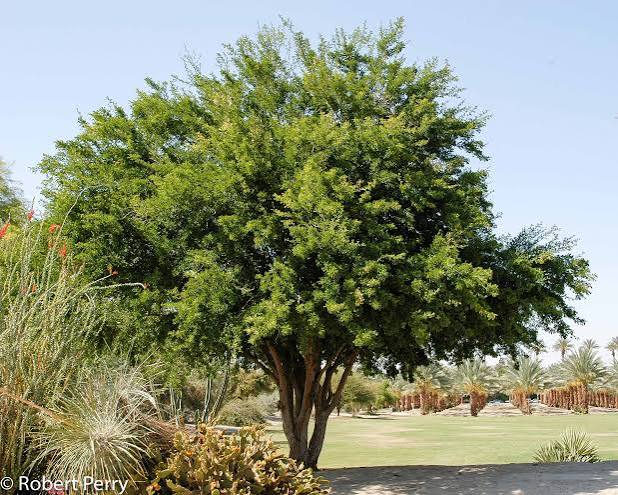
Texas Ebony
Dense, dark green evergreen tree with a tidy, upright shape, growing about 15 to 30 feet. Handles full sun and heat and gives year round screening.
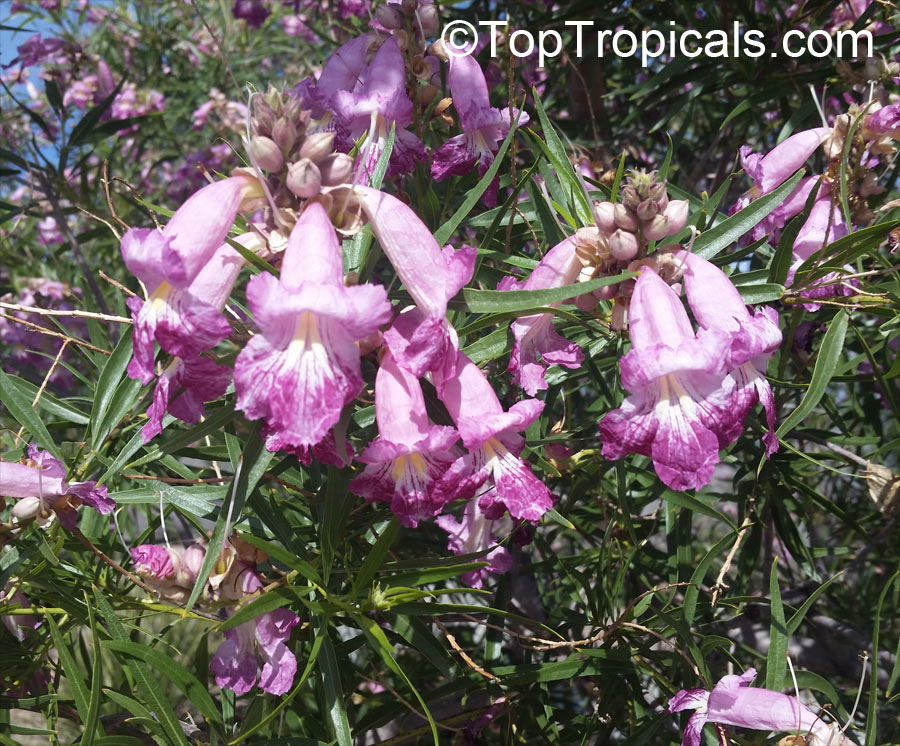
Desert Willow
Native tree with orchid-like pink and purple flowers all summer that hummingbirds love. Fast growing to about 15 to 25 feet with a light, airy canopy. Loses its leaves in winter, letting sun in when you want it.
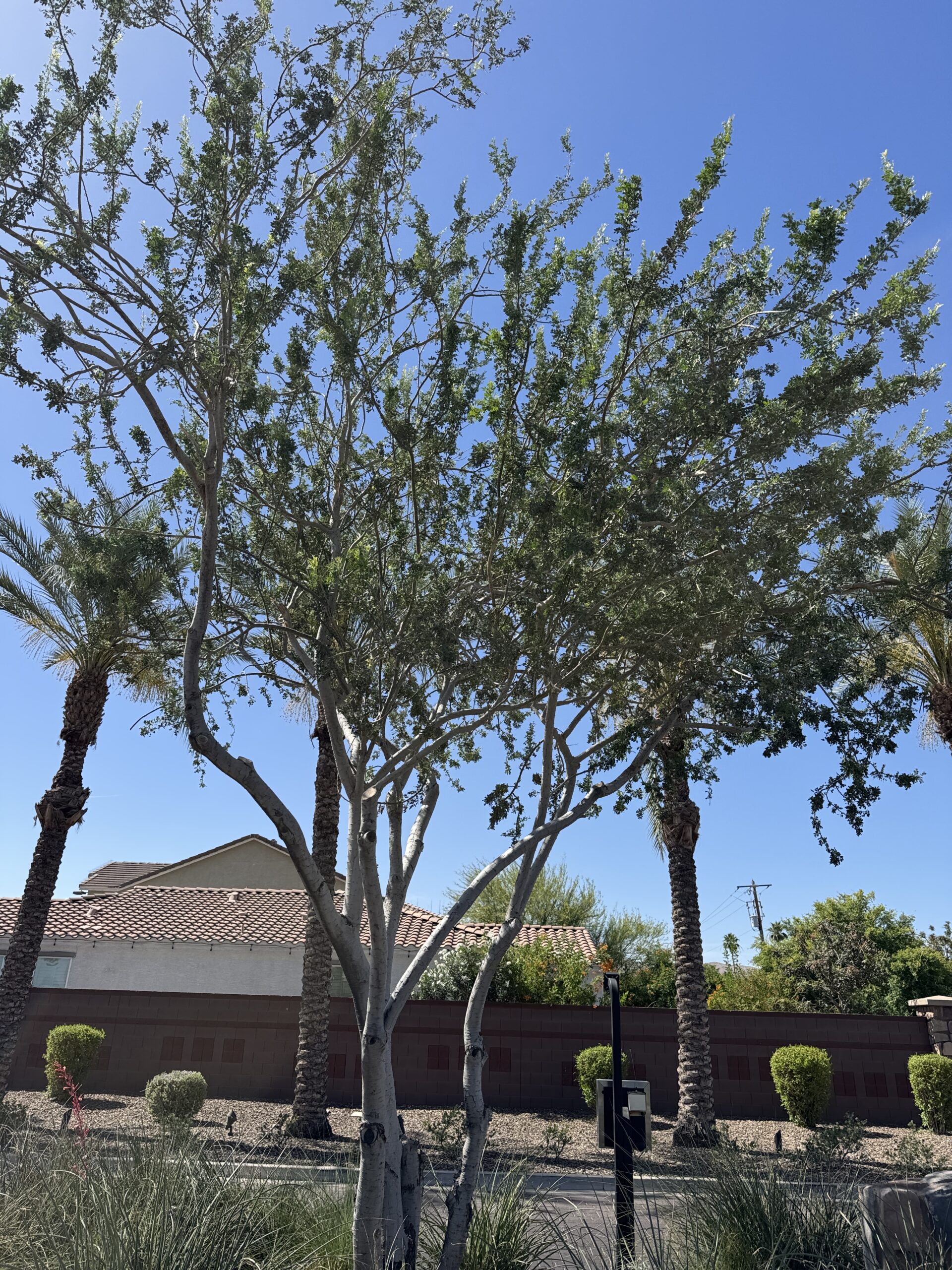
Desert Ironwood
Slow growing Sonoran native that gets about 15 to 25 feet with a dense, gray-green canopy and lavender flowers in late spring. Extremely long lived and a huge benefit to native wildlife.
Planting the new trees
- Dig wide, not deep: make the hole 2 to 3 times as wide as the root ball but only as deep as the root ball, so the tree sits on solid soil and doesn't sink.
- Find the root flare first: brush soil off the top of the root ball until you find where the trunk flares out. That should sit at or slightly above grade.
- Backfill: use the native soil you dug out with just a tiny bit of compost. Water as you go to settle it.
- Top it off: lay compost on top of the soil, then mulch over the compost. Don't work it in, and keep the mulch a foot back from the trunk.
Watering new trees
The most important thing is not letting the root ball dry out. It dries faster than the soil around it, so the roots can be thirsty even when the ground looks damp. Water deep, and stretch out the time between waterings as the tree settles in:
- Weeks 1 to 2: every 2 to 3 days
- Weeks 3 to 4: every 4 to 6 days
- Weeks 5 to 6: every 6 to 8 days
- Weeks 7 to 8: every 8 to 12 days
- Each watering should soak 24 to 36 inches down. Don't skip a watering because it rained; our rain rarely soaks in deep enough.
If the front yard drip needs to be reworked for the new trees, call Garrett at 480-678-9121.
Feeding the Whole Yard
With all the fruit trees and tropicals you have, feeding the soil makes a huge difference. Healthy soil biology is what makes nutrients available to plants, holds water longer, and keeps roots strong through the summer. Here's how to do it yourself:
- Compost: spread compost generously around the drip line of the trees (out under the edge of the canopy, where the feeder roots are) and closer in around shrubs and tropicals. I recommend Arizona Worm Farm.
- Worm castings: add worm castings every quarter. They're packed with biology and gentle enough to use around everything.
- Organic fertilizer: feed monthly with a good organic fertilizer that's high in fulvic acid. The ones I use are from Catalyst: Jenner 8, Organic Nitro Jen, and their kelp fertilizer. You can find them here (click Products, then Home and Garden).

Jenner 8
Organic fertilizer high in fulvic acid that feeds the soil biology and the plant at the same time.
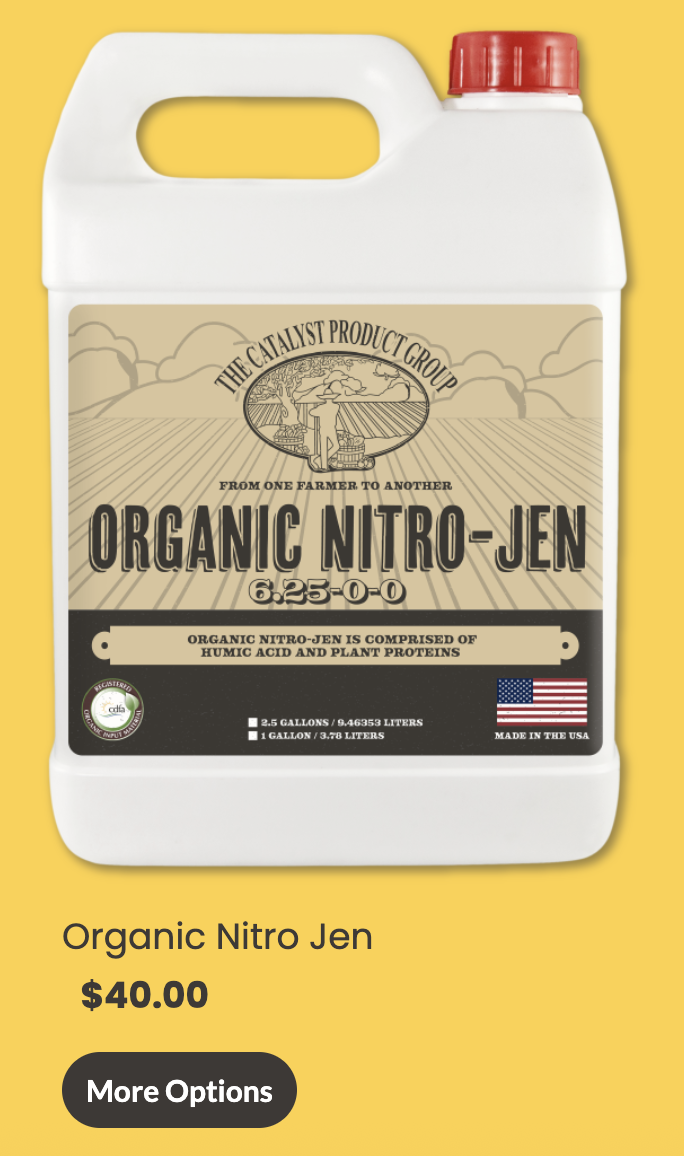
Organic Nitro Jen
Organic nitrogen to push healthy green growth, especially useful for new plantings getting established.
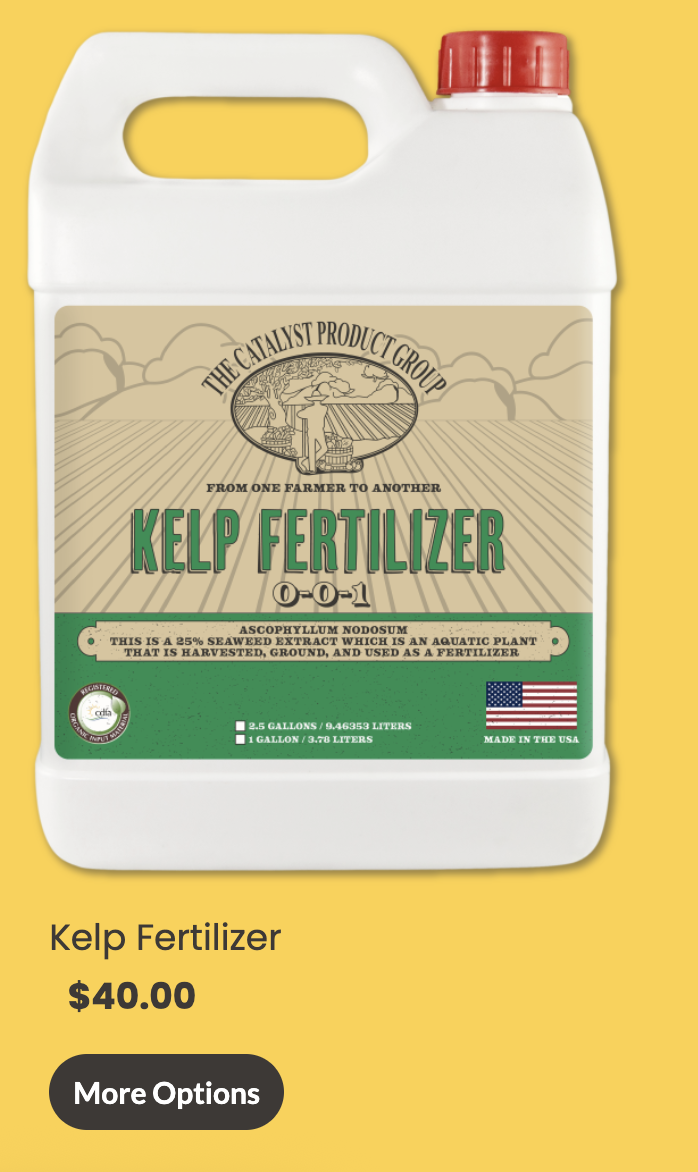
Kelp Fertilizer
Trace minerals and natural growth compounds that help plants handle heat and stress.
Monthly Fertilizing Program
- Monthly liquid organic feeding for the whole landscape
- Compost applied three times a year
- A recap video after every visit so you know what we did and what we saw
Where to go from here
You can take this write-up and do as much of it yourself as you want. As a consult client, you're already in the Garden Nerd Club, so you have direct access to me there. Post photos, ask questions, and I'll help you along the way.
When you're ready to plant, we do planting too. If you'd like, I can put together a planting proposal for any or all of these areas whenever the timing works for you. Just text me.
For anything irrigation related, call Garrett at 480-678-9121.
You can see more about our planting services at thegardennerd.org.
Everything in one spot
Thanks again, Michaelle
It was great walking the yard with you. Reach out anytime in the Garden Nerd Club, and follow along for more tips.