
Thanks for having me out, Mark. Below is everything we went over, in the order we walked the yard, with plant options for each spot so you have it all in one place.
As a consult client, you're already in the Garden Nerd Club, so you have direct access to me there. If questions come up while you work through any of this, ask me there anytime.
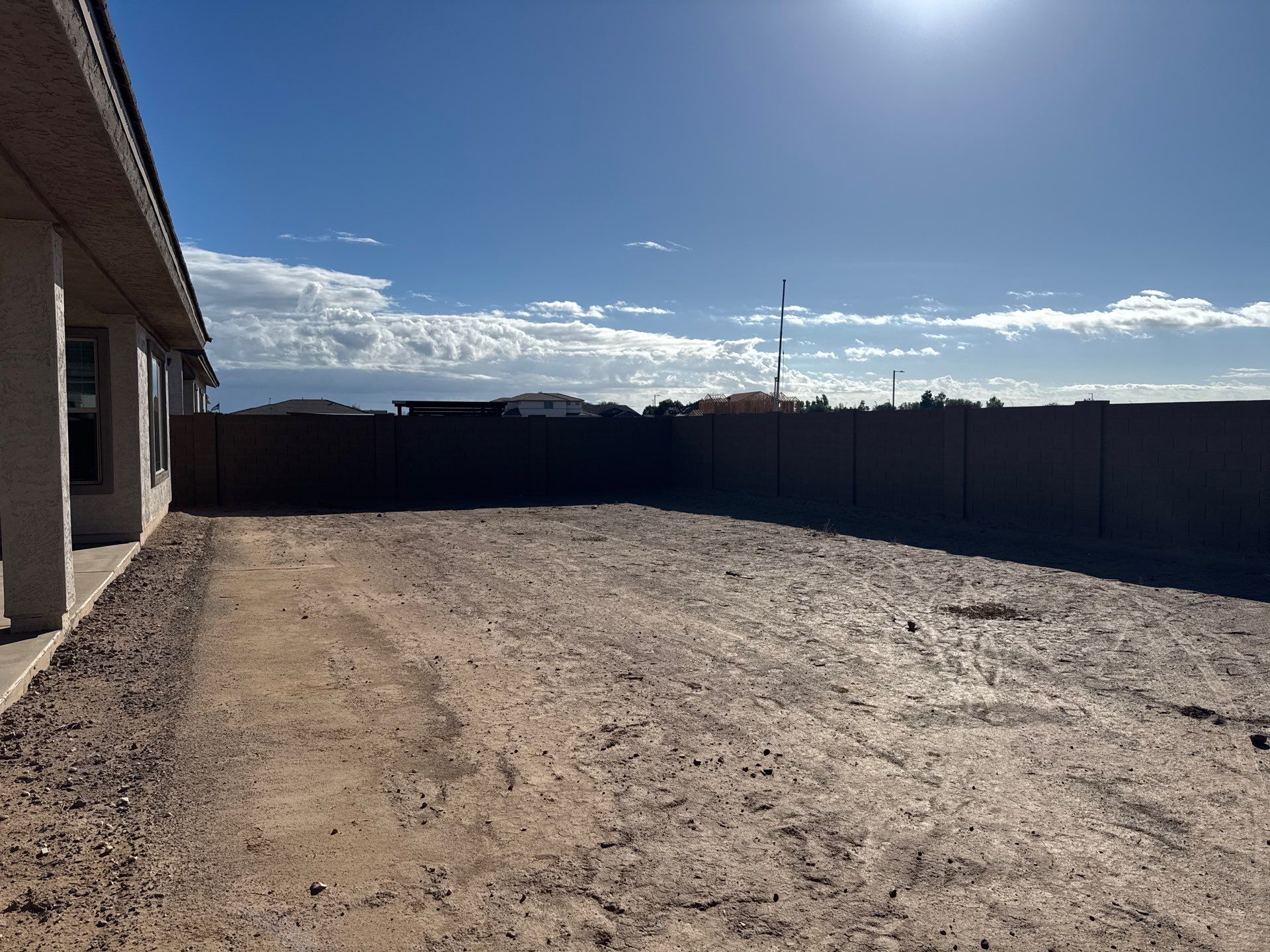
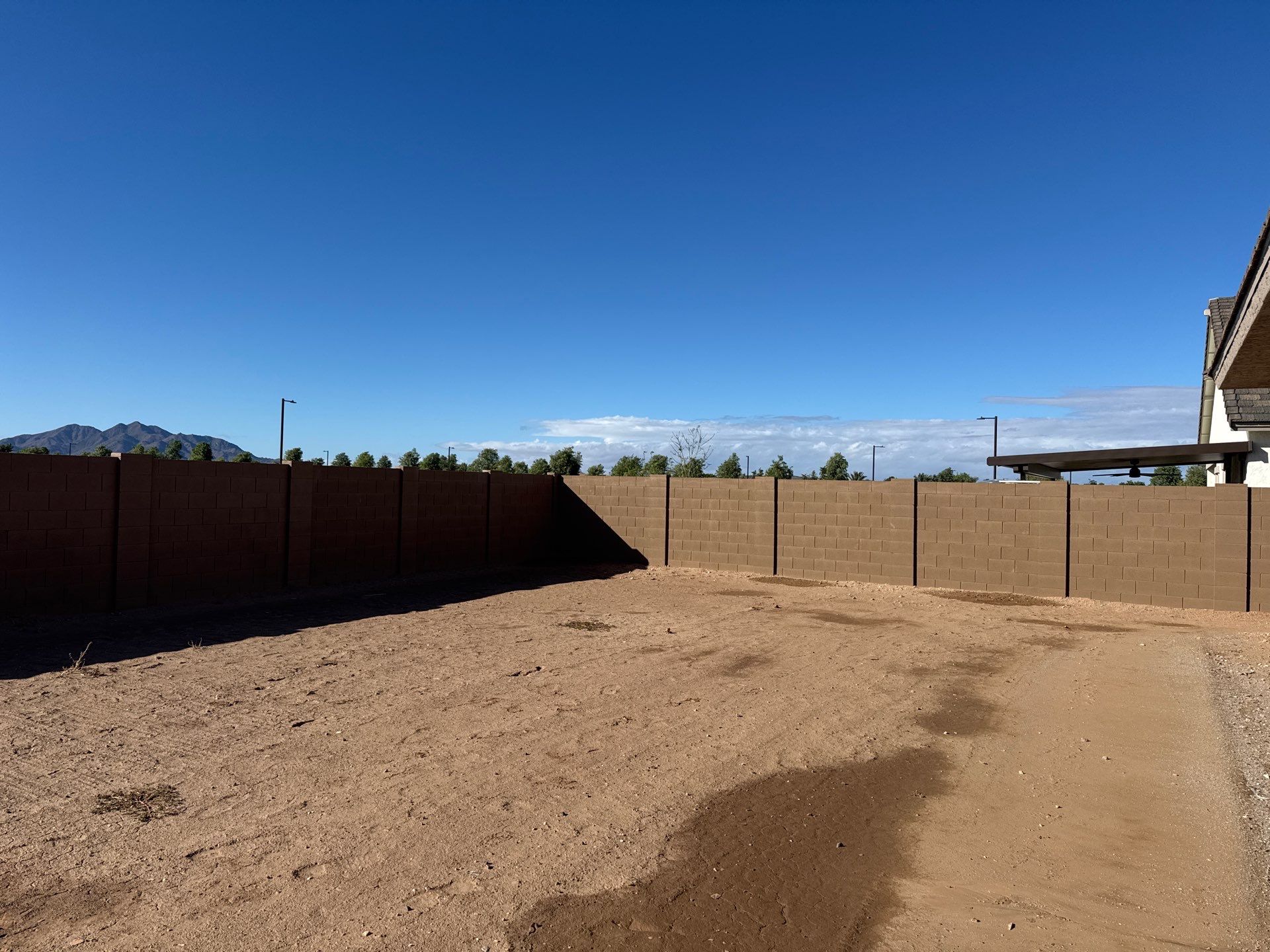
Covering the block walls
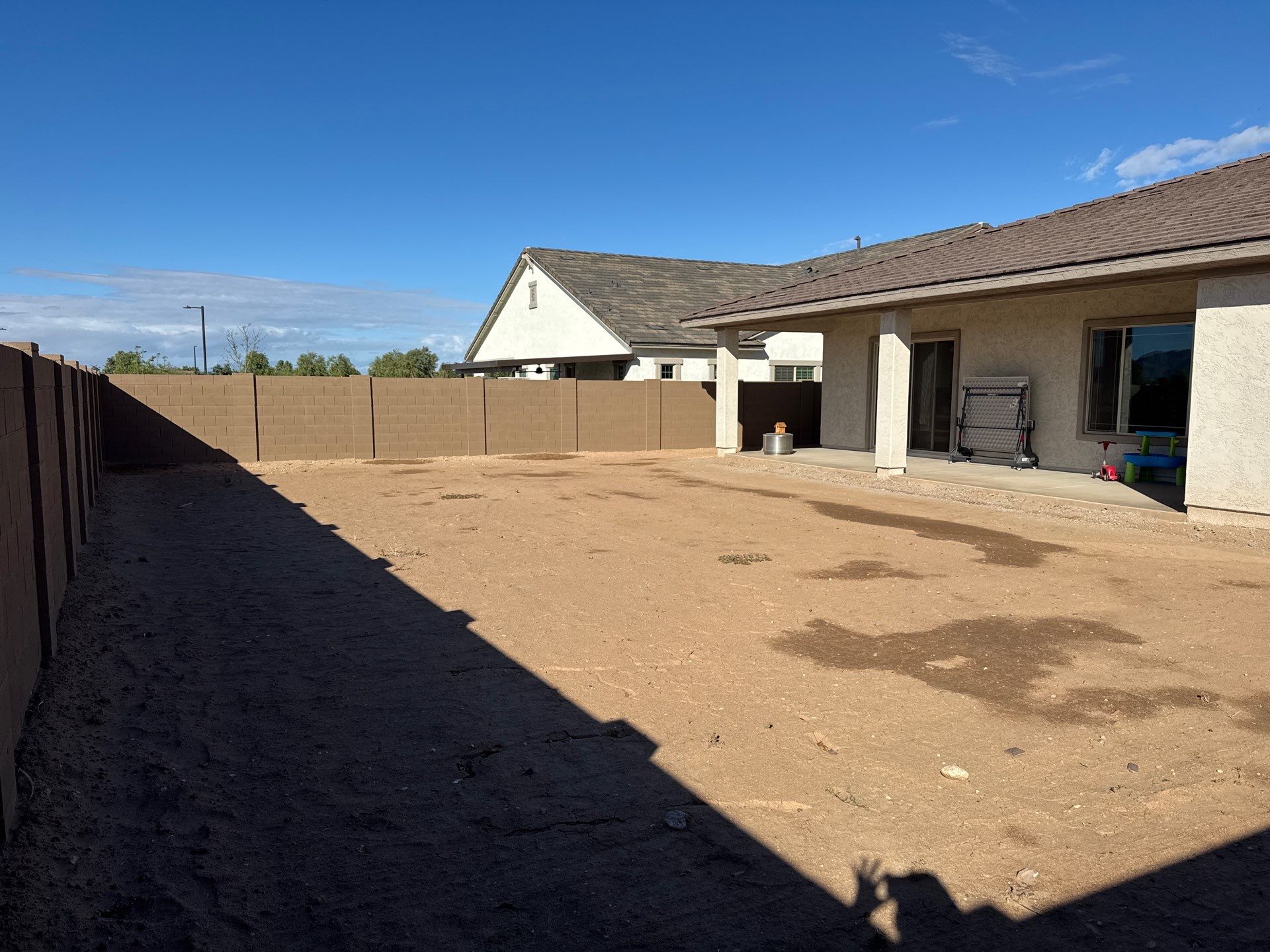
This is a blank backyard, so we're starting fresh, and all of these block walls can be covered. Covering them is one of the best things you can do here. Bare block soaks up sun all day and radiates heat back into the yard well into the evening. A hedge or vine along each wall cools the yard down and makes it feel full and green.
Hopseed, Arizona rosewood, orange jubilee, and yellow bells can all go along these walls. I've added Barbados cherry and clumping bamboo for a lusher look, and a set of vines if you'd rather cover the walls without giving up as much yard space.
Hedges

Hopseed
Fast growing native evergreen that fills in to a dense 8 to 12 foot screen. Stays fairly narrow and upright, so it fits tighter spots. Takes less water than plants that aren't desert adapted and handles reflected heat off a block wall. Plant 4 to 5 feet apart.

Arizona Rosewood
Native evergreen with dark, glossy leaves that grows 10 to 15 feet tall. Dense, tidy, very low litter, and one of the best screens for full sun and reflected heat. Plant 5 to 6 feet apart.

Orange Jubilee
Fast and lush, with big clusters of orange trumpet flowers spring through fall that hummingbirds love. Grows 10 to 12 feet tall. A hard freeze can nip it back, but it grows right back in spring. Plant 4 to 5 feet apart.
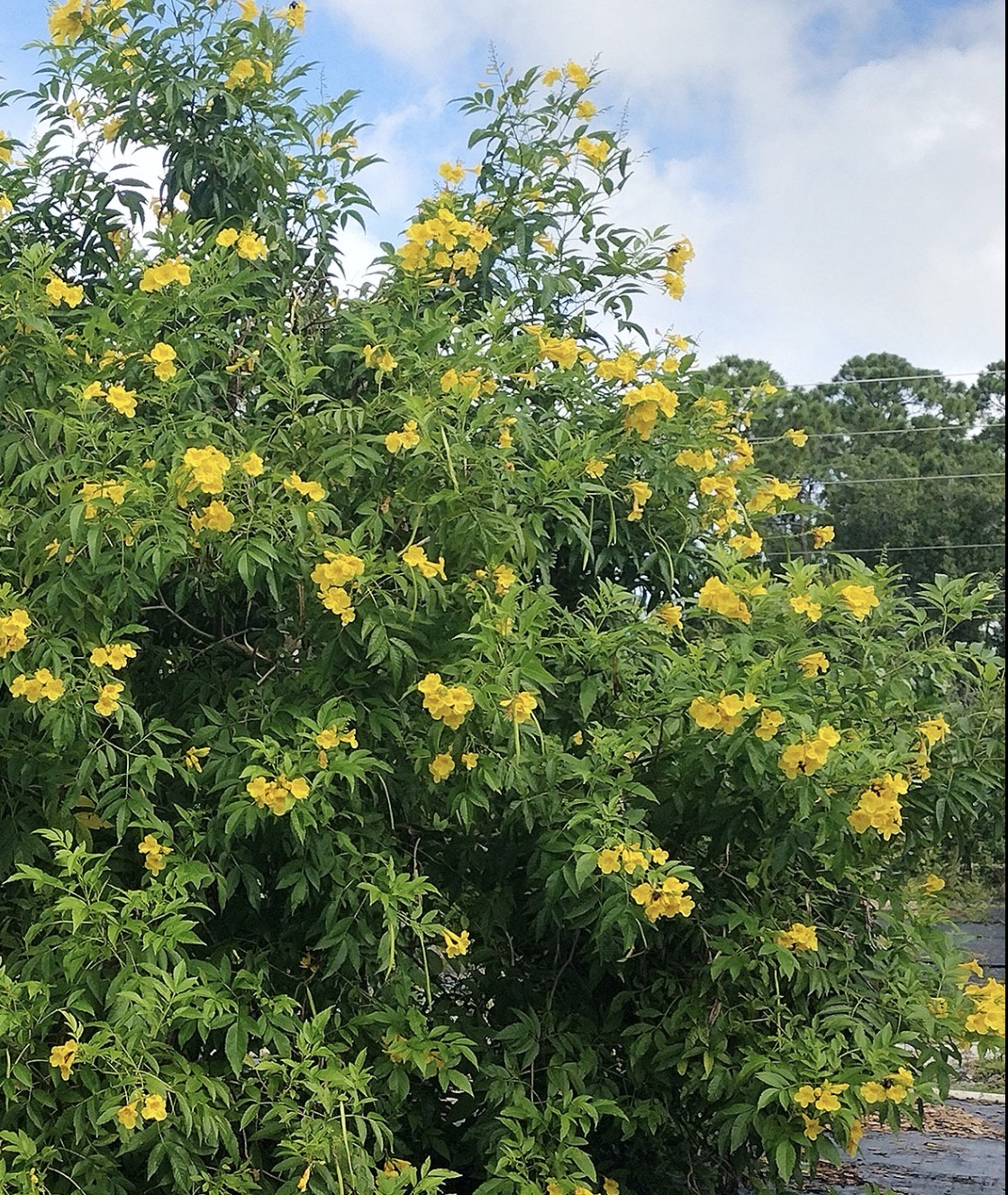
Yellow Bells
Bright yellow trumpet flowers spring through fall on lush green foliage, 8 to 12 feet tall. Takes full sun and heat and handles some shade. A hard freeze can nip it back. Plant 5 to 6 feet apart.
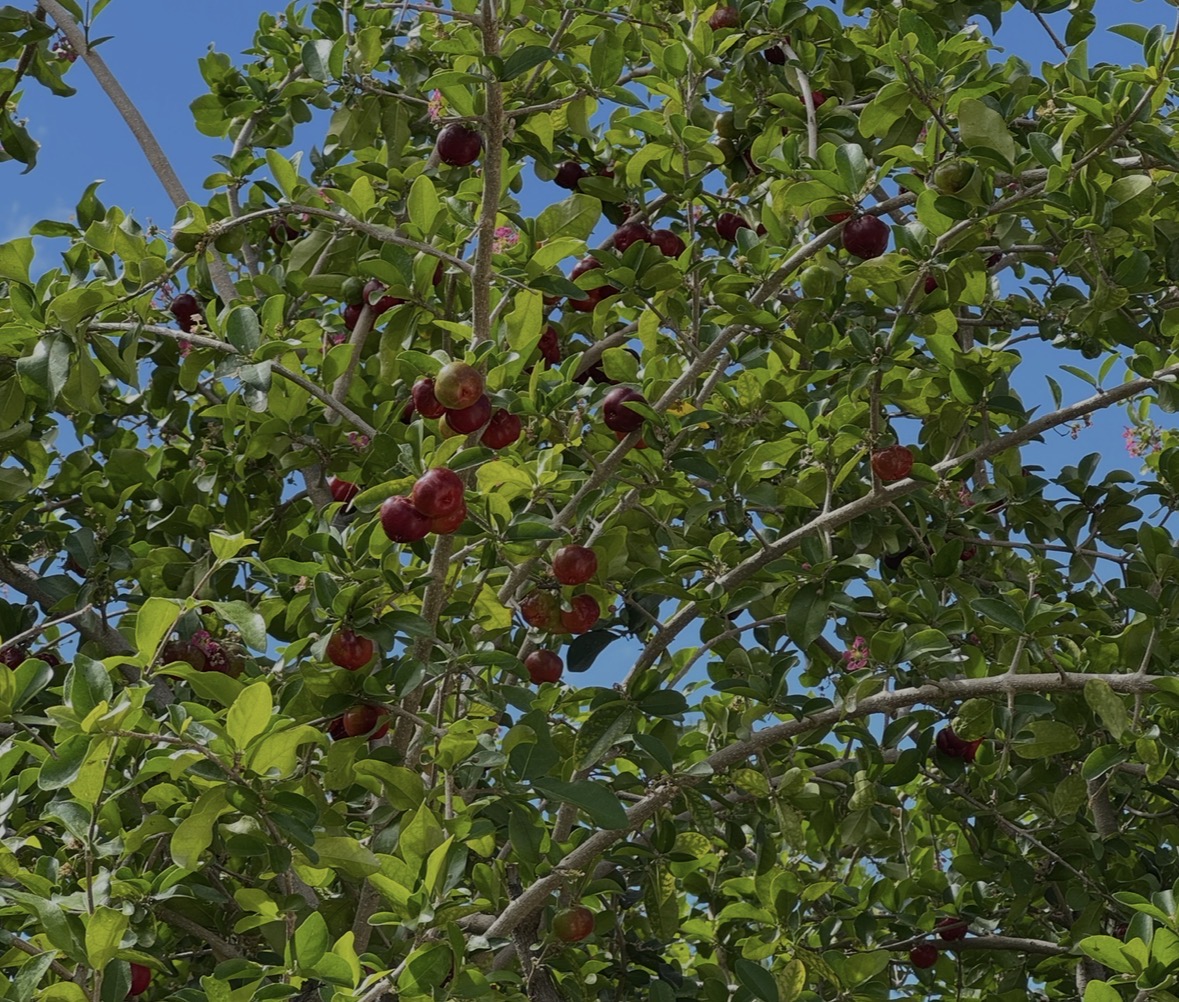
Barbados Cherry
Shrub, 6 to 10 feet, with glossy green leaves, small pink flowers, and bright red, tangy cherries several times a year. Loves full sun and heat. Protect it on frosty nights while it's young.
Oldhamii Bamboo (Clumping)
A clumping bamboo, so it widens slowly instead of running through the yard. Makes a tall, dense green screen fast, up to 25 to 30 feet over time. It wants more water than the desert options on this wall.
Here's a short video on orange jubilee.
Vines

Tangerine Crossvine
Evergreen vine with orange trumpet flowers in spring and on and off through the year. Self clinging, fast, and takes the heat.
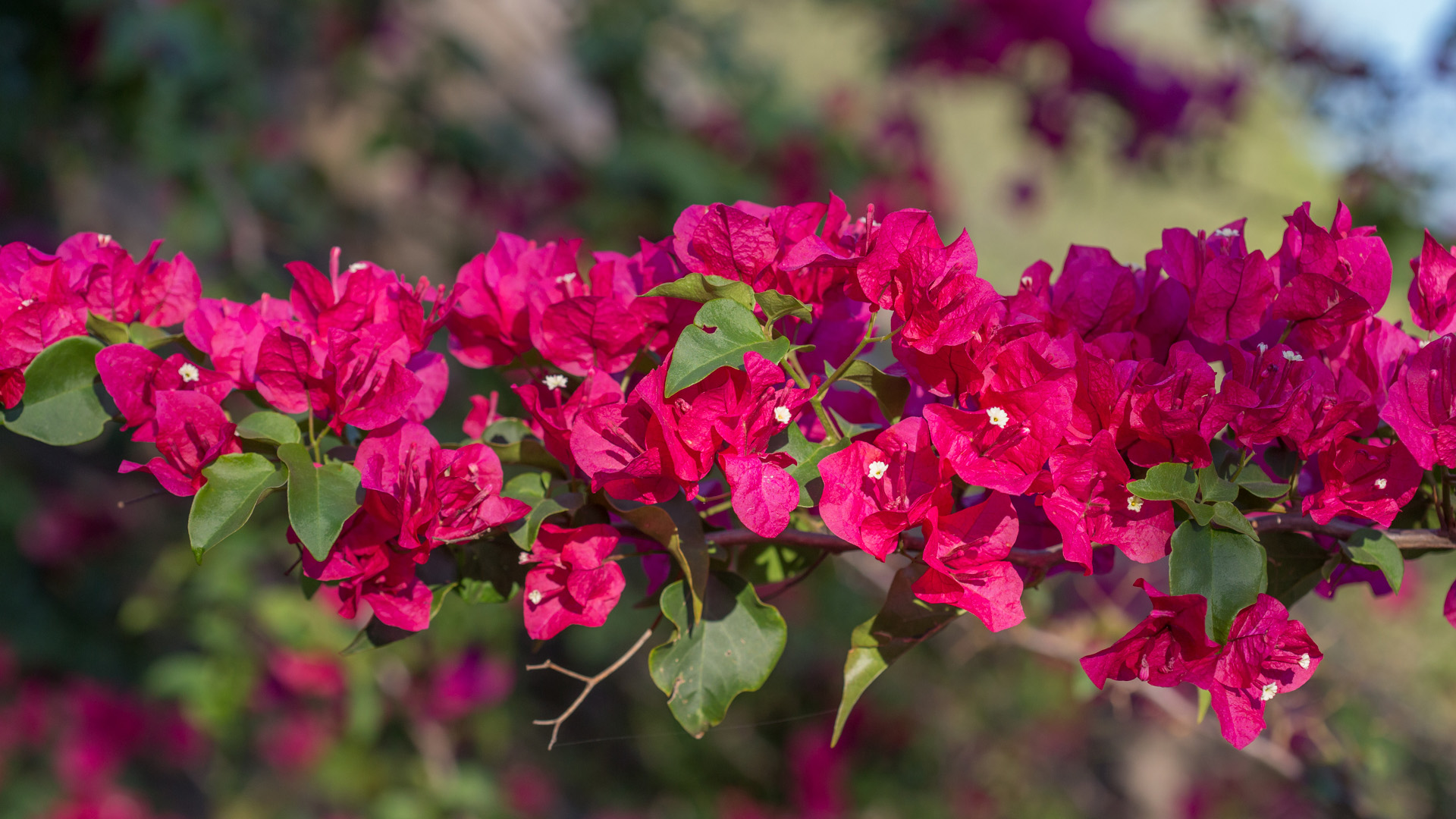
Bougainvillea
Covered in color most of the year and grows fast on a hot wall. Tie the canes to wires as it grows. Can get frost nipped, then flushes back in spring.
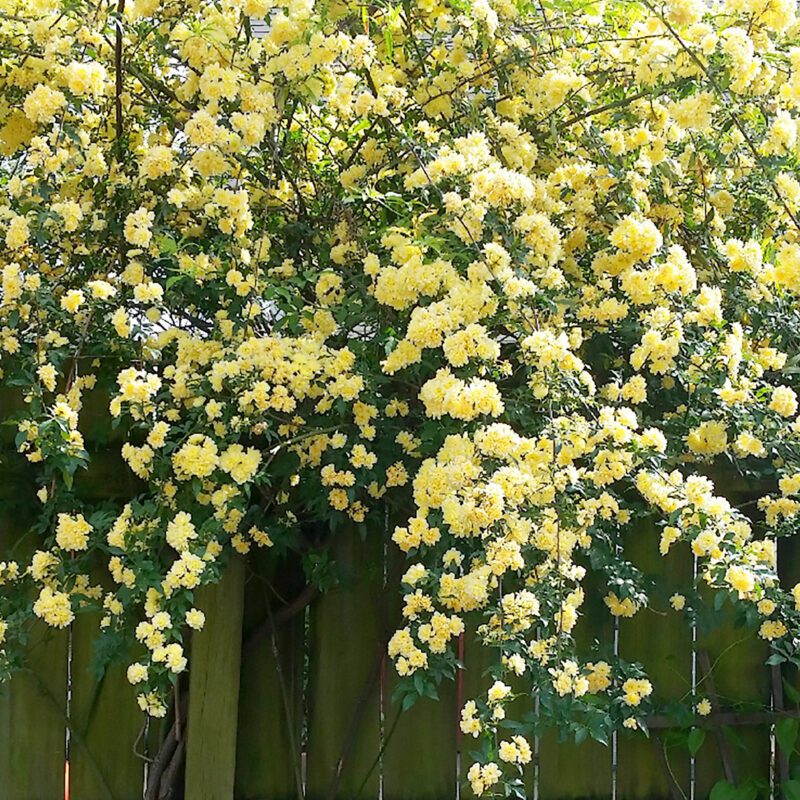
Lady Banks Rose
Thornless climbing rose covered in small yellow flowers in spring. Vigorous, tough, and easy to train along a wall or fence.
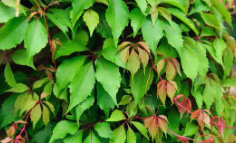
Hacienda Creeper
Self clinging with small leaves that hug the wall tight, and it turns red in fall. No wires needed.
You can't fit all of these. Pick your favorites and repeat them along the wall.
Planting the hedge
- Plant 3 to 4 feet off the wall so the back of the hedge gets light and air and doesn't rub on the block.
- Backfill with native soil plus a tiny bit of compost in the hole, lay compost on top of the soil, then mulch over the compost, a foot back from the trunks.
- Water new plants deeply two to three times a week for the first few weeks, then stretch it out. Give each one its own emitters.
- For vines, plant about a foot off the wall. Crossvine and hacienda creeper cling on their own. Bougainvillea and Lady Banks need a few horizontal wires on brackets to climb.
Shade trees to block the afternoon sun
Here's a palette of trees for the west side of the yard, where they'll block the hot afternoon sun. We weren't sure whether you want to block the mountain view here, so keep that in mind as you choose. The fuller trees give the most shade. The airier ones, like mesquite and desert willow, filter the sun while still letting you see through to the mountains.
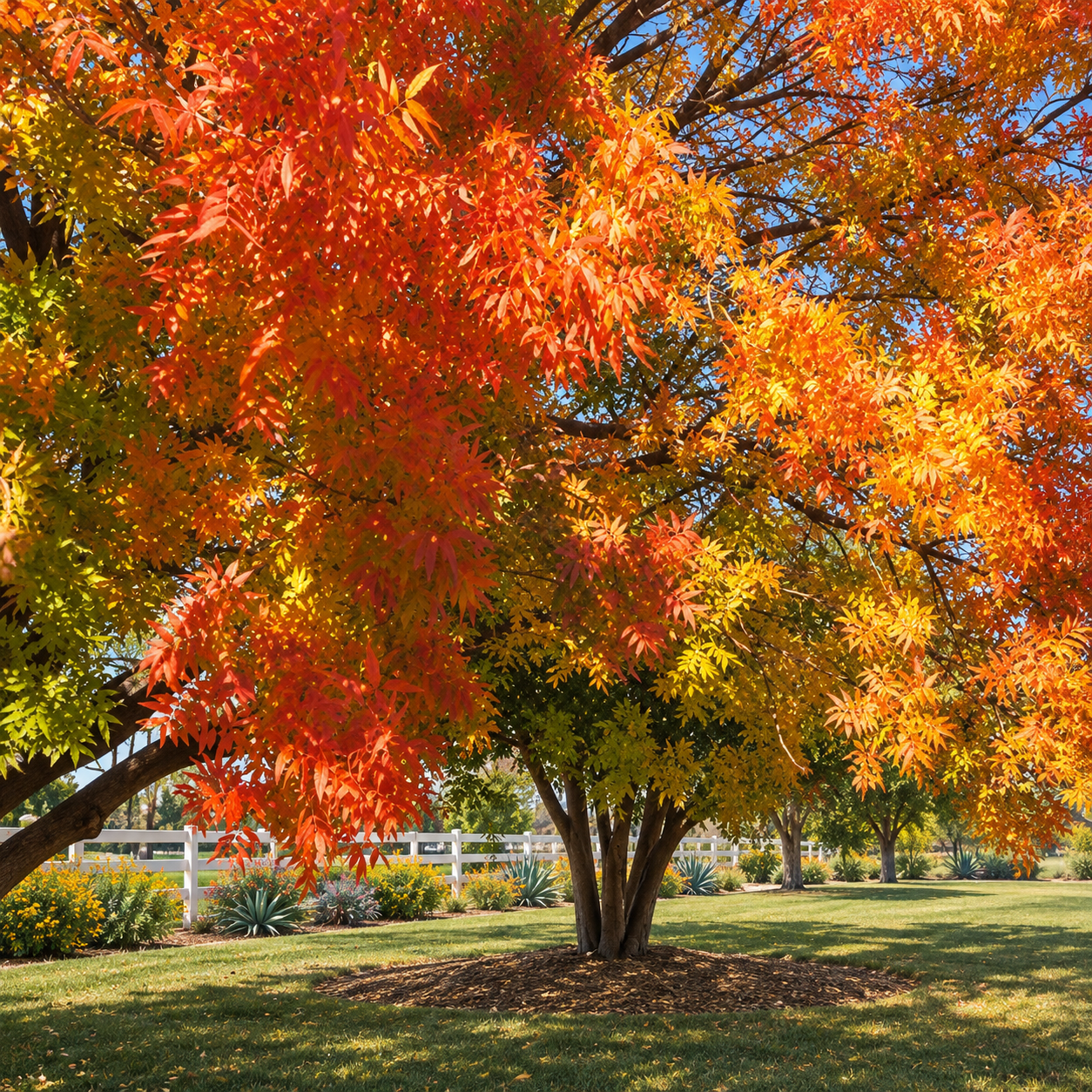
Red Push Pistache
Medium shade tree, 25 to 40 feet, with red new growth in spring and great fall color. Handles full west sun and heat, does well in a lawn, and is low litter.

Chinese Elm
Fast growing, semi evergreen shade tree with a wide, graceful canopy, 40 to 50 feet. Handles full west sun and does well in a lawn. The bark gets a pretty mottled look as it matures.
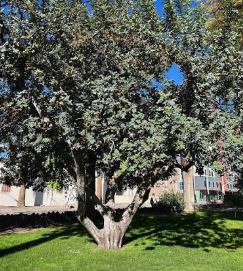
Carob
Evergreen shade tree, 30 to 40 feet, with a dense, rounded canopy of glossy dark green leaves. The pods are edible and taste a lot like chocolate. Very tough in our heat and takes less water than plants that aren't desert adapted.
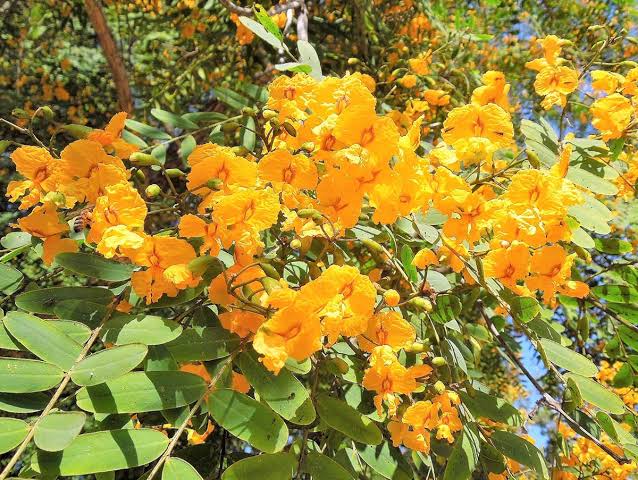
Tipu
Fast growing shade tree with a wide umbrella canopy and yellow flowers in late spring, 30 to 50 feet. Gives serious shade fast. It drops some leaves and pods, which is fine out in the lawn.
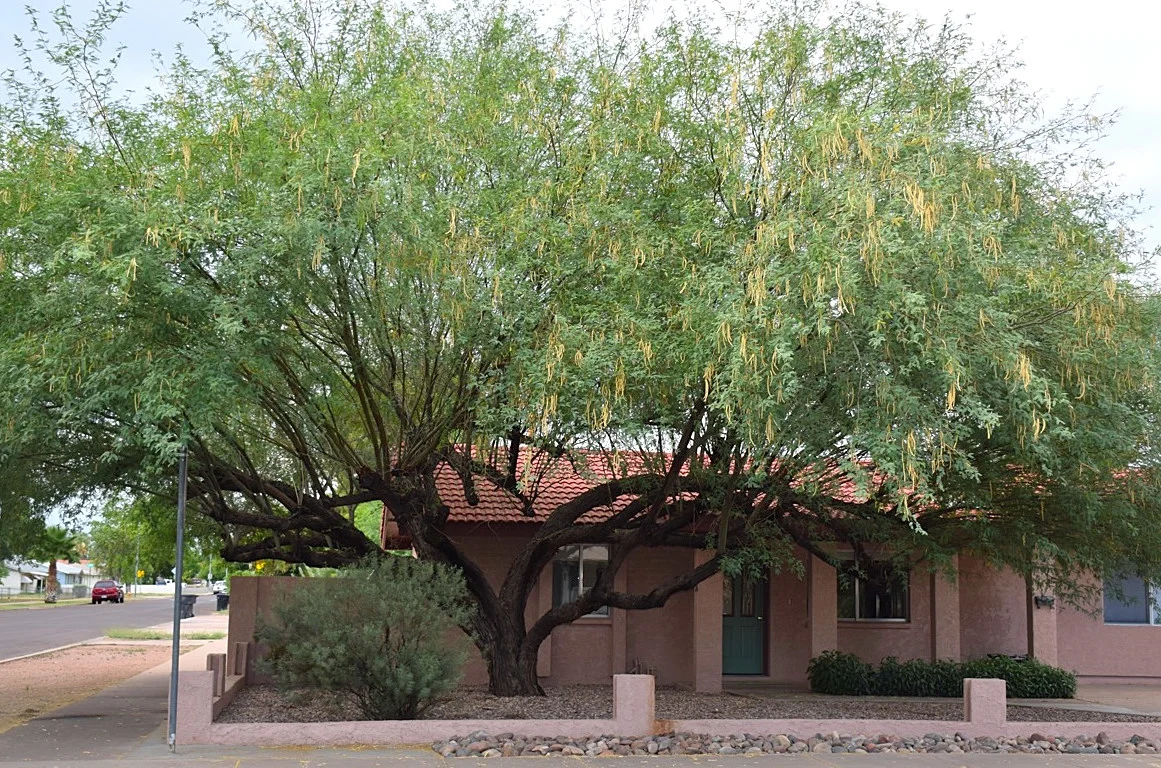
Native Velvet Mesquite
The native mesquite, 25 to 30 feet, with a wide, airy canopy and filtered shade. It supports local wildlife in ways the non native hybrids don't, and takes less water than plants that aren't desert adapted.
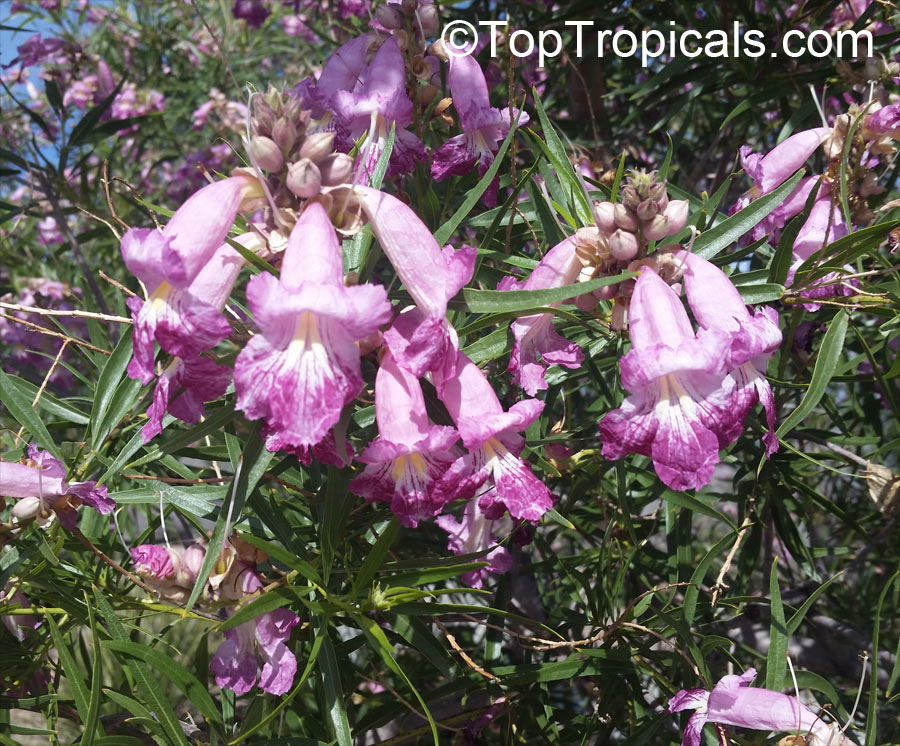
Desert Willow
Native, 15 to 25 feet, with orchid like flowers all summer. Light, airy canopy, so it shades without fully blocking the mountain view. Loses its leaves in winter.
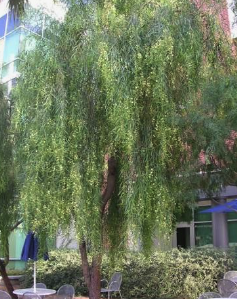
Willow Acacia
Evergreen with long, weeping leaves and a more upright shape, 20 to 30 feet. Handles full west sun, stays green all year, and takes less water than plants that aren't desert adapted.
You can't fit all of these. Pick one or two and repeat them so it looks intentional.
- Keep shade trees at least 10 to 15 feet from the house and the block wall so the canopy and roots have room.
- Size: start with 15 gallon trees. Smaller trees establish faster and always end up being better trees long term than big boxed ones.
- Above grade: find the root flare, where the trunk widens into the roots, before you dig, and set the tree so the flare sits slightly above the surrounding ground. Dig the hole two to three times as wide as the root ball but no deeper.
- Backfill: native soil plus a tiny bit of compost in the hole, compost on top of the soil, then mulch over the compost, held a foot back from the trunk.
Ground cover, small shrubs, and plants for the pool
Here's a list of ground covers and small shrubs that will work around the yard. You mentioned you're considering a pool, so I've also put together a set of plants that will work all along it. Since you don't love the straight desert look, these lean lush and full, with good color and some tropical feel.
Ground cover
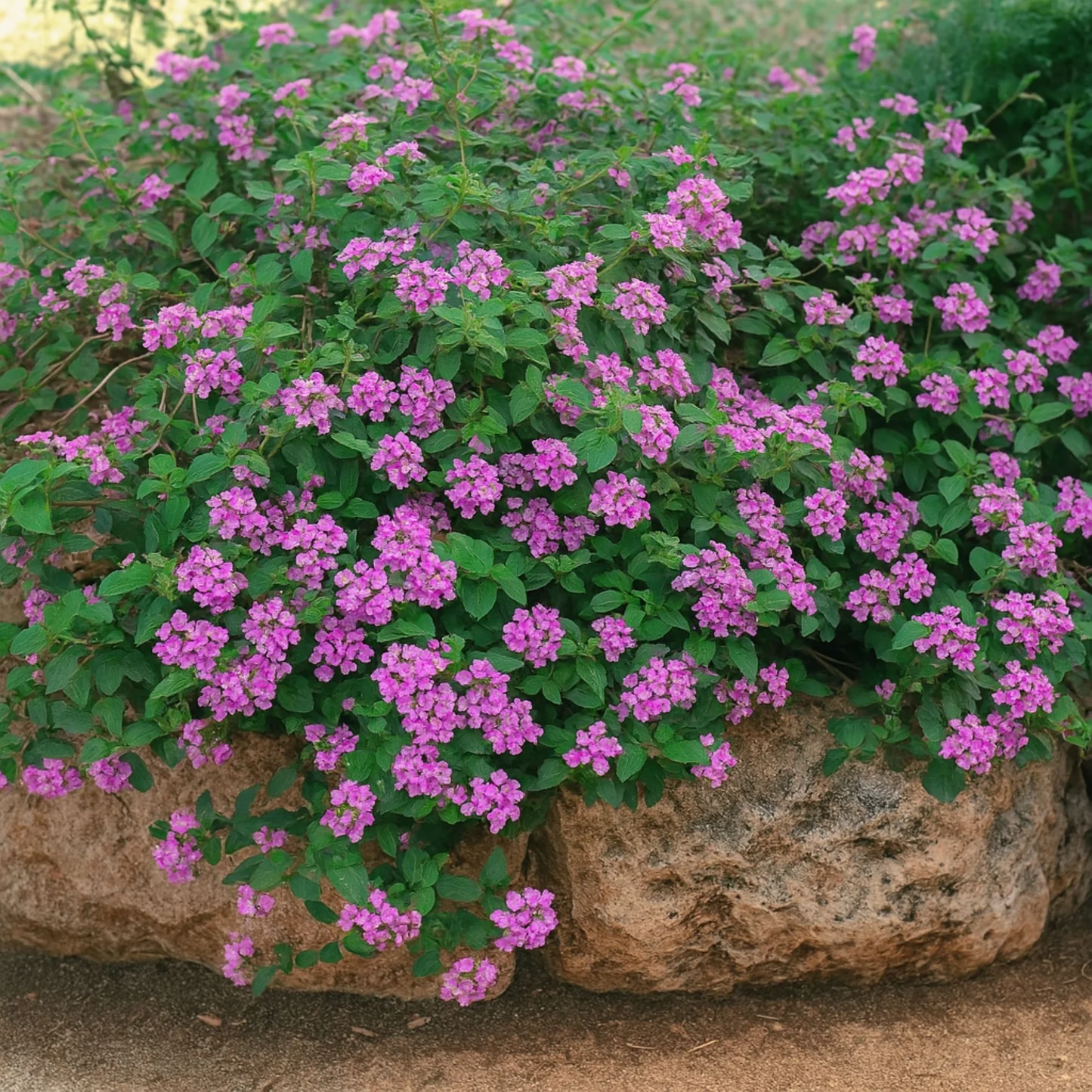
Trailing Lantana
Purple or white flowers spring through fall and a magnet for butterflies. Spreads 4 to 6 feet per plant and takes full sun and reflected heat.

Yellow Dot
Fast, bright green mat with little yellow daisy flowers most of the year. Covers bare ground quickly and cools the soil underneath.
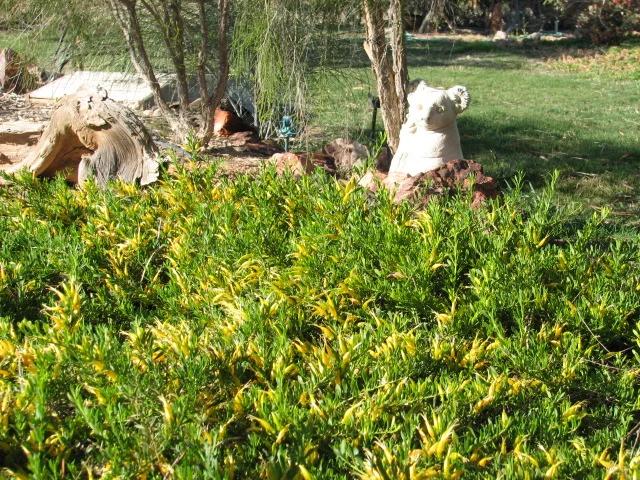
Emu Bush (Outback Sunrise)
Low and spreading, under a foot tall and 4 to 6 feet wide. Gray green leaves with orange red flowers winter through spring that hummingbirds love. Takes full sun and reflected heat and drops very little.
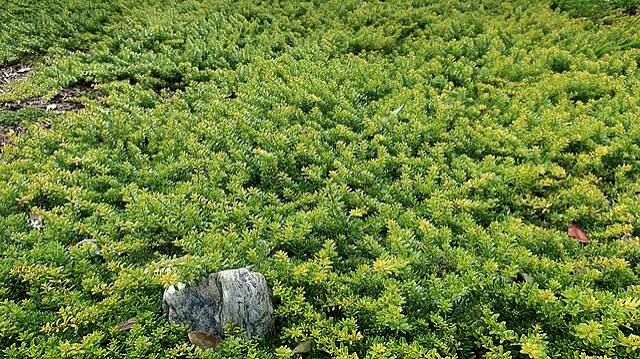
Myoporum
Dense, lush green mat that spreads 6 to 9 feet wide with small white flowers. Fastest way to cover a lot of ground with fewer plants. Space them 5 to 6 feet apart.
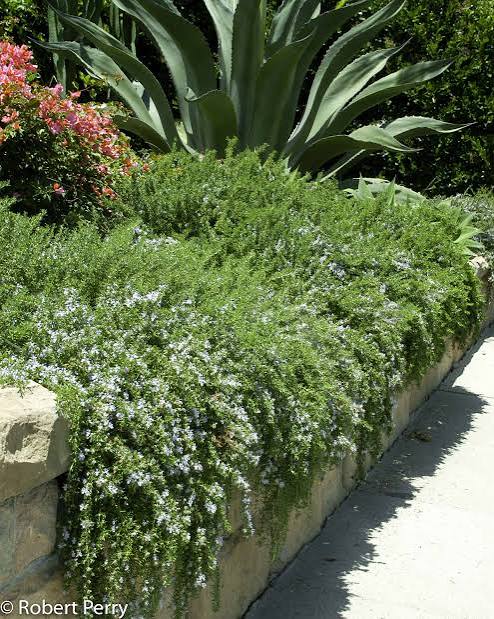
Trailing Rosemary
Spills and spreads 4 to 6 feet with blue flowers bees love in winter and spring. Takes full sun and reflected heat, and you can cook with it.

Purple Heart
Trailing purple foliage with small pink flowers. Spreads fast and adds a pop of color as a ground cover.
Small shrubs
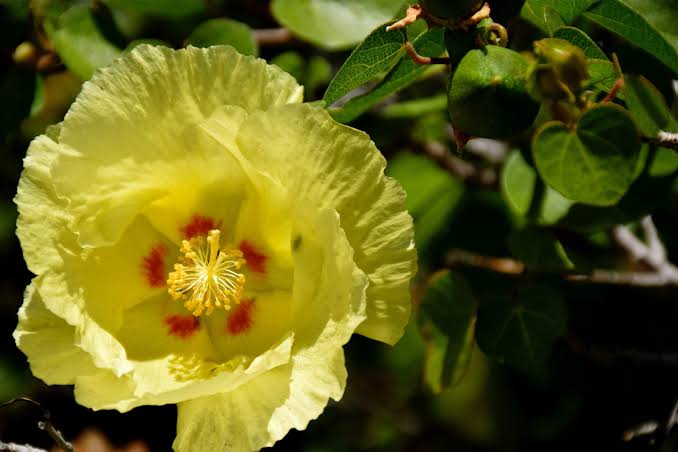
San Marcos Hibiscus
Native mounding shrub, 3 to 5 feet, with deep green leaves and lavender flowers most of the year. A lush look that takes full afternoon sun and heat.
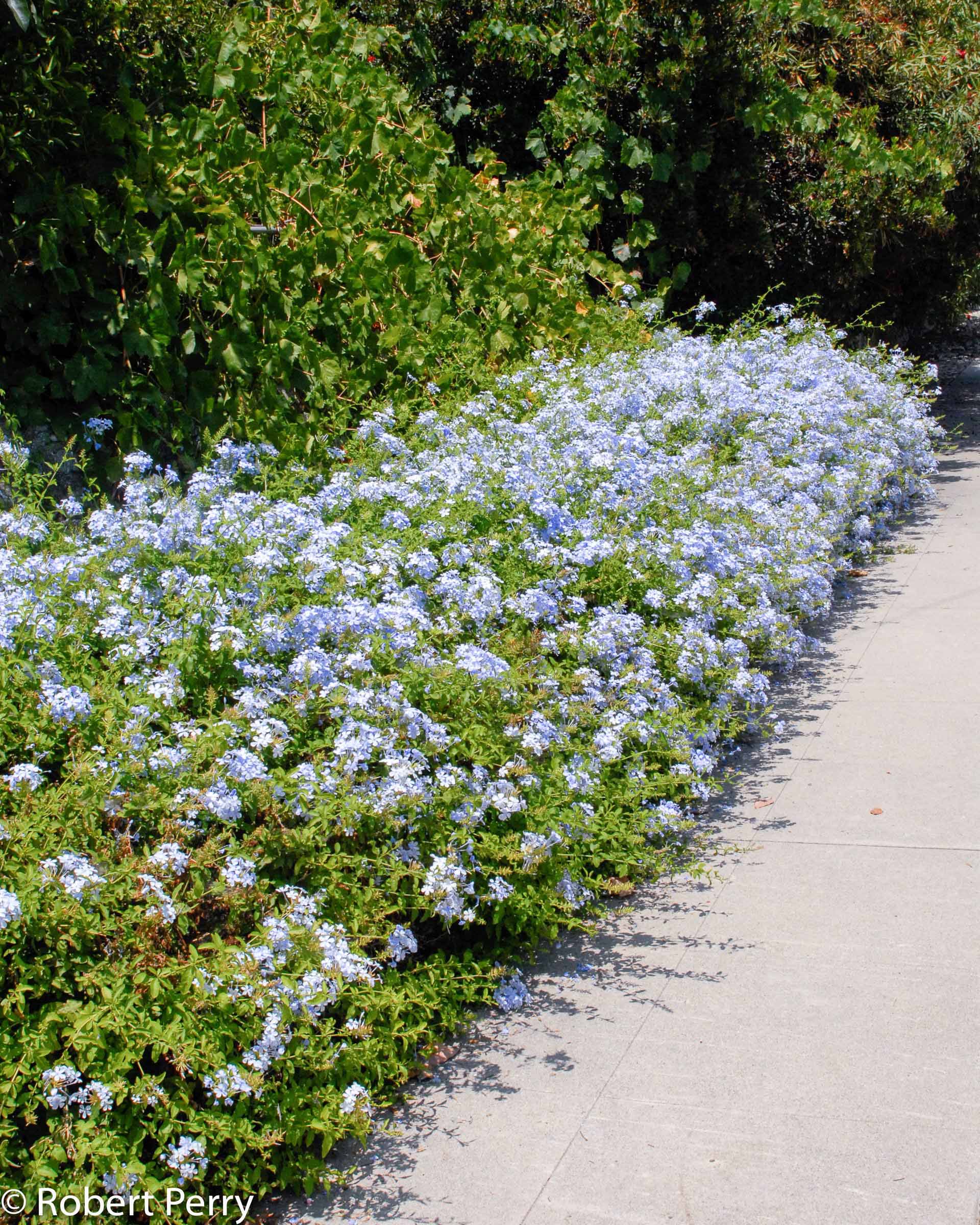
Cape Plumbago
Mounding, 3 to 4 feet, with sky blue flowers spring through fall. Holds a hedge shape well and takes full sun with regular water.
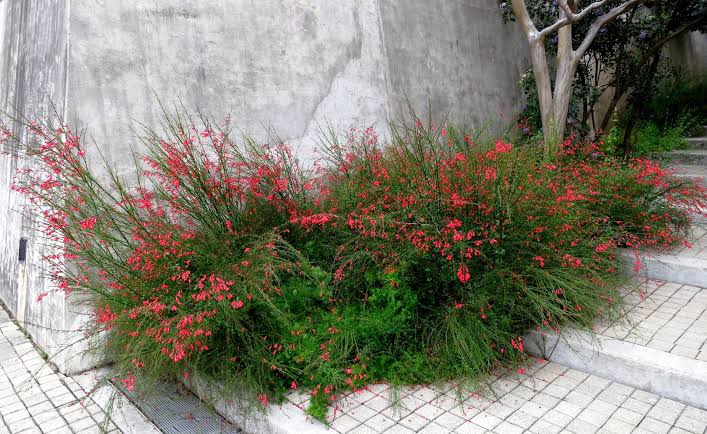
Firecracker Plant
Arching green stems with bright red tubular flowers most of the year. Handles part shade well and hummingbirds love it.
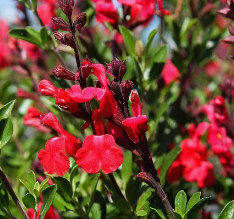
Autumn Sage
Compact, 2 to 3 feet, with red, pink, or coral flowers fall through spring. Takes full sun and can be sheared into a tidy low border.
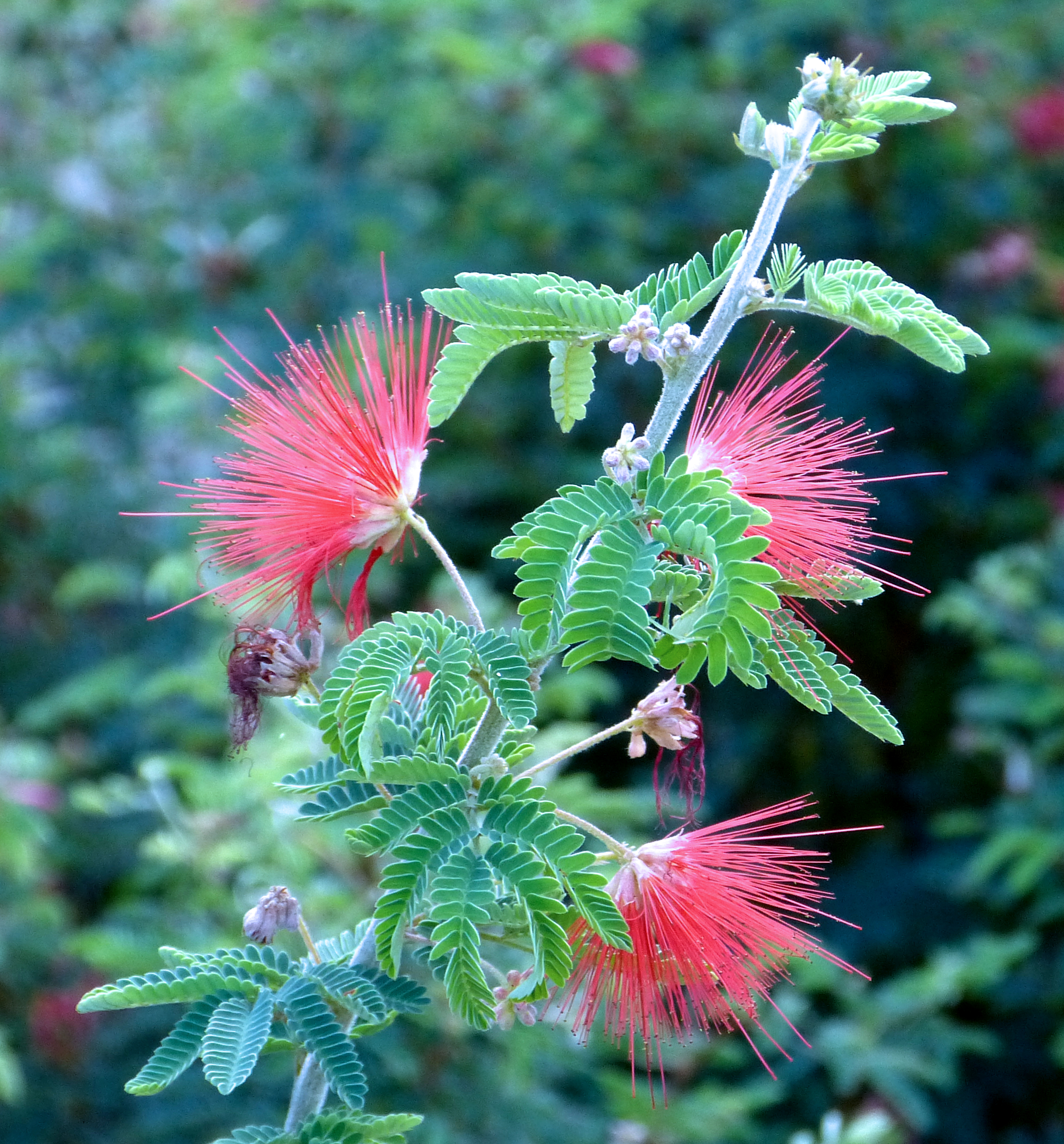
Baja Fairy Duster
3 to 4 feet tall with bright red puffball flowers most of the year that hummingbirds love. Takes full west sun and can be lightly sheared into a loose, informal hedge.
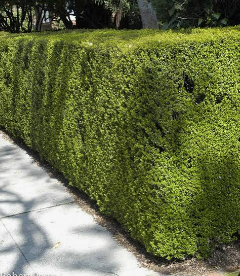
Dwarf Myrtle
Compact myrtle, 3 to 4 feet tall and wide, with small glossy leaves. Holds a tight, clean shape with little effort and drops very little, which makes it great by the pool. Plant about 3 feet apart.
Along the pool
These all have a lush, tropical look and are low litter, so they won't fill the pool with leaves.
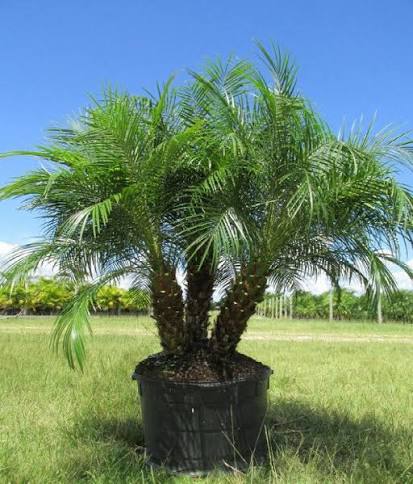
Pygmy Date Palm
Small, slow palm with soft fronds, 6 to 10 feet. Adds tropical height with almost no litter, and it matches the palms already by the pool.

Canna Lily
Big tropical leaves and tall flower spikes in red, orange, or yellow, 3 to 6 feet tall. Adds height and a lush look. Likes consistent water and handles hot sun with it. Cut spent stalks to the ground.
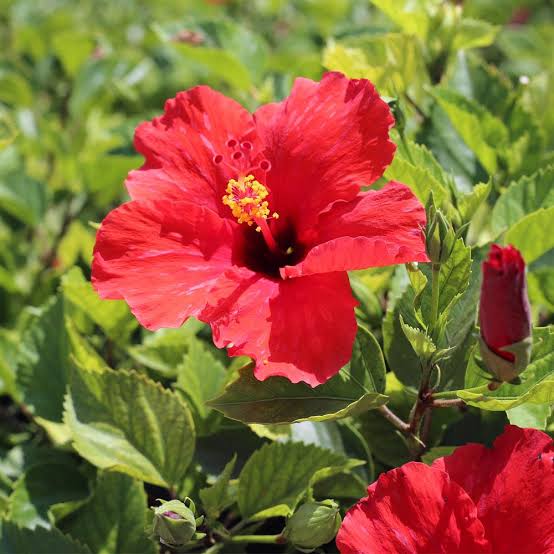
Red Hibiscus
Big tropical flowers most of the warm season on glossy green leaves. Gives that lush, tropical look. Cover it on frost nights.
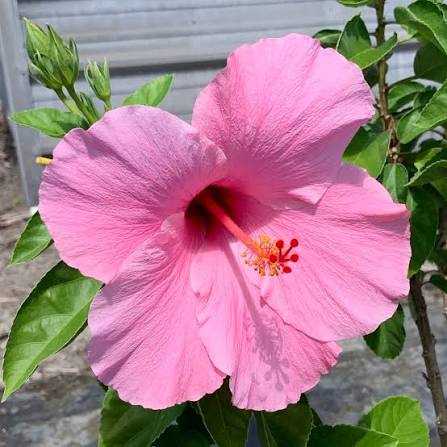
Pink Hibiscus
Same care as the red. Mix the two colors for a fuller tropical look.
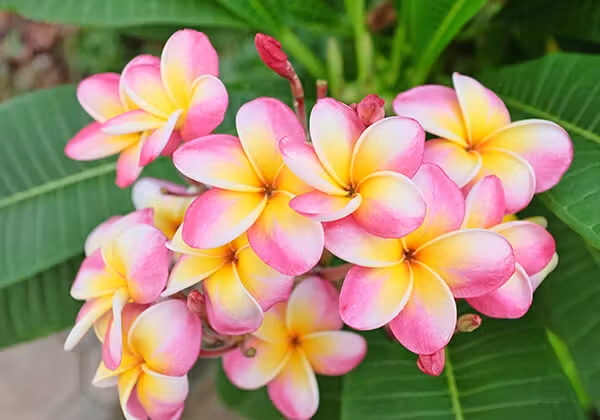
Plumeria
Fragrant tropical flowers all summer. Wants good drainage and afternoon protection from the harshest sun, and stays on the dry side in winter.
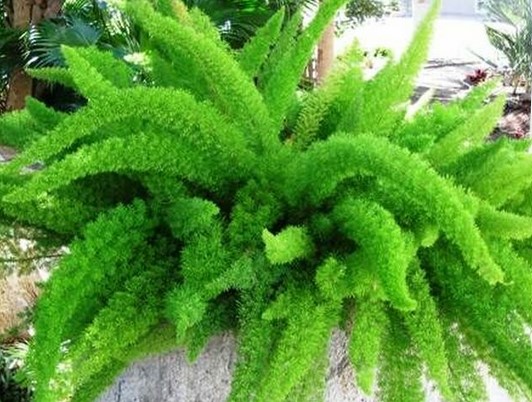
Foxtail Fern
Soft, upright plumes of bright green, about 2 feet tall. Lush and tidy, and it handles shade well.
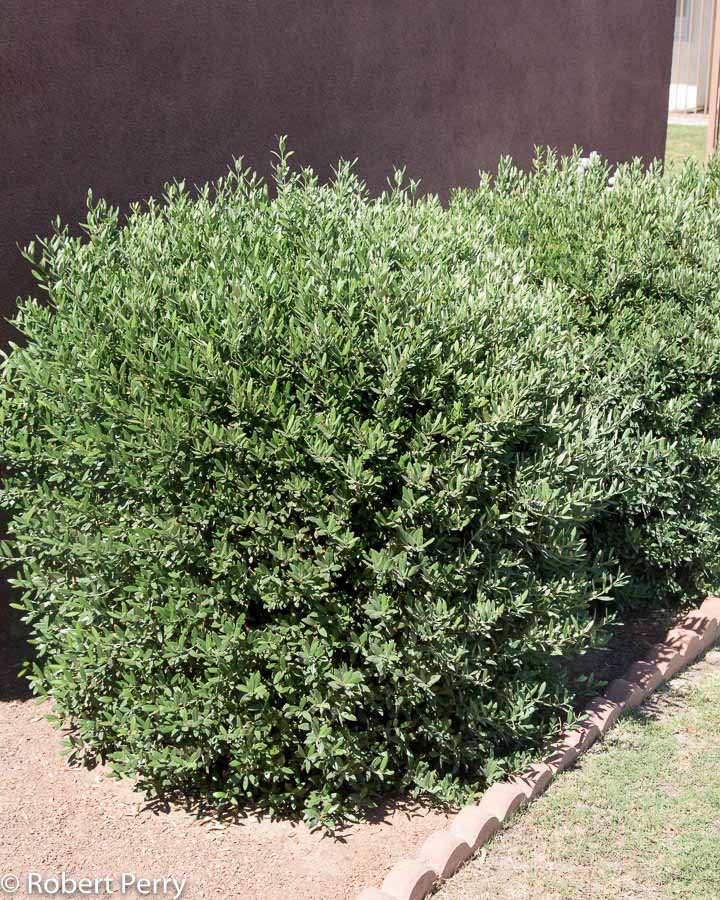
Little Ollie (Dwarf Olive)
Dwarf, fruitless olive with dense silvery green leaves. Naturally 4 to 6 feet, but it shears easily to hold at 3 feet, or it can be trained as a small tree. No fruit, no pollen, very low litter.
My approach with a desert landscape is to add a lot of different plants for diversity. They don't need to be strategically placed. A little sporadic looks good and fuller. Keep lower growing plants near walkways and under trees. Other than that, just do your thing and don't stress about placement.
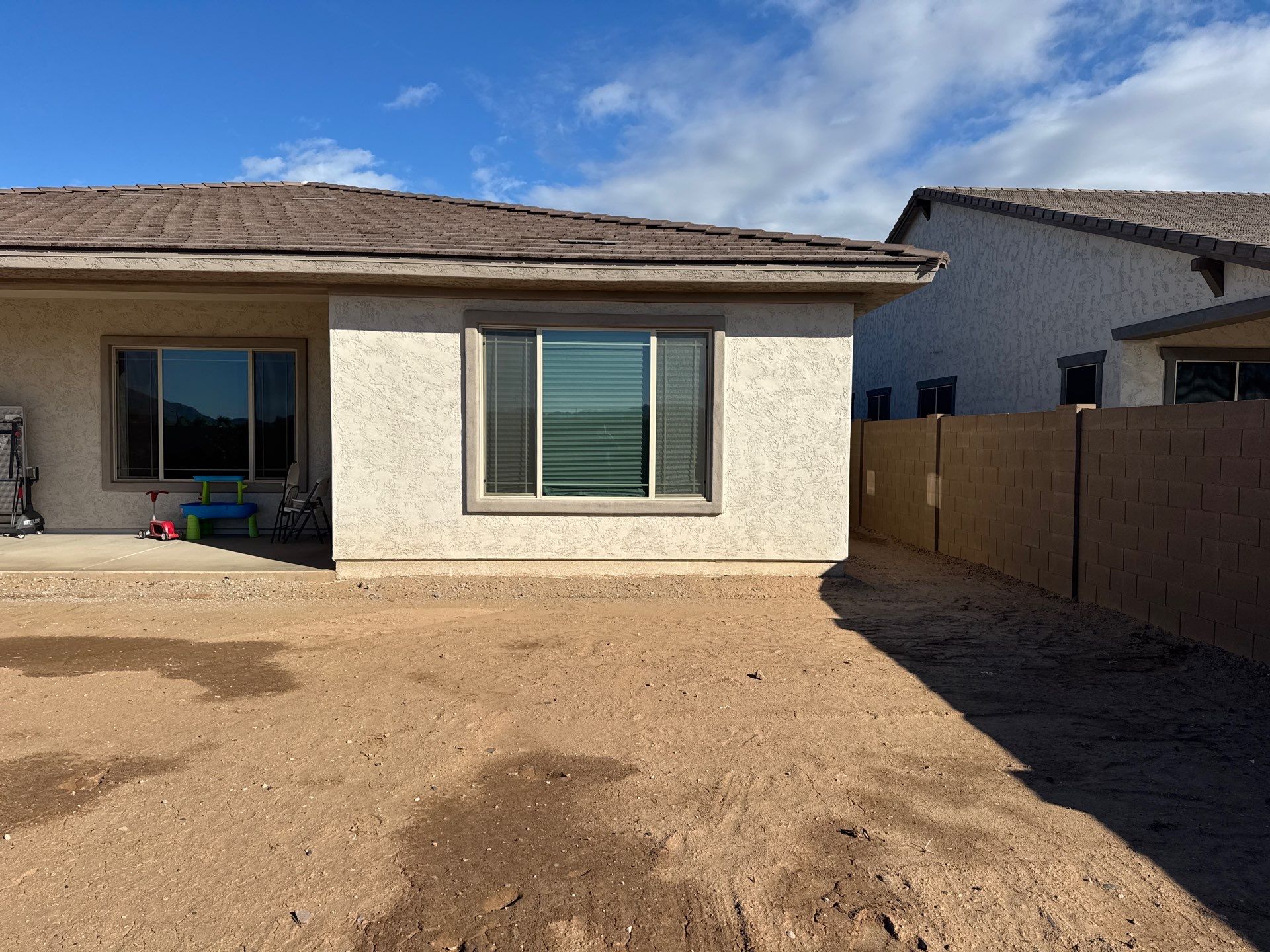
A raised garden bed
Right here up against the house is a good spot for a raised garden bed. It's close to the kitchen, easy to water, and the house gives it some protection.
- The beds: Olle Gardens makes great raised beds. They're metal, last for years, and are easy to put together. Going 2 feet tall or more saves your back and gives roots plenty of depth.
- Soil: the soil is everything. Fill the beds with raised bed mix from Arizona Worm Farm. It's full of life and ready to plant. Cheap bagged soil is mostly dead filler.
- Top up each season: add a couple inches of compost before each planting season. The soil settles and gets used up as things grow.
- Water: put the bed on its own drip line or valve. Vegetables need more frequent water than the rest of the yard, especially in summer.
- What to plant and when: use my Maricopa County planting guide. Fall is one of the best times to start a garden here.
Greenery for the alleyway
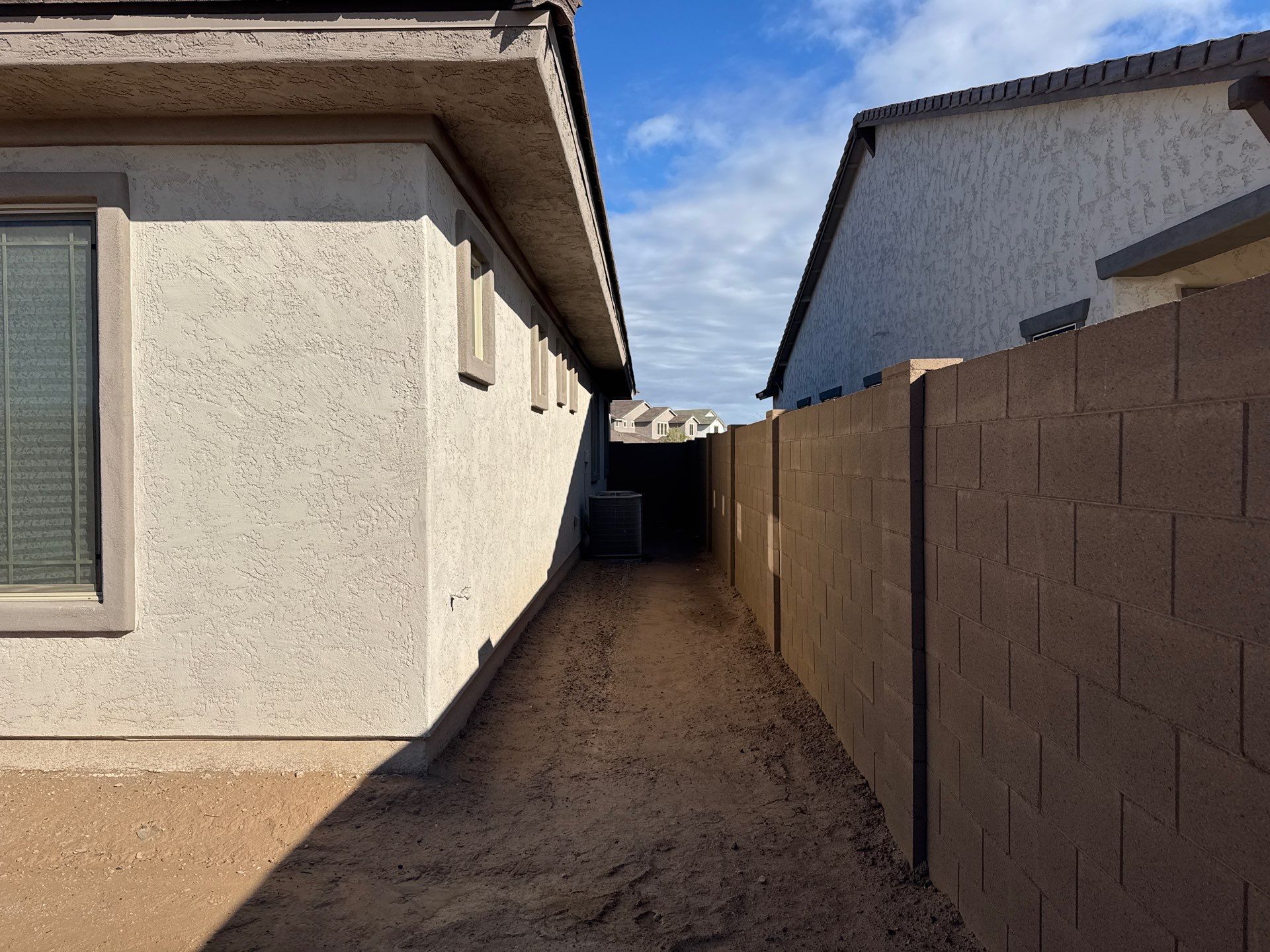
You want some greenery back in this alleyway. It gets morning sun and afternoon shade, which is a good setup for a lot of plants. Citrus would do well back here. Just be aware that a full size citrus will fill in the area over time. Here are some other options too.

Citrus
Evergreen, fragrant spring blooms, and fruit through winter. Does well with morning sun and afternoon shade. A full size citrus will fill a narrow space over time, so plan the spot with that in mind.
Kumquat
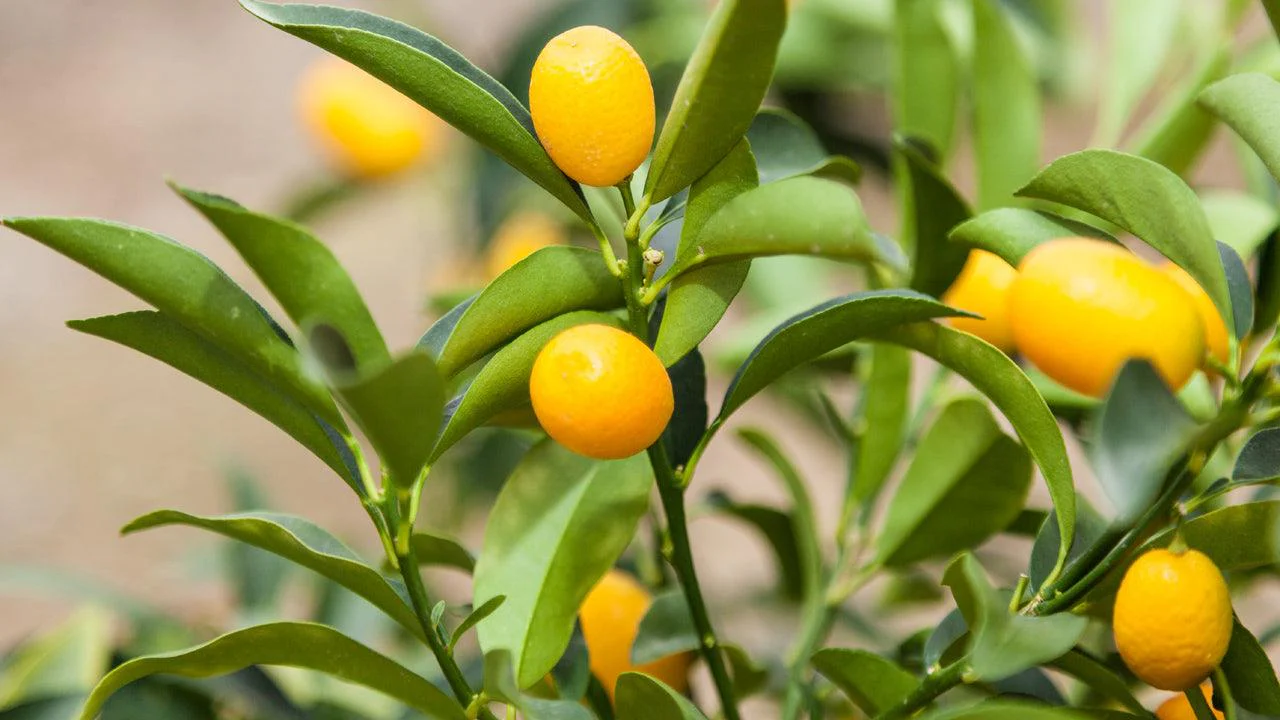
Compact citrus, 6 to 10 feet, loaded with small sweet tart fruit you eat whole. A great fit for a narrow alleyway since it stays smaller than other citrus.
Pineapple Guava
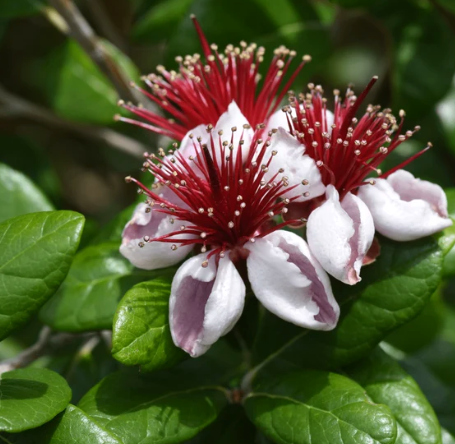
Evergreen, 8 to 12 feet, with gray green leaves, edible flower petals, and sweet fruit in fall. Handles part shade and makes a nice screen along a wall.
Star Jasmine
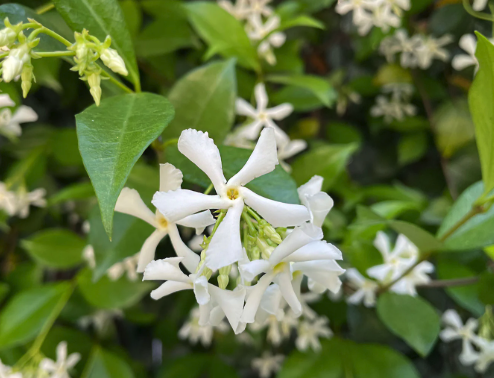
Evergreen vine with glossy leaves and clusters of white, very fragrant flowers in spring. Fills in a fence nicely.
Tangerine Crossvine
Evergreen vine with orange trumpet flowers in spring and on and off through the year. Self clinging, fast, and takes the heat.
Cape Plumbago
Mounding, 3 to 4 feet, with sky blue flowers spring through fall. Holds a hedge shape well and takes full sun with regular water.
Foxtail Fern
Soft, upright plumes of bright green, about 2 feet tall. Lush and tidy, and it handles shade well.
- To keep the path open, plant along one side, or go with vines on the walls and smaller plants at the base.
- Kumquat is a good middle ground if you want citrus without it taking over the alley.
Fertilizing
Everything in this write-up comes back to the soil. In a new yard like this one, building the soil from the start makes a huge difference. Feeding is really about feeding the soil life. Fungi, bacteria, and worms break down organic matter and hand nutrients to the roots, which is what gets new plants established fast and keeps them lush, all without synthetic fertilizers. Here's the exact approach I use, so you can do it yourself.
- Compost, and be generous. On trees, spread it in a wide ring around the drip line, the outer edge of the canopy where most of the feeder roots are, from about halfway in to a couple feet past the edge. On shrubs, hedges, and vines, put it closer in, from a few inches off the stems out about a foot past the edge of the plant. Go 1 to 2 inches deep, and if you're unsure, go thicker rather than thinner. You really can't overdo quality compost. Do this three times a year: late winter (February), early summer (May), and fall (October).
- Worm castings every quarter. Every three months, scatter worm castings over the same areas: a few cups around each shrub and a couple pounds around the drip line of each tree. Castings are loaded with beneficial microbes that bring the soil to life. When it lines up with a compost round, put the castings down first and the compost right over them.
- A good organic fertilizer. These are the three products we use and recommend, all from Catalyst. Apply them at the label rate on the schedule each one gives.
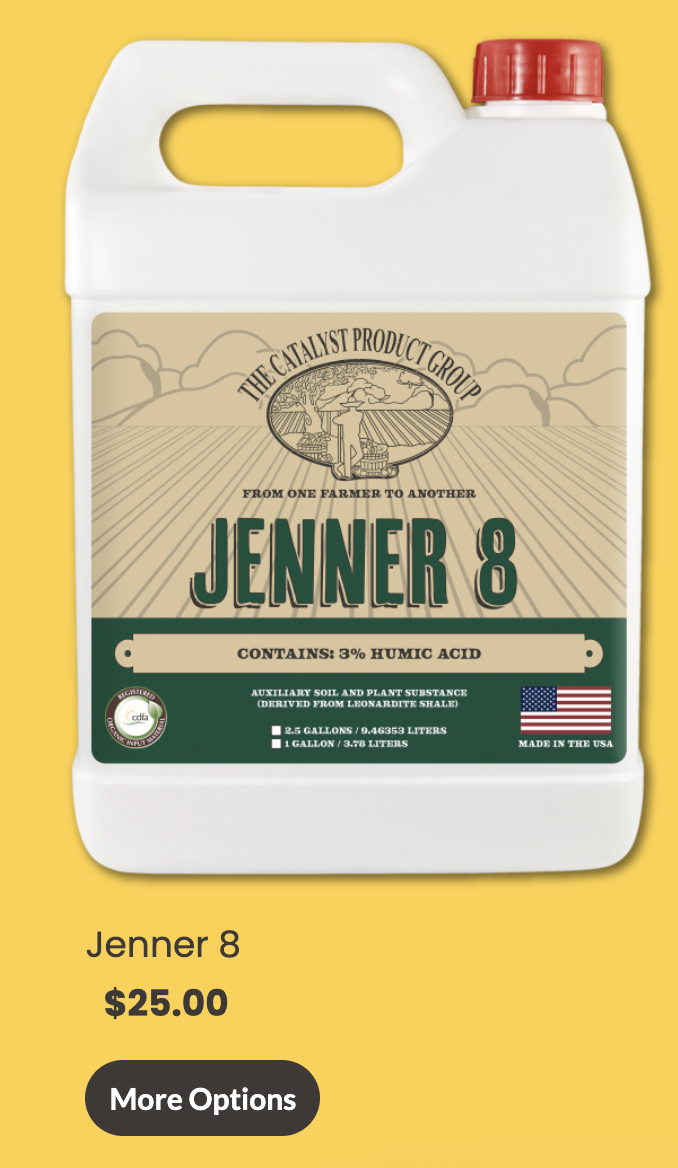
Jenner 8
Liquid organic feed for the whole landscape.
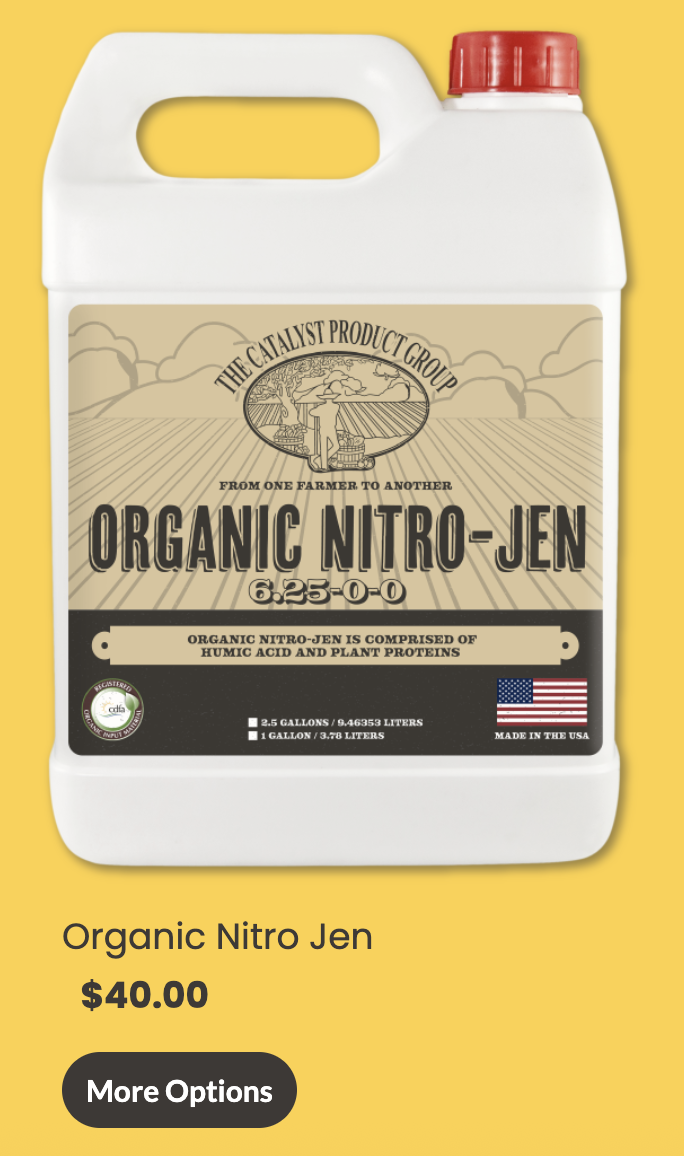
Organic Nitro Jen
Organic nitrogen to push healthy green growth.
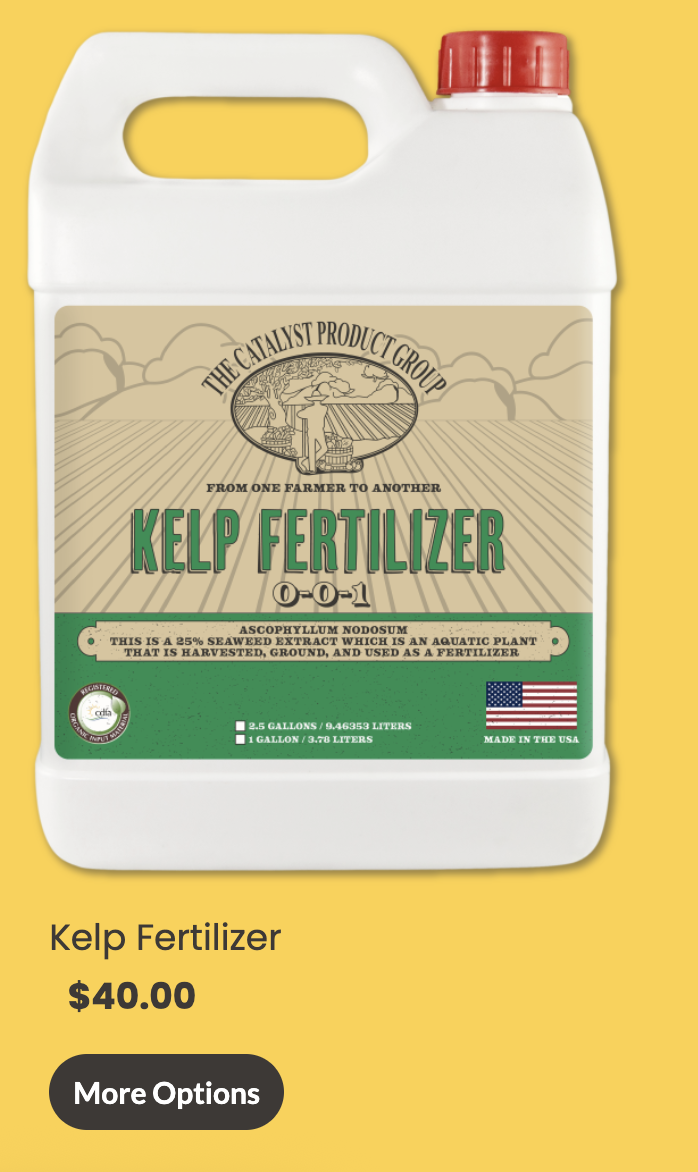
Kelp Fertilizer
Kelp based feed that supports roots and overall plant health.
You can find all three on the Catalyst website. Click Products, then Home and Garden.
- Water it all in. Give everything a deep watering right after you put it down so it soaks into the root zone.
- Mulch over the top. Mulch goes over the compost to keep it moist and cool so the soil life can do its work. Hold it a foot back from trunks and stems. No need to work any of it into the soil.
Compost, worm castings, and mulch are all at Arizona Worm Farm.
If you'd rather we handle it
Once your yard is in, we can help with fertilizing too. Our monthly program feeds everything for you, so just let me know in the Garden Nerd Club when you're ready.
Quick reference
Organic fertilizers
Catalyst (Products, then Home and Garden)Compost, mulch, raised bed mix
Arizona Worm FarmRaised garden beds
Olle GardensWhat to plant and when
Maricopa County planting guideOrange jubilee video
Watch on YouTubeIrrigation
Garrett: 480-678-9121Questions
Ask me anytime in the Garden Nerd ClubNext steps
We cut the consult a little short, and you're still working out the pergola and where everything will go in the yard. That's the right order. This gives you a good idea of the plants that will work in each spot. Once you've decided on your end, let me know in the Garden Nerd Club and I can help you flesh out the plan from there.
When you're ready, if you'd rather have us handle the planting, I can put together a planting proposal for you.
Before planting, it's worth getting irrigation in place so every new plant gets the water it needs. For that, call Garrett at 480-678-9121.
You can see more of what we do on our planting services page.