
Laura, here's what we covered
859 E Leo Pl, Chandler, AZ 85249Thanks for having me out to walk the yard. I put this together in the same order we walked it, backyard through front. As a consult client you're already in the Garden Nerd Club, so I'm happy to keep working through this list with you whenever you're ready.
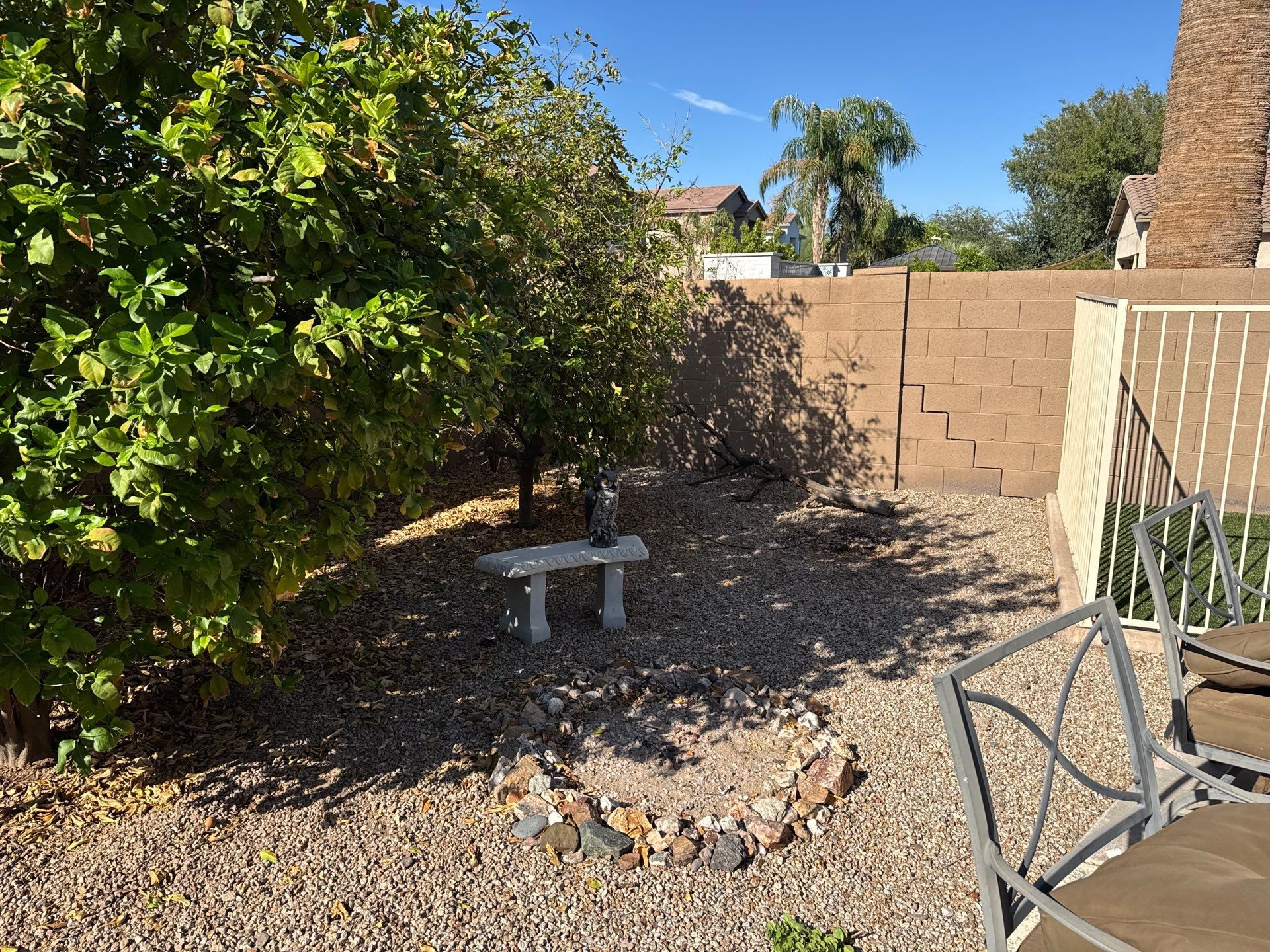
A Desert Willow for Afternoon Shade, Layered in Front
This corner is a great spot for a Desert Willow, it'll give you shade from that afternoon sun without getting overly large. Worth knowing, it's deciduous, so it will drop its leaves and go bare over winter, that's normal and it leafs back out in spring. In front of it, I'd add some shrubs in the three to four foot range to give the space real dimension, then finish it off with a groundcover right in the forefront so nothing's left bare.
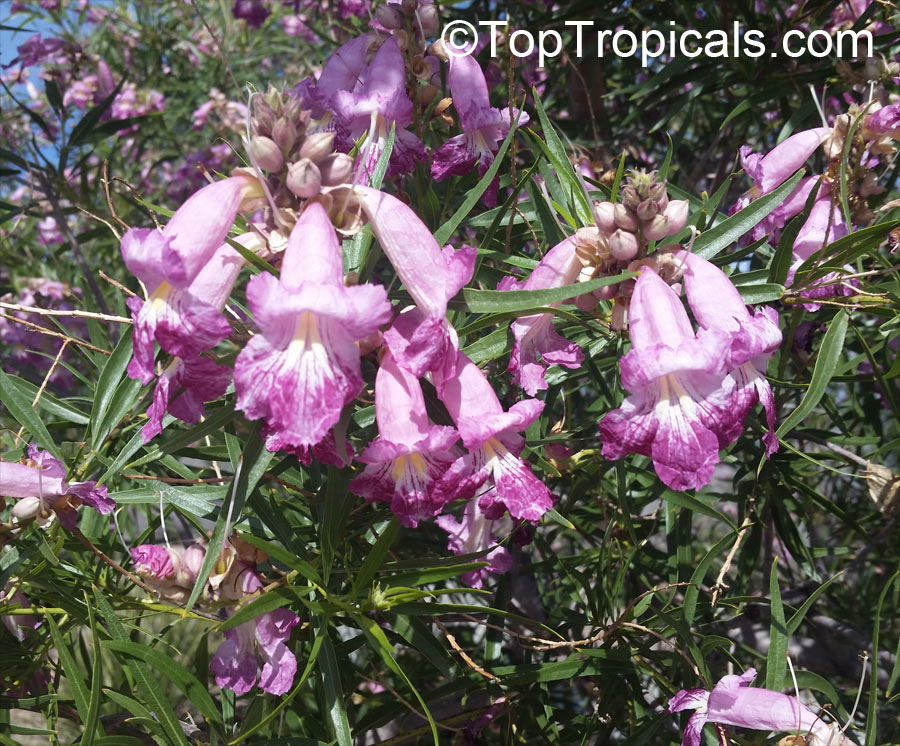
Desert Willow
Smaller size, orchid-like blooms all summer, good afternoon shade.

Shade Tolerant Plants In Front of the Wall
The photo here is a little deceiving, this is for the run in front of the block wall down the side of the yard, not the wall itself. This spot gets quite a bit of shade, so whatever goes in here needs to genuinely tolerate it rather than just survive it. Twisted Myrtle and Cape Plumbago both handle shade well and would work nicely here, just know Cape Plumbago stays noticeably smaller than Twisted Myrtle will in this spot, so keep that in mind if you're after more height and coverage.

Twisted Myrtle
Dense evergreen, handles shade well.
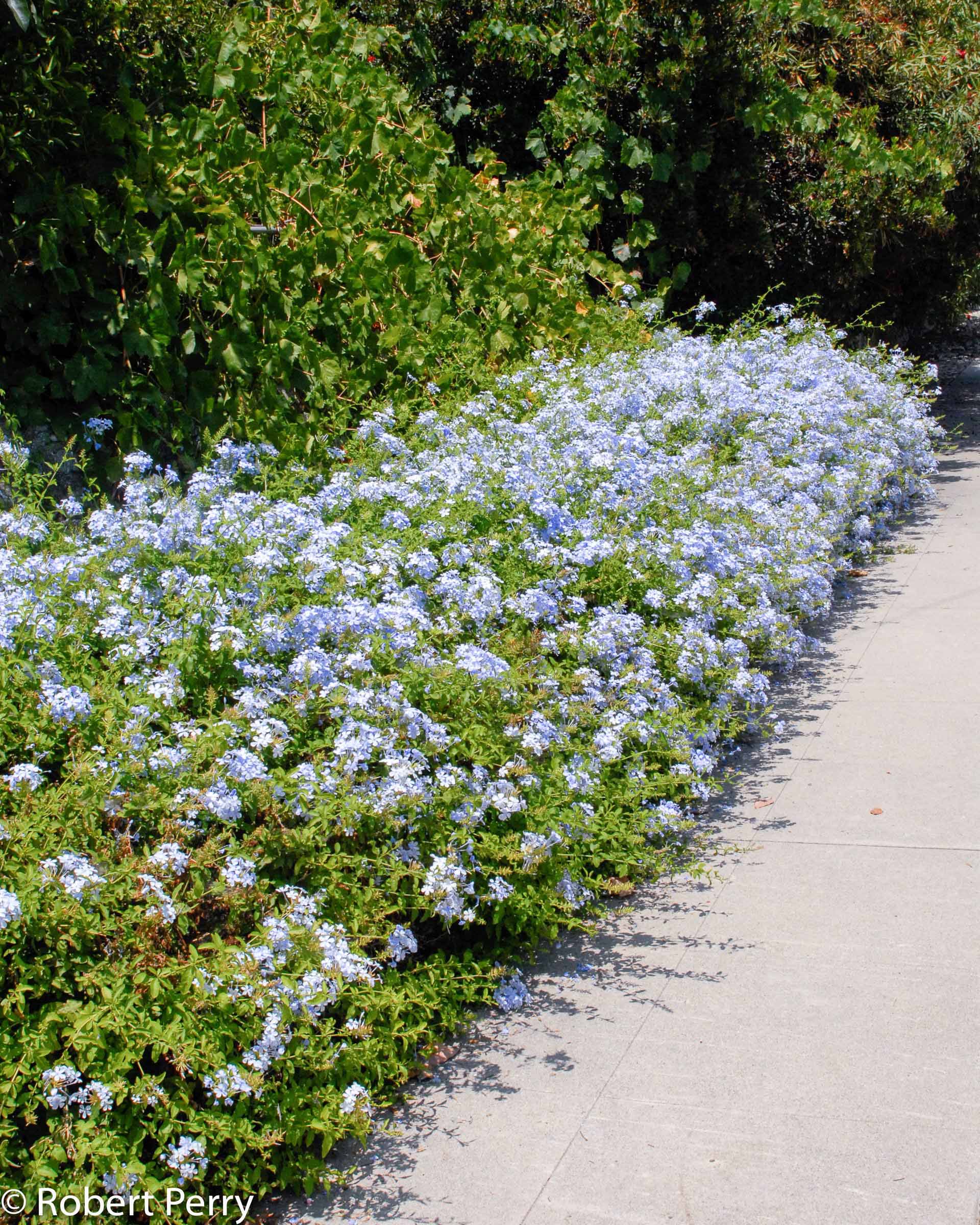
Cape Plumbago
Soft blue blooms nearly year-round, tolerates shade well.

Tangerine Crossvine to Soften This Fence
For this fence in the dog run, I'd grow a vine up it to soften the look. Tangerine Crossvine is what I'd go with first, reliable coverage with orange blooms and nothing that'll bother your dog back here. Coral Vine is another good option if you'd rather have pink blooms instead.

Tangerine Crossvine
Reliable coverage with orange blooms.

Coral Vine
Handles heat well, pink blooms.

Root Flare Excavation, Bigger Water Well, Bubblers
These citrus trees need a root flare excavation, exposing that flare is the first step to getting them growing the way they should. I'd also build the water well out further around the drip line and add mulch. One more thing worth doing whenever the irrigation gets redone, switch these over from drippers to bubblers, citrus does much better with that deeper, more even soak than drippers give you.
Root flare excavation, standalone service.

Something Colorful Here, You'll See It Every Day
Since this is right where you look out the back window, I'd go with something colorful here, Orange Jubilee, Yellow Bells, or a Torch Glow Bougainvillea would all work great and give you something nice to look at from inside the house.

Orange Jubilee
Fast growing with orange blooms most of the year.
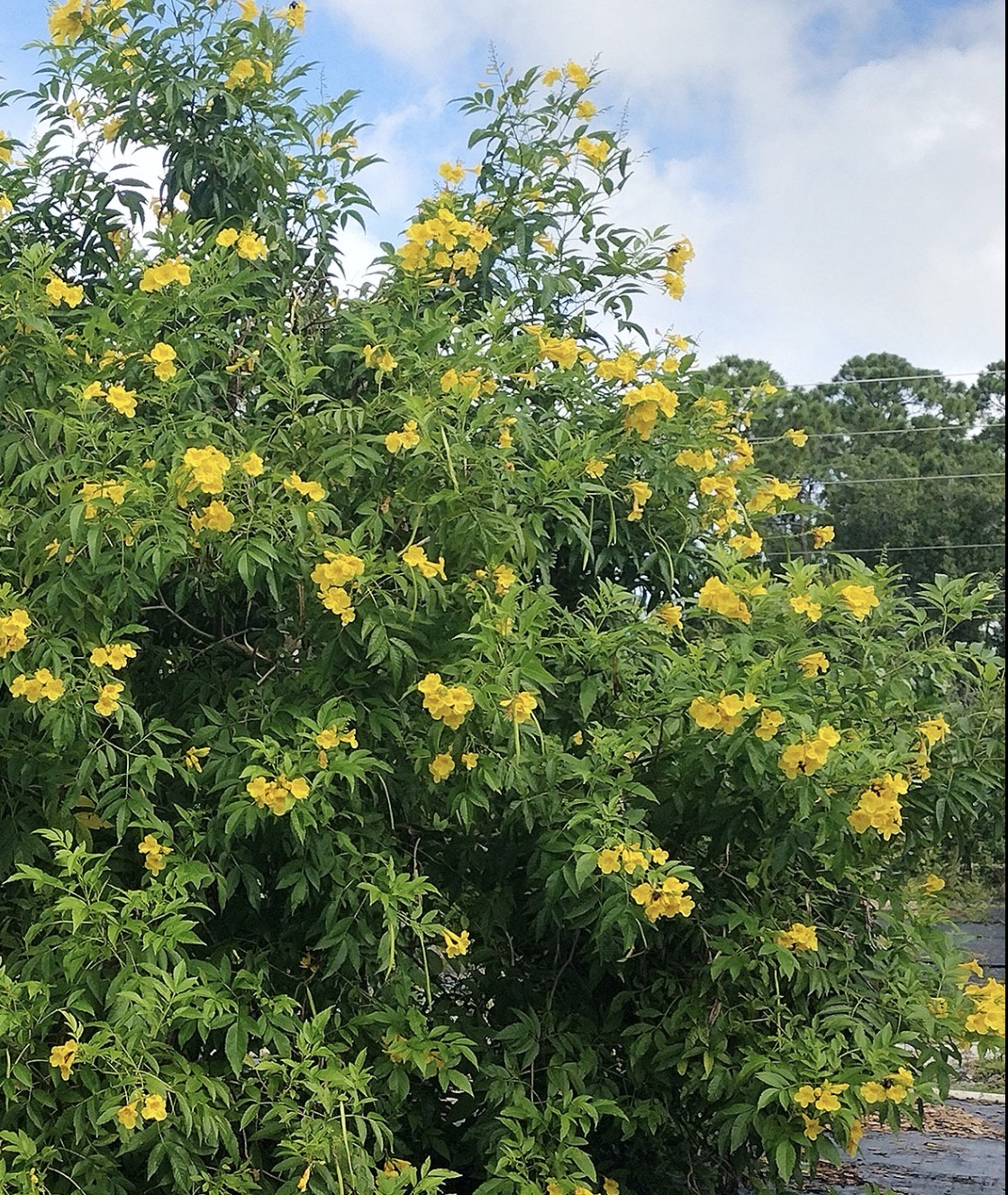
Yellow Bells
Covered in yellow trumpet blooms through the warm months.

Torch Glow Bougainvillea
Vivid color and fast coverage.

San Marcos Hibiscus & Red Hibiscus
This window is south facing and right outside the master bedroom, so it gets good, consistent sun. San Marcos Hibiscus and Red Hibiscus would both do great here, giving you color right outside that window for most of the year. A Purple Heart groundcover underneath would tie it together nicely, and Canna Lily would add some good height and a tropical feel too.
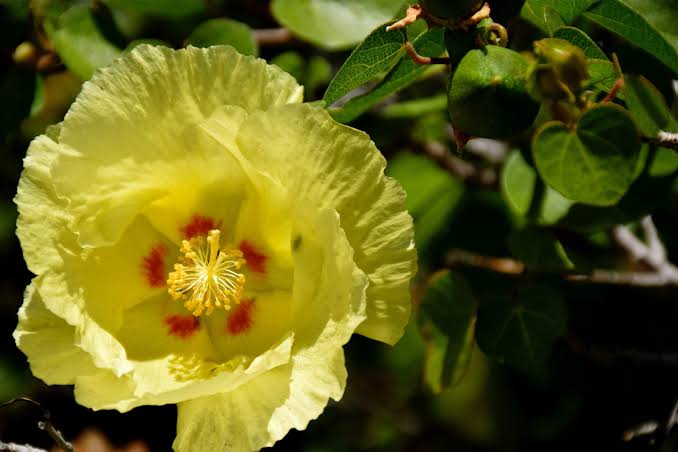
San Marcos Hibiscus
Soft yellow blooms most of the year.

Red Hibiscus
Bold red blooms, tropical look.

Purple Heart
Groundcover layer, deep purple foliage.

Canna Lily
Good height, tropical feel.

Three Bird of Paradise, Plus Rock Out Everywhere
This corner is a great spot for three Bird of Paradise, one tucked back in the corner itself and one on either side of it. This is also a good time to mention, for the whole backyard, we're planning on removing the rock throughout and putting down mulch instead.
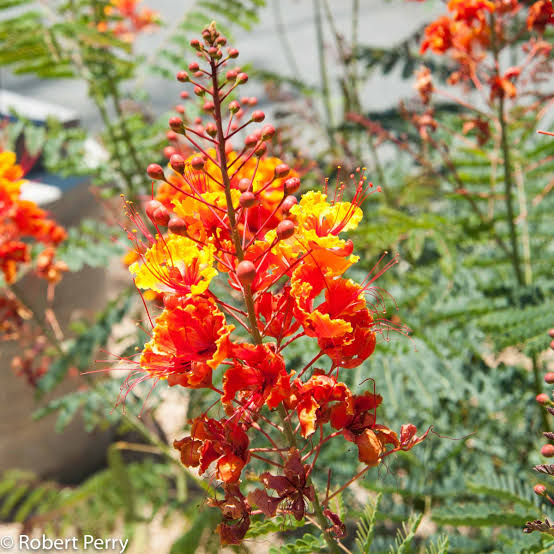
Bird of Paradise
Qty 3, one in the back corner, one on each side.

Remove the Lantana, Bring in Real Pollinator Color
This is a great spot for a pollinator garden. First step is removing the lantana here. From there, I'd add Desert Milkweed, Greg's Mistflower, Chuparosa, and Globe Mallow, all reliable pollinator draws. It doesn't have to be strictly native either, anything that genuinely attracts pollinators is fair game here. Texas Sage is another good addition for more color and texture, and if you want to round it out further, Penstemon, Baja Fairy Duster, and Torch Glow Bougainvillea would all add more desert color into the mix.

Desert Milkweed
Tough, upright, a magnet for monarchs.
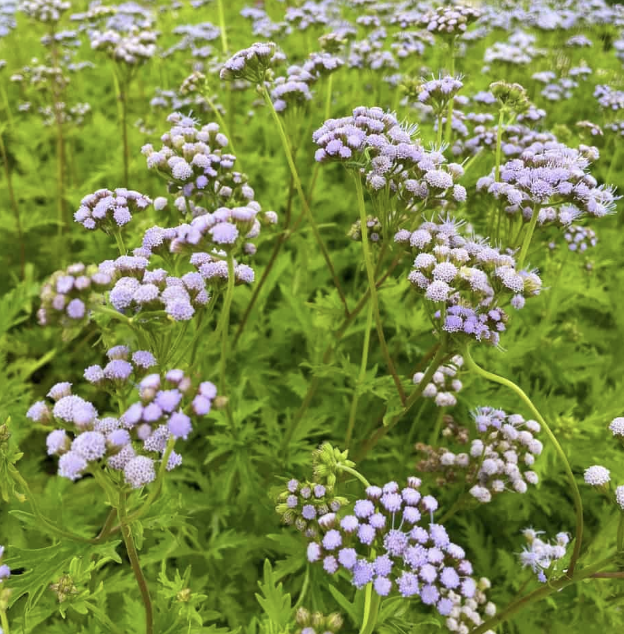
Greg's Mistflower
Fuzzy purple-blue blooms, butterflies love it.
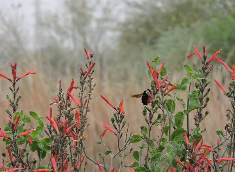
Chuparosa
Red tubular blooms hummingbirds can't resist.

Globe Mallow
Bright orange blooms, tough and easy.

Texas Sage
Silvery foliage with purple blooms.
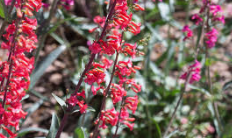
Penstemon
Tall spikes of color, great pollinator draw.
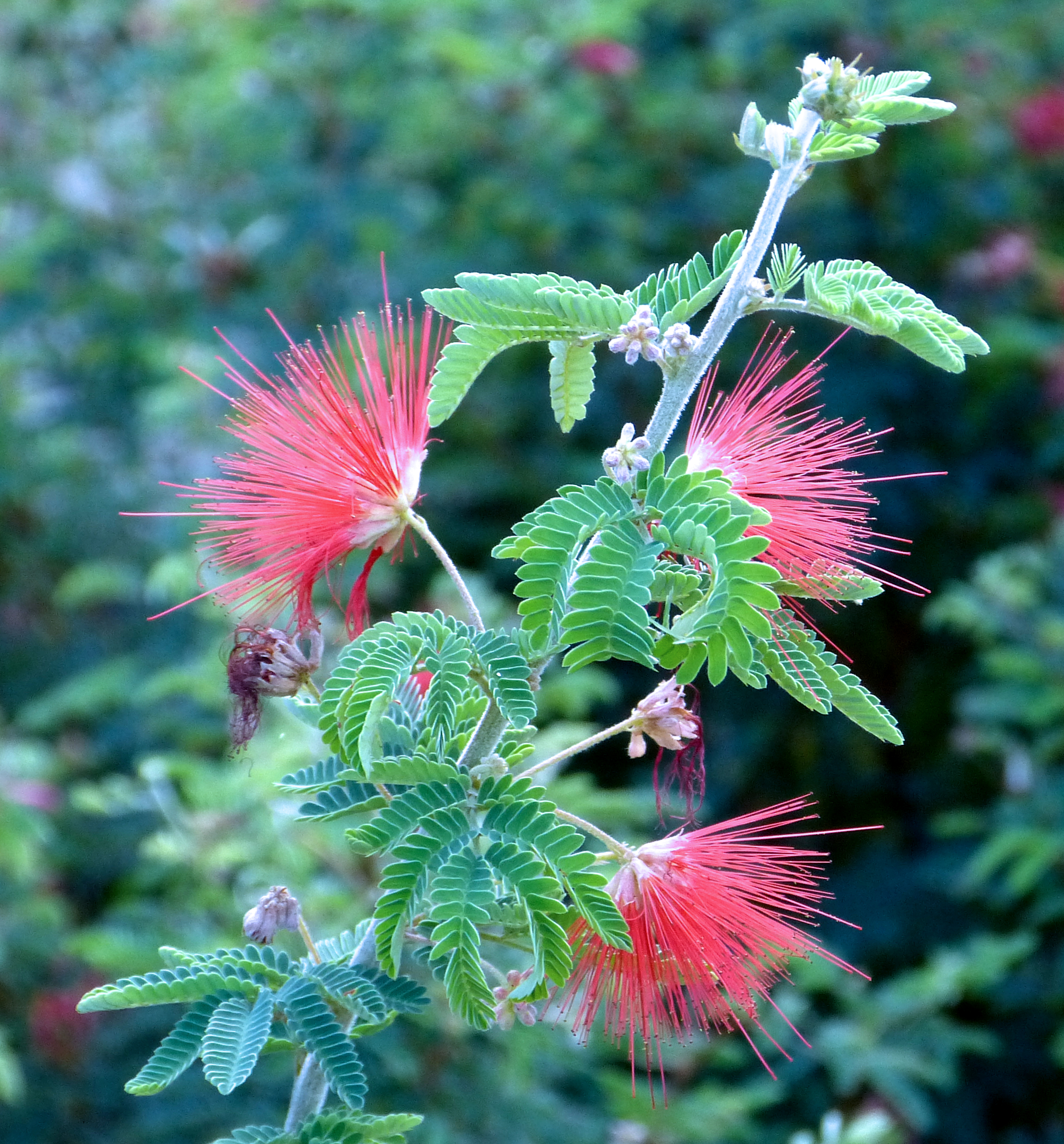
Baja Fairy Duster
Wispy red blooms, stays small and compact.
Torch Glow Bougainvillea
Vivid color and fast coverage.

Cover the Whole Wall, One Plant for the Length
I'd cover this wall completely with one variety run the full length rather than mixing, Hopseed, Arizona Rosewood, Twisted Myrtle, or Orange Jubilee would all work well here. Space whichever you choose three to four feet apart so it fills in as one solid line.

Hopseed
Fast, thick, fills in quickly.

Arizona Rosewood
Dense, upright, doesn't need much water once established.
Twisted Myrtle
Dense evergreen, handles some shade too.
Orange Jubilee
Fast growing with orange blooms most of the year.
Pick one for this wall, space three to four feet apart, and run it the full length.

Yellow Dot, Kurapia, or Dichondra
Just a suggestion if you decide you want ground cover once the rock is gone through here, Yellow Dot is a great first option, fast spreading with bright yellow flowers. Kurapia and Dichondra are both solid alternatives too if you want a different texture. Clover is worth considering as well, especially in the shadier parts of this area, it'll actually grow better there than in full sun. Sunrise Emu is another good low option if you want something a little different. No lantana anywhere on this property, so that one's off the list.

Yellow Dot
Fast spreading, bright yellow flowers.

Kurapia
Low, tidy, tolerates foot traffic well.
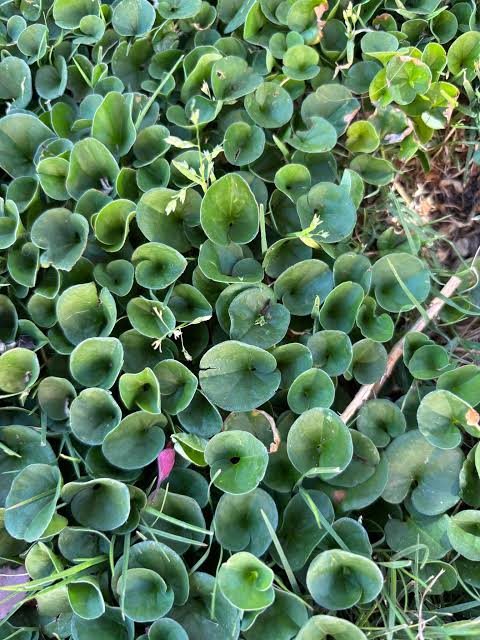
Dichondra
Soft, fine-textured groundcover.
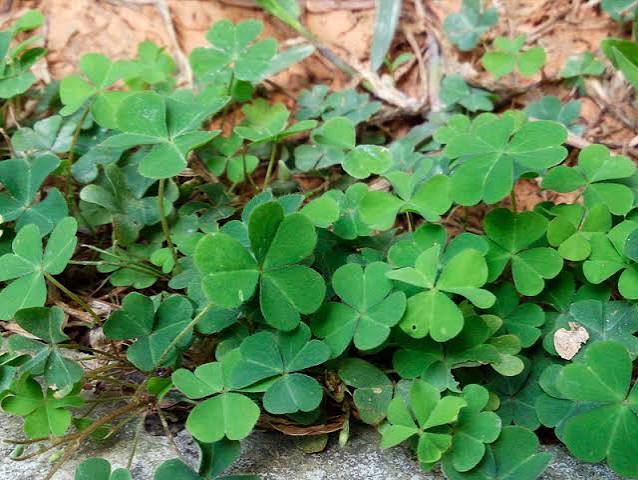
Clover
Grows better in shadier spots than in full sun.

Sunrise Emu
Low grower, a different look than the others here.

Yellow Dot Here
Around the palm tree here, I'd just go with Yellow Dot, simple and effective, fast spreading with bright yellow flowers.
Yellow Dot
Fast spreading, bright yellow flowers.

One Comes Out, Replace Based on Light
Both of these oleanders are struggling because of the shade, but the one directly under the mesquite tree is the one that really needs to go, it's just not getting enough light there to ever look good. Cape Plumbago is my first suggestion for that shadier spot, Texas Sage, Honeysuckle, Red Hibiscus, and Indian Hawthorn would all be worth considering there too. The other oleander, more to the north with a bit more sun, could be swapped for Red Bird of Paradise and would do just fine there.
Cape Plumbago
For the shadier spot, under the mesquite.
Texas Sage
Silvery foliage with purple blooms.
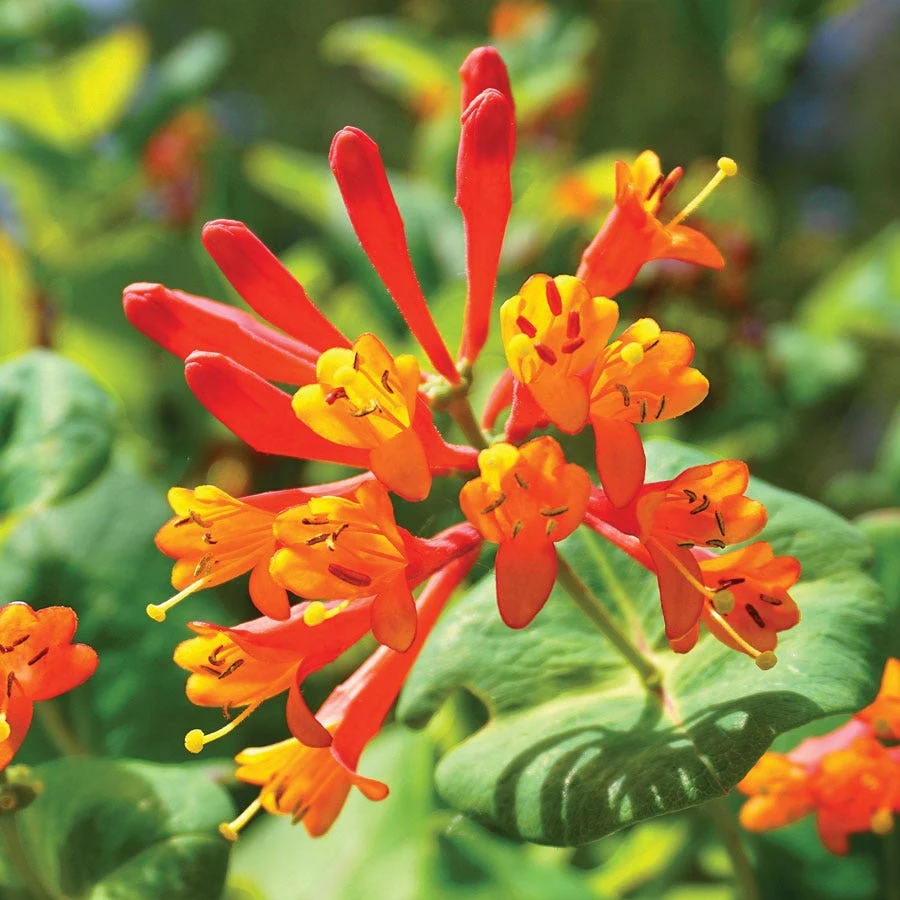
Honeysuckle
Fragrant, good for the shadier spot.
Red Hibiscus
Bold red blooms, tropical look.

Indian Hawthorn (Pink Lady)
Compact evergreen, handles shade well.
Red Bird of Paradise
For the sunnier spot, more to the north.

Real Shade Tolerance Needed Here
What's currently here is being removed, and whatever replaces it needs to genuinely handle the dappled shade from the mesquite above, this is also a north facing wall, so there's a lot of shade to plan around. Cape Plumbago and Twisted Myrtle both hold up well in this kind of light. For more variety, Gardenia, Agave or Aloe, Asparagus Fern, Foxtail Fern, and Pink Muhly Grass would all give you a nice mix of textures and would work well under this kind of shade too.
Cape Plumbago
Tolerates shade well, soft blue blooms.
Twisted Myrtle
Dense evergreen, handles shade well.

Gardenia
Fragrant white blooms, likes the shade here.
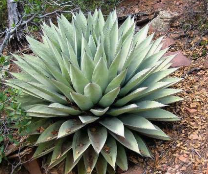
Agave / Aloe
Sculptural form, adds structure to the bed.
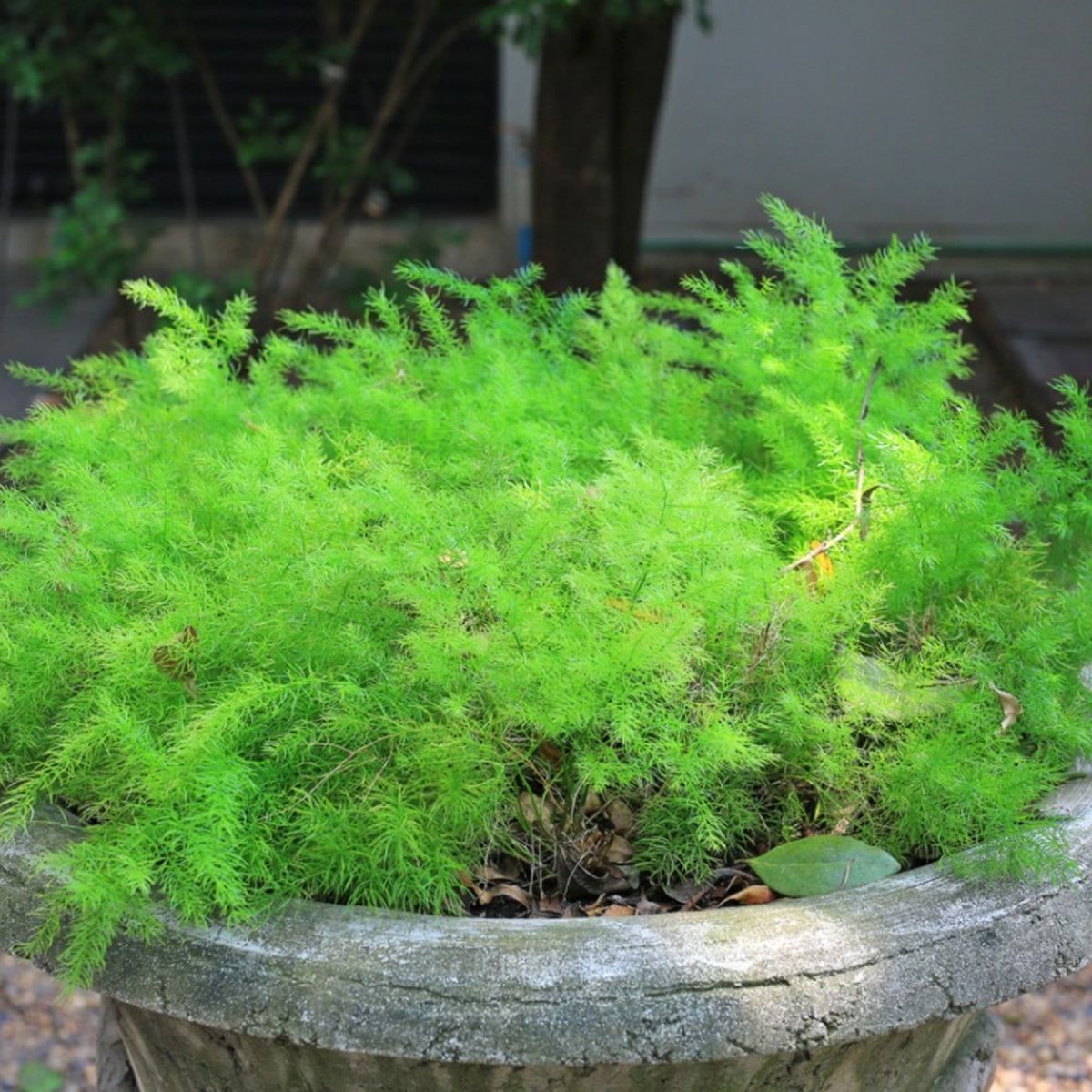
Asparagus Fern
Soft, feathery texture, handles shade well.
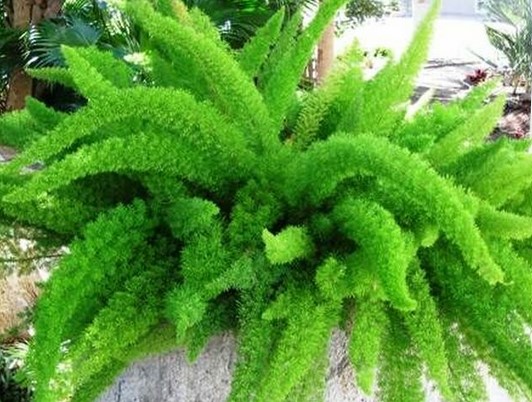
Foxtail Fern
Dense, upright texture, good in shade.
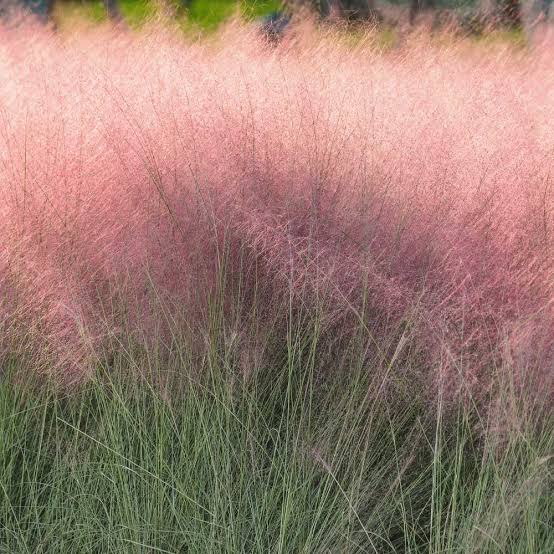
Pink Muhly Grass
Airy pink plumes, softens the whole bed.

Remove the Agave, Build a Pollinator Garden
The agave here are too close to the walkway, so I'd remove those to keep the path clear. In their place, I'd build this out as a pollinator garden with some real height and dimension, Desert Milkweed and Chuparosa would anchor it well, filling in the ground and giving you layers of texture along the walkway. Greg's Mistflower and Lavender would both add even more layering and color here too.
Desert Milkweed
Tough, upright, adds height along the walkway.
Chuparosa
Red tubular blooms, hummingbirds love it.
Greg's Mistflower
Fuzzy purple-blue blooms, butterflies love it.
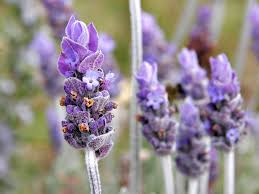
Lavender
Soft texture and color, adds another layer.

Skyflower, Mirroring the Other Side of the Driveway
Skyflower would work well in this spot, purple blooms most of the year and it handles heat fine. This also just mirrors what's going in on the other side of the driveway, so the two sides match.
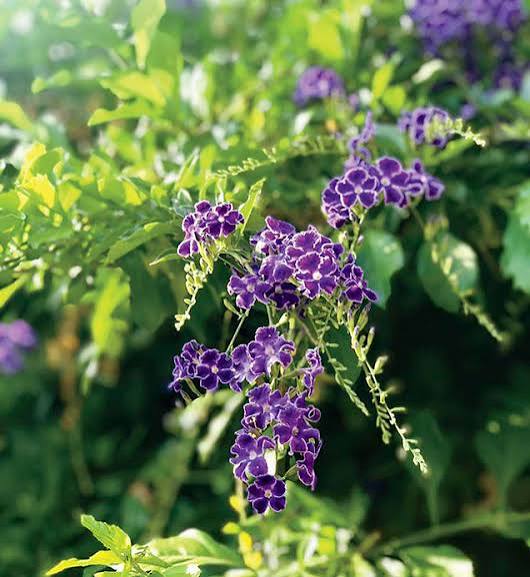
Skyflower
Purple blooms most of the year.

A Few Better Options Than What's Growing Here Now
For this turf, St. Augustine and Kurapia are both worth considering. St. Augustine gives you that thicker, more traditional lawn look, but it has to go in as sod rather than seed since it doesn't establish well from seed. Kurapia is the lower water option of the two, it handles foot traffic well and stays low without needing to be mowed nearly as often. Bermuda is also worth mentioning since it's easy to grow from seed and tolerant of our heat, though it will go dormant and brown up over winter, which Kurapia and St. Augustine both handle better.
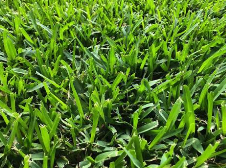
St. Augustine
Thicker traditional lawn look, sod only, not from seed.
Kurapia
Lowest water use of the three, handles foot traffic well.
Happy to walk through installation and ongoing care in more detail once you've picked a direction, each of these has a slightly different approach to get established right.
Since You're Redoing It All, Let's Set It Up Right
Since irrigation is getting fully redone, this is the right time to set it up so each type of planting gets watered the way it actually needs to be, rather than everything sharing one generic zone.
Splitting it out this way means each zone can run on its own schedule and duration, shrubs and groundcover generally want more frequent, shorter watering, while trees want a deeper, less frequent soak, which bubblers are much better suited for than drip emitters.
For the controller itself, I'd recommend the Orbit B-hyve Smart Sprinkler Controller. It's Wi-Fi enabled, adjusts watering automatically based on local weather, and the phone app is genuinely easy to use, you can control and reschedule everything right from your phone. It comes in a 12-zone version, which is probably more than you need for this property, or a 6-zone version, which is likely the better fit once everything above is split out onto its own dedicated lines.
Feed the Whole Yard
With this much going into the ground, the whole property will do a lot better with regular feeding behind it. Our monthly fertilizing program covers the full landscape with a liquid feeding each month plus compost applied a few times a year, built to build up real soil biology rather than force growth with synthetic salts.
Monthly Landscape Fertilizing
Full landscape, liquid feeding every month plus compost applied a few times a year.
Text me to get startedLet's tackle this in whatever order makes sense
There's a lot here, so pick what matters most to you first, the citrus trees, the pollinator gardens, or the turf. We can advise you along the way in the Garden Nerd Club, or if you'd rather have help with any of it, planting or anything else, just reach out and I can get you pricing.
You can also read more about how we plant at thegardennerd.org.