
Dianna, here's what we covered
1029 S Lawson Dr, Apache Junction, AZ 85120Thanks for having me out to walk the property. I put this together in the same order we walked it. As a consult client you're already in the Garden Nerd Club, so I'm happy to keep working through this list with you whenever you're ready.
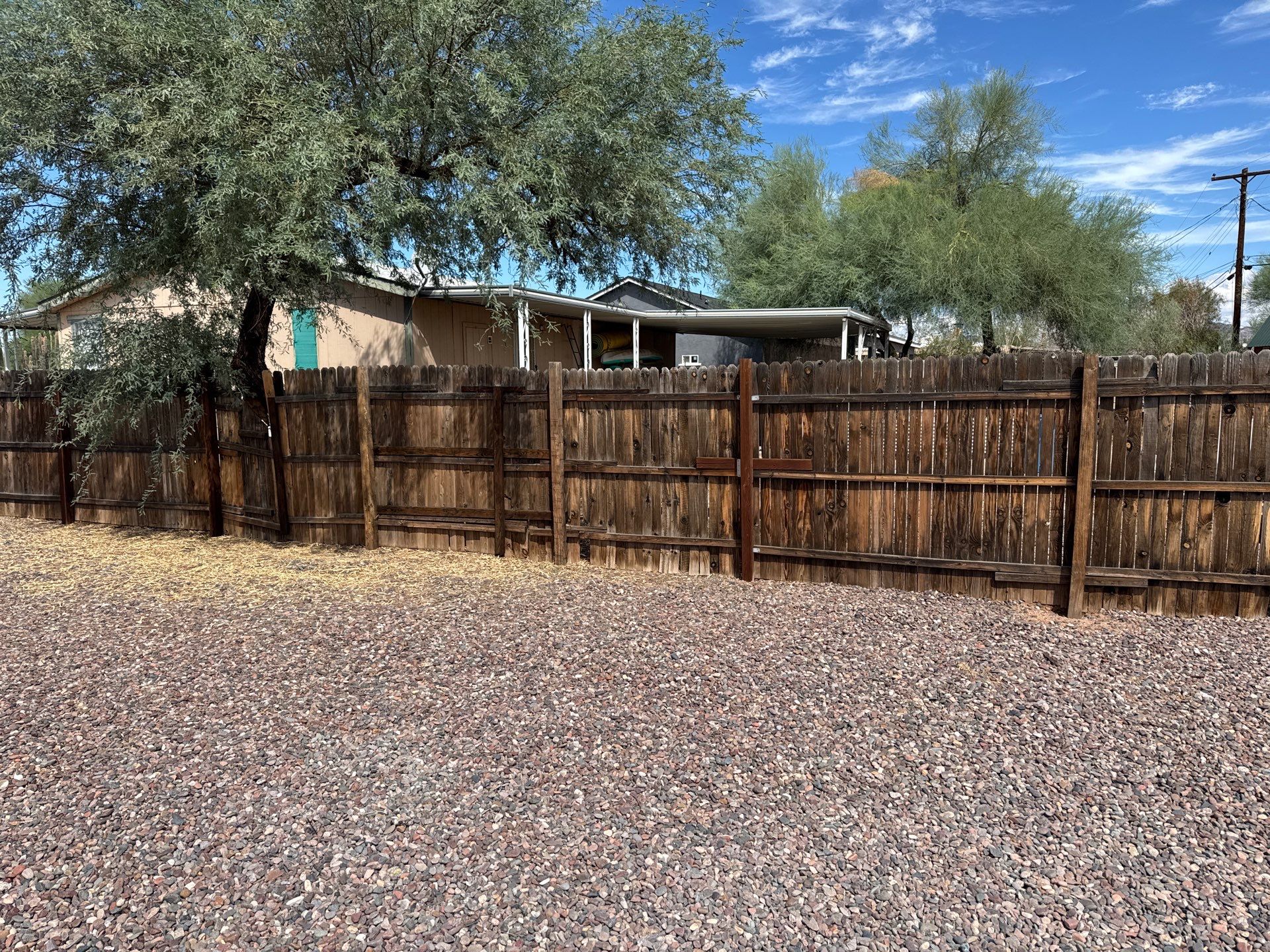
Pull Back the Rock, Add Compost, Net the Seed
You mentioned wanting sunflowers in this area. I'd pull the rock back first and work in some compost so the seed actually has real soil to root into. Once it's planted, put netting over the top, birds will clean out sunflower seed fast if it's left exposed.
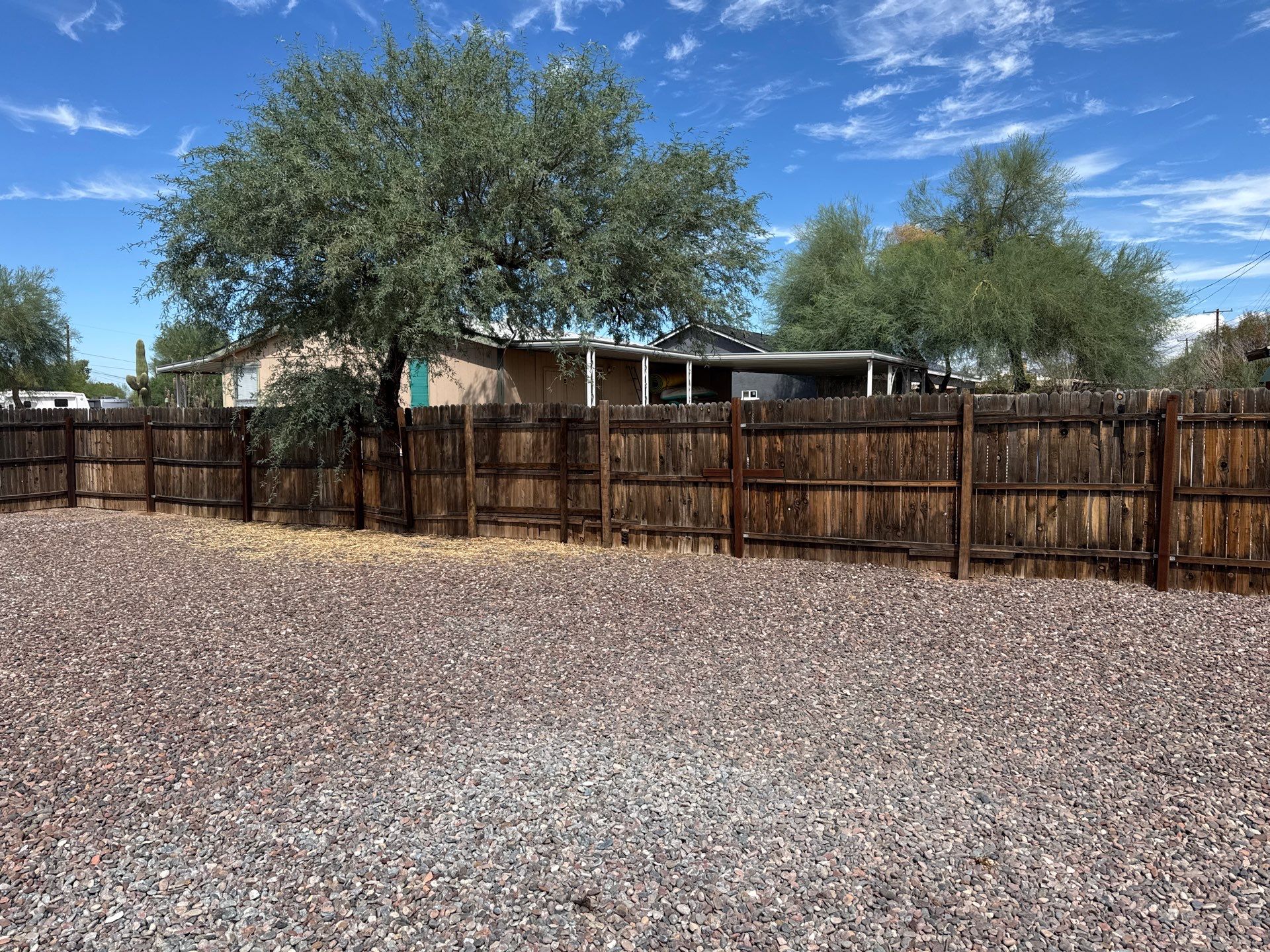
Hopseed, Orange Jubilee, or Arizona Rosewood
Along this fence, I'd pick one of Hopseed, Orange Jubilee, or Arizona Rosewood and run it the full length rather than mixing them together. Any of the three will fill this in nicely as a hedge.

Hopseed
Fast, thick, fills in quickly.

Orange Jubilee
Fast growing with orange blooms most of the year.

Arizona Rosewood
Dense, upright, doesn't need much water once established.
Pick one for this fence and run it the full length for a clean, even look.

Fig and Citrus, Spaced Eight Feet Apart
This is the spot for your fruit trees. Fig would do great here, along with citrus, lemon, and lime, all of those would work well in this area. You'll need to source the lemon and lime, Greenfield Citrus Nursery has a great selection to choose from. Space everything about eight feet apart so each tree has room to fill out.
Pull the rock back around each one and build large water wells with compost and mulch worked in, then give each tree a good deep watering once it's in the ground.

Fig
Fairly easy going, deciduous, heavy crop with little fuss.

Citrus, Lemon & Lime
Evergreen year round, source from Greenfield Citrus Nursery.

Same Hedge Options as the Other Walls
Same as the other fence lines, Hopseed, Orange Jubilee, or Arizona Rosewood along this block wall too. Pick whichever you liked best from the other spots, or mix it up wall to wall if you'd like some variety across the property.

Desert Willow or Mulga Acacia
This spot just east of the pool is a good fit for a smaller, desert adapted tree. Desert Willow or Mulga Acacia would both work well here without overwhelming the space.
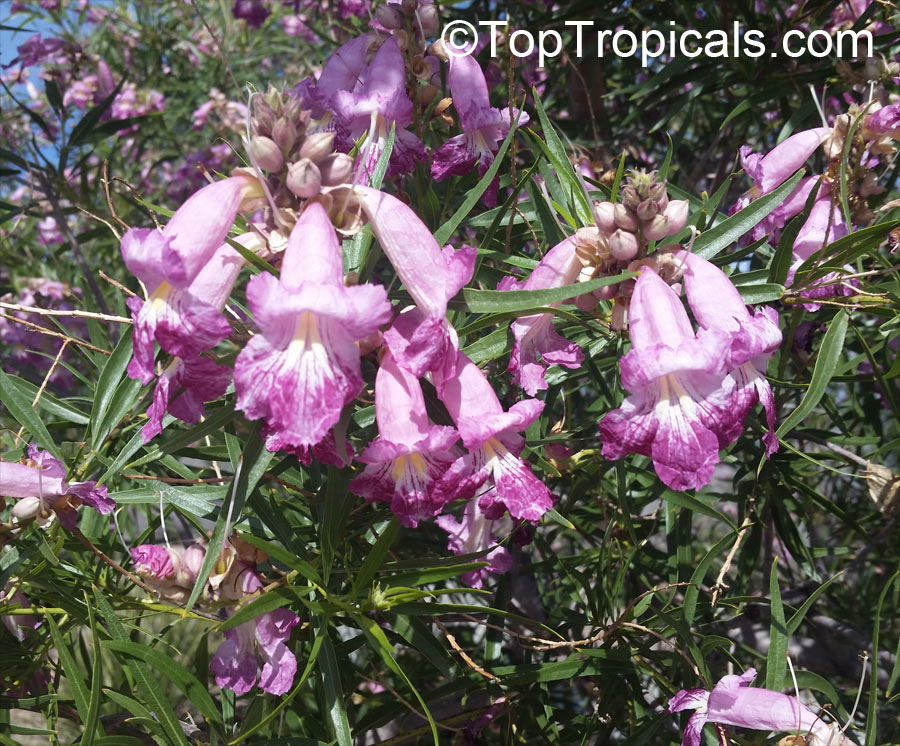
Desert Willow
Smaller size, orchid-like blooms all summer.

Mulga Acacia
Tough, compact, doesn't need much water once established.

Fill With Quality Compost, Plant by the Season
For these raised beds, I'd fill them with compost from Arizona Worm Farm to give them real soil biology from the start, and my Maricopa County planting guide will walk you through what to plant and when as the seasons change.

Grass Works Well Here
This boarded off area is a good candidate for grass. Once it's in, keep an eye on watering frequency while it's establishing, more often at first, tapering back once it's rooted in, and mow at a slightly taller height so it stays lush and holds up better to our heat.

A Big Mesquite for Serious Shade
This spot next to the awning is a great fit for a big mesquite, thornless variety. Given room to grow, it'll throw a lot of shade and take a real bite out of that afternoon sun. Build a large water well around it with bubbler irrigation, and make sure it goes in with the root flare exposed rather than buried.
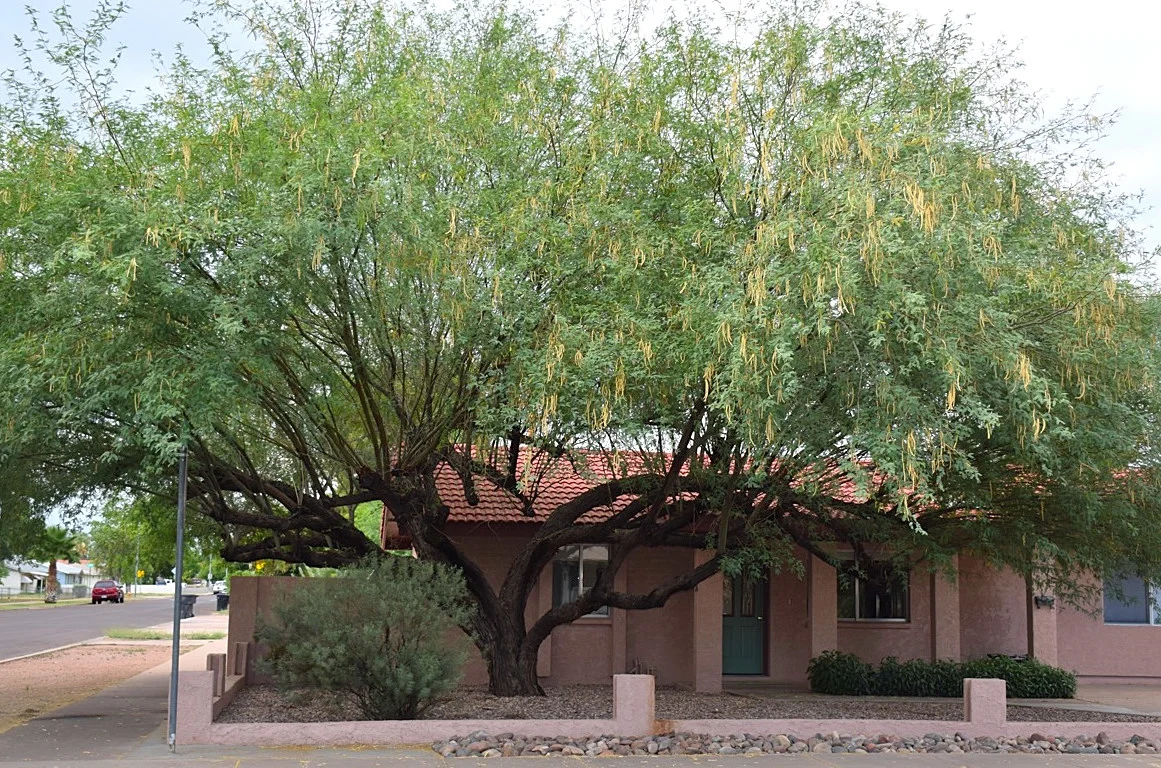
Mesquite (Thornless)
Arizona native, fast growing, casts serious shade at full size.

Compost from Arizona Worm Farm
For this garden bed, I'd work in a good layer of compost from Arizona Worm Farm to give it real soil biology to grow from.

Same Hedge Lineup, This Fence Too
Same three to choose from here, Hopseed, Orange Jubilee, or Arizona Rosewood, whichever fits the look you're going for on this stretch.

Red Bird of Paradise, Spaced Six Feet Apart
Along the property line here, I'd plant Red Bird of Paradise spaced about six feet apart. You mentioned you really like this one, so I'd lean into it and work it into a few spots around the property, not just this line, it's an easy grower with a lot of color to offer.
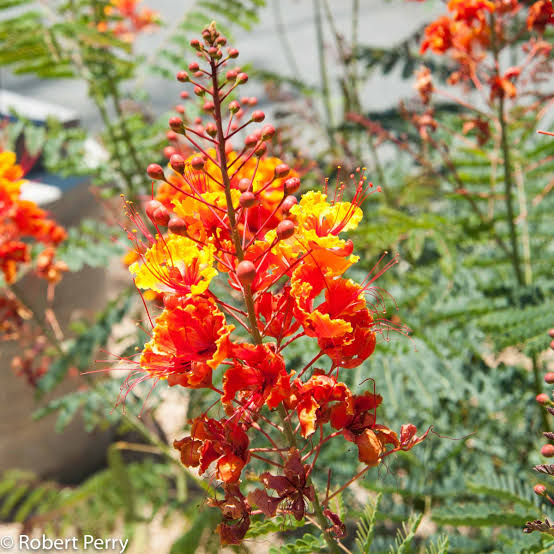
Red Bird of Paradise
Bright orange-red blooms all summer, space six feet apart.

A Full Native Pollinator Mix
Underneath the palo verdes, I'd bring in a good mix of native and desert adapted pollinator plants for color, Desert Milkweed, Ruellia, Texas Sage, Globe Mallow, and Chuparosa would all do well in this filtered shade and give you color and pollinator activity through a good chunk of the year. Torch Glow Bougainvillea would add a lot of vivid color too, and Penstemon, Baja Fairy Duster, and Firecracker Plant are all worth throwing in the mix if you want even more variety.

Desert Milkweed
Tough, upright, a magnet for monarchs.
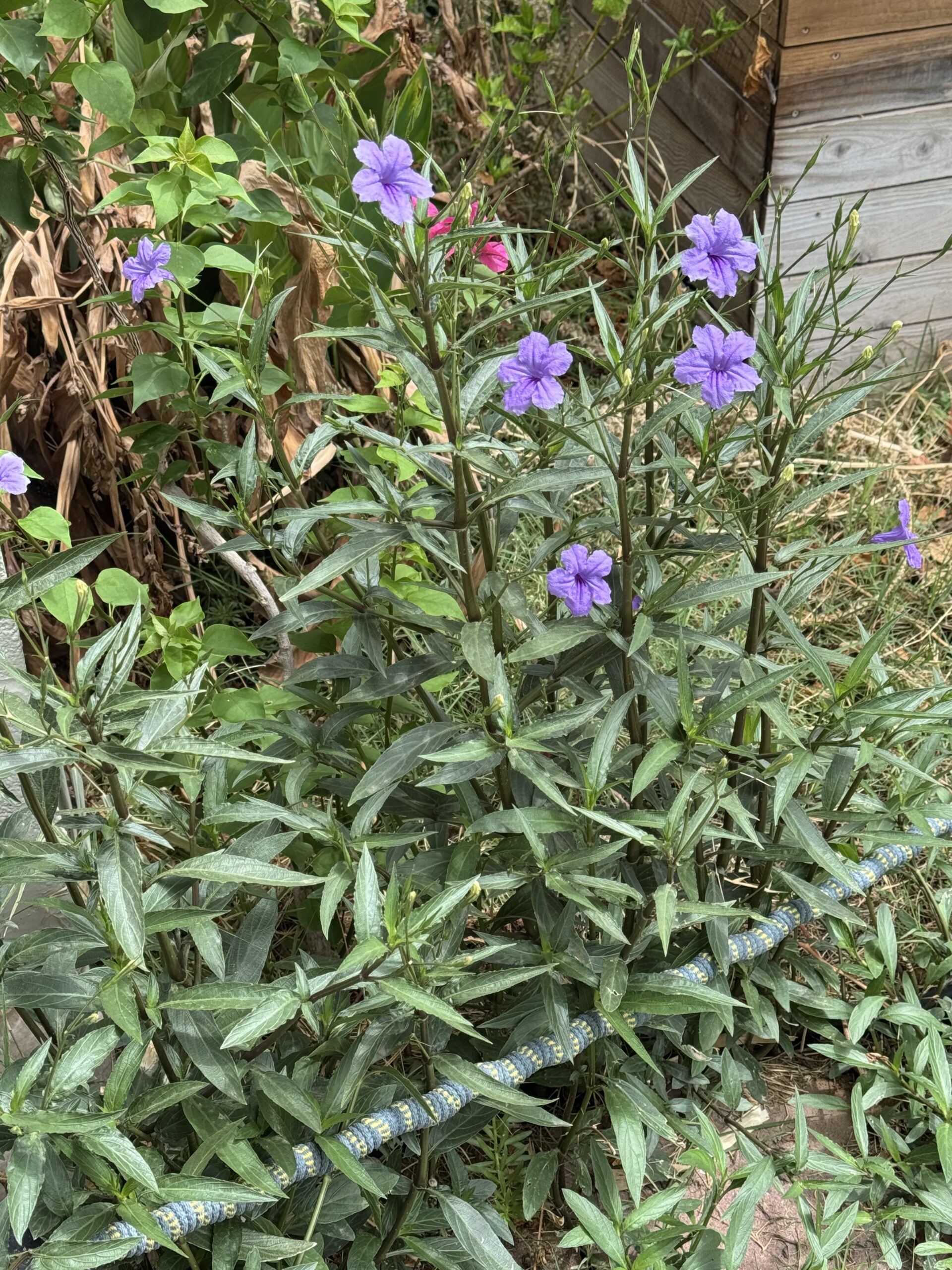
Ruellia
Low growing, blooms most of the year.

Texas Sage
Silvery foliage with purple blooms.

Globe Mallow
Bright orange blooms, tough and easy.
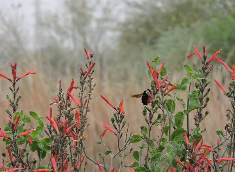
Chuparosa
Red tubular blooms hummingbirds can't resist.

Torch Glow Bougainvillea
Vivid color and fast coverage.
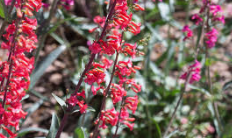
Penstemon
Tall spikes of color, great pollinator draw.
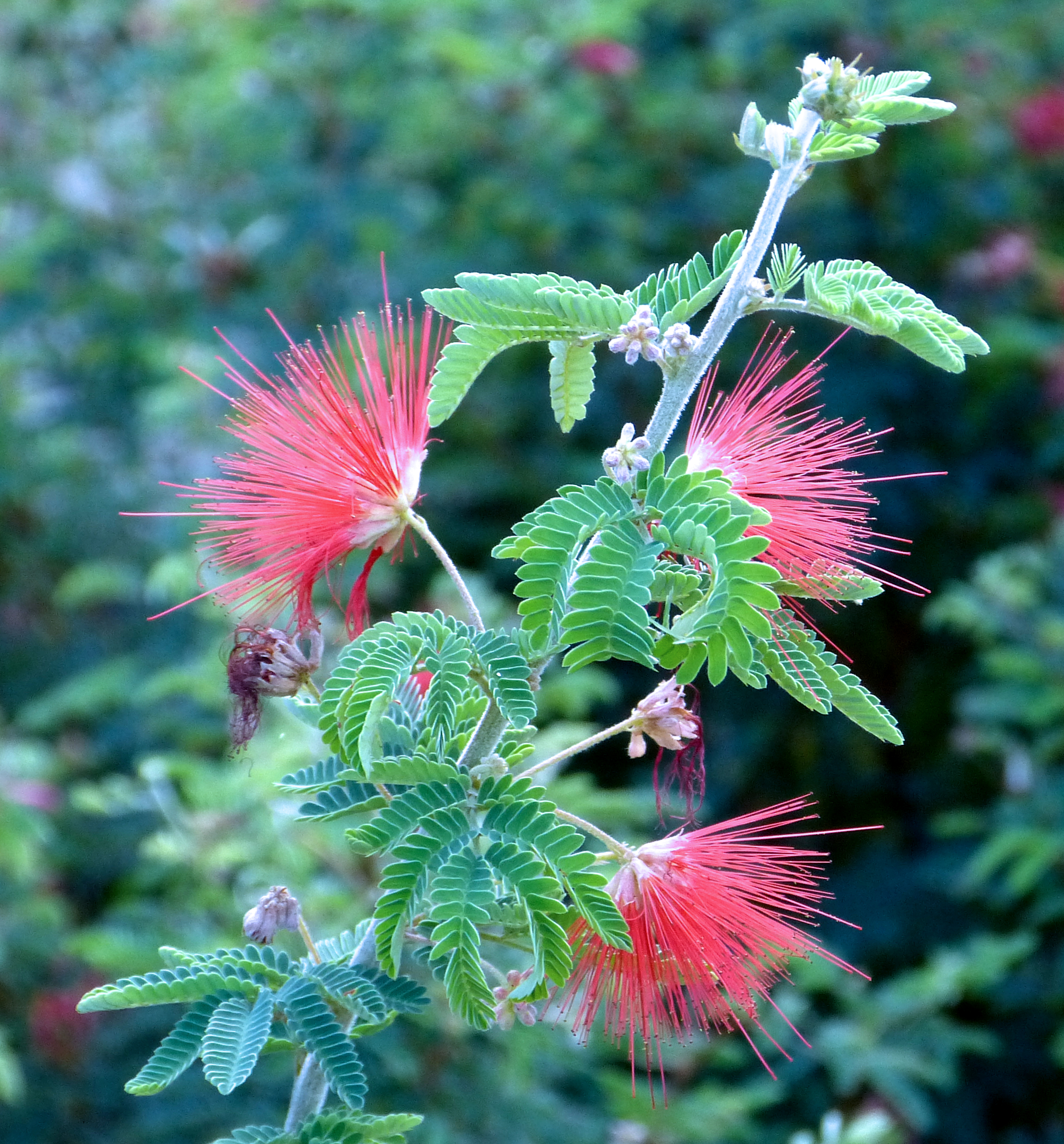
Baja Fairy Duster
Wispy red blooms, stays small and compact.
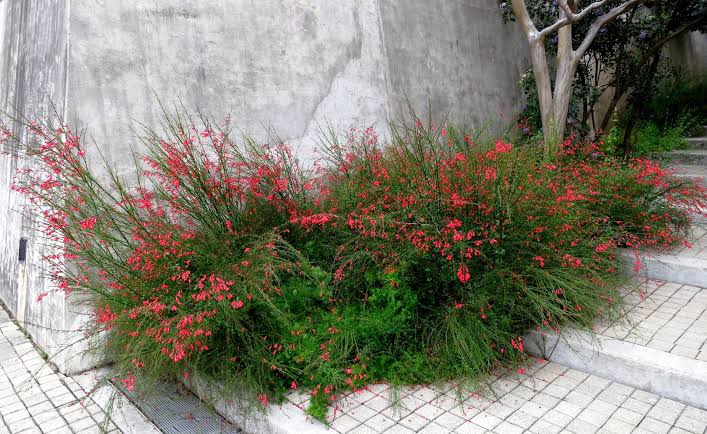
Firecracker Plant
Tubular red-orange blooms, brings in hummingbirds.
You don't need all five, pick your favorites and mix them in under the canopy.

A Big Thornless Mesquite for Afternoon Shade
Right here, I'd plant a big thornless mesquite. Given room to grow, it'll throw a lot of shade and really cut down on that afternoon sun hitting this side of the house.
Mesquite (Thornless)
Arizona native, fast growing, heavy afternoon shade at maturity.

A Smaller Desert Willow Here
Right here, a smaller tree makes more sense, Desert Willow is a great pick, it won't compete for sun with the palo verdes nearby the way a larger tree would.
Desert Willow
Smaller size, won't crowd the palo verdes for light.

More Wildflower Seed for That Same Color
You've already got wildflowers going in this bed and the color is great, easy to see why you love it. Fall is the best time to throw down more seed for next season, A&P Nursery carries local wildflower seed that's worth checking out. Rake the soil lightly first so the seed makes good contact, scatter it, then keep the area lightly watered until you see germination. After that it mostly takes care of itself.
Two Different Setups, Trees vs. Shrubs
For the trees on this list, fruit trees and shade trees alike, bubblers are the way to go, they give that deeper, more even soak trees need to really establish. For the shrubs and groundcover, drip irrigation is the better fit, more frequent, shorter watering suited to shallower root systems.
Who to Call, Where to Go
For compost, visit Arizona Worm Farm. For citrus varieties like the lemon and lime on this list, Greenfield Citrus Nursery has a great selection. For local wildflower seed, A&P Nursery is worth a visit. For irrigation questions, Garrett is my go-to, you can reach him directly at 480-678-9121. For what to plant and when as the seasons change, my Maricopa County planting guide covers it season by season.
Let's tackle this in whatever order makes sense
There's a lot here, so pick what matters most to you first, the fruit trees, the shade trees, or the hedges along the fences. We can advise you along the way in the Garden Nerd Club, or if you'd rather have help with any of it, planting or anything else, just reach out and I can get you pricing.
You can also read more about how we plant at thegardennerd.org.