
Chris Kruft
1409 E Citation Ln, Tempe, AZ 85284
Here's everything we covered on our walk, area by area in the order we walked it, plus how to feed your soil so everything grows stronger.
Cottage Plants for the West-Facing Spot
West facing, afternoon sun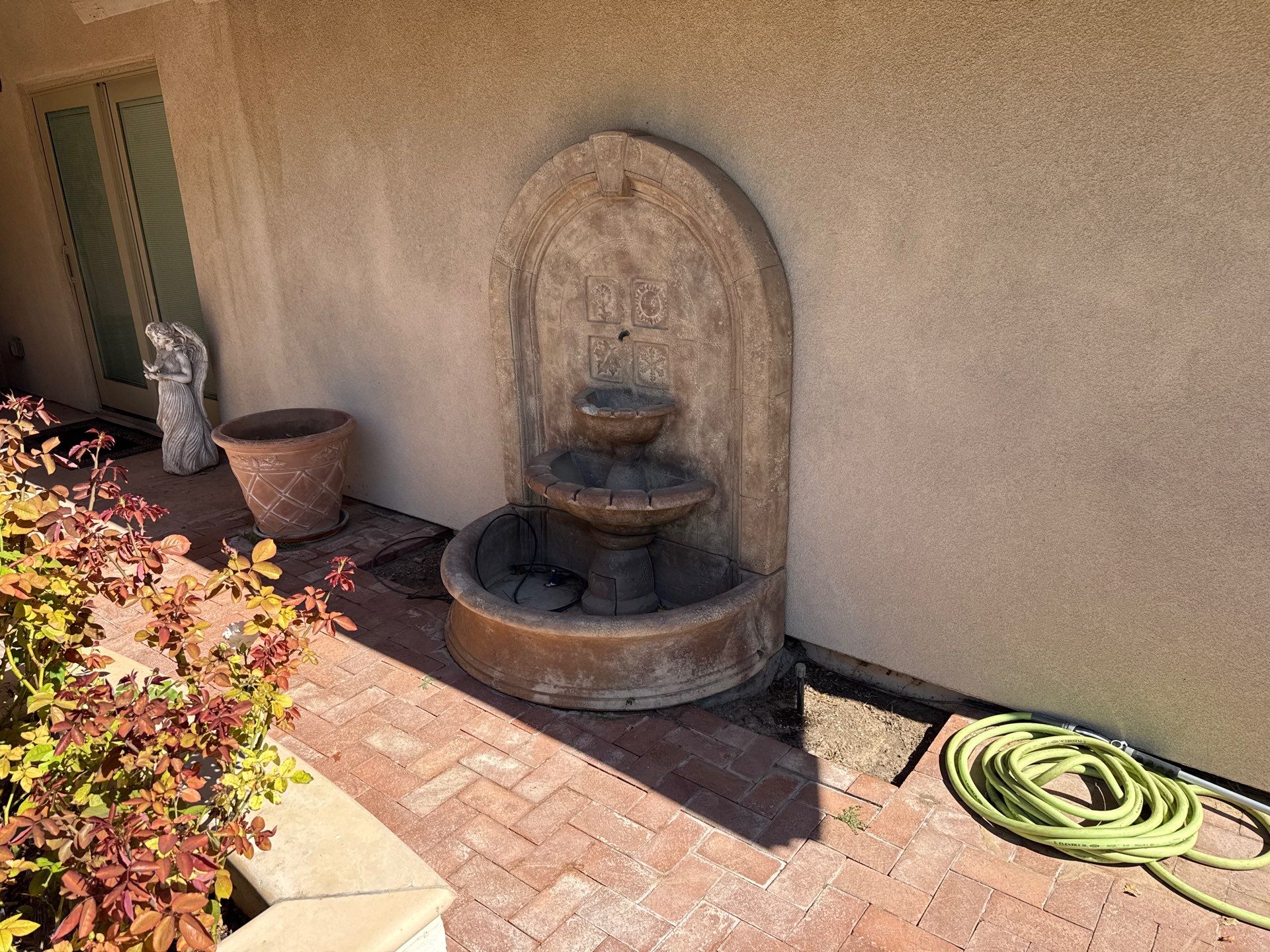
This spot faces west and gets blasted by afternoon sun. There isn't a lot of space, but you want something that matches the cottage style look on either side. Here are plants with that soft cottage feel that can take the heat:
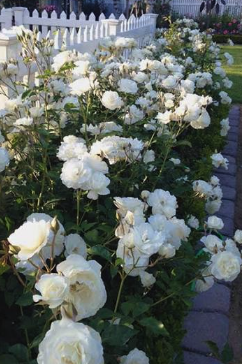
Iceberg Rose
Clusters of white flowers almost all year, 3 to 4 feet. The most reliable rose in our heat and the classic cottage look.
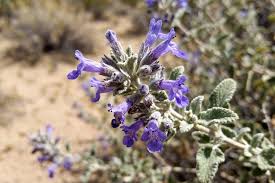
Desert Lavender
Native, with soft, silvery-gray leaves and small lavender-purple flower spikes that smell great. 4 to 6 feet, takes full afternoon sun, and bees love it. Gives you the cottage lavender look in a plant built for our heat.
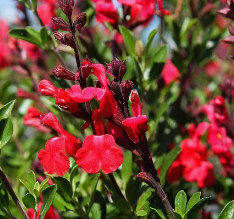
Autumn Sage
Red, pink or white flowers spring and fall, 2 to 3 feet. Soft, cottage feel and takes afternoon sun.
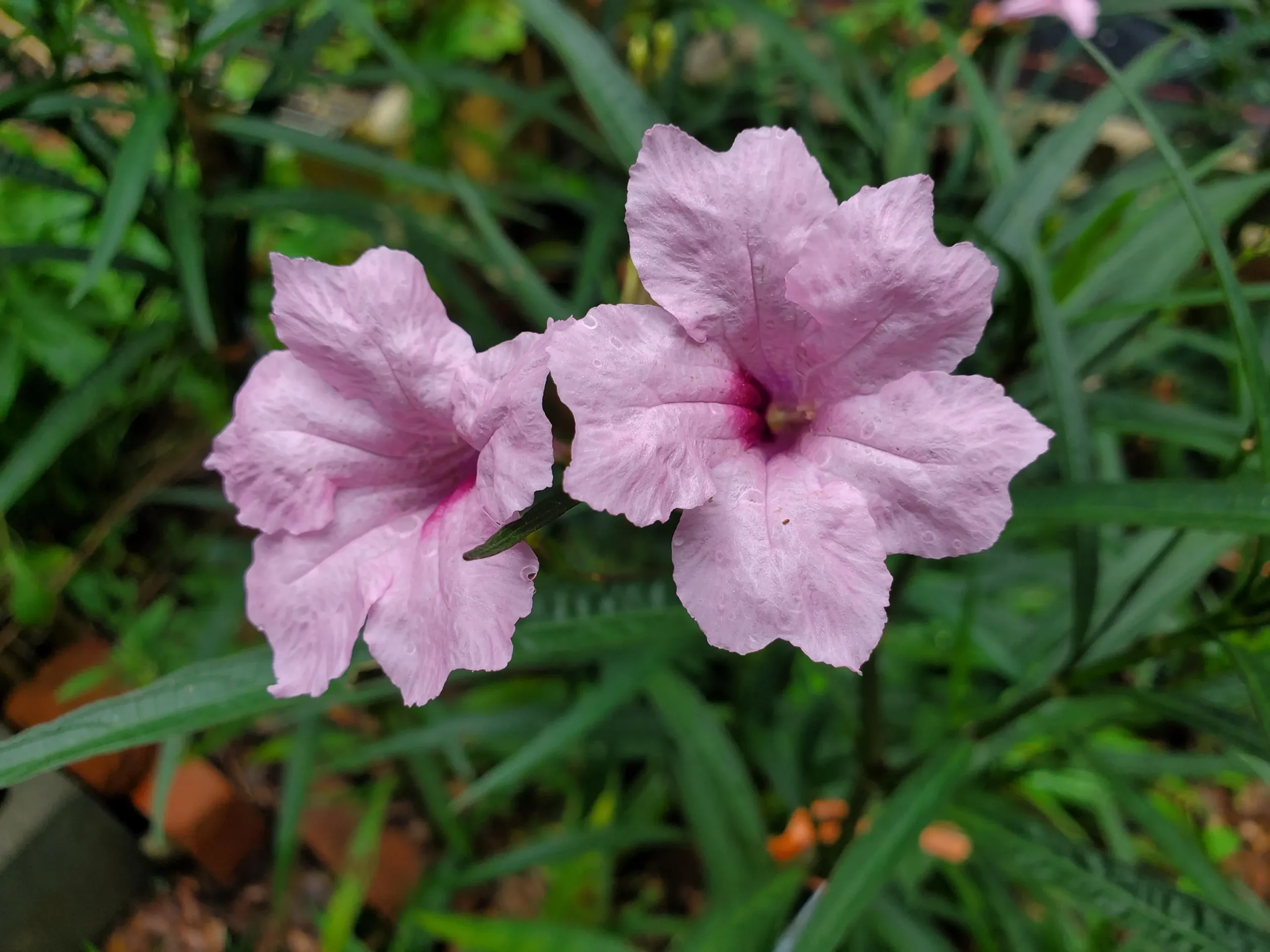
Pink Ruellia
Upright pink flowers spring through fall, about 3 feet. Takes the heat. It can spread and reseed in open beds, but this spot is enclosed, so it has nowhere to go and works great here.
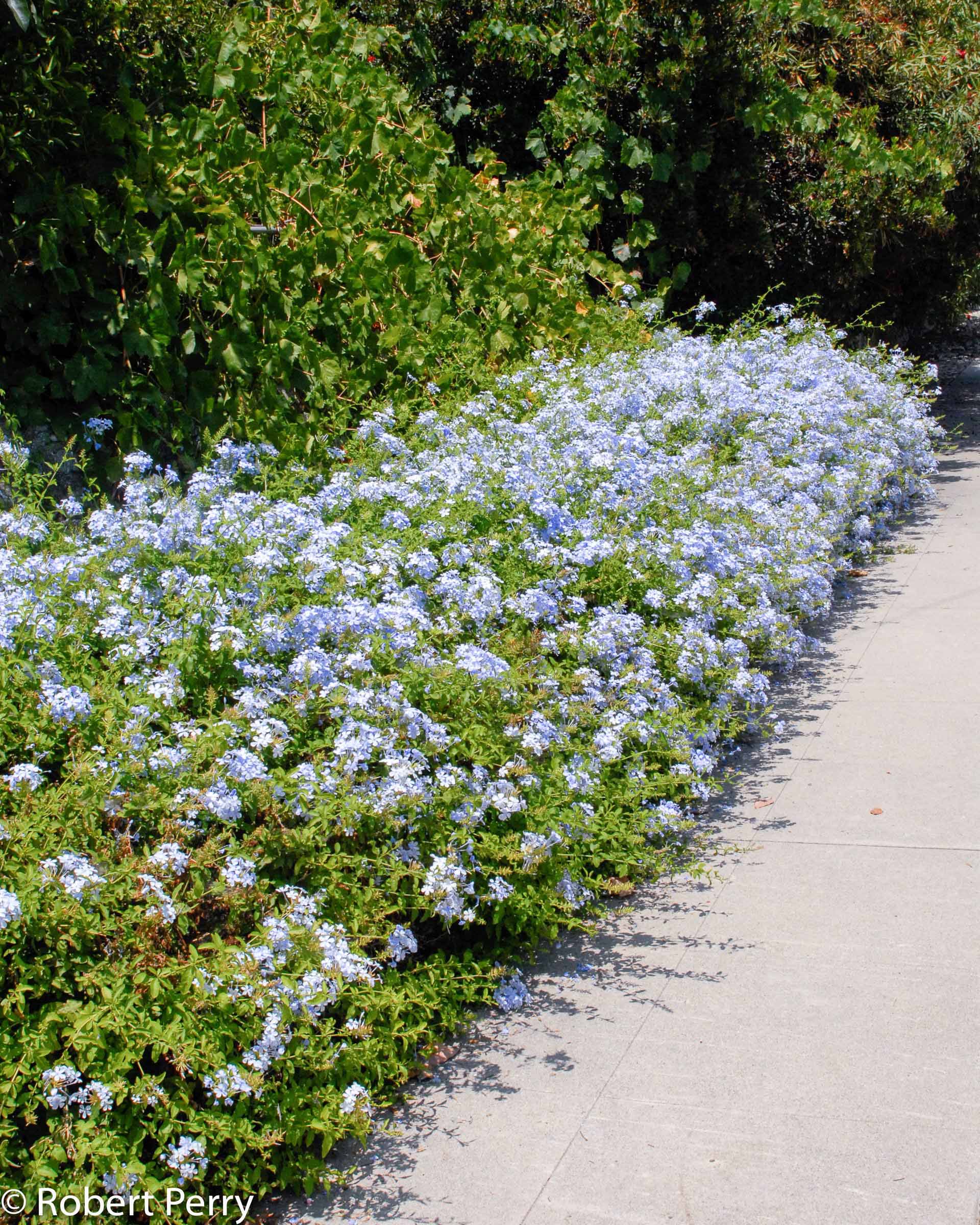
Cape Plumbago
Sky blue flowers most of the year, 3 to 4 feet. Pairs beautifully with white roses.
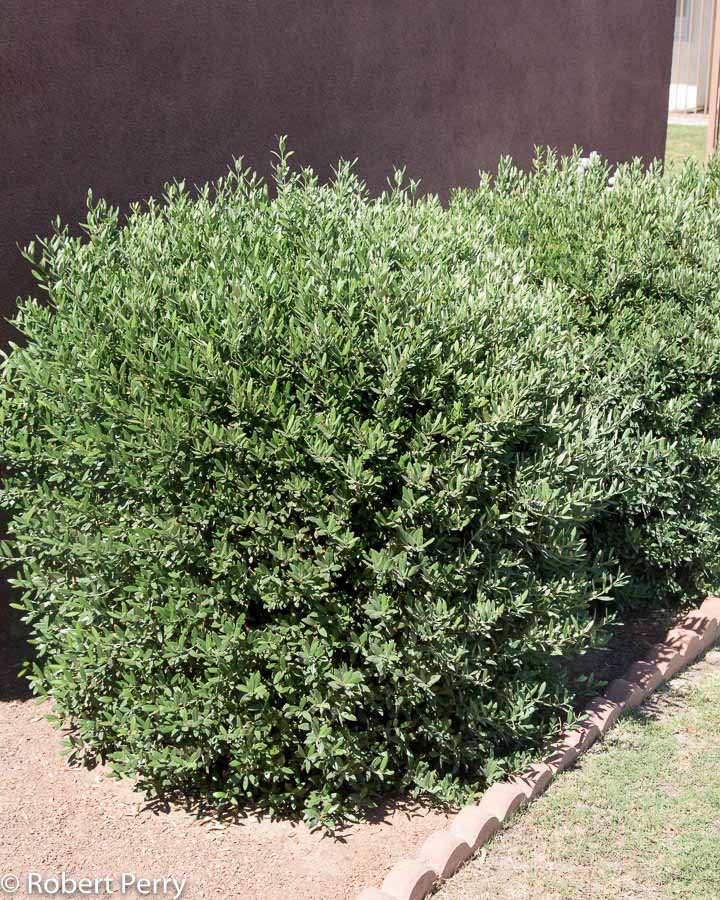
Little Ollie
A dwarf olive that stays a tidy 3 to 4 feet with dense, silvery-green leaves. Evergreen, no fruit, and takes full afternoon sun without blinking. Great for a clean, structured look.
With limited space, pick one or two and mirror them on both sides.
Feeding the Roses
Rose bed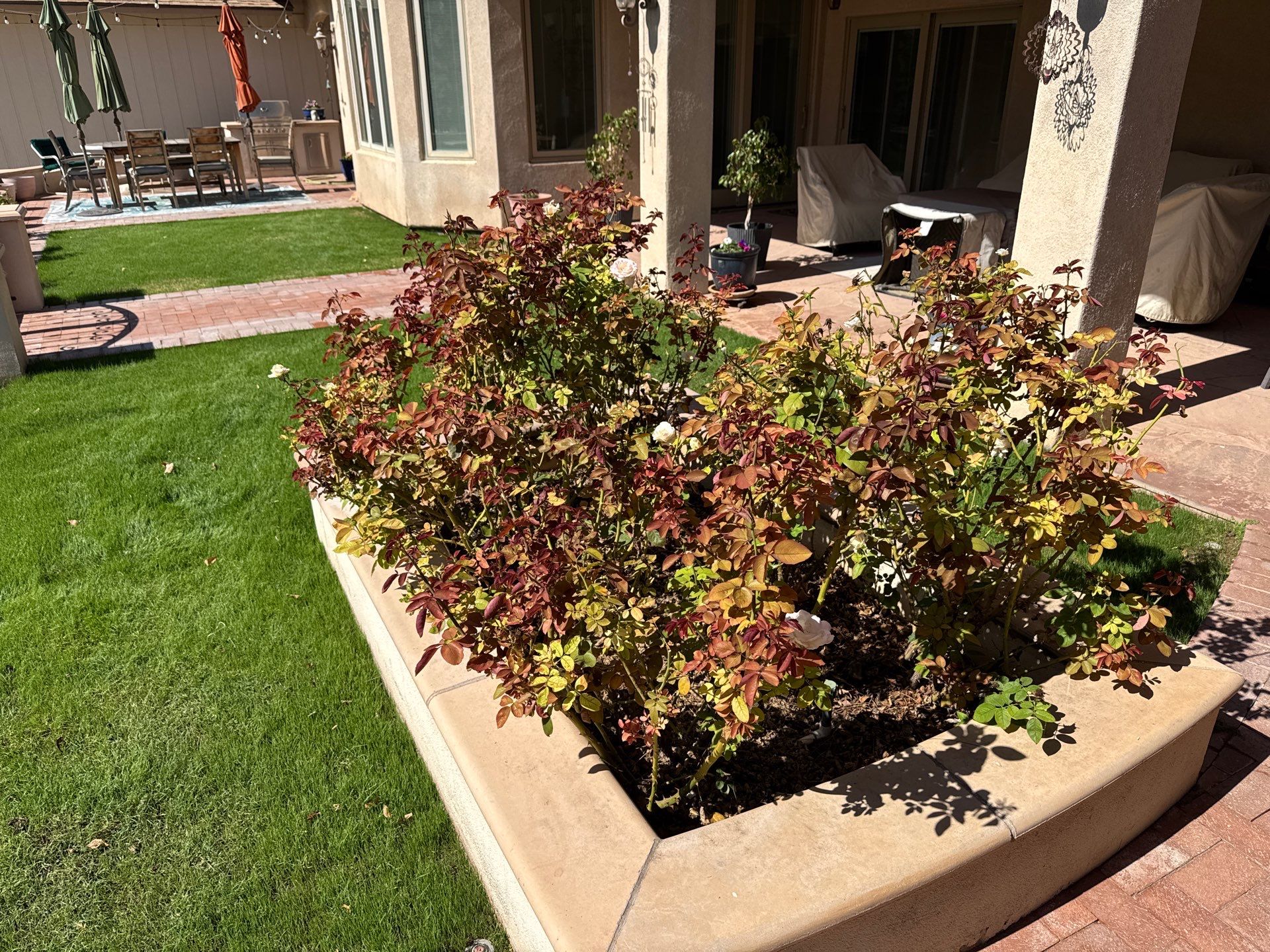
Roses need to be constantly fed to be happy, especially in this sun orientation. Here's what they need:
- Compost. A generous layer around each rose a few times a year. Roses are heavy feeders and compost builds the soil life they depend on.
- Composted chicken manure. Work a few handfuls around each plant in late winter and again in late summer. It gives roses the boost they need for big bloom flushes.
- Wood chips. Cover the compost with 3 to 4 inches of wood chips to keep the roots cool and the soil moist. Keep them a few inches off the canes.
- Organic fertilizer monthly. Use the Catalyst products in the feeding section below (Jenner 8, Organic Nitro Jen, and kelp). Monthly feeding is what keeps roses blooming.
- Water: deep and regular. In summer that's 2 to 3 times a week; roses wilt fast in our heat.
- Pruning: prune hard in mid January, cutting back by about a third to a half, and a lighter trim in late August to set up a big fall bloom.
- Deadhead spent flowers through the season to keep new ones coming.
Adding Height
Rose bed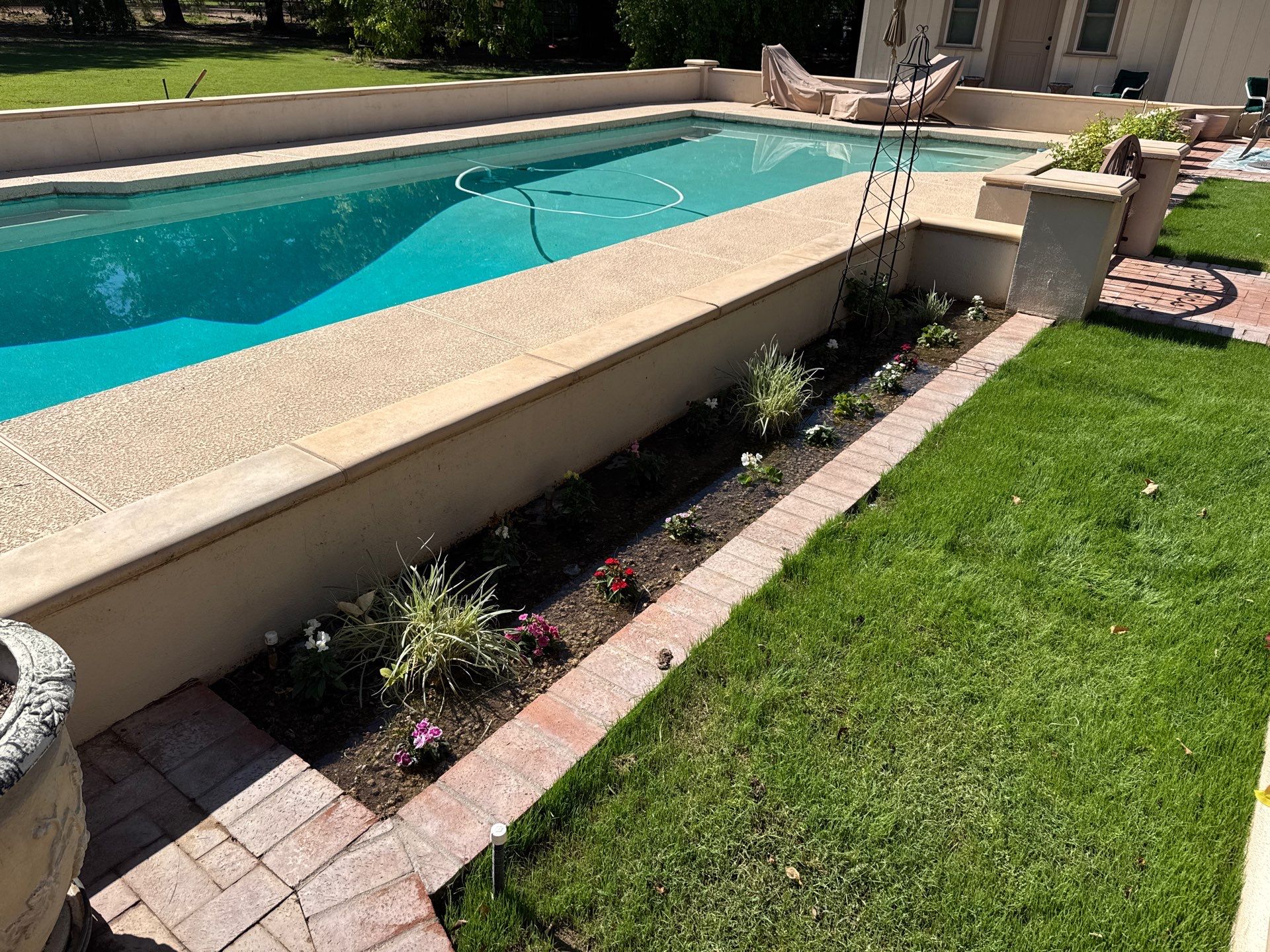
Here you want something with a little more height. Red iceberg roses are what I'm thinking. Here they are along with a couple of other options that fit the cottage look:
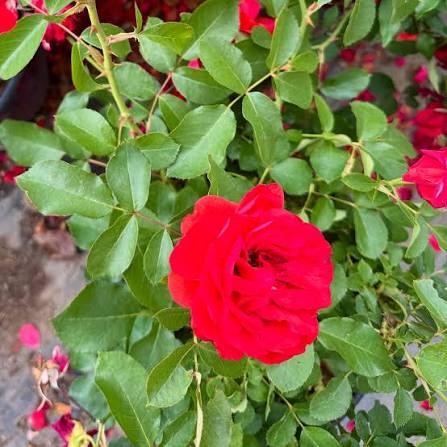
Red Iceberg Rose
Also called Burgundy Iceberg. Same tough, disease-resistant iceberg rose with deep red-burgundy flowers. Grows 4 to 5 feet.
Cape Plumbago
Sky blue flowers most of the year, 3 to 4 feet tall and a bit wider. Blue next to the red roses looks great.
Salvia
Autumn sage and Mexican bush sage both work here. Red, pink, purple or white flowers spring and fall, 2 to 4 feet. Soft cottage look, takes the heat, and hummingbirds love them.
Ficus in Pots
Patio pots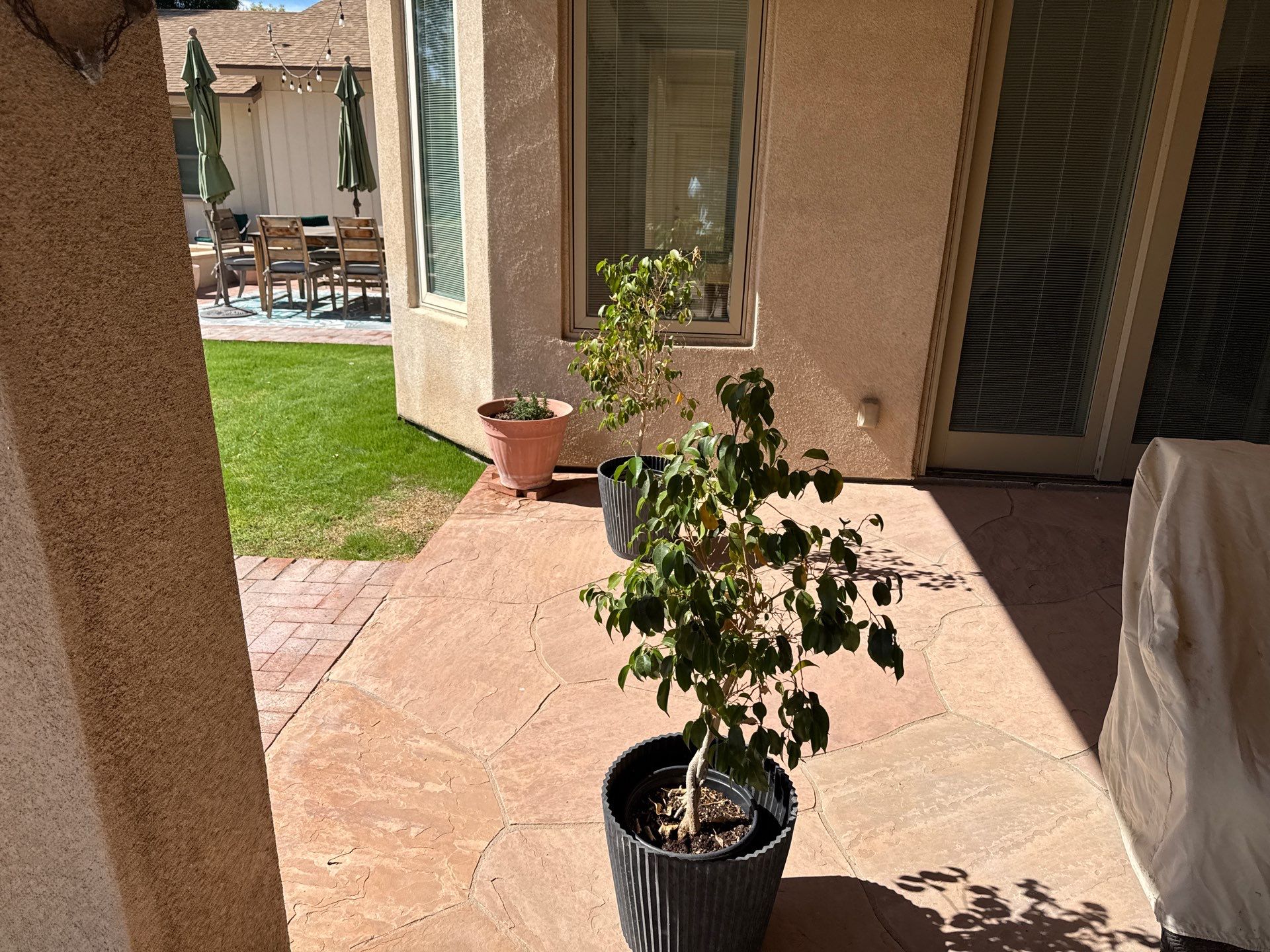
These ficus, along with any other potted plants, need bigger pots so they don't get baked. In summer, the sun shining directly on a small pot heats the soil and roots, dries them out fast, and the plants won't be happy.
- Size up: move them into a pot at least 6 to 8 inches wider than the current one, ideally 24 inches or more across. More soil holds more water and stays cooler.
- Pot material: light colored or glazed ceramic pots stay cooler than dark plastic. Avoid black pots in full sun.
- Soil: use a good potting mix with some compost mixed in, and make sure the pot drains.
- Top it off: a layer of mulch or wood chips on top of the soil keeps the roots cooler and slows drying.
- Water: pots need water more often than plants in the ground. In summer, check them every day or two.
Repot in spring (March or April) so the roots can settle into the new pot before summer.
Covering the Chain Link Fence
Shaded by the ash trees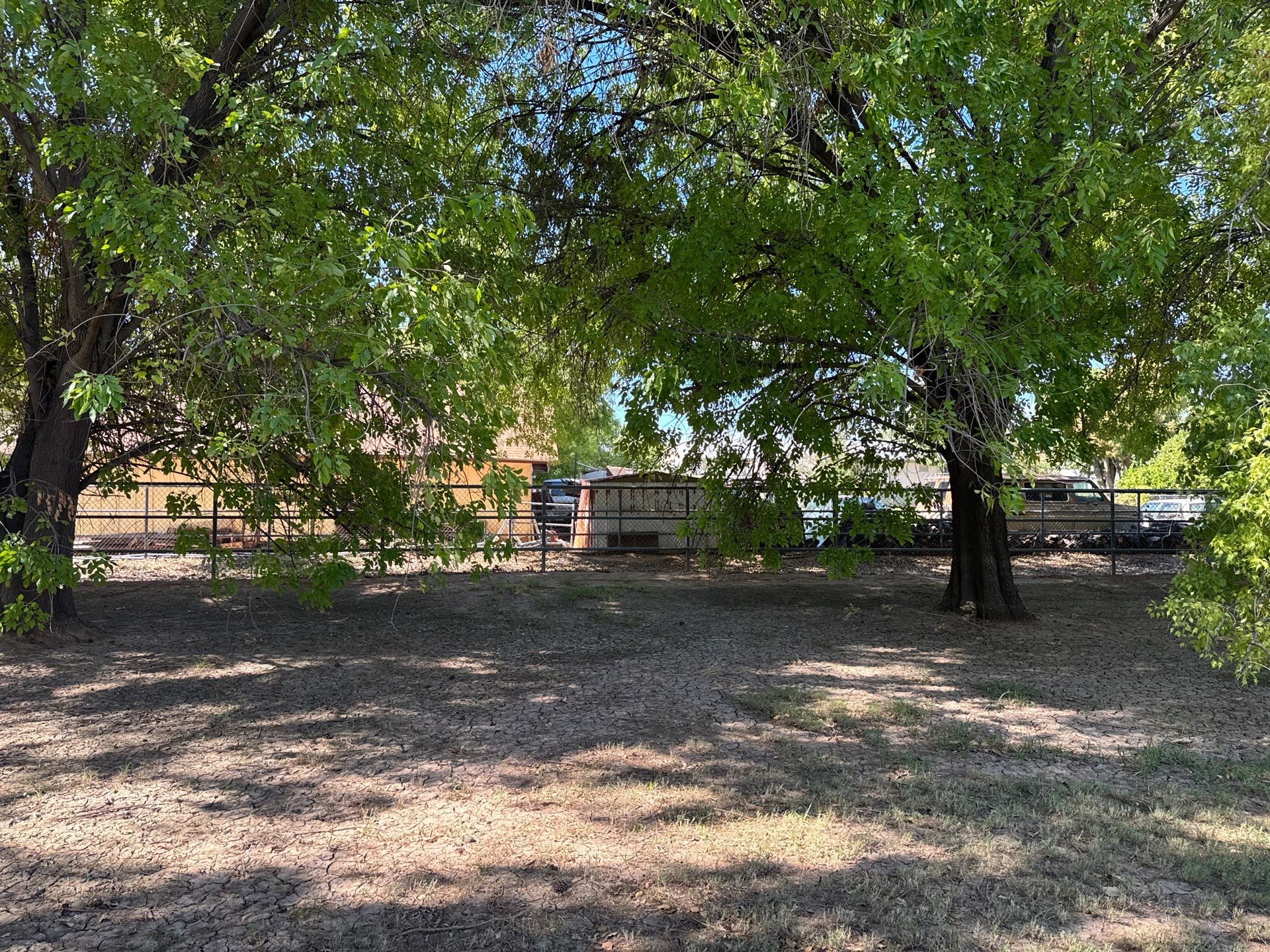
Back here you want to cover this fence. Vines are the first choice, but they need to handle a lot of shade from the ash trees. Creeping fig is the first one that comes to mind. Here are the vines that will really handle that much shade on chain link:

Creeping Fig
My first pick. Small, dense evergreen leaves that cover the fence flat. Takes deep shade. Slow the first year, then fast. Weave the young stems through the chain link to get it started.
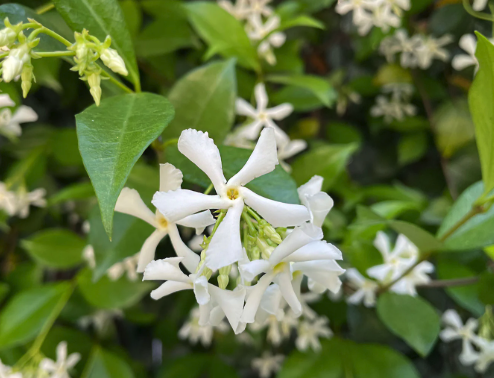
Star Jasmine
Evergreen, glossy leaves and very fragrant white flowers in spring. Twines right through chain link. Great in part shade.
If you'd rather do a hedge, it needs to take a lot of shade. Twisted myrtle is the best fit, and here are a few others that handle shade well:

Twisted Myrtle
Evergreen with small, twisted leaves and a really interesting texture. 4 to 6 feet, handles shade well.
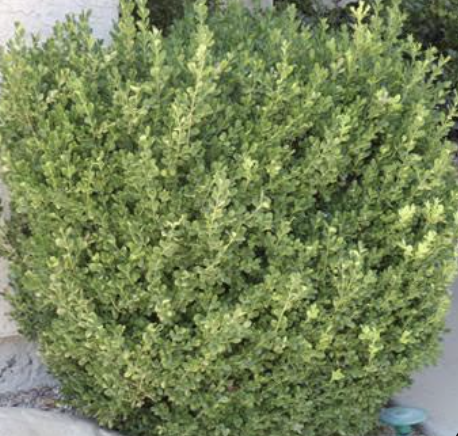
Japanese Privet
Glossy evergreen leaves, 8 to 10 feet if left alone. Takes shade and makes a solid screen.
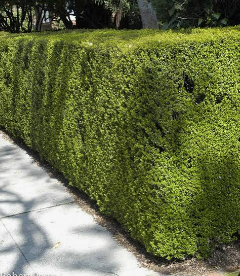
Dwarf Myrtle
Dense evergreen, 2 to 3 feet. Good if you want a lower hedge.
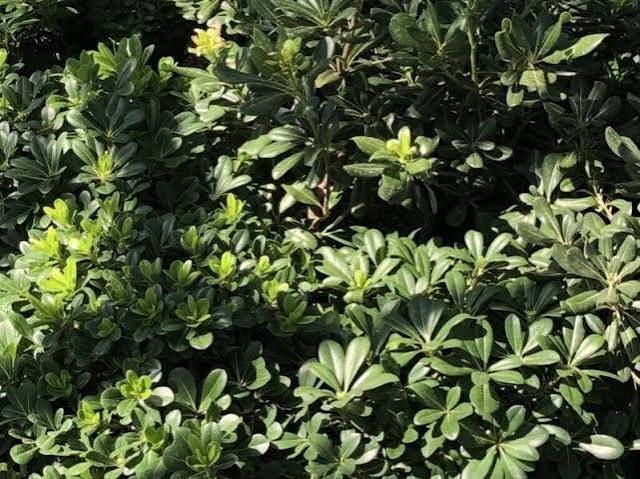
Mock Orange
Pittosporum. Glossy evergreen leaves and fragrant white flowers in spring. 6 to 8 feet. Very happy in shade.
Pick one vine or hedge and run it the full length of the fence for a clean look.
Arborist for the Ash Trees
Back yard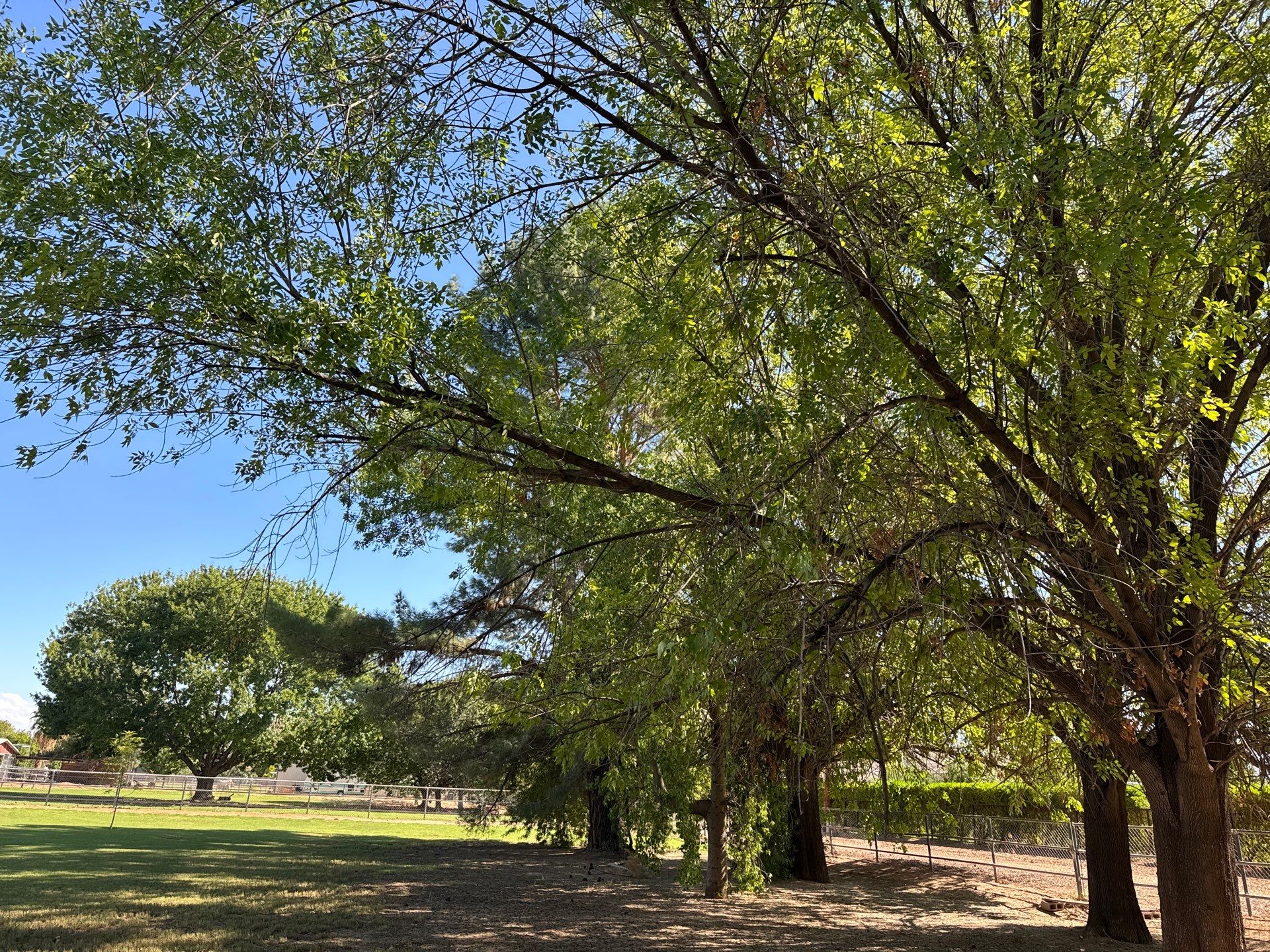
These trees would really benefit from a certified arborist coming in to clean them up: thin some of the interior, and cut back the long, lanky branches. Long branches with all their weight out at the tips are what break in monsoon winds, and thinning lets light and air through the canopy. The trees will be much happier once it's done.
I recommend King's Tree Service. They're certified arborists I trust. Winter, while the ash trees are dormant, is the best time to have it done.
Compost for All the Trees
Whole yard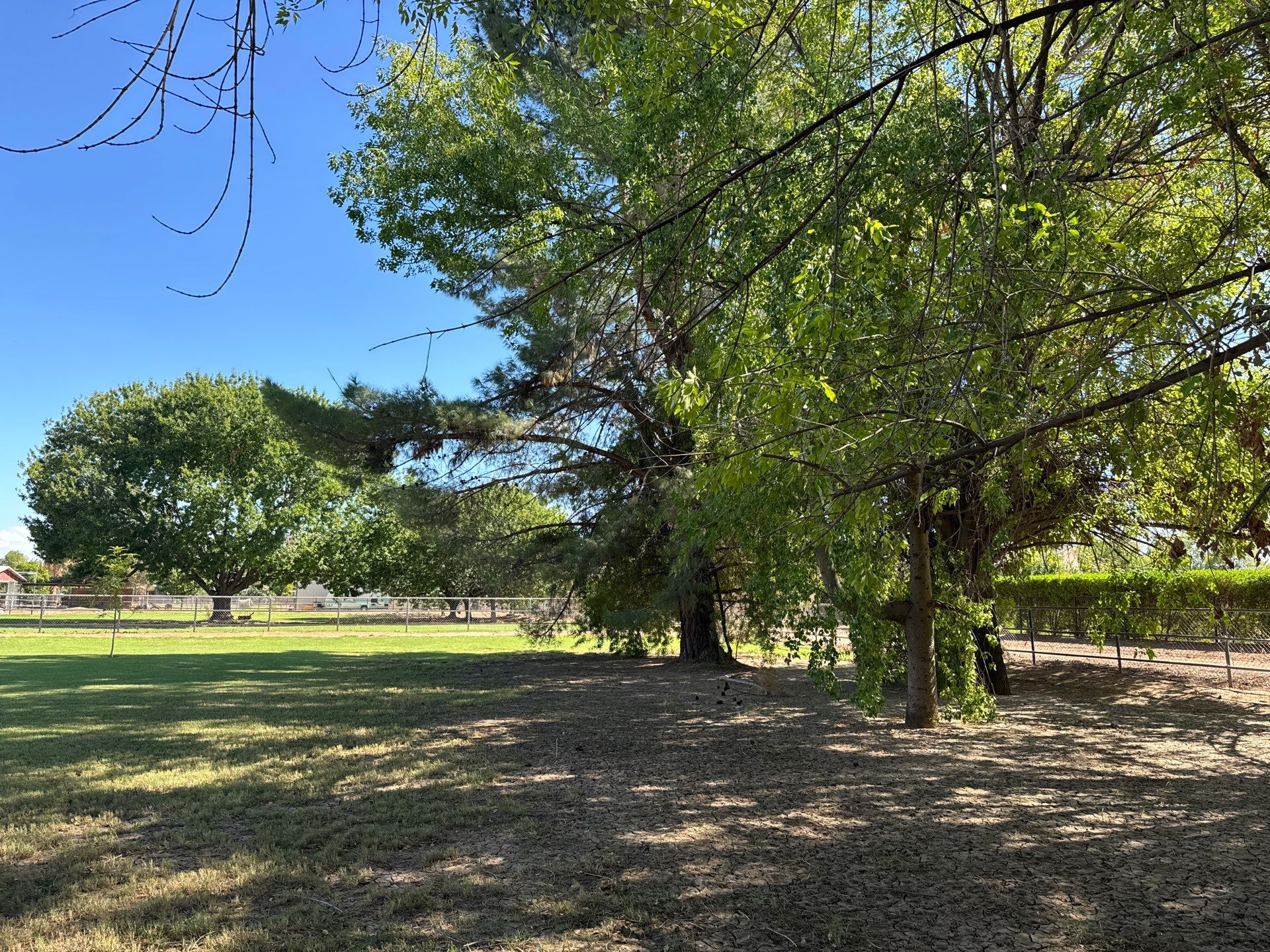
All of these trees would benefit from a regular dose of compost. Every quarter is best.
- Where to get it: Arizona Worm Farm. Take a truck and get a full load.
- Where it goes: spread it around the drip line of each tree (the outer edge of the canopy), where the feeder roots are.
- When: right after you get flood irrigation. The soil is moist, and the compost has time to soak in and start working before the next round of flood irrigation comes.
- How much: a couple of inches deep across the drip line area. No need to work it in.
Compost feeds the soil biology, and the soil biology is what feeds the trees and helps the soil hold water between irrigations.
Lemon Tree
Back yard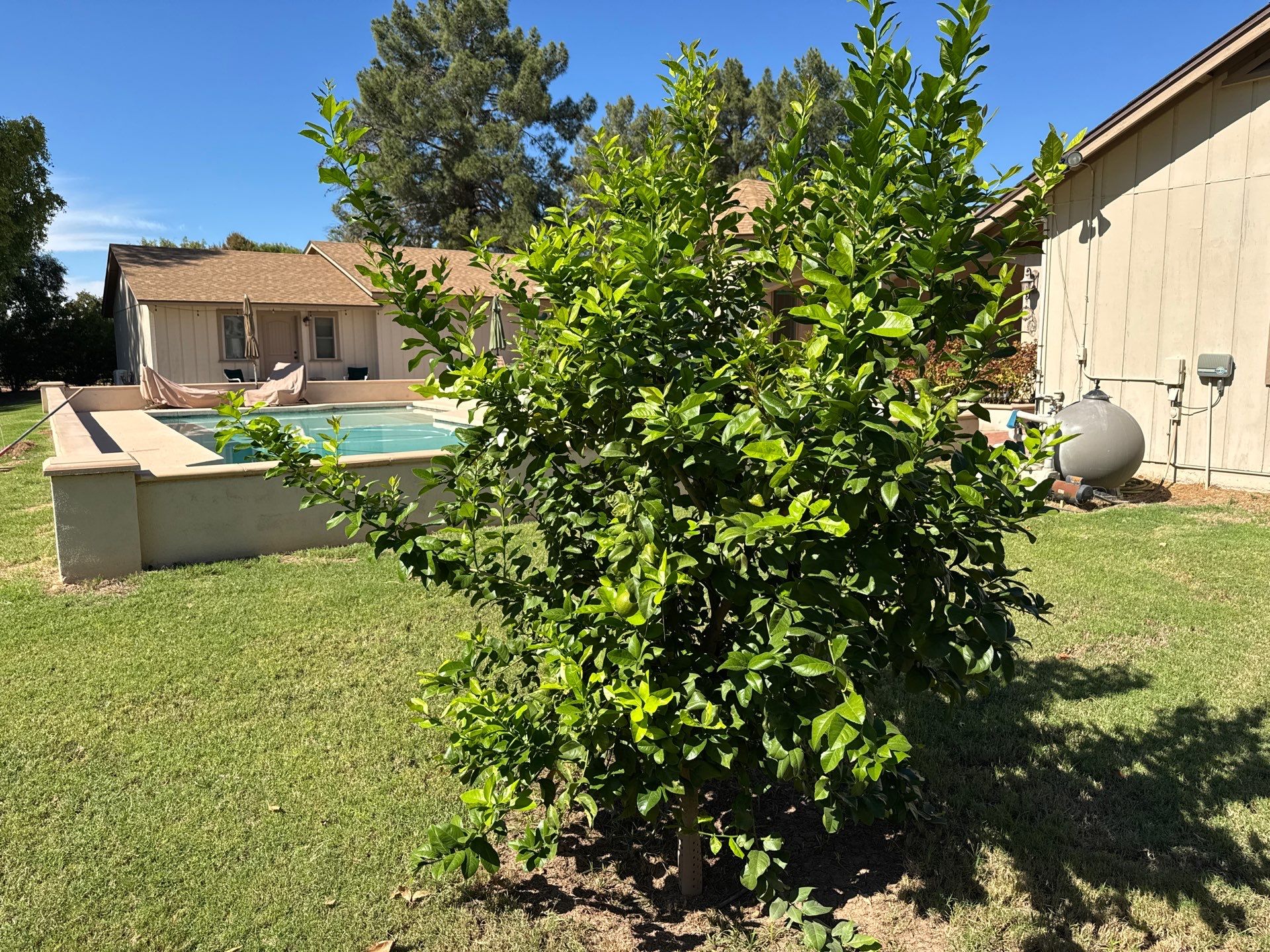
Don't stress about this lemon tree. It's good and it's happy, and it's producing a decent amount of fruit. It'll get better and better now that it's been in the ground a few years. It's normal for citrus to take their time settling in.

Lemon Tree
Produces more each year as the roots spread. Let the canopy grow low to shade its own trunk.
Expose the root flare
It does need the root flare exposed. The root flare is where the trunk widens out into the roots, and it should sit right at the soil line. When it's buried, the bark there stays wet and can rot, and roots can start to circle and choke the tree. With flood irrigation, that buried bark sits in water every time you irrigate, so exposing it is even more important.
A strong blast of water from a hose is usually the best way to get the dirt off. Work around the trunk until you can see where the roots start to spread out. Then keep that area clear going forward.
This video shows why an exposed root flare matters, with real examples. If it doesn't load, watch it on YouTube here.
Native Pollinator Garden
Back yard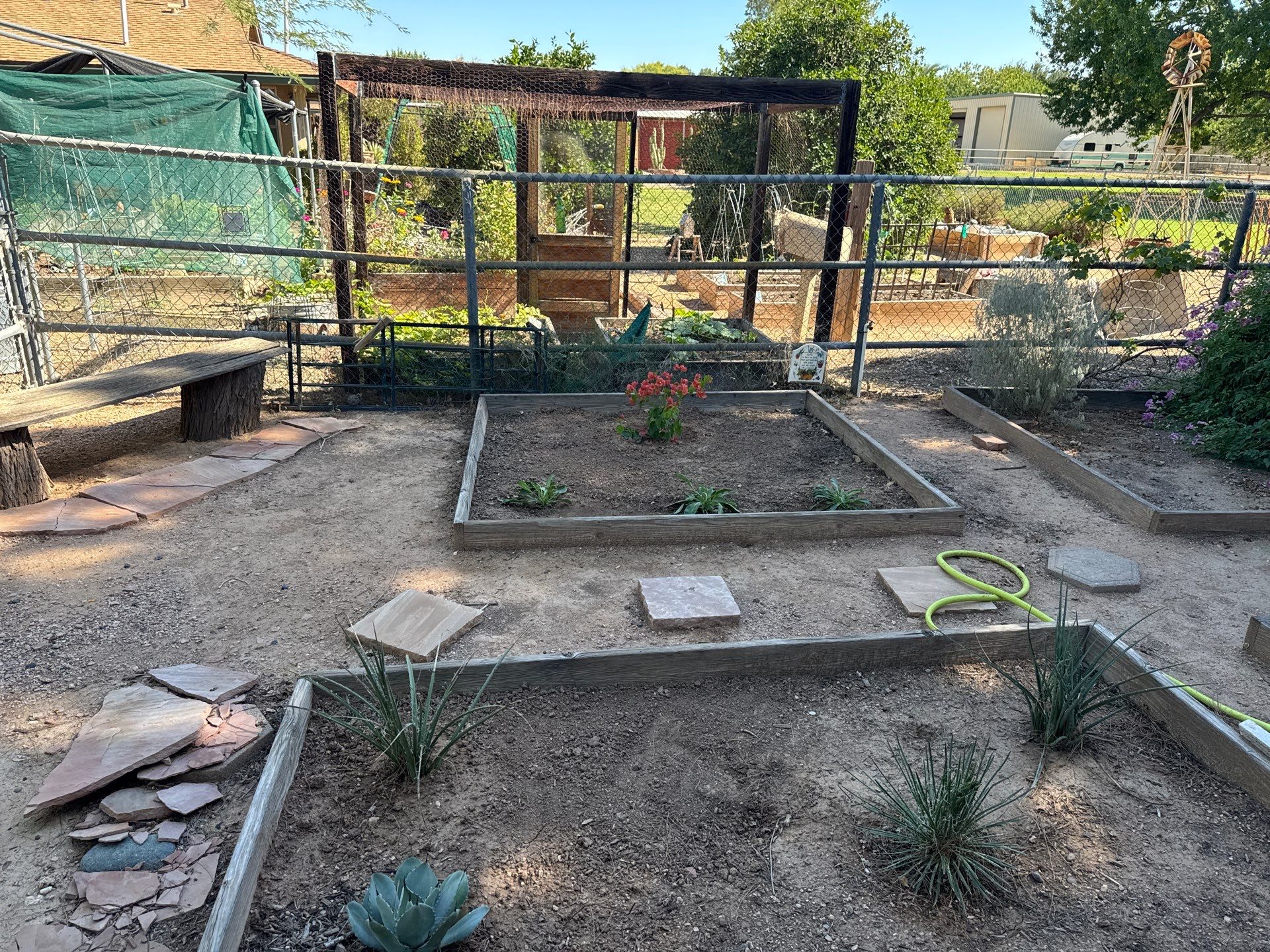
This area is like a native garden already, with bougainvillea and Parry's penstemon. Here are more options that match the vibe and bring in pollinators:
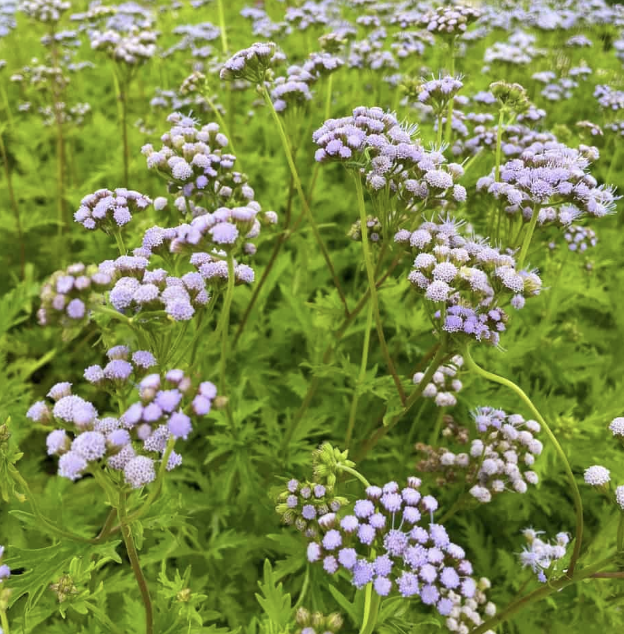
Greg's Mistflower
Purple-blue flowers in fall that get covered in queen butterflies. 2 to 3 feet. Spreads, so give it room.
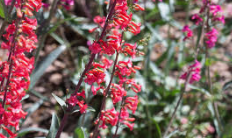
Penstemon
More penstemon in other colors (red firecracker, purple) extends the bloom. Hummingbird favorite.

Desert Milkweed
Native host plant for monarch and queen butterflies.
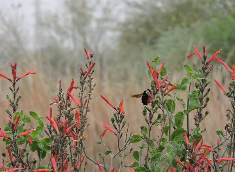
Chuparosa
Native, red tubular flowers through winter and spring. Hummingbirds fight over it.
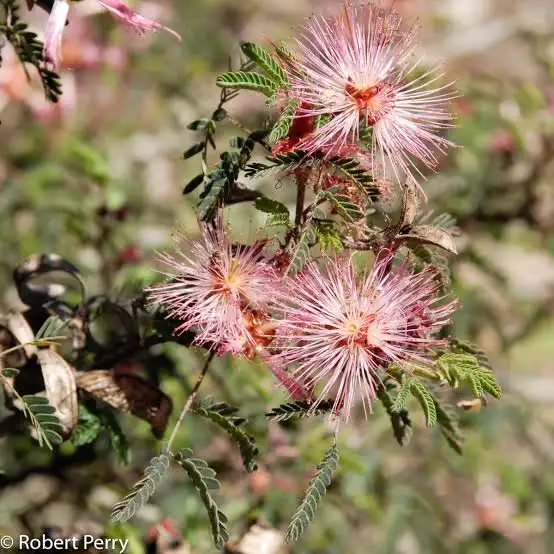
Pink Fairy Duster
Native, soft pink puffball flowers in late winter and spring.

Globe Mallow
Native, apricot-orange flowers in spring. Native bees love it.
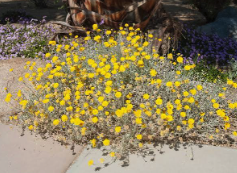
Desert Marigold
Bright yellow daisies most of the year. Reseeds.
Autumn Sage
Red, pink or white flowers spring and fall. Bees and hummingbirds.
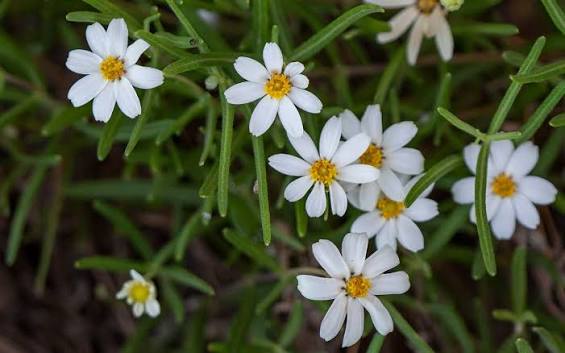
Blackfoot Daisy
Low mound of white daisies, blooms almost nonstop.
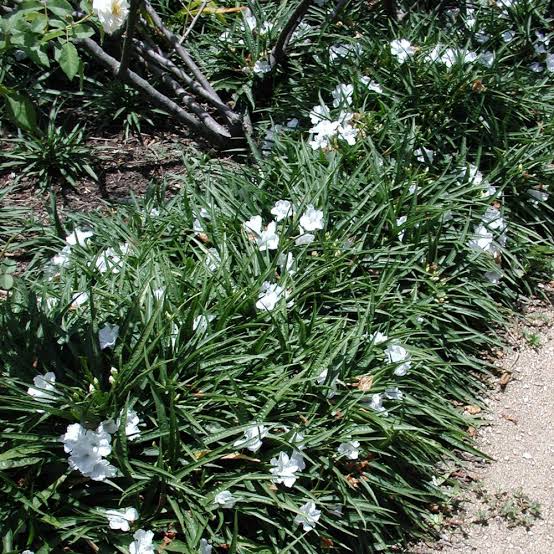
Desert Ruellia (white)
Upright with white flowers through the warm season.
You can't fit all of these. Pick your favorites and plant them in groups of 3.
Shrubs Along the Lawn Border
Front yard, full afternoon sun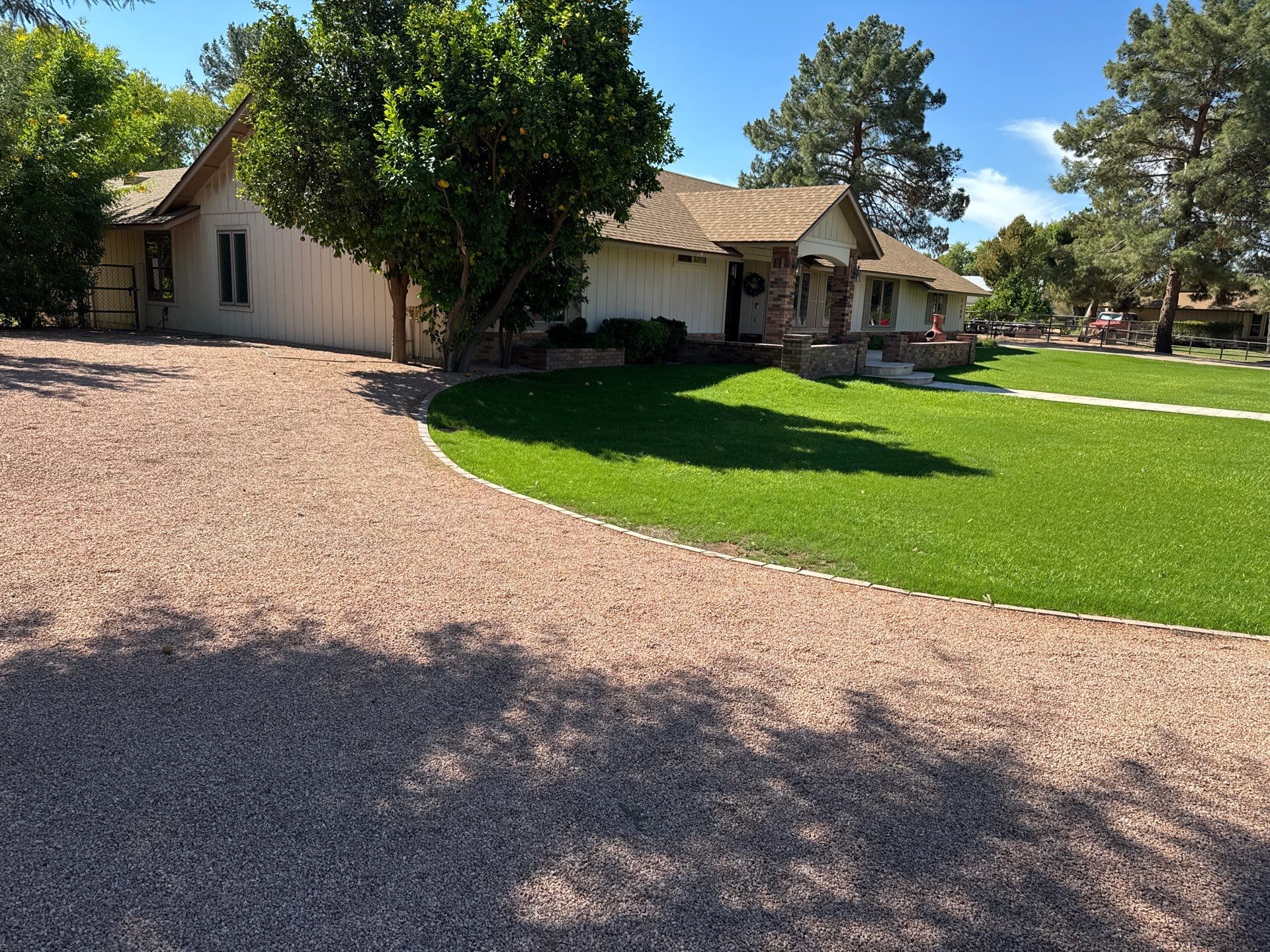
The front yard gets blasted pretty much all day, especially in the afternoon. Along the border of the grass you want a shrub that's not too tall, doesn't look too desert, and gives color. Cape plumbago is the first one I thought of. Here's what else can take full afternoon sun, be happy, and give color:
Cape Plumbago
Sky blue flowers most of the year, mounding to 3 to 4 feet. Soft and lush looking.
Iceberg Rose
White flowers almost all year, 3 to 4 feet. Ties in with your cottage look.
Pink Ruellia
Upright pink flowers spring through fall, about 3 feet.
Dwarf Myrtle
Dense, evergreen, 2 to 3 feet with small white flowers. Gives a clean, formal edge.
Little Ollie
A dwarf olive that stays a tidy 3 to 4 feet with dense, silvery-green leaves. Evergreen, no fruit, and takes full afternoon sun without blinking. Great for a clean, structured look.
Pick one or two and repeat them along the border.
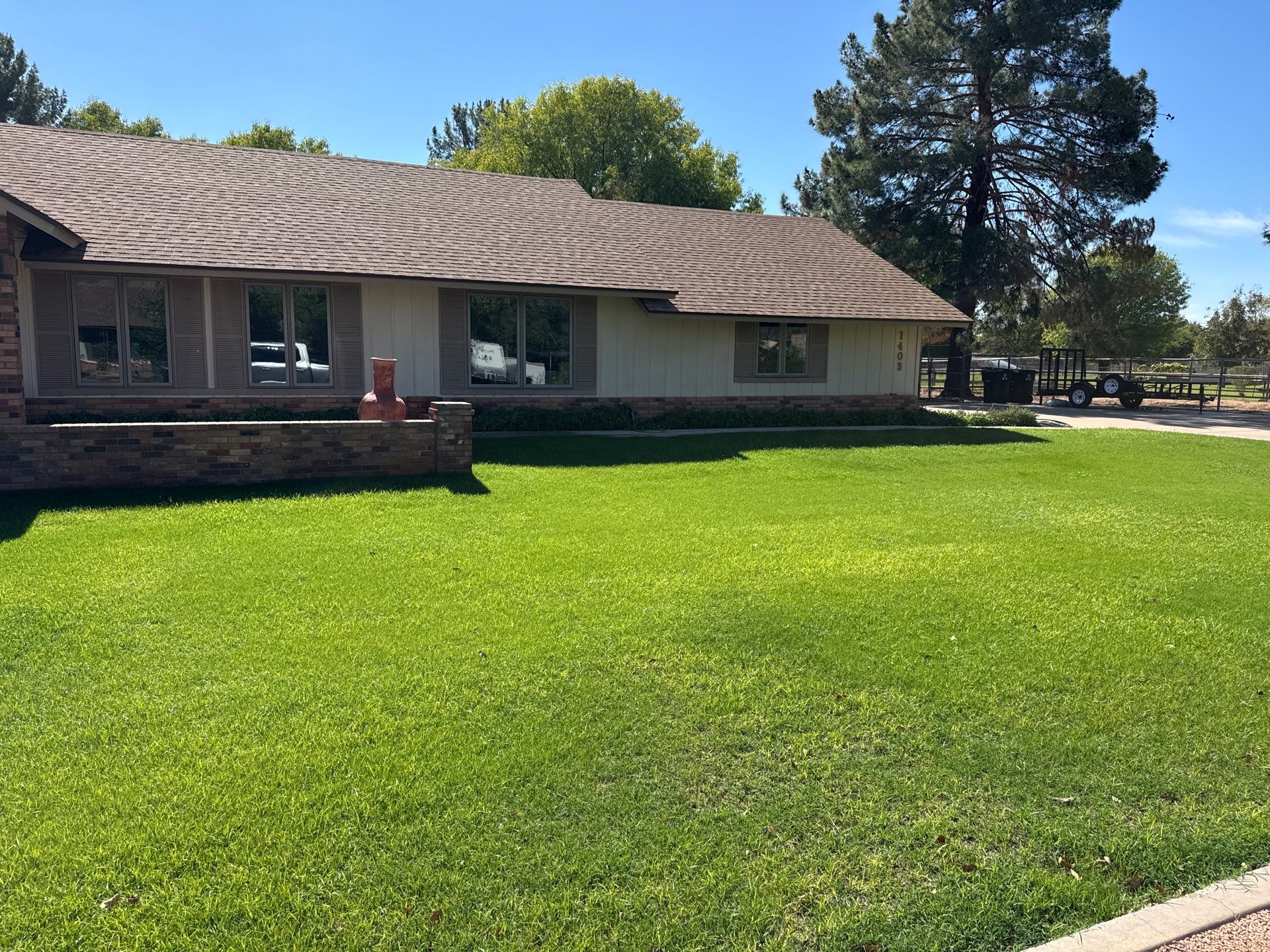
Front Yard Trees on Either Side of the Walkway
Front lawn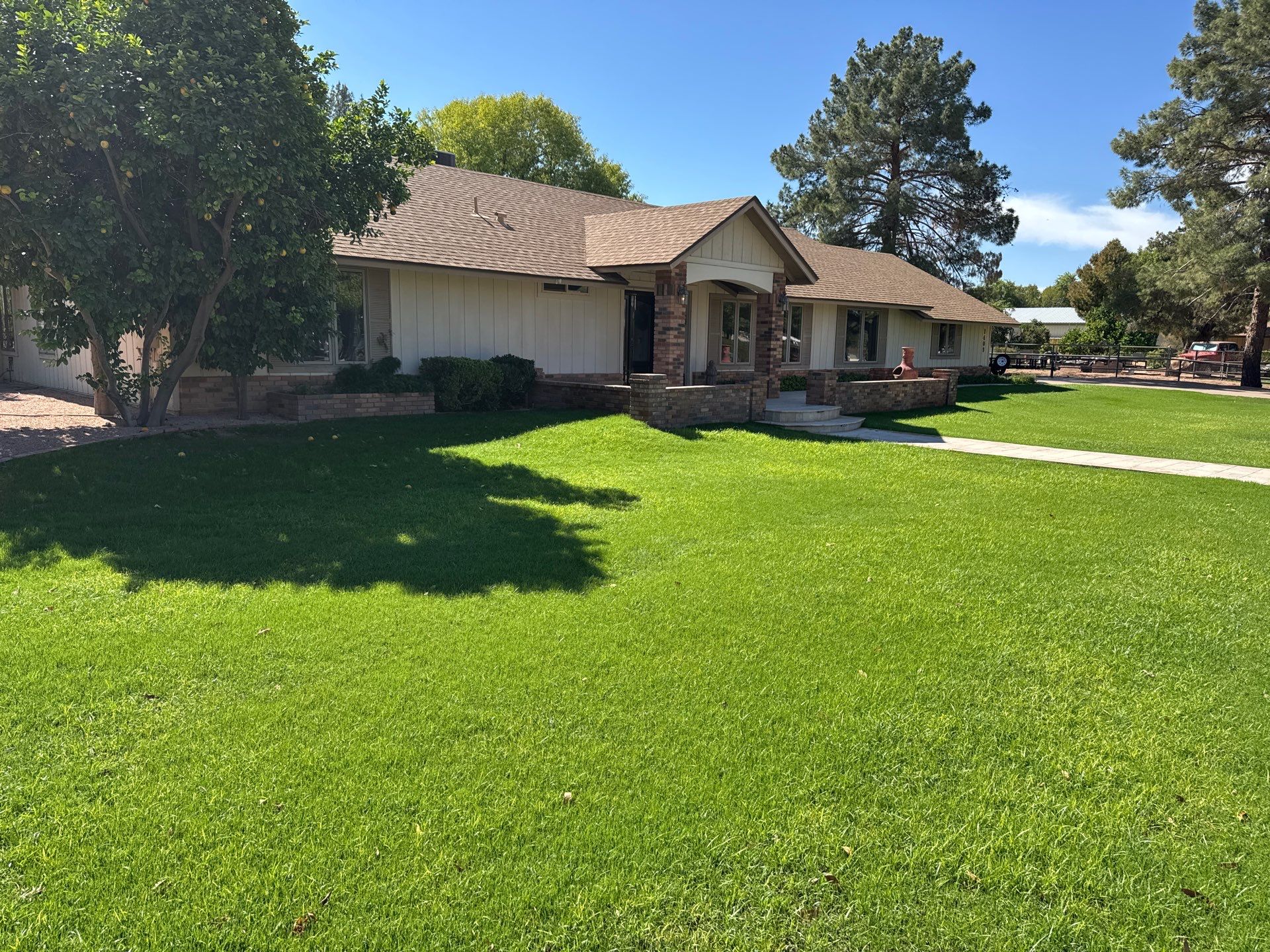
For the two spots in the front yard, one on each side of the walkway, you want a tree that stays around 15 to 20 feet max, can go in the lawn, and keeps its leaves year round. Texas olive is the first thing that comes to mind, and you liked Hong Kong orchid. Using the same tree on both sides of the walkway gives the front a clean, balanced look, but they don't have to match. Here are the options:

Texas Olive
My first pick. Evergreen with big white flowers off and on through the warm season. Stays 15 to 20 feet with a rounded canopy, and does well in a lawn as long as it gets its own deep water.

Hong Kong Orchid
Big orchid-like pink and purple flowers in winter and spring. 20 feet. Mostly evergreen here but can drop a good amount of leaves in a cold winter, and it's frost tender when young, so cover it on frost nights the first couple of years.
Texas Mountain Laurel
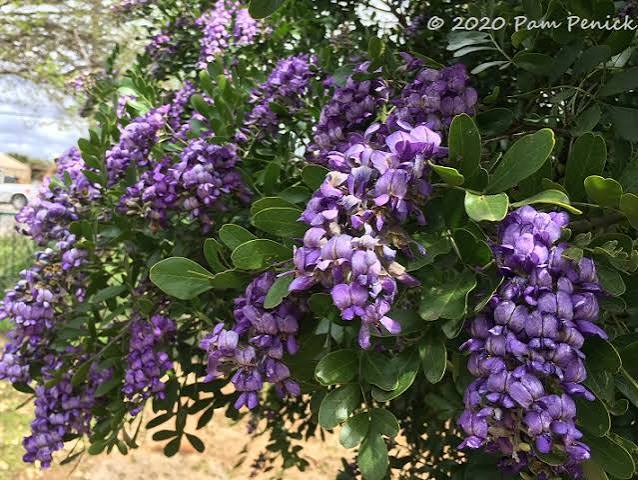
Evergreen with glossy dark green leaves and clusters of purple flowers in spring that smell like grape soda. Slow growing, 10 to 15 feet, and very tough. The seeds are toxic, so pick up the pods if you have kids or pets.
Texas Ebony
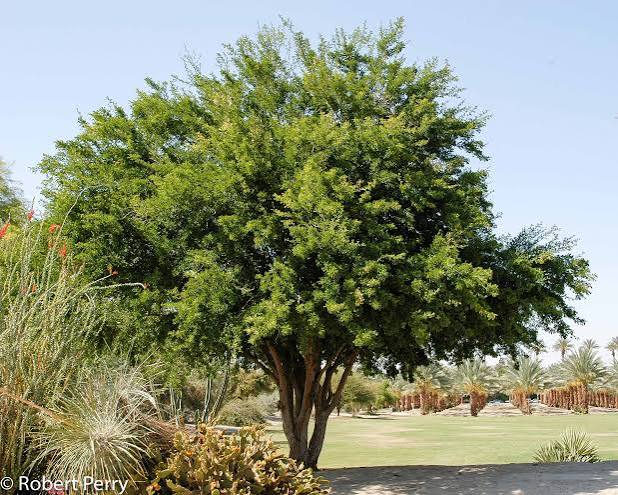
Evergreen with a dense, dark green canopy. Slow growing, 15 to 25 feet, and very tough. It has thorns, so prune the lower branches up so they stay clear of the walkway.
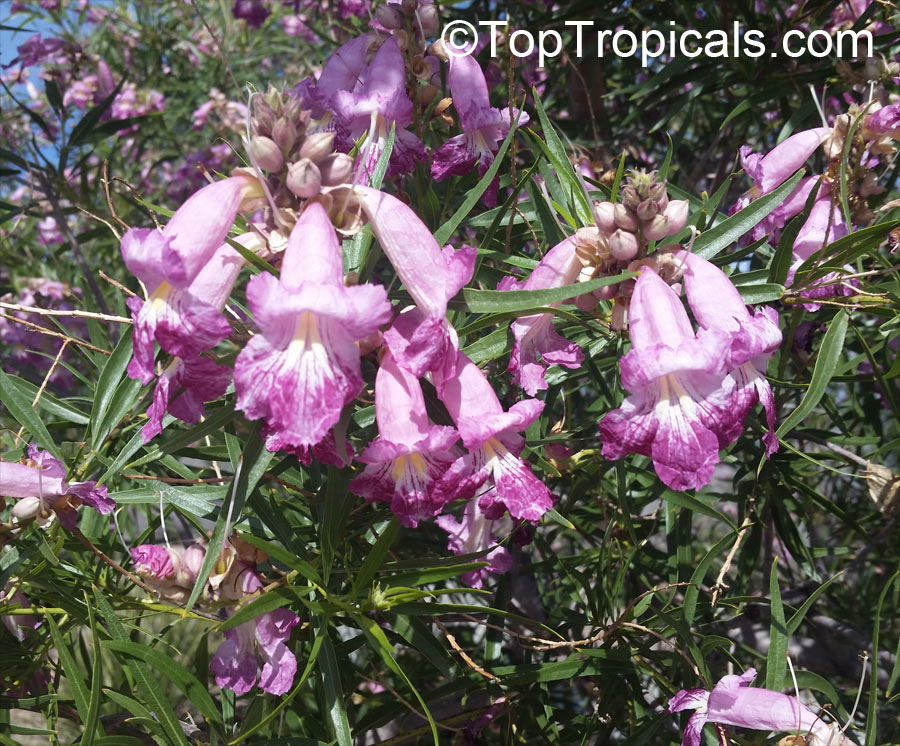
Desert Willow
Native, 15 to 25 feet, with orchid-like pink and purple flowers all summer. It does drop its leaves in winter, so it's the one option here that isn't evergreen, but it gives great summer shade and color.

Arizona Rosewood
Evergreen and dense, grown as a small multi-trunk tree, 10 to 15 feet. Very low litter.
- Size: start with a 15 gallon tree. Smaller trees establish faster and end up better trees long term.
- Planting depth: plant so the root flare (where the trunk widens into the roots) sits right at or slightly above the soil line. Nursery trees are often potted too deep, so scrape the soil off the top of the root ball to find the flare first.
- Trees in grass: keep a grass-free ring 3 to 4 feet across around the trunk, covered in compost and mulch. It keeps the mower and string trimmer off the bark and stops the grass from competing for water.
- Water: lawn watering is shallow and frequent, which keeps tree roots near the surface. Give the tree its own bubbler or a slow hose soak so it gets a deep, separate watering.
Soil and Feeding
For the whole yardMost of what struggles in the Valley comes back to the soil. Our native soil is low in organic matter and soil life, and healthy soil biology is what actually feeds plants and holds water. Here's how to do it yourself:
- Compost. Spread a generous layer of compost around the drip line of every tree (the edge of the canopy) and closer in around shrubs. Do this a few times a year, then cover it with mulch. Arizona Worm Farm has great compost.
- Worm castings every quarter. A few handfuls around each plant, watered in. Castings are packed with soil life.
- Organic fertilizer monthly. Use a good organic fertilizer high in fulvic acid. The ones I use and recommend are from Catalyst: Jenner 8, Organic Nitro Jen, and their kelp fertilizer. Mix and apply monthly. This is great for the roses, the lemon, the ash trees, and everything you plant new.

Jenner 8
Fulvic acid-rich organic fertilizer that feeds the soil biology and helps plants take up nutrients.
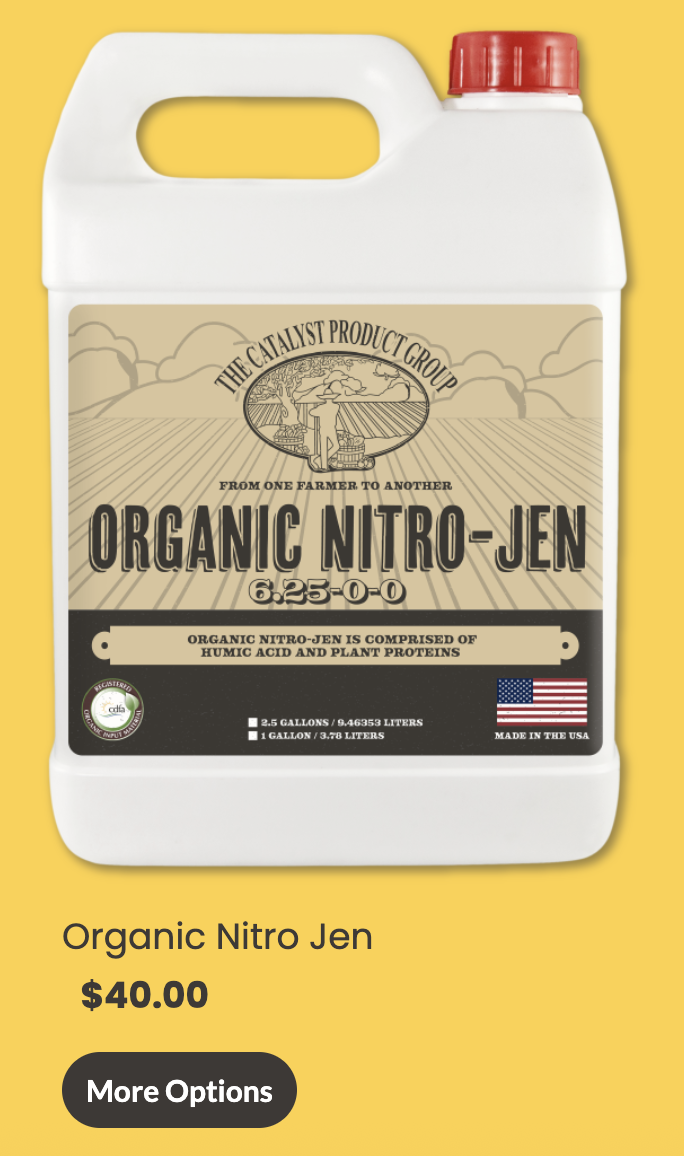
Organic Nitro Jen
Organic nitrogen to push healthy green growth. Great for roses and citrus.
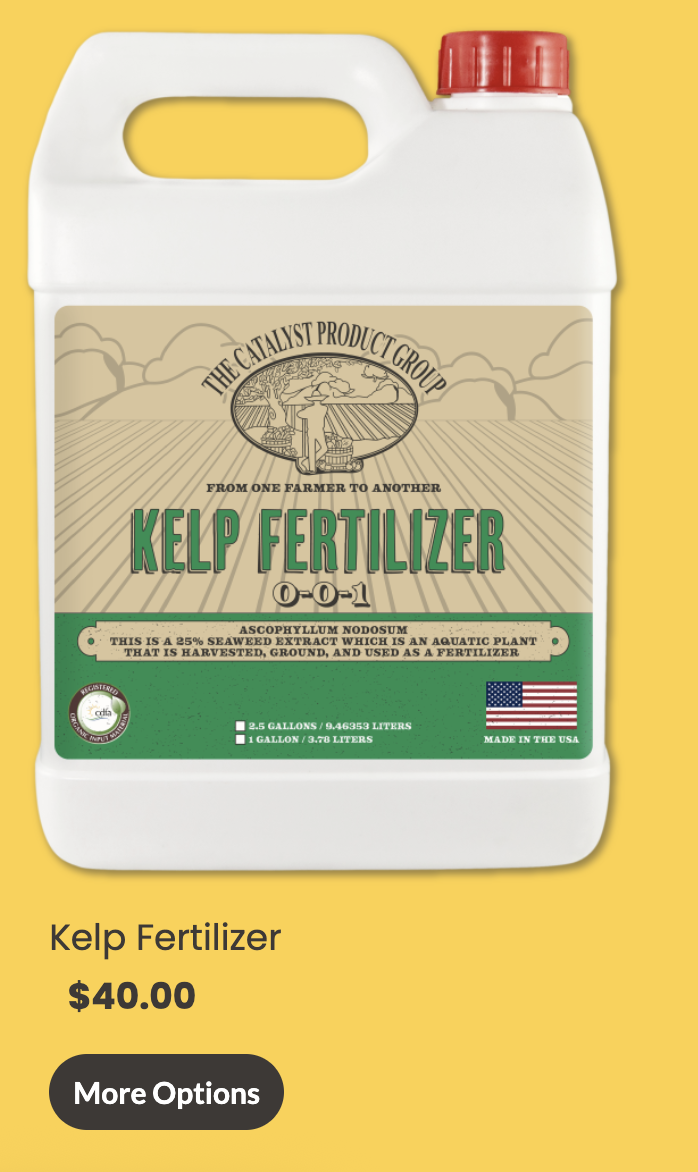
Kelp Fertilizer
Trace minerals and natural growth hormones that help plants handle heat and stress.
Find them at catalystproductgroup.com. Click Products, then Home and Garden.
Quick Reference
Compost, wood chips and worm castings
Roses, trees and plants
A&P Nursery
Organic fertilizer
Catalyst Product Group (Products, then Home and Garden)
Certified arborist
Why root flares matter
Next Steps
Thanks for having me out, Chris. With flood irrigation and some regular compost, these trees have a great foundation, and the front yard trees and borders will really pull the cottage look together.
If you want to do the planting yourself, everything you need is in here. As a consult client, you're already in the Garden Nerd Club, so you have direct access to me there. Post photos as you go and ask me anything.
We also do planting. Whenever you're ready, whether that's this season or down the road, let me know which plants you like for each area and I can put together a planting proposal. We don't do irrigation, so for adding emitters or running drip to new areas, Garrett is great: 480-678-9121.