
Shane, here's what we covered
35314 N 31st Dr, Phoenix, AZ 85086
Thanks for having me out to walk the yard. I put this together in the same order we walked it, front yard through backyard. As a consult client, you're already in the Garden Nerd Club, so you've got direct access to me in there anytime you have questions as you work through this.
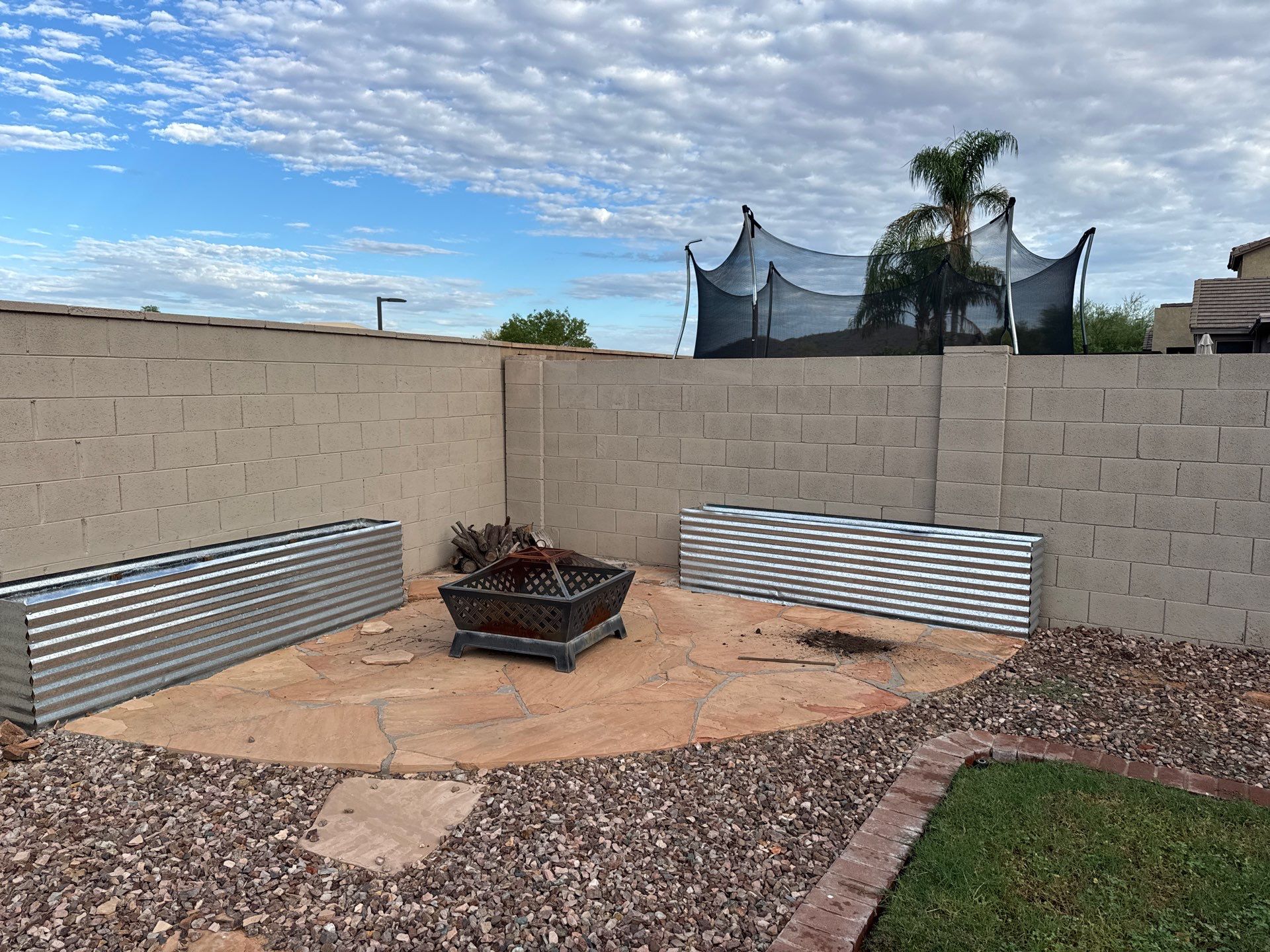
Fill these with real soil biology, not fill dirt
You don't need to dump these out, just top them off with a layer of Arizona Worm Farm raised bed soil over what's already in there. That'll feed the soil life without disturbing anything already growing. From there, heat-tolerant native pollinator plants would do great in here and bring in a lot of activity.

Desert Milkweed
Tough, upright, and a magnet for monarchs and other pollinators.
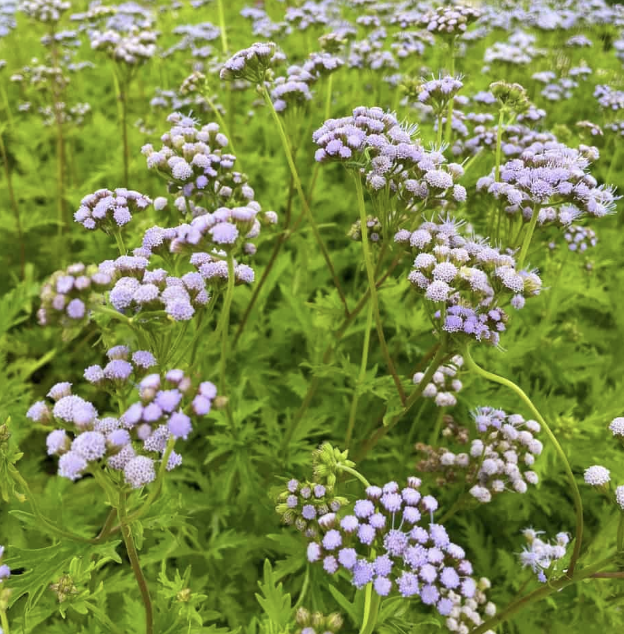
Greg's Mistflower
Fuzzy purple-blue blooms that butterflies love, low and mounding.
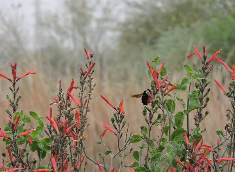
Chuparosa
Red tubular blooms hummingbirds can't resist, thrives in full heat.
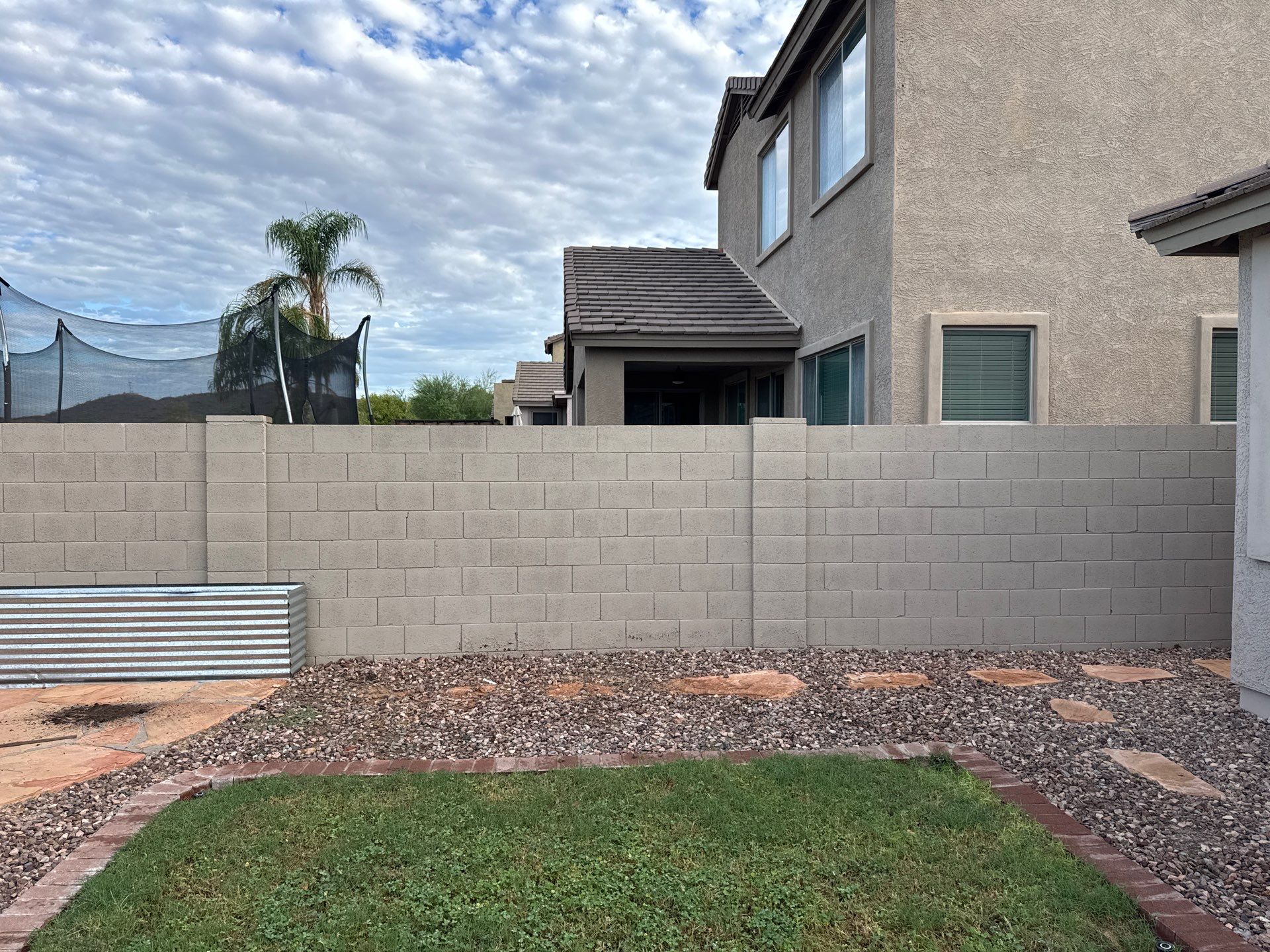
Cover it with a mix of thick shrubs
I'd go with shrubs to cover this wall, they'll fill in faster and denser than a vine would. This same combination is what I'd use on every block wall around the property, mix and match a few different ones or go with just one uniform look throughout, totally up to you.

Hopseed
Fast, thick, and fills in quickly at the base of the wall.

Arizona Rosewood
Dense, upright, and built for full sun against a wall.

Orange Jubilee
Fast growing with orange blooms most of the year.
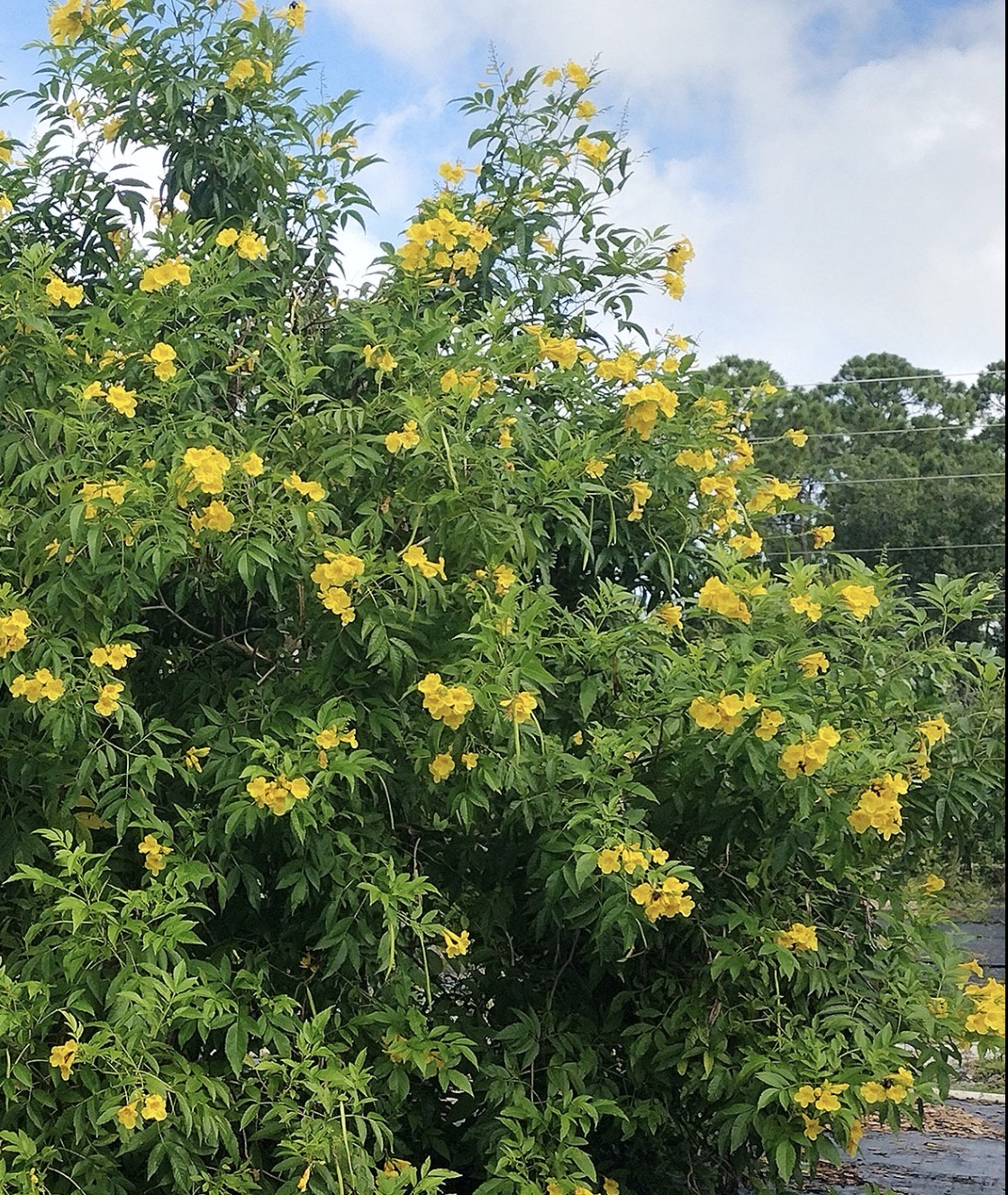
Yellow Bells
Fast, informal, covered in yellow trumpet blooms through the warm months.
You don't need all four shrubs, pick your favorites and mix them along the wall.

Same plan as the other wall
Same approach here, Hopseed, Arizona Rosewood, Orange Jubilee, and Yellow Bells filling in the wall. Mix a few together or keep it to one for a more uniform look, whatever fits your style best.

Two or three trees to block that afternoon sun
This wall takes the brunt of the western afternoon sun, so I'd plant two or three trees here to knock that back. Red Push Pistache is my first choice, with Chinese Elm and Tipu as strong runners up. Here are a couple more worth considering too.

Red Push Pistache
My first pick, vivid red new growth and a dense, well-shaped canopy. Grows to about 30 ft tall and 25 ft wide, deciduous, drops its leaves in winter with good fall color first.

Chinese Elm
Fast growing shade with a graceful canopy. Reaches 40 to 50 ft tall and wide, semi-evergreen here, it holds most of its leaves and drops briefly right before spring.
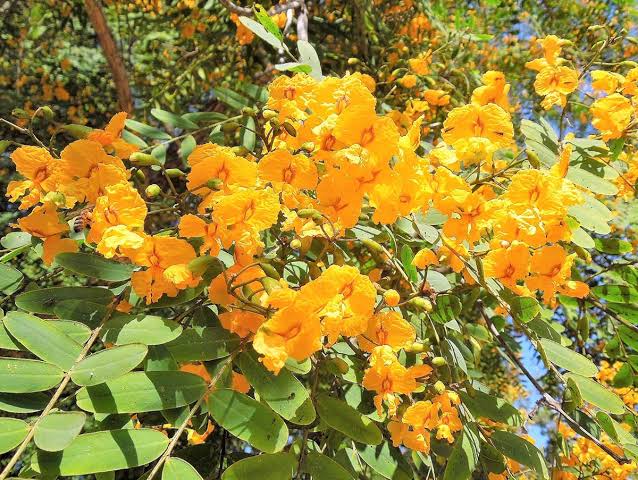
Tipu
Big, fast canopy with yellow-orange blooms in the summer. Grows 30 to 40 ft tall and wide, evergreen most winters but can drop leaves briefly after a hard freeze.
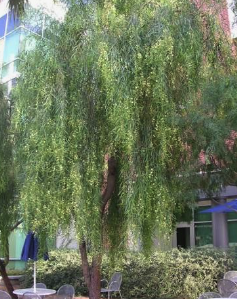
Willow Acacia
Tall and narrow, good if you want height without eating up much ground space. Reaches 30 to 40 ft tall but only 15 to 20 ft wide, evergreen year-round.

Mulga Acacia
Tough, slower growing, and doesn't need much water once established. Stays smaller, around 15 to 20 ft tall and wide, evergreen year-round.
You don't need all five, two or three of these together will do the job.

Low ground cover if you want something here at all
You're not sure yet if you want anything planted right up against the house here, and that's completely fine to leave bare too. If you do want something, I'd keep it low and desert adapted so it doesn't compete with the foundation. Here are a couple of low growing ground covers, plus one more general option that works well in backyards like this.

Yellow Dot
Trailing, low, and spreads to fill in ground cover fast.

Ruellia
Low growing groundcover form, blooms most of the year.

Iceplant
Thick mat of color, tough and low maintenance for any backyard bed.

Once the walls are covered and the trees are in
Down this side of the house, once the walls have some coverage and the shade trees are established, this is a great spot to add fruit trees. You mentioned wanting citrus, peach, and possibly pomegranate here, and I'd add fig to that list too, all four do well in the Valley once they've got a little protection from reflected heat. I get citrus from Greenfield Citrus Nursery, and fig and other tropicals from Greenlife Nursery.

Citrus
Reliable producer here once established, several varieties to choose from.

Florida Prince Peach
Low chill hours needed, the variety I recommend for our climate.
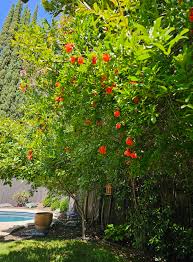
Pomegranate (Parfianka)
I'd go with Parfianka over Wonderful, it holds up better against leaf-footed bugs here.

Fig
Tough, productive, and a good fit alongside the citrus once the walls give it some shelter.

Pull the rock, go with mulch instead
I'd remove all the rock throughout the backyard and switch to mulch. Mulch breaks down and feeds the soil over time, rock just sits there and radiates heat back at everything nearby. This one change alone will make a real difference in how well anything you plant back here actually performs. If you want to source mulch for free, chipdrop.com connects you with local arborists dropping off wood chips, just know it comes in bulk and unsorted.

Another sage, or a few other desert options
I'd probably go with another sage here to match what's established nearby, but here are a couple other small, desert adapted shrubs that would work just as well if you want variety.

Texas Sage
My first pick, silvery and doesn't need much water once established.
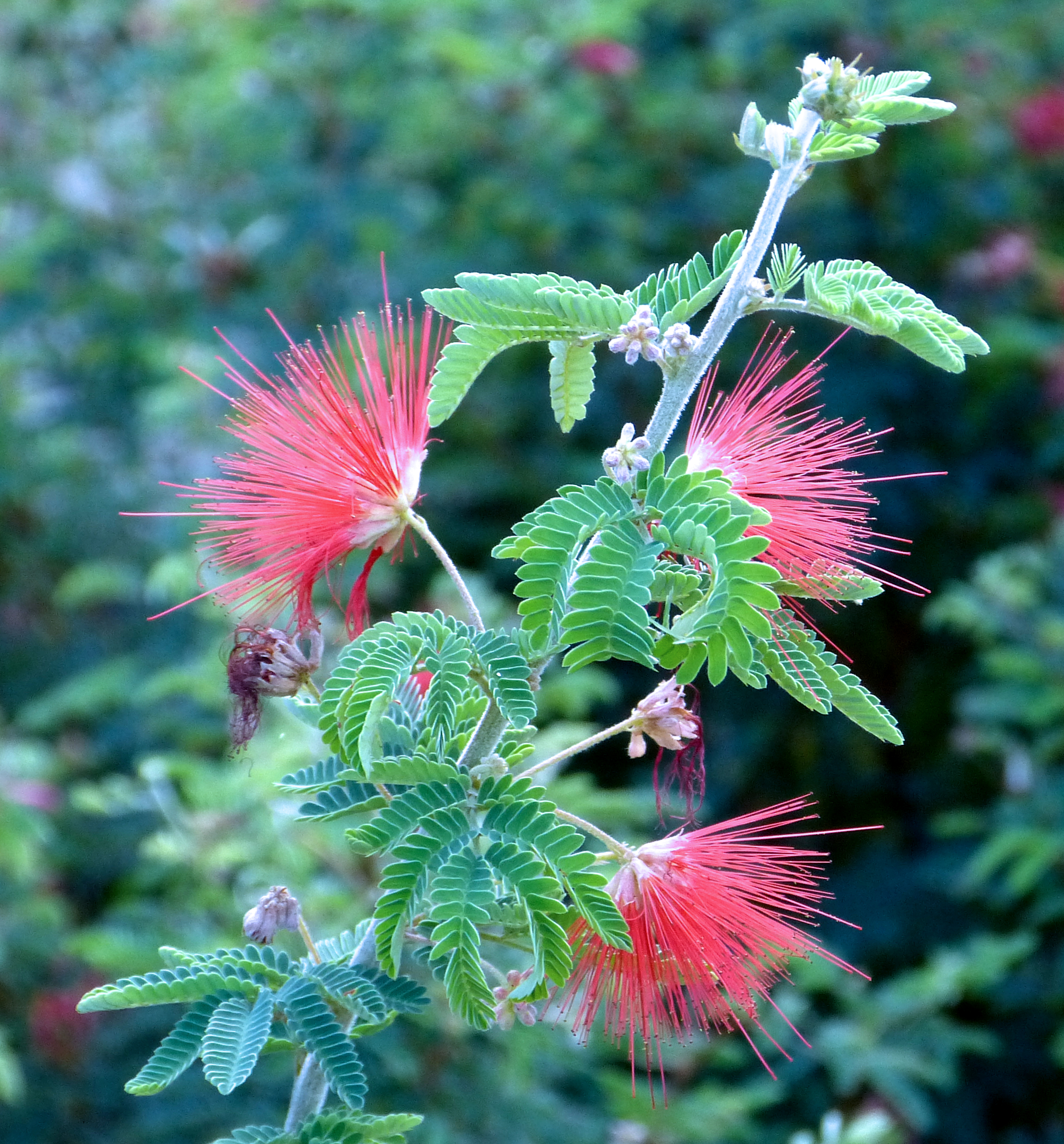
Baja Fairy Duster
Wispy red blooms, stays small and compact here.
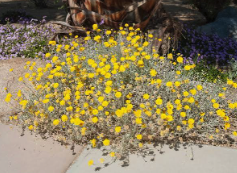
Desert Marigold
Cheerful yellow blooms most of the year, tough as it gets.

Desert Willow, or a smaller flowering option
Right up against the house here, I'm recommending a Desert Willow. If you'd rather go with something smaller and more ornamental, here are a couple flowering trees worth a look instead.
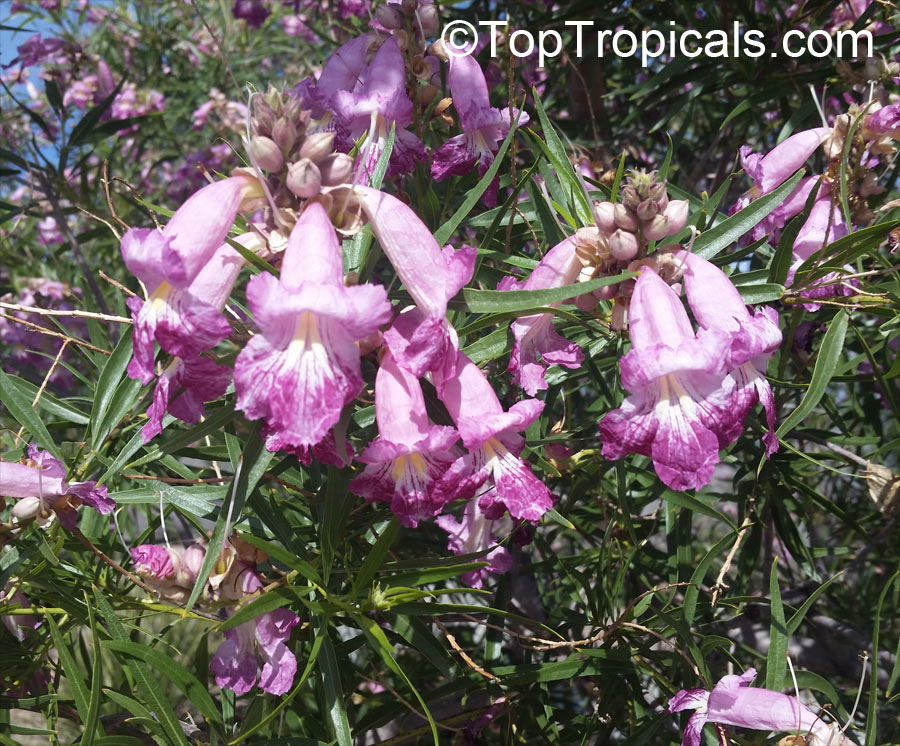
Desert Willow
My first recommendation, orchid-like blooms all summer and doesn't need much water once established.
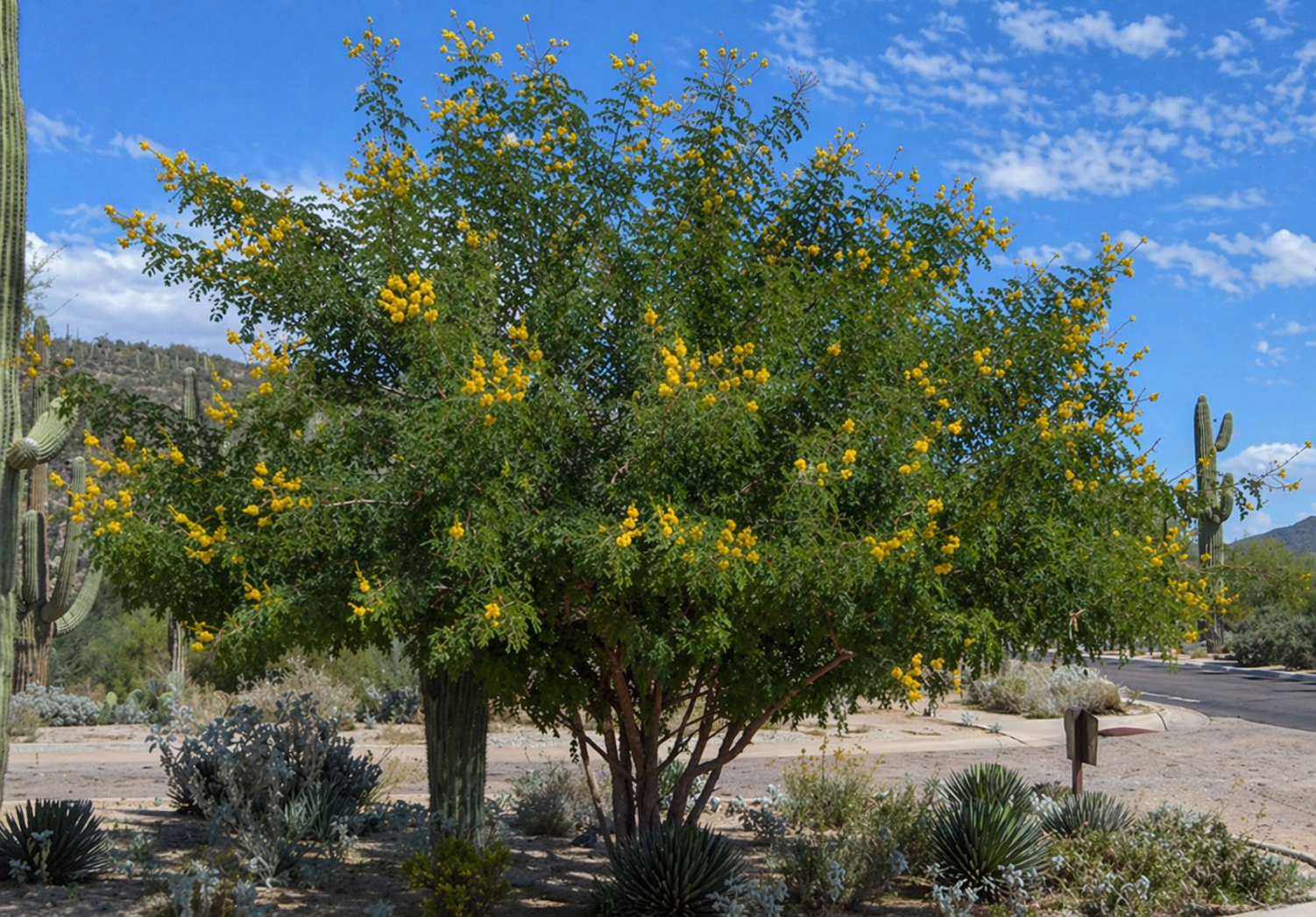
Cascalote
Smaller ornamental tree with bright yellow blooms, nice option right by the entry.
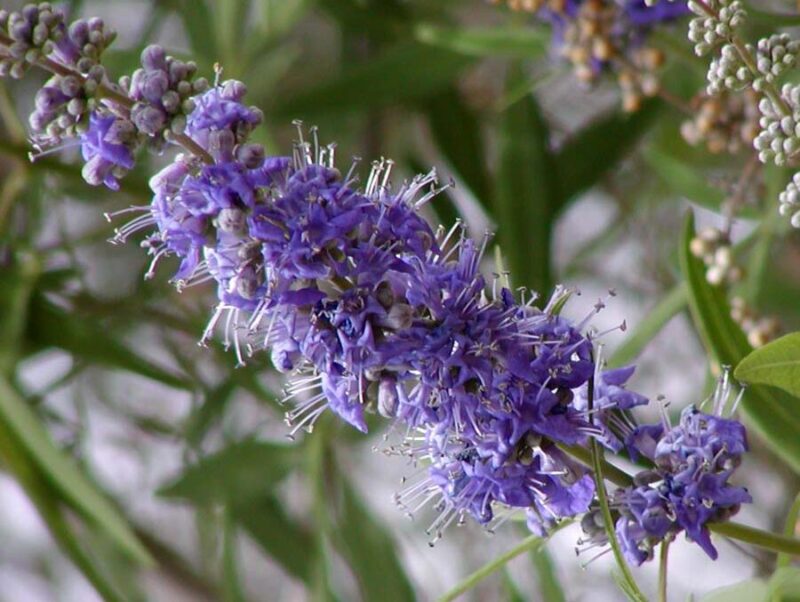
Vitex
Purple flower spikes and a smaller, more ornamental form.

Native color that brings in the pollinators
Throughout the front yard, I'd bring in some native, pollinator-friendly plants that'll grow well here and look good doing it. Here are a few strong options.
Chuparosa
Red tubular blooms, a hummingbird favorite.

Globe Mallow
Bright orange blooms, tough and easy, great pollinator draw.
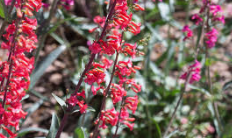
Penstemon
Tall spikes of color that hummingbirds and bees both love.
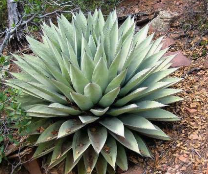
Perry's Agave
Native, sculptural, and blooms just once but draws pollinators when it does.
Time to taper this back to once a week
Right now everything's getting split across more days than it needs to be. I'd rather you water less often but more deeply, same total amount of time, just consolidated into fewer sessions so roots are pushed to grow deeper instead of staying shallow.
Here's the taper schedule to get there:
- Weeks 1-2: 3 times a week
- Weeks 3-4: 2 times a week
- Week 5 on: once a week, moving forward
Once you get your new plants in the ground, post in the Garden Nerd Club and I'll give you specific watering guidelines for those, new plantings need a different schedule than what's already established.
Give all of this a strong foundation
Whatever you plant here, it'll perform a lot better with healthy soil biology behind it. Quality compost and organic fertilizer build the microbial life that actually feeds your plants long term, rather than forcing growth with synthetic salts. A monthly program keeps that going year-round.
Monthly Landscape Fertilizing
Liquid feeding every month, plus compost applied three times a year.
Text me to get startedHere's the order I'd tackle this in
Rock removal and mulch first, that's the fastest win and sets up everything else to perform better. From there, trees, then covering the walls, then everything else after that. You're good to start planting the end of this month. Text me whenever you're ready and I'll put together pricing for whichever areas you want to move on.
For turf or irrigation questions, Garrett is my go-to, you can reach him directly at 480-678-9121.