
Elizabeth Everson
Thanks for having me out, Elizabeth. Your yard already has a lot of character, and the plan below builds on it: a pollinator garden, more color and cascading plants in the gabion beds, a couple of small flowering trees, and some care for the vitex. Plants marked "Native" are native to Arizona.
Garden beds
Round bed, small ornamental tree
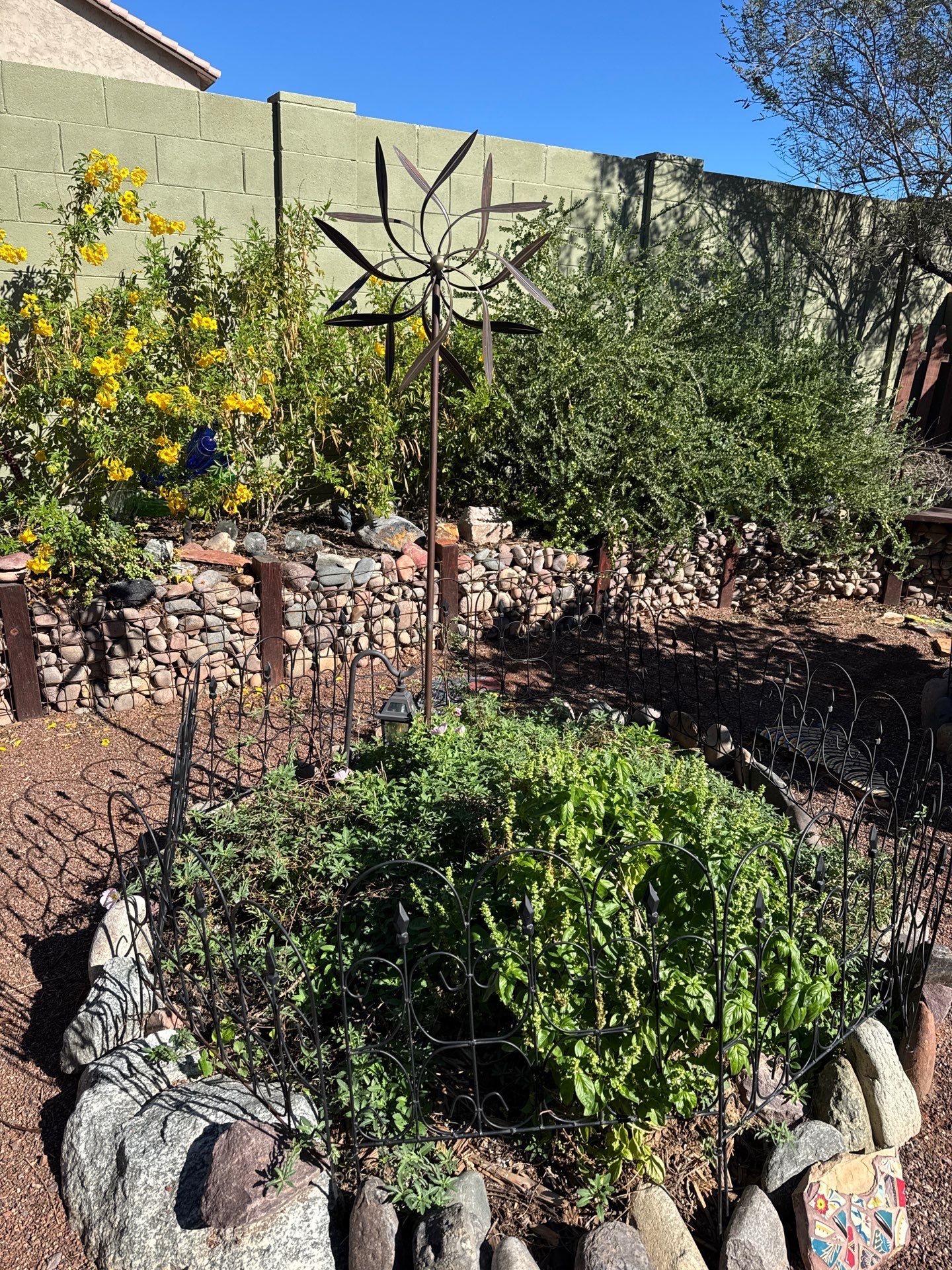
In this spot, the plan is a small ornamental tree, something like a desert willow or a Texas olive. Both stay small, flower for months, and won't take over the space. Here are a few other small trees that would work too. Go with a 15 gallon and plant it toward the center of the bed so the canopy has room on all sides.
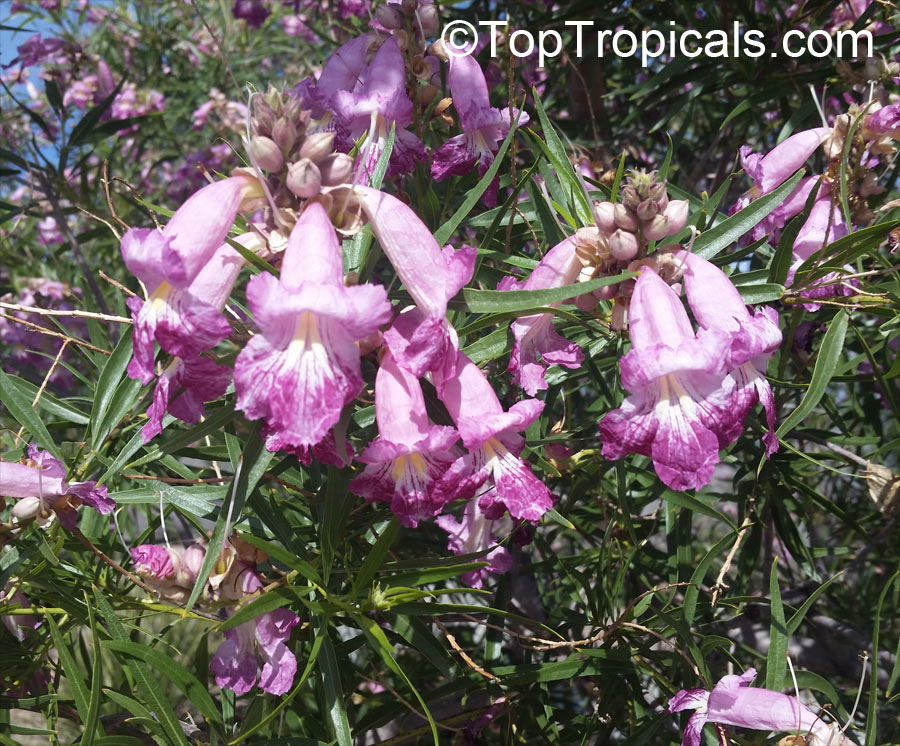
Desert Willow (Bubba or Burgundy)
Small native tree with orchid-like dark purple-burgundy flowers all summer and light, airy shade. Hummingbirds love it, and the roots are well behaved.

Texas Olive
Small tree with big white flowers through the warm months. Mostly evergreen here, takes heat well, and stays a manageable size.
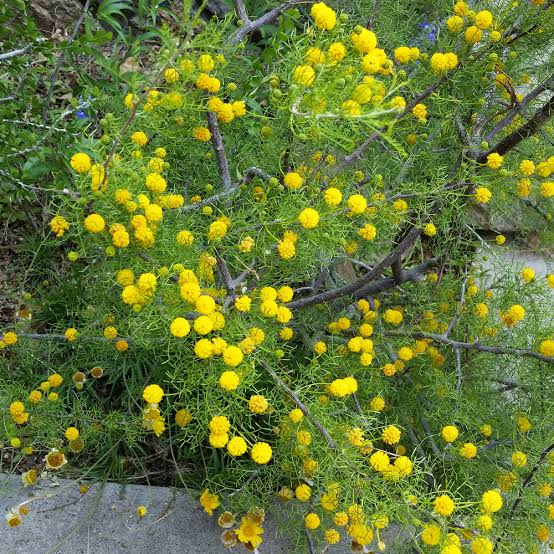
Golden Lead Ball Tree
Small tree with bright yellow puffball flowers off and on through the warm months and fine, ferny leaves. Stays compact.
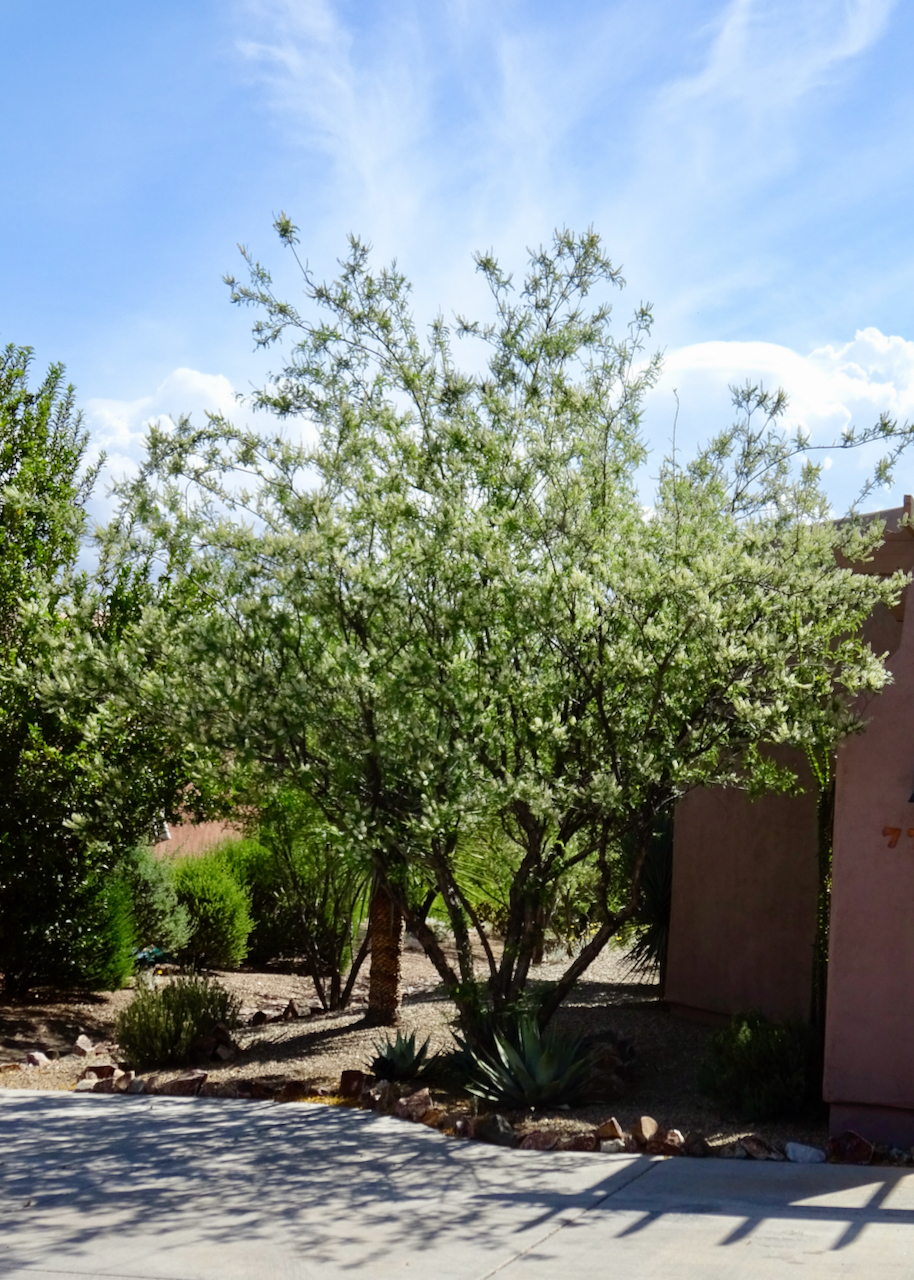
Kidneywood
Small native tree with fine, ferny leaves and fragrant white flower spikes after summer rains. Stays under 15 feet and fits tight spaces.
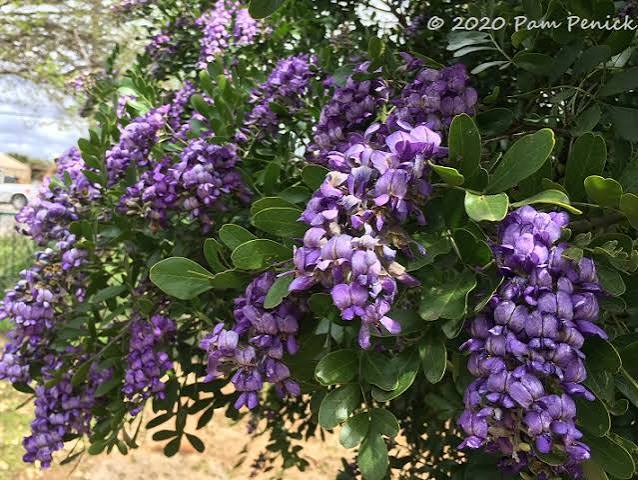
Texas Mountain Laurel
Evergreen small tree with glossy leaves and purple flower clusters in early spring that smell like grape soda. Slow growing and compact. The seeds are toxic, so keep that in mind with pets.
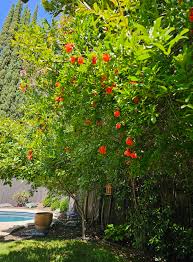
Pomegranate
Multi-trunk small tree with orange-red flowers and fruit in fall. Easy to keep small, and one of the easiest fruit trees to grow here.
Water well
Every tree gets a water well: pull the rock back about 3 feet from the trunk and build a shallow basin with a raised edge so water soaks down into the roots. Fill it with mulch instead of rock, keeping the mulch about a foot back from the trunk.
Water feature bed
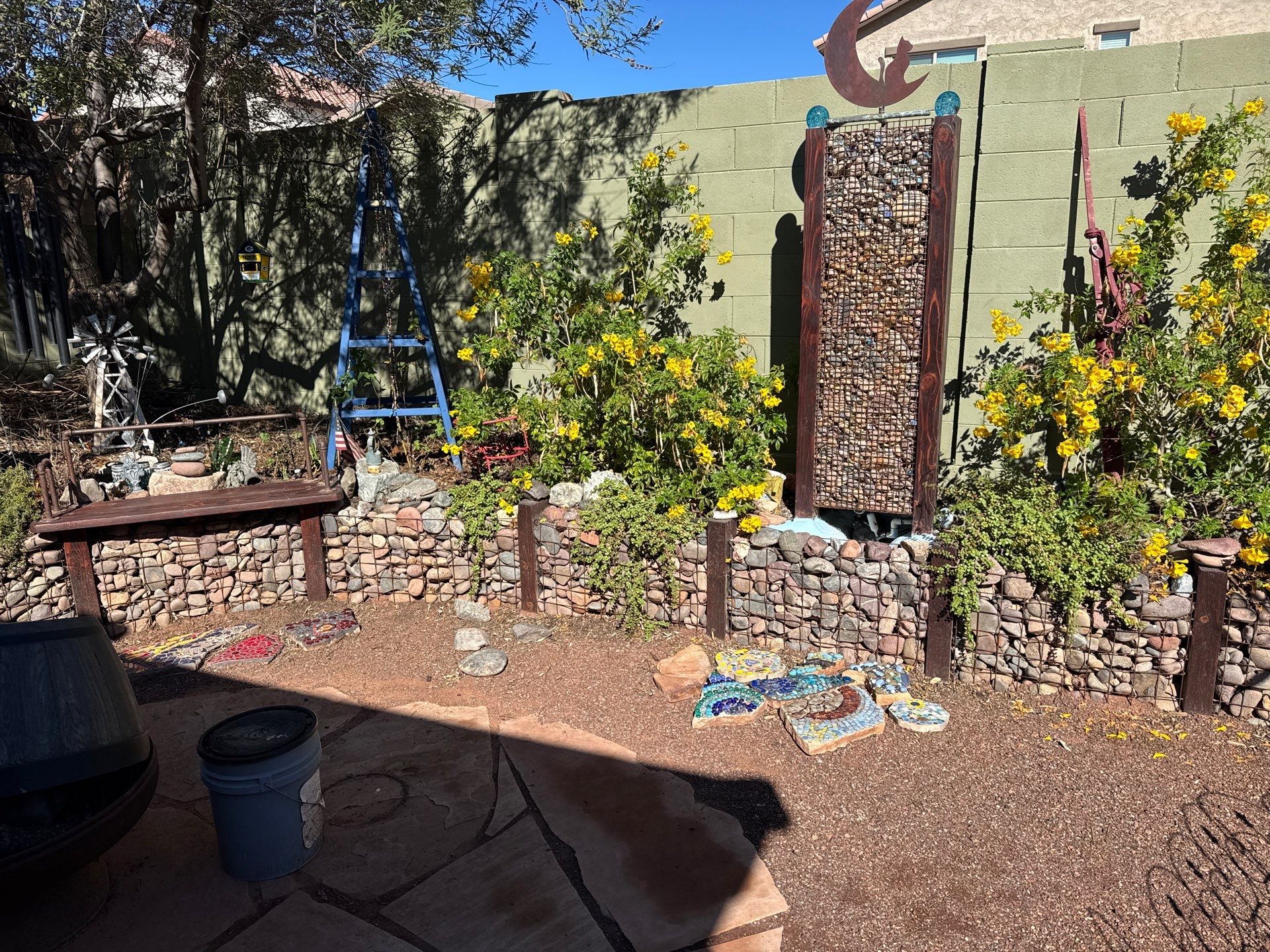
You've already got rosemary and elephant food going here, and they look great. Here are a few more options that will cascade and trail out over the gabion edge, plus some lower growing shrubs and flowers to fill in behind them.
Cascading and trailing
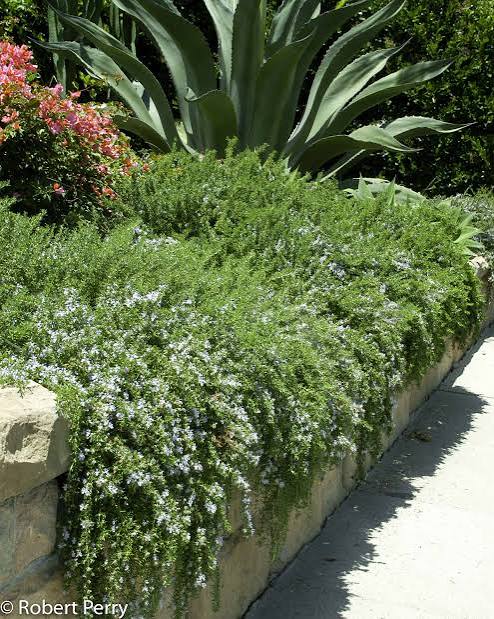
Trailing Rosemary
Low, spreading rosemary that drapes over the rock edge. Fragrant, evergreen, with small blue flowers bees love.
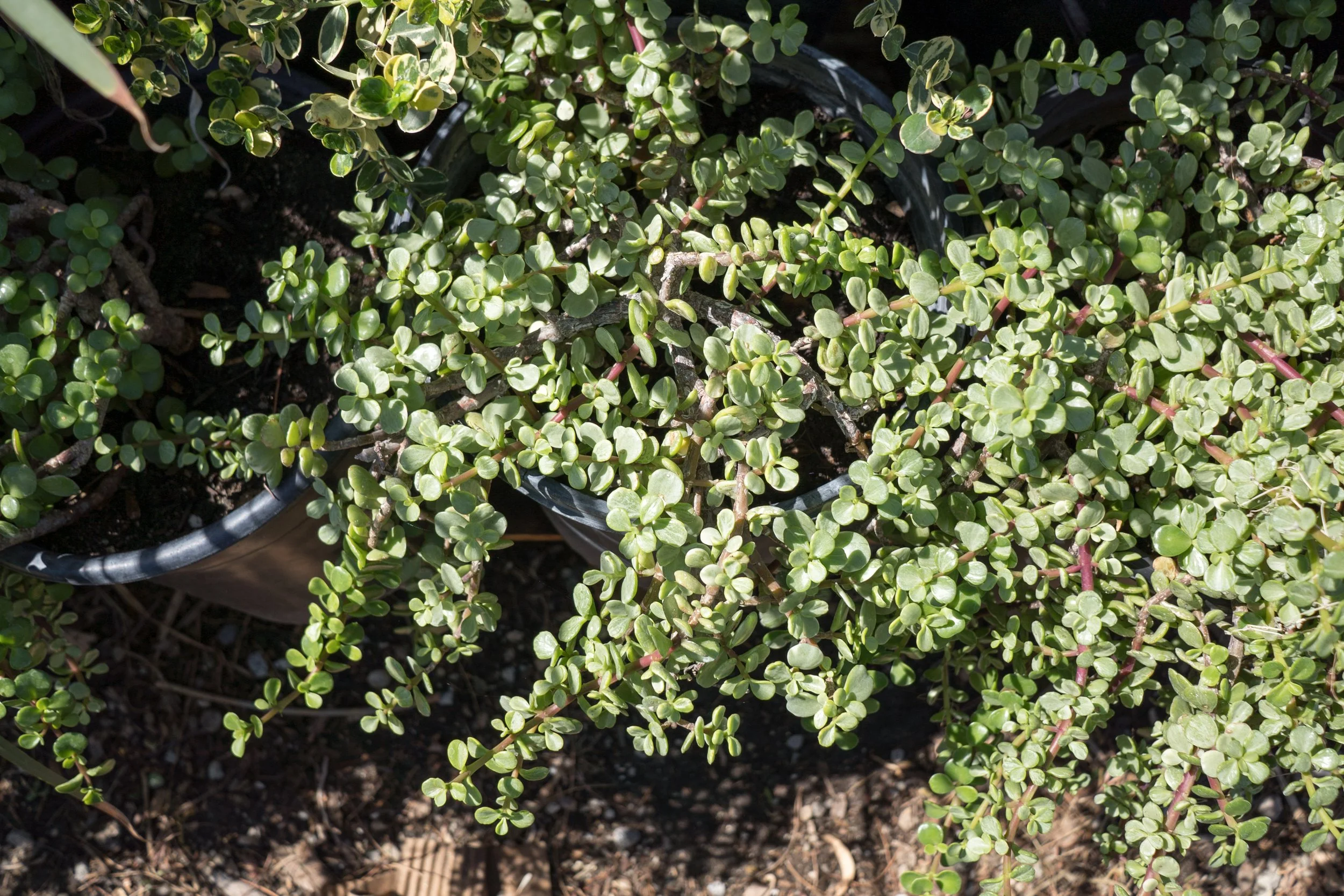
Elephant Food
Succulent with small round leaves on red stems. Already doing well in this bed, and it spills nicely over the edge.
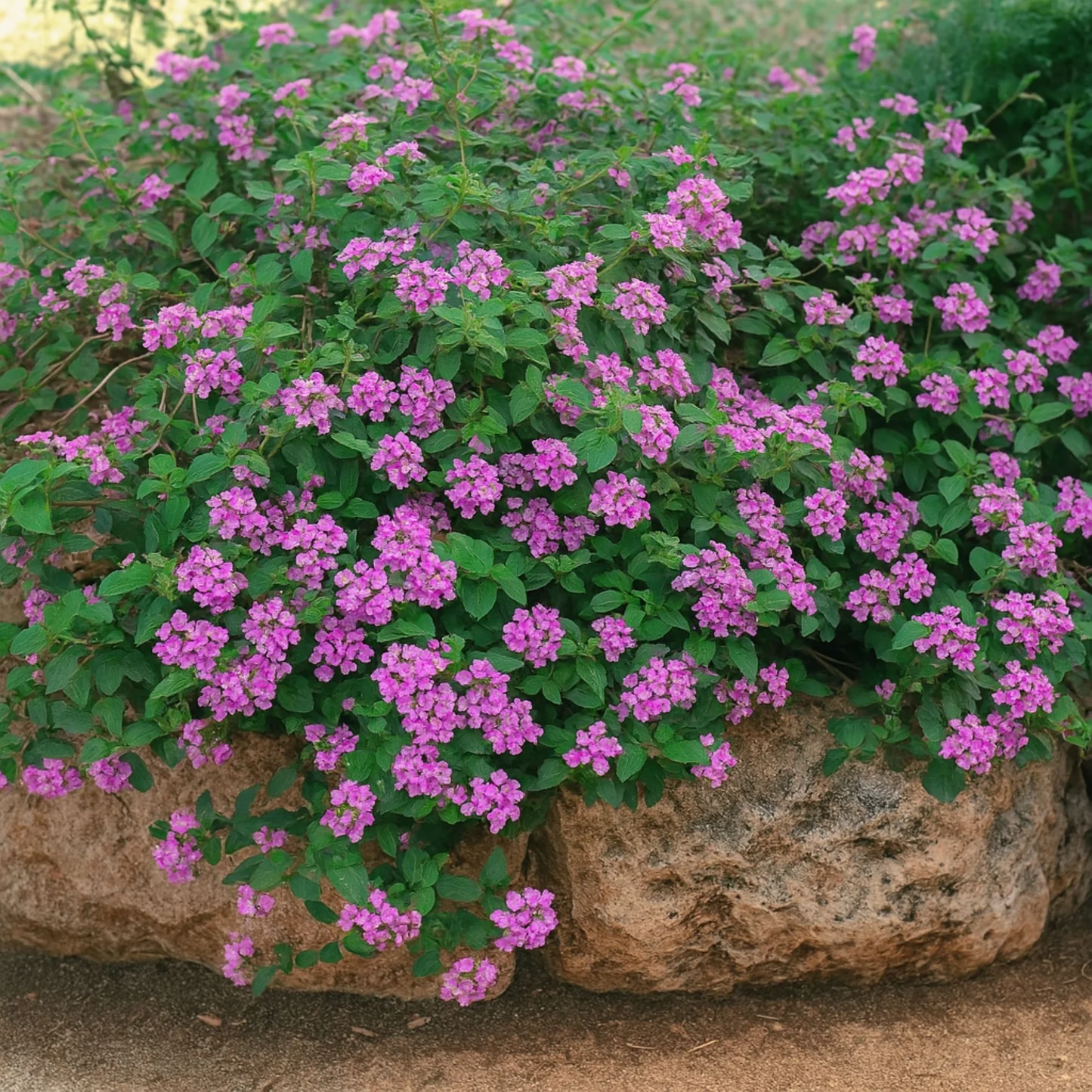
Trailing Lantana
Low, spreading lantana with purple flowers almost all year. Cascades over the edge and butterflies are always on it.
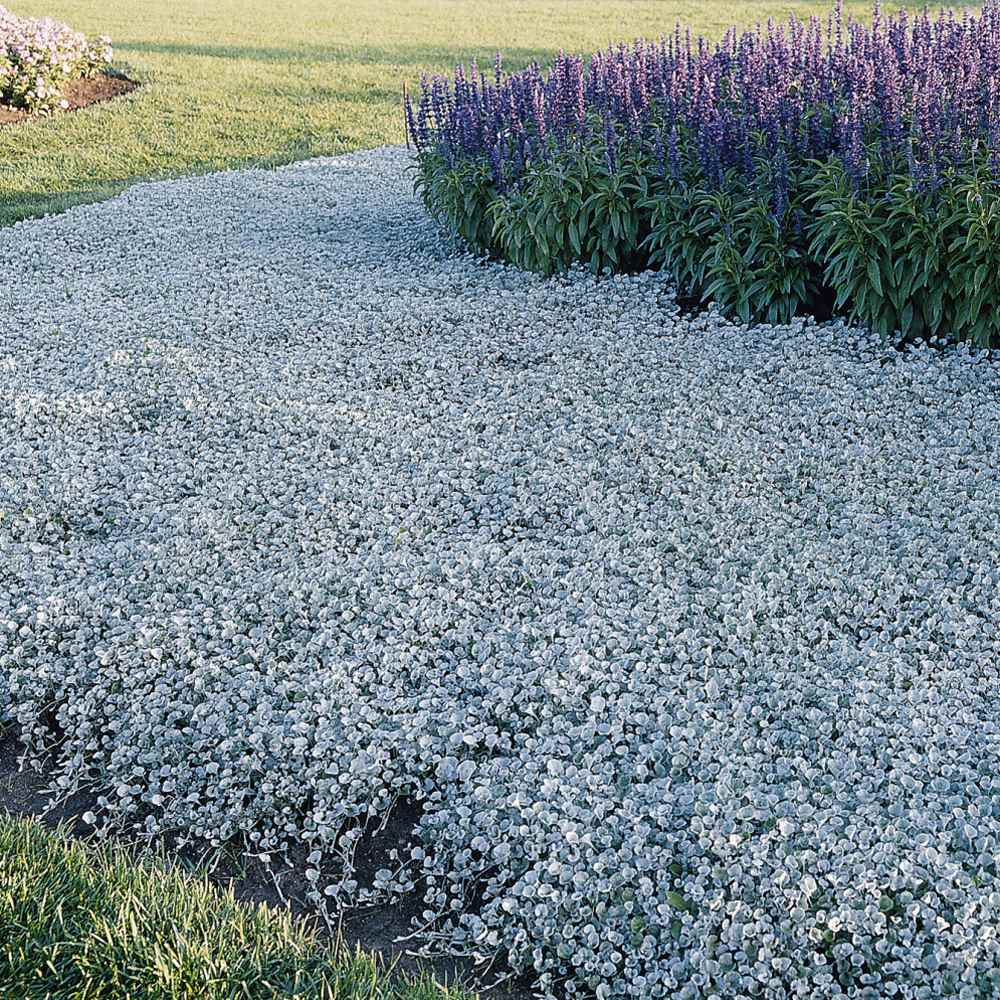
Silver Ponyfoot
Trailing silver ground cover that hangs down like a curtain over the edge of a bed. Soft and striking against the rock.

Purple Heart
Deep purple trailing leaves with small pink flowers. Spills over edges and gives you color from the foliage alone. Dies back in frost and returns.
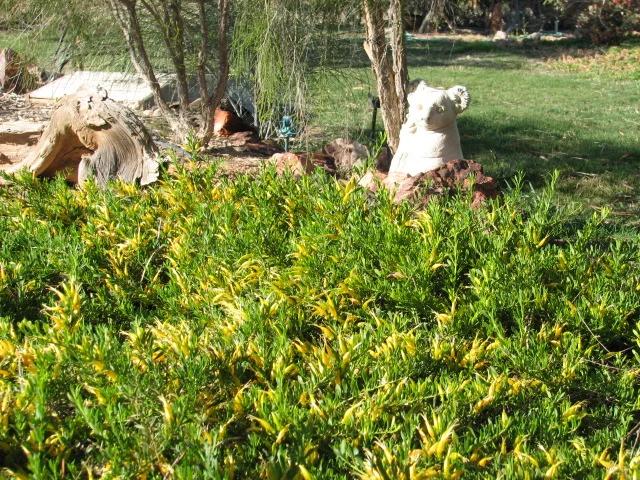
Sunrise Emu
Low spreading ground cover with gray green leaves and yellow flowers late winter into spring. Trails over edges nicely.
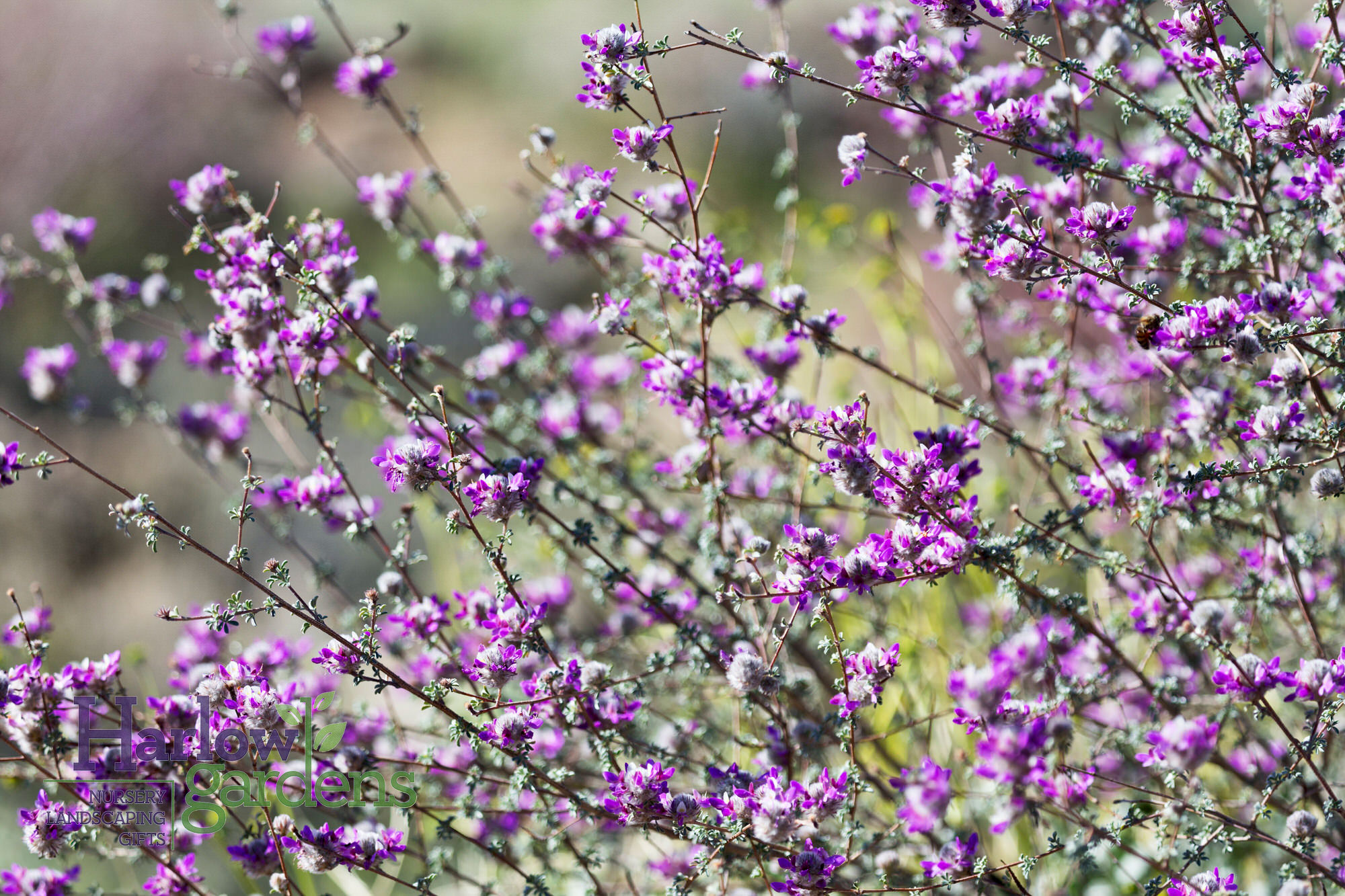
Trailing Indigo Bush
Low silvery ground cover with purple flowers in spring. Spreads wide and spills over edges.
Lower shrubs and flowers
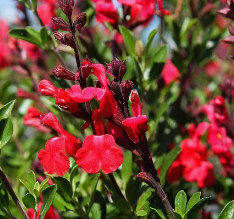
Autumn Sage
Small shrub covered in red, pink, or white flowers spring and fall. A hummingbird favorite.
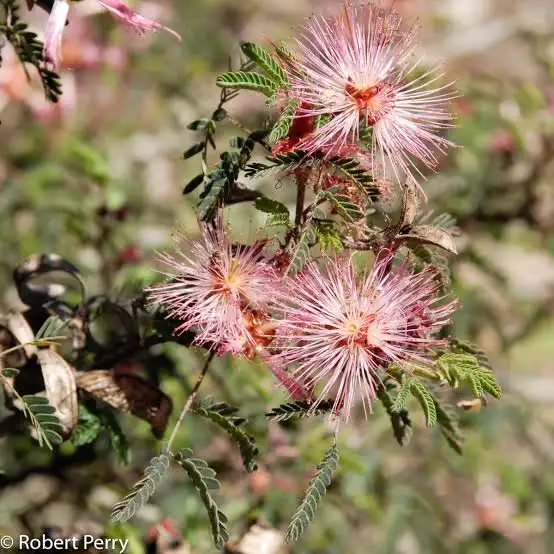
Pink Fairy Duster
Native low shrub with soft pink puffball flowers in spring. Stays small.
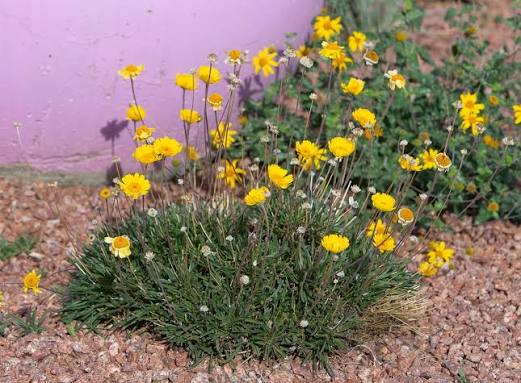
Angelita Daisy
Small mound of fine leaves with little yellow daisies almost all year.
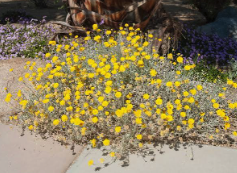
Desert Marigold
Native with soft gray leaves and bright yellow flowers spring through fall. Low and easy.
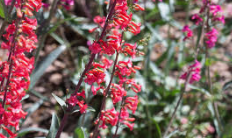
Penstemon
Tall spikes of red, pink, or purple flowers in spring. Feeds hummingbirds and native bees.
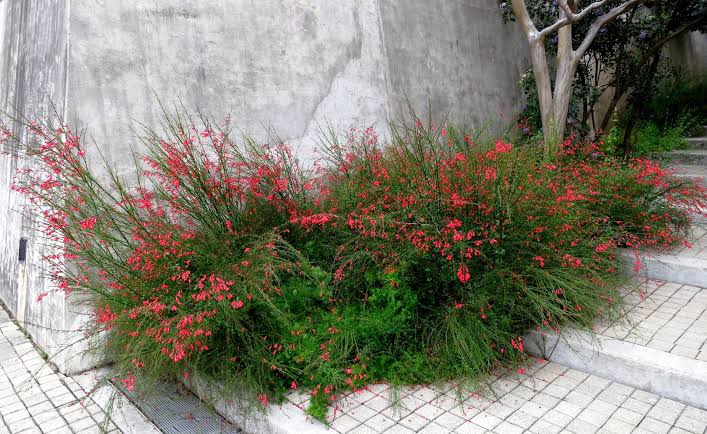
Firecracker Plant
Upright stems with bright red tubular flowers that hummingbirds love.
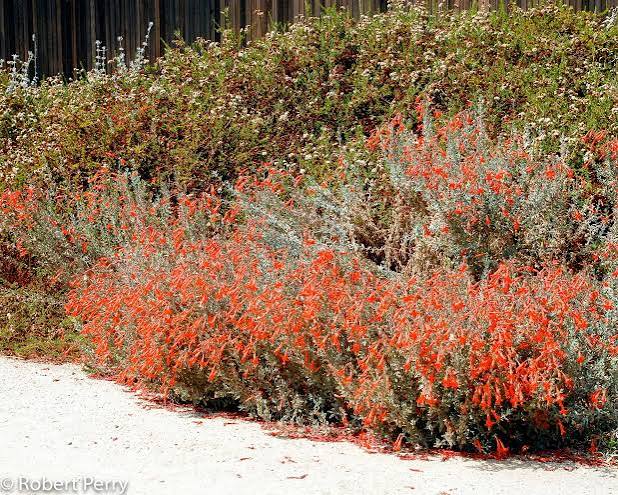
Desert Fuchsia
Native perennial with tubular scarlet flowers in late summer and fall, right when hummingbirds are migrating through.
You can't fit all of these. Pick 3 or 4 favorites and repeat them through the space so it looks planned and full.
Vitex root flare
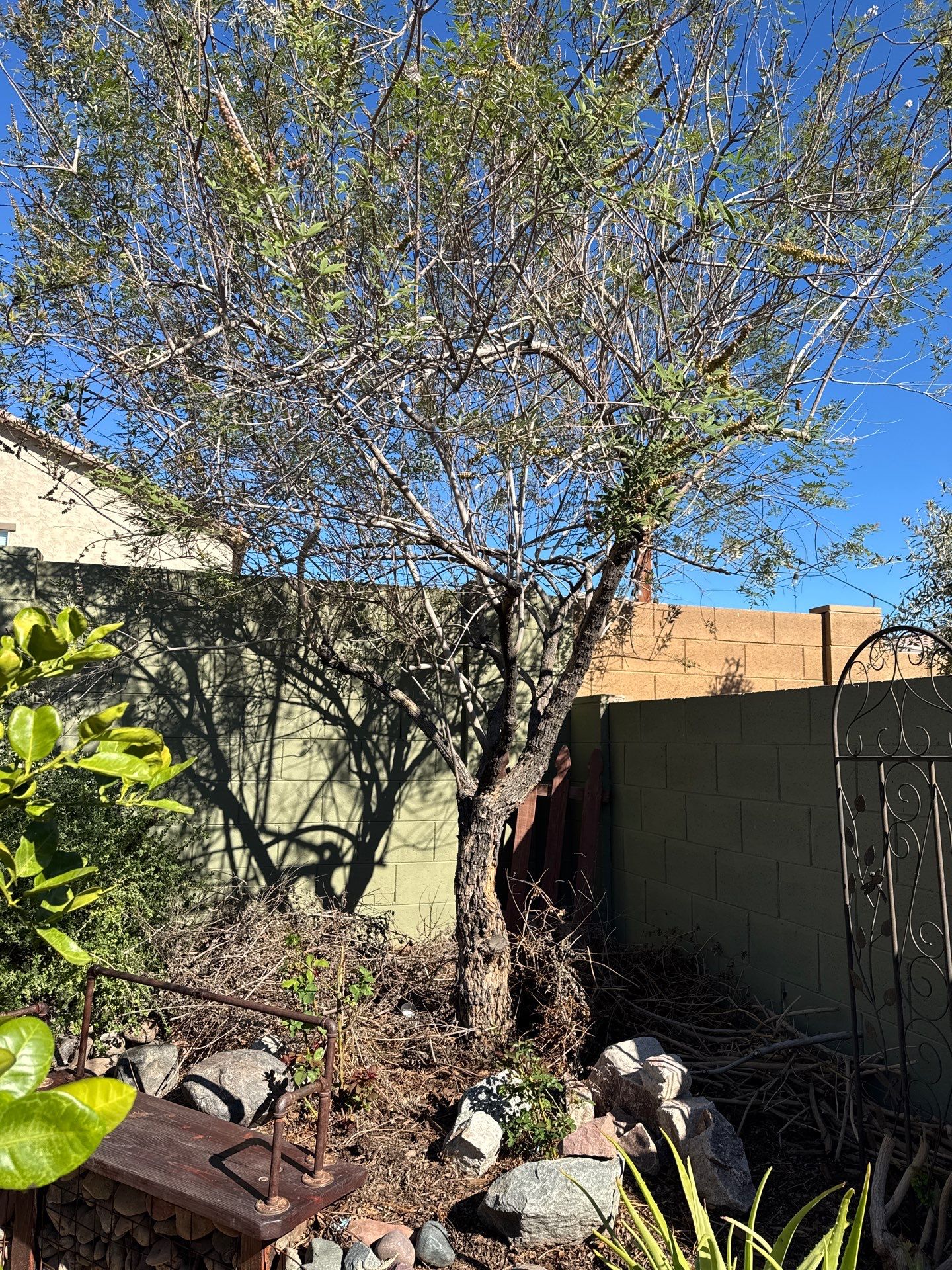
This vitex needs its root flare exposed. The root flare is where the trunk widens out into the main roots, and it's supposed to sit at or just above the soil line. When it's buried under soil, mulch, or debris, the bark stays wet, the roots can't breathe, and roots start circling and girdling the trunk. It's one of the most common reasons trees look thin and struggle like this one. This video shows why it matters, with real examples.
Can't see the video? Watch it on YouTube.
How to do it
- Clear the debris and anything piled against the base of the trunk.
- Use a strong stream of water from a hose to blast the soil away from the trunk. It moves soil without damaging the bark, which a shovel can do.
- Keep going until you see the trunk flare out into the first main roots. On a tree this size, that can be several inches below where the soil line is now.
- Then build a water well around it with mulch, keeping the mulch a few inches back from the trunk so you don't bury the flare again.
What to look for
- A trunk that goes straight into the ground like a pole with no widening at the base. That means the flare is buried.
- Girdling roots: roots wrapping around the trunk instead of growing outward. Small ones can be cut; larger ones are worth having us look at.
- Soft, dark, or peeling bark at the base, a sign it's been staying wet.
- Small fibrous roots growing up out of the trunk into the soil. These are a sign the tree has been buried, and they can be gently cleared away.
If you'd rather we handle it, a root flare excavation is $200.
Pollinator garden
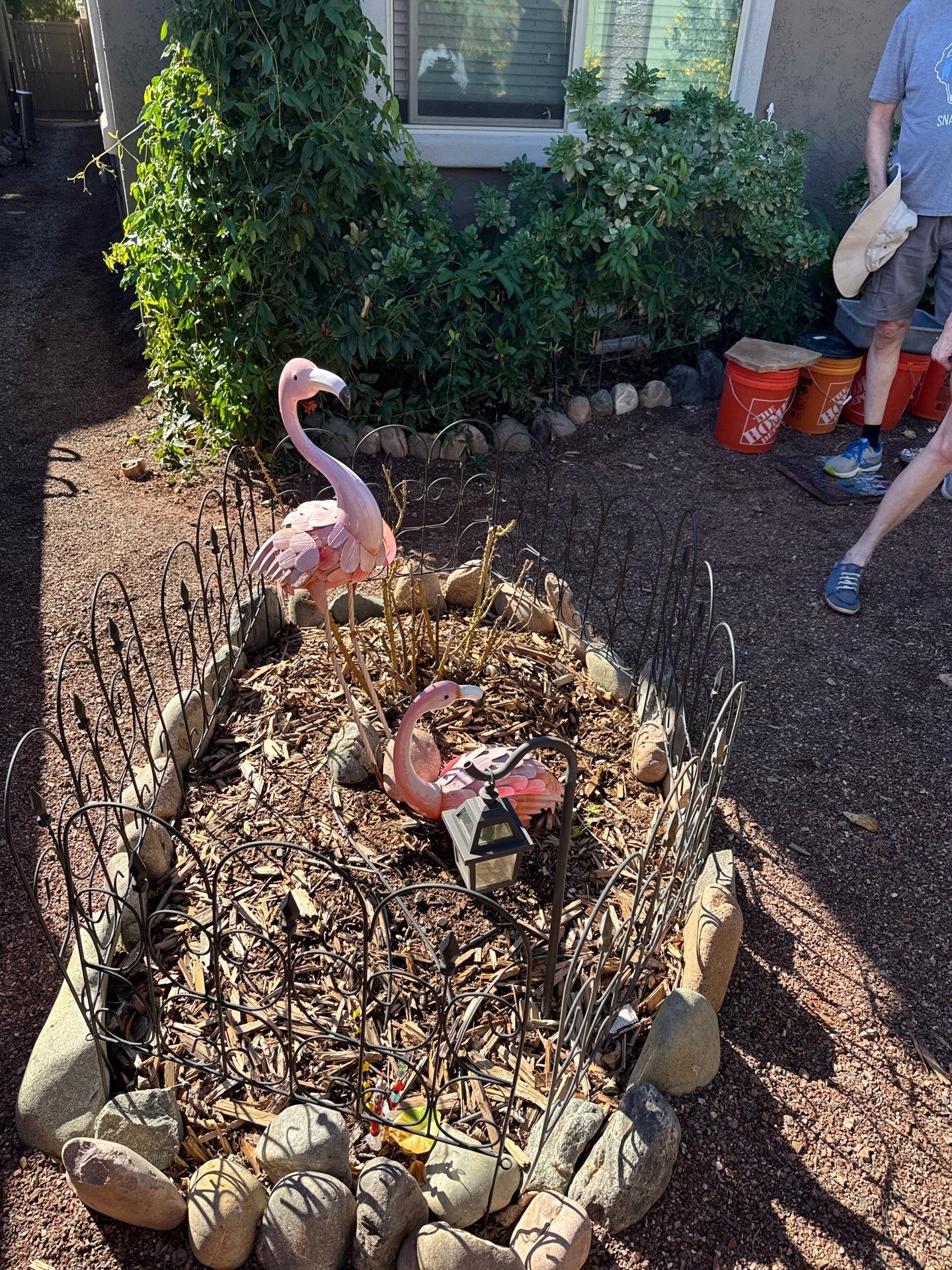
This spot is going to be the pollinator garden. Milkweed, Greg's mistflower, and globe mallow are the core, and here's the full list of what would work well together. Mix nectar plants (flowers that feed adult butterflies, bees, and hummingbirds) with host plants (the ones caterpillars eat), so you're supporting the whole life cycle, not just the adults.
Plant in groups of two or three of the same plant rather than one of everything. Pollinators find a patch of color much more easily than single plants scattered around.

Desert Milkweed
Native milkweed with tall gray green stems and creamy flowers. A host plant for monarch butterflies, so expect caterpillars, which is the goal.
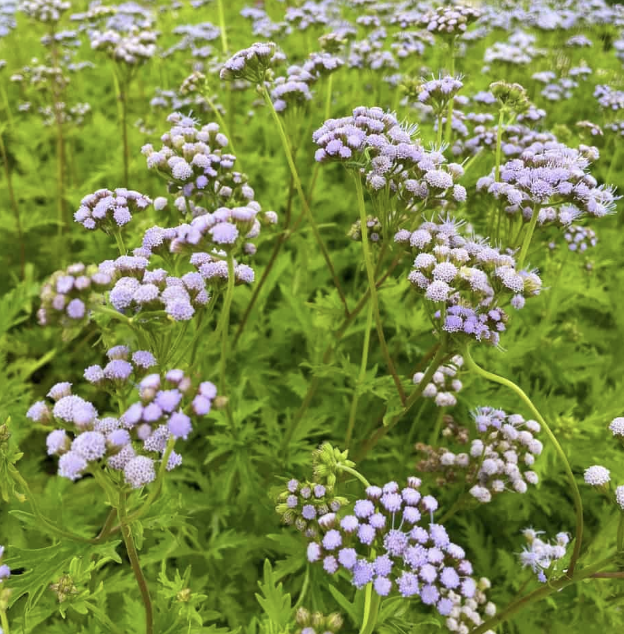
Greg's Mistflower
Native with fuzzy lavender flowers that butterflies cover from spring through fall, especially queen butterflies.

Globe Mallow
Native perennial with apricot orange cup flowers in spring. A favorite of native bees.
Penstemon
Tall spikes of red, pink, or purple flowers in spring. Feeds hummingbirds and native bees.
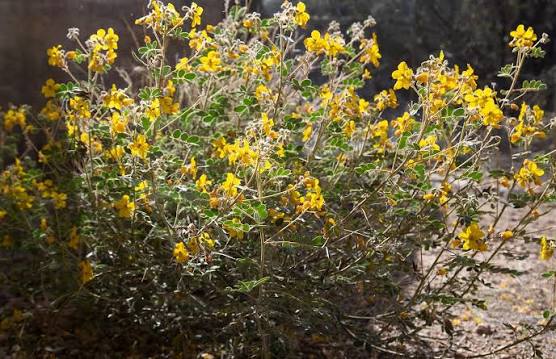
Desert Senna
Native low shrub with bright yellow flowers spring through fall. A host plant for sulphur butterflies.
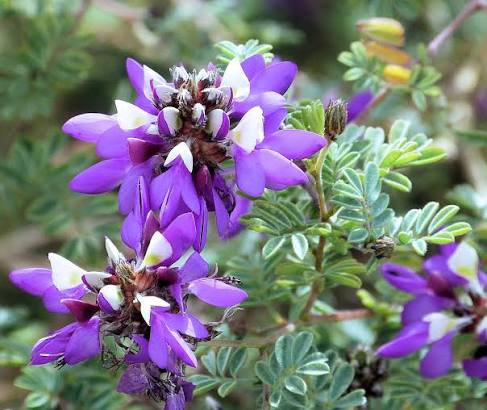
Black Dalea
Low, airy shrub with silvery fine leaves and deep purple flowers in fall, when bees need it most.
Desert Marigold
Native with soft gray leaves and bright yellow flowers spring through fall. Low and easy.
Autumn Sage
Small shrub covered in red, pink, or white flowers spring and fall. A hummingbird favorite.
Desert Fuchsia
Native perennial with tubular scarlet flowers in late summer and fall, right when hummingbirds are migrating through.
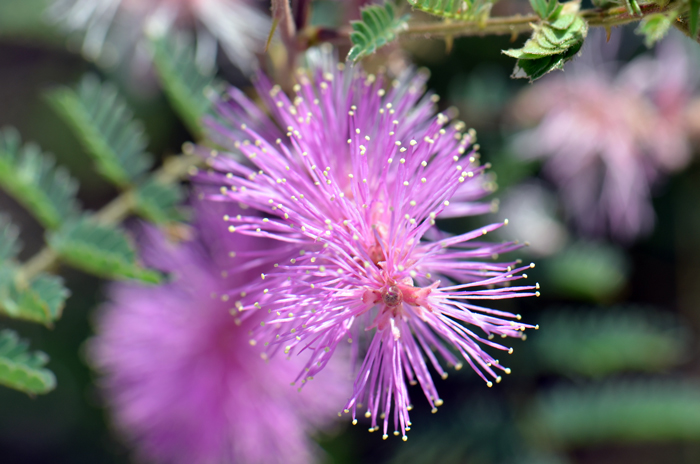
Velvet Pod Mimosa
Native shrub with fine, ferny leaves and fluffy pink puffball flowers after summer rains.
You can't fit all of these. Pick 3 or 4 favorites and repeat them through the space so it looks planned and full.
Citrus bed
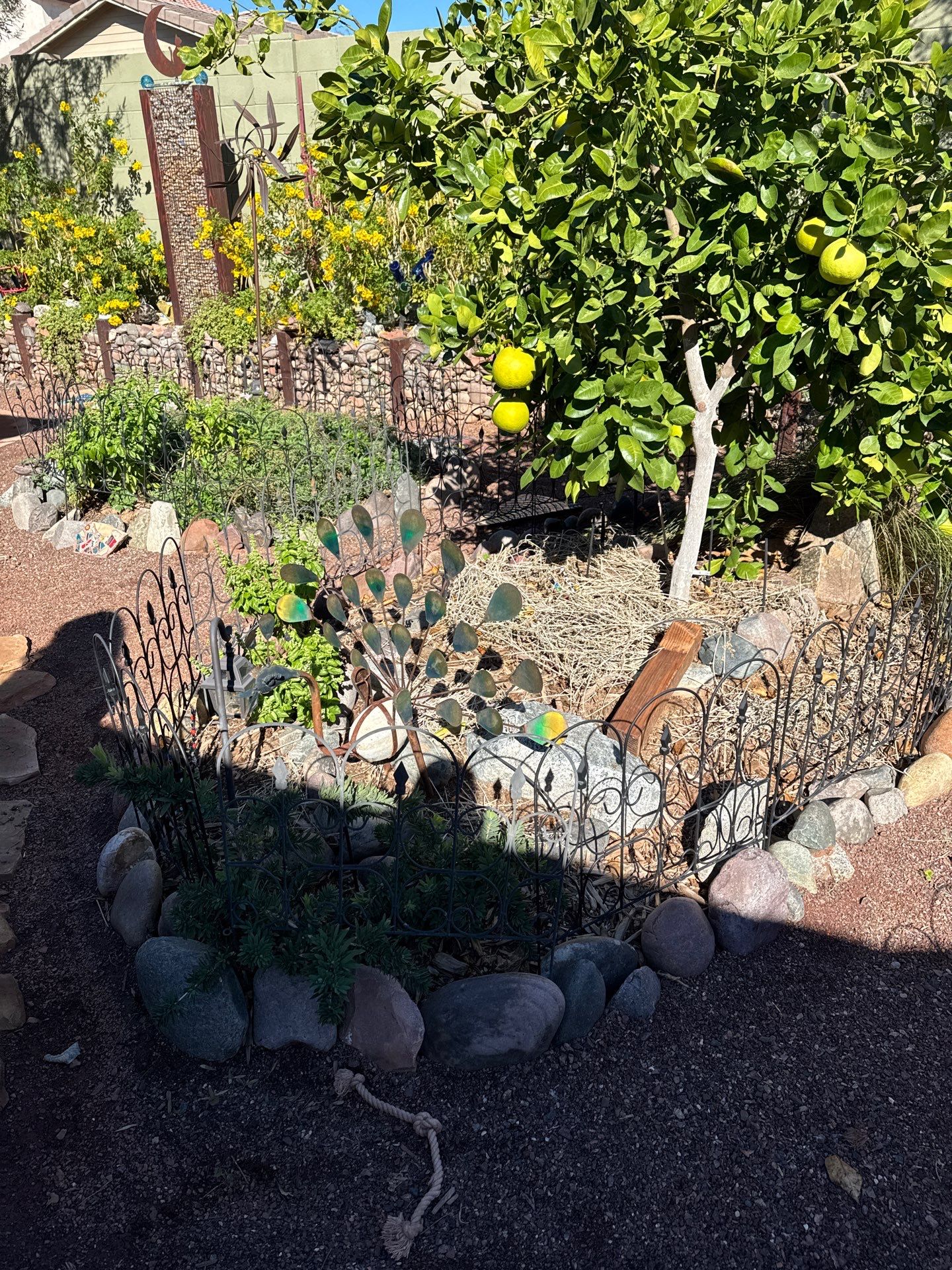
Same idea here: pollinator plants and sages that work in conjunction with the citrus tree. Bees that visit these will also pollinate your citrus blossoms in spring. Keep new plants outside the citrus canopy's drip line, or at least a few feet from the trunk. Citrus roots are shallow and don't like competition or digging right around them.
Autumn Sage
Small shrub covered in red, pink, or white flowers spring and fall. A hummingbird favorite.
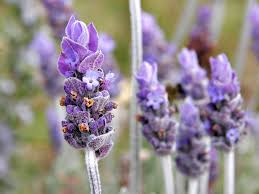
Lavender
Fragrant gray foliage and purple flower spikes. Does best with good drainage and a little afternoon relief, which a raised bed gives it.
Greg's Mistflower
Native with fuzzy lavender flowers that butterflies cover from spring through fall, especially queen butterflies.
Penstemon
Tall spikes of red, pink, or purple flowers in spring. Feeds hummingbirds and native bees.
Pink Fairy Duster
Native low shrub with soft pink puffball flowers in spring. Stays small.
Angelita Daisy
Small mound of fine leaves with little yellow daisies almost all year.
Trailing Rosemary
Low, spreading rosemary that drapes over the rock edge. Fragrant, evergreen, with small blue flowers bees love.
You can't fit all of these. Pick 3 or 4 favorites and repeat them through the space so it looks planned and full.
Side yard
Tangerine crossvine, up and over
The tangerine crossvine here can be trained up and over to create a living arch or overhead trellis. Here's how I'd do it.

Tangerine Crossvine
Evergreen vine with orange trumpet flowers in spring. Clings and climbs on its own, handles full sun, and is very tough.
- Give it a structure. A metal arch or arbor over the path works best, or run heavy-gauge wire or cable from the house wall over to the block wall. Crossvine clings on its own, but on stucco it can grab and leave marks, so a separate trellis keeps it off the house.
- Pick two or three strong leaders. Tie them loosely to the structure and train them upward. Remove the weaker stems at the base so energy goes into the main runners.
- Guide it across. Once the leaders reach the top, bend them over and tie them along the top of the arch or wire. It will fill in on its own from there.
- Prune right after the spring bloom. That's when it sets up next year's flowers. Thin rather than shear, and cut back anything heading toward windows, gutters, or the roof.
Back wall and trees
Back wall
Along the back wall, here are the plants I'd look at for covering it. Pick one and run it the full length so it reads as one clean line, planting about 3 feet off the wall. Barbados cherry is the one edible option. It does best with a little afternoon relief, so it's the pick if this wall gets some shade later in the day.

Hopseed
Fast evergreen with narrow bright green leaves. Gets tall and full enough to cover a wall.

Arizona Rosewood
Native evergreen with dark green leaves. Dense, handles full sun, and makes a solid screen.
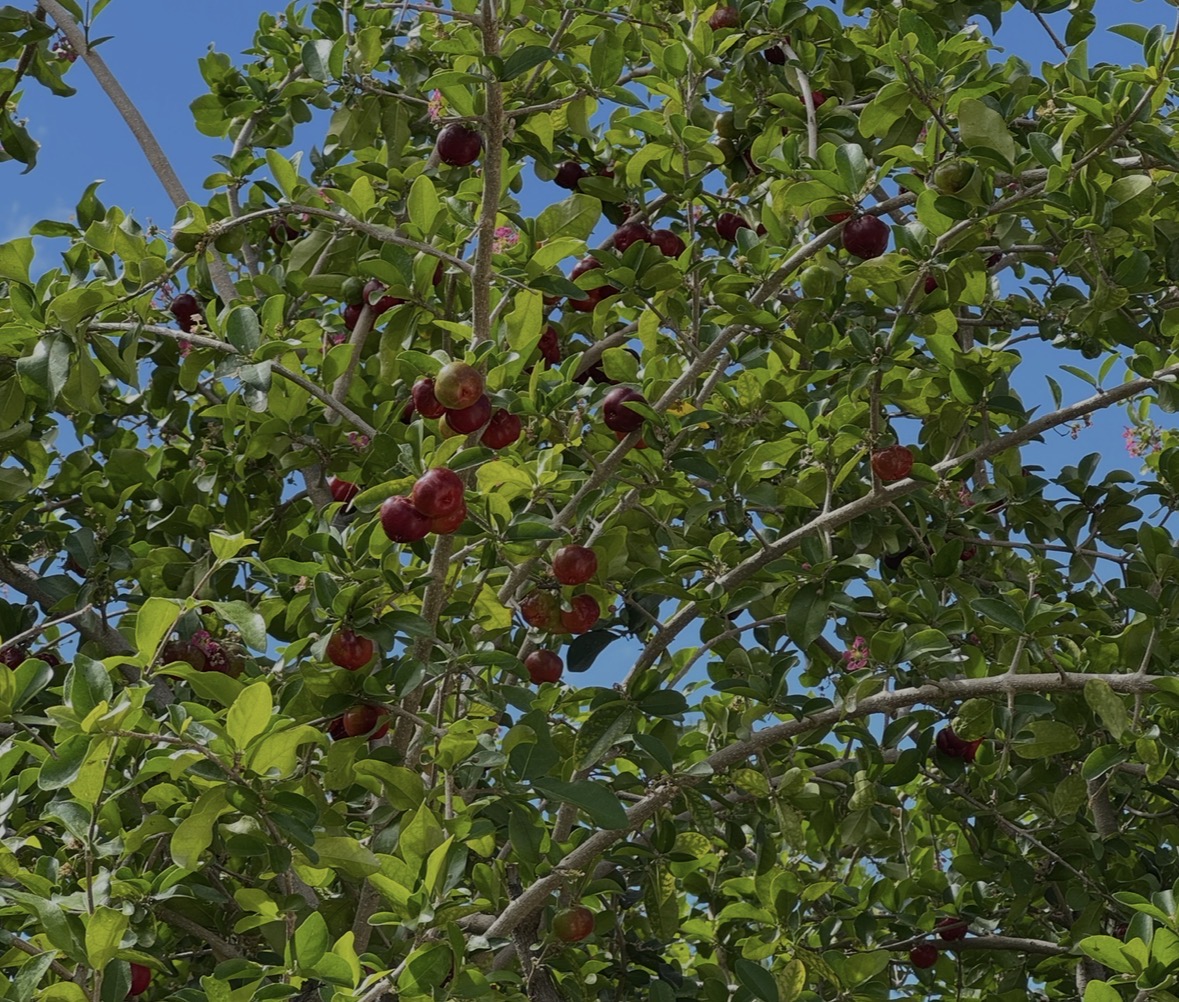
Barbados Cherry
Glossy evergreen shrub with small pink flowers and bright red, tart, vitamin C packed cherries several times a year. Does best with some afternoon relief and regular feeding.

Orange Jubilee
Big clusters of orange trumpet flowers spring through fall. Hummingbirds love it and even nest in it.

Twisted Myrtle
Evergreen with small glossy, slightly twisted leaves and fragrant white flowers. Dense and refined.
Here's a short video on orange jubilee: watch on YouTube.
Under the trees: clover or dichondra
Under the trees, clover or dichondra would make a soft, living ground cover in place of bare ground. Both handle the filtered shade under a canopy better than they would in full sun.
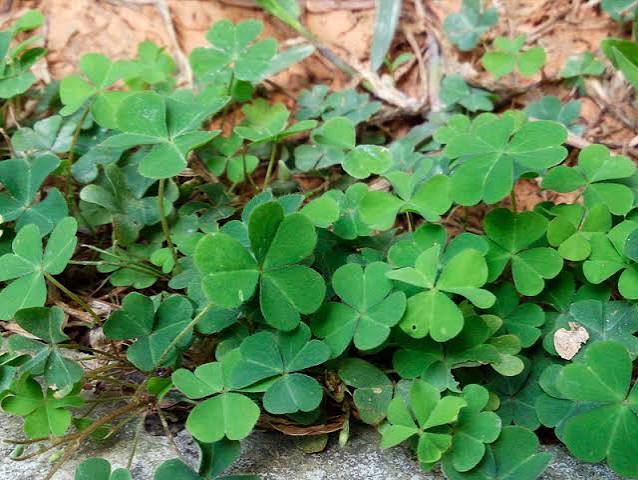
Clover
Low, soft ground cover that fixes nitrogen from the air and feeds the soil around it. Grows best in our cool season and loves the filtered shade under trees.
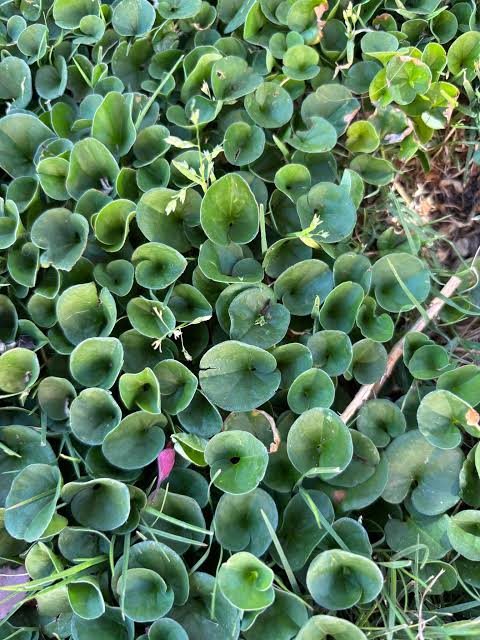
Dichondra
Green dichondra forms a low, lush carpet of small round leaves. Great for shade under trees where grass won't grow.
Types of clover
- Micro clover: smaller leaves, lower growth, and fewer flowers than regular clover. The most lawn-like option and the tidiest look.
- White Dutch clover: the classic. A little taller, with white flowers bees love. Very easy and inexpensive.
- Strawberry clover: handles heat, alkaline soil, and wet spots better than the others, with pink flowers. A good choice for our area.
- Crimson clover: an annual with tall red flowers in spring. Best for a seasonal pop of color or as a winter cover crop, not a permanent ground cover.
All clover pulls nitrogen from the air and feeds it into the soil, so it's actually feeding your trees while it covers the ground.
How to plant it
- Timing: sow in fall (October through November) or late winter. Right now is a great time.
- Prep: clear the area, loosen the top inch of soil with a rake, and spread a thin layer of compost.
- Seed: mix the seed with a little sand or compost so it spreads evenly, broadcast it at the rate on the bag, then rake lightly so the seed is just barely covered.
- Water: keep the soil surface moist, a light watering once or twice a day, until it sprouts (usually 7 to 10 days). Then switch to deeper, less frequent watering.
- Keep a gap of a foot or so around each tree trunk so the root flares stay exposed.
Caring for it
- Clover thrives in our cool season and may thin out in the hottest part of summer, even in shade. Overseed lightly each fall to keep it full.
- Mow or trim it occasionally if you want it tidy, or let it flower for the bees. If you walk barefoot here, trimming the flowers keeps bees off the path.
- No fertilizer needed. It makes its own nitrogen.
- Dichondra is planted from seed or plugs the same way, likes consistent moisture, and stays green year round in shade. It takes a bit more water than clover but holds up better through summer.
Lady Banks rose
Lady Banks rose would be perfect right here. It's thornless, so it's easy to work around, and every spring it covers itself in small fragrant flowers. It takes our heat without blinking.
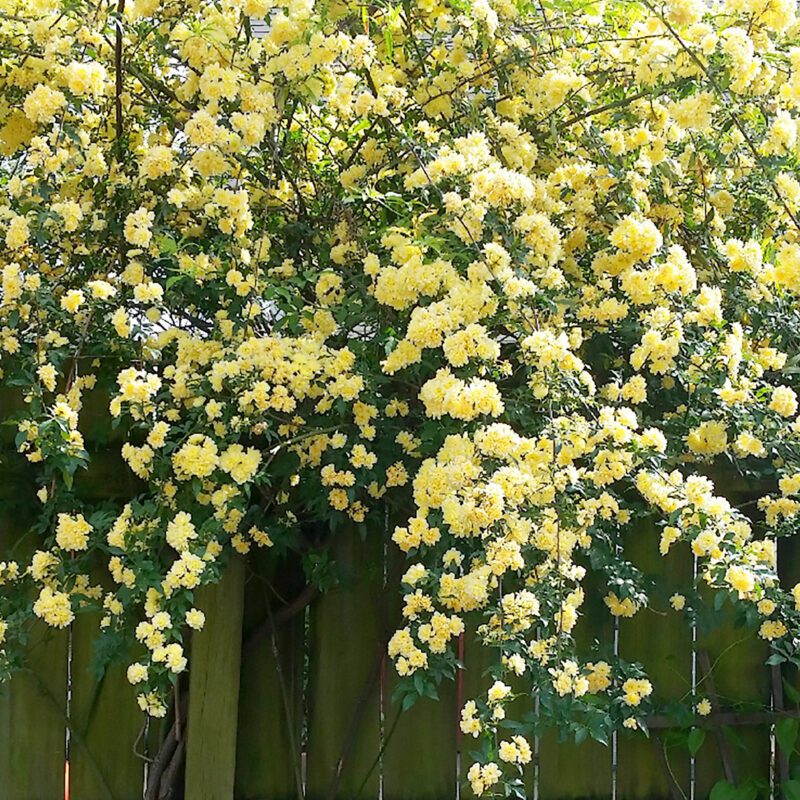
Lady Banks Rose
Thornless climbing rose that covers itself in small, fragrant yellow (or white) flowers in spring. Evergreen, vigorous (15 to 20 feet), and very tough in our heat.
- Support: it's a climber, not a clinger, so it needs a trellis, wire, or arbor to grow on. Tie the long canes loosely as they grow.
- Size: it gets big, 15 to 20 feet over time, so give it room to spread along the wall.
- Pruning: prune only right after it finishes blooming in spring. It flowers on last year's growth, so pruning in fall or winter cuts off next spring's flowers.
- Water and feeding: deep, infrequent watering once established, and compost around the base once or twice a year.
Narrow raised bed, smaller trees
This raised bed doesn't have a lot of room, only about 3 feet deep, so the tree here needs to stay small. The roots will grow under and beyond the bed over time, so the bed width is really about the trunk and canopy. These are smaller trees that would work, and their canopies can lean out over the path or the wall without crowding anything.
Texas Mountain Laurel
Evergreen small tree with glossy leaves and purple flower clusters in early spring that smell like grape soda. Slow growing and compact. The seeds are toxic, so keep that in mind with pets.
Kidneywood
Small native tree with fine, ferny leaves and fragrant white flower spikes after summer rains. Stays under 15 feet and fits tight spaces.
Desert Willow (Bubba or Burgundy)
Small native tree with orchid-like dark purple-burgundy flowers all summer and light, airy shade. Hummingbirds love it, and the roots are well behaved.
Golden Lead Ball Tree
Small tree with bright yellow puffball flowers off and on through the warm months and fine, ferny leaves. Stays compact.
Pomegranate
Multi-trunk small tree with orange-red flowers and fruit in fall. Easy to keep small, and one of the easiest fruit trees to grow here.

Mulga Acacia
Evergreen small tree with silvery needle-like leaves and yellow flowers in spring. Stays 15 to 20 feet with a tidy shape.
Water well
Every tree gets a water well: pull the rock back about 3 feet from the trunk and build a shallow basin with a raised edge so water soaks down into the roots. Fill it with mulch instead of rock, keeping the mulch about a foot back from the trunk.
Planting everything above
Dig the hole as deep as the root ball and two to three times as wide. Backfill with your native soil and a tiny bit of compost mixed in. Then lay compost on top of the soil and mulch over the compost. Don't work it in. Keep mulch about a foot back from the trunk of every tree and shrub. Every tree gets a water well with mulch instead of rock.
Fertilizing
Everything in this write-up comes back to the soil. The desert adapted and native plants need very little feeding: mulch and a light layer of compost once a year is plenty. The citrus, the vitex, the roses, and the Barbados cherry need regular feeding to stay healthy and handle the heat. Feeding is really about feeding the soil life. Fungi, bacteria, and worms break down organic matter and hand nutrients to the roots, all without synthetic fertilizers.
Doing it yourself
- Compost: Spread a generous layer around the drip line of the trees (out where the canopy ends, not against the trunk) and closer in around the shrubs. Arizona Worm Farm is my go-to.
- Worm castings: Add a layer every quarter around the trees and shrubs.
- Organic fertilizer, monthly: These are the three Catalyst products we rotate through every month. You can order them online.

Catalyst Jenner 8
One of the three liquid products in our monthly rotation.

Catalyst Organic Nitro Jen
Organic nitrogen source, great for greening up leaves.
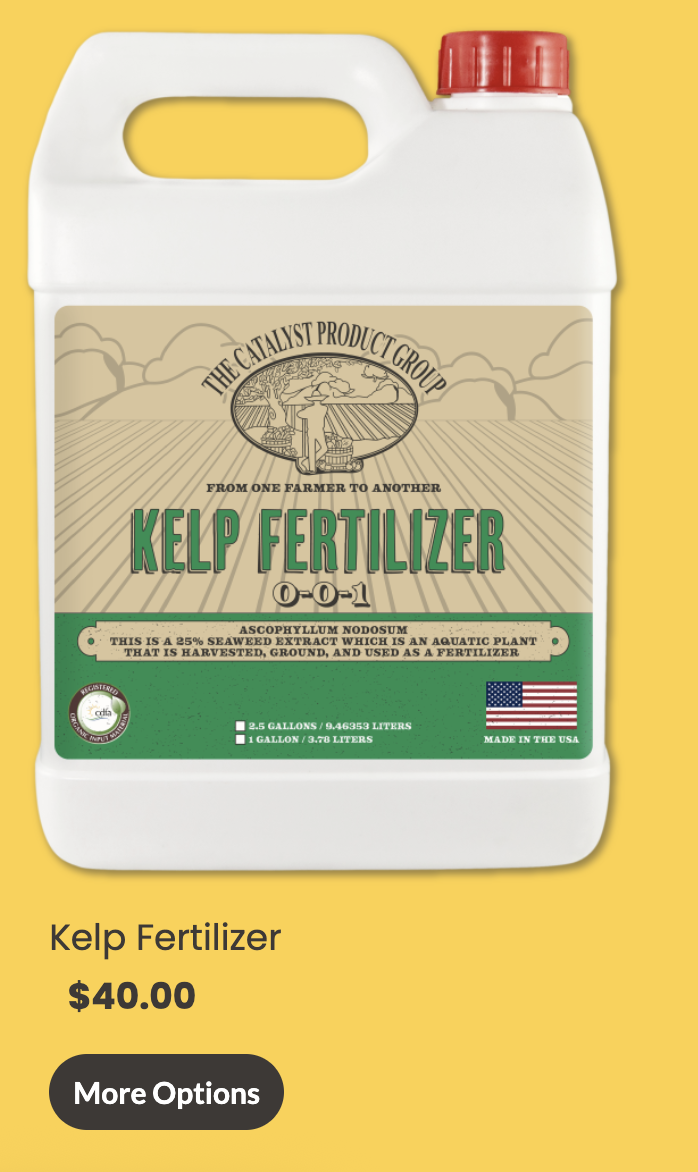
Catalyst Kelp Fertilizer
Kelp-based feed with trace minerals that helps plants handle heat stress.
Find them at Catalyst Product Group (click Products, then Home and Garden).
Or we can handle it
If you'd rather not think about it, we do this as a monthly service: a liquid organic feeding every month and compost three times a year, with a recap video after every visit.
Quick reference
- Compost, mulch, and worm castings: Arizona Worm Farm
- Trees, shrubs, and pollinator plants: A&P Nursery or Whitfill Nursery
- Organic fertilizer: Catalyst Product Group
- Why root flares matter: Root flare video
- Irrigation and drip: Garrett, 480-678-9121
Next steps
As a consult client you're already in the Garden Nerd Club, so you have direct access to me there anytime you have a question while you work through this.
If you want to plant it yourself, everything you need is in here. If you'd rather have us do the planting, I can put together a planting proposal whenever you're ready. For anything with irrigation, call Garrett at 480-678-9121.