
Rosanne Hirsch
4518 E Verbena Dr, Phoenix, AZ 85044
Here's everything we covered on our walk, area by area in the order we walked it, plus how to feed your soil so everything comes back stronger.
Covering the Rock
Back yard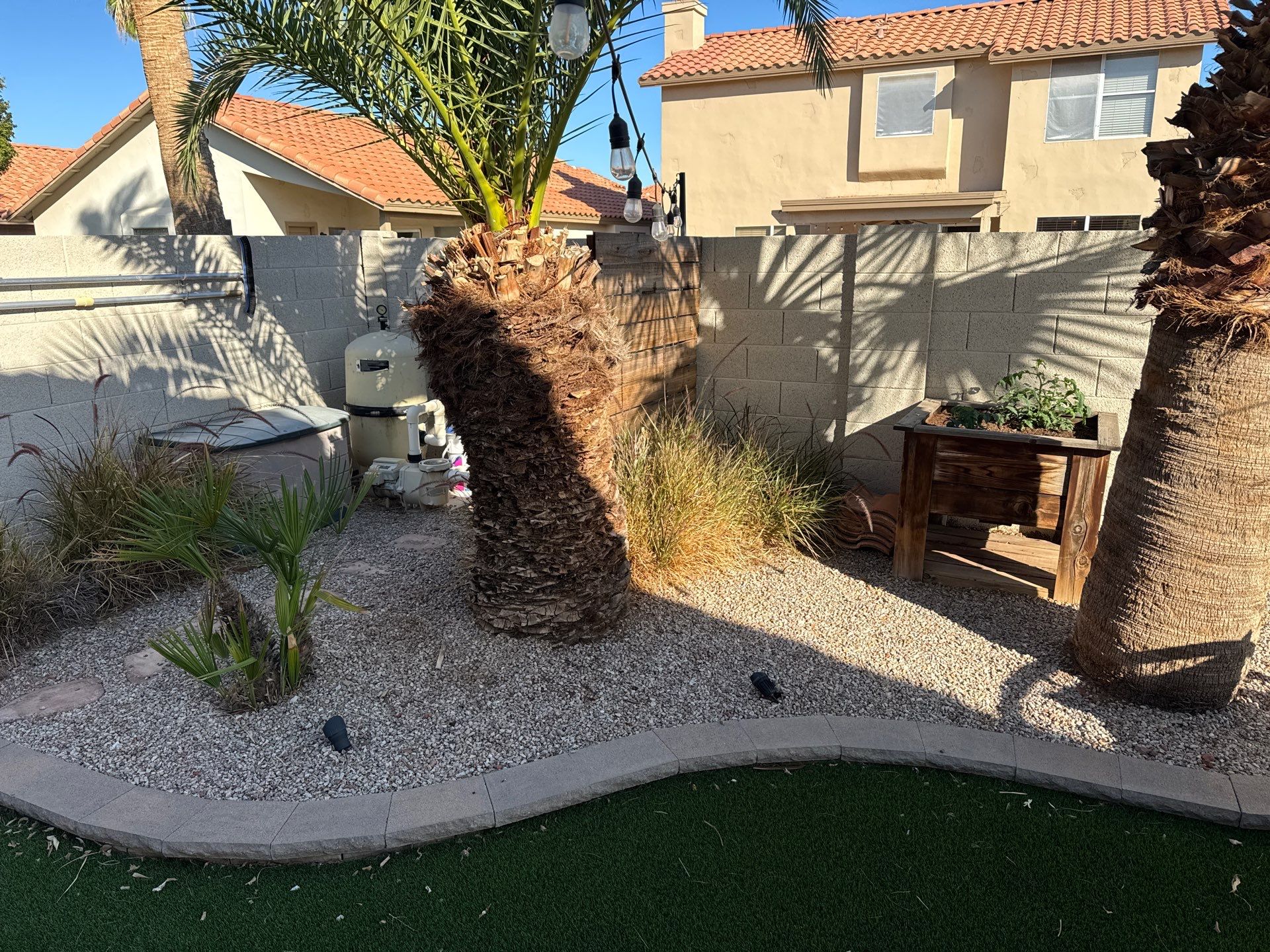
In this area the goal is to cover up the rock so you don't see it at all. You already have fountain grass growing here, so the easiest look is more ornamental grass filling in the whole space. Here are good options that won't spread where you don't want them:
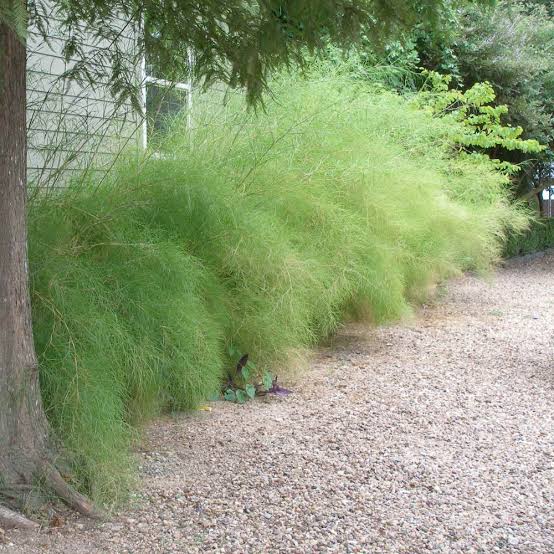
Bamboo Muhly
Native to the Sonoran Desert. Airy, bright green, bamboo-like stems 3 to 4 feet tall and wide. Soft and graceful, and it stays green most of the year. Plant 3 to 4 feet apart.
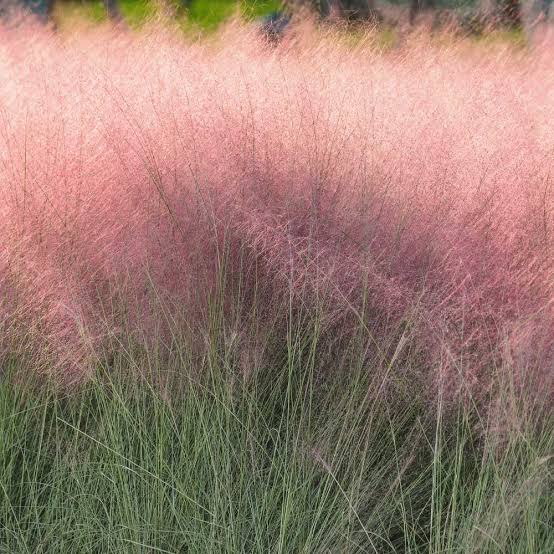
Muhly Grass
Pink muhly. Fine textured clumps 3 feet tall with a pink-purple cloud of flowers in fall. Plant 3 feet apart for a solid sweep.
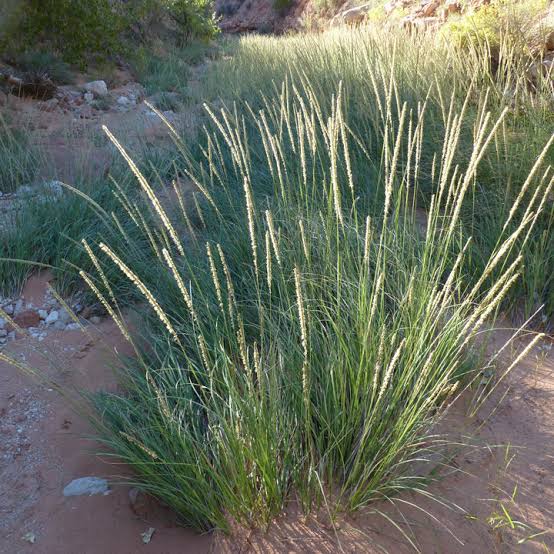
Deer Grass
Native, big fountain-shaped clumps 3 to 4 feet tall and wide. Very tough and fills a lot of space with just a few plants.
If you'd rather not go all grass, a spreading ground cover will also hide the rock:
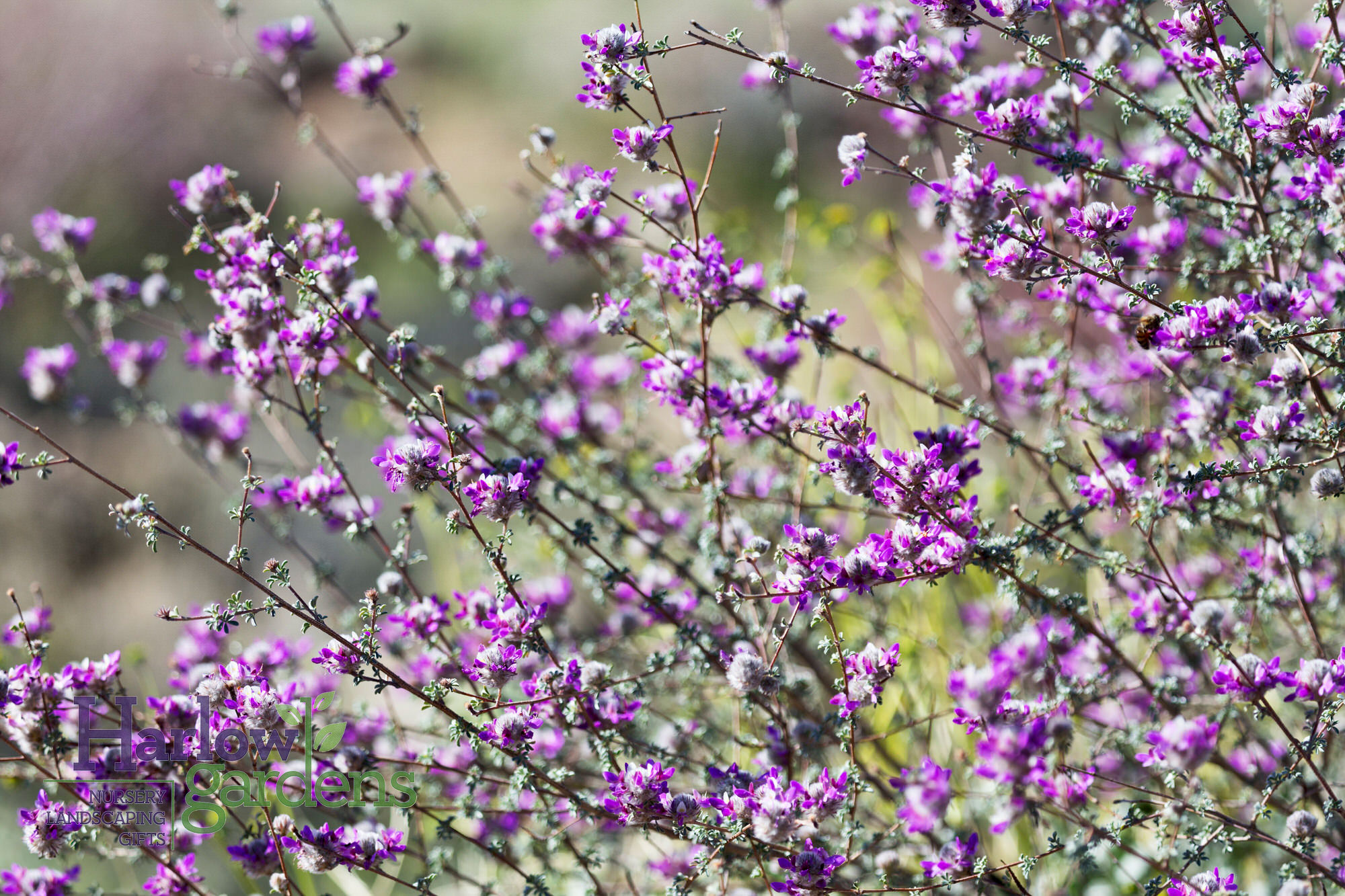
Trailing Indigo Bush
Low, spreading native, 1 foot tall and up to 6 feet wide, purple flowers in spring.
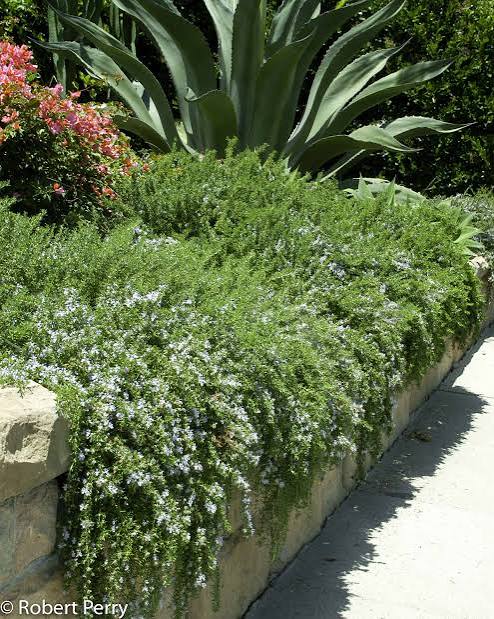
Trailing Rosemary
Spreads and spills over rock, blue flowers in winter and spring.
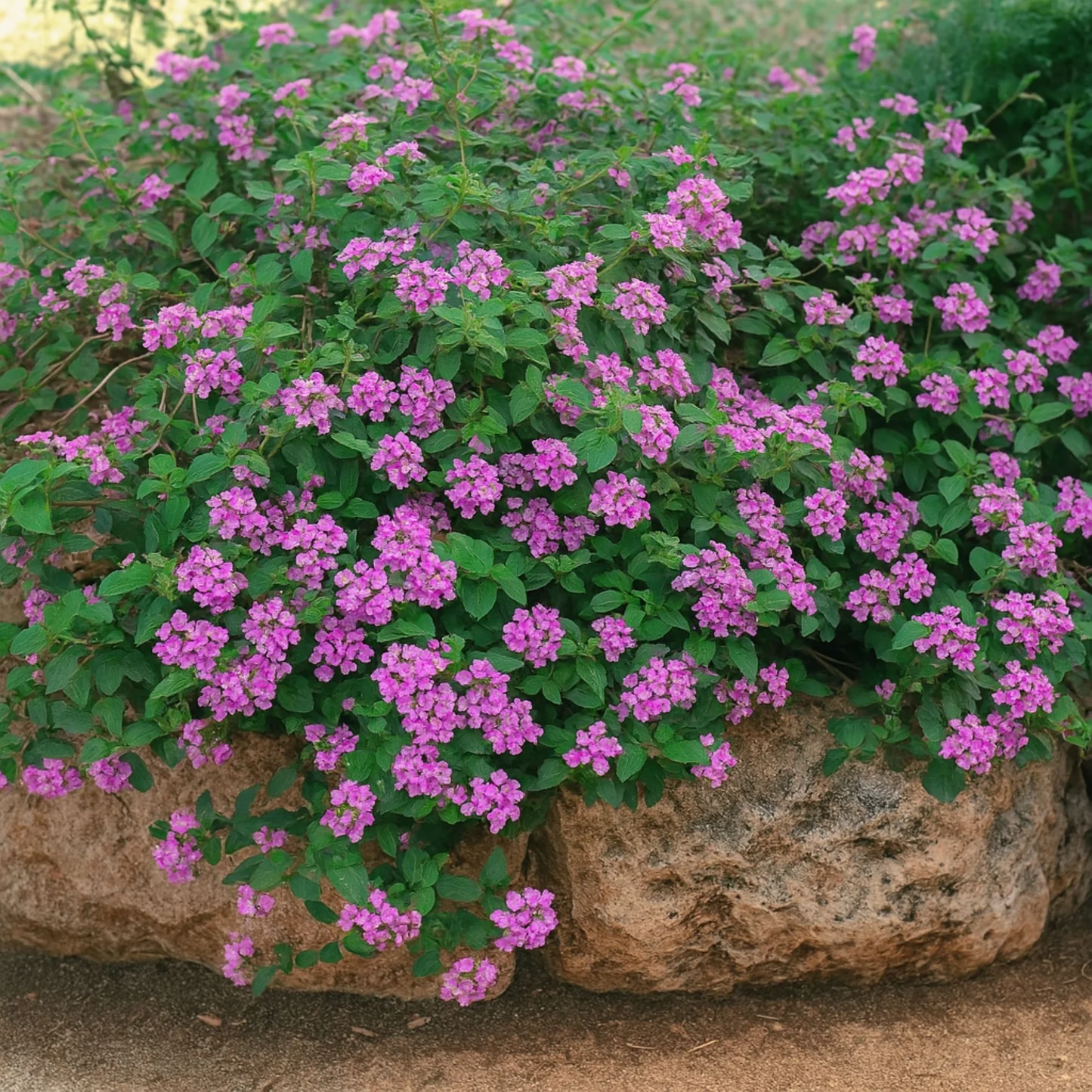
Lantana
Mounding color all warm season, 2 feet tall and 4 to 6 feet wide.
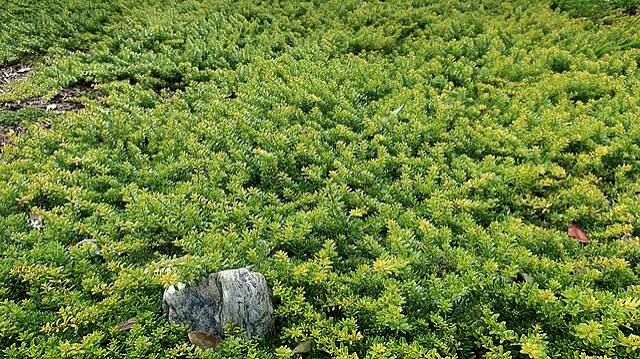
Myoporum
Fast, flat, bright green ground cover with small white flowers. Covers fast.
Mixing two or three grasses with a ground cover in front looks great. Pick your favorites.
Covering the Back Wall with a Vine
Away from the pool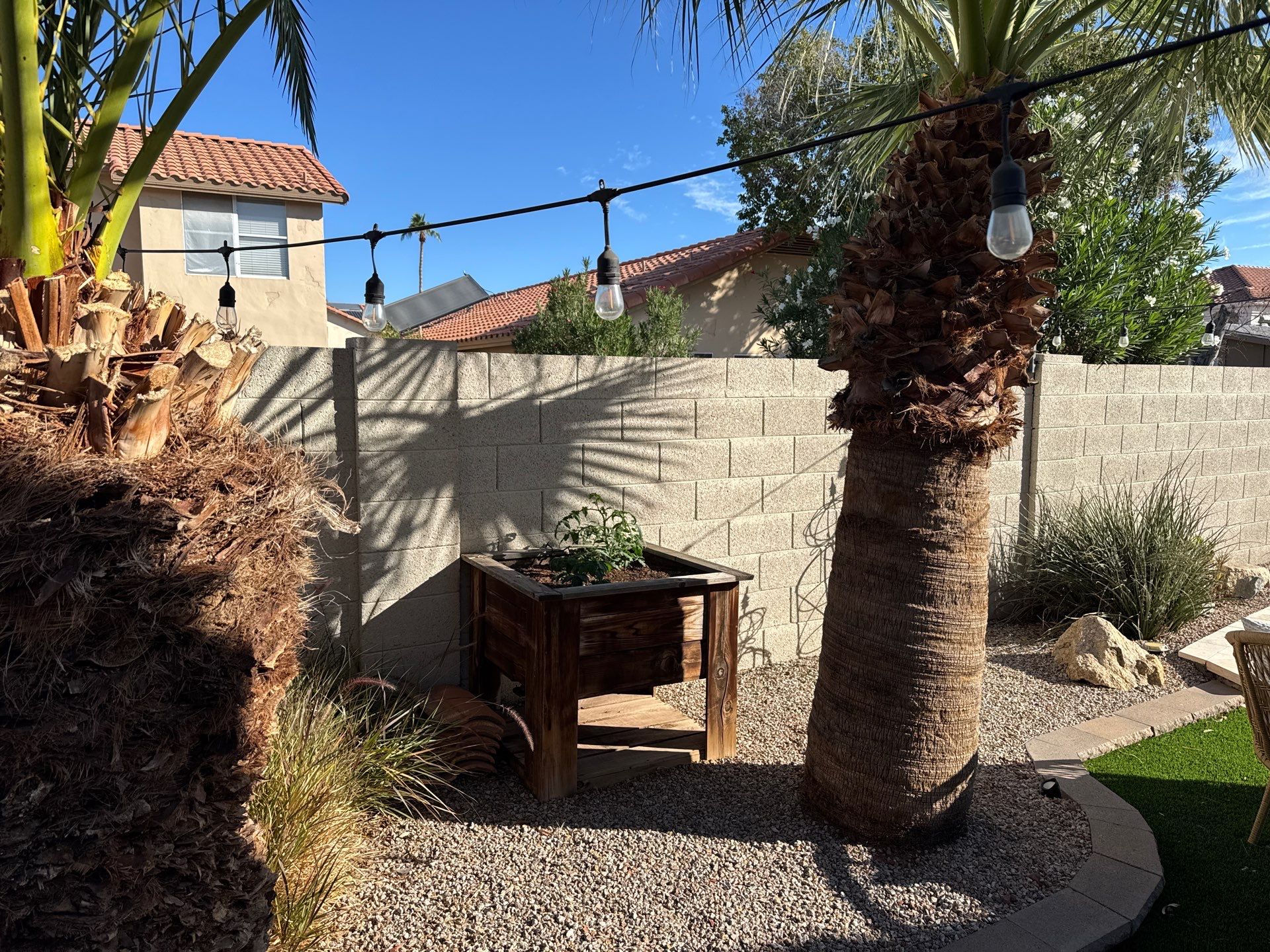
We're trying to cover the walls all around the yard, and right here, since it's away from the pool, a vine is a great way to do it so you don't see the wall at all. You liked hacienda creeper. Here it is with a few other options, and which ones climb the wall on their own versus which need a trellis or wires.
Self-climbing (no trellis needed)
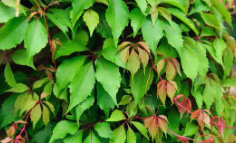
Hacienda Creeper
Self-clinging. Grabs the block and covers it with green leaves that turn red in fall. Drops its leaves in winter. Fast and very tough in full sun.

Tangerine Crossvine
Self-clinging. Evergreen with orange trumpet flowers in spring. Takes full sun and heat.
Needs a trellis or wires
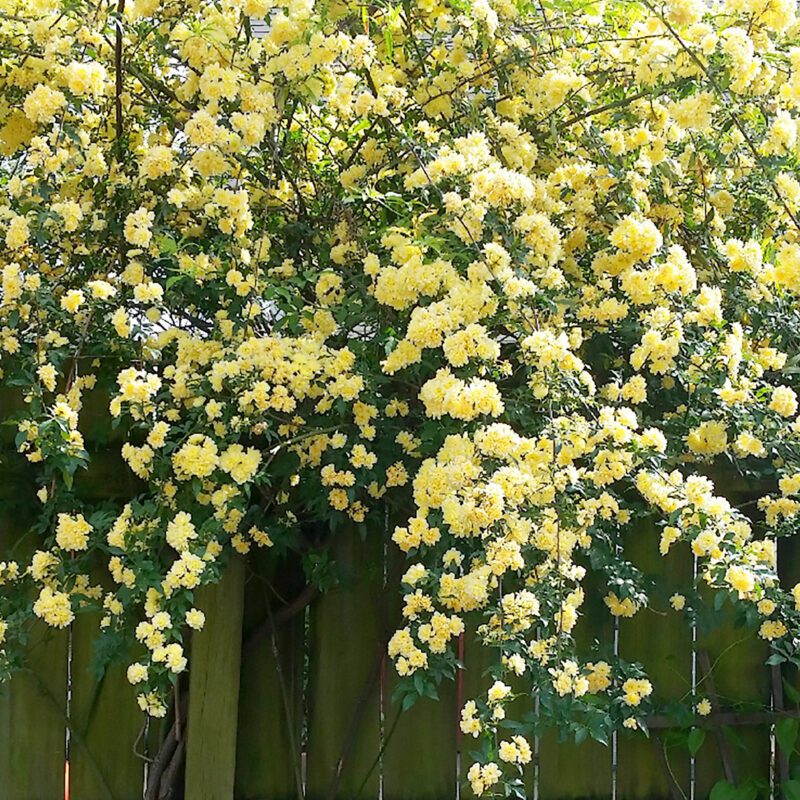
Lady Banks Rose
Thornless climbing rose covered in small yellow or white flowers in spring. Needs to be tied to a trellis or wires.
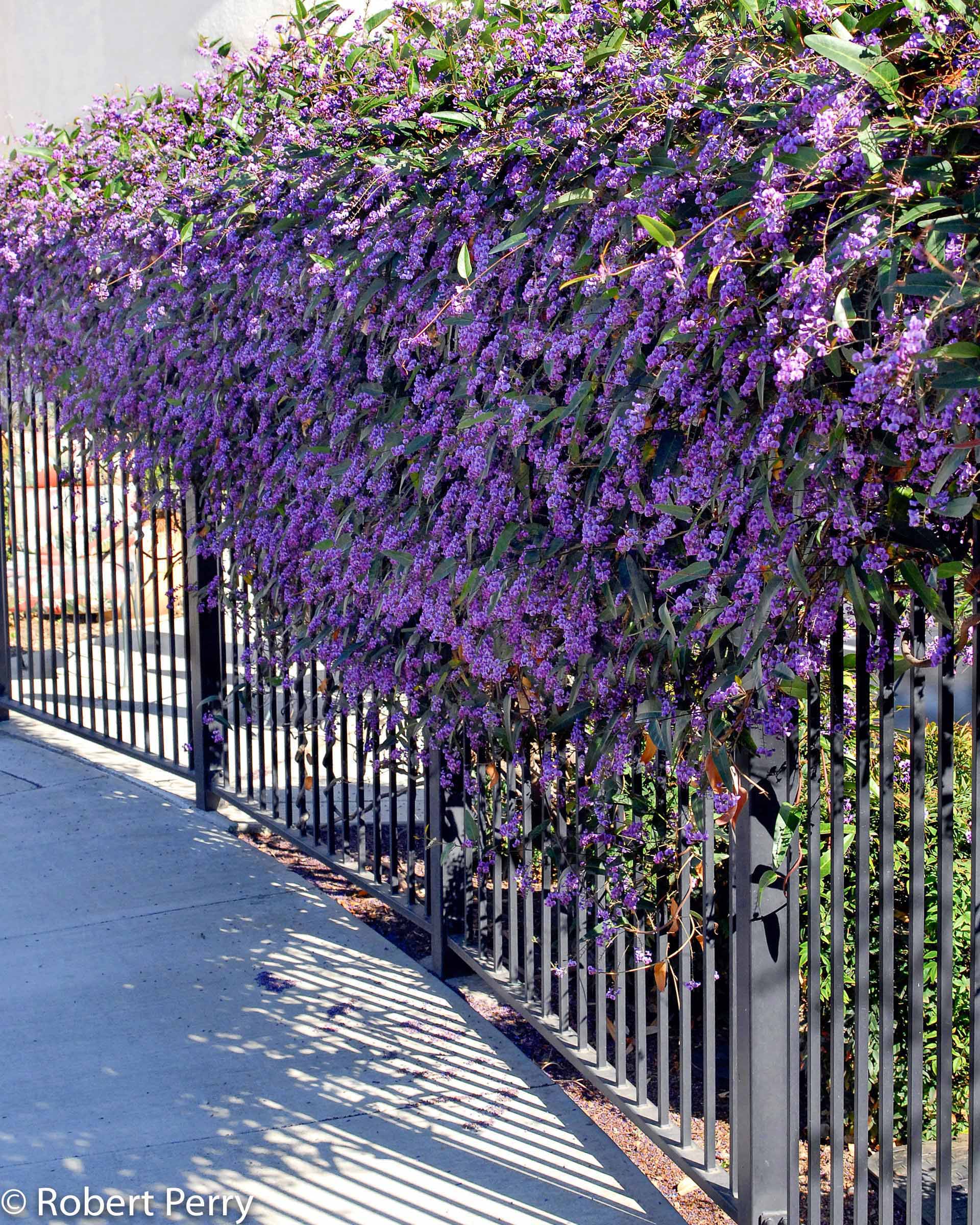
Purple Lilac Vine
Light, airy vine with purple flowers in late winter and spring. Twines up a trellis.

Bower Vine
Glossy leaves and pink or white trumpet flowers spring through fall. Needs a trellis and appreciates some afternoon shade.
For wires, run galvanized wire horizontally every 12 to 18 inches across the wall with eye screws. It's cheap and almost invisible once the vine fills in.
Ground Cover Around the Oleander
North facing, shady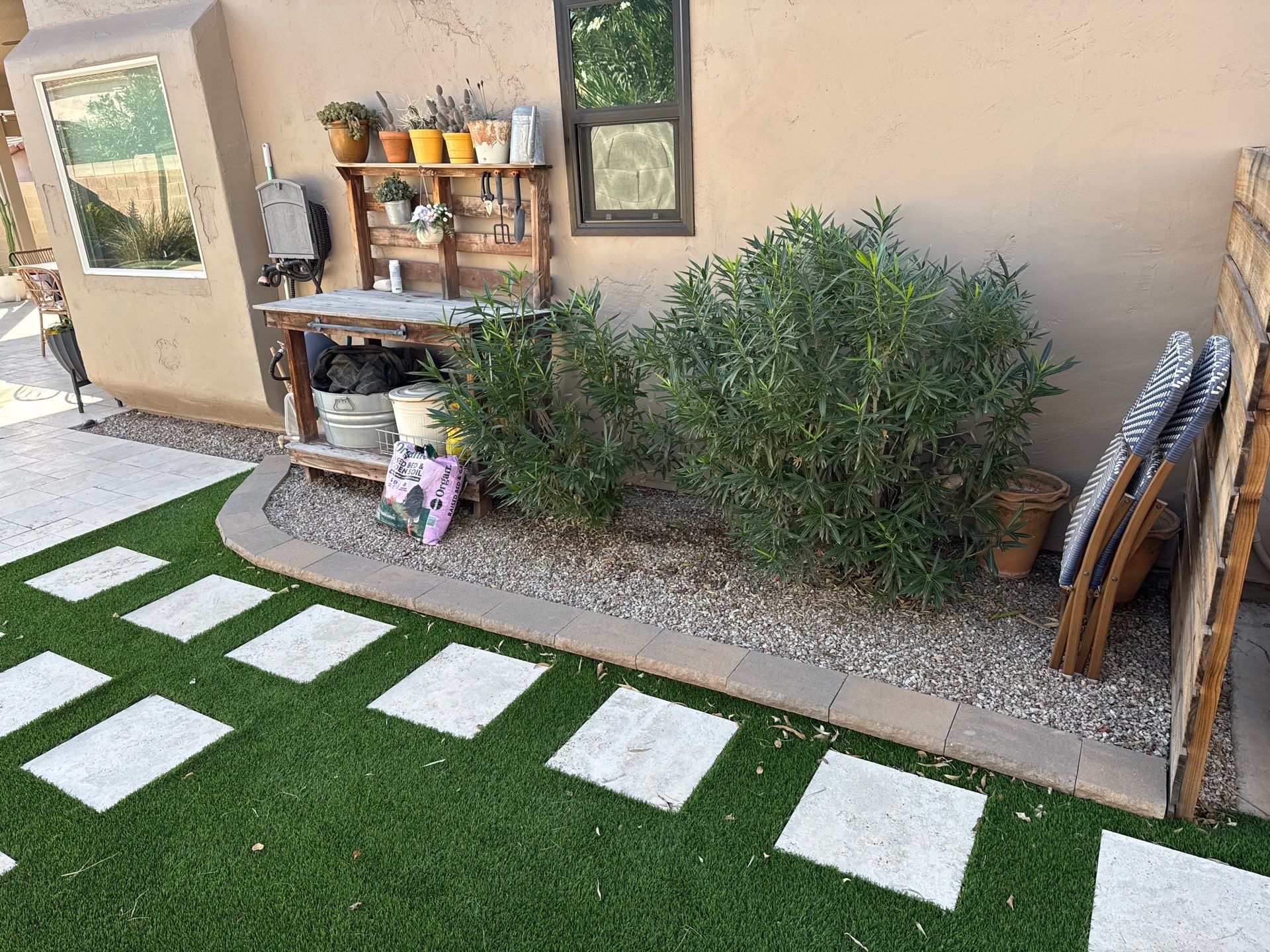
Right here around the oleander, a ground cover would finish it off nicely. There aren't many ground covers that will work here because of the sun orientation. This is a north-facing wall and it gets a decent amount of shade, so yellow dot is the best option.

Yellow Dot
Fast spreading ground cover with bright yellow daisy flowers most of the year. Stays 6 to 12 inches tall and spreads several feet. Plant 3 feet apart and it will fill in quickly. Keep it trimmed back from the turf edge.
Narrow Bed Along the Pool Wall
South facing, hot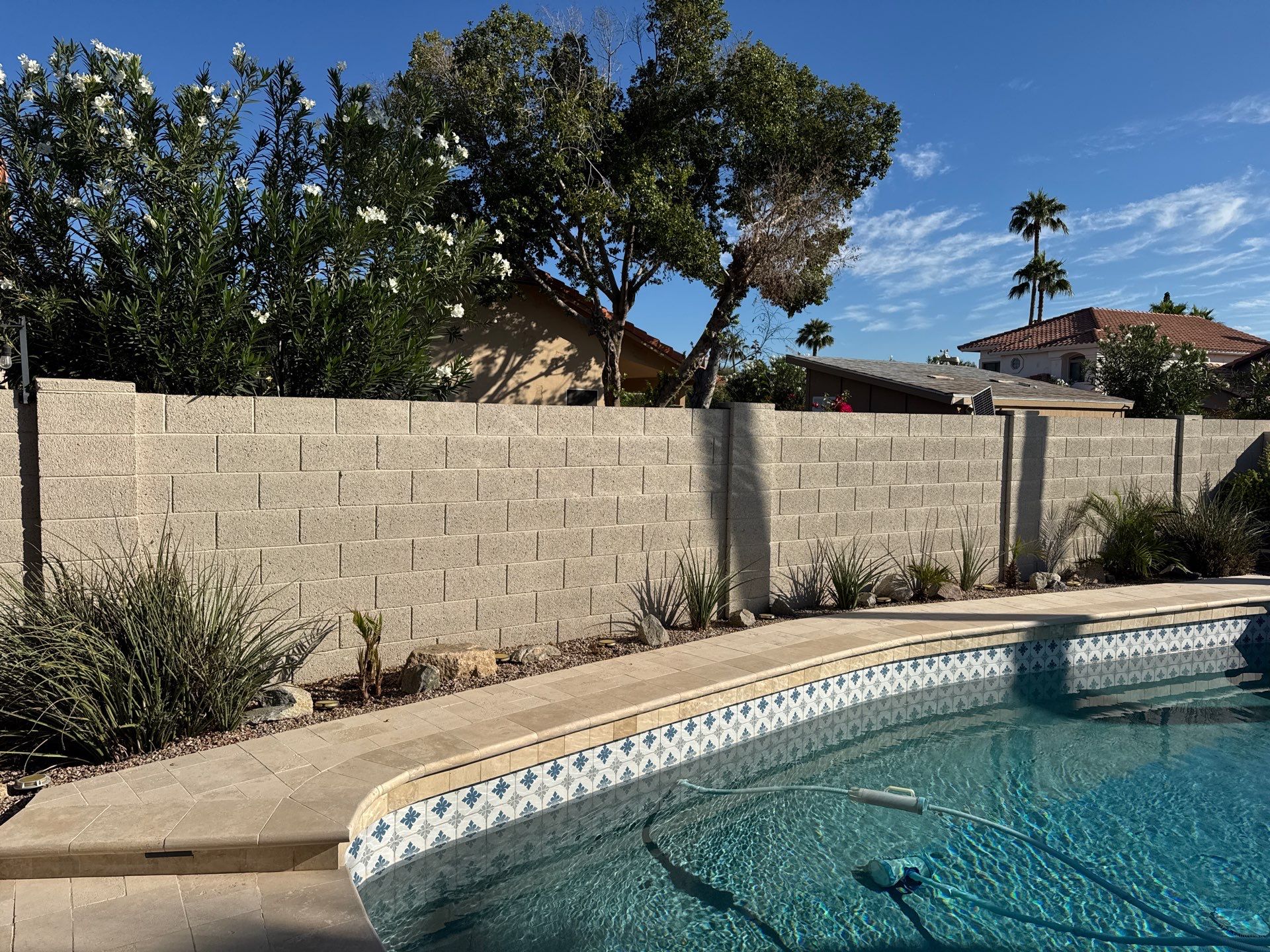
Along this block wall you have pygmy palms and desert spoons, but nothing with a lot of height and nothing you really love. It's a very thin space without much room to plant, it's next to the pool so we don't want anything that drops leaves or flowers in the water, and it's against a hot, south-facing wall. So the best fits are tall, narrow, sculptural plants with almost no litter. Totem pole cactus is a great option here.
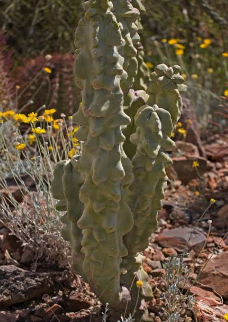
Totem Pole Cactus
Smooth, spineless columns with a lumpy, sculpted look. Grows tall and narrow, zero litter, and no spines next to the pool.
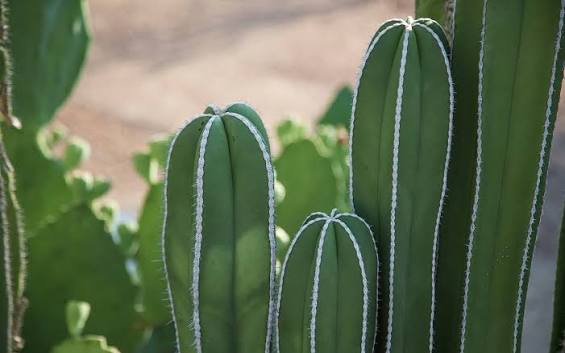
Mexican Fence Post Cactus
Tall, narrow, ribbed columns that add height fast. Great planted in a row along a wall.
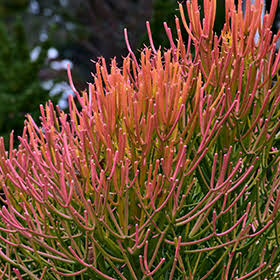
Pencil Cactus
Upright and narrow with orange-red stems in the cooler months. The sap is irritating, so wear gloves when you handle it.
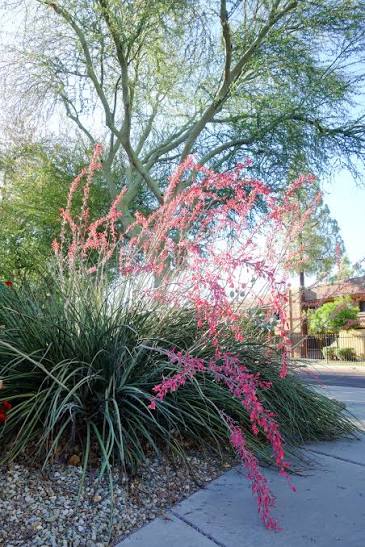
Red Yucca
Grassy clumps with tall coral-red flower stalks spring through fall. Very little litter and hummingbirds love it.
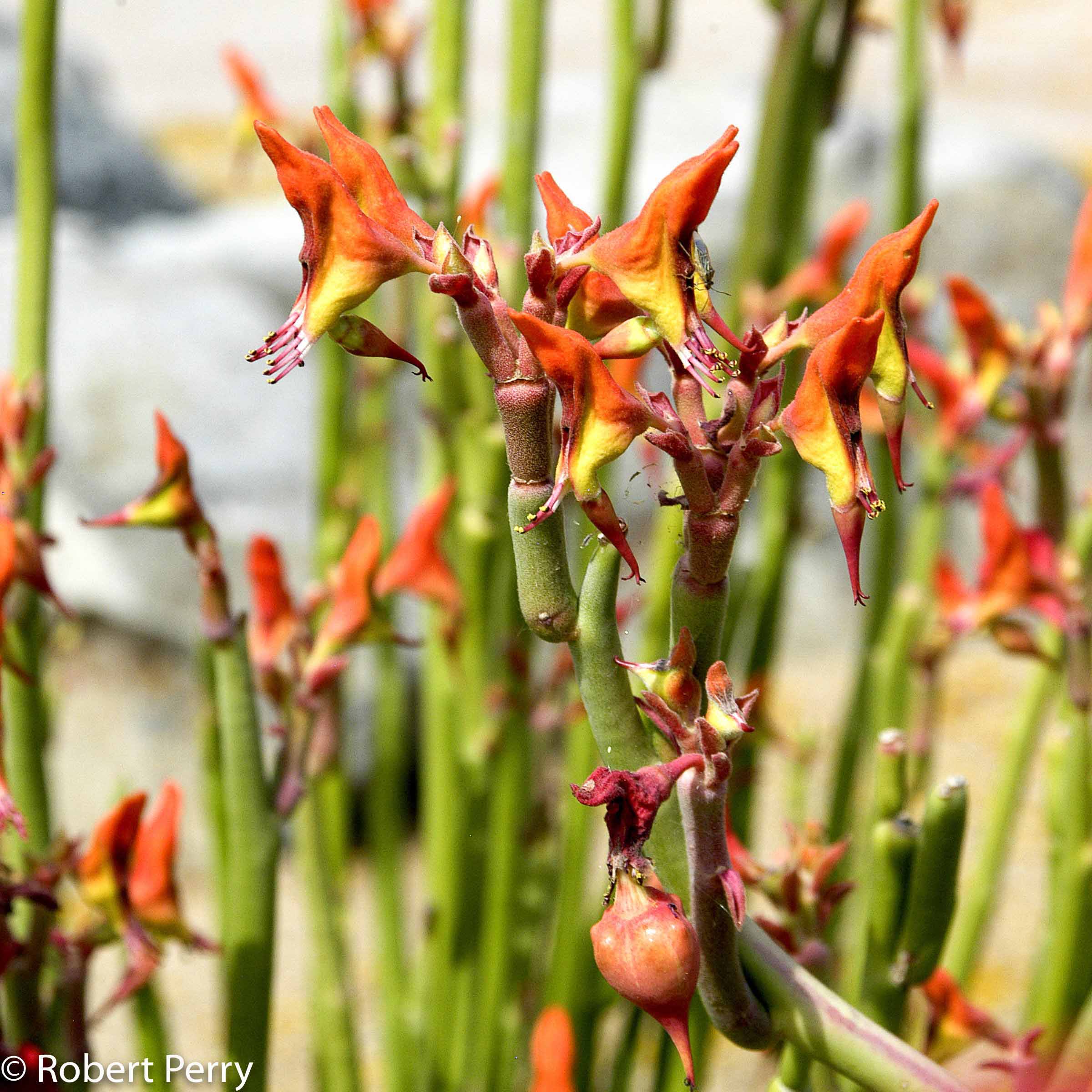
Slipper Plant
Upright, pencil-like gray-green stems 3 to 4 feet tall with small red flowers. Very narrow, tidy, and takes reflected heat.
A row of one columnar cactus with red yucca tucked between them would look clean and modern here.
Pots Off the Patio
North facing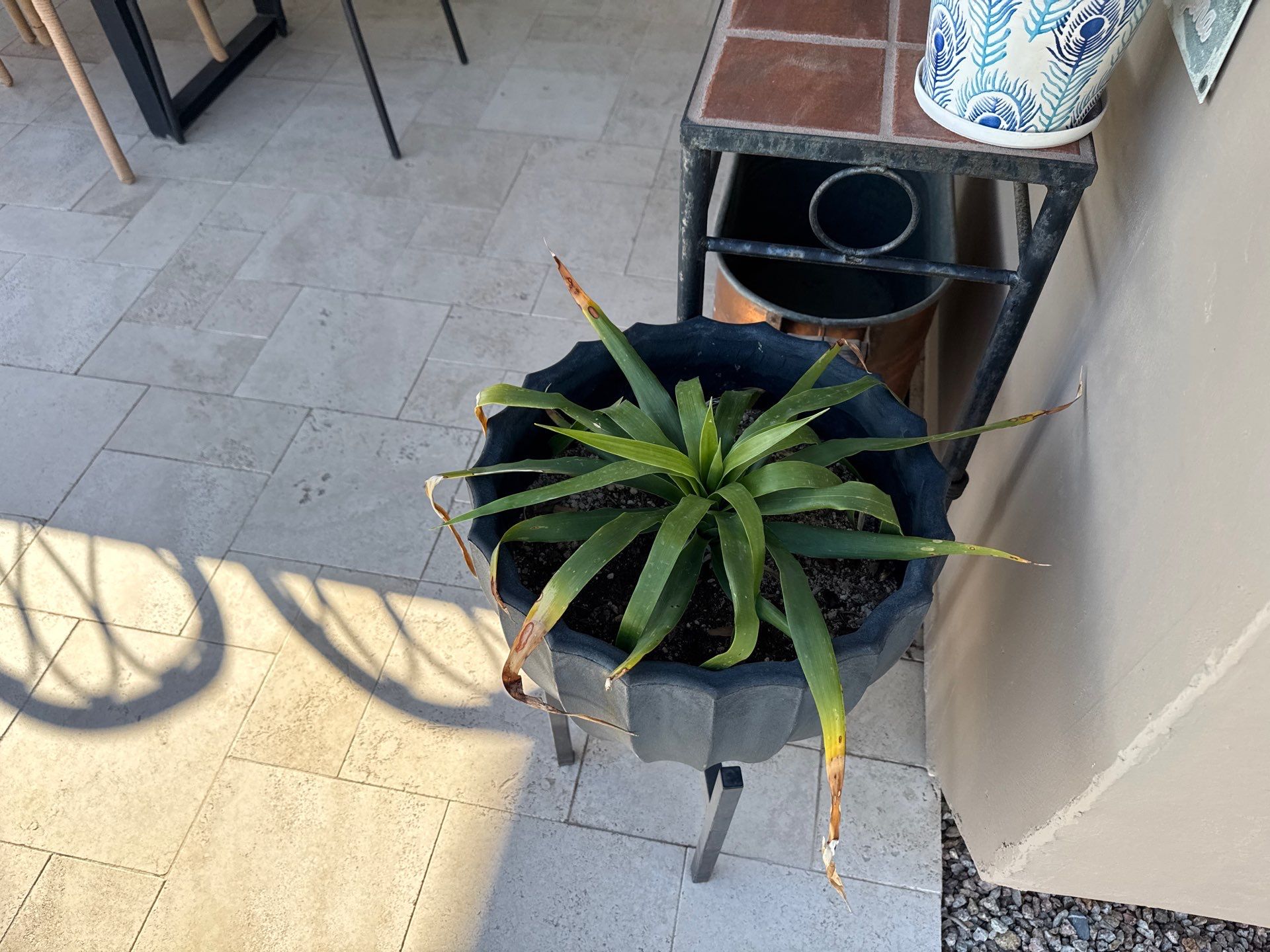
These pots are off the north-facing patio, so they get mostly shade and bright indirect light. Here are plants that will do much better in pots here:
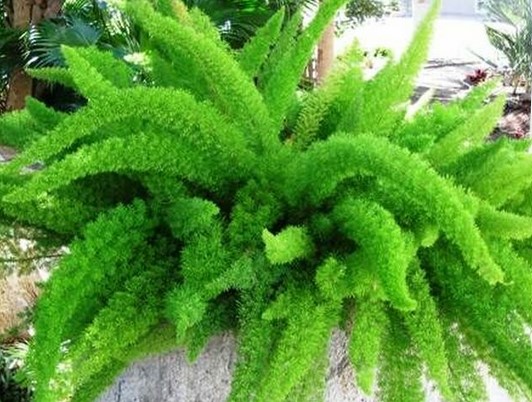
Foxtail Fern
Soft, bright green plumes. One of the best pot plants for shade here. Very easy.
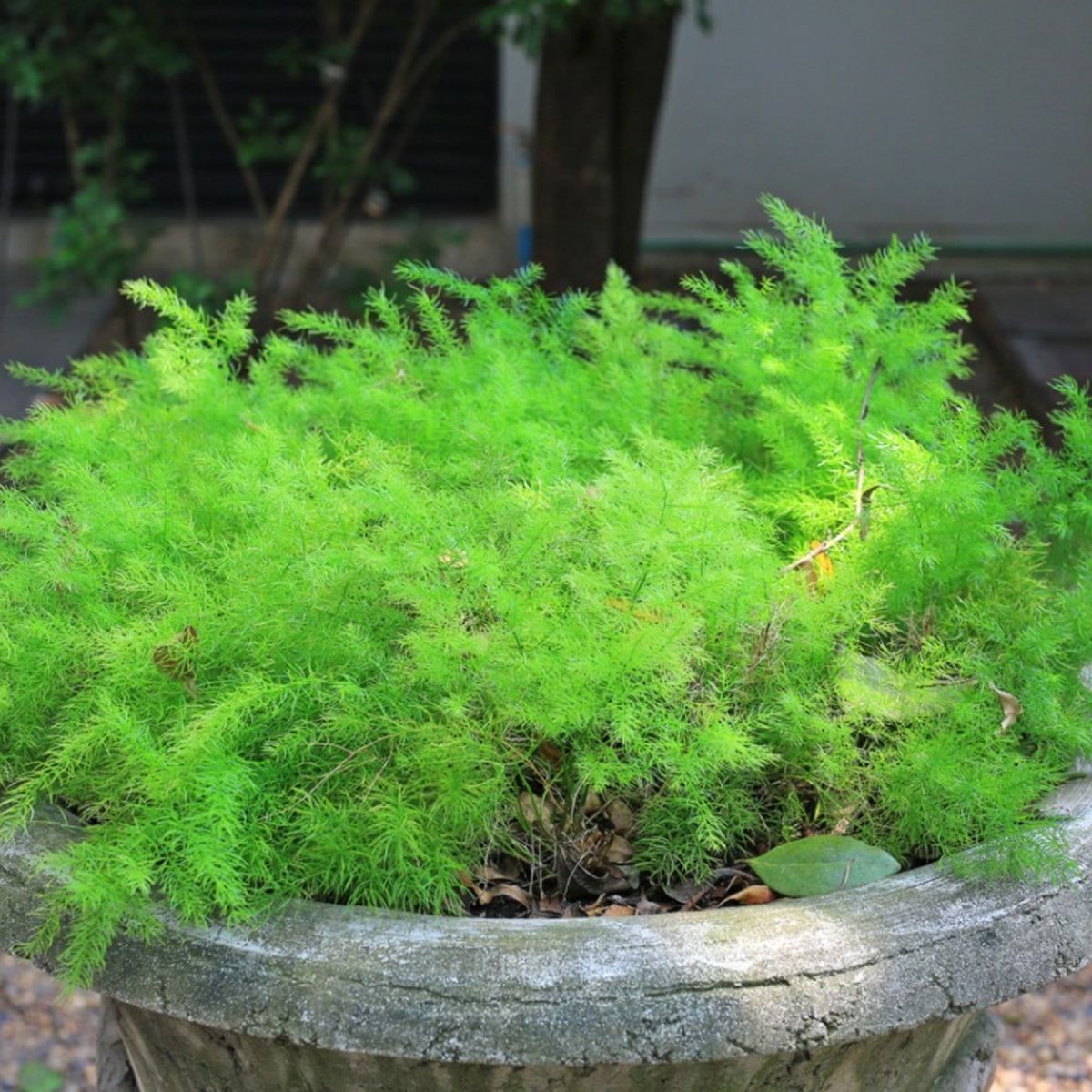
Asparagus Fern
Airy, cascading texture that spills over the edge of the pot. Takes shade and fills in fast.
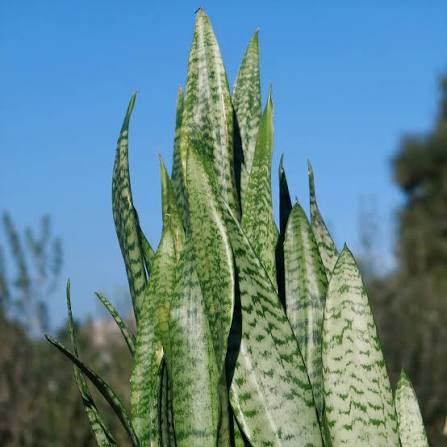
Snake Plant
Upright, architectural leaves. Does great in shade, takes very little water. Pull it against the house on frost nights.
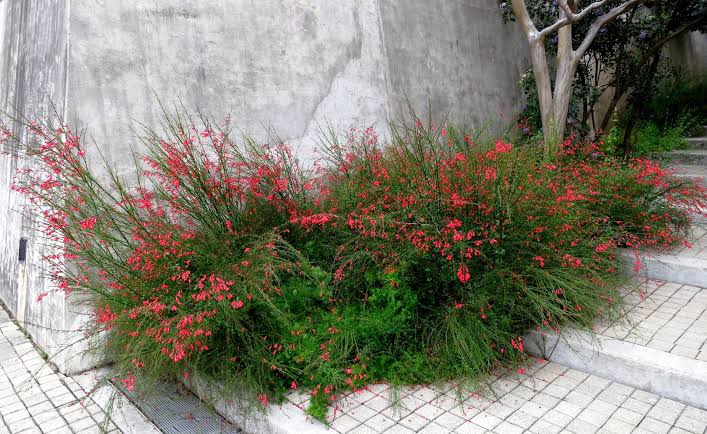
Firecracker Plant
Arching stems covered in red tubular flowers. Spills nicely over a pot edge and draws hummingbirds.
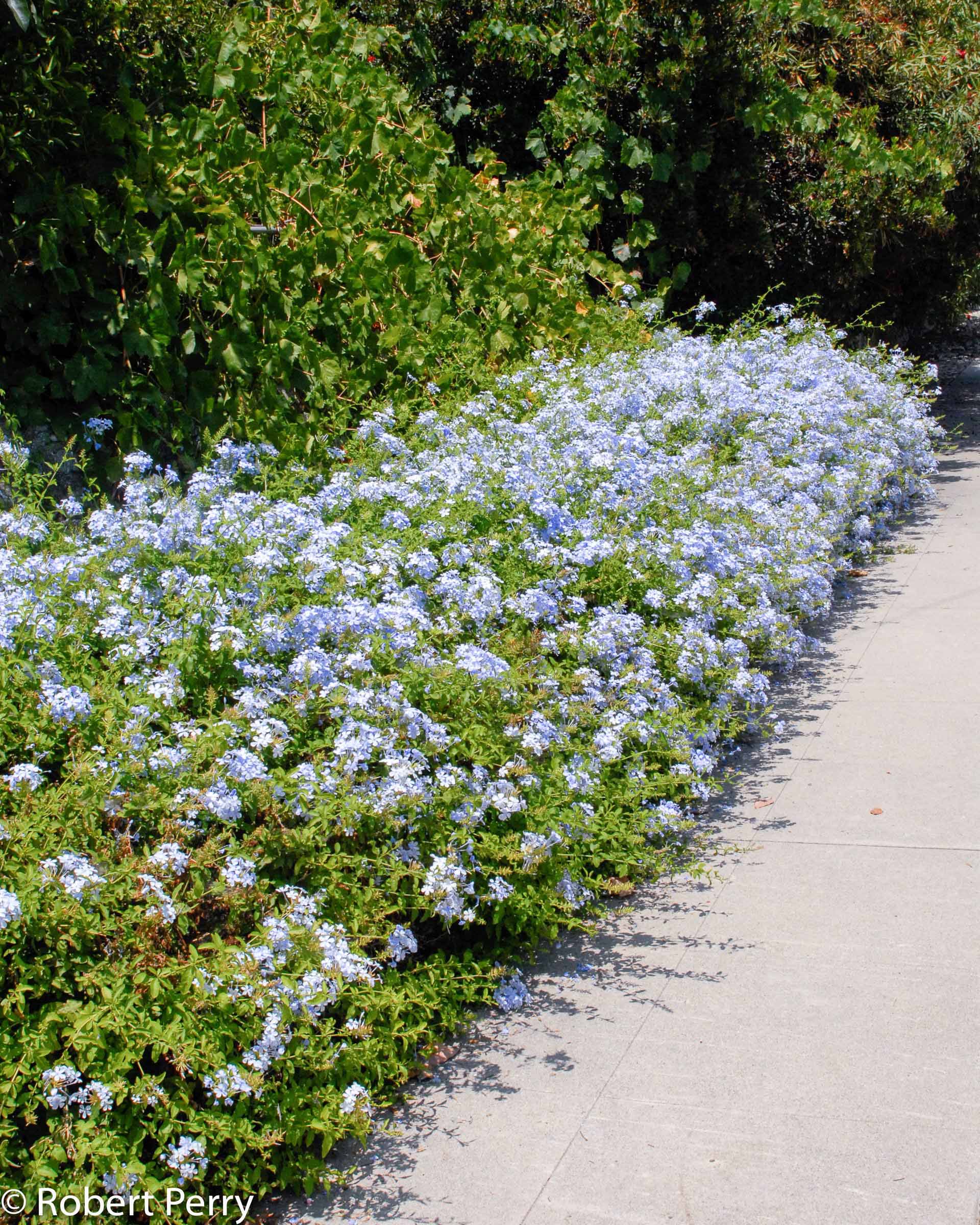
Cape Plumbago
Sky blue flowers most of the year. Mounds over the side of a large pot.
Use a good potting mix (not garden soil), make sure each pot has a drainage hole, and top the soil with a little compost a couple times a year. Pots dry out faster than the ground, so check them twice a week in summer.
Agave and Ruellia Along the West Wall
West facing, by the pool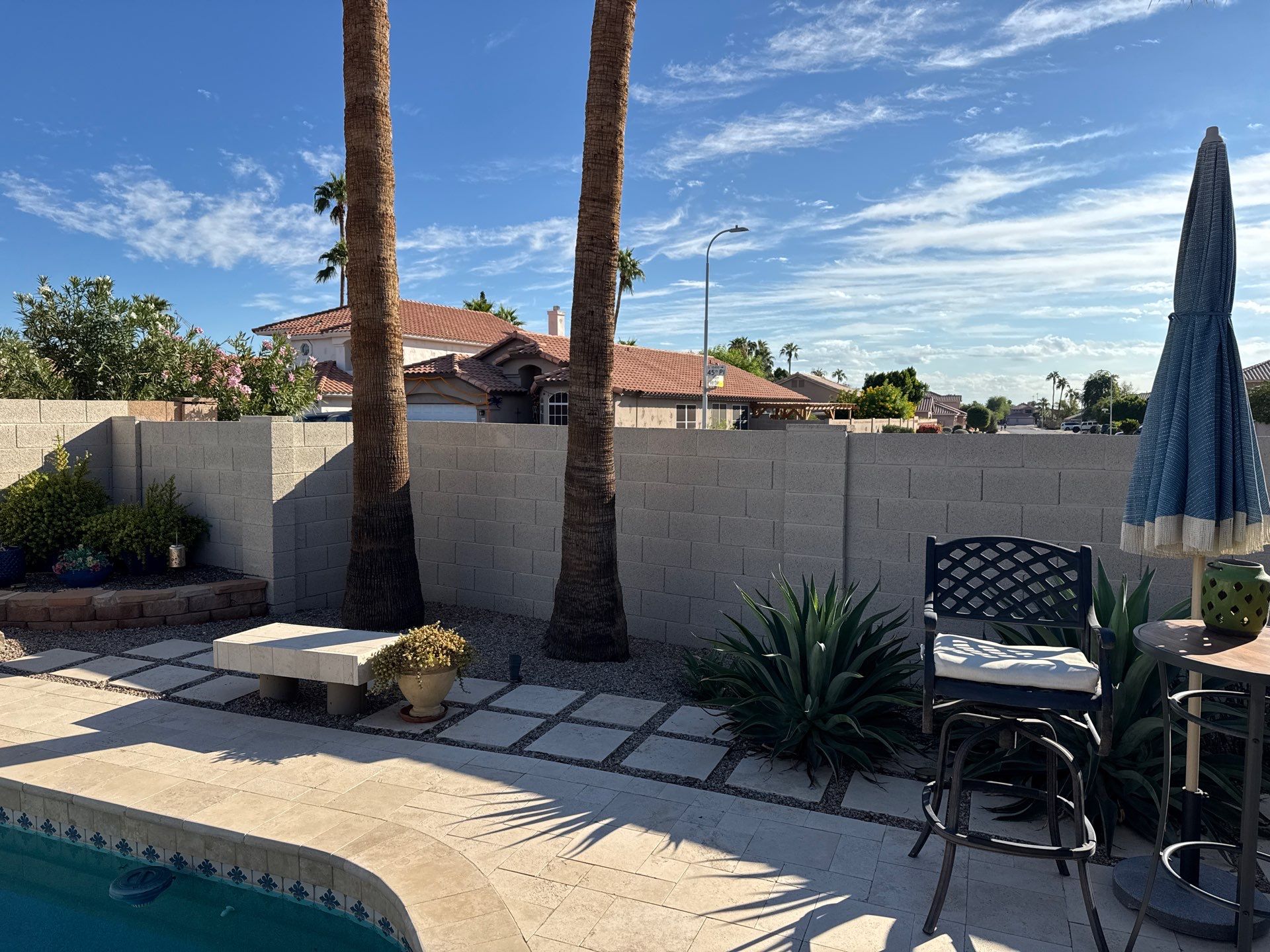
Back here against this west-facing wall, you already have a good amount of agave and some ruellia. I'd completely cover this space by extending both: the agave in front since it's lower growing, and the ruellia in back, which gives some height and starts to cover part of the wall. You can transplant pups from your existing agave to fill in the front (see the next section for how).
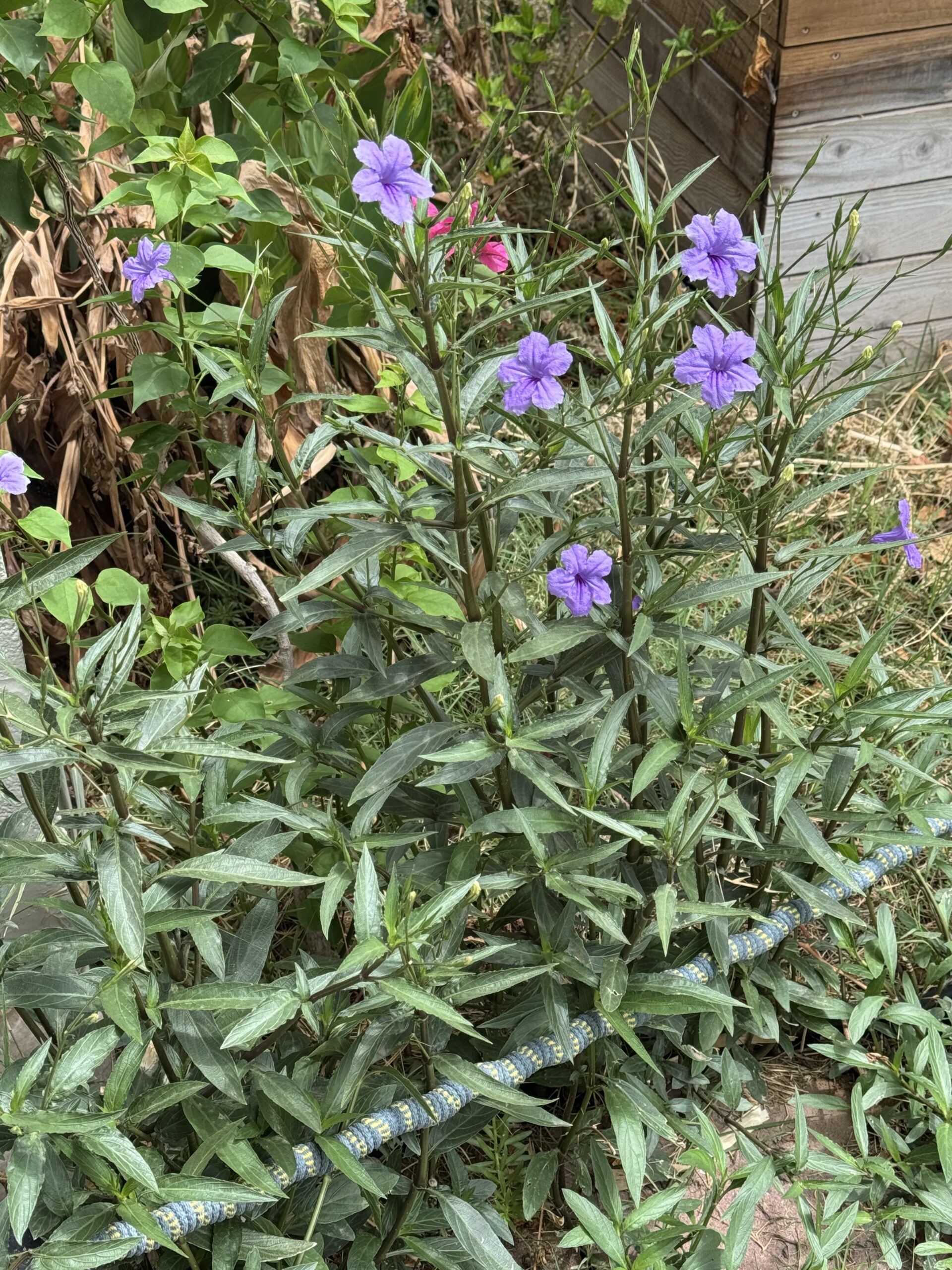
Ruellia
Purple petunia-like flowers spring through fall, 3 to 4 feet. Plant 3 feet apart along the back so it fills into a solid band. Cut back by a third in late winter.
Perry's Agave
Blue-gray rosette, about 2 to 3 feet, stays compact. A good partner for your existing agave in front.
Here are some other options that would work back in this area too:
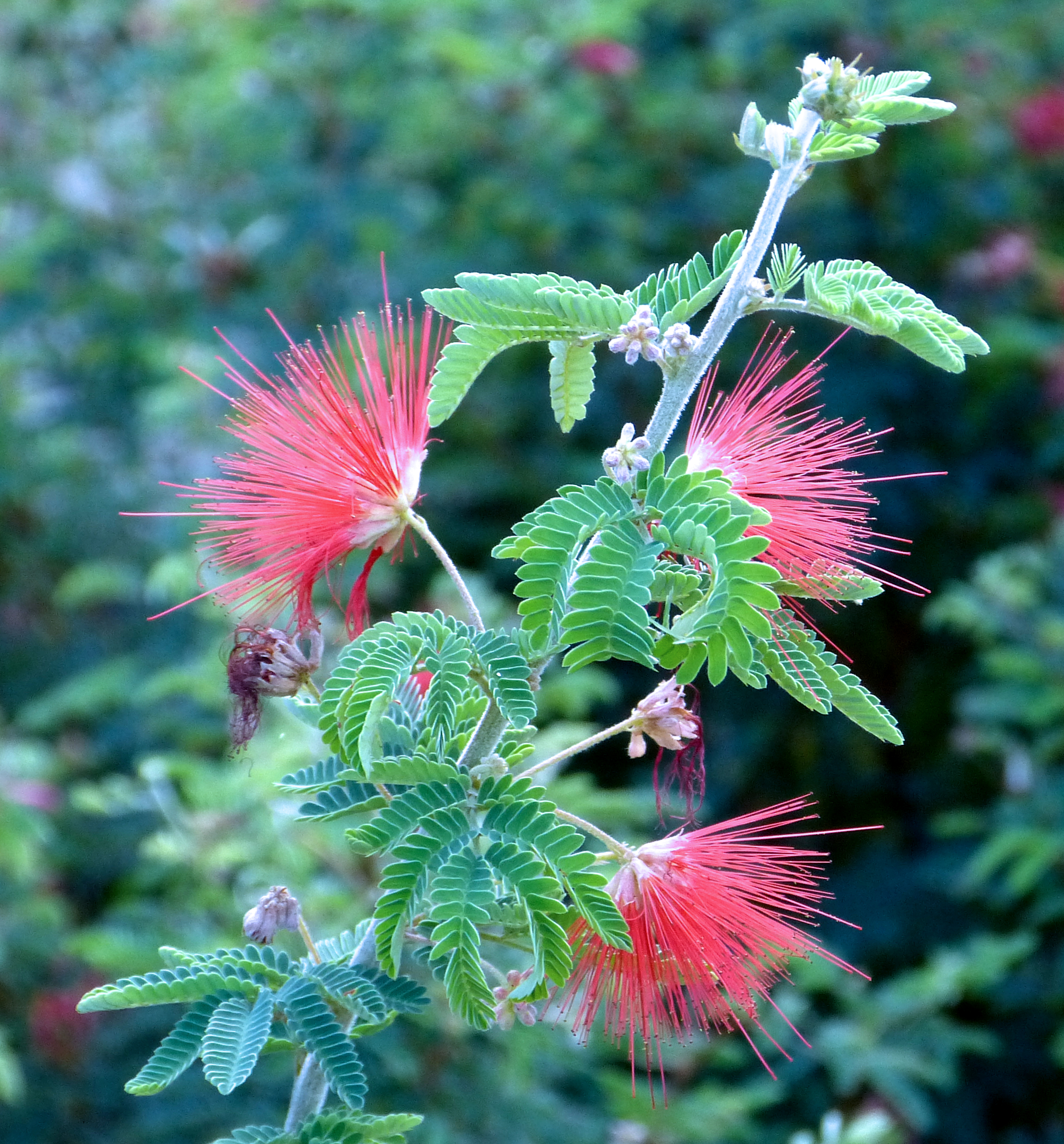
Baja Fairy Duster
Red puffball flowers most of the year, 3 to 5 feet. Very little litter, good near a pool.
Red Yucca
Coral-red flower stalks spring through fall. Pairs perfectly with agave.
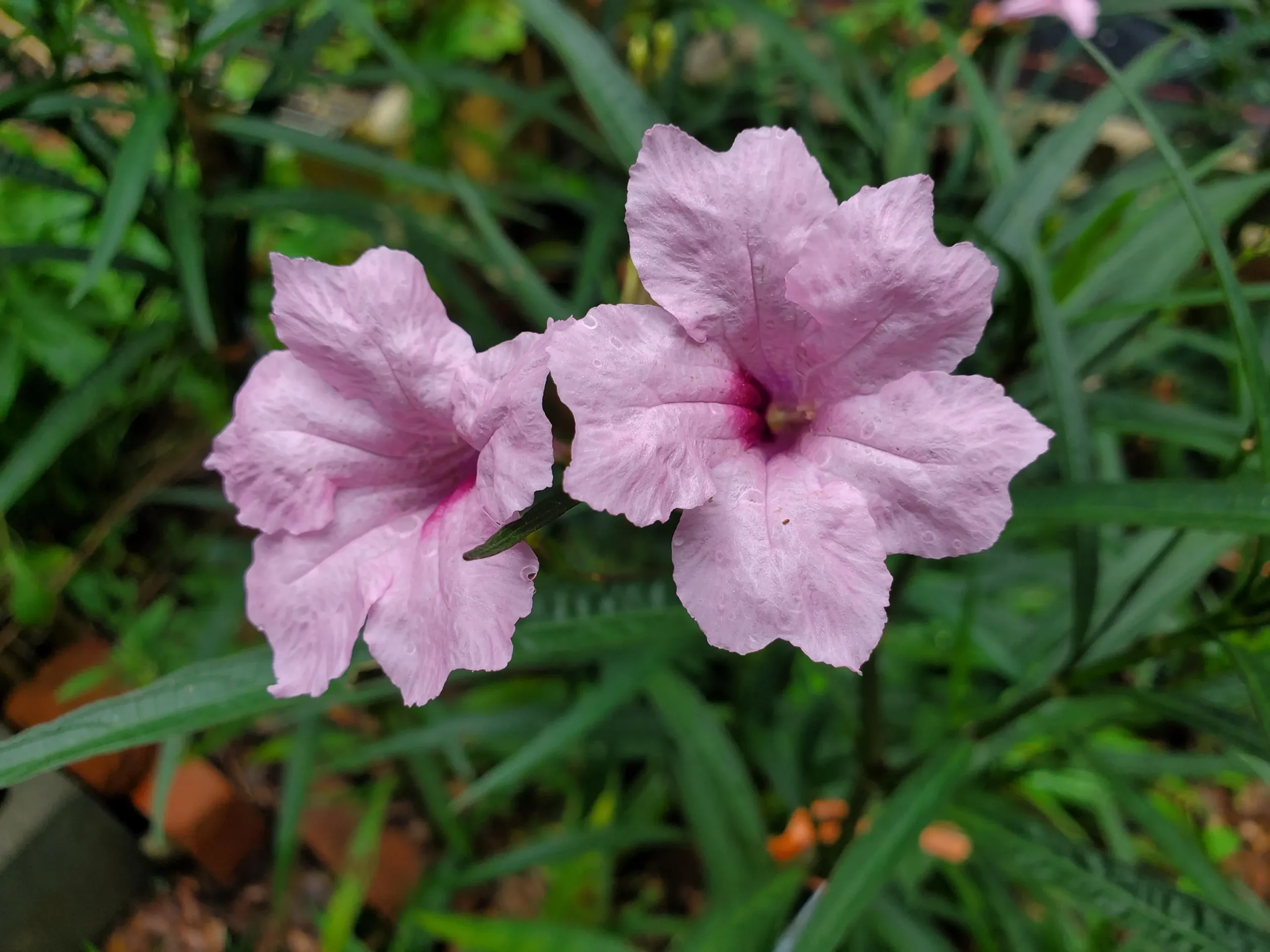
Pink Ruellia
A pink-flowered version if you want to mix colors with the purple.
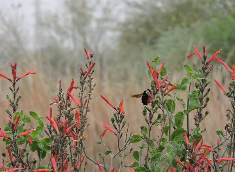
Chuparosa
Native, with red tubular flowers through winter and spring when little else is blooming. 3 to 4 feet. Hummingbirds fight over it.

Desert Milkweed
Native, upright gray-green stems about 3 to 4 feet with cream flowers. The host plant for monarch and queen butterflies, and it stays narrow.
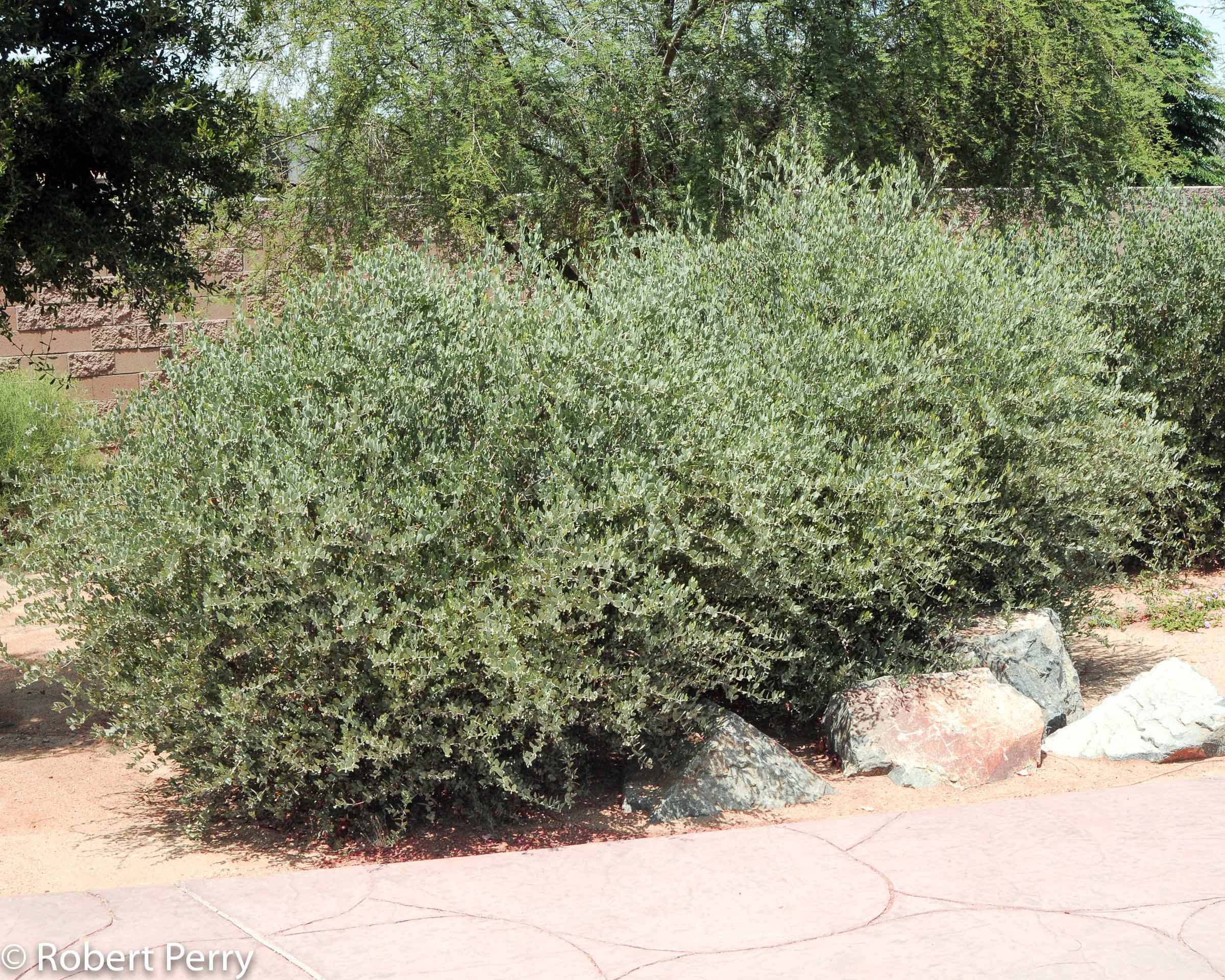
Jojoba
Native, evergreen shrub with leathery blue-green leaves. Very tough in reflected heat and almost no litter. Can be kept 3 to 4 feet with light shaping.
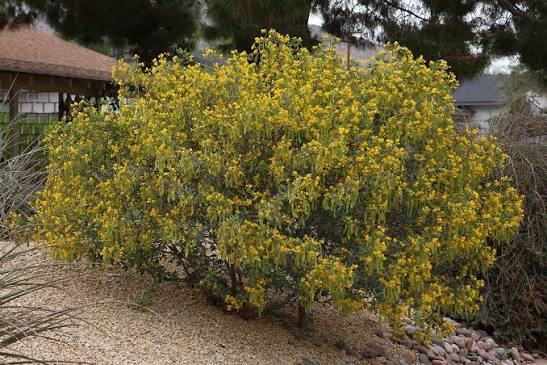
Green Feathery Senna
Fine, needle-like bright green leaves and clusters of yellow flowers in late winter and spring. 3 to 4 feet, soft texture, and very little care.
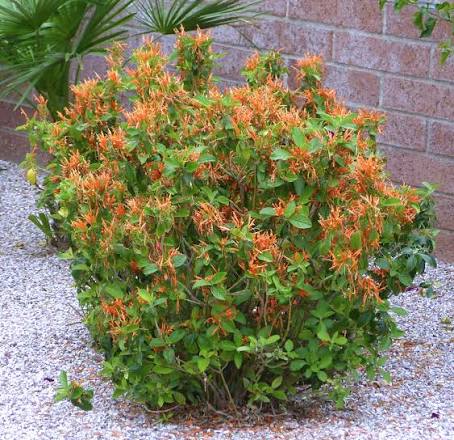
Mexican Honeysuckle
Bright green velvety leaves and orange tubular flowers most of the year. 2 to 3 feet, mounding. Hummingbirds love it. Does best with a little afternoon protection, so tuck it near the agave or palm shade.
Pick a few and repeat them along the wall.
Managing the Agave Pups
Back yard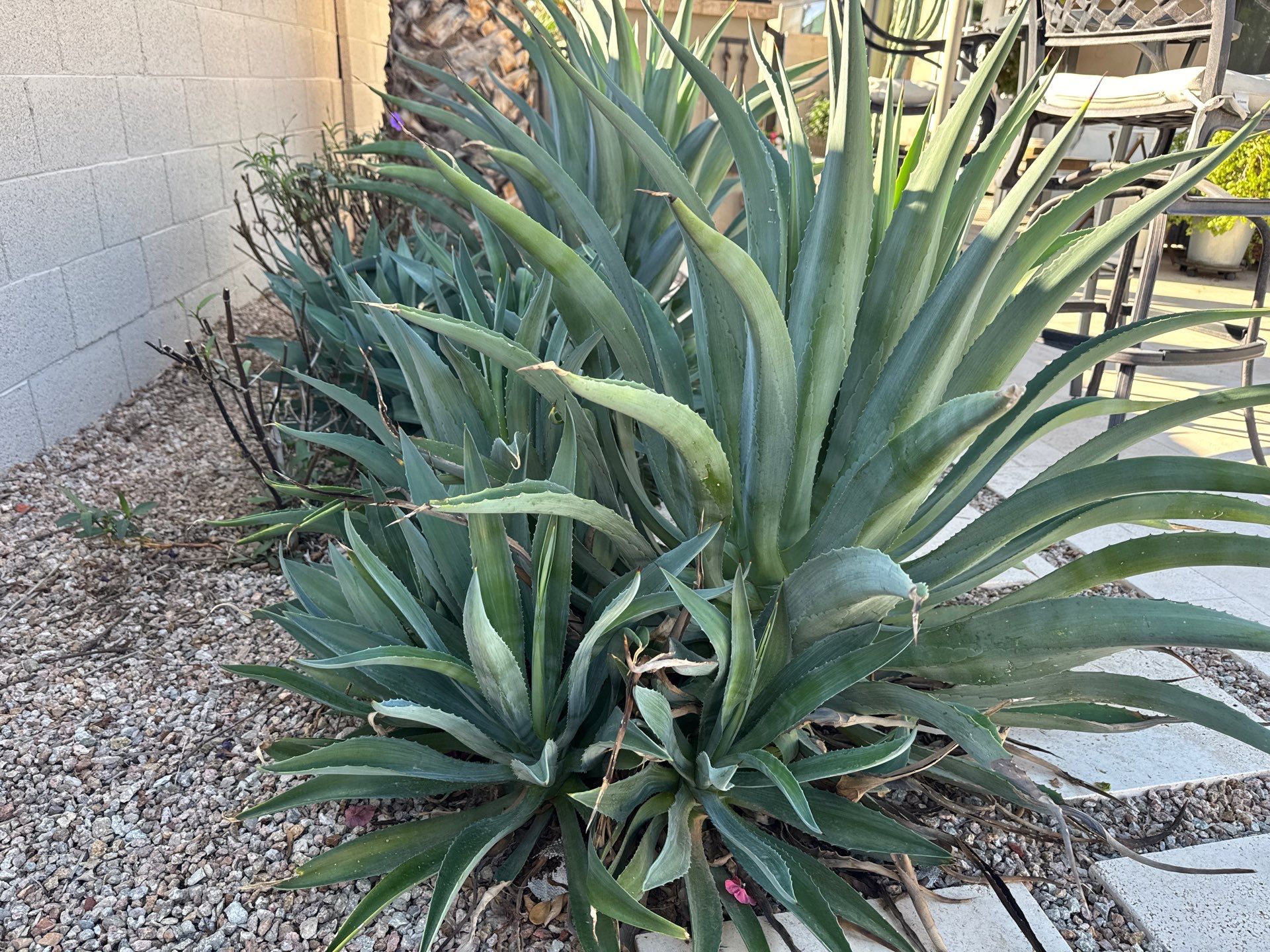
This agave grows by pups, the small offsets that pop up around the main plant. You can take out any of them at any time and transplant them. You can even take out the mother plant and you won't hurt the others. Since you don't like when they get too big, once one starts getting too large, it's as simple as cutting it out.
How to remove and transplant pups
- Protect yourself. Wear thick gloves and long sleeves. Agave sap can irritate skin.
- Dig around the pup with a shovel or flat spade and find the runner connecting it to the mother plant. Cut through it.
- Lift it out with whatever roots come with it. Even a pup with almost no roots will usually take.
- Let it dry in the shade for a few days so the cut end calluses over.
- Plant it at the same depth it was growing, in well-drained soil. Water it in once, then wait a week before watering again so the roots can form.
To remove a big one, dig around the base, cut the roots, and lever it out with a long bar or shovel. The pups around it will keep growing and take its place. Extra pups are great to fill in the west wall bed or to give away.
Clump by the Pond
Next to the pond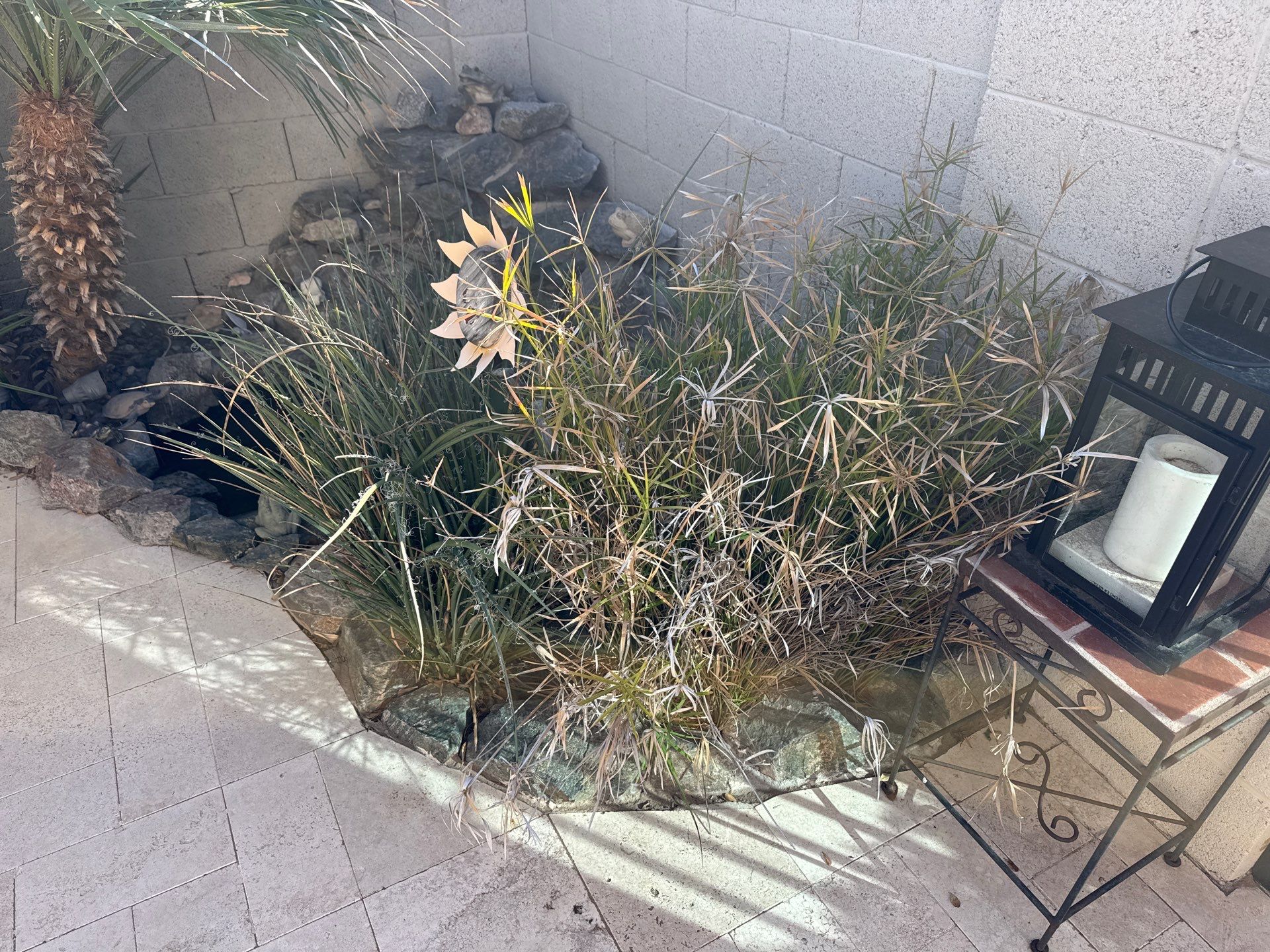
This plant next to your pond has some old dead growth that you can cut out. Don't shear it into a ball. Instead, find each dead stem and trace it all the way back to the ground as best you can, then cut it out there. It takes a little more time, but it opens up airflow, gets all the dead material out, and lets the healthy growth come in and look much better.
- Use sharp hand pruners and work from the outside in.
- Now through late winter is a good time to do it.
- Once it's cleaned out, add a little compost around the base and water it in.
Mock Orange in the Corner
Front entry corner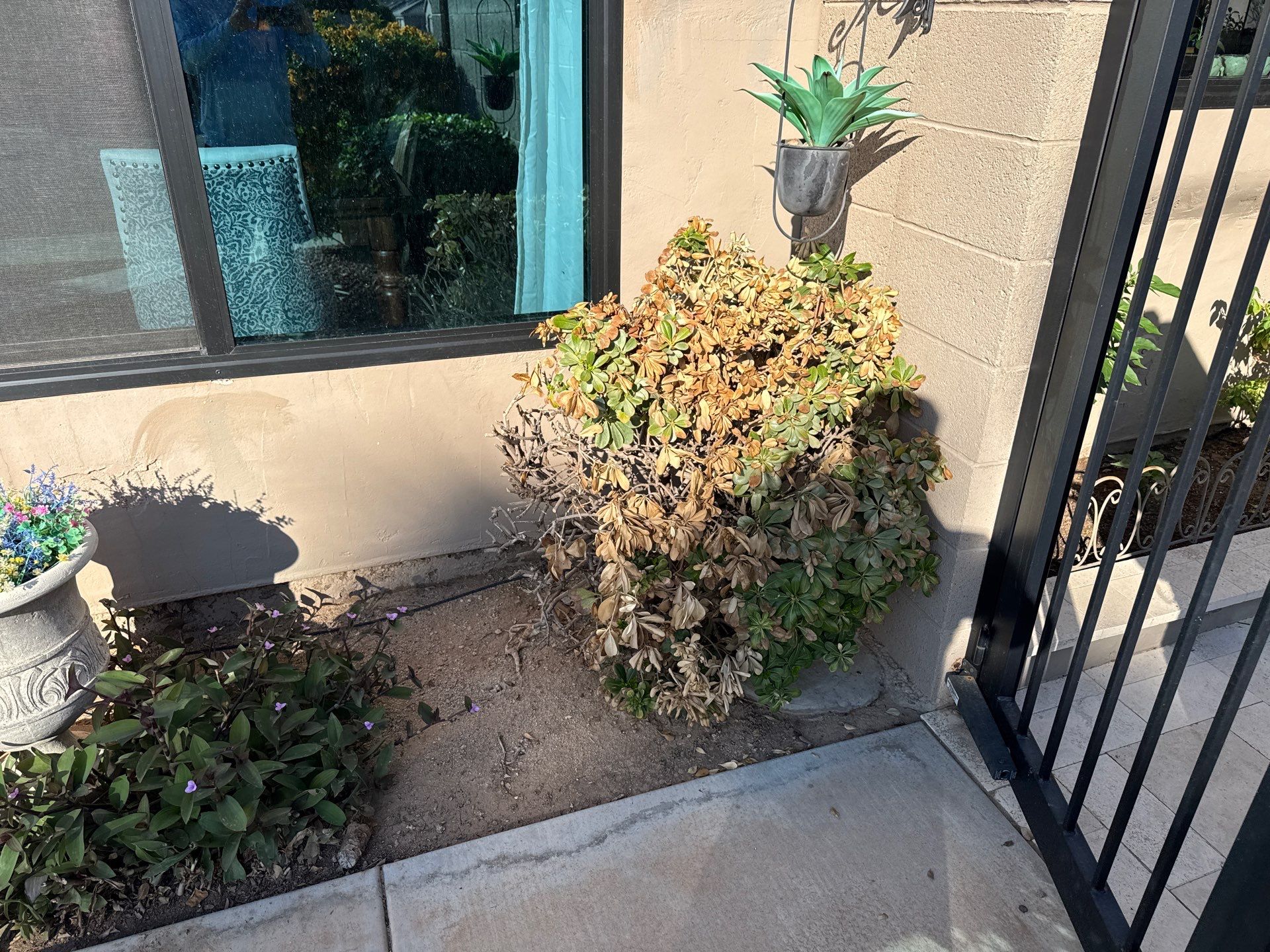
This mock orange had quite a bit of dieback, but it's pushing new growth, which is a great sign. Now is a great time to get in and cut all the dead stuff out.
- Cut back the dead. Scratch the bark with your fingernail. Green underneath is alive. Cut dead branches back to where you find green.
- Add compost. Spread good quality compost around the base out to the edge of the plant.
- Give it a deep soak. Put your hose on a slow drip at the base for 24 to 48 hours and let it soak in deep. Move the hose around the plant every several hours.
I think it will come back. After that, keep it on a regular deep watering schedule and feed it monthly (see the feeding section).
Adding Height on the West House Wall
West facing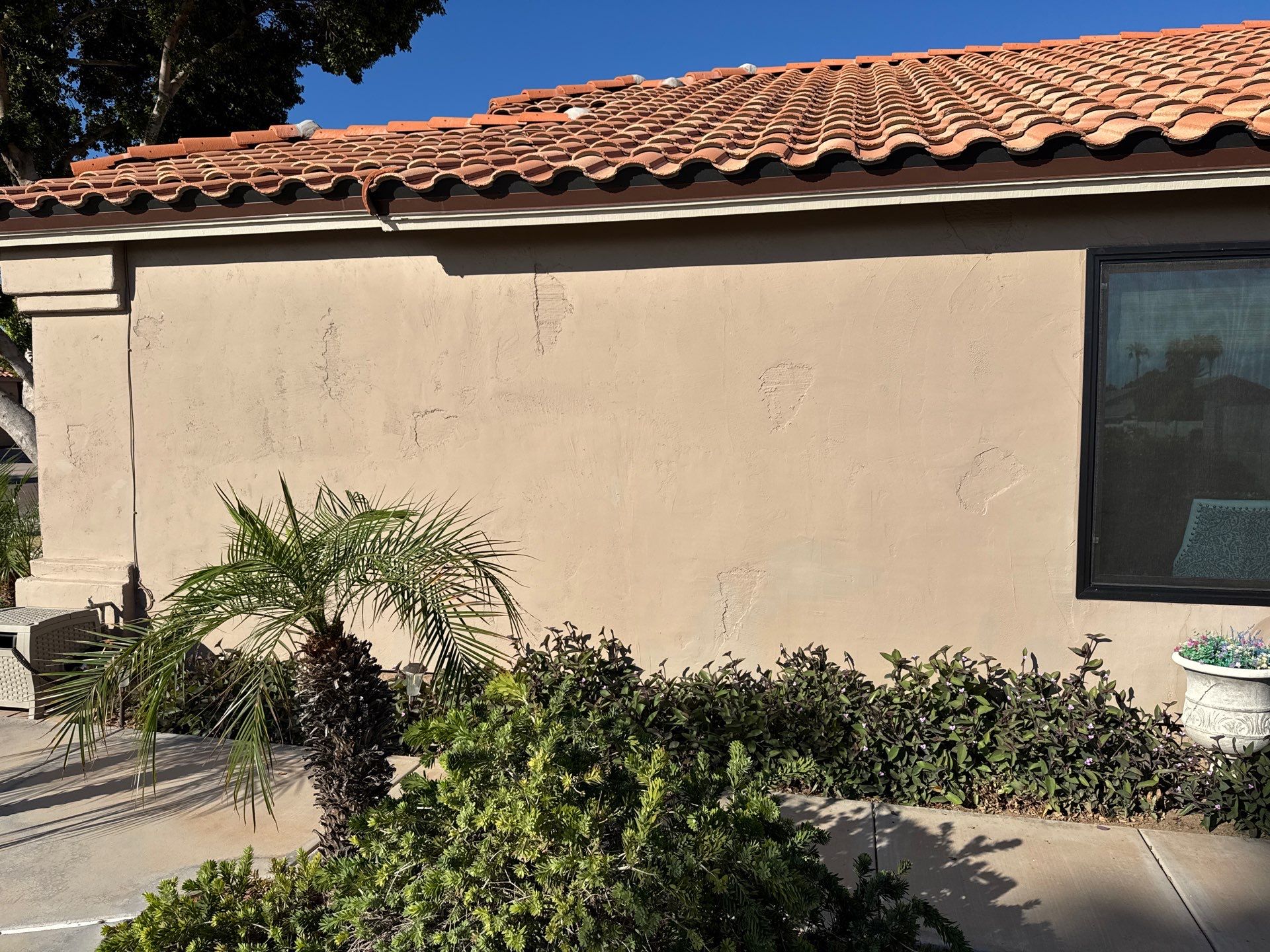
This wall of the house faces west. You have a good ground cover going with the purple heart, but it needs some height and dimension. There isn't a lot of room here, so the best fits are an upright shrub or a vine that grows up the wall without taking up much space, planted right in with the purple heart. Skyflower would look really good here. Here it is along with a few vine options:
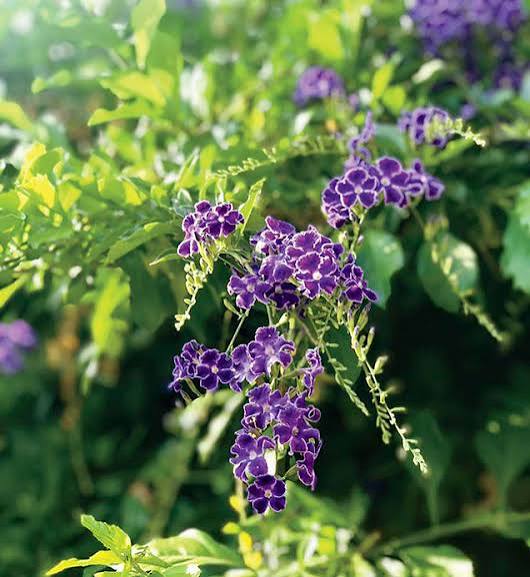
Skyflower
Purple flower clusters followed by golden berries. Grows upright to 6 to 8 feet and can be trained flat against the wall. My first pick here.
Hacienda Creeper
Self-clinging, so it grabs the wall on its own with no trellis. Green leaves that turn red in fall, then drops its leaves for winter. Fast and very tough in west sun.
Lady Banks Rose
Thornless climbing rose covered in small yellow or white flowers in spring. Needs a trellis or wires to be tied to.
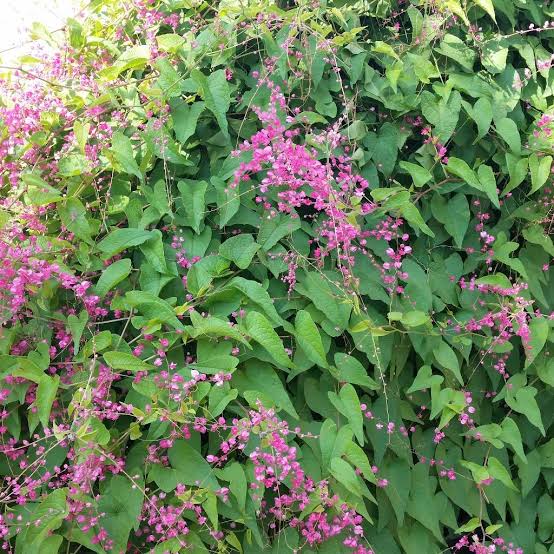
Coral Vine (Mexican Creeper)
Sprays of bright pink flowers from summer into fall, and it loves the heat of a west wall. Climbs with tendrils, so give it a trellis or wires. Dies back in a hard freeze and comes right back in spring.
Pick one and repeat it along the wall. For the vines that need support, run galvanized wire horizontally every 12 to 18 inches with eye screws; it's almost invisible once the vine fills in.
Bringing the Grass Back
Front lawn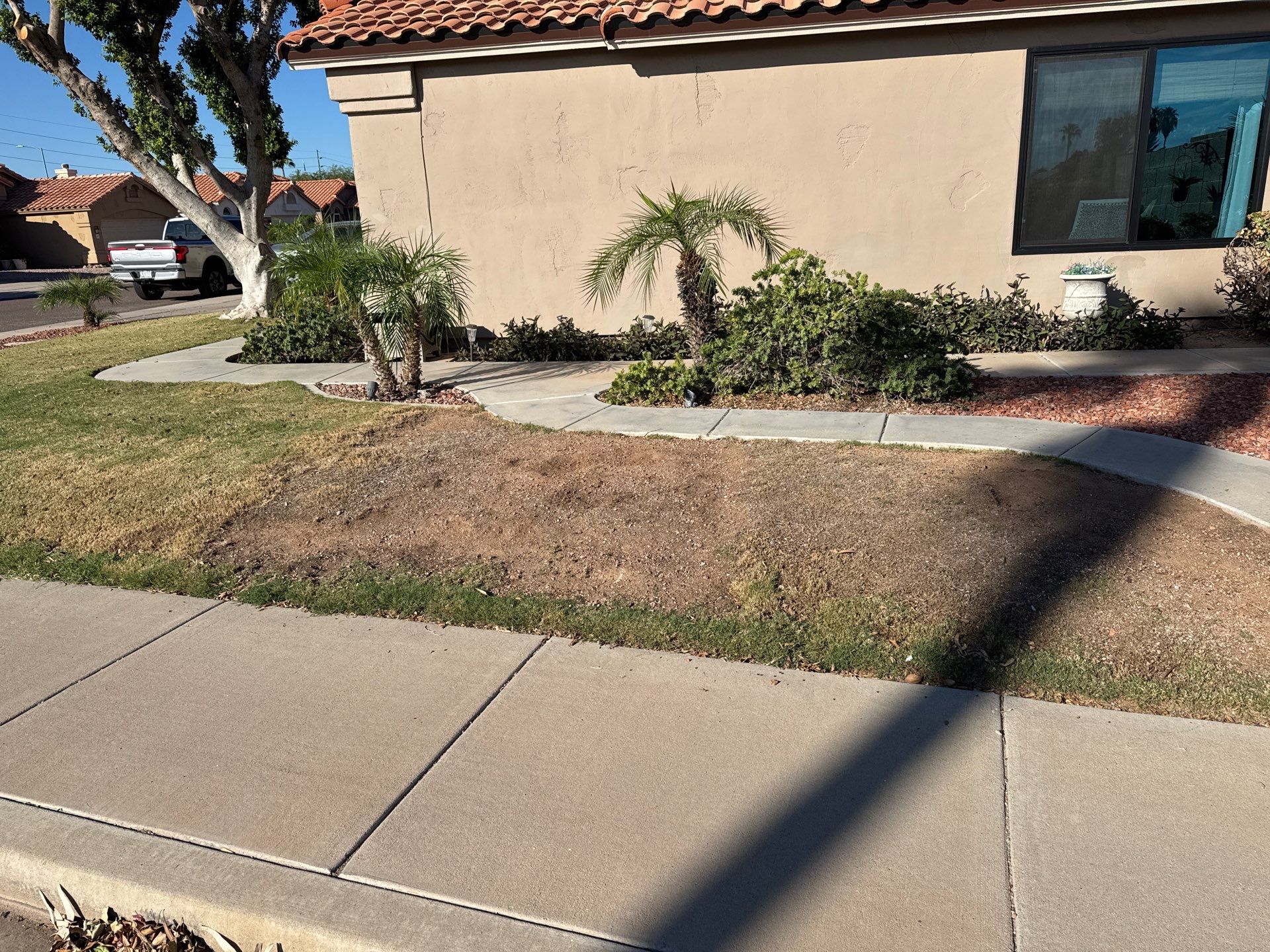
Your grass is slowly declining and you're not sure why. It could be a soil issue, but soil issues can be fixed by adding quality compost and organic feeding. Here's what I'd do:
- Level it out. Right now it's very uneven, and water runs off the high spots and pools in the low ones. Fill the low spots with a mix of sand and compost, a half inch at a time, and rake it in so the grass can grow through.
- Aerate it. Core aeration pulls plugs of soil and lets water, air and compost get down to the roots. You can rent a core aerator or hire it out.
- Top dress with compost. Right after aerating, spread a thin layer (about 1/4 inch) of compost over the whole lawn and rake it into the holes.
- Push it in spring. Once it greens up in spring, feed it monthly with a good organic fertilizer. The Catalyst products in the feeding section work great on grass and really green it up.
- Water deep and less often so roots go down: soak about 6 inches deep each time. In summer that's usually 3 times a week, early morning.
- Mow at 1 to 1.5 inches for Bermuda and never take more than a third of the blade at once.
I think it will come back.
Replacing the Ash Tree
Front yard, west facing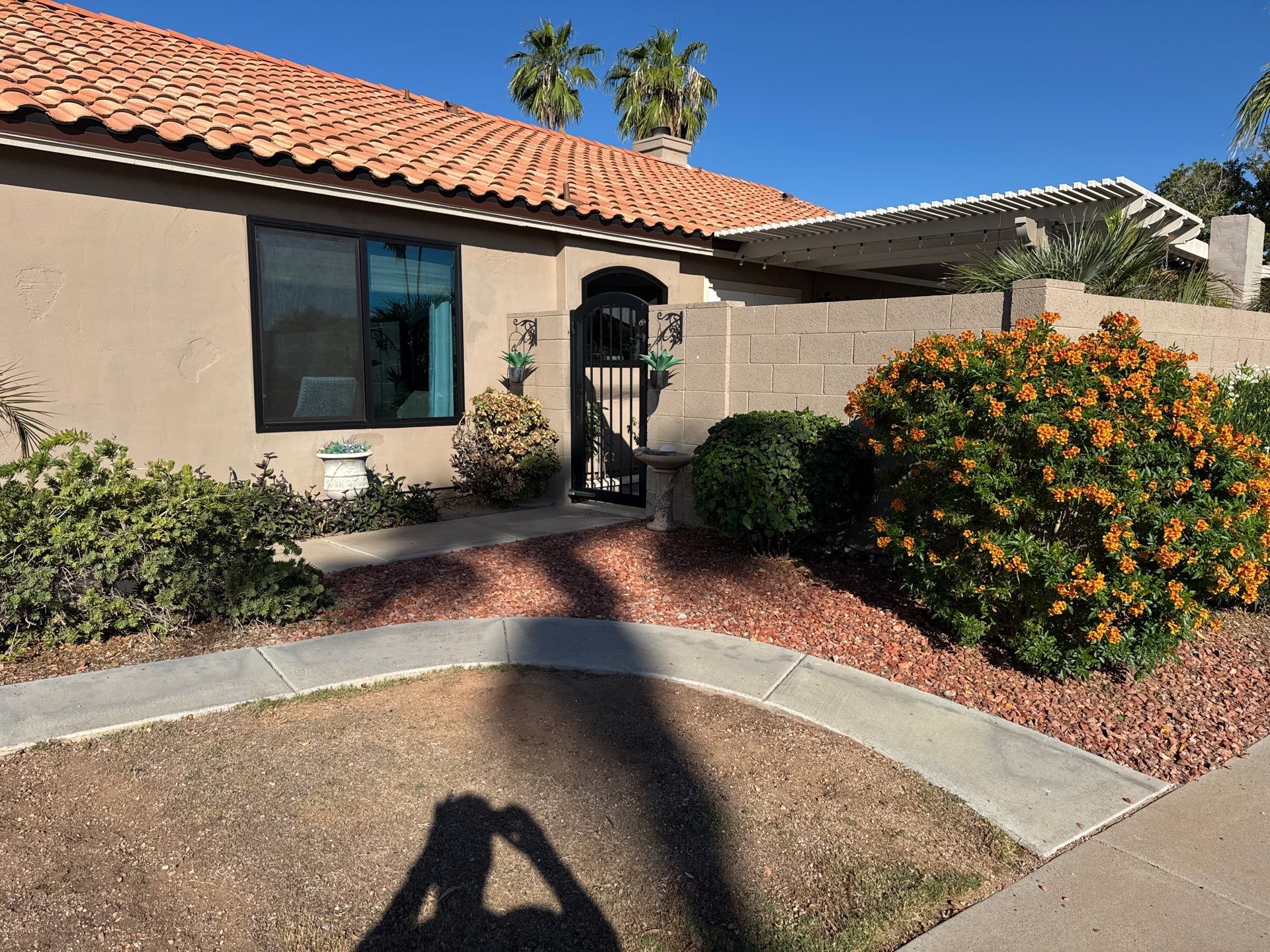
You're considering a tree where the ash used to be. This spot is on the west-facing side of the front of the house, so a tree here will block the hot afternoon sun. Nothing that will get huge, so here are some options that stay a manageable size:
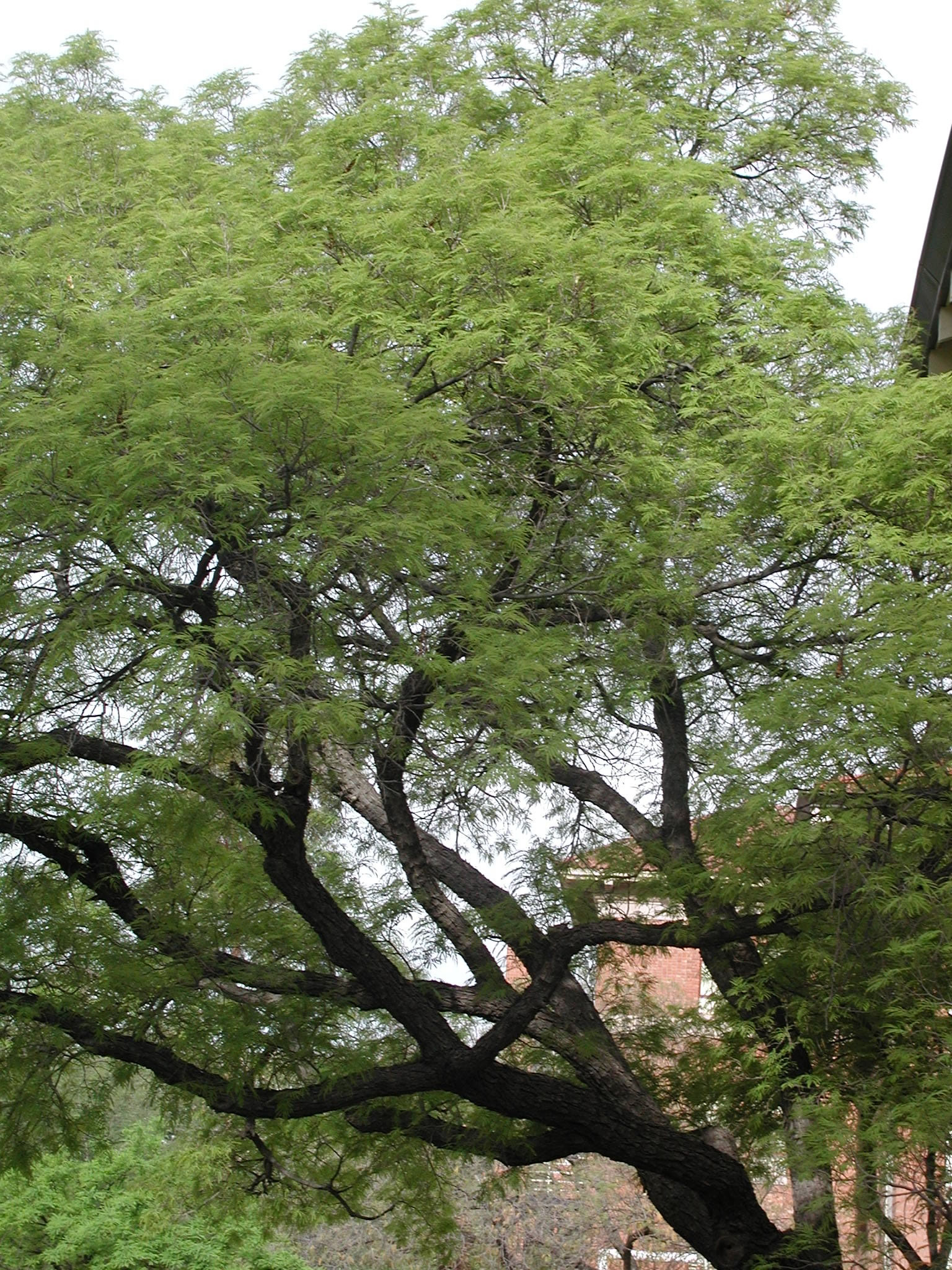
Fern of the Desert
My first pick here. Fine, fern-like leaves give light, filtered shade, with fluffy cream flowers in spring. Stays 15 to 20 feet. Native to the Sonoran Desert region.

Chinese Elm
Semi-evergreen with a graceful, weeping canopy and great shade. Gets larger, 30 to 40 feet, so plant it farther from the house.
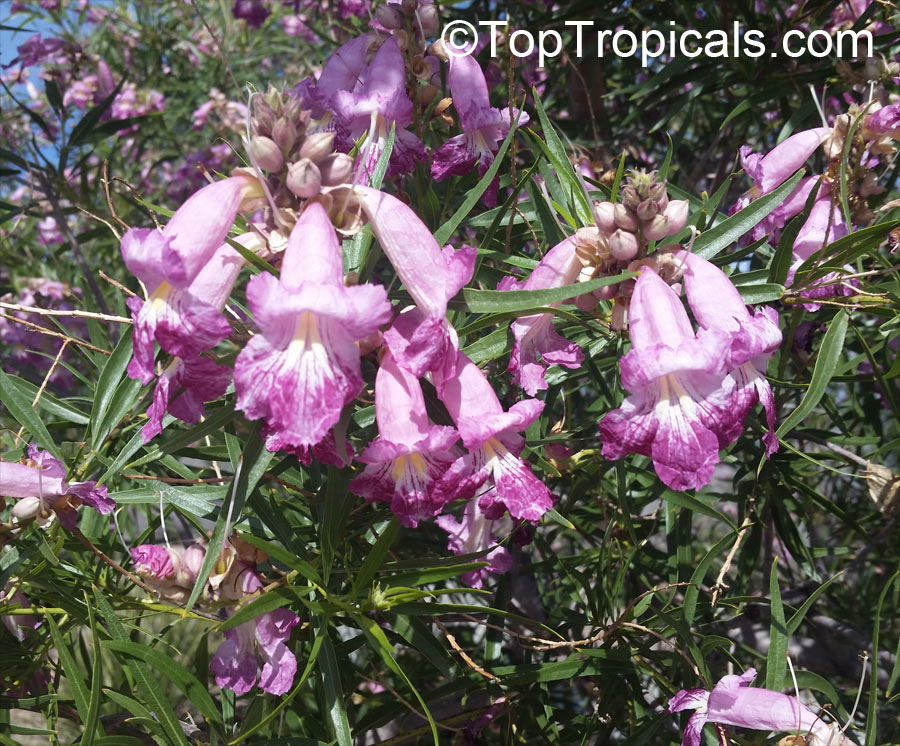
Desert Willow
Native, 15 to 25 feet, with orchid-like pink and purple flowers all summer. Light shade.

Texas Olive
Evergreen with big white flowers through the warm season. Stays 15 to 20 feet with a rounded canopy.
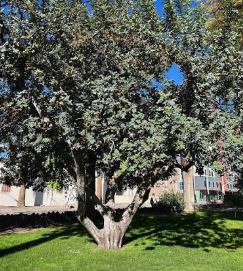
Carob
Evergreen with dense, dark shade. The largest option (25 to 30 feet), so only if you want maximum shade and have room.
Go with a 15 gallon tree. Smaller trees establish faster and end up better trees long term. If the old stump is still there, no need to grind it. Just plant beside it. Backfill with your native soil plus a little compost, lay compost on top of the soil, then mulch over the compost, keeping the mulch a foot back from the trunk.
Cleaning Up the Asparagus Fern
Front yard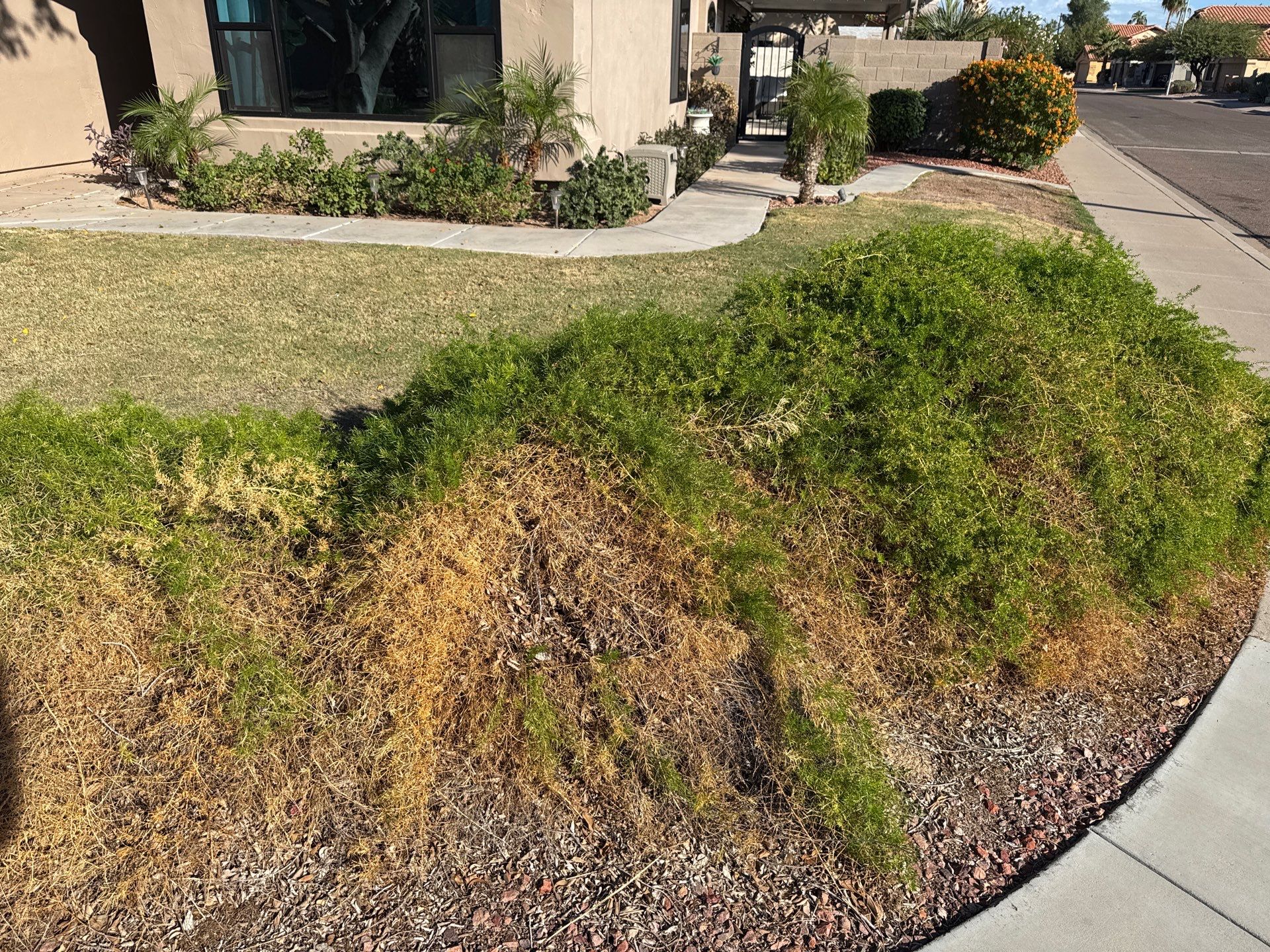
Asparagus fern is very hardy and hard to kill, but this one has a lot of old growth, leaves, and mulch built up in it, plus some dead portions. Here's how to bring it back:
- Cut out all the dead. Now is a great time of year to do it. Cut dead stems right down to the ground. Wear gloves; some asparagus ferns have small thorns.
- Blow it out. Use a leaf blower to clear all the old leaves, old growth and dead material out of the middle. That really opens it up and gets airflow moving through it.
- Soak and feed. Once it's hacked back, put the hose on a slow drip and give it a long, deep soak, then add compost around the base.
It'll push fresh green growth quickly. If you want it to look tidier long term, do a cleanup like this once a year in fall.
The Ficus and the Sidewalk
Front yard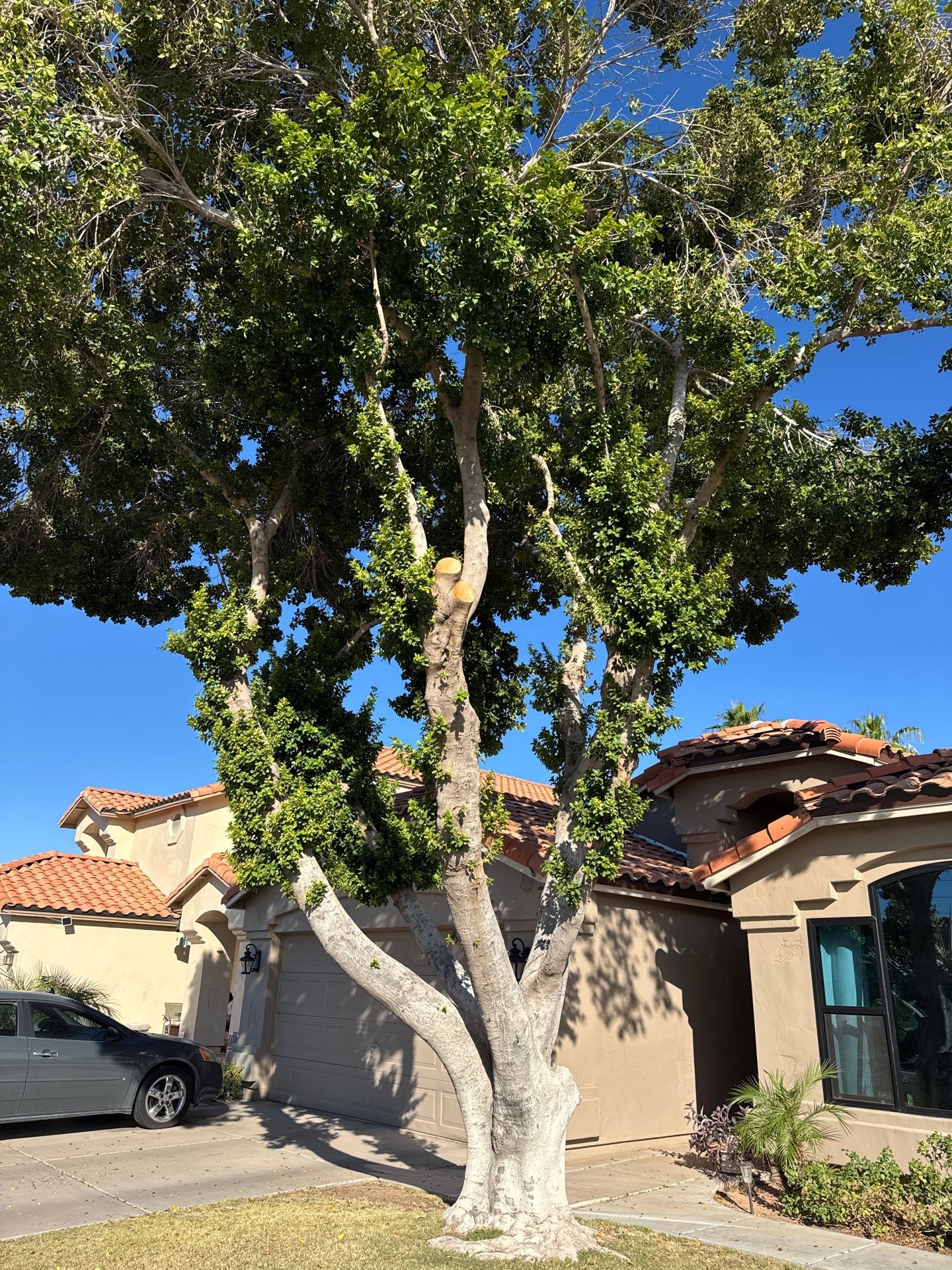
With the ficus, there's nothing we can do about the roots. It's a huge tree, it wants to keep growing, and it's going to keep spreading its root system. So there's nothing that will stop it from lifting the sidewalk. You have two choices: let it continue to lift the sidewalk, or remove it and plant another tree.
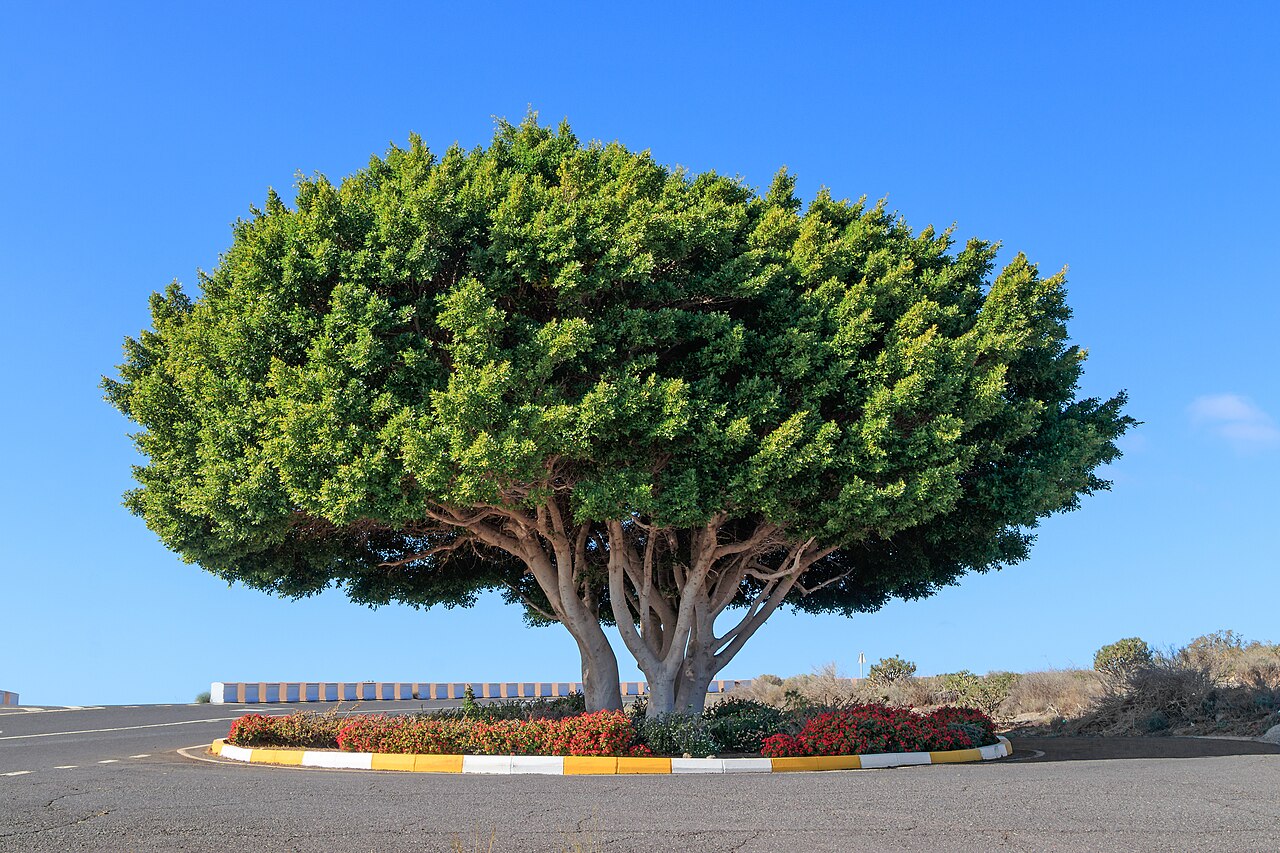
Ficus (tree form)
Fast growing, evergreen, and huge shade, but very aggressive surface roots that lift hardscape over time.
If you go with a new tree, here are options that match the look of your house:
Chinese Elm
Semi-evergreen with a graceful, weeping canopy. Fast growing to 30 to 40 feet with great shade. Much better behaved roots than ficus.
Carob
Evergreen, dense dark green canopy, 25 to 30 feet. Very tough with deep roots. A great match for a Spanish-style house.
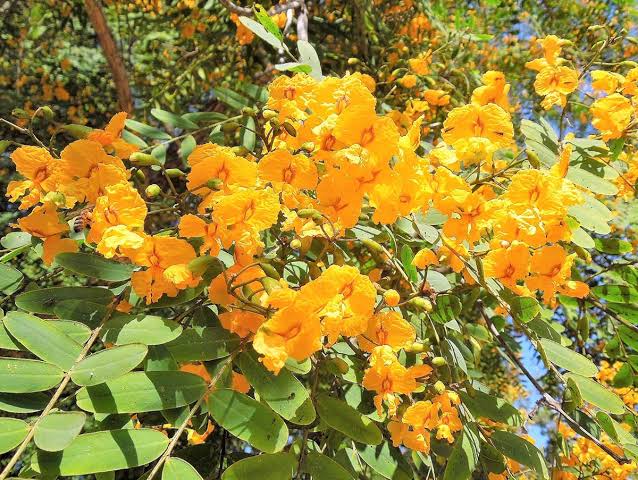
Tipu
Broad umbrella canopy with yellow-apricot flowers in late spring. Fast to 30 to 40 feet with filtered shade.
For a tree this size, removal is a job for a certified arborist. We don't do removals. I recommend King's Tree Service. If you keep it, they're also who I'd call for structural pruning to keep the canopy balanced. When replanting, plant the new tree at least 8 to 10 feet from the sidewalk and use a 15 gallon tree.
South-Facing Wall Out Front
South facing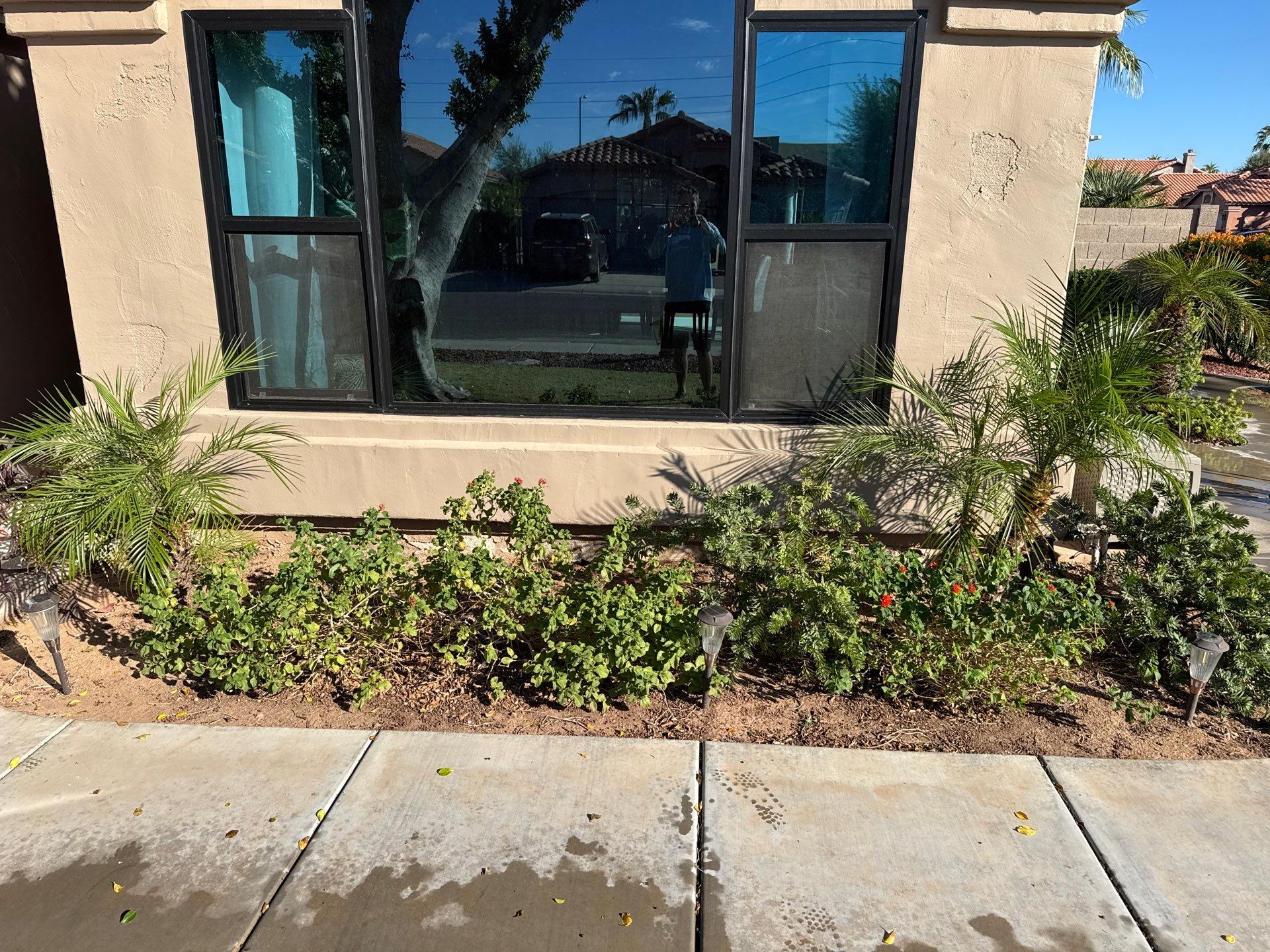
This is the south-facing wall at the front of the house. Cape plumbago would work great here. Here it is with some other options that fit the same tropical feel as the rest of the front:
Cape Plumbago
Sky blue flowers most of the year, mounding to 3 to 4 feet. My first pick for this wall.
Firecracker Plant
Arching stems with red tubular flowers, 3 to 4 feet. Hummingbird magnet.
Pink Ruellia
Pink flowers spring through fall, upright to 3 feet. Takes the heat well.
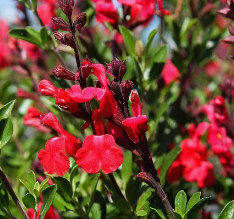
Autumn Sage
Red, pink or white flowers spring and fall, 2 to 3 feet.
Pick a couple and repeat them along the wall.
Filling in the Front Bed
Front yard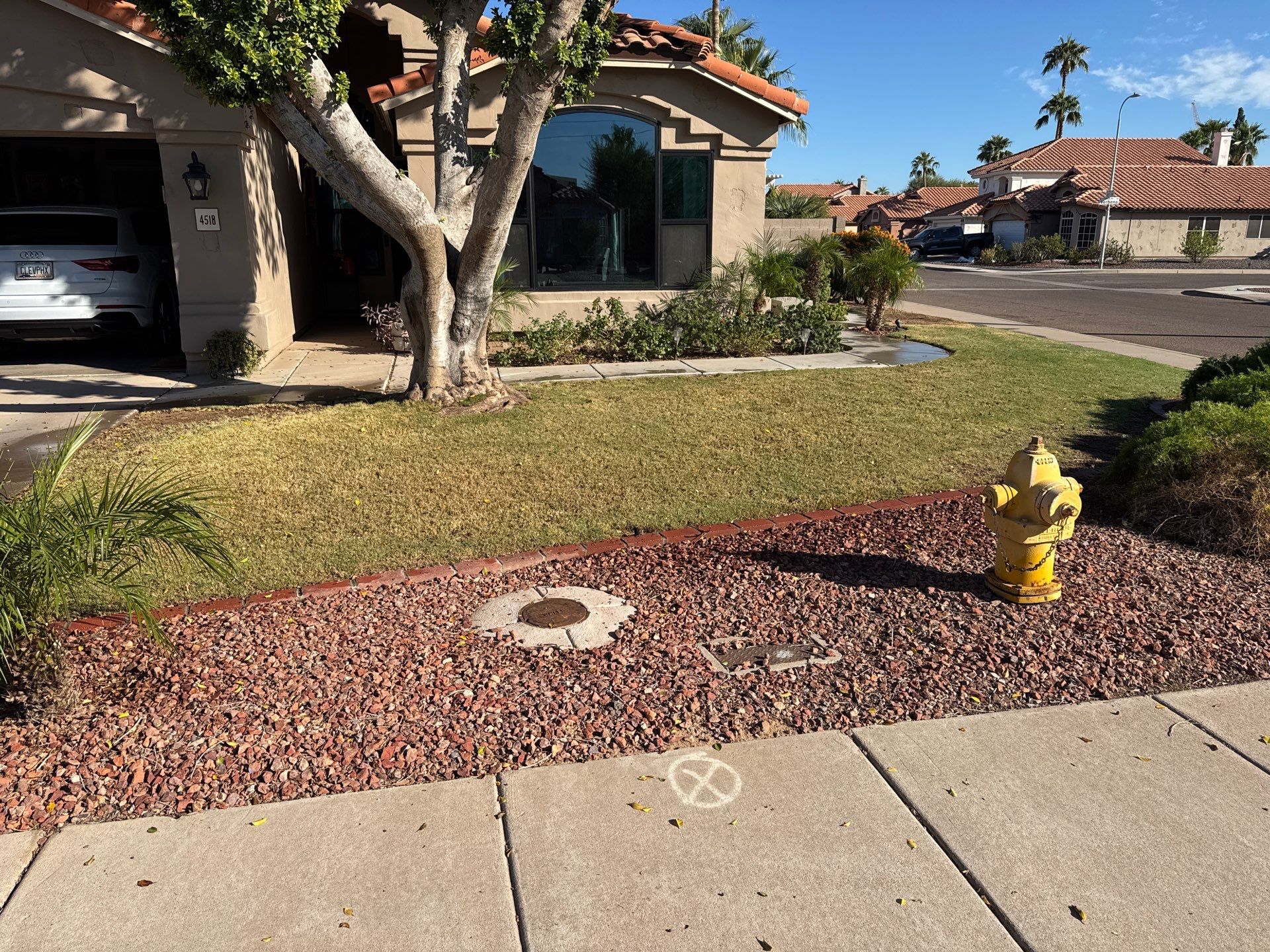
Here in the front you already have a pygmy palm and asparagus fern. To fill in the middle with the same tropical look as the front of the house, here are some suggestions:
Cape Plumbago
Sky blue flowers most of the year, 3 to 4 feet. Ties in with the south wall.
Firecracker Plant
Red tubular flowers on arching stems. Adds color and movement.
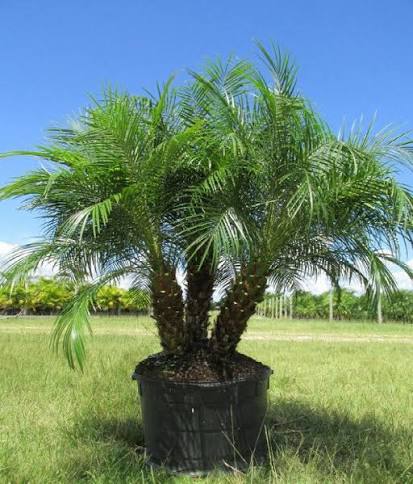
Pygmy Date Palm
Another pygmy palm or two repeats the look you already have.
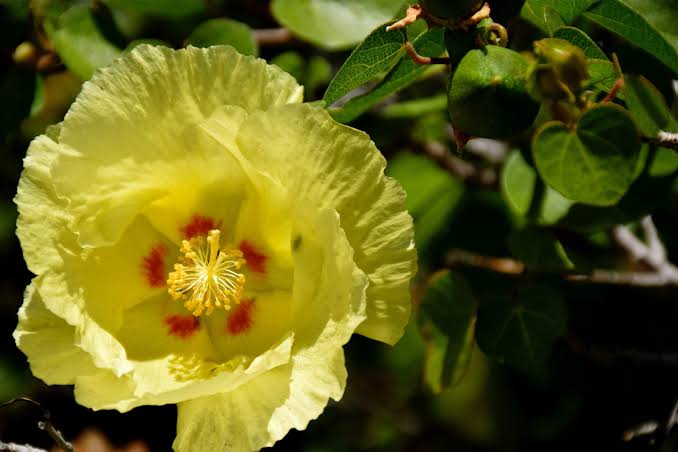
San Marcos Hibiscus
The tropical hibiscus look built for full sun. Yellow flowers with a red center most of the warm season, 3 to 5 feet.
Mexican Honeysuckle
Bright green velvety leaves and orange tubular flowers most of the year. 2 to 3 feet. Great tucked under the pygmy palm where it gets a little shade.
Pink Ruellia
Upright pink flowers spring through fall, about 3 feet. Handles the heat and adds soft color.
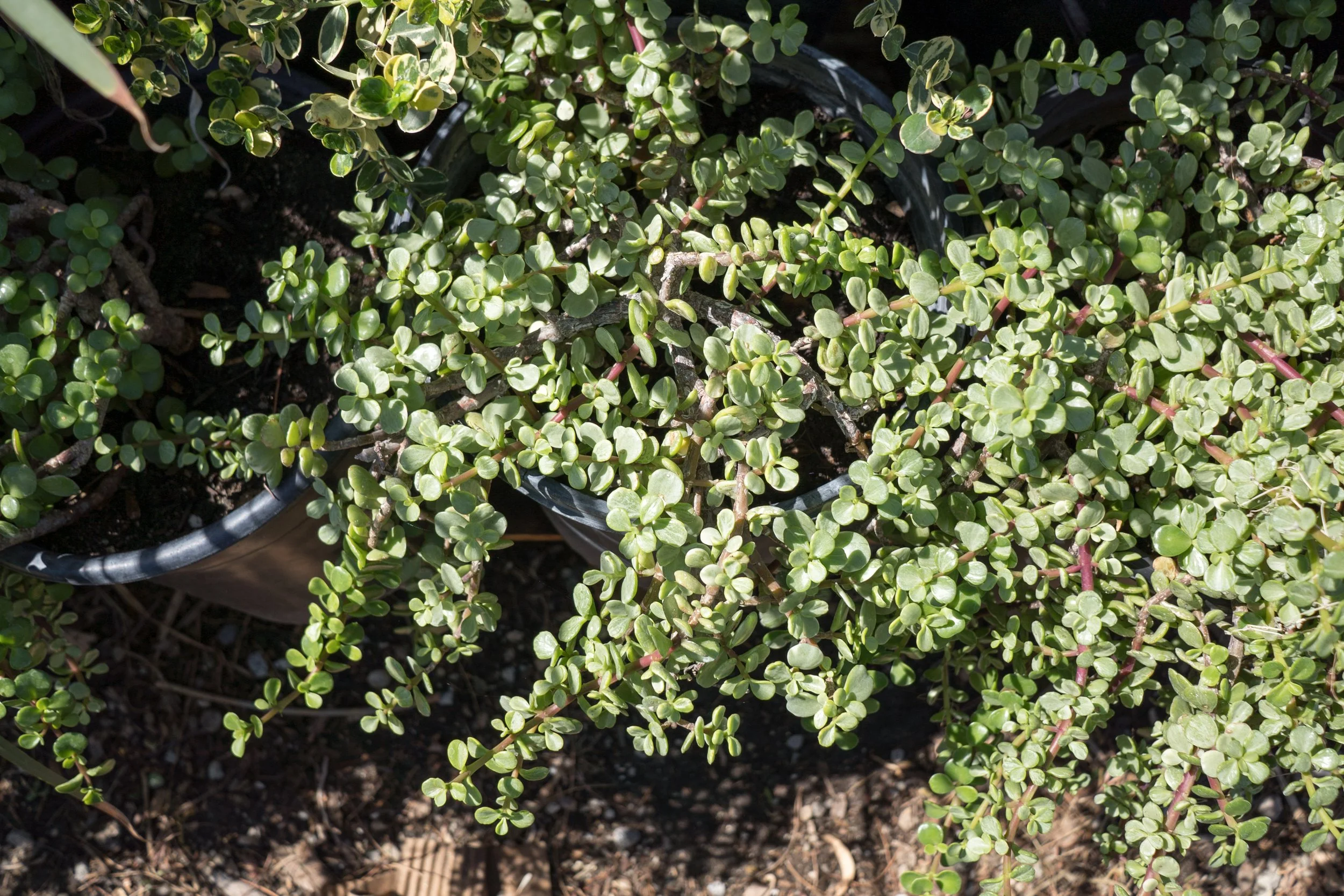
Elephant Food
Succulent with a lush, tropical jade-like look. Takes the heat and stays neat. Great filler between bigger plants.
Autumn Sage
Red, pink or white flowers spring and fall, 2 to 3 feet. Bees and hummingbirds love it.
You can't fit all of these. Pick your favorites.
Soil and Feeding
For the whole yardMost of what struggles in the Valley comes back to the soil. Our native soil is low in organic matter and soil life, and healthy soil biology is what actually feeds plants and holds water. Here's how to do it yourself:
- Compost. Spread a generous layer of compost around the drip line of every tree (the edge of the canopy) and closer in around shrubs. Do this a few times a year, then cover it with mulch. Arizona Worm Farm has great compost.
- Worm castings every quarter. A few handfuls around each plant, watered in. Castings are packed with soil life.
- Organic fertilizer monthly. Use a good organic fertilizer high in fulvic acid. The ones I use and recommend are from Catalyst: Jenner 8, Organic Nitro Jen, and their kelp fertilizer. Mix and apply monthly. This is great for the lawn, the mock orange, the pygmy palms, and everything you plant new.
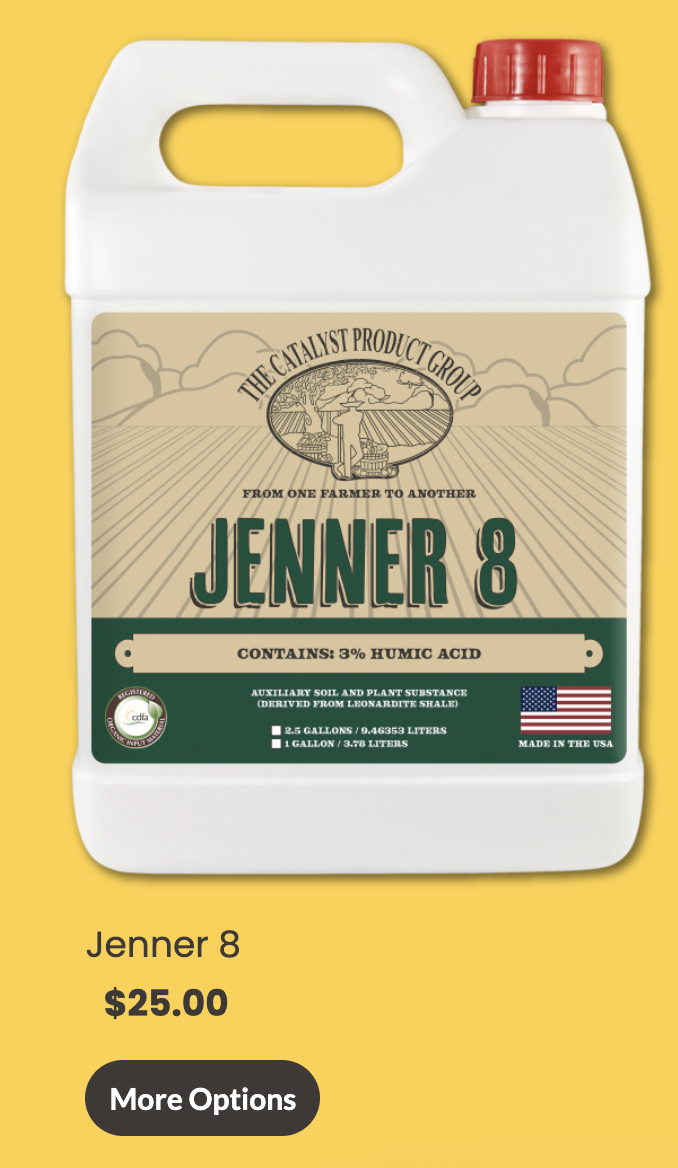
Jenner 8
Fulvic acid-rich organic fertilizer that feeds the soil biology and helps plants take up nutrients.

Organic Nitro Jen
Organic nitrogen to push healthy green growth. Great for the lawn and palms.
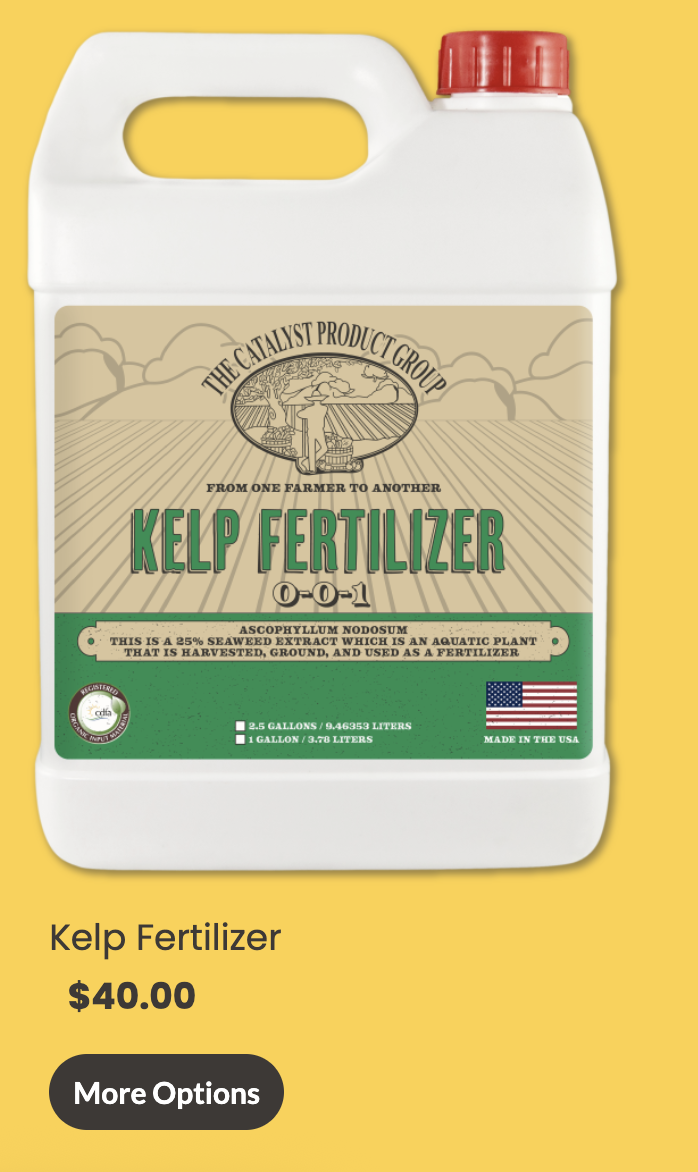
Kelp Fertilizer
Trace minerals and natural growth hormones that help plants handle heat and stress.
Find them at catalystproductgroup.com. Click Products, then Home and Garden.
Monthly Landscape Fertilizing
- Monthly organic liquid feeding of every tree, shrub, palm, and the lawn
- Compost applied 3 times a year
- A recap video after every visit so you know exactly what we did
Quick Reference
Compost, mulch and worm castings
Plants, grasses and trees
A&P Nursery
Tropicals for the front
Organic fertilizer
Catalyst Product Group (Products, then Home and Garden)
Ficus removal or structural pruning
Next Steps
Thanks for having me out, Rosanne. You have a beautiful yard with a lot already going for it. A good cleanup this fall plus covering the walls and the rock will make a big difference.
If you want to do the planting yourself, everything you need is in here. As a consult client, you're already in the Garden Nerd Club, so you have direct access to me there. Post photos as you go and ask me anything.
We also do planting. Whenever you're ready, whether that's this season or down the road, let me know which plants you like for each area and I can put together a planting proposal. We don't do irrigation, so for adding emitters or running drip to new areas, Garrett is great: 480-678-9121.