
Brandon Aleckson
2890 E Detroit St, Chandler, AZ 85225
Here's everything we covered on our walk. It starts with the big picture on watering and trees, then goes area by area in the order we walked it.
The Big Picture: Water and Trees
Whole yard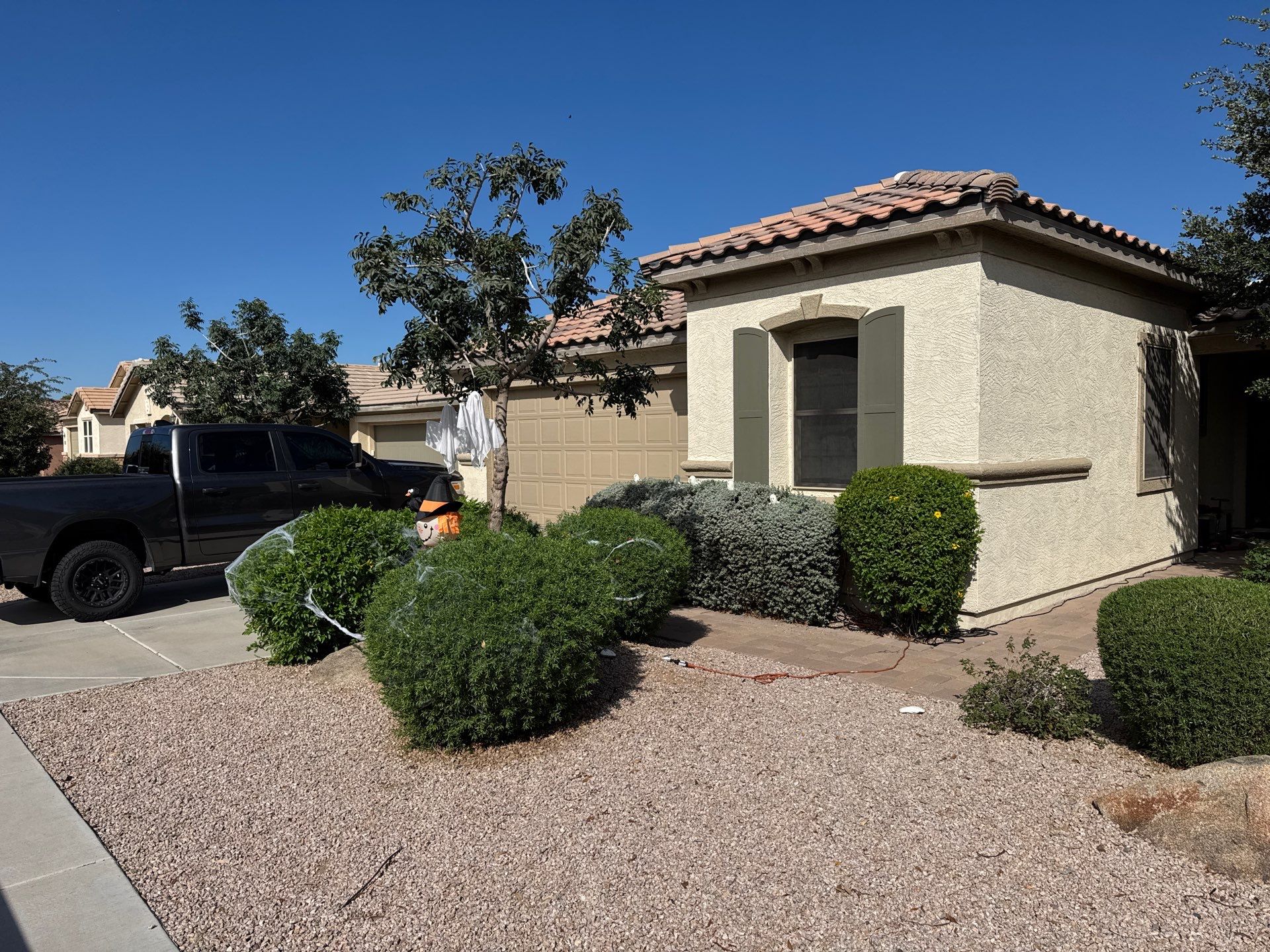
Overall, the biggest change for this whole yard is how it's being watered. Right now almost everything is on half gallon per hour drip emitters. At that rate the water never gets deep, so roots stay shallow near the surface where it's hottest, and plants stay stressed no matter how often the system runs.
Switch to spider emitters
I'd pull the half gallon per hour emitters everywhere and replace them with spider emitters (a multi-outlet emitter with several small tubes coming off it). That gives you a lot more flow, spread across more of the root zone. What we're trying to do is mimic flood irrigation: deep and infrequent watering. A big, slow soak that reaches 2 to 3 feet down for trees and 1 to 2 feet for shrubs, then letting the soil dry out some before the next one. That's what trains roots to grow deep, and deep roots are what carry plants through summer.
- Run each spider's tubes out to the edge of the plant's canopy, not at the base of the stem or trunk.
- Run the system longer and less often. Push a long screwdriver into the soil a few hours after watering. It should slide in easily to about 2 feet near trees. If it stops short, run longer.
- Don't skip watering after a rain. Our rain rarely soaks in deep enough to count.
| Season | Trees | Shrubs |
|---|---|---|
| Summer June to September | 2 times a week | 2 to 3 times a week |
| Fall October to November | Once a week | Once a week |
| Winter December to February | Every 2 to 3 weeks | Every 10 to 14 days |
| Spring March to May | Once a week, building to twice by May | 1 to 2 times a week |
Run times stay about the same all year (usually 60 to 90 minutes for trees and 45 to 60 for shrubs, depending on your emitters). What changes with the seasons is how often you water.
Every tree: water well, root flare, emitters out
On all the trees, three things need to happen:
- Make a water well. Pull the rock back from the trunk and build a shallow basin 3 to 5 feet across with a small berm around the edge. Lay compost on top of the soil and cover it with mulch, keeping the mulch a few inches off the trunk. The well holds the water in place so it soaks down instead of running off.
- Expose the root flare. The root flare is where the trunk widens out into the roots, and it should sit right at the soil line. When it's buried, the bark stays wet and can rot, and roots start circling the trunk and choking the tree. Use a strong stream of water from a hose to blast the soil away from the base until you can see where the roots spread out.
- Pull the emitters back from the trunk. Move them out toward the edge of the canopy (the drip line). That's where the feeder roots are, and water placed out there gets the roots to spread instead of staying in a tight ball at the trunk.
This video shows why an exposed root flare matters, with real examples. If it doesn't load, watch it on YouTube here.
If you'd like help converting the emitters, Garrett is who I send people to for irrigation: 480-678-9121.
Bower Vines
West-facing wall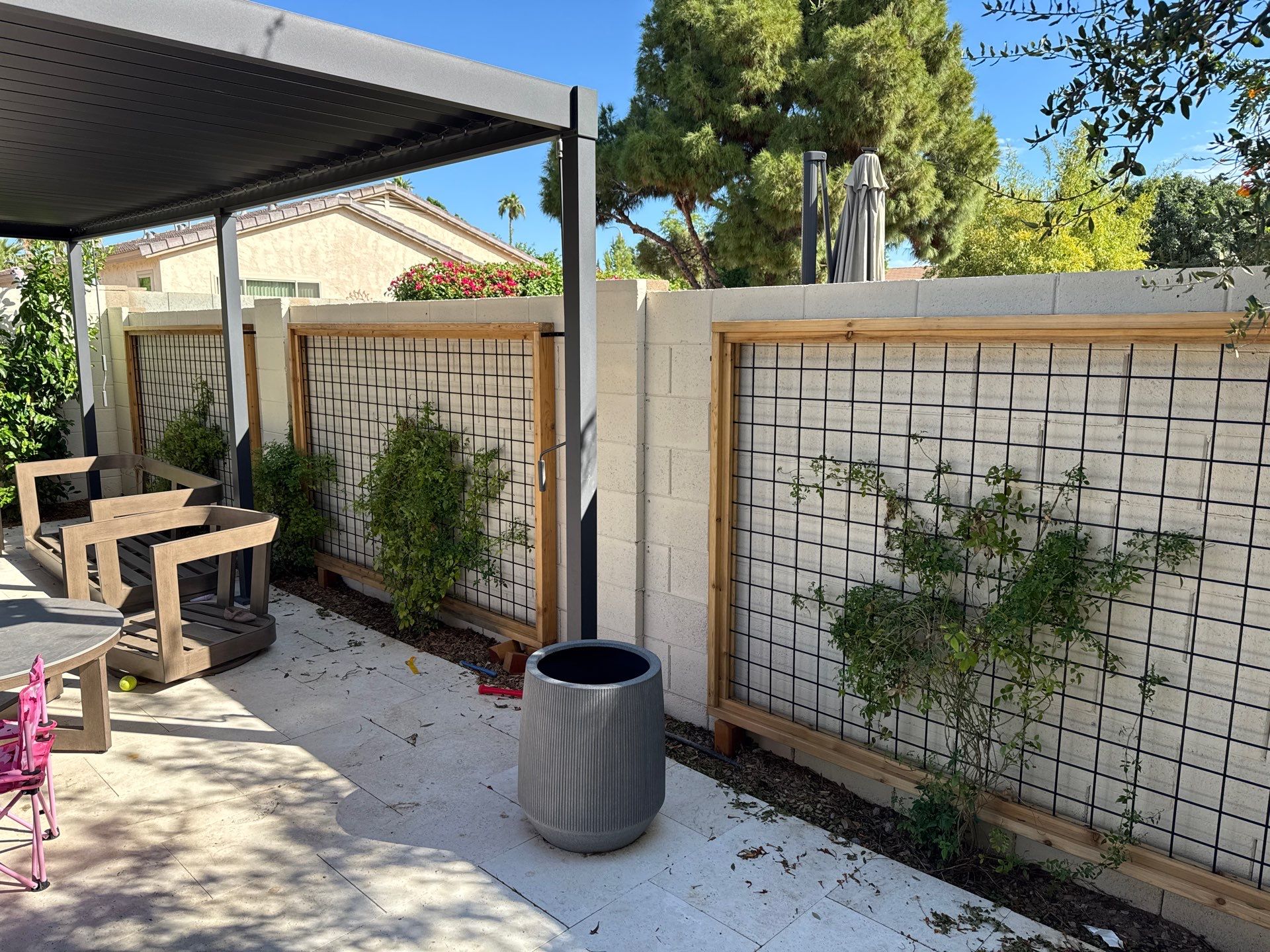
These are the bower vines on the west-facing wall. Bower vine has glossy, deep green leaves and clusters of pink or white trumpet flowers from spring into fall, and it climbs quickly on panels like these. Coral vine is another great option for these panels, and it handles the full west sun even better.

Bower Vine
Evergreen climber with pink or white trumpet flowers spring through fall. Prefers some afternoon protection, so on a west wall it will appreciate deep, regular water in summer.
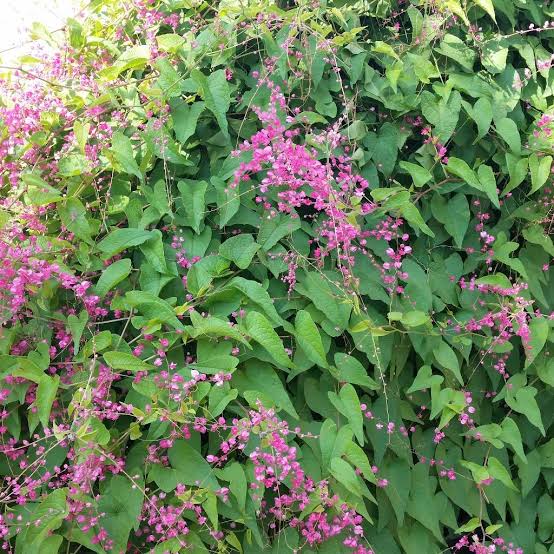
Coral Vine (Mexican Creeper)
Fast growing vine covered in sprays of bright pink flowers from summer into fall. Loves full sun and heat, so it's a great match for a west wall, and bees love it. Climbs panels and wire on its own with tendrils. It dies back to the ground in a hard freeze and comes right back in spring; just cut the dead growth off in late winter.
- Put each vine on a spider emitter with the tubes spread around the base so it gets a deep soak.
- Lay compost and mulch over the soil at the base. On a hot west wall, that mulch makes a real difference in keeping the roots cool.
- Tie new growth to the panels as it grows and spread the stems out sideways. Horizontal stems cover more of the panel and flower more.
- After a hard freeze, wait until spring to trim any damage. It'll push right back out.
Sour Orange Hedge and Bougainvilleas
South-facing wall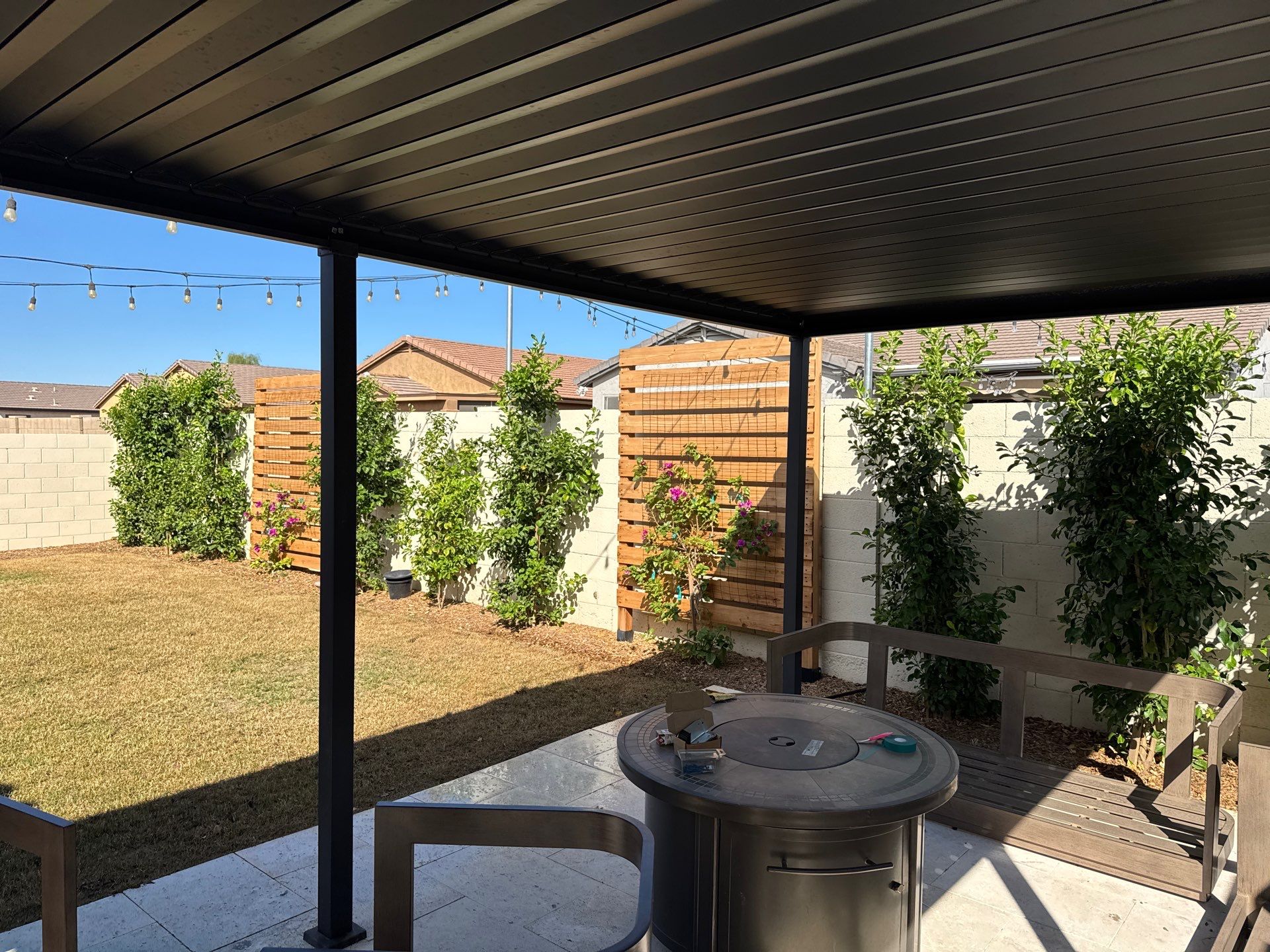
This is a sour orange hedge on the south-facing wall with two bougainvilleas in between. Like I mentioned on site, I'd shut off the drip to the bougainvilleas. Bougainvillea flowers best when it's kept on the dry side. Extra water just pushes leaves and very few flowers. Rain and the water reaching them from the hedge next to them will be plenty.
For the sour oranges:
- Switch them to spider emitters spread out to the edge of each plant, and water deep and infrequently (see the schedule above).
- Lay compost along the base of the whole hedge and cover it with mulch.
- Shape lightly a couple times a year. Heavy shearing in summer exposes the inside branches to sunburn.
- Feed monthly with the organic fertilizer in the feeding section below. Citrus are heavy feeders and you'll see greener, fuller leaves.
North Side of the House
North facing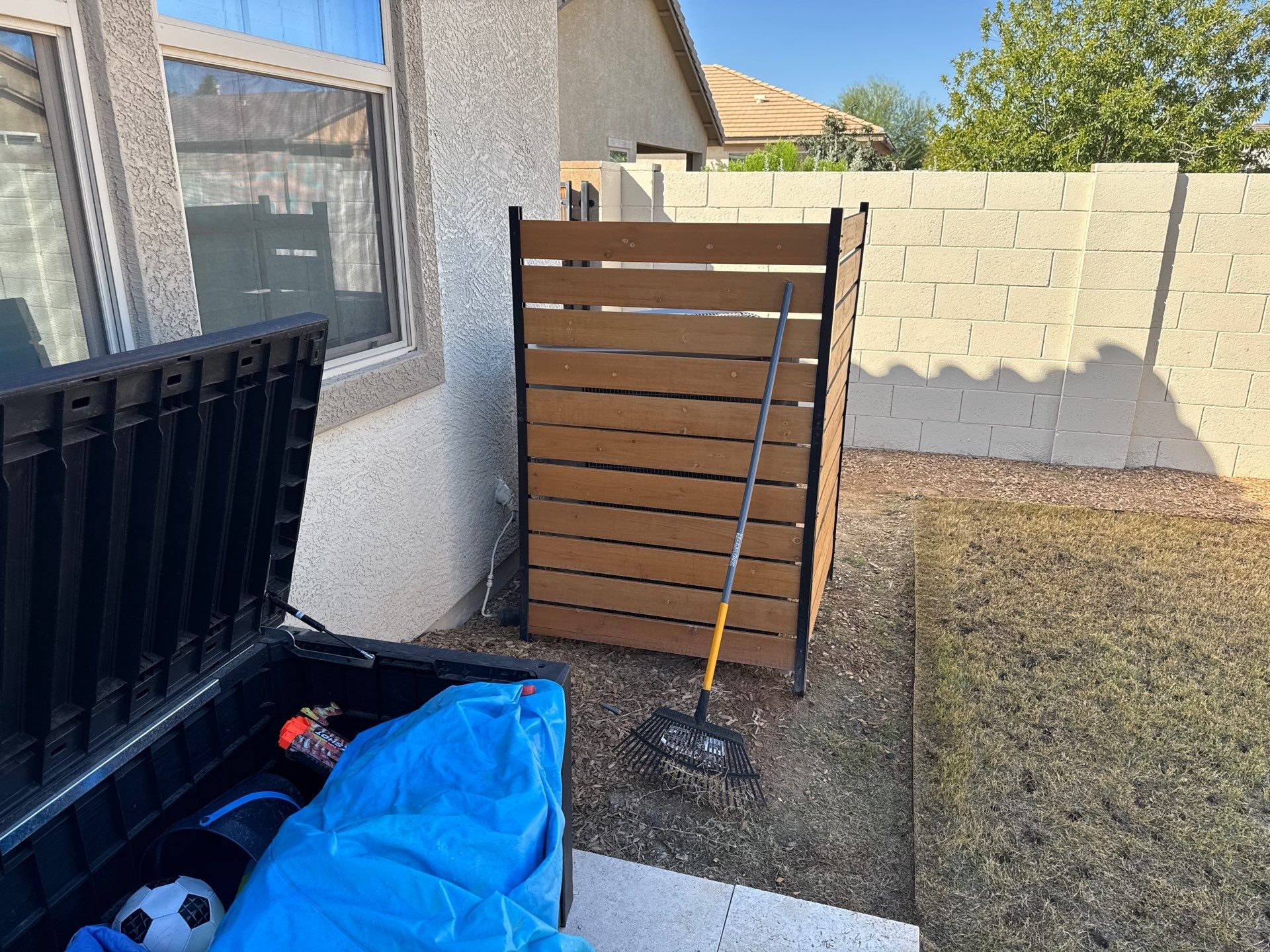
Right back here, up against the north-facing side of the house, you're considering twisted myrtle. That's a great pick. Here it is along with a few other options that do well in the shade on the north side and stay tidy without needing a wall to climb:

Twisted Myrtle
Evergreen with small, twisted leaves that give it a really interesting texture. Slow to moderate growth, 4 to 6 feet. Handles shade well and can be left natural or lightly shaped.
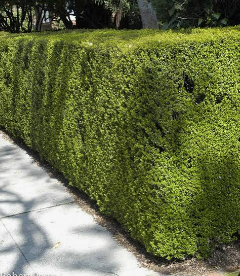
Dwarf Myrtle
A smaller, denser myrtle, 2 to 3 feet. Great if you want something low under the window.
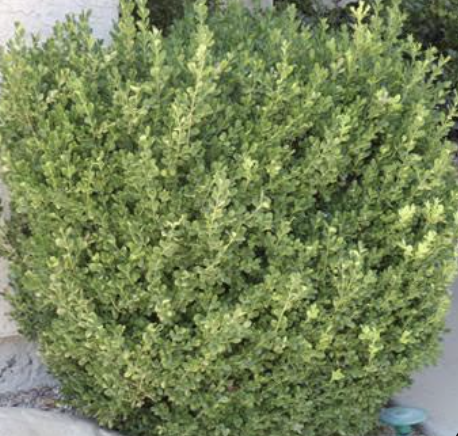
Japanese Privet
Glossy evergreen leaves, 8 to 10 feet if left alone. Good choice if you want more height to screen the equipment area.
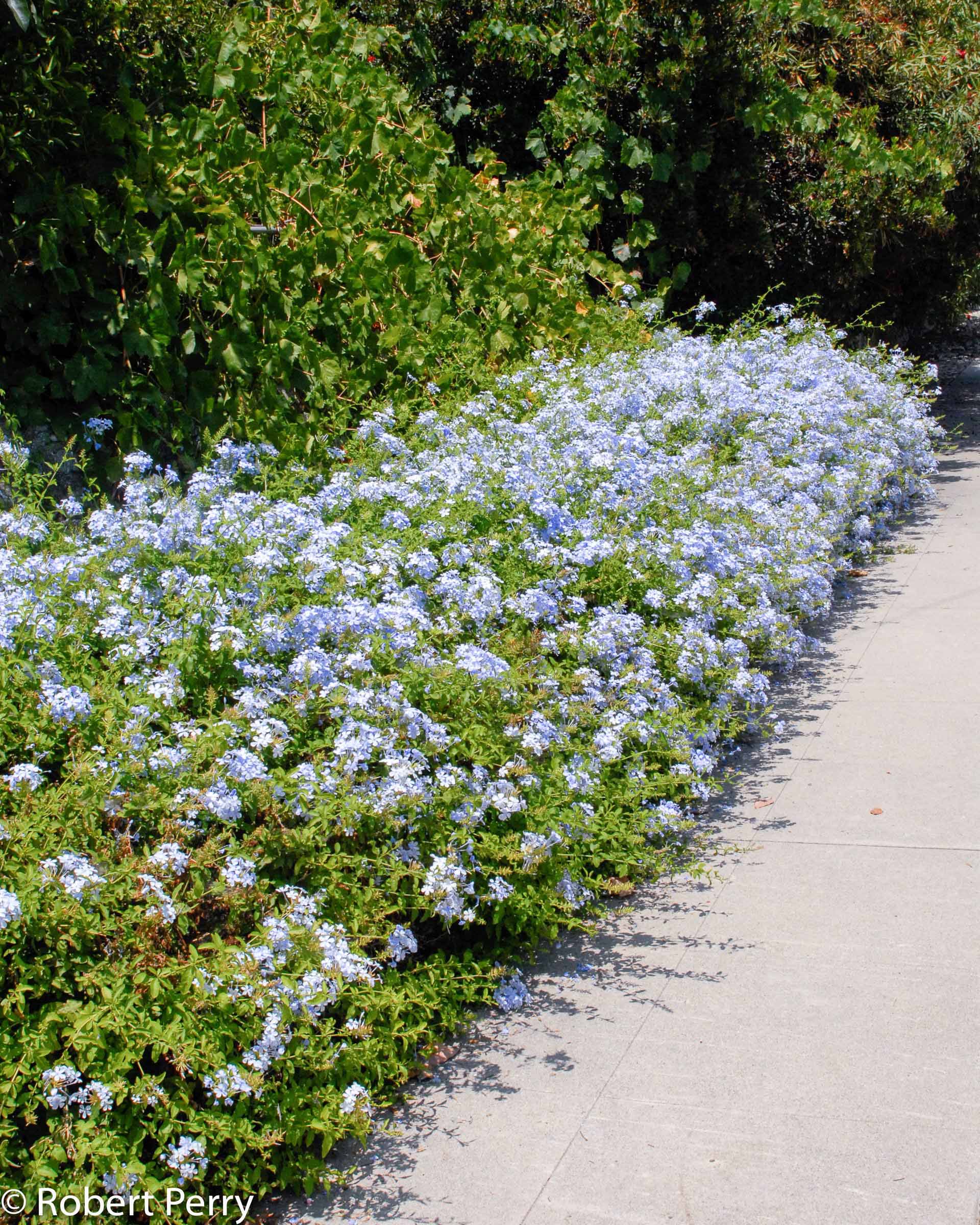
Cape Plumbago
Sky blue flowers most of the year, 3 to 4 feet. Does really well with shade.
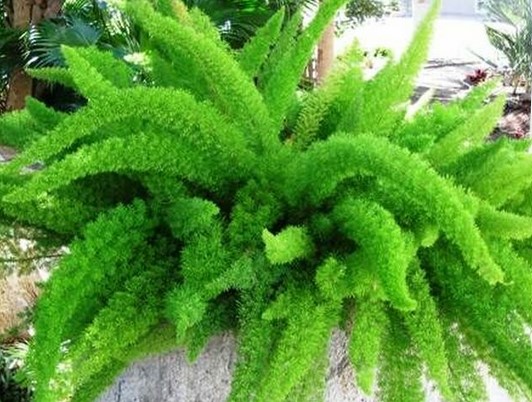
Foxtail Fern
Soft green plumes about 2 feet tall. Great low filler in front of the bigger shrubs.
Pick one or two of these and repeat them along the wall for a clean look.
Red Push Pistache
Front yard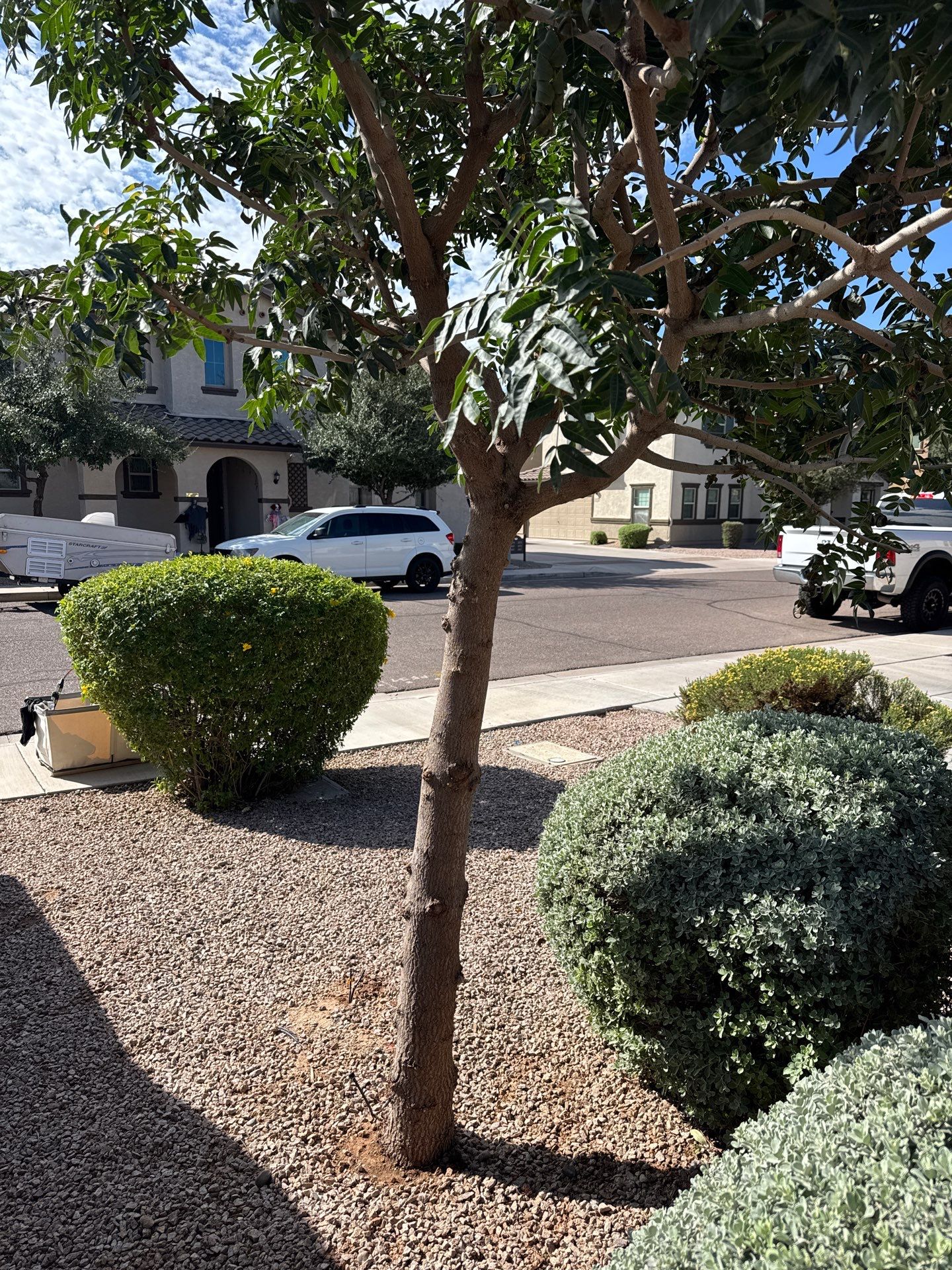
This red push pistache is buried a little too deep. It's a great tree for our area, with bright red new growth in spring and red-orange fall color, but it needs a few things to settle in and grow well:
- Expose the root flare. Pull the rock back and blast the soil away from the base with a strong stream from the hose until you can see where the trunk widens into the roots. The video in the Big Picture section above shows why this matters.
- Pull the drip emitters out. Take the emitters away from the trunk and switch to spider emitters out toward the edge of the canopy.
- Build a water well. A basin 3 to 4 feet across with a small berm, compost on top of the soil and mulch over that, kept a few inches off the trunk.

Red Push Pistache
Moderate growth to 25 to 30 feet. Red new growth in spring and great fall color. Deep, infrequent water once it's growing well.
Second Red Push Pistache
Front yard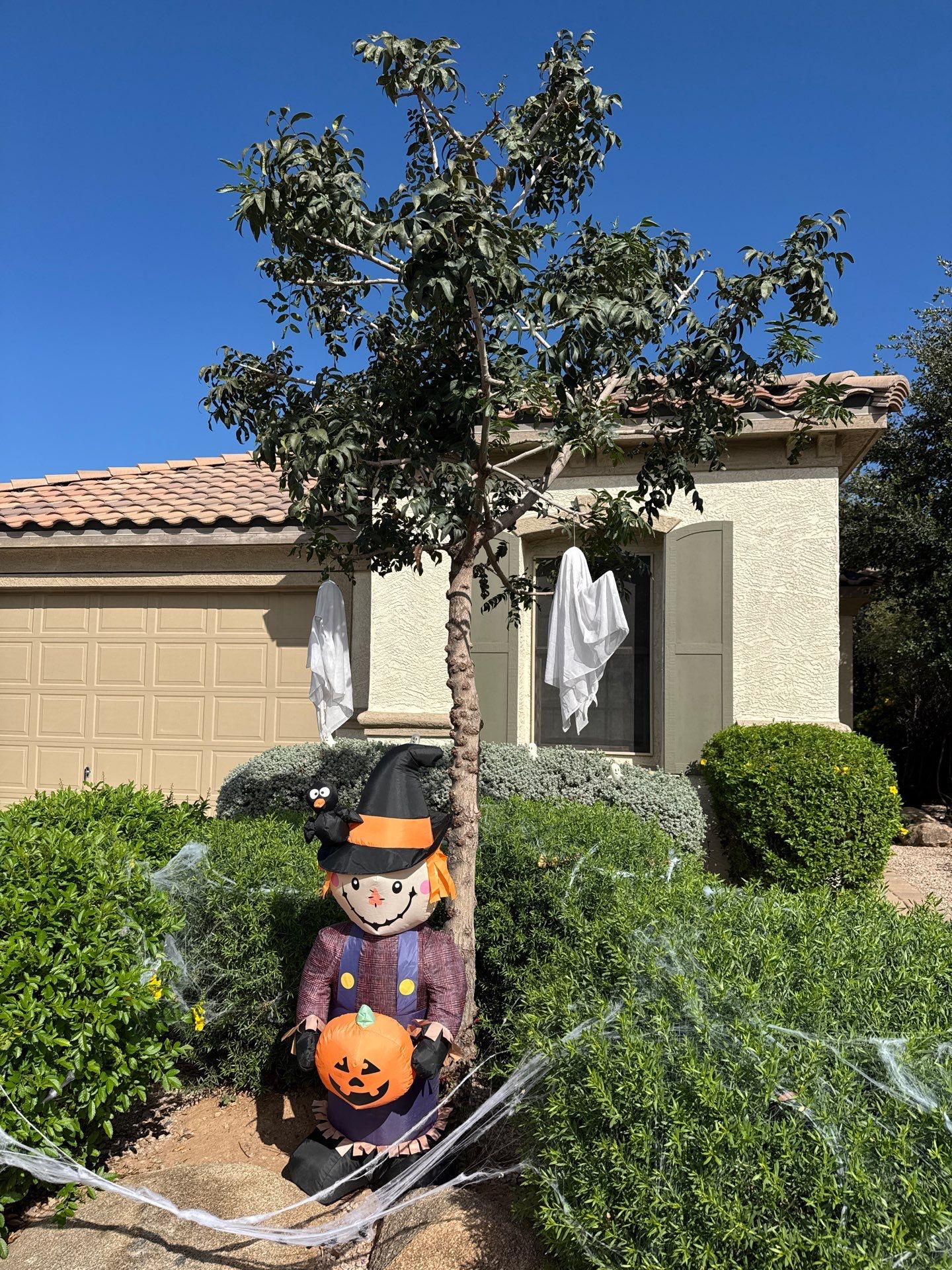
This is the other red push pistache, and it's also buried too deep. Same fix here:
- Pull the rock back and use a strong stream from the hose to expose the root flare.
- Move the emitters off the trunk and out to the edge of the canopy with spider emitters.
- Build a water well 3 to 4 feet across, then compost and mulch it, keeping the mulch off the trunk.
Front Entry Lantana
Front entry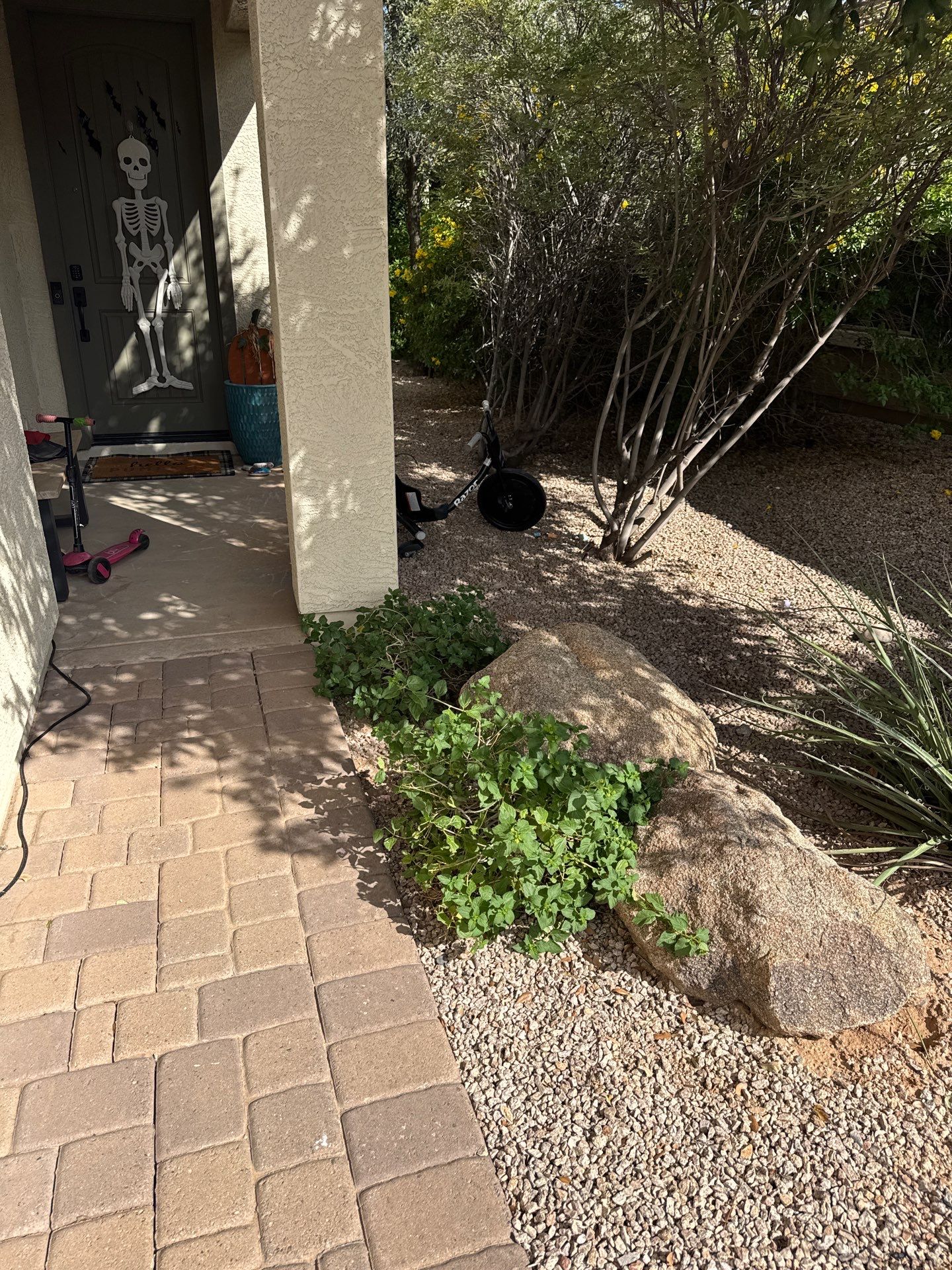
These lantana need to go. You may just leave the space open, and that's fine. If you want to plant something here, these will do well and stay a good size next to the entry walk:
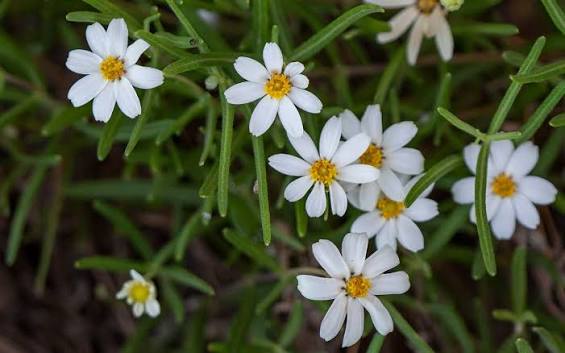
Blackfoot Daisy
Low mound of small white daisies, about a foot tall, blooms almost nonstop. Perfect along a walkway.
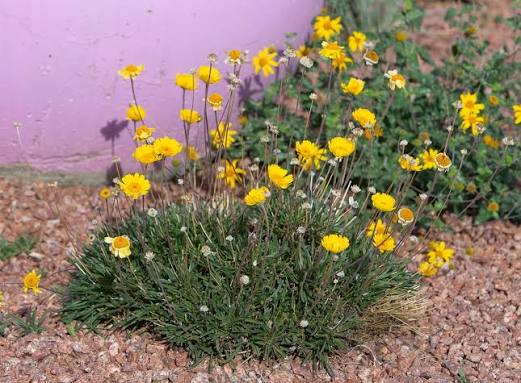
Angelita Daisy
Tidy mound of yellow daisies almost year-round, about a foot tall.
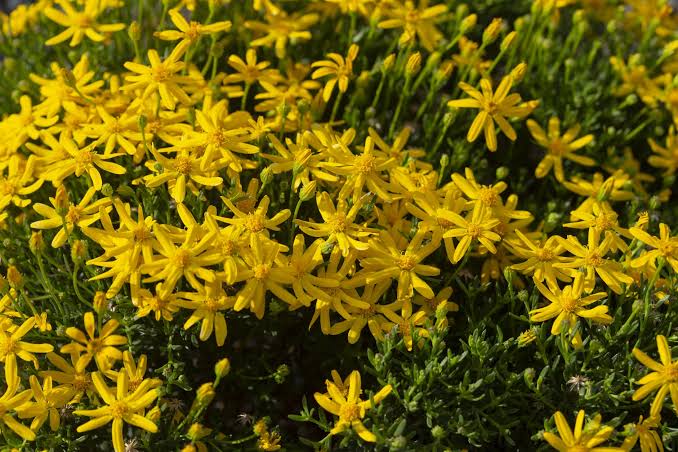
Damianita
Low, fragrant, golden flowers in spring and fall.
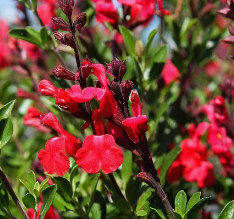
Autumn Sage
Red, pink or white flowers spring and fall, 2 to 3 feet. Hummingbirds love it.
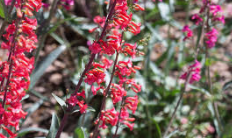
Penstemon
Tall flower spikes in spring that look great against the boulder.
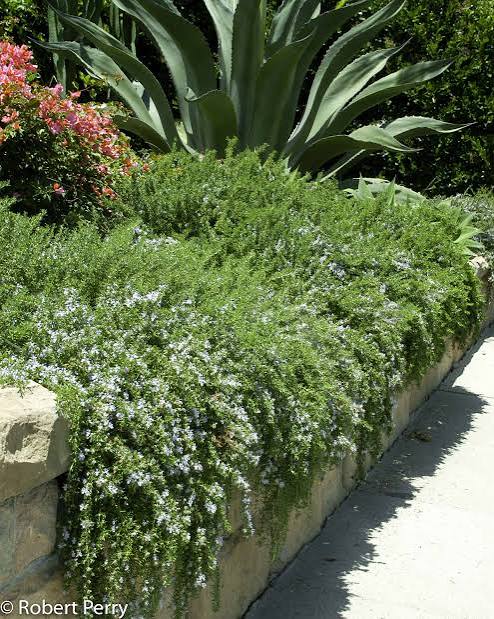
Trailing Rosemary
Spills over and around the rocks, blue flowers in winter and spring.
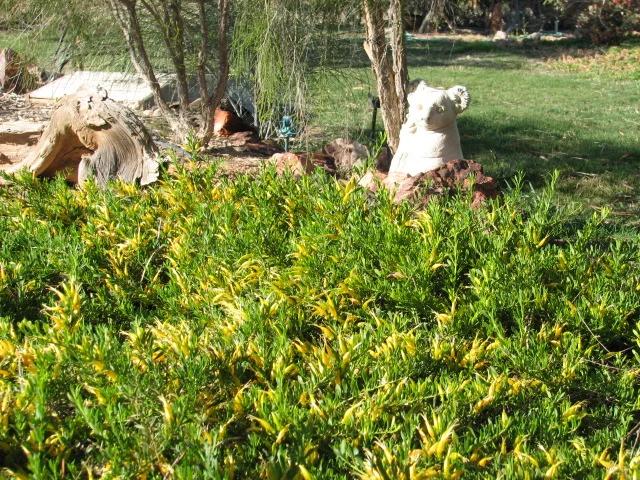
Emu Bush (Outback Sunrise)
Low and spreading with orange flowers in late winter and spring.
You can't fit all of these. Pick your favorites.
Vitex on the East Side
East side of the house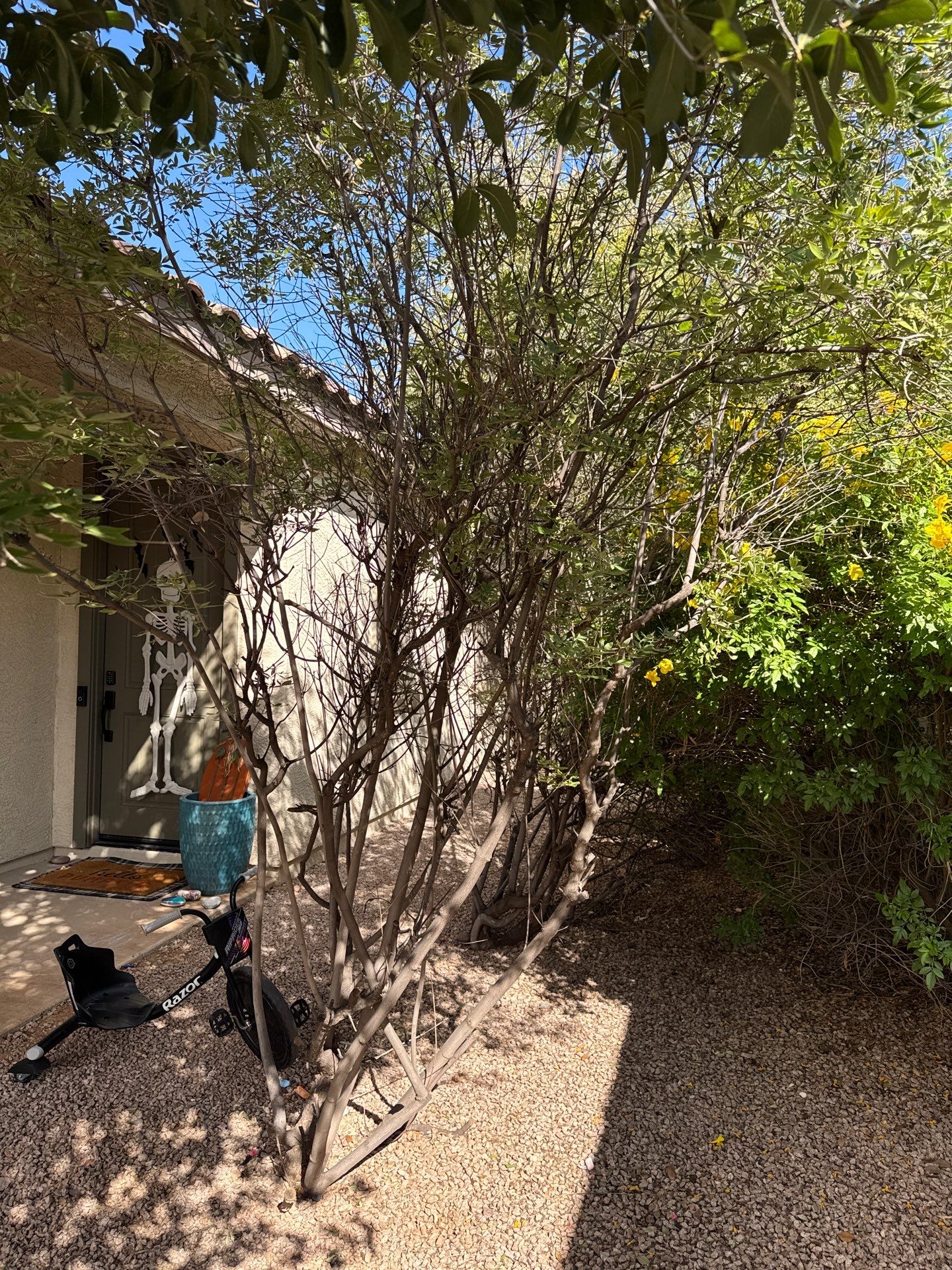
This vitex isn't in a great location. Vitex wants full sun and room to spread out to 15 to 20 feet, and here it's squeezed against the house in the shade of the oaks. It'll keep getting leggy and reaching for light.
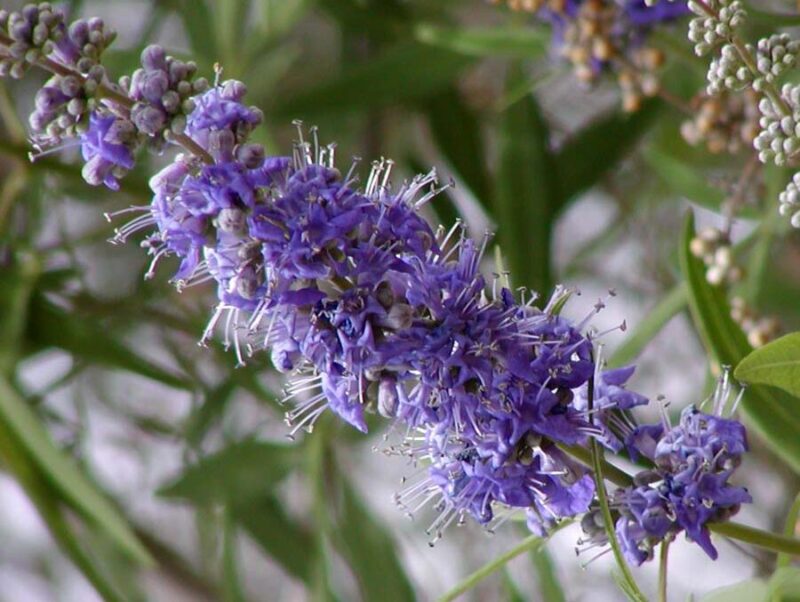
Vitex
Also called chaste tree. Purple flower spikes spring through summer, deciduous in winter, 15 to 20 feet tall and wide. Best in full sun with space.
Here are some lower growing options that can handle the shade on this side:
Cape Plumbago
Sky blue flowers most of the year, mounding to 3 to 4 feet. Very happy in shade.
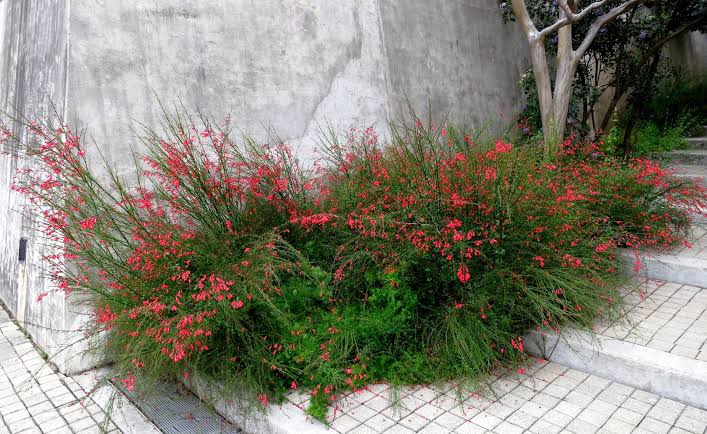
Firecracker Plant
Arching stems with red tubular flowers, 3 to 4 feet. Hummingbird magnet and fine in part shade.
Twisted Myrtle
Evergreen with interesting twisted leaves, 4 to 6 feet.
Dwarf Myrtle
Dense evergreen, 2 to 3 feet.
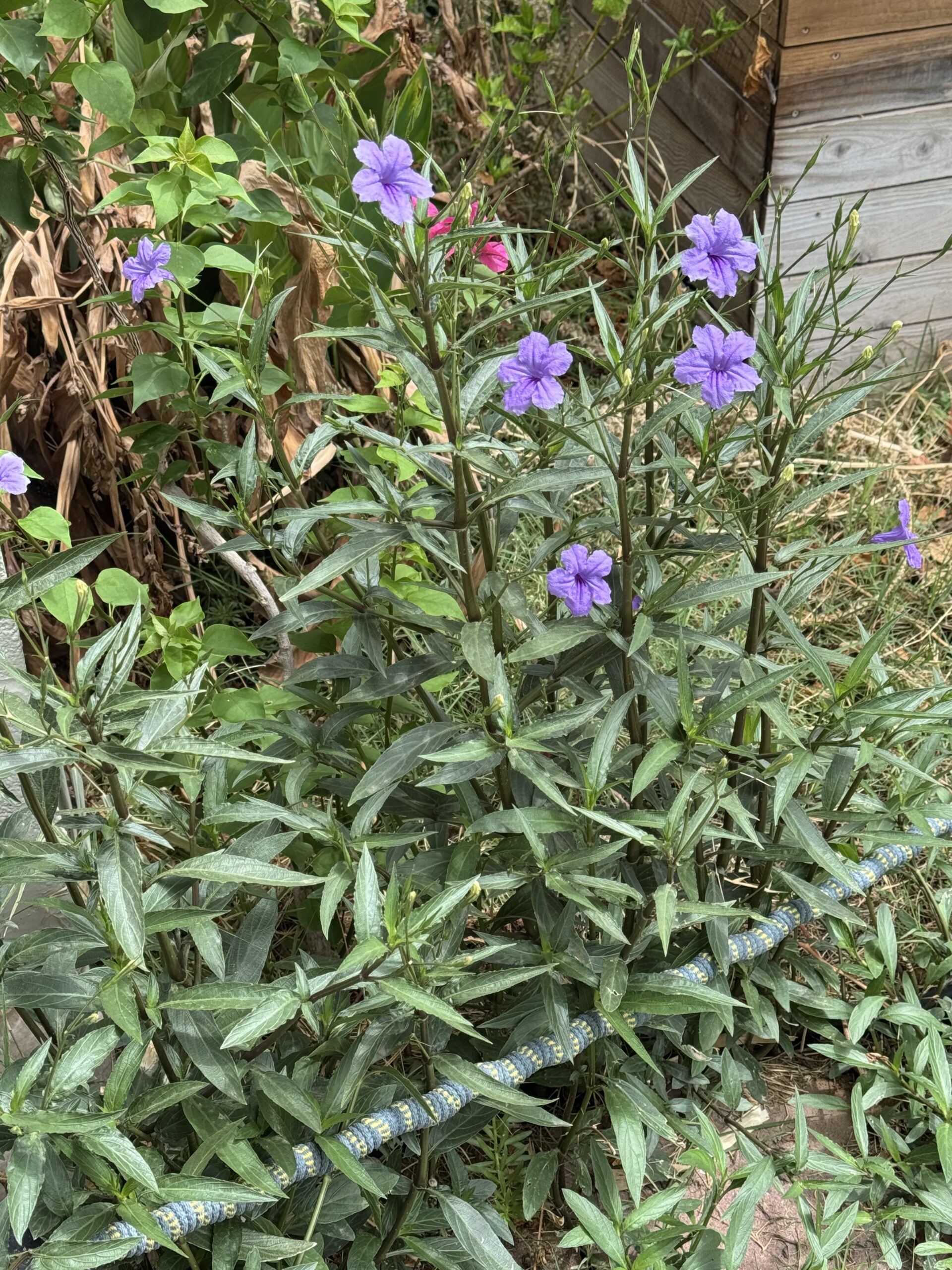
Ruellia
Purple flowers spring through fall, 3 to 4 feet. Handles part shade.
Foxtail Fern
Soft green plumes, about 2 feet. Easy in shade.
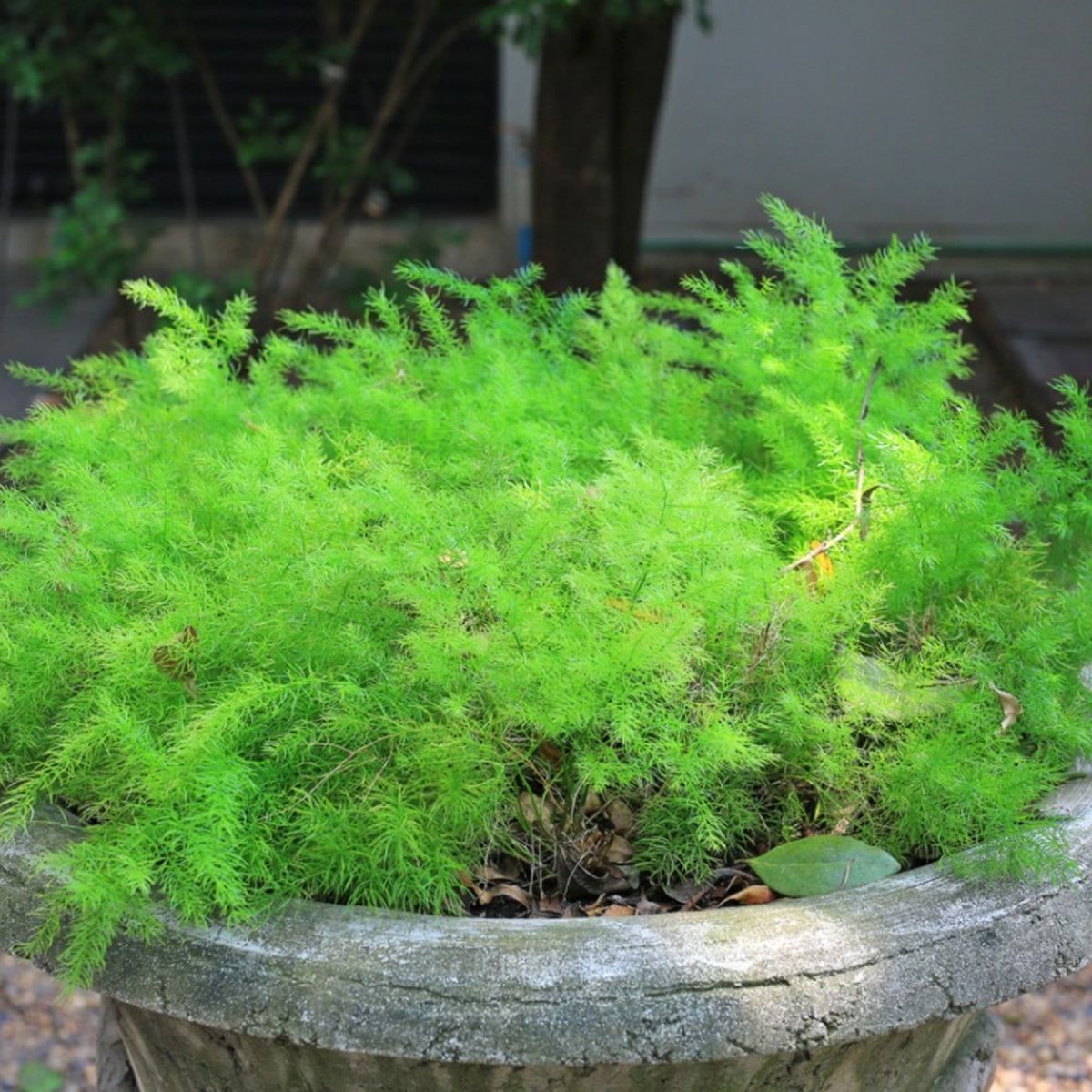
Asparagus Fern
Airy, cascading texture, 2 to 3 feet.
You can't fit all of these. Pick your favorites.
Live Oaks
East side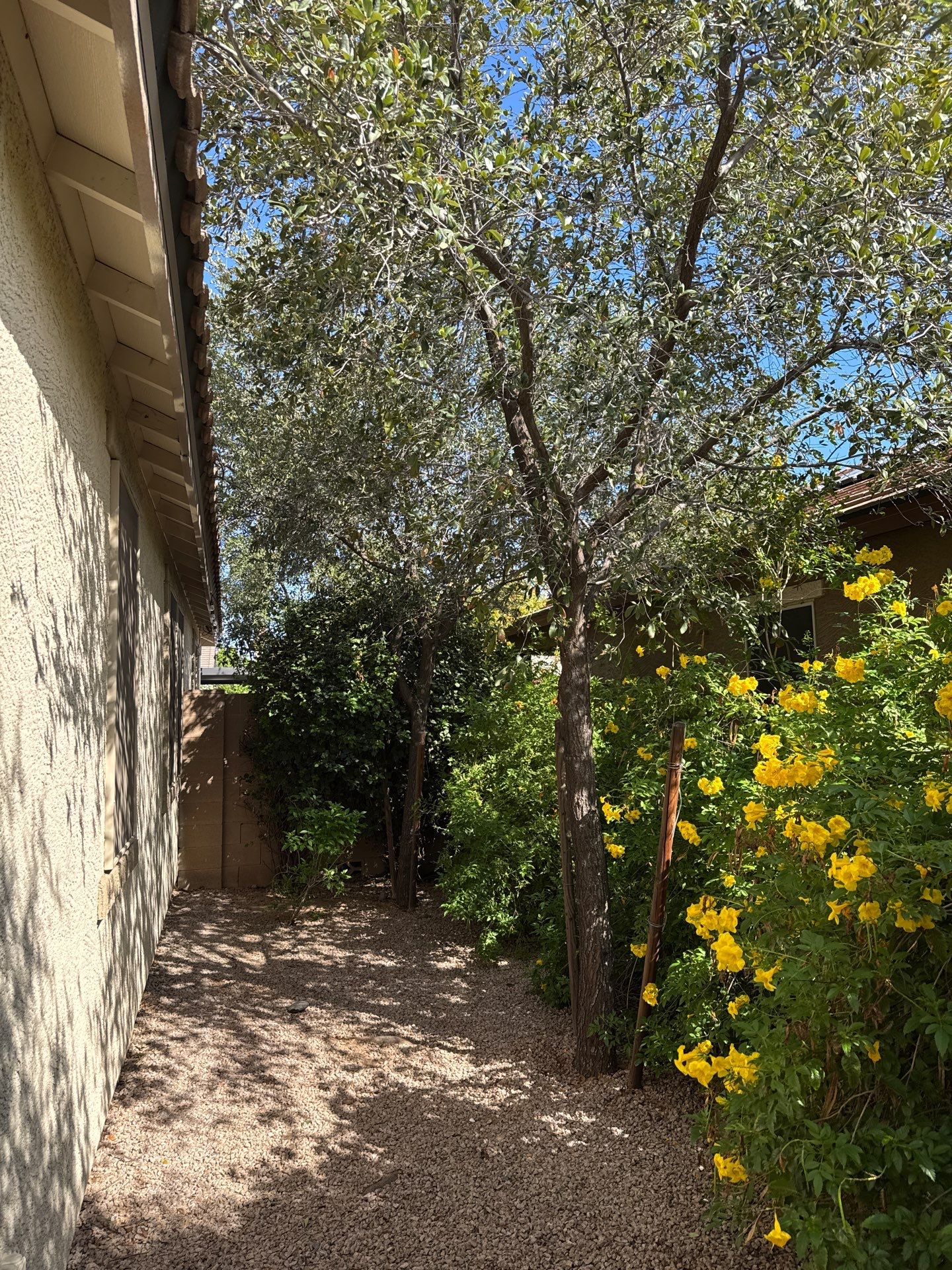
These live oaks seem to be doing okay. The main thing is adjusting their watering like everything else in the yard. Live oaks want deeper water than they're getting from the small drip emitters.
- Switch them to spider emitters and spread the tubes out toward the drip line.
- Water deep and infrequently: a long soak that reaches 2 to 3 feet down, then let the soil dry some before the next one.
- Give each one a water well, check the root flare, and add compost and mulch under the canopy.
- Prune only to remove dead or crossing branches, in winter.
Soil and Feeding
For the whole yardMost of what struggles in the Valley comes back to the soil. Our native soil is low in organic matter and soil life, and healthy soil biology is what actually feeds plants and holds water. Here's how to do it yourself:
- Compost. Spread a generous layer of compost around the drip line of every tree (the edge of the canopy) and closer in around shrubs. Do this a few times a year, then cover it with mulch. Arizona Worm Farm has great compost.
- Worm castings every quarter. A few handfuls around each plant, watered in. Castings are packed with soil life.
- Organic fertilizer monthly. Use a good organic fertilizer high in fulvic acid. The ones I use and recommend are from Catalyst: Jenner 8, Organic Nitro Jen, and their kelp fertilizer. Mix and apply monthly. This is great for the pistaches, the oaks, the sour orange hedge, and everything you plant.

Jenner 8
Fulvic acid-rich organic fertilizer that feeds the soil biology and helps plants take up nutrients.

Organic Nitro Jen
Organic nitrogen to push healthy green growth. Great for the citrus hedge and trees.

Kelp Fertilizer
Trace minerals and natural growth hormones that help plants handle heat and stress.
Find them at catalystproductgroup.com. Click Products, then Home and Garden.
Monthly Landscape Fertilizing
- Monthly organic liquid feeding of every tree and shrub
- Compost applied 3 times a year
- A recap video after every visit so you know exactly what we did
Quick Reference
Compost, mulch and worm castings
Plants
A&P Nursery
Organic fertilizer
Catalyst Product Group (Products, then Home and Garden)
Irrigation and spider emitters
Garrett: 480-678-9121
Why root flares matter
Next Steps
Thanks for having me out, Brandon. The bones of this yard are good. Once the watering is switched over and the trees have their water wells and exposed root flares, I think you'll see a big difference by next summer.
If you want to do the planting yourself, everything you need is in here. As a consult client, you're already in the Garden Nerd Club, so you have direct access to me there. Post photos as you go and ask me anything.
We also do planting. Whenever you're ready, whether that's this season or down the road, let me know which plants you like for each area and I can put together a planting proposal. We don't do irrigation, so for adding emitters or running drip to new areas, Garrett is great: 480-678-9121.