
Thanks for having me out, Amy. Below is everything we went over, in the order we walked the yard, with the details on each so you have it all in one place.
As a consult client, you're already in the Garden Nerd Club, so you have direct access to me there. If questions come up while you work through any of this, ask me there anytime.
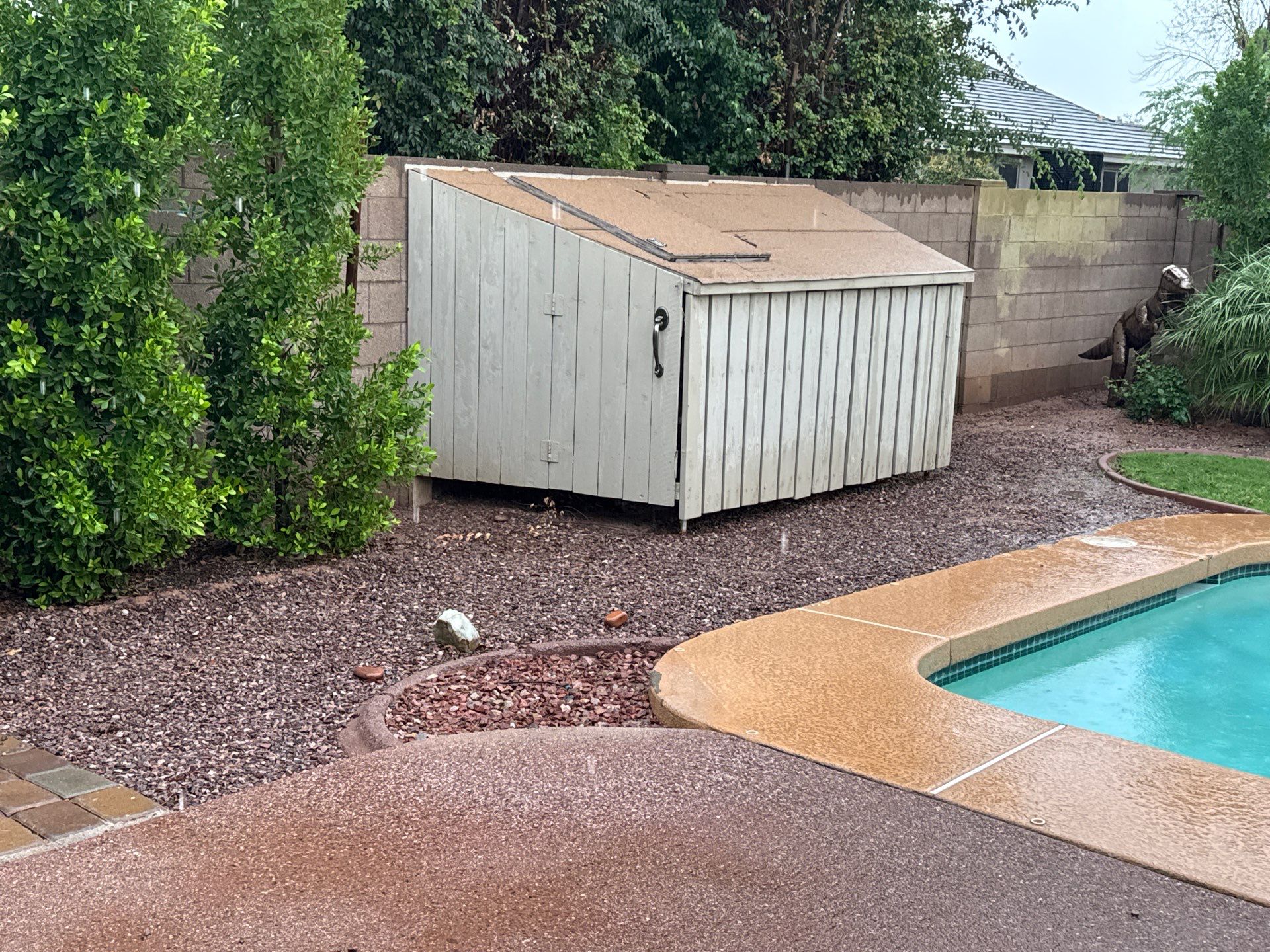
Swapping the rock for mulch
The first thing for the whole backyard is getting rid of the rock. You can replace it with mulch or a living ground cover, and mulch is my first choice too. Rock soaks up heat all day and radiates it back out at night. Mulch keeps the soil cool and moist and feeds it as it breaks down.
Getting the rock out
- You don't have to get every last bit. If a thin layer is left behind, that's fine. Lay the mulch right over it.
Mulch
- Where to get it: ChipDrop connects you with local arborists who drop off wood chips, often for free. Arizona Worm Farm also has good mulch and compost. We can also deliver and spread it for you at $150 per cubic yard.
- What kind: natural wood mulch. Arborist chips are the best for building soil. Skip dyed mulch.
- How deep: 3 inches is ideal, but even an inch or two makes a real difference.
- Compost first: spread an inch of compost and lay the mulch over it. No need to work either one in.
- Keep it back: a foot back from tree trunks and a few inches off shrub stems.
Living ground cover
If you'd rather have something green in some spots, these spread and cover the ground well.
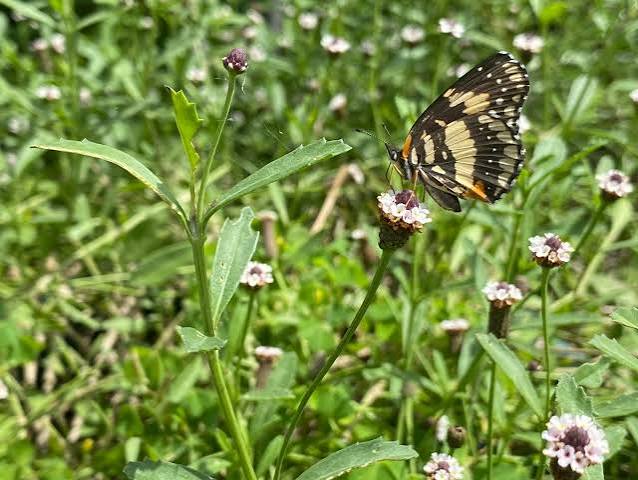
Frogfruit
Native, low, spreading mat with tiny white flowers that pollinators love. Handles shade or sun and light foot traffic.

Yellow Dot
Fast, bright green mat with little yellow daisy flowers most of the year. Covers bare ground quickly and cools the soil underneath.
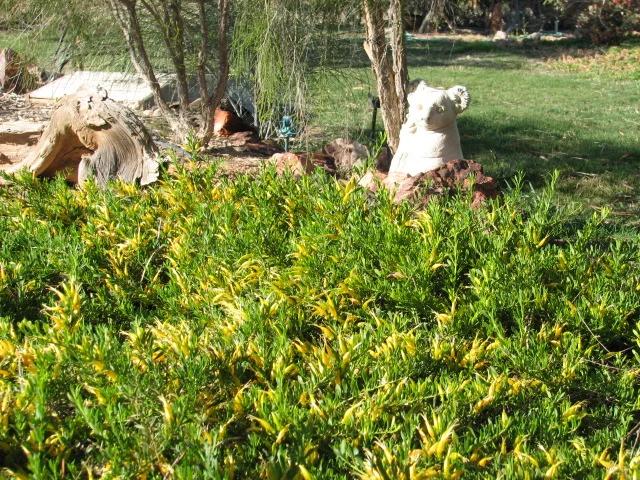
Emu Bush (Outback Sunrise)
Low and spreading, under a foot tall and 4 to 6 feet wide. Gray green leaves with orange red flowers winter through spring that hummingbirds love. Takes full sun and reflected heat and drops very little.
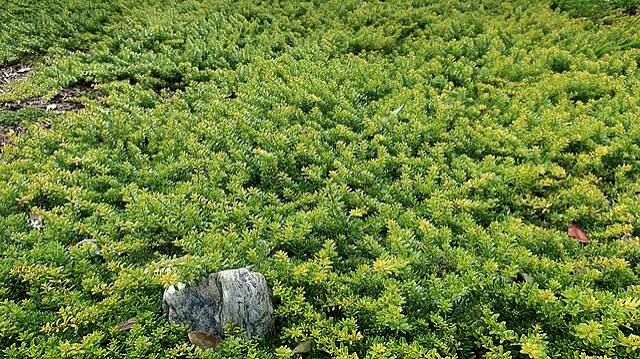
Myoporum
Dense, lush green mat that spreads 6 to 9 feet wide with small white flowers. Fastest way to cover a lot of ground with fewer plants. Space them 5 to 6 feet apart.
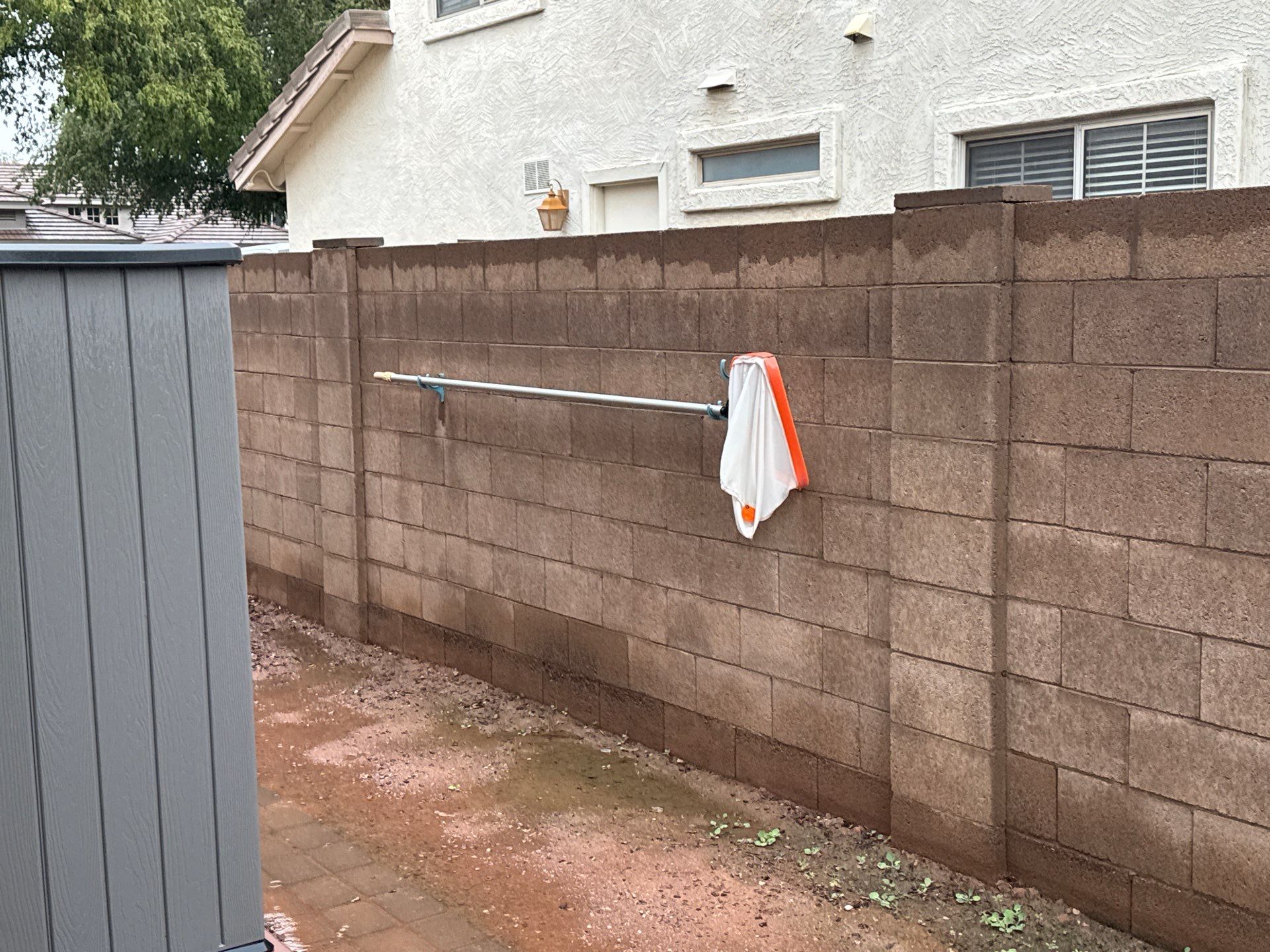
A privacy hedge outside the bedroom
Along this wall right outside the bedroom window, you want some privacy from the neighbors. Hopseed, Arizona rosewood, orange jubilee, and yellow bells can all be grown as a skinny hedge, trimmed on the sides, that grows taller than the block wall.

Hopseed
Fast growing native evergreen that fills in to a dense 8 to 12 foot screen. Stays narrow and upright, so it fits a skinny space and grows above a block wall for privacy. Takes less water than plants that aren't desert adapted. Plant 4 to 5 feet apart.

Arizona Rosewood
Native evergreen with dark, glossy leaves that grows 10 to 15 feet tall. Dense, tidy, very low litter, and one of the best screens for full sun and reflected heat. Plant 5 to 6 feet apart.

Orange Jubilee
Fast and lush, with big clusters of orange trumpet flowers spring through fall that hummingbirds love. Grows 10 to 12 feet tall. A hard freeze can nip it back, but it grows right back in spring. Plant 4 to 5 feet apart.
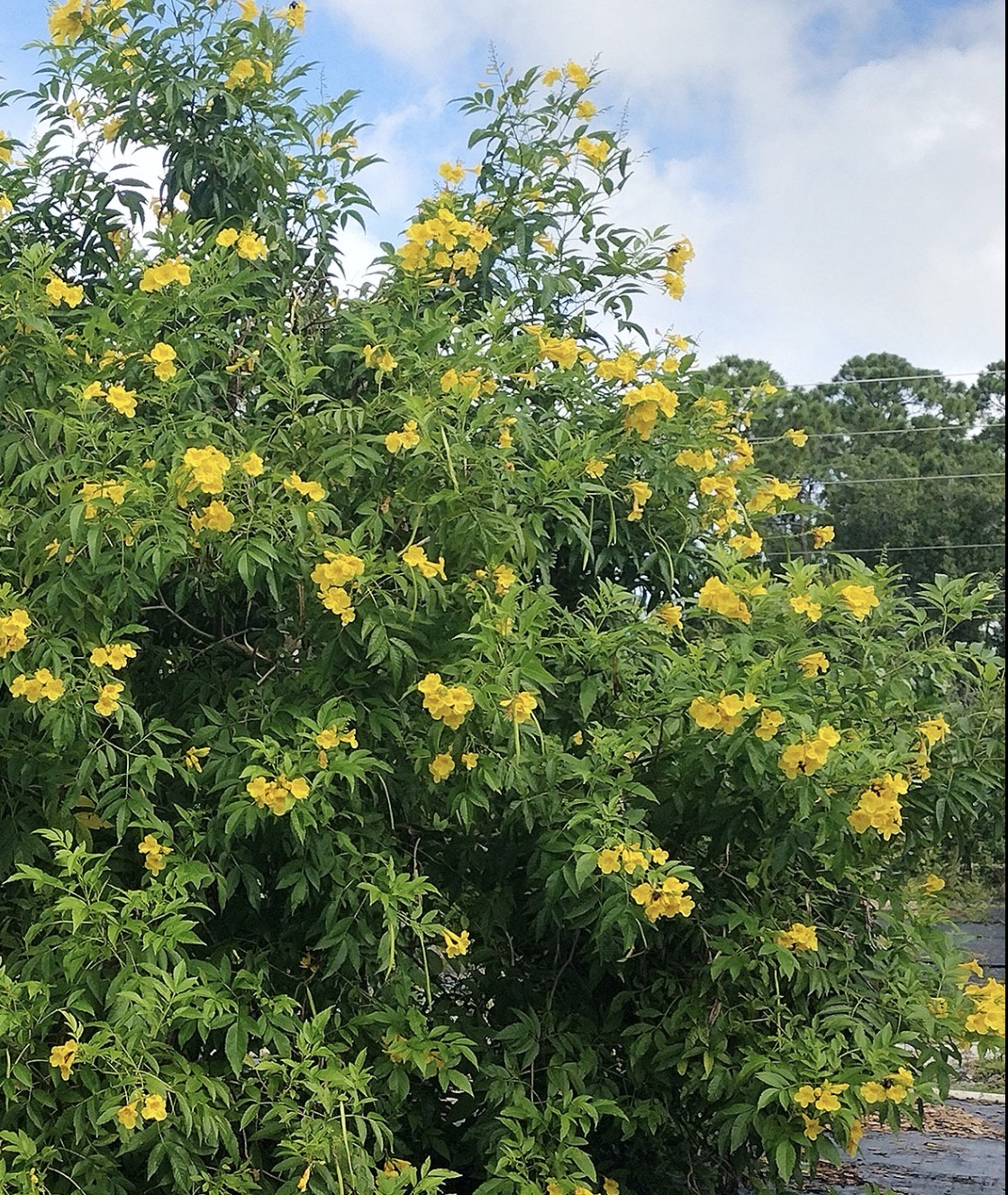
Yellow Bells
Bright yellow trumpet flowers spring through fall on lush green foliage, 8 to 12 feet tall. Takes full sun and heat and handles some shade. A hard freeze can nip it back. Plant 5 to 6 feet apart.
Here's a short video on orange jubilee.
- Keeping it skinny: trim the sides lightly as it grows and let the top keep going. That pushes the growth up instead of out.
- Spacing: about 4 to 5 feet apart, 2 to 3 feet off the wall, so they grow together into one continuous screen.
- Planting: backfill with native soil plus a tiny bit of compost, lay compost on top, then mulch, a foot back from the trunks.
Pick one and use it along the whole wall for a clean, continuous look.
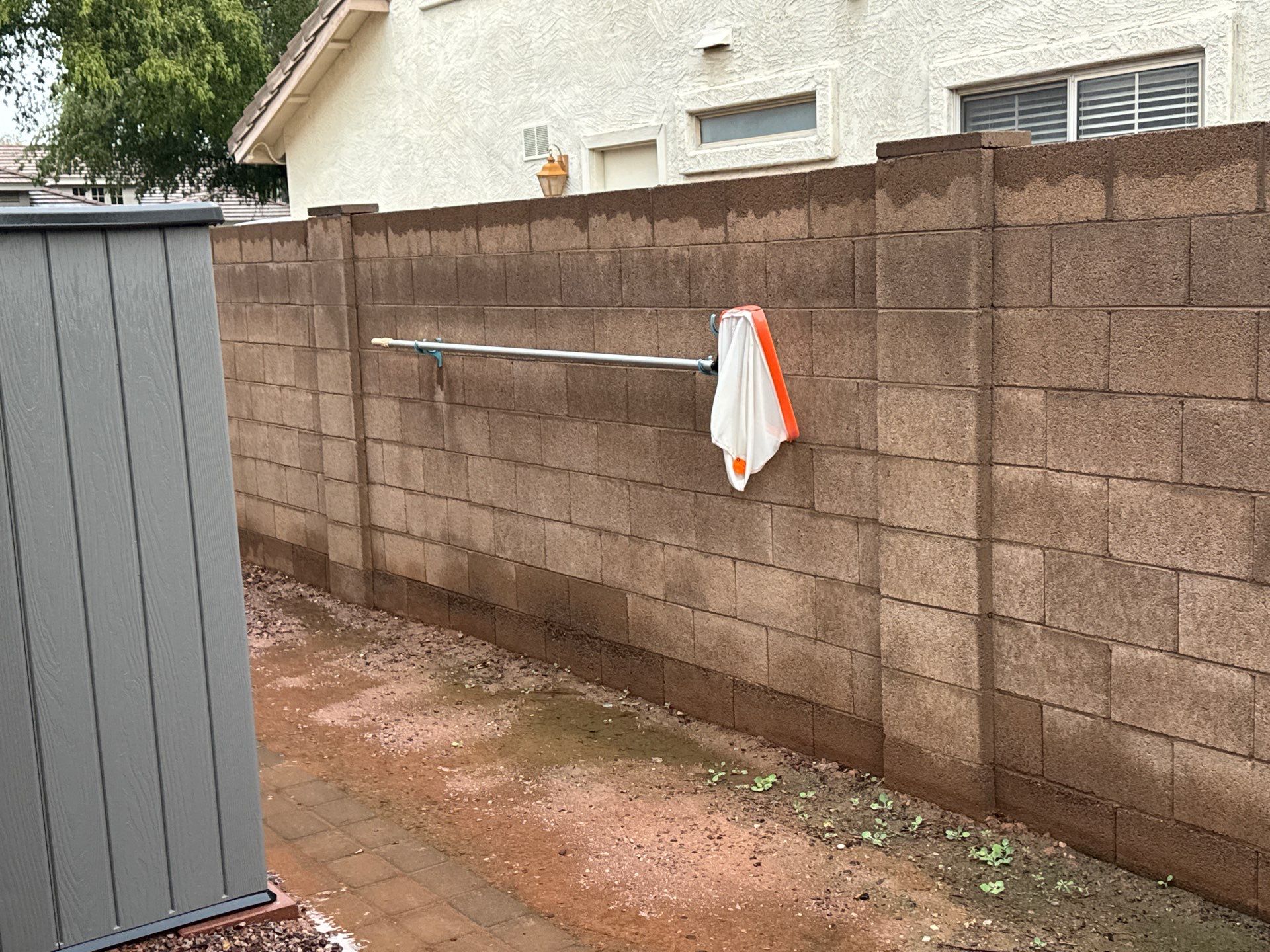
Leave room for raised garden beds
This side of the house is also a good spot for raised garden beds. Before you plant the hedge, decide whether you'll ever want garden beds here, and leave space for them. A good spot is the gap between the ficus and where the new hopseed would start. A garden bed in between would break up the line of the hedge and look great.
- The beds: Olle Gardens makes great raised beds. They're metal, last for years, and are easy to put together.
- Soil: fill them with raised bed mix from Arizona Worm Farm, and add a couple inches of compost before each season.
- Water: put the beds on their own drip line, since vegetables need more frequent water than the hedge.
- What to plant and when: use my Maricopa County planting guide. Fall is one of the best times to start.
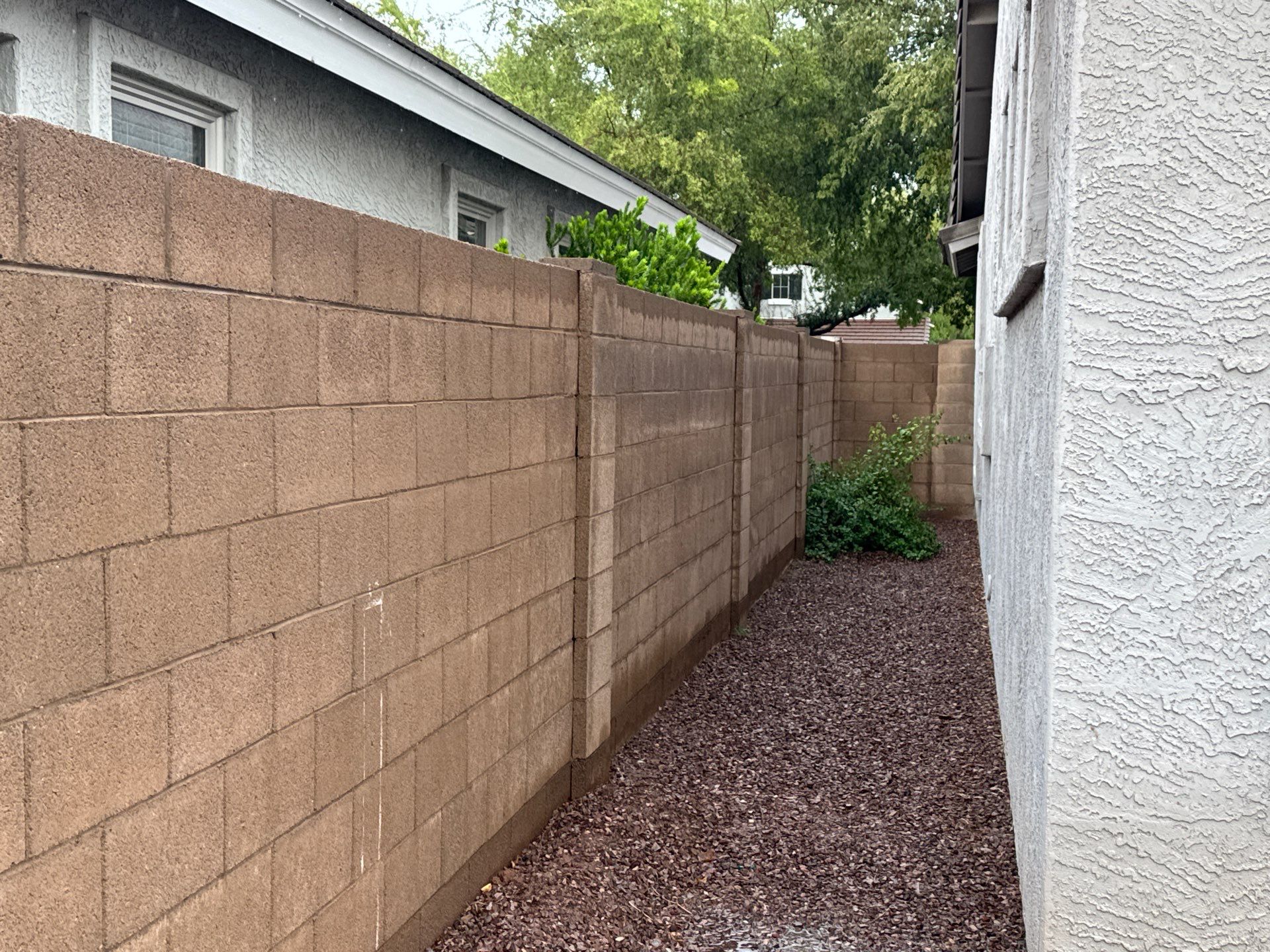
A hedge for the hot wall
Over here it's a skinny space, but the wall gets very hot and gives off lots of heat in the afternoon. Hopseed and twisted myrtle are the two best options here, since both stay fairly narrow.
Your neighbor already has twisted myrtle on the other side of this wall, so adding more twisted myrtle on your side would blend right in and look really good.

Twisted Myrtle
Dense, fine textured evergreen with small glossy leaves, 6 to 8 feet tall. Stays fairly narrow and shears into a clean hedge. Handles heat off a wall well.
Hopseed
Fast growing native evergreen that fills in to a dense 8 to 12 foot screen. Stays narrow and upright, so it fits a skinny space and grows above a block wall for privacy. Takes less water than plants that aren't desert adapted. Plant 4 to 5 feet apart.
- Plant about 2 feet off the wall and space them 4 feet apart.
- Let them grow up and fill in, then lightly shape the sides to keep the path open.
- Backfill with native soil plus a tiny bit of compost, compost on top, then mulch, a foot back from the trunks.
Backyard grass options
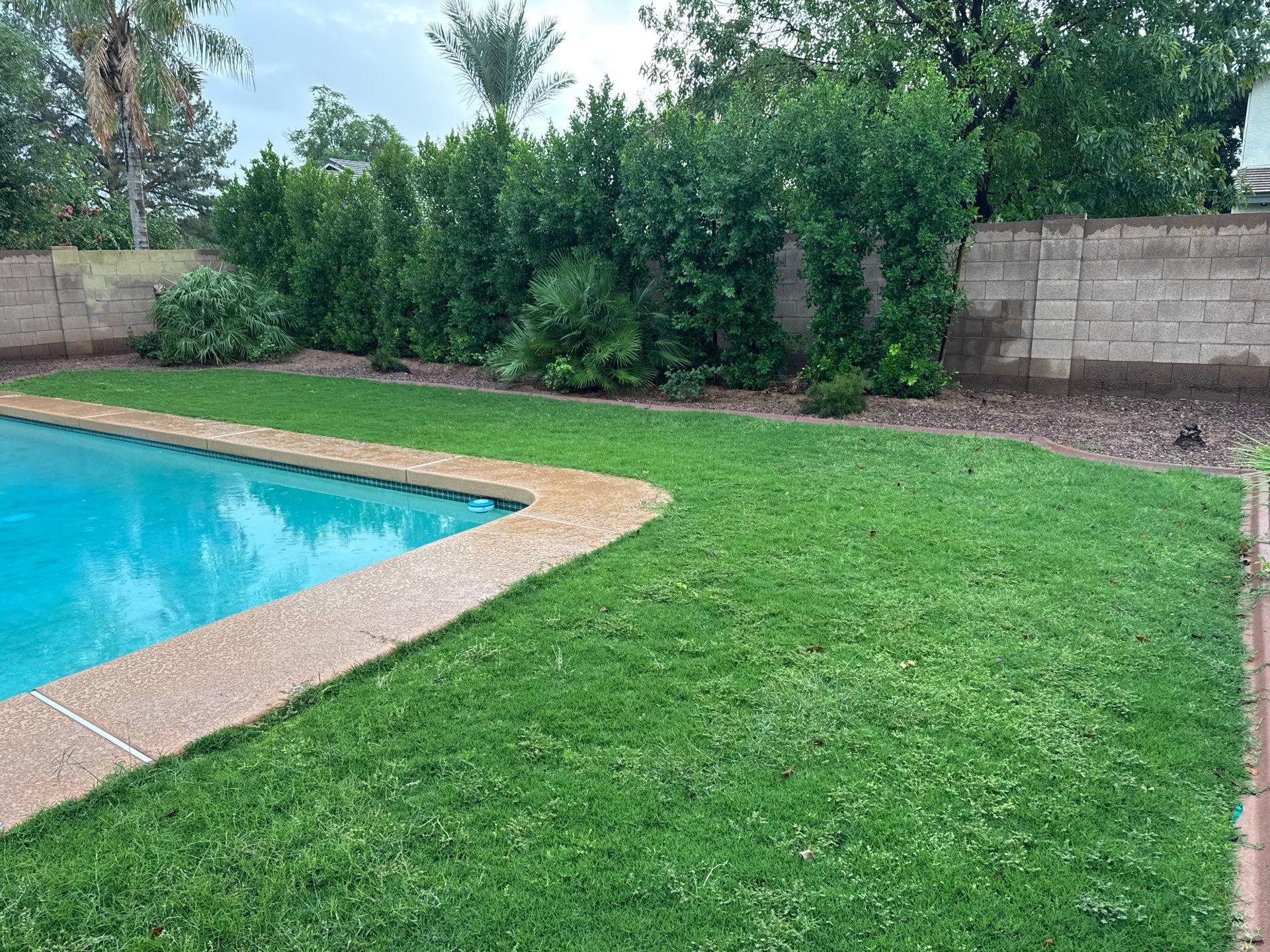
You'd like some alternatives to the backyard grass, and you're not doing winter grass. Clover needs more shade than this area has, so St. Augustine or keeping the Bermuda are the best options here.
St. Augustine
Wider, softer blade that stays green longer into the cool season than Bermuda and handles partial shade better.
- Lay a few rolls in the corners and let it spread: cheaper and easier. It slowly takes over the Bermuda on its own, especially since you're skipping winter grass.
- Or resod the whole area: faster, but the Bermuda has to come out first or it'll grow right up through.
- Either way, lay it in the warm months, late spring through summer, and mow it tall, 3.5 to 4 inches.
Keeping the Bermuda
- Mow: 1.5 to 2 inches, never taking more than a third of the blade at once.
- Water: deep and less often. Two to three long waterings a week in summer, and every two to three weeks while it's dormant in winter.
- Feed: the Catalyst fertilizers in the Fertilizing section below work great on grass and really green it up.
A ground cover instead
Kurapia is a ground cover that can replace grass with less water and mowing. Just know it isn't as soft to walk on as grass.
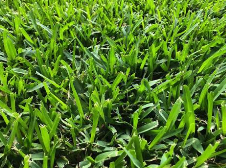
St. Augustine
Wide, soft blade that handles partial shade better than Bermuda. Mow it tall, 3.5 to 4 inches.
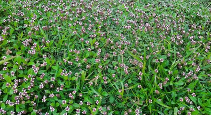
Kurapia
A low, dense ground cover that can replace turf and takes a lot less water and mowing. It's not quite as soft to run around on as grass, but it handles foot traffic and the heat well.
Caring for the ficus
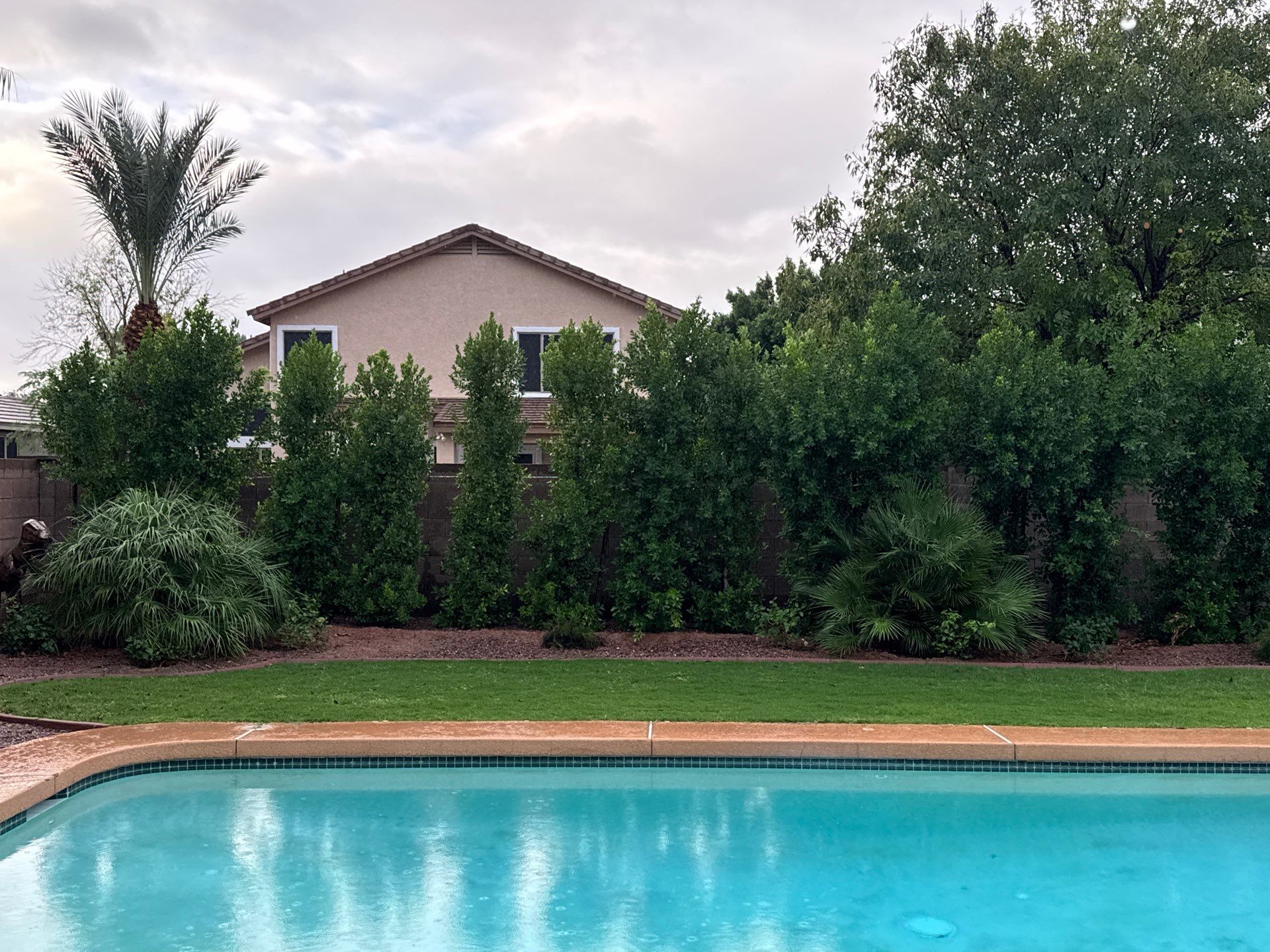
You put a lot into these ficus, so here's everything they need to stay healthy and grow big.
Watering
- Deep and infrequent: long, slow waterings that soak 18 to 24 inches down, then let the top few inches dry before the next one. That trains the roots to grow deep.
- How often once settled in: about once or twice a week in summer, every 7 to 10 days in spring and fall, and every 2 to 3 weeks in winter.
- Emitters at the canopy edge: as they grow, add emitters and move them outward so the water lands under the outer edge of the canopy, where the feeder roots are.
- Check it: push a long screwdriver into the soil after watering. It slides easily through wet soil and stops where it's dry.
Feeding
Ficus grow fastest and stay thick and deep green when they're fed monthly with compost and organic fertilizer. Everything you need is in the Fertilizing section below.
Trimming
- Trim twice a year, in October and April, and leave them alone in between.
- Never trim in the middle of summer. Fresh cuts expose the inner leaves to sun and burn them.
- Keep mulch around them, held back from the trunks, to keep the roots cool.
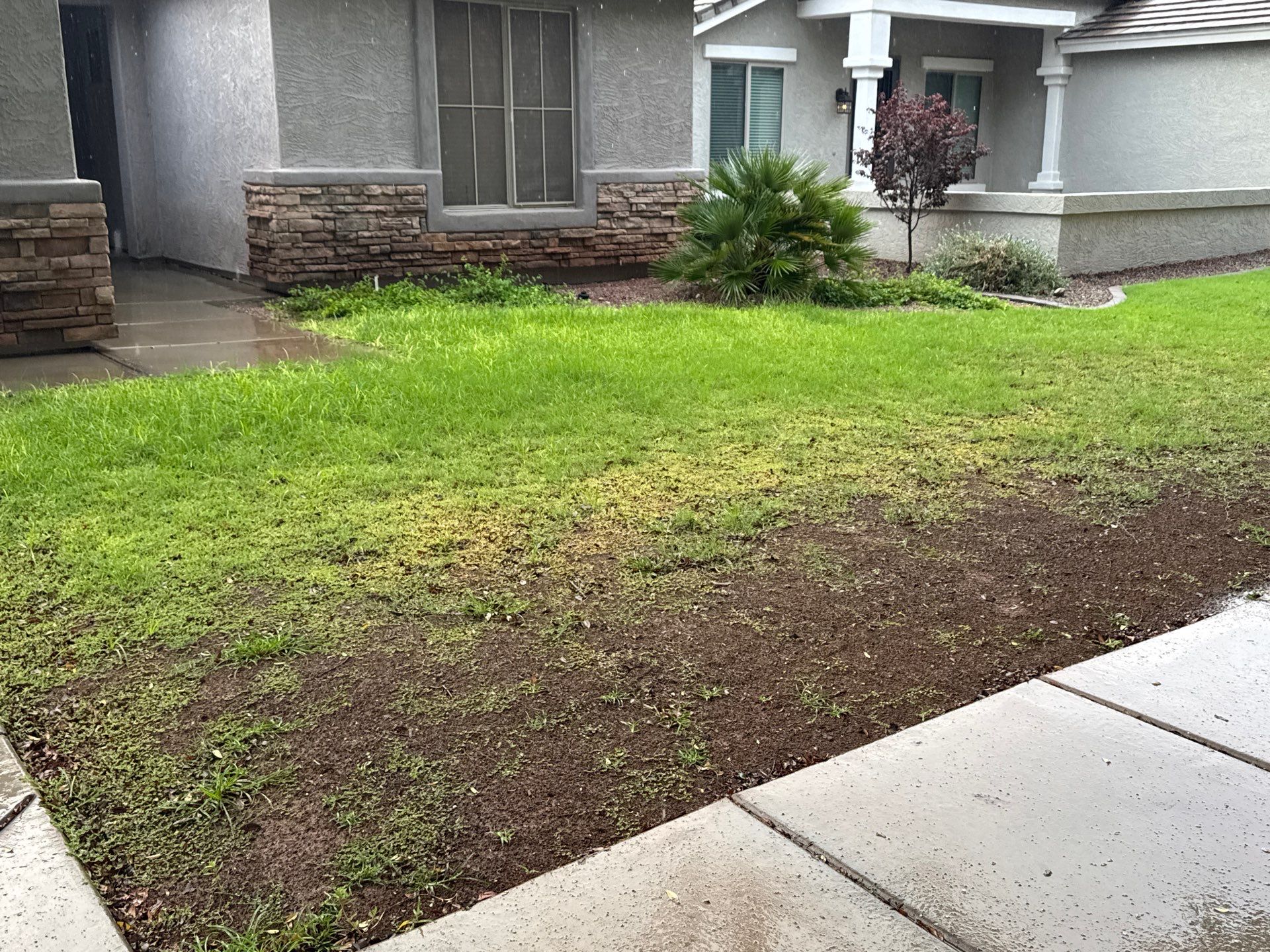
Front yard grass in the shade
The grass in the front yard doesn't grow in certain areas because of the shade. Clover and dichondra are both great options for shade, and St. Augustine is another. Right now is a great time to plant clover.
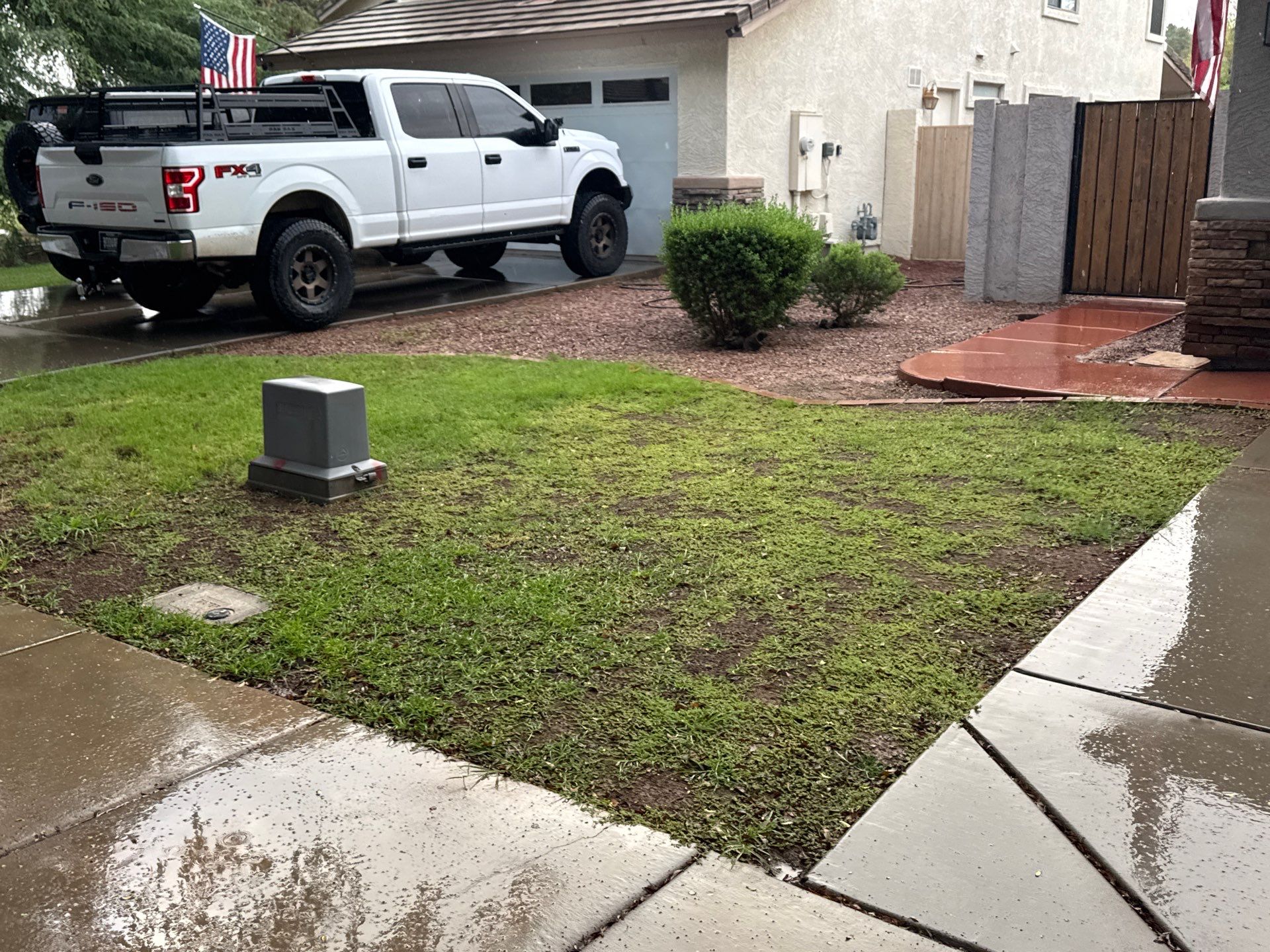
Clover
Microclover handles shade well, stays green and soft, blends into a lawn, and puts nitrogen back into the soil. Fall, October into November, is the best time to seed it.
- Mow the thin areas as short as you can and rake hard to expose the soil. Seed has to touch soil to sprout.
- Spread a thin layer of compost, about a quarter inch.
- Mix the seed with sand so you can see where it lands, and spread it at the rate on the bag in two directions.
- Rake lightly and press it in by walking over it.
- Keep the surface damp with short waterings once or twice a day until it sprouts, usually 7 to 10 days, then taper off to deeper, less frequent watering.
Dichondra
Dichondra is a low, soft carpet of small round leaves and one of the best ground covers for shade. It can fill in the shady spots on its own or mix in with the clover. Seed it in fall or spring and keep it evenly moist until it fills in.
St. Augustine
St. Augustine handles shade far better than Bermuda. Lay sod or a few rolls in the shady spots in the warm months, late spring through summer, and let it spread. Mow it tall, 3.5 to 4 inches.
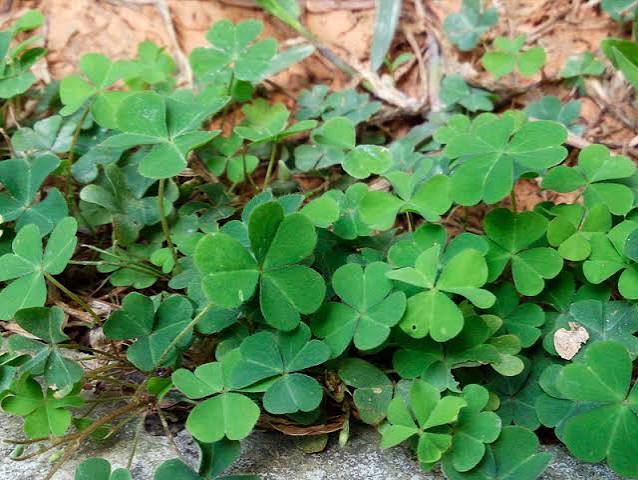
Microclover
Small-leaf white clover that handles shade, stays green and soft, and puts nitrogen back into the soil. Seed in fall, October into November.
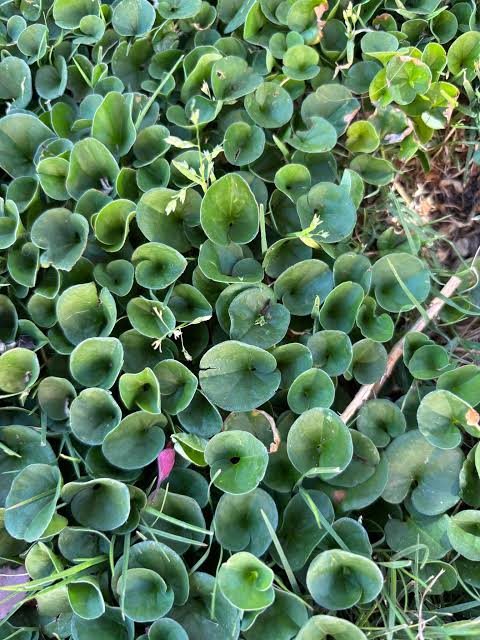
Dichondra
Low, soft carpet of small round green leaves. One of the best ground covers for shade. Likes regular water.
St. Augustine
Wide, soft blade that handles partial shade better than Bermuda. Mow it tall, 3.5 to 4 inches.
Skip weed and feed products. The weed killer in them takes out clover along with the weeds. The Catalyst fertilizers in the Fertilizing section work great on grass and really green it up.
Fertilizing
Everything in this write-up comes back to the soil. Feeding is really about feeding the soil life. Fungi, bacteria, and worms break down organic matter and hand nutrients to the roots, which is what keeps the ficus growing big and thick, gets the new hedges established, and greens up the lawn, all without synthetic fertilizers. Here's the exact approach I use, so you can do it yourself.
- Compost, and be generous. On trees, spread it in a wide ring around the drip line, the outer edge of the canopy where most of the feeder roots are, from about halfway in to a couple feet past the edge. On shrubs, hedges, and vines, put it closer in, from a few inches off the stems out about a foot past the edge of the plant. Go 1 to 2 inches deep, and if you're unsure, go thicker rather than thinner. You really can't overdo quality compost. Do this three times a year: late winter (February), early summer (May), and fall (October).
- Worm castings every quarter. Every three months, scatter worm castings over the same areas: a few cups around each shrub and a couple pounds around the drip line of each tree. Castings are loaded with beneficial microbes that bring the soil to life. When it lines up with a compost round, put the castings down first and the compost right over them.
- A good organic fertilizer. These are the three products we use and recommend, all from Catalyst. Apply them at the label rate on the schedule each one gives.

Jenner 8
Liquid organic feed for the whole landscape.
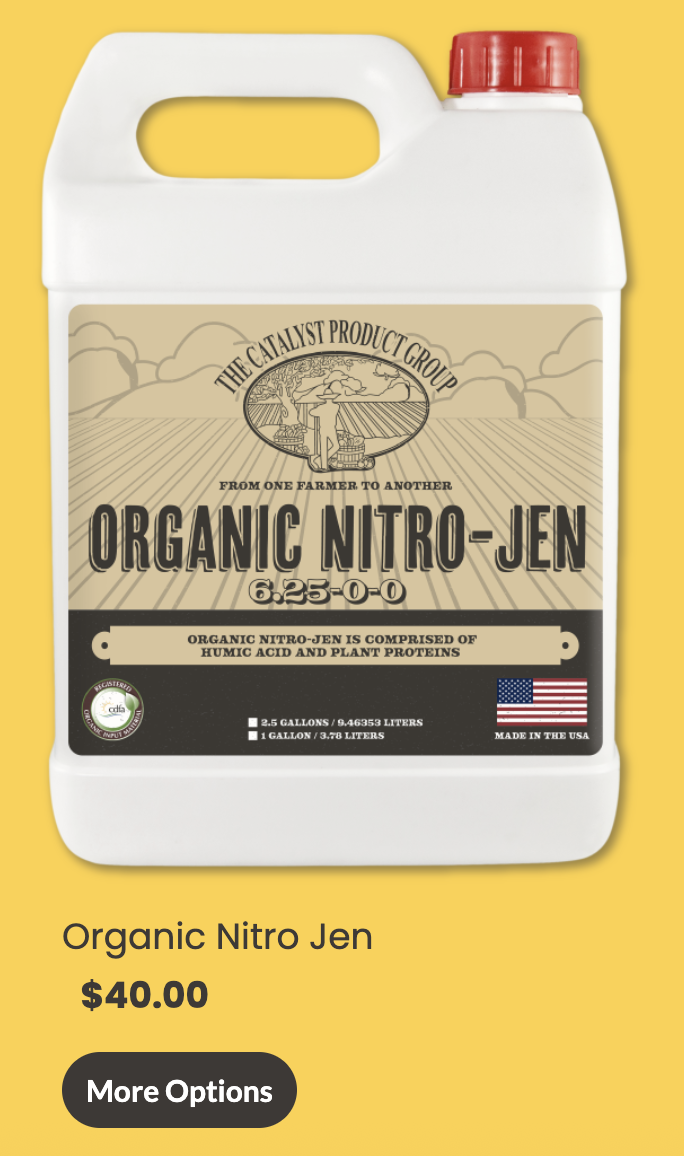
Organic Nitro Jen
Organic nitrogen to push healthy green growth.
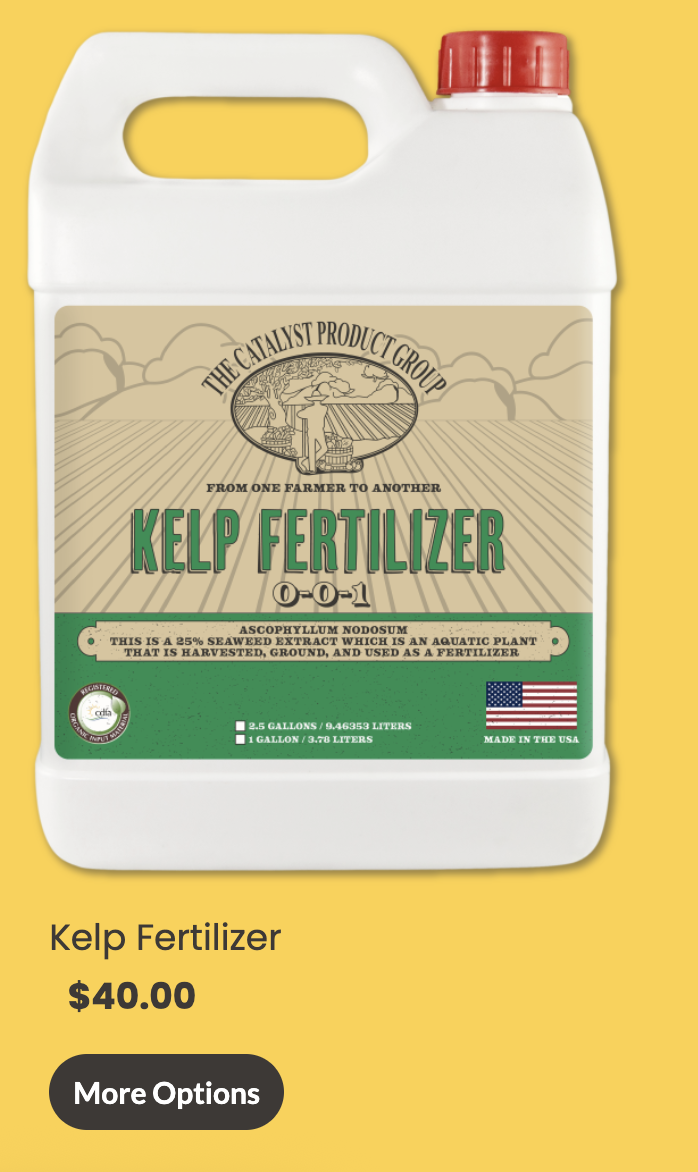
Kelp Fertilizer
Kelp based feed that supports roots and overall plant health.
You can find all three on the Catalyst website. Click Products, then Home and Garden.
- Water it all in. Give everything a deep watering right after you put it down so it soaks into the root zone.
- Mulch over the top. Mulch goes over the compost to keep it moist and cool so the soil life can do its work. Hold it a foot back from trunks and stems. No need to work any of it into the soil.
Compost, worm castings, and mulch are all at Arizona Worm Farm.
If you'd rather we handle it
Our monthly landscape fertilizing program feeds the whole yard for you.
- Covers the ficus, the hedges, and the lawn
- Monthly compost based liquid feeding across the full landscape
- Compost applications three times a year
- A recap video sent to you after each visit
Quick reference
Organic fertilizers
Catalyst (Products, then Home and Garden)Compost, mulch, raised bed mix
Arizona Worm FarmFree wood chips
ChipDropRaised garden beds
Olle GardensWhat to plant and when
Maricopa County planting guideIrrigation
Garrett: 480-678-9121Questions
Ask me anytime in the Garden Nerd ClubNext steps
You can take this list and do it yourself, and I'm right there in the Garden Nerd Club if you want a second set of eyes along the way. If you'd rather have us handle the planting or the mulch, I can put together a proposal for you.
For anything irrigation related, call Garrett at 480-678-9121.
You can see more of what we do on our planting services page.