
Thanks for having me out, Jennifer. Below is everything we went over, in the order we walked the yard, with plant options for each spot so you have it all in one place.
As a consult client, you're already in the Garden Nerd Club, so you have direct access to me there. If questions come up while you work through any of this, ask me there anytime.
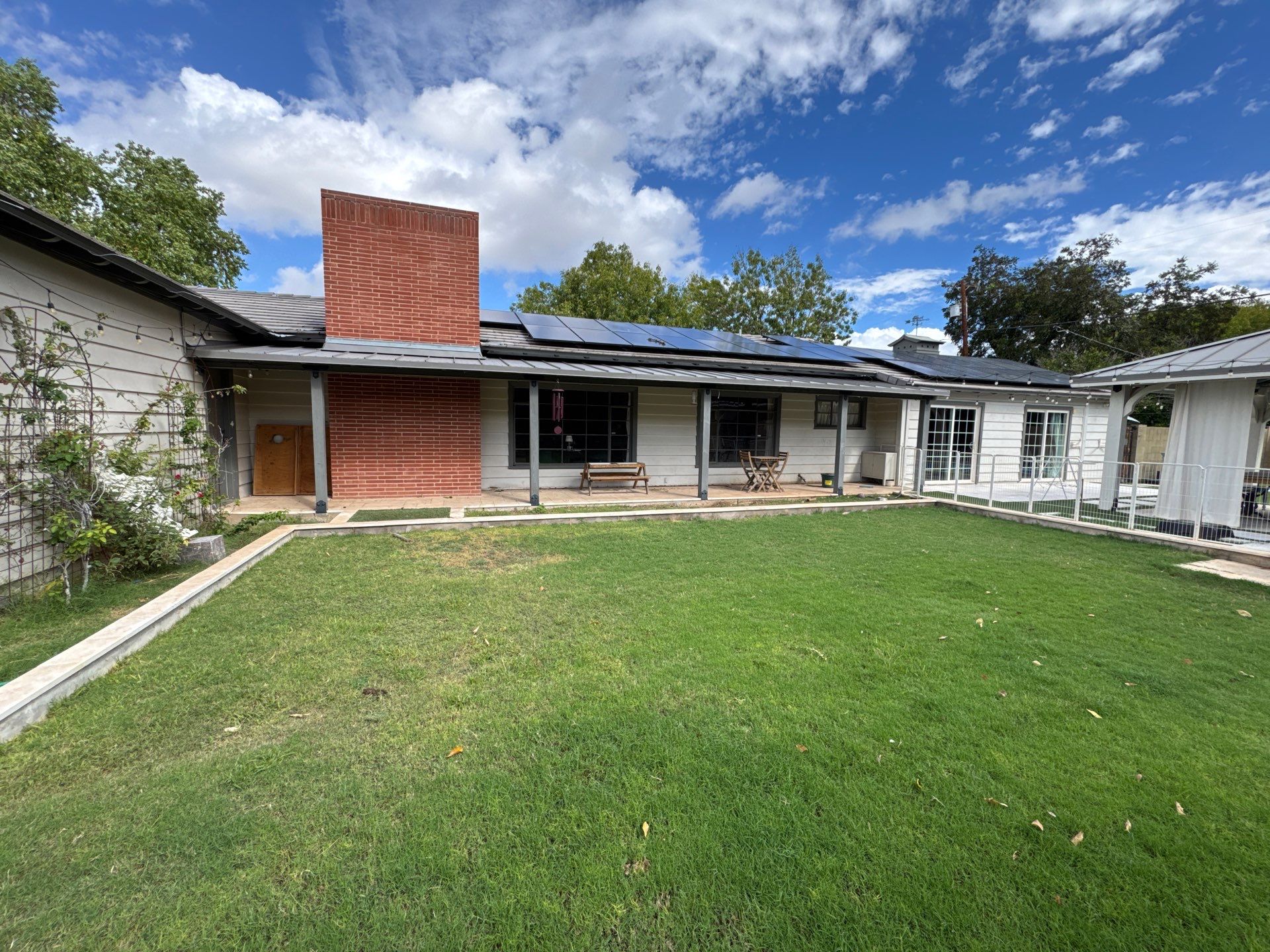
Plants for the hot south facing porch
This bed runs along the back porch and faces south, so it gets brutal afternoon sun. You don't want the full desert look, so these are plants that take the heat but still look full and lush. Cape plumbago and chuparosa fit that vibe well, and here are some others that match.
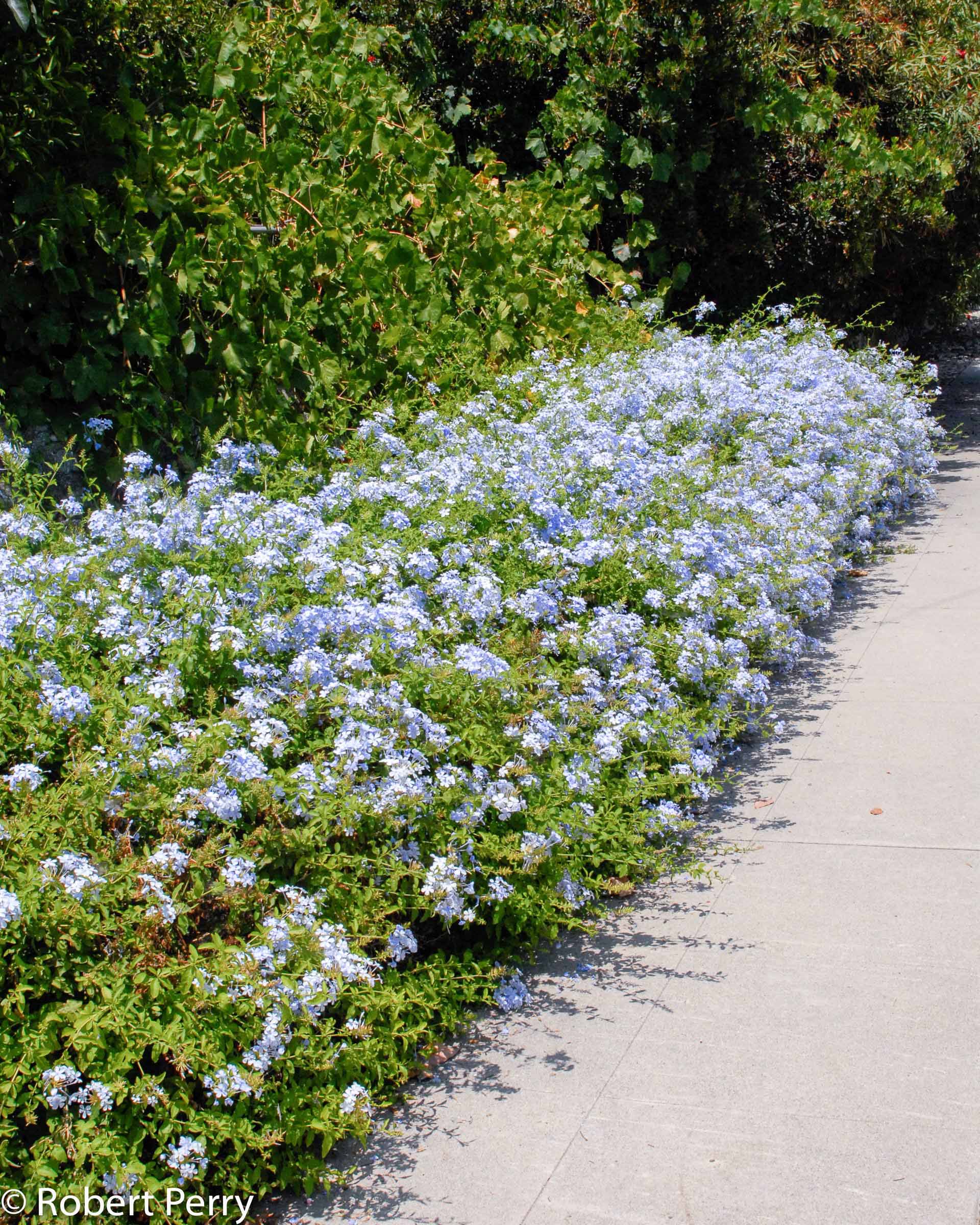
Cape Plumbago
Mounding, 3 to 4 feet, with sky blue flowers spring through fall. Holds a hedge shape well and takes full sun with regular water.
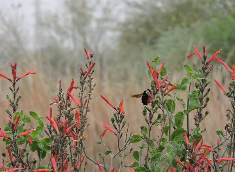
Chuparosa
Native with green stems and red tubular flowers through winter and spring. A hummingbird favorite that stays green and takes the heat.
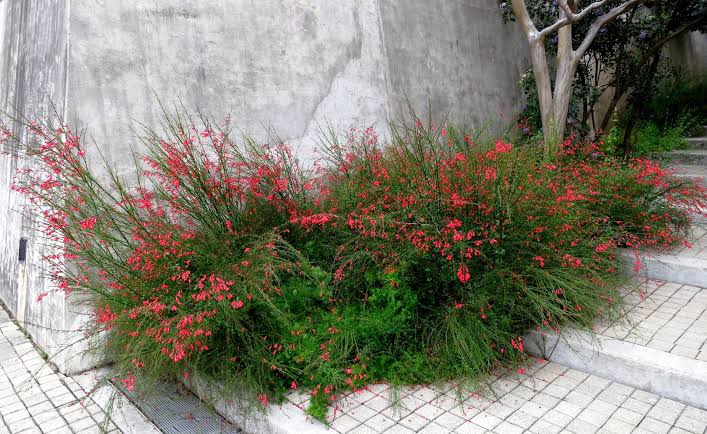
Firecracker Plant
Arching green stems with bright red tubular flowers most of the year. Handles sun or part shade and hummingbirds love it.
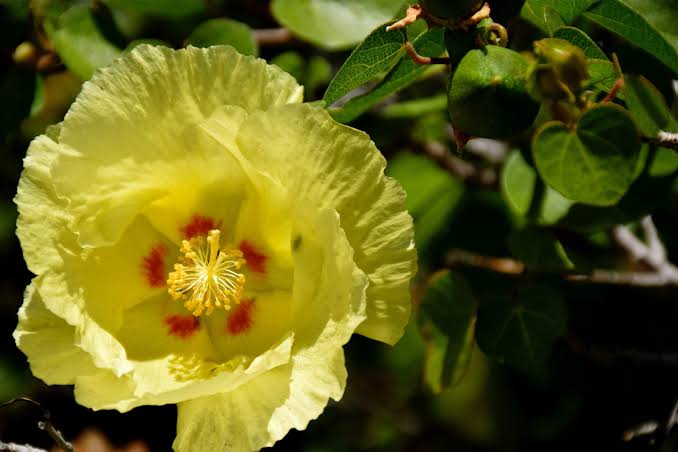
San Marcos Hibiscus
Native mounding shrub, 3 to 5 feet, with deep green leaves and lavender flowers most of the year. A lush look that takes full afternoon sun and heat.

Purple Heart
Trailing purple foliage with small pink flowers. Spreads fast and handles shade well.
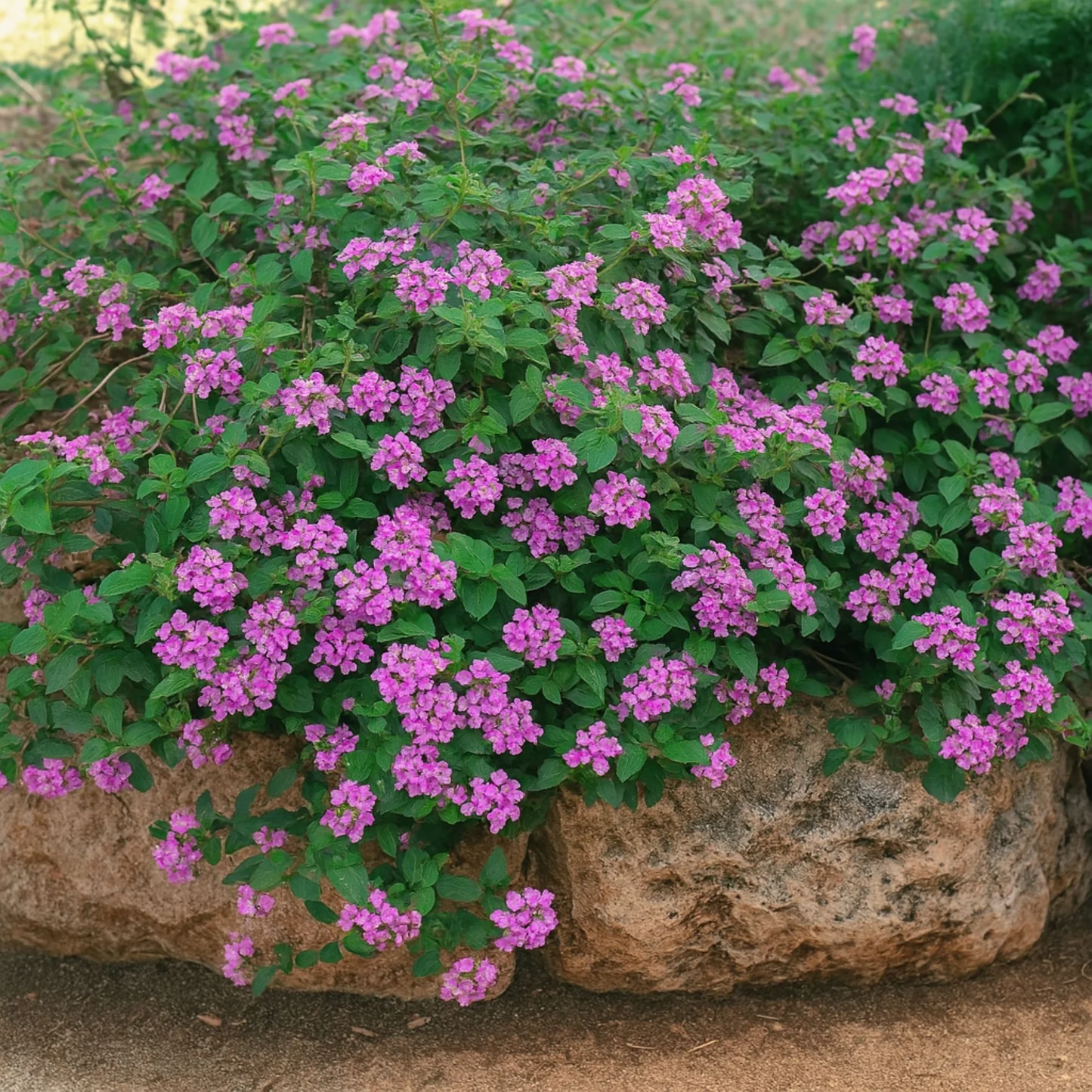
Lantana
Flowers spring through fall and a magnet for butterflies. Takes full afternoon sun and reflected heat. Frost can nip it; cut it back in late February and it flushes right back.
Herbs that can take the heat
- Rosemary, Mexican oregano, thyme, and sage: the toughest herbs for heat. They stay year round.
- Oregano and lemongrass: handle the heat well with regular water.
- Basil: loves the warm season. Plant it in spring.
- Cilantro, parsley, and dill: cool season herbs. Plant them in fall and enjoy them through spring.
You can't fit all of these. Pick a few favorites and repeat them so it looks intentional.
Better options for the east side
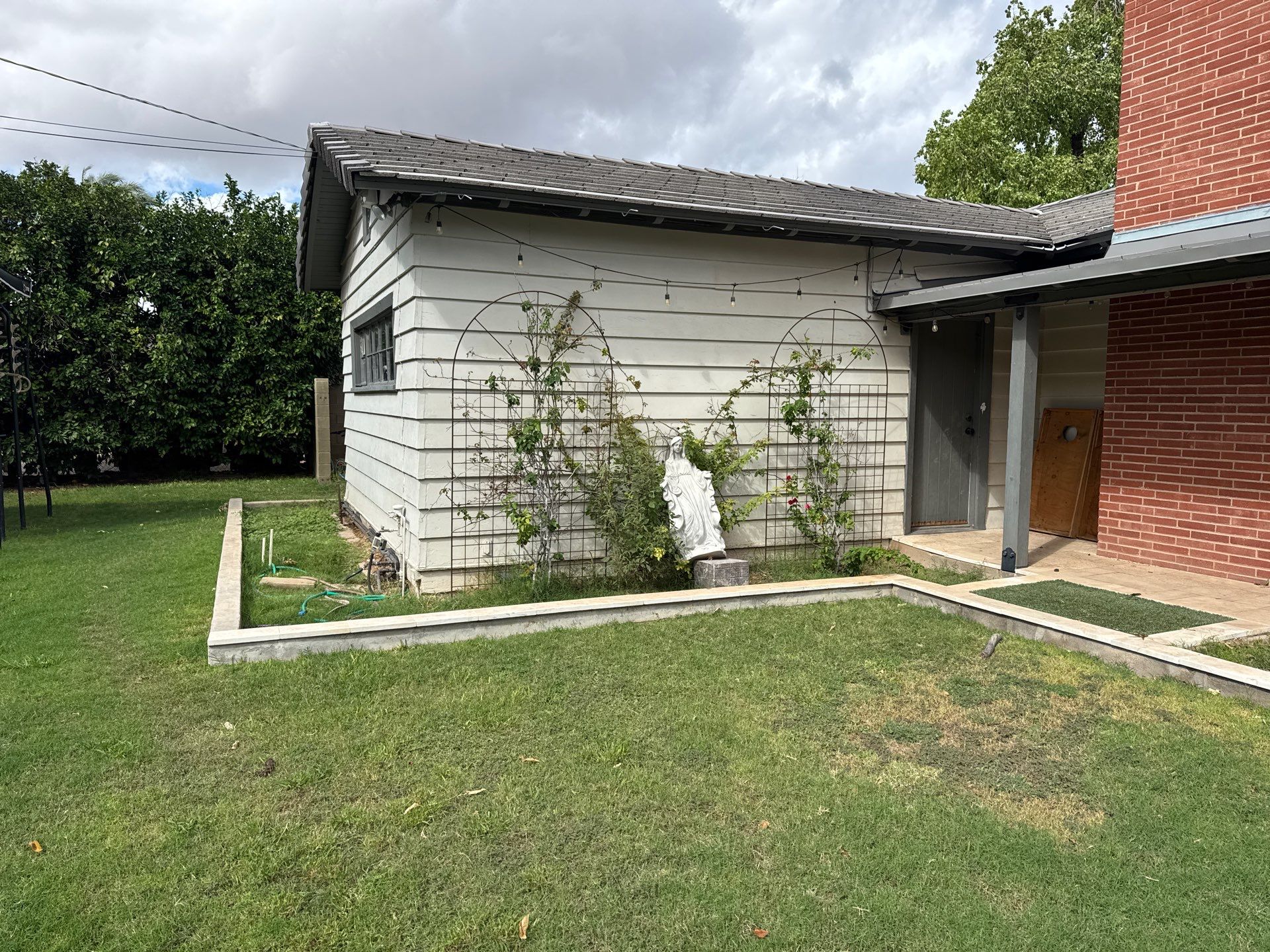
This is along the same patio, but it faces east, so it gets morning sun and afternoon shade. There are some roses here now, but here are some plants that will do better in this orientation. Star jasmine or bower vine would fill the trellis nicely.
From your list, passion fruit or thornless blackberries can share the trellis, and fig and pomegranate also do well here.
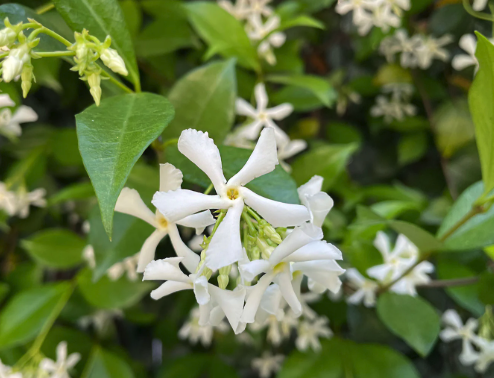
Star Jasmine
Evergreen vine with glossy leaves and clusters of white, very fragrant flowers in spring. Does well with morning sun and afternoon shade and fills a trellis nicely.

Bower Vine
Lush evergreen vine with glossy leaves and pink or white trumpet flowers spring through fall. Happiest with afternoon shade.
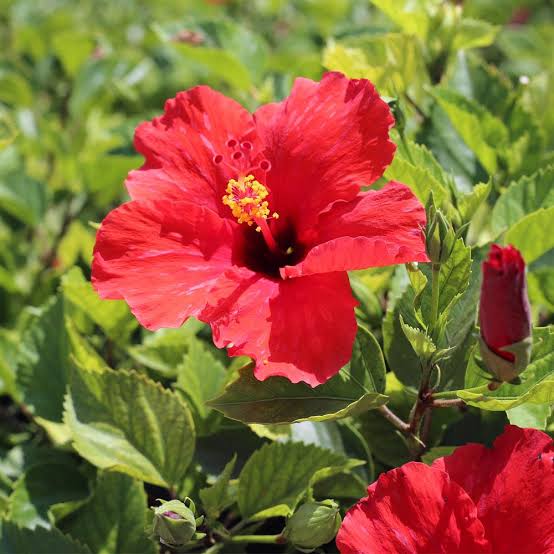
Red Hibiscus
Big tropical flowers most of the warm season. Happiest with morning sun and protection from the afternoon heat, which this east side gives it. Cover it on frost nights.
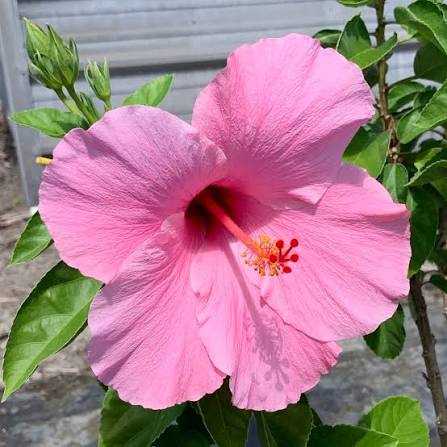
Pink Hibiscus
Same care as the red. Mix the two colors for a fuller tropical look.

Canna Lily
Big tropical leaves and tall flower spikes in red, orange, or yellow, 3 to 6 feet tall. Adds height and a lush look. Likes consistent water and handles hot sun with it. Cut spent stalks to the ground.
Firecracker Plant
Arching green stems with bright red tubular flowers most of the year. Handles sun or part shade and hummingbirds love it.
Cape Plumbago
Mounding, 3 to 4 feet, with sky blue flowers spring through fall. Holds a hedge shape well and takes full sun with regular water.

Passion Fruit
Fast growing vine with showy flowers and fruit through summer and fall. Climbs a fence or wires quickly. Frost tender, so cover it on cold nights.
Thornless Blackberry
Thornless varieties like Arapaho and Natchez do best here. Grow them on a trellis, give them afternoon shade if you can, and plenty of mulch. Fruit comes in late spring.

Fig
One of the easiest fruit trees in the Valley. Big leaves, fast growth, and two crops a year on many varieties. Loses its leaves in winter, which is when to prune.
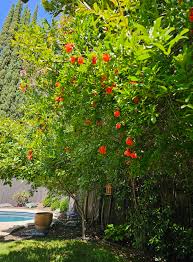
Pomegranate
Loves full sun and heat and takes less water than plants that aren't desert adapted. Grows into a full shrub fast and gives fruit.
You can't fit all of these. Pick a few favorites and repeat them so it looks intentional.
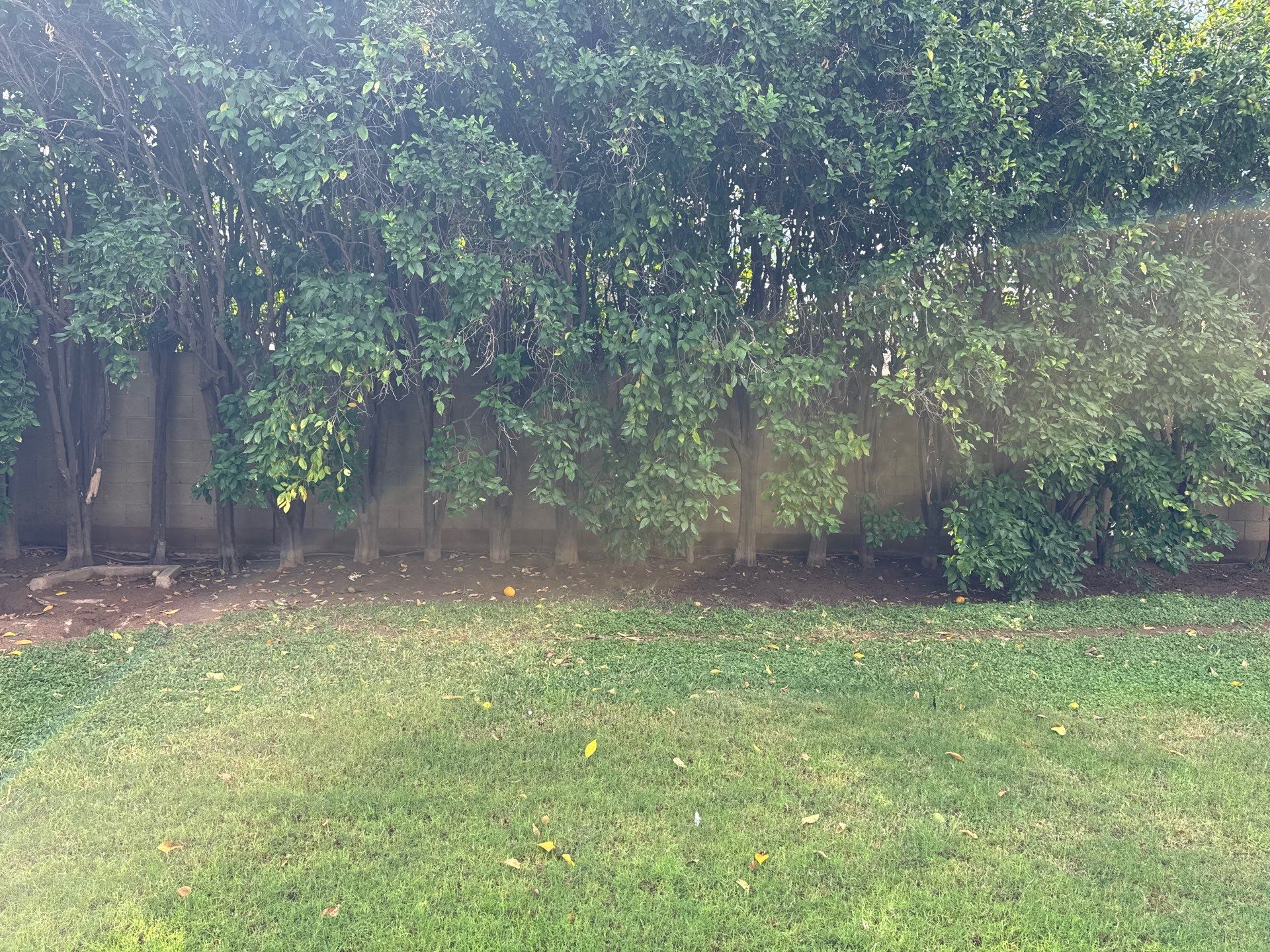
Ground cover in the shade of the hedge
Under the sour orange hedge, it's north facing, so not much sun gets in. Dichondra and clover are the best options here, and I've added a few more that handle shade.
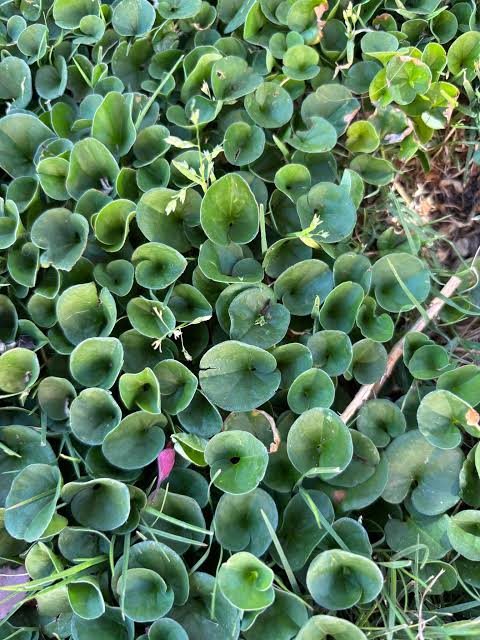
Dichondra
Low, soft carpet of small round green leaves. One of the best ground covers for shade. Likes regular water.
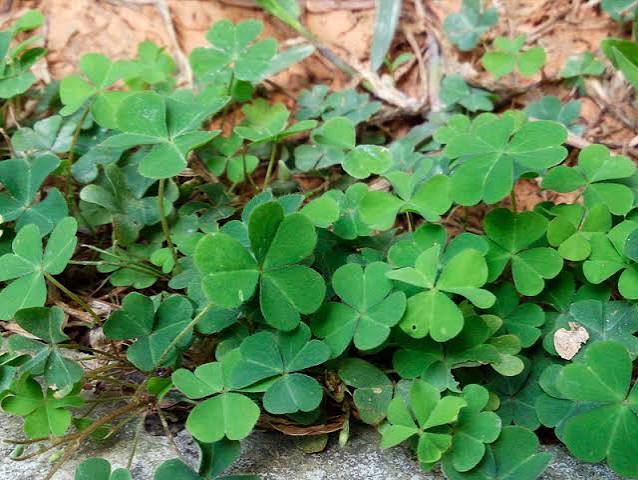
Microclover
Small-leaf white clover that handles shade, stays green and soft, and puts nitrogen back into the soil. Seed in fall, October into November.
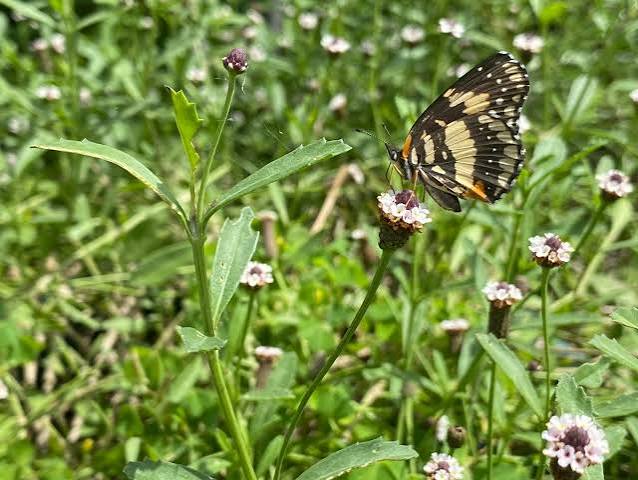
Frogfruit
Native, low, spreading mat with tiny white flowers that pollinators love. Handles shade or sun and light foot traffic.
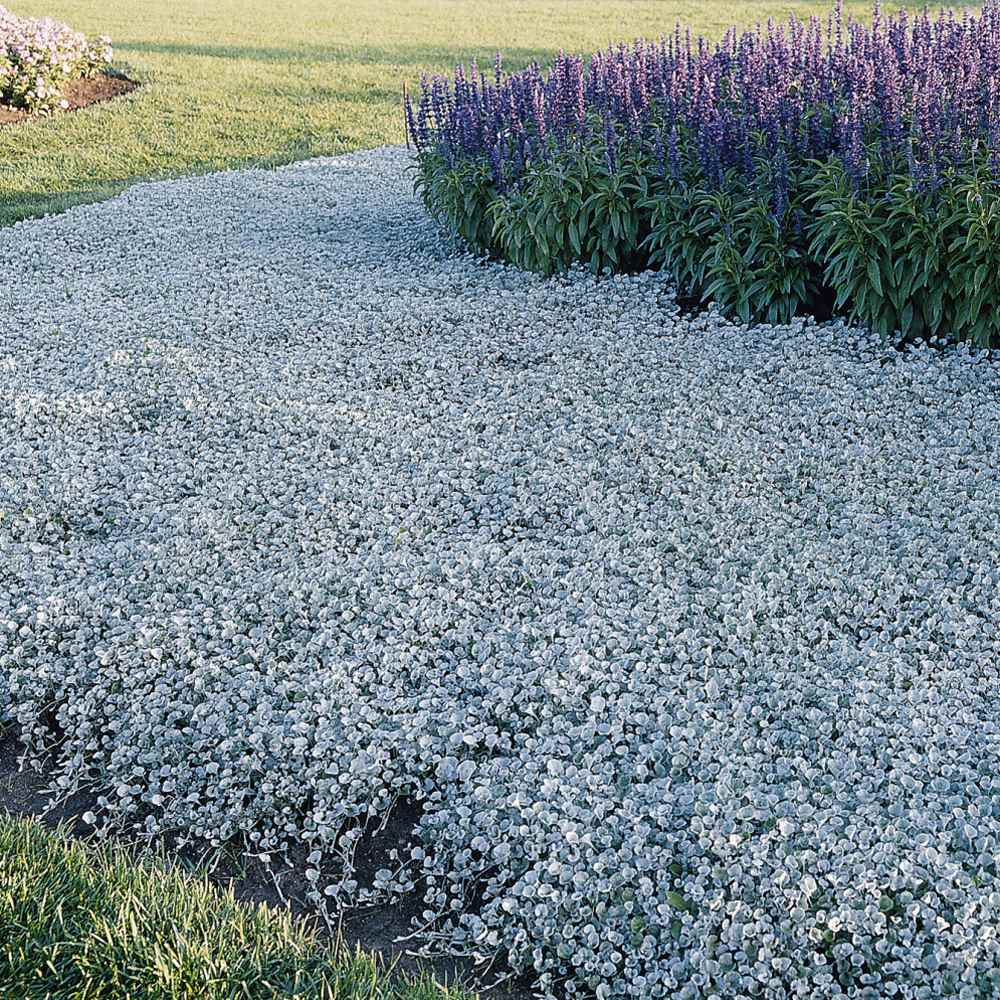
Silver Ponyfoot
Trailing silver leaves that form a soft mat. Handles part shade and looks great next to green ground covers.
Purple Heart
Trailing purple foliage with small pink flowers. Spreads fast and handles shade well.
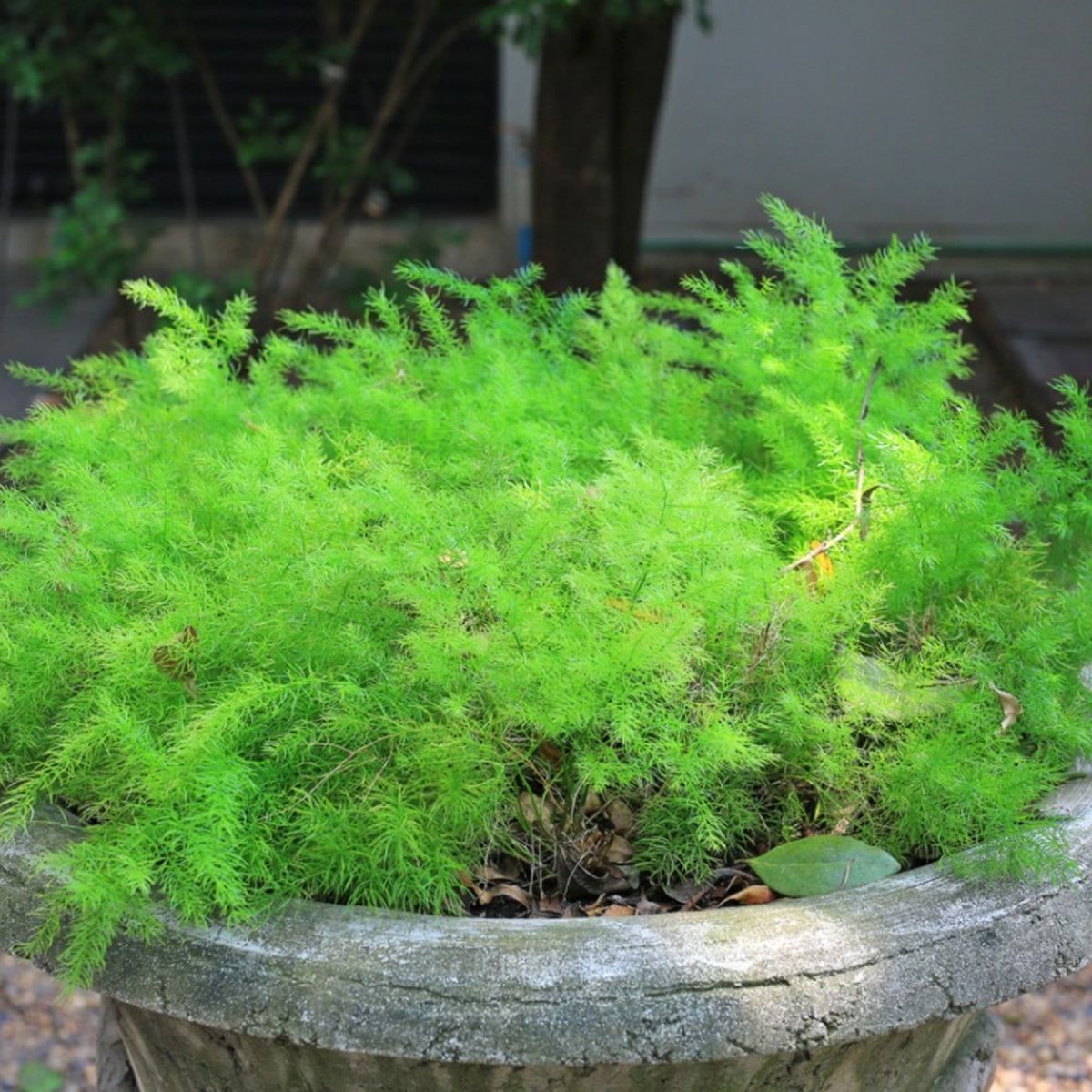
Asparagus Fern
Soft, airy, bright green mound that loves shade. Tough once established and fills a spot quickly.
You can't fit all of these. Pick a few favorites and repeat them so it looks intentional.
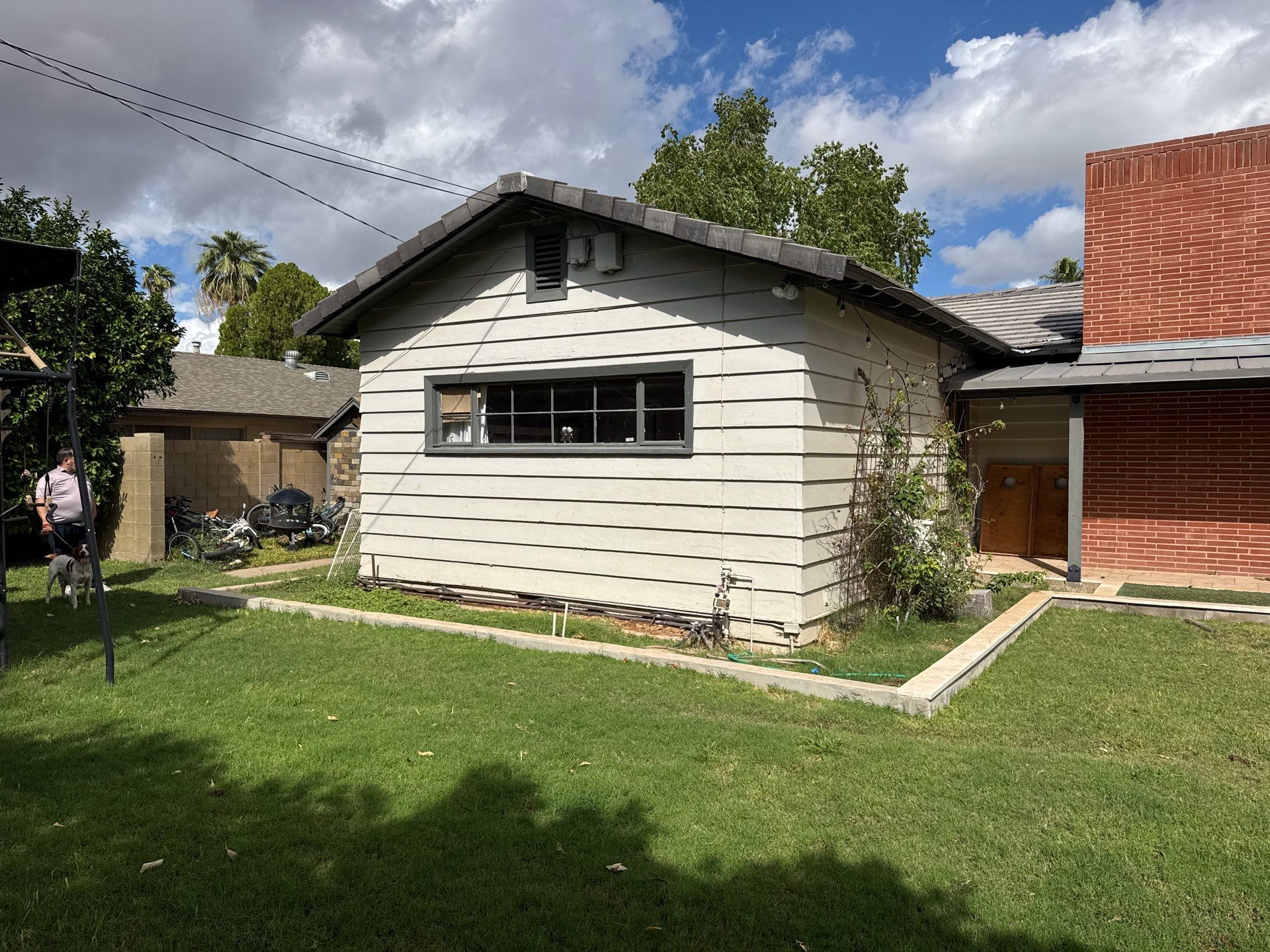
Mangos, sunflowers, and other tropicals
Right off this wall, in the same planter but facing south, it gets lots of sun. You're thinking mangos and sunflowers, and both will work. Here are some other tropical plants that can take that heat, plus fig and pomegranate from your list.

Mango
Tropical fruit tree, about 10 to 15 feet here. Planted close together, mangos shade and protect each other. Frost tender, so cover them on cold nights.
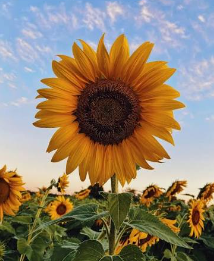
Sunflower
Fast, tall, and cheerful, and the bees love them. Sow seed in spring once the soil warms, and again in late summer for fall flowers. They love the full south sun here.
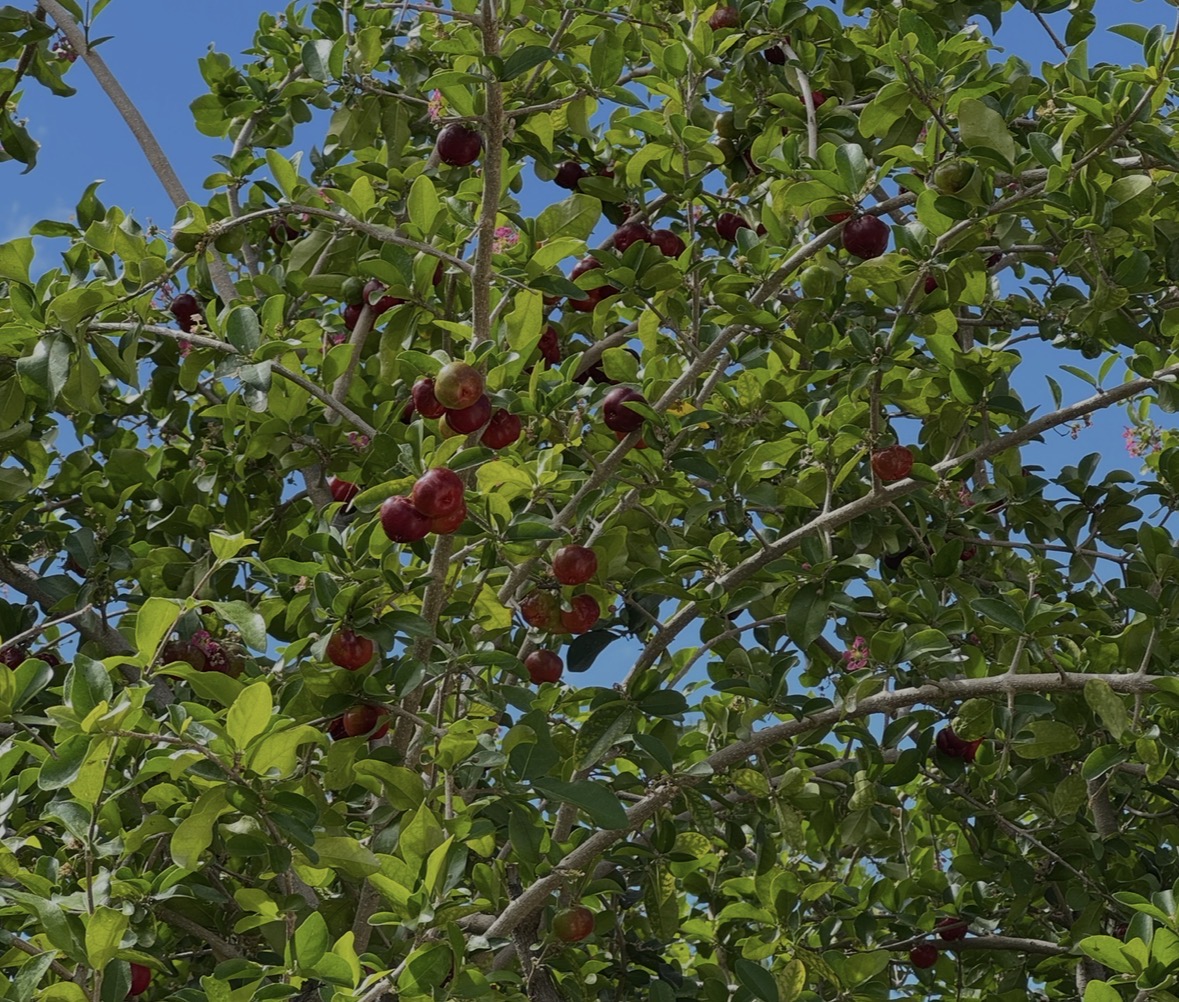
Barbados Cherry
Shrub, 6 to 10 feet, with glossy green leaves, small pink flowers, and bright red, tangy cherries several times a year. Loves full sun and heat. Protect it on frosty nights while it's young.

Banana
Big tropical leaves and fruit once it's established. Frost burns the leaves back, so cover it on cold nights. It regrows from the base if it does get hit.
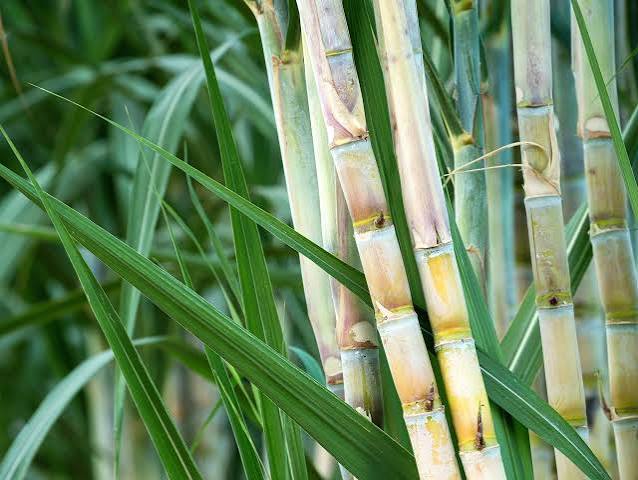
Sugar Cane
Tall, leafy canes that give a lush, tropical look and are fun to harvest and chew. Loves heat, regular water, and compost.

Guava
Tropical shrub or small tree, 10 to 15 feet, with fragrant fruit in late summer and fall. Frost tender, so it needs cover on cold nights.
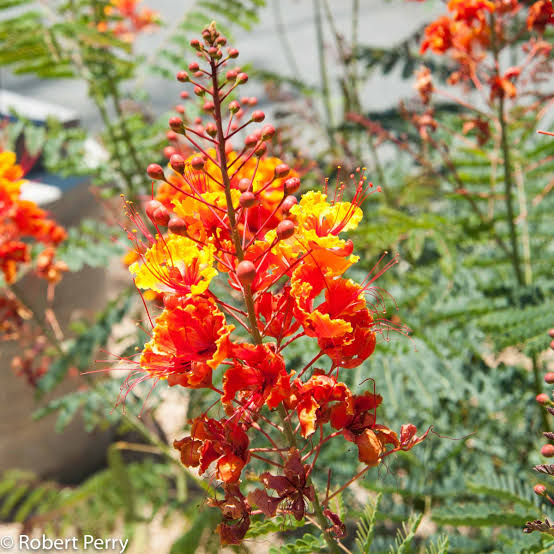
Red Bird of Paradise
Ferny foliage with fiery red and orange flowers all summer, 6 to 8 feet. Thrives in the hottest, most reflected spots. Cut it back hard in late winter. The seed pods are toxic, so trim them off if kids or pets are around.
Fig
One of the easiest fruit trees in the Valley. Big leaves, fast growth, and two crops a year on many varieties. Loses its leaves in winter, which is when to prune.
Pomegranate
Loves full sun and heat and takes less water than plants that aren't desert adapted. Grows into a full shrub fast and gives fruit.
- Mango, banana, and guava are frost tender, so cover them on cold nights their first few winters.
You can't fit all of these. Pick a few favorites and repeat them so it looks intentional.
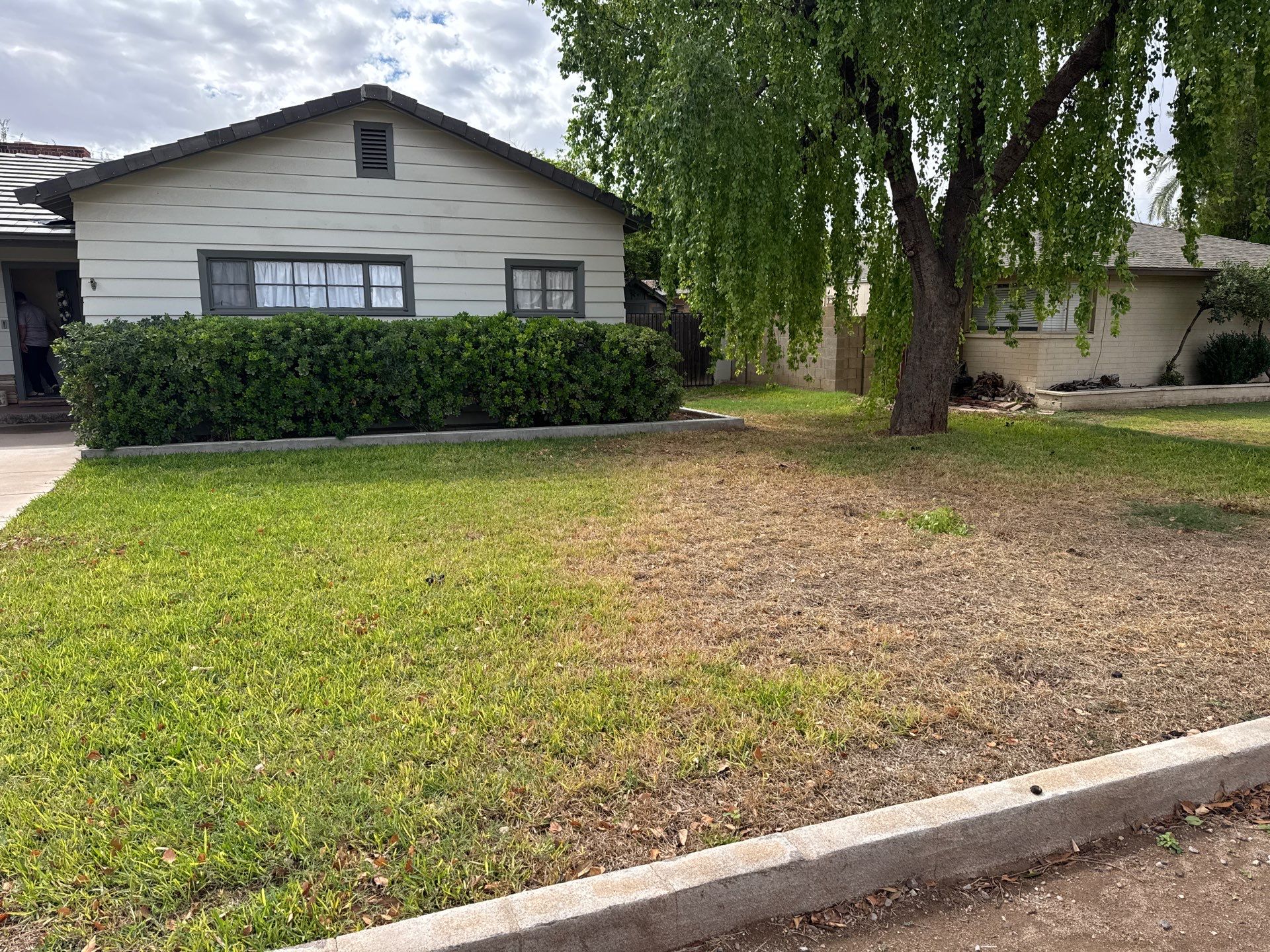
Bringing back the St. Augustine
The front lawn is St. Augustine, and there are some clear dead patches from earlier this summer. It needs to be fed. It also looks like it's been cut a little too short.
Caring for St. Augustine
- Mow it tall: 3.5 to 4 inches. St. Augustine cut short stresses fast in the heat and thins out. Taller blades shade the soil, hold moisture, and crowd out weeds. Never take off more than a third of the blade at once.
- Feed it: the Catalyst fertilizers in the Fertilizing section below work great on grass and really green it up.
- Water deep and less often: long waterings that soak down 6 inches or more, rather than short daily runs.
- Dead patches: once it's being fed and mowed tall, it'll spread back into the bare spots. For faster coverage, lay a few pieces of sod or plugs in the patches in late spring, once it's warm.
You can also have us feed it for you. There's a quote for monthly feeding and a one time grass spray in the Fertilizing section.
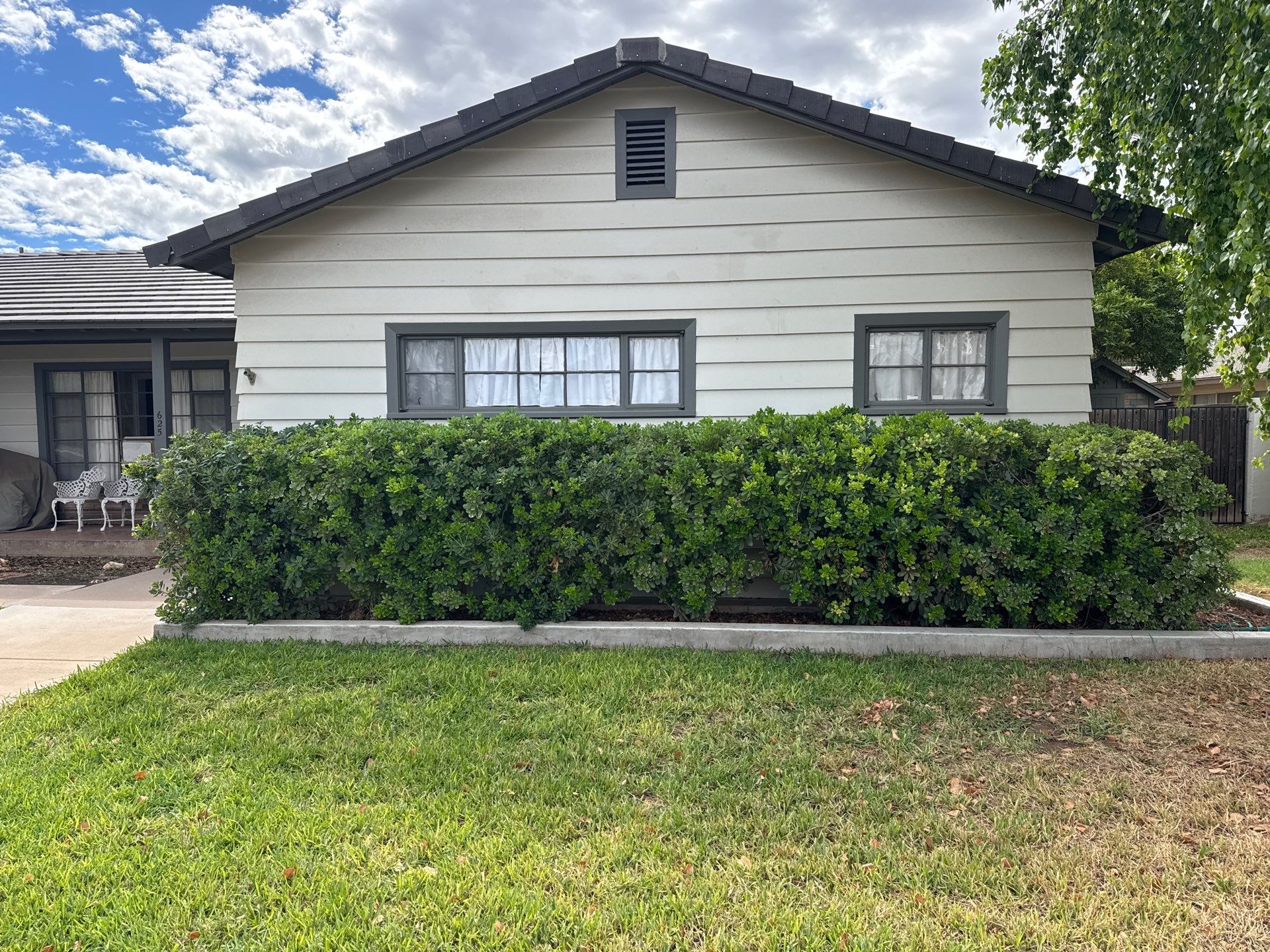
Shrubs for the north wall
This is a north facing wall, so it gets lots of shade. You don't love the shrubs here, so here are a few other options that work on a north wall. Twisted myrtle is one I'm thinking of.

Twisted Myrtle
Dense, fine textured evergreen with small glossy leaves and a light fragrance, 6 to 8 feet tall. Shears into a clean formal hedge or can be left natural. Handles full sun and part shade, and drops very little. Plant about 4 feet apart.
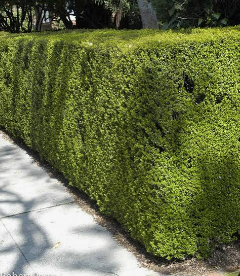
Dwarf Myrtle
Compact myrtle, 3 to 4 feet tall and wide, with small glossy leaves. Holds a tight, clean shape with little effort and drops very little, which makes it great by the pool. Plant about 3 feet apart.
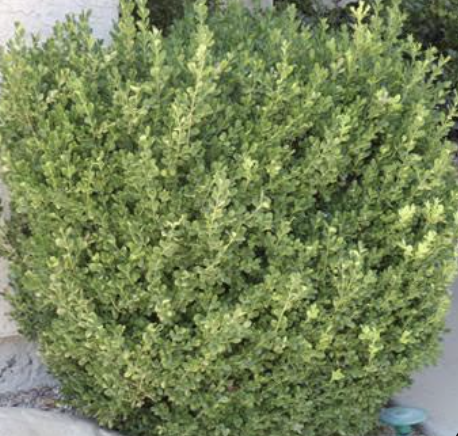
Japanese Privet
Evergreen with glossy leaves and white flower clusters in spring. Handles the shade of a north wall and shapes into a nice hedge.
You can't fit all of these. Pick a few favorites and repeat them so it looks intentional.
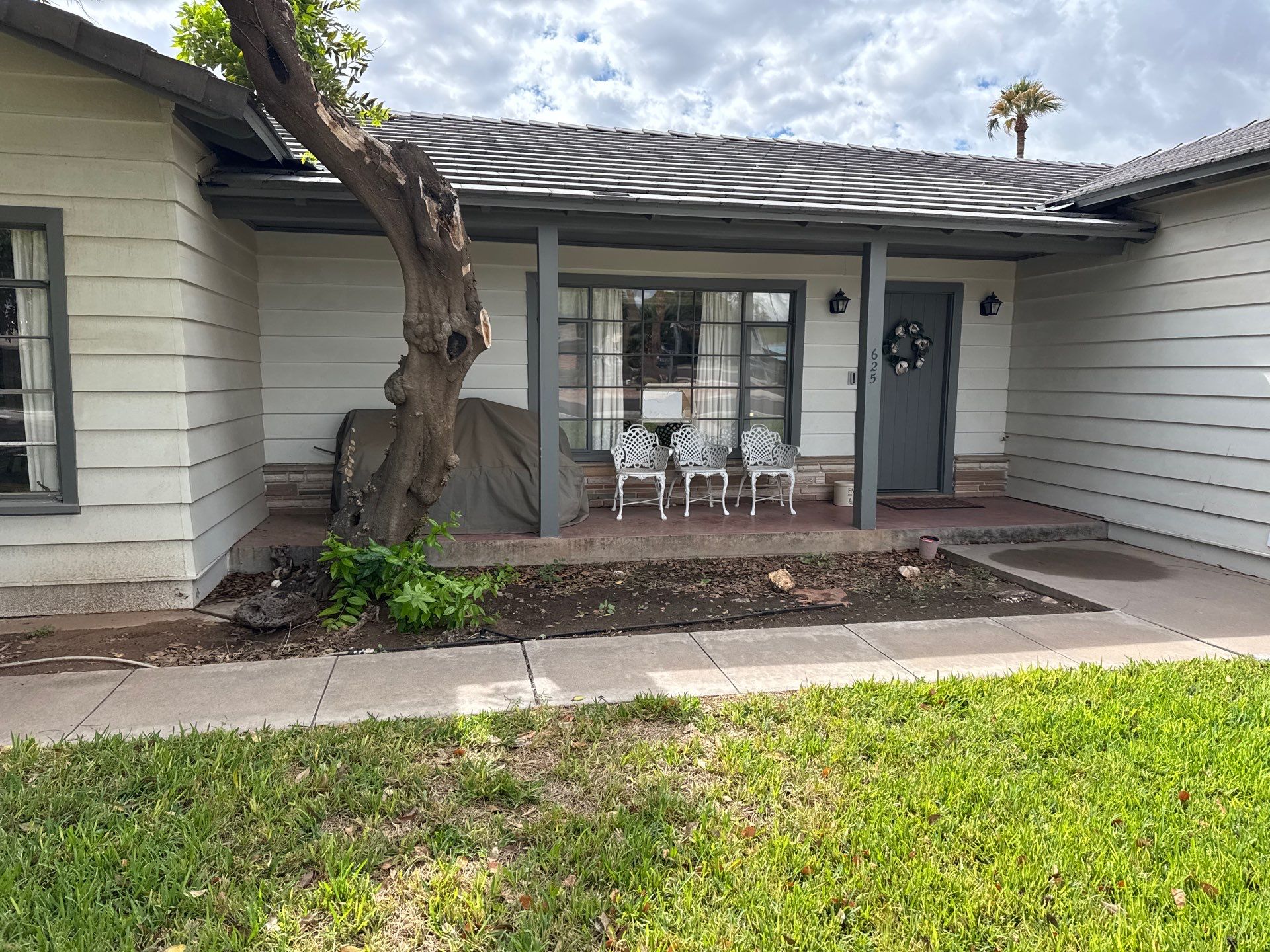
The front patio: annual flowers, permanent plants, and rainwater
Right in front of the house on the patio, it's north facing and gets lots of shade. You'd like to do some annual flowers here, so here are options for that, plus some permanent plants for this spot. You're also thinking about rainwater harvesting here, which is a great idea.
Annual flowers for shade
- Cool season (October through April): pansies, violas, snapdragons, alyssum, primrose, foxglove, and geraniums. They love this time of year here and handle shade well.
- Warm season (spring through summer): vincas and zinnias.
A&P Nursery always has a great selection of seasonal flowers.
Permanent plants
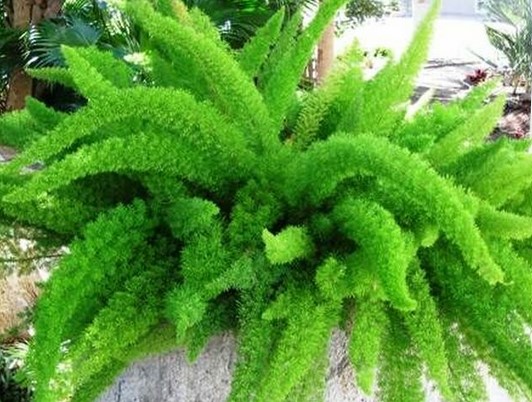
Foxtail Fern
Upright plumes of bright green, about 2 feet tall. One of the best permanent plants for a shady spot.
Asparagus Fern
Soft, airy, bright green mound that loves shade. Tough once established and fills a spot quickly.
Cape Plumbago
Mounding, 3 to 4 feet, with sky blue flowers spring through fall. Holds a hedge shape well and takes full sun with regular water.
Purple Heart
Trailing purple foliage with small pink flowers. Spreads fast and handles shade well.
Avocado and loquat
Because this spot faces north and doesn't get a lot of sun, it's the best place in your yard for the avocado and loquat on your list. Just know an avocado will never produce tons of fruit here. It's more of a fun tree to try and grow.
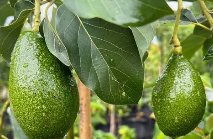
Avocado
Go with a cold hardy Mexican type like Mexicola. Avocados struggle with our heat and sun, so a shadier north facing spot is best. Cover it on frost nights.
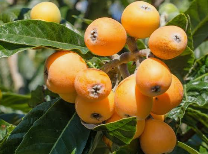
Loquat
Evergreen, 15 to 20 feet, with big leathery leaves and sweet orange fruit in early spring. Does well in the extra shade of a north facing spot.
Pots for the patio
The shade here is also a good place for a few things from your list in pots. Bay laurel does well in a large container. Cinnamon and black pepper are tropical and can't handle our cold winters or dry heat outside, so grow them in pots here and bring them inside in winter.
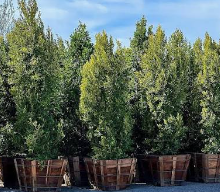
Bay Laurel
Evergreen with the bay leaves you cook with. Slow growing and does best with afternoon shade. Works in the ground or in a large container.
Rainwater harvesting
- Direct the downspouts into a shallow basin dug around the plants, filled with mulch. The water soaks in right where the roots are.
- For storing it, a rain barrel or tank at the downspout lets you save water for dry spells.
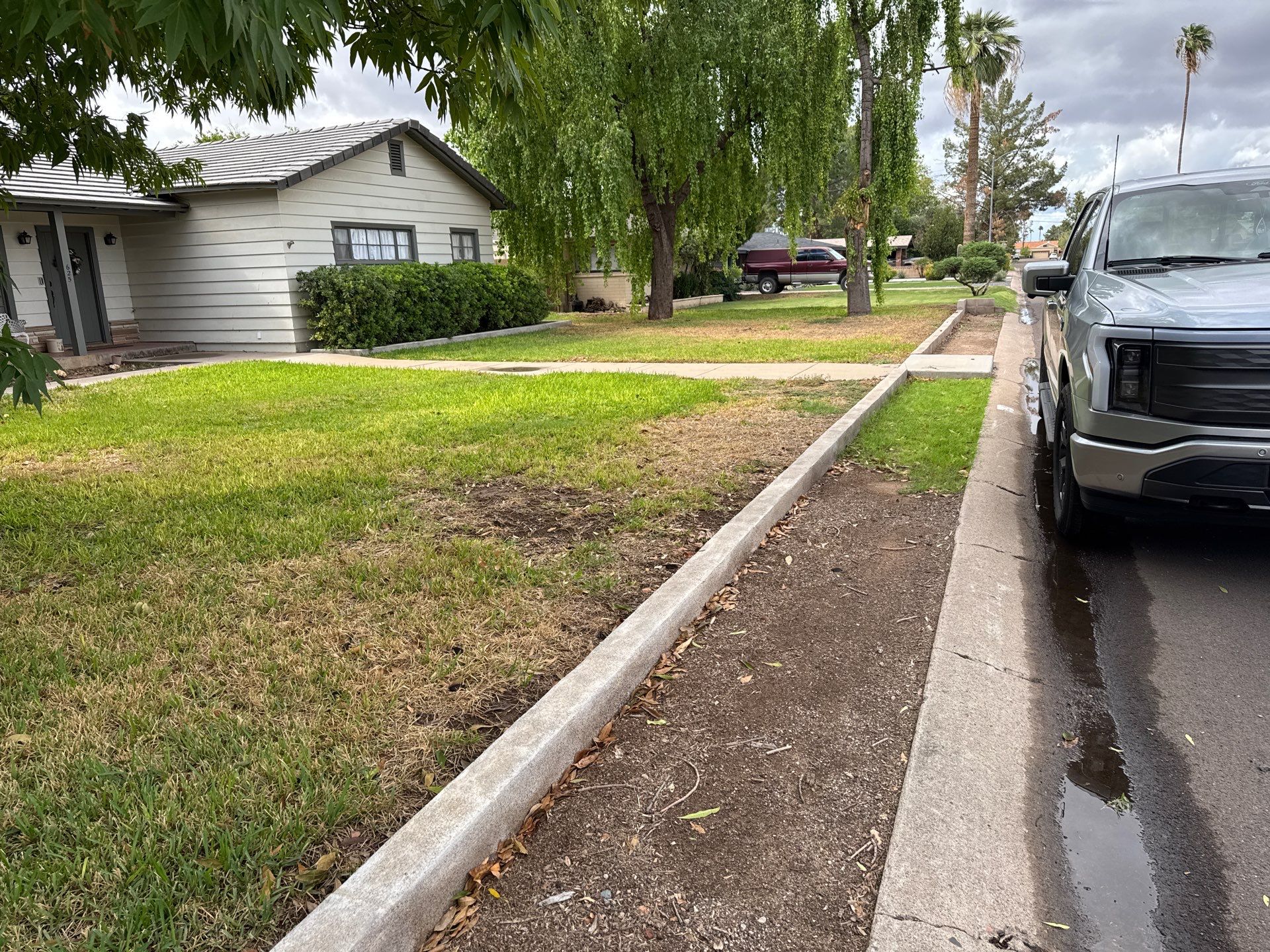
Grapes across the front
All along the front of the yard, grapes would work. You can train them with a single stem running all the way across, like a living fence.
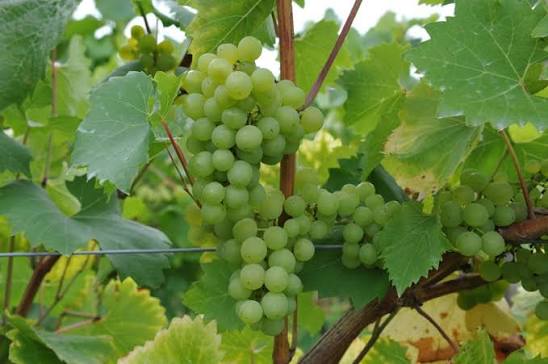
Thompson Seedless Grape
Green, sweet, seedless grapes that ripen in early summer before the worst of the heat. A reliable producer here. Loses its leaves in winter.
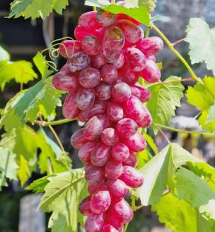
Flame Seedless Grape
Red seedless grapes, crisp and sweet. Ripens early summer and handles our heat well.
- Planting: bare root vines in January or February, or potted vines now through spring.
- Training: run a sturdy wire along the length of the bed about 3 to 4 feet high. Train each vine straight up a stake to the wire, then let one or two arms run along it in each direction. Space the vines so the arms meet.
- Pruning: grapes fruit on new growth, so prune hard every winter. Flame takes short spur pruning. Thompson fruits best with cane pruning, keeping a few long canes tied along the wire.
- Water: deep and less often. Slip mesh bags over the bunches as they ripen to keep the birds off.
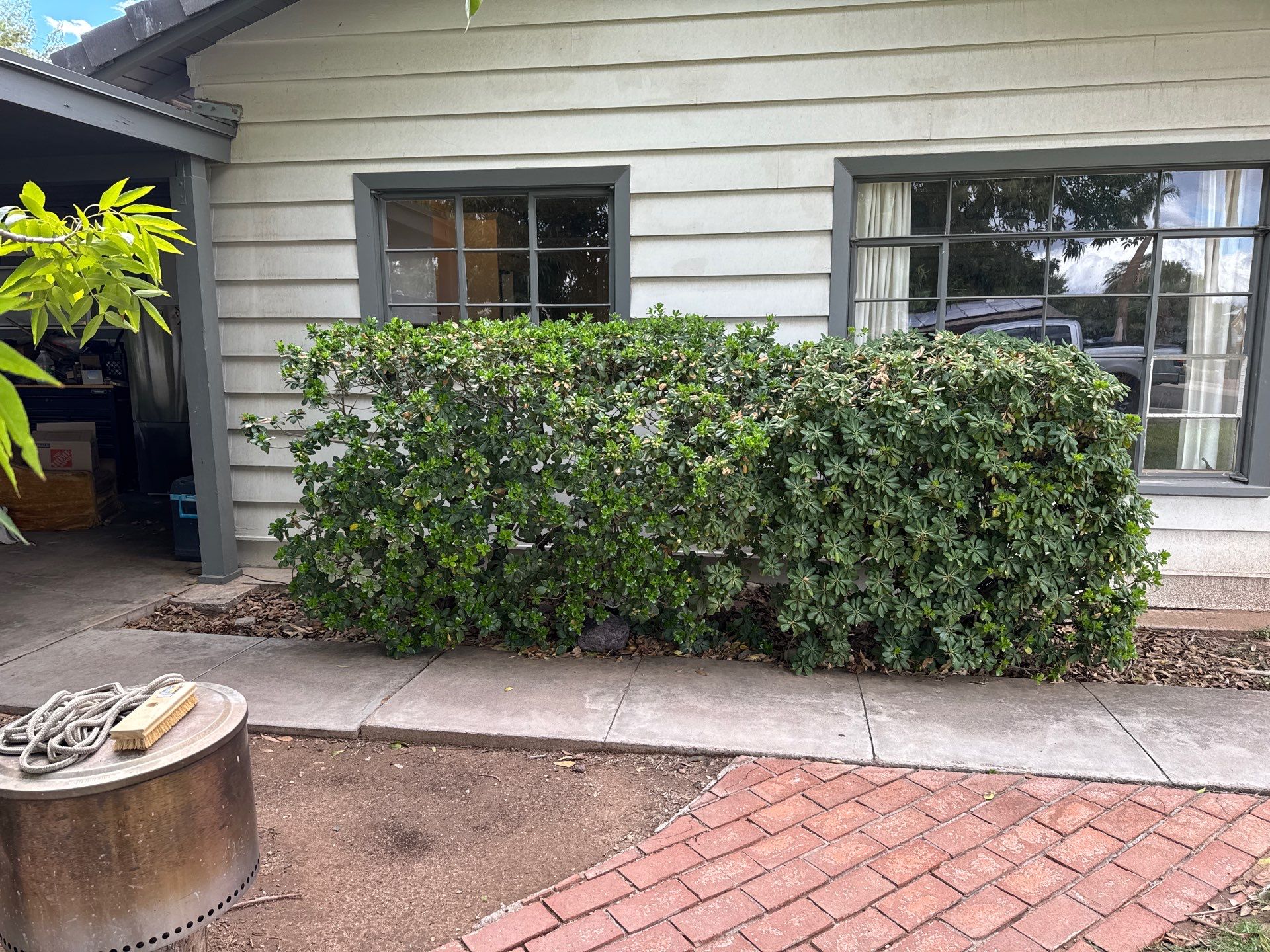
Swapping out the front shrubs
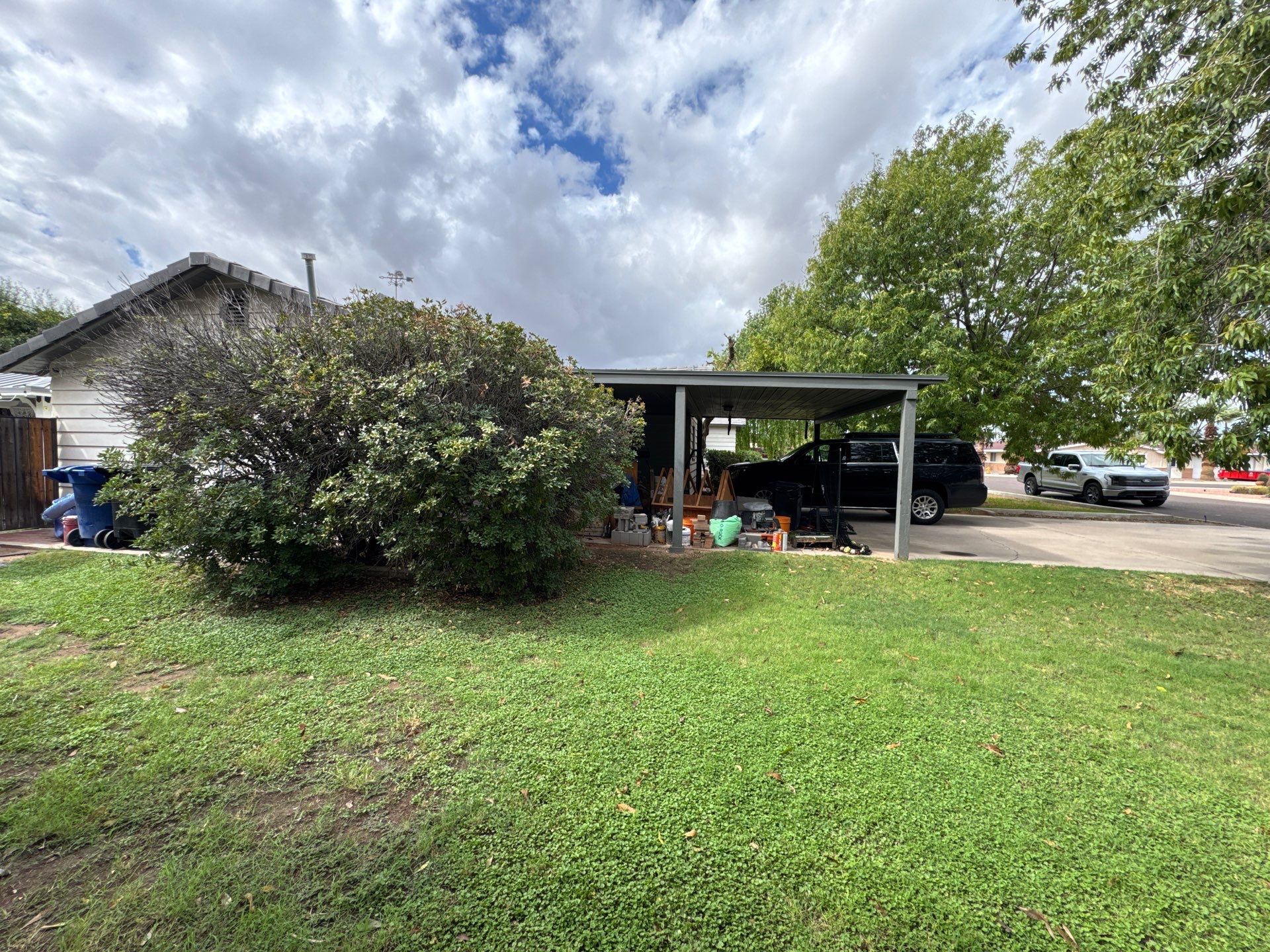
Like the other part of the front of the house, you don't love these shrubs. Here are some options to swap them out for.
Twisted Myrtle
Dense, fine textured evergreen with small glossy leaves and a light fragrance, 6 to 8 feet tall. Shears into a clean formal hedge or can be left natural. Handles full sun and part shade, and drops very little. Plant about 4 feet apart.
Dwarf Myrtle
Compact myrtle, 3 to 4 feet tall and wide, with small glossy leaves. Holds a tight, clean shape with little effort and drops very little, which makes it great by the pool. Plant about 3 feet apart.
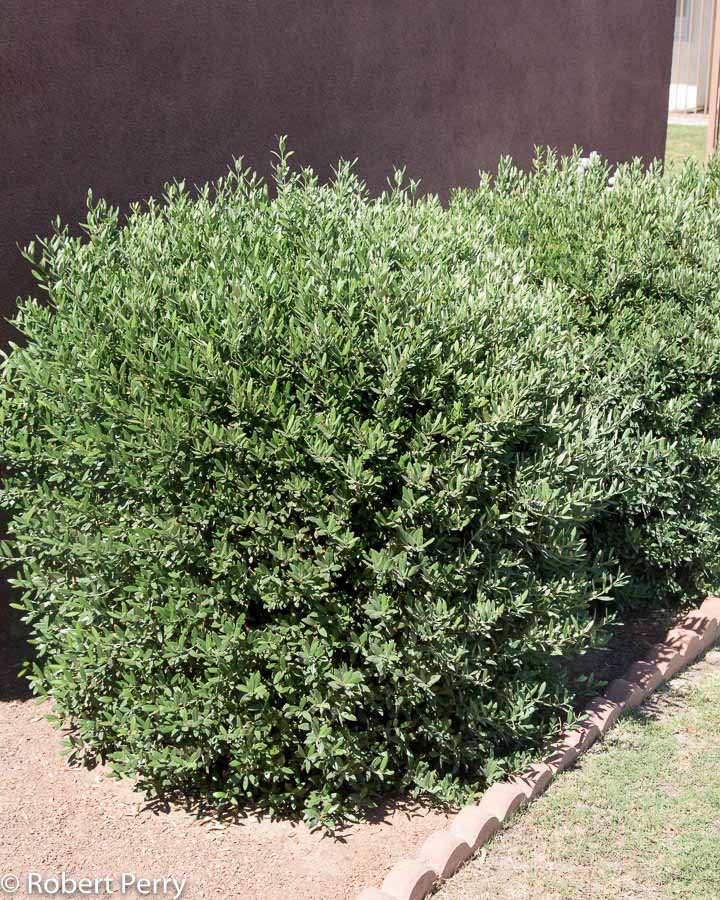
Little Ollie (Dwarf Olive)
Dwarf, fruitless olive with dense silvery green leaves. Naturally 4 to 6 feet, but it shears easily to hold at 3 feet, or it can be trained as a small tree. No fruit, no pollen, very low litter.
Cape Plumbago
Mounding, 3 to 4 feet, with sky blue flowers spring through fall. Holds a hedge shape well and takes full sun with regular water.
You can't fit all of these. Pick a few favorites and repeat them so it looks intentional.
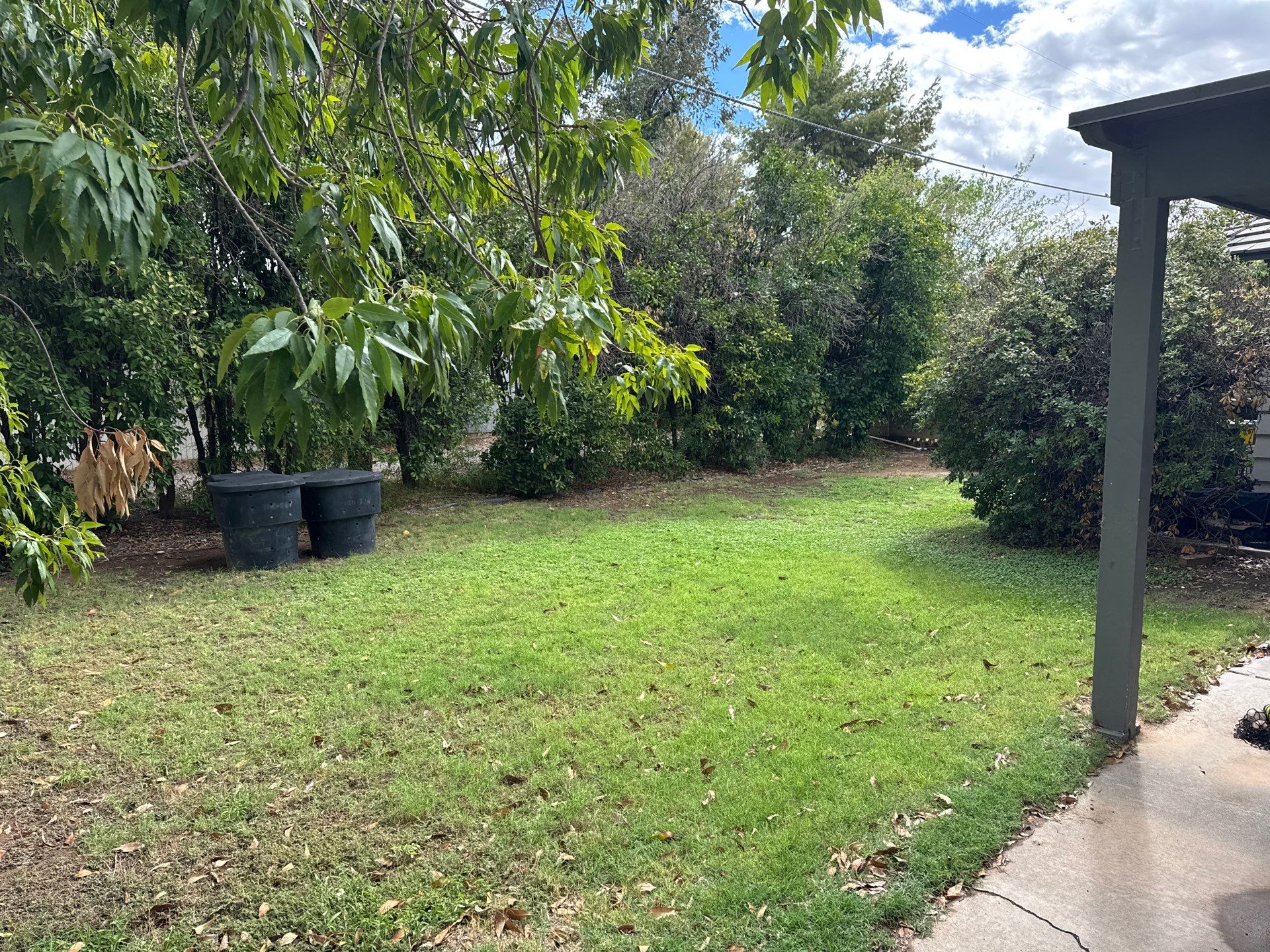
Raised garden beds and a secret garden
Back in here is a great place for raised garden beds. Olle Gardens makes great ones. Even though they're corrugated metal, they don't get too hot, and they'll work well here. You can arrange them however you want, mixing shapes and sizes.
- Soil: fill the beds with raised bed mix from Arizona Worm Farm and add a couple inches of compost before each season.
- What to plant and when: use my Maricopa County planting guide.
- Strawberries: great in the raised beds. Plant them in fall for a spring harvest.
- Blueberries: grow these in containers rather than the beds, since they need acidic soil we don't have. Use an acid potting mix and keep them in afternoon shade.
- Raspberries: they struggle in our heat. If you want to try, use a large container in afternoon shade.
Fruit trees
This is also a good place for any of the citrus on your list, along with the peach, apricot, apples, pear, and nectarine. For the deciduous trees, choose low chill varieties, since our winters aren't cold enough for regular varieties to fruit, and plant them bare root in January and February. Plant citrus in spring once frost danger has passed.

Orange
Navels ripen in winter and Valencias in spring and summer, so planting one of each spreads out the harvest. Greenfield Citrus Nursery is the best place to get a healthy tree.

Lemon
Meyer lemon is sweeter and more compact, Eureka and Lisbon are the classic tart lemons. Very productive here.
Lime
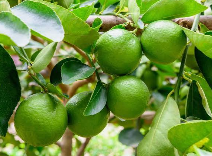
Bearss is the seedless grocery store lime and handles cold better. Mexican key lime is smaller and more aromatic but the most frost tender citrus.
Kumquat
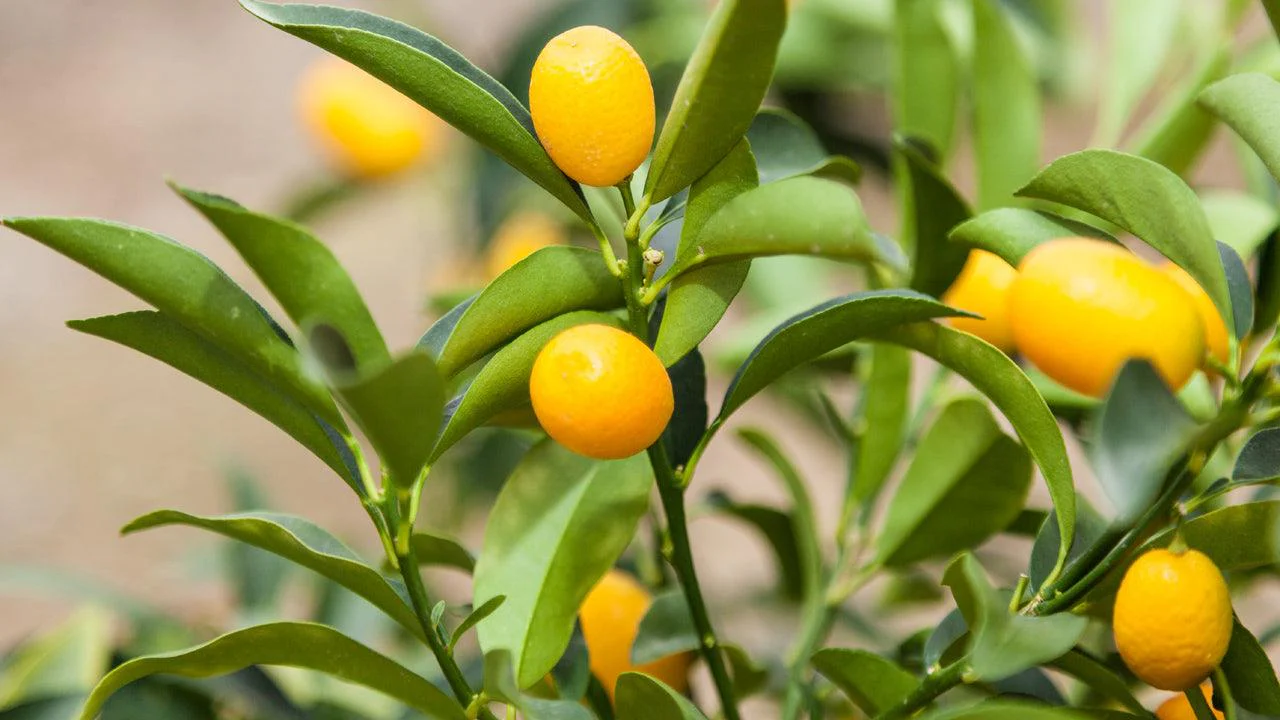
Compact citrus, 6 to 10 feet, loaded with small sweet tart fruit you eat whole. Works great in a big pot or in the ground.

Peach (low chill)
Go with low chill varieties bred for our warm winters, like Florida Prince or Earligrande. They ripen in late spring before the heat. Prune each winter and thin the young fruit for bigger peaches.
Apricot (low chill)
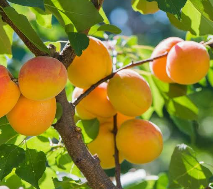
Low chill varieties like Katy and Gold Kist do well here. One of the earliest fruits of the year, usually May.
Apple (low chill)
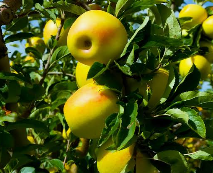
Anna and Dorsett Golden are the two apples that do well here, and they pollinate each other, so planting both covers your two apples perfectly. They ripen in early summer.
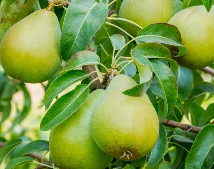
Pear (low chill)
Low chill pears like Kieffer, or Asian pears like Hosui and Shinseiki. Asian pears are crisp like an apple and do better in our heat than most European pears.
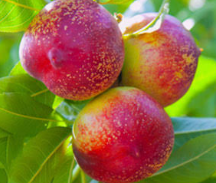
Nectarine (low chill)
Same care as peach. Look for low chill varieties like Desert Dawn or Panamint. Ripens late spring into early summer.
Replacing the shrub and lining the driveway
This spot faces west, and you don't like the shrub that's here now. Here are a few options to replace it. These also work lining the driveway, where they'll give the raised beds afternoon shade and enclose the area for more of a secret garden feel.

Hopseed
Fast growing native evergreen that fills in to a dense 8 to 12 foot screen. Stays fairly narrow and upright, so it fits tighter spots. Takes less water than plants that aren't desert adapted and handles reflected heat off a block wall. Plant 4 to 5 feet apart.

Arizona Rosewood
Native evergreen with dark, glossy leaves that grows 10 to 15 feet tall. Dense, tidy, very low litter, and one of the best screens for full sun and reflected heat. Plant 5 to 6 feet apart.
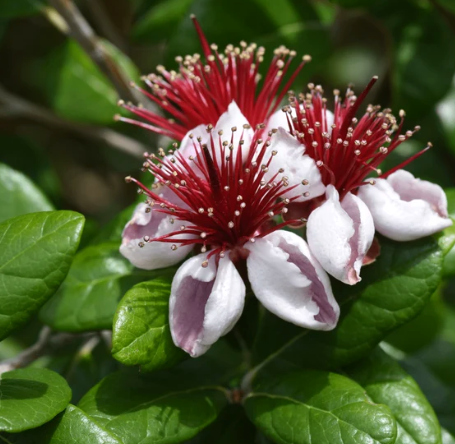
Pineapple Guava
Evergreen, 8 to 12 feet, with gray green leaves, edible flower petals, and sweet fruit in fall. Handles part shade and makes a nice screen.
Barbados Cherry
Shrub, 6 to 10 feet, with glossy green leaves, small pink flowers, and bright red, tangy cherries several times a year. Loves full sun and heat. Protect it on frosty nights while it's young.

Orange Jubilee
Fast and lush, with big clusters of orange trumpet flowers spring through fall that hummingbirds love. Grows 10 to 12 feet tall. A hard freeze can nip it back, but it grows right back in spring. Plant 4 to 5 feet apart.
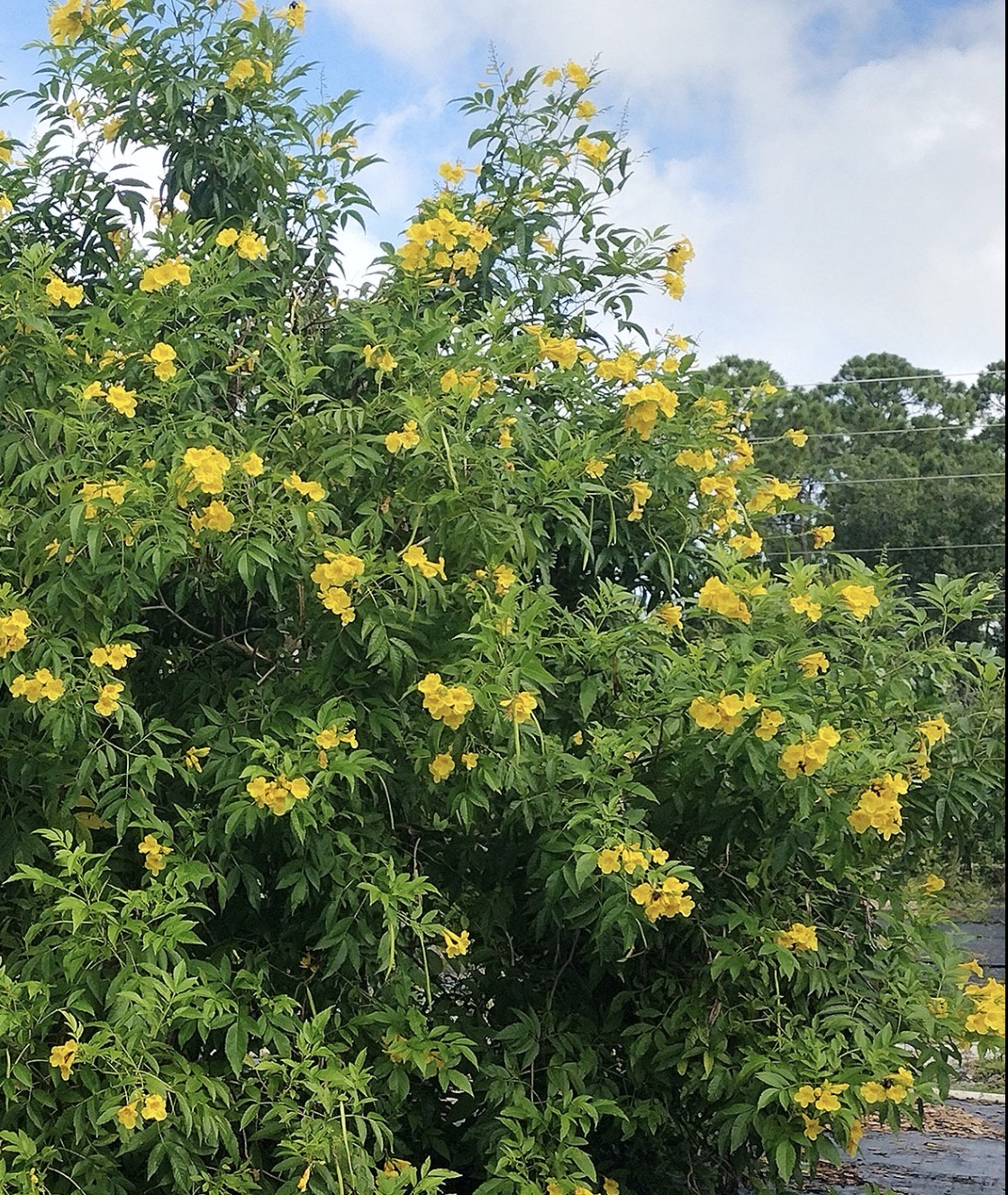
Yellow Bells
Bright yellow trumpet flowers spring through fall on lush green foliage, 8 to 12 feet tall. Takes full sun and heat and handles some shade. A hard freeze can nip it back. Plant 5 to 6 feet apart.
You can't fit all of these. Pick a few favorites and repeat them so it looks intentional.
Ground cover between the beds
As you get more shade back here and the beds go in, dichondra or clover will be your best ground cover.
Dichondra
Low, soft carpet of small round green leaves. One of the best ground covers for shade. Likes regular water.
Microclover
Small-leaf white clover that handles shade, stays green and soft, and puts nitrogen back into the soil. Seed in fall, October into November.
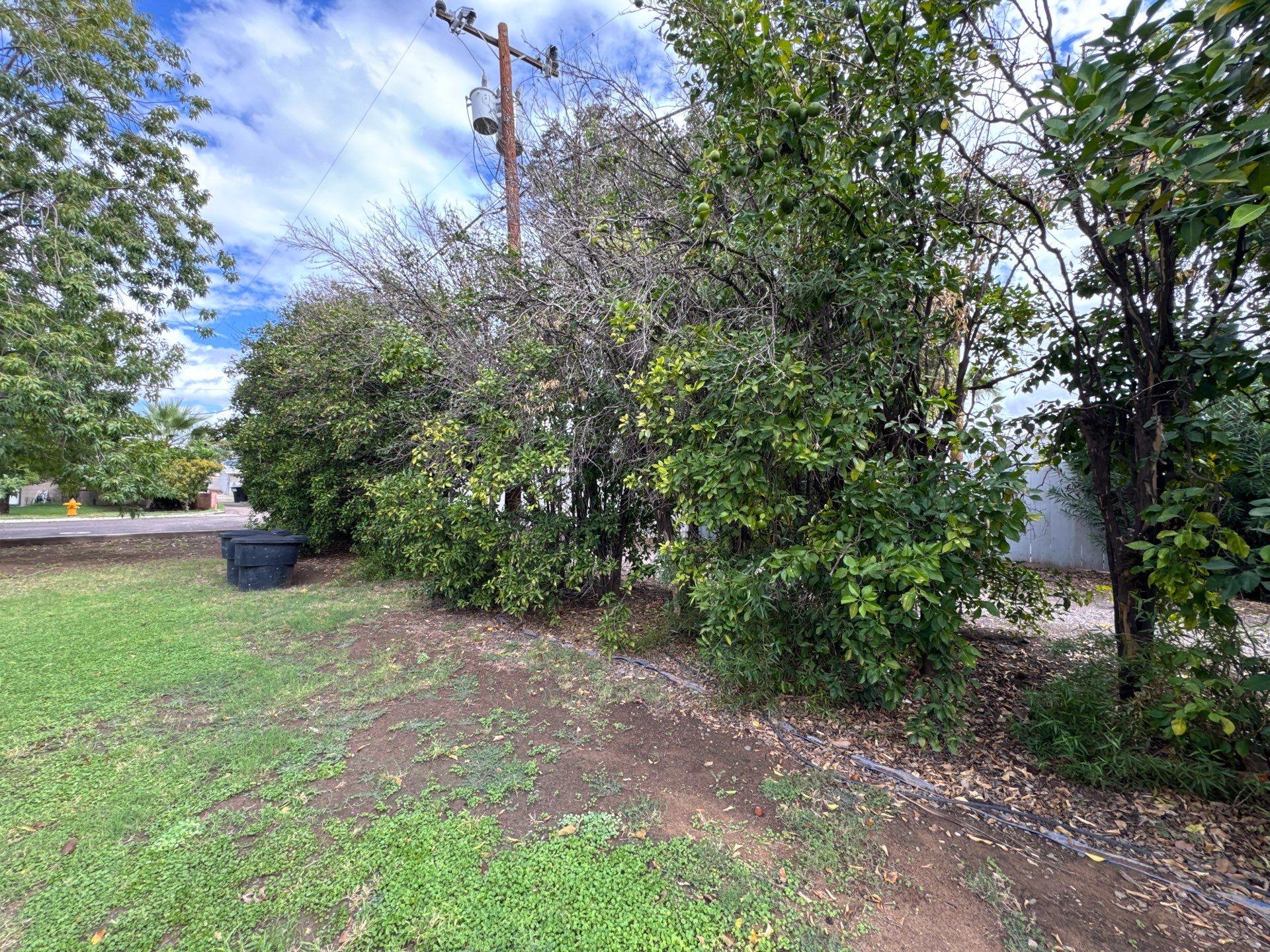
Replacing the sour orange hedge
This sour orange hedge is old, and it's slowly declining. Arizona rosewood, hopseed, and twisted myrtle would all make a great replacement hedge here.
Arizona Rosewood
Native evergreen with dark, glossy leaves that grows 10 to 15 feet tall. Dense, tidy, very low litter, and one of the best screens for full sun and reflected heat. Plant 5 to 6 feet apart.
Hopseed
Fast growing native evergreen that fills in to a dense 8 to 12 foot screen. Stays fairly narrow and upright, so it fits tighter spots. Takes less water than plants that aren't desert adapted and handles reflected heat off a block wall. Plant 4 to 5 feet apart.
Twisted Myrtle
Dense, fine textured evergreen with small glossy leaves and a light fragrance, 6 to 8 feet tall. Shears into a clean formal hedge or can be left natural. Handles full sun and part shade, and drops very little. Plant about 4 feet apart.
Replacing it section by section
- Take out a few of the sour oranges at a time, two to four.
- Plant the new hedge in that gap.
- Let the new plants grow in and get established, then move down the line and do the next section.
That way you keep your privacy the whole time instead of losing the whole hedge at once. In the meantime, keeping the existing sour oranges fed and deeply watered will help slow their decline. Feeding is covered in the Fertilizing section below.
Working in your citrus
As you replace the hedge, you can also work in some of the citrus from your list. Citrus clearly grows well along this line, and orange, lemon, and lime will fill in tall for privacy and give you fruit. Kumquat stays smaller and fits in the gaps.
Orange
Navels ripen in winter and Valencias in spring and summer, so planting one of each spreads out the harvest. Greenfield Citrus Nursery is the best place to get a healthy tree.
Lemon
Meyer lemon is sweeter and more compact, Eureka and Lisbon are the classic tart lemons. Very productive here.
Lime
Bearss is the seedless grocery store lime and handles cold better. Mexican key lime is smaller and more aromatic but the most frost tender citrus.
Kumquat
Compact citrus, 6 to 10 feet, loaded with small sweet tart fruit you eat whole. Works great in a big pot or in the ground.
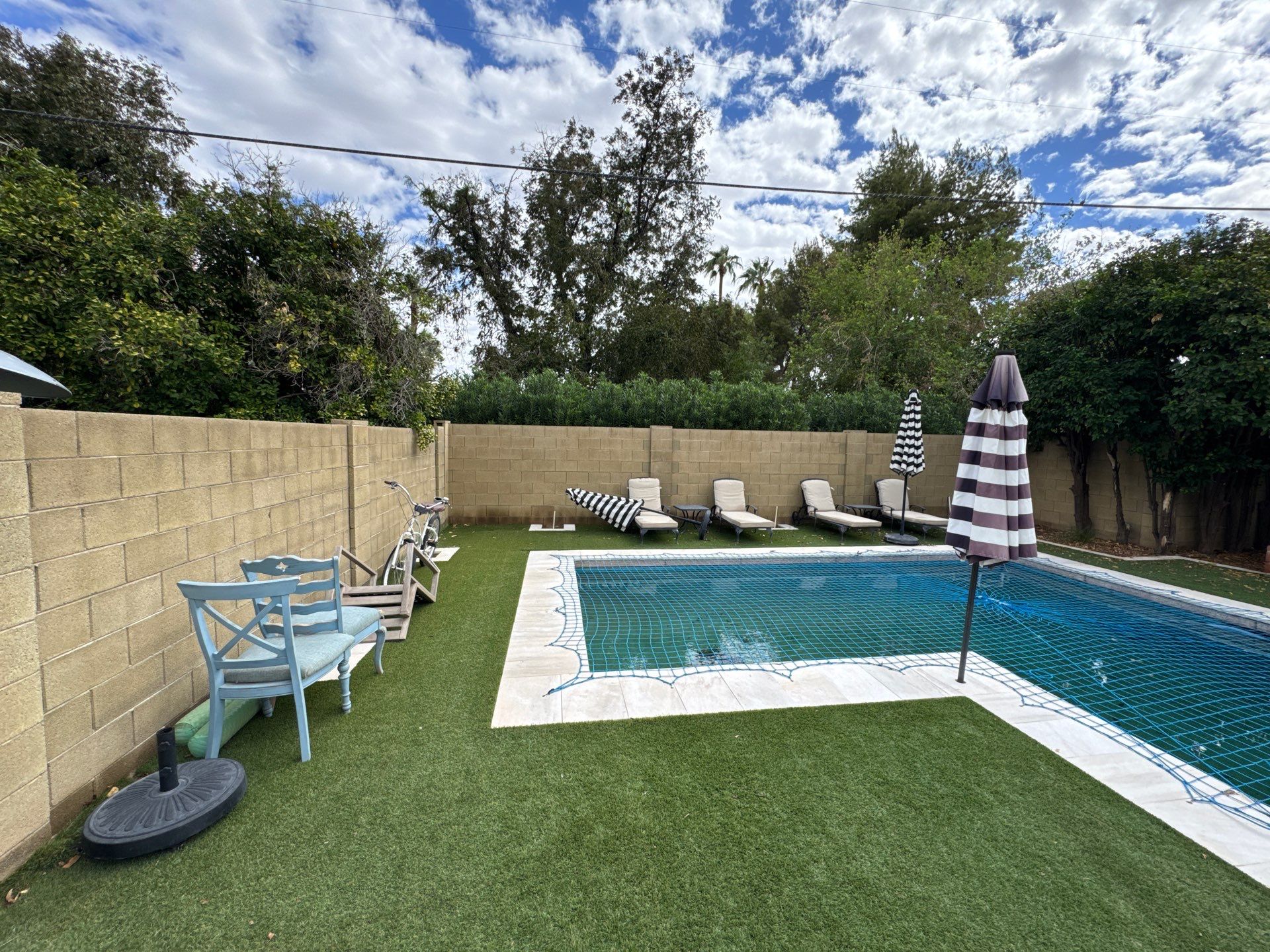
Vines for the pool walls
The block walls around the pool are completely exposed, and there isn't much room because of the turf. Vines are a great fit, since they cover the wall while taking up almost no ground. Tangerine crossvine, Lady Banks rose, and cat's claw are all good options, and I've added a few more.

Tangerine Crossvine
Evergreen vine with orange trumpet flowers in spring and on and off through the year. Self clinging, fast, and takes the heat.
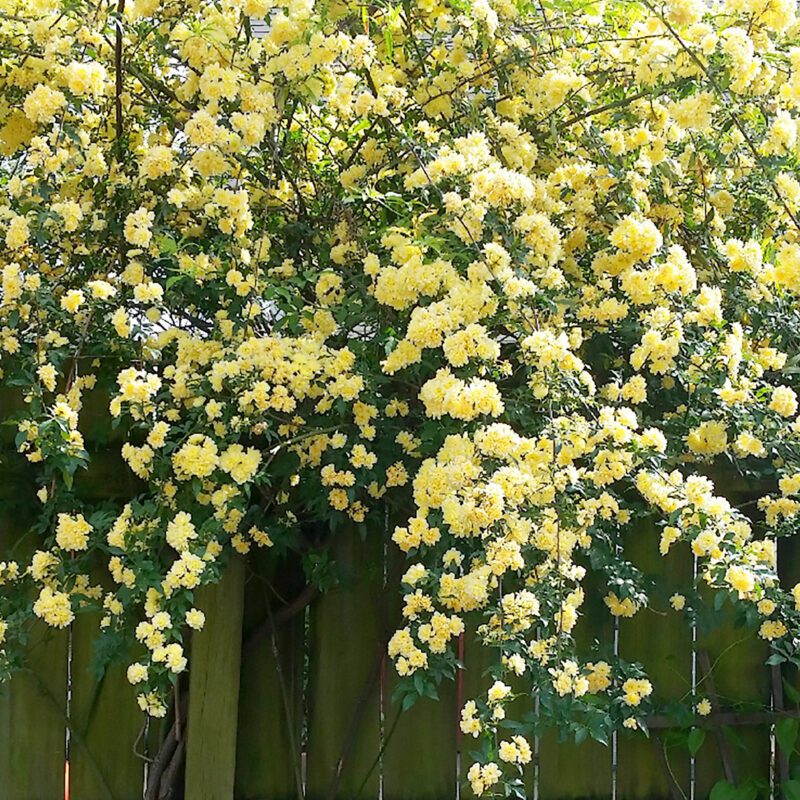
Lady Banks Rose
Thornless climbing rose covered in small yellow flowers in spring. Vigorous, tough, and easy to train along a wall or fence.
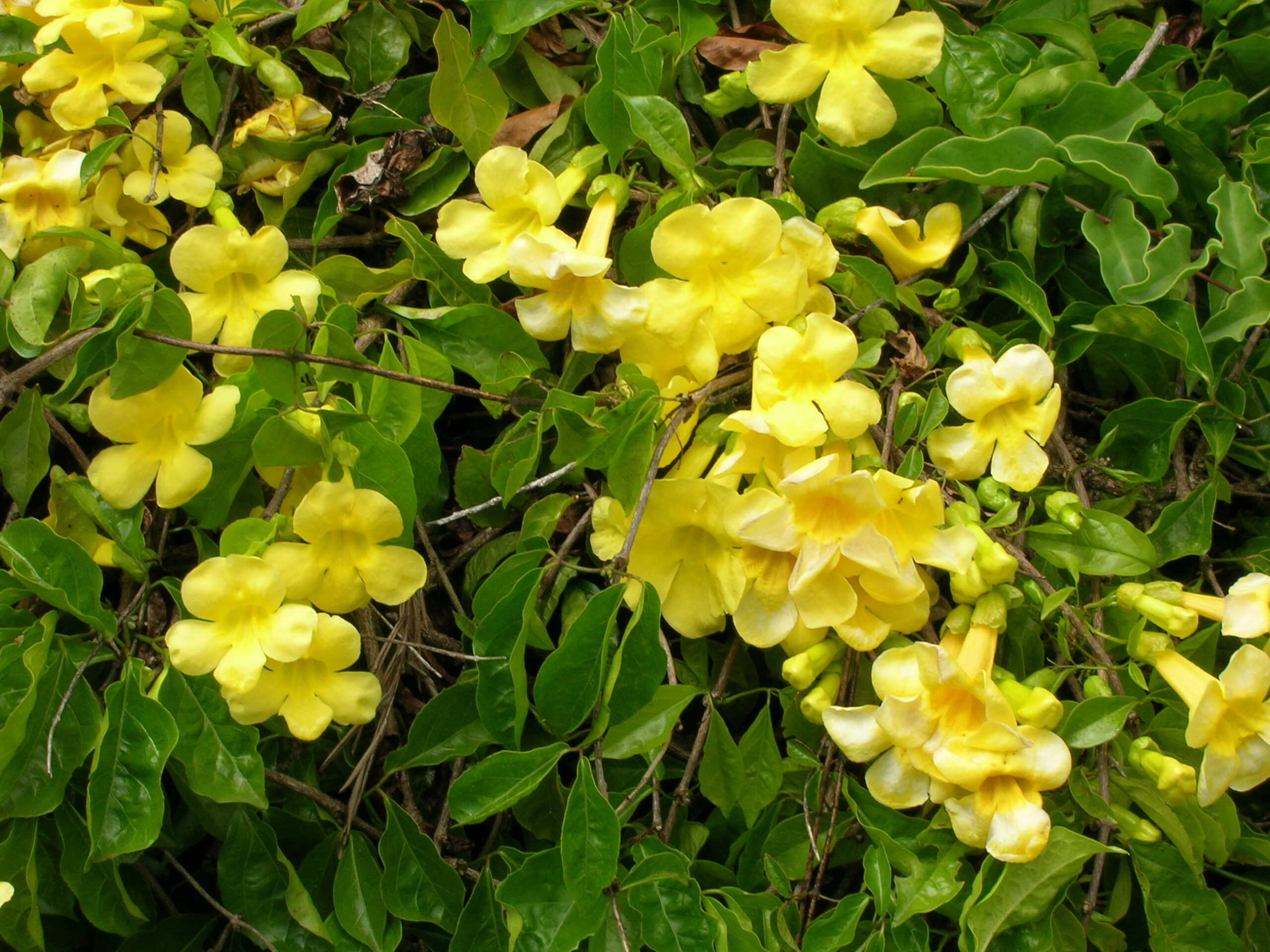
Cat's Claw
Fast, evergreen, self clinging vine with bright yellow flowers in spring. Covers a wall quickly. It's vigorous, so trim it once or twice a year to keep it in bounds.
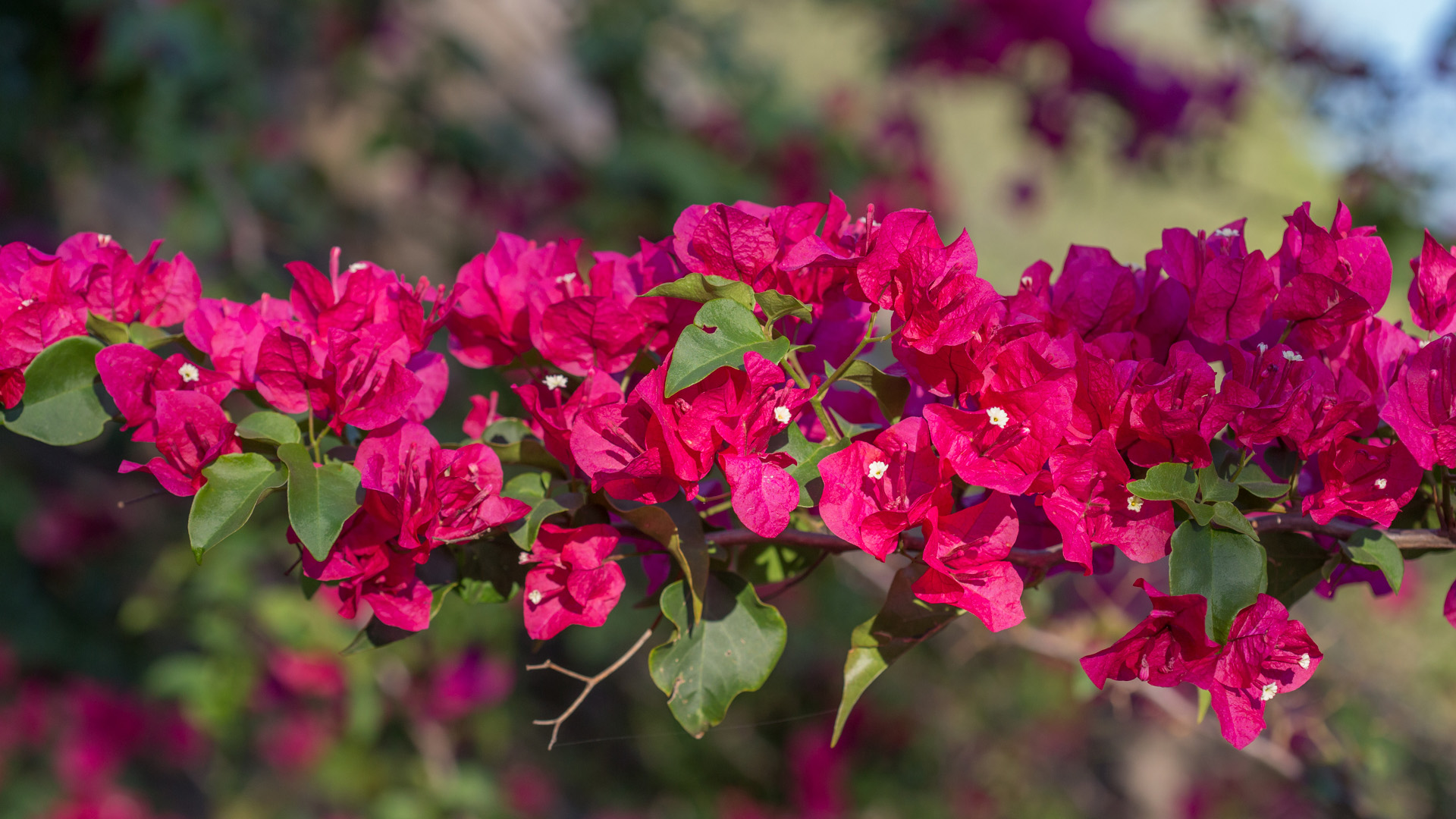
Bougainvillea
Covered in color most of the year and thrives on a hot wall. Tie the canes to wires as it grows.
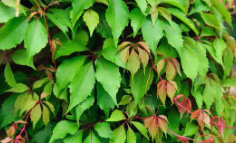
Hacienda Creeper
Self clinging with small leaves that hug the wall tight, and it turns red in fall. No wires needed and takes up almost no room.
- Irrigation: there isn't irrigation back here now, so a drip line along the wall will need to go in first. Garrett can set that up.
- Planting: cut small openings in the turf along the wall, about a foot across, and plant about a foot off the wall.
- Crossvine, cat's claw, and hacienda creeper cling on their own. Lady Banks and bougainvillea need a few horizontal wires on brackets.
You can't fit all of these. Pick your favorites and repeat them along the wall.
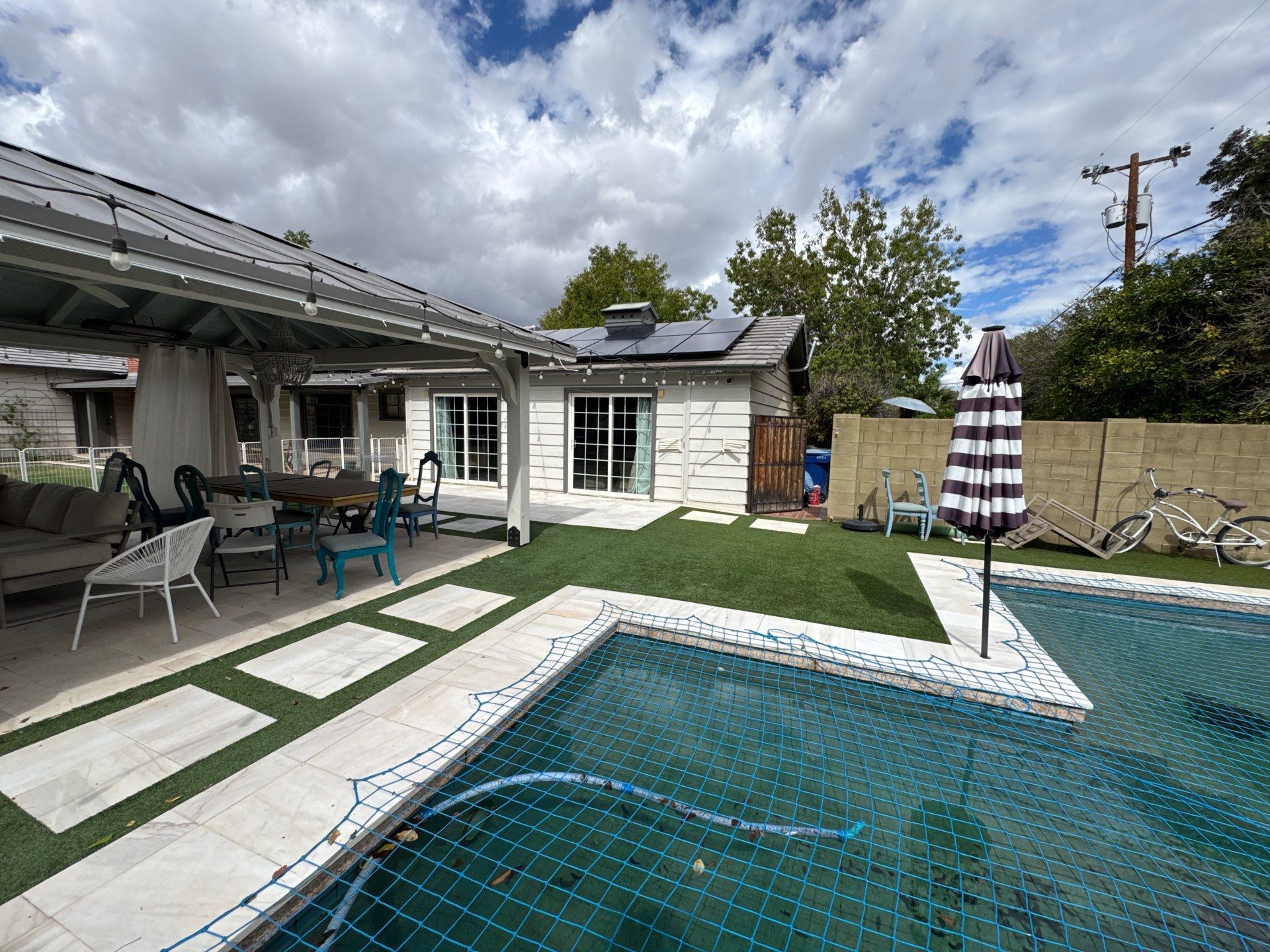
A shade tree west of the pool
To the west of the pool, toward the northwest, a tree with a high canopy like a Chinese elm or a red push pistache would work well to shade the pool area. Getting a tree here would also make so much more possible, especially along the pool walls, since the shade would let more plants thrive back there.

Chinese Elm
Fast growing, semi evergreen shade tree with a wide, graceful canopy, 40 to 50 feet. Handles full west sun and does well in a lawn. The bark gets a pretty mottled look as it matures.
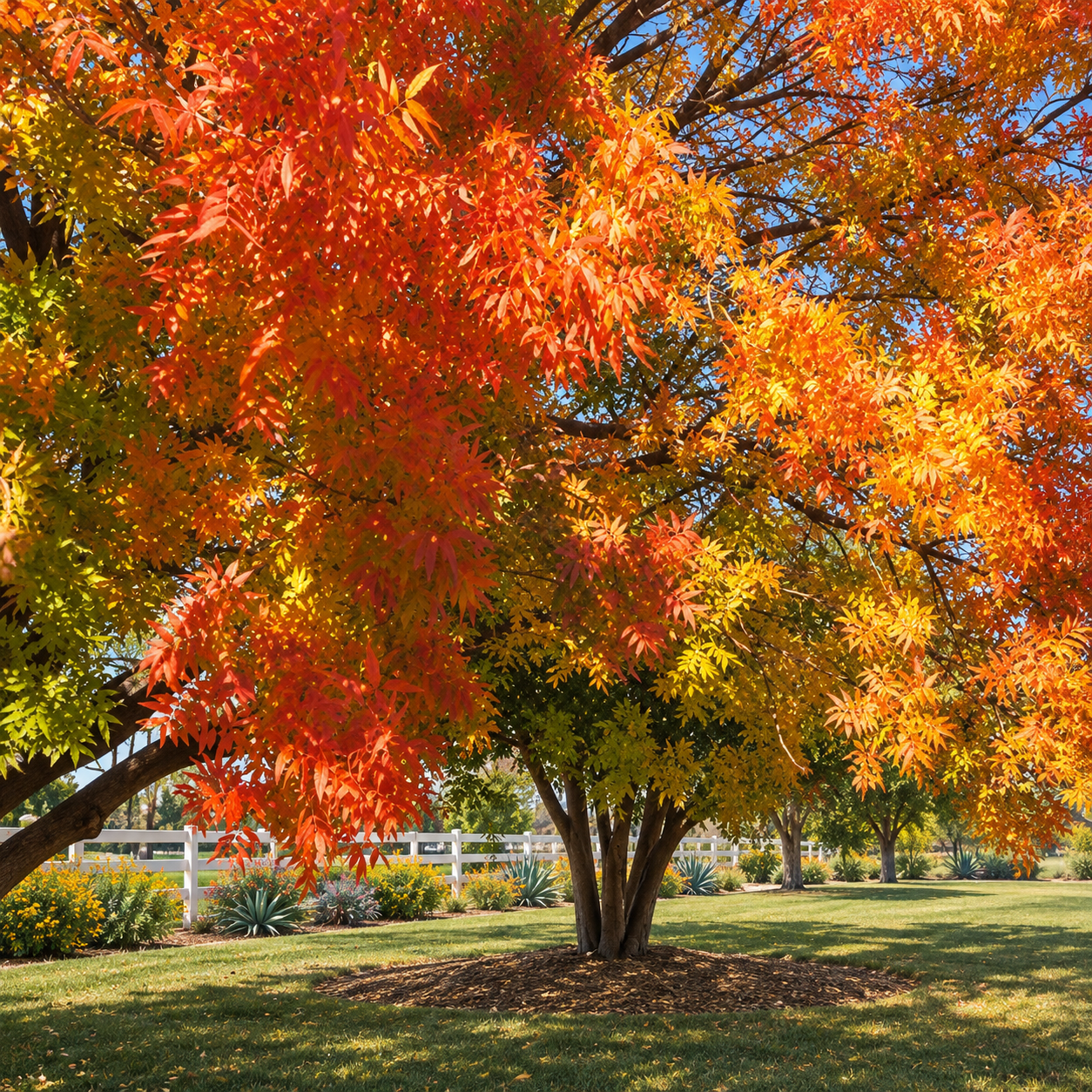
Red Push Pistache
Medium shade tree, 25 to 40 feet, with red new growth in spring and great fall color. Handles full west sun and heat, does well in a lawn, and is low litter.
A date palm from your list would also work here. It'll eventually grow tall and give decent shade with its large fronds. Mexican elderberry is another option.
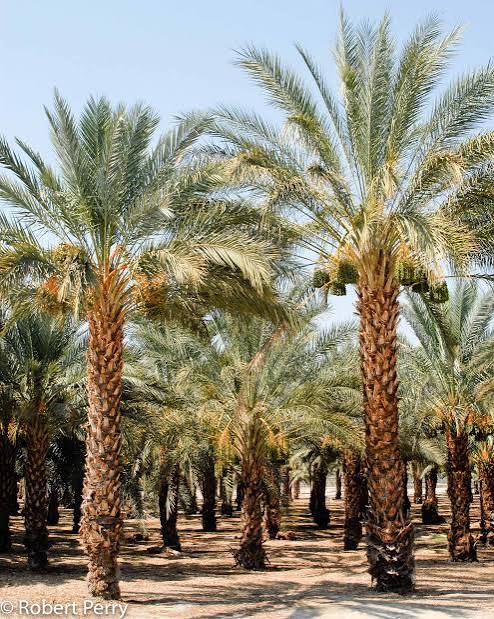
Date Palm
Grows tall over many years with big fronds that throw good shade. Female palms produce dates, and they love heat and deep water. Medjool and Khadrawy are two of the best.
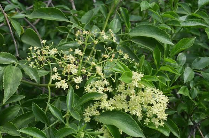
Mexican Elderberry
Native, 15 to 25 feet, with clusters of cream flowers and dark berries in spring. Fast growing, feeds birds and pollinators, and makes a nice small shade tree.
- Solar: there are solar panels right behind this spot. Think about where the tree's shadow will fall once it's full size, and plant far enough away that it won't shade the panels, or plan on keeping the canopy pruned.
- Size: start with 15 gallon trees. Smaller trees establish faster and always end up being better trees long term than big boxed ones.
- Above grade: find the root flare, where the trunk widens into the roots, before you dig, and set the tree so the flare sits slightly above the surrounding ground. Dig the hole two to three times as wide as the root ball but no deeper.
- Backfill: native soil plus a tiny bit of compost in the hole, compost on top of the soil, then mulch over the compost, held a foot back from the trunk.
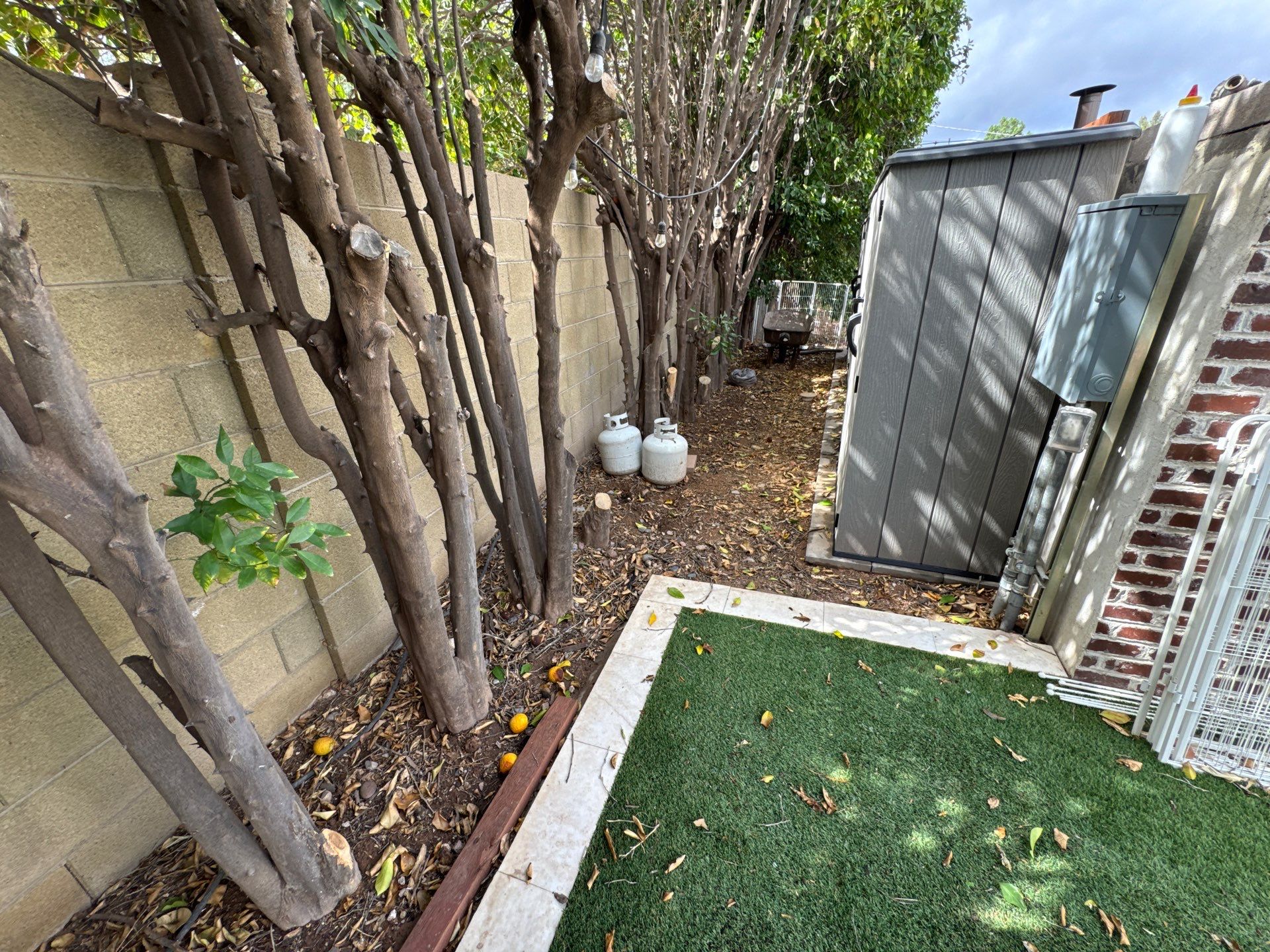
Mulch
You asked about mulch here. Yes, just put mulch down and call it a day.
- What kind: natural wood mulch. Arborist chips are the best for building soil.
- How deep: 3 inches is ideal, but even an inch or two makes a difference.
- Keep it back: a foot back from tree trunks.
- Where to get it: Arizona Worm Farm has good mulch. We can also deliver and spread it for you at $150 per cubic yard.
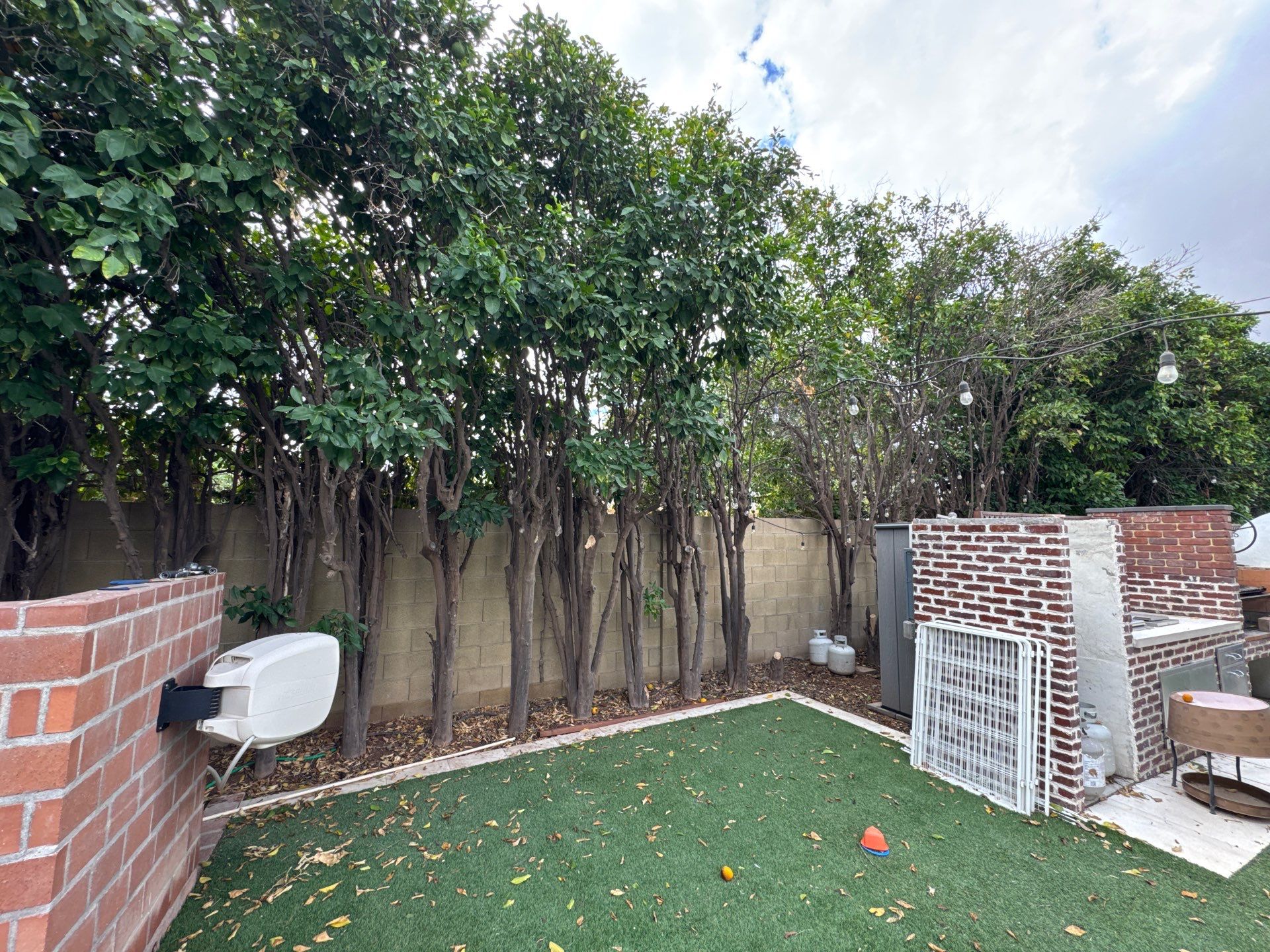
Replacing the back sour orange hedge
Same thing back here with this sour orange hedge. It's slowly starting to die, so I'd replace it section by section. Arizona rosewood, hopseed, and orange jubilee can all grow nice and tall and mimic what the sour orange is doing now, and here are a couple more.
Arizona Rosewood
Native evergreen with dark, glossy leaves that grows 10 to 15 feet tall. Dense, tidy, very low litter, and one of the best screens for full sun and reflected heat. Plant 5 to 6 feet apart.
Hopseed
Fast growing native evergreen that fills in to a dense 8 to 12 foot screen. Stays fairly narrow and upright, so it fits tighter spots. Takes less water than plants that aren't desert adapted and handles reflected heat off a block wall. Plant 4 to 5 feet apart.
Orange Jubilee
Fast and lush, with big clusters of orange trumpet flowers spring through fall that hummingbirds love. Grows 10 to 12 feet tall. A hard freeze can nip it back, but it grows right back in spring. Plant 4 to 5 feet apart.
Yellow Bells
Bright yellow trumpet flowers spring through fall on lush green foliage, 8 to 12 feet tall. Takes full sun and heat and handles some shade. A hard freeze can nip it back. Plant 5 to 6 feet apart.
Twisted Myrtle
Dense, fine textured evergreen with small glossy leaves and a light fragrance, 6 to 8 feet tall. Shears into a clean formal hedge or can be left natural. Handles full sun and part shade, and drops very little. Plant about 4 feet apart.
Replacing it section by section
- Take out a few of the sour oranges at a time, two to four.
- Plant the new hedge in that gap.
- Let the new plants grow in and get established, then move down the line and do the next section.
That way you keep your privacy the whole time instead of losing the whole hedge at once. In the meantime, keeping the existing sour oranges fed and deeply watered will help slow their decline. Feeding is covered in the Fertilizing section below.
Working in your citrus
As you replace the hedge, you can also work in some of the citrus from your list. Citrus clearly grows well along this line, and orange, lemon, and lime will fill in tall for privacy and give you fruit. Kumquat stays smaller and fits in the gaps.
Orange
Navels ripen in winter and Valencias in spring and summer, so planting one of each spreads out the harvest. Greenfield Citrus Nursery is the best place to get a healthy tree.
Lemon
Meyer lemon is sweeter and more compact, Eureka and Lisbon are the classic tart lemons. Very productive here.
Lime
Bearss is the seedless grocery store lime and handles cold better. Mexican key lime is smaller and more aromatic but the most frost tender citrus.
Kumquat
Compact citrus, 6 to 10 feet, loaded with small sweet tart fruit you eat whole. Works great in a big pot or in the ground.
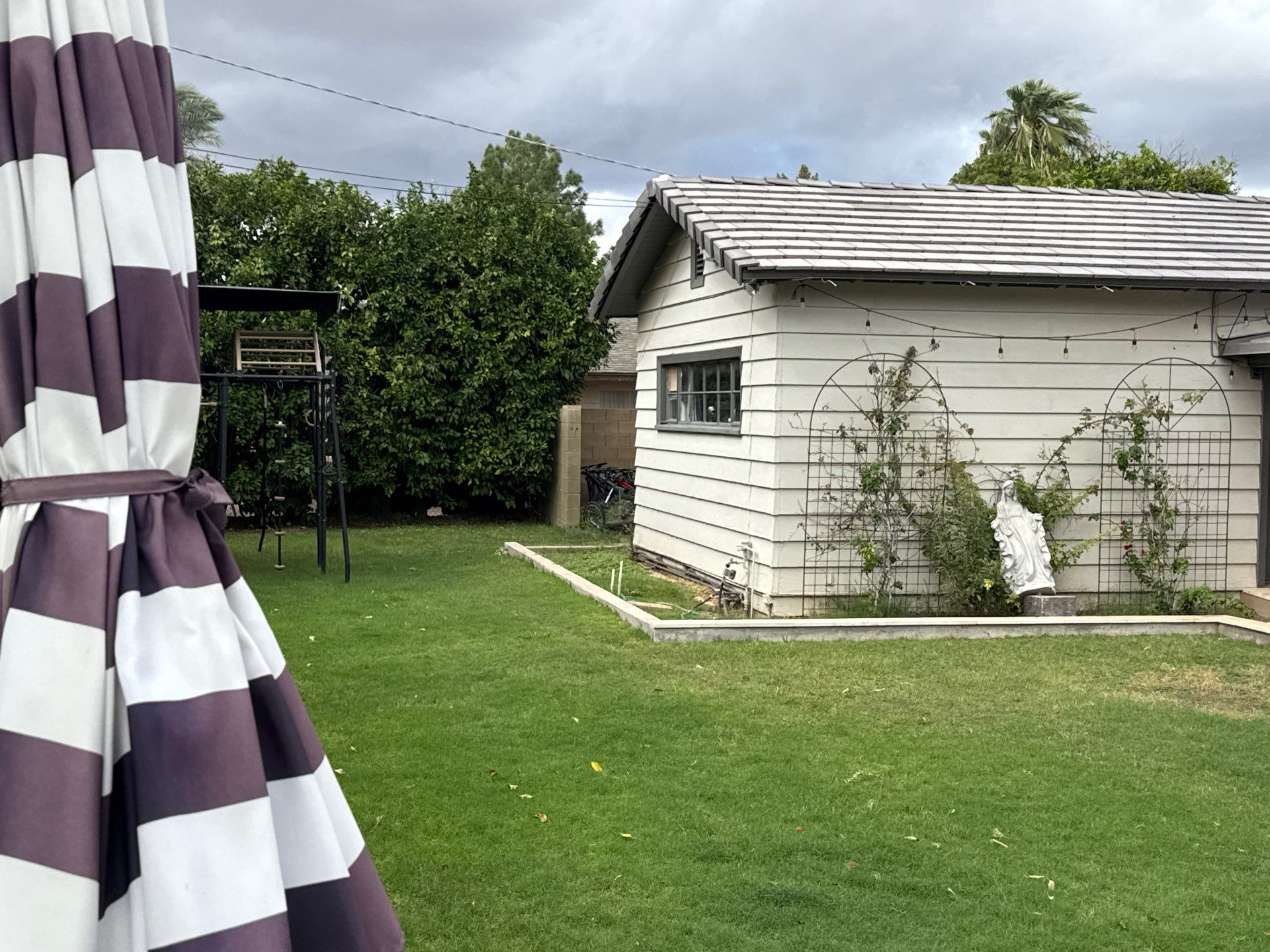
Smothering the Bermuda
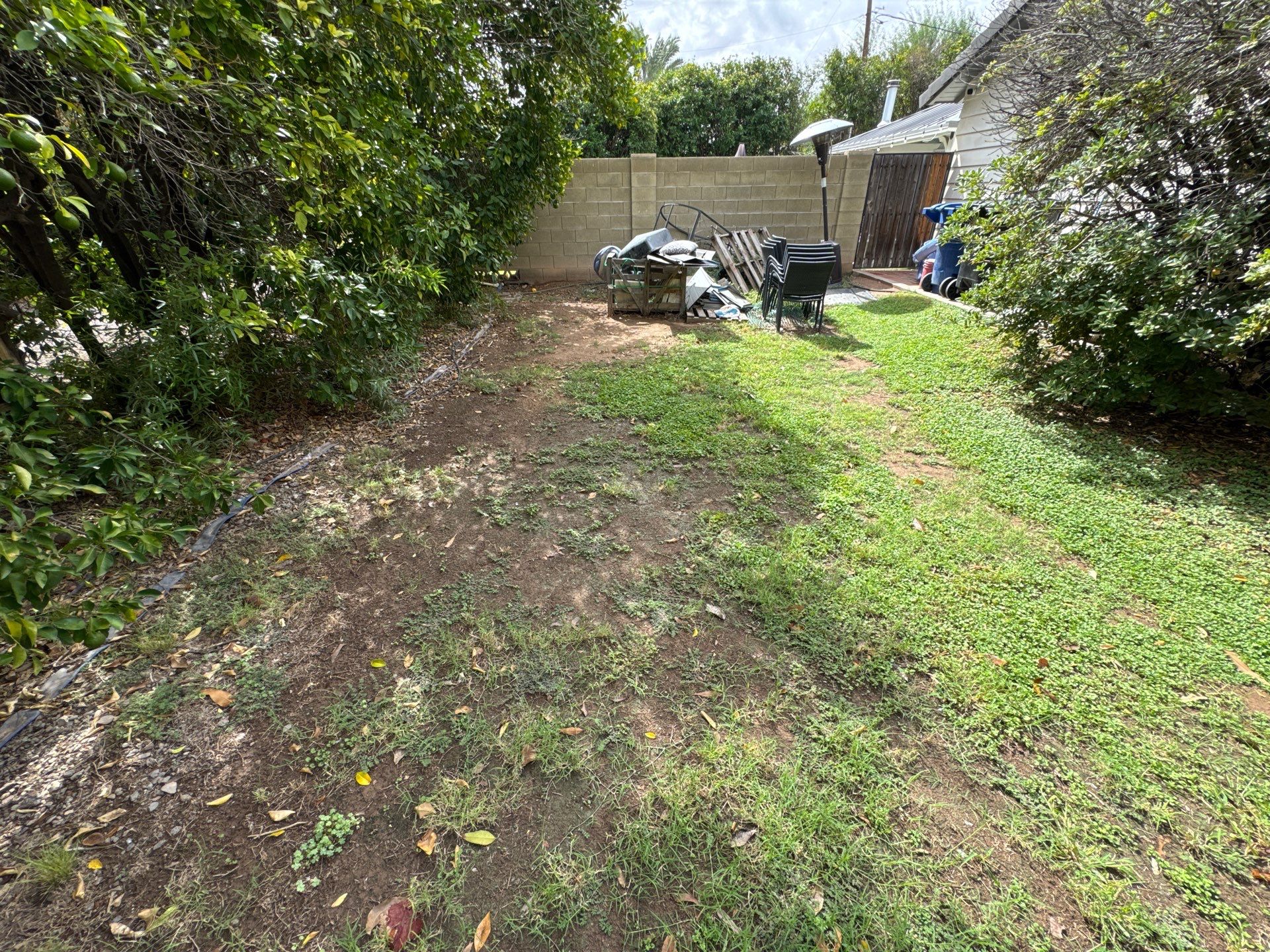
In the bed off the back patio by the back house, where we talked about planting mangos and sunflowers, a lot of Bermuda grass has moved in. Here's how to get rid of it before you plant.
- Cut the grass down as low as you can.
- Pull out as much of it as you can, roots and runners.
- Lay down six or seven layers of cardboard, overlapping the edges so nothing sneaks through.
- Pile as much mulch on top as you can.
- That smothers the grass out. When you're ready to plant, cut through the cardboard and plant into the soil below.
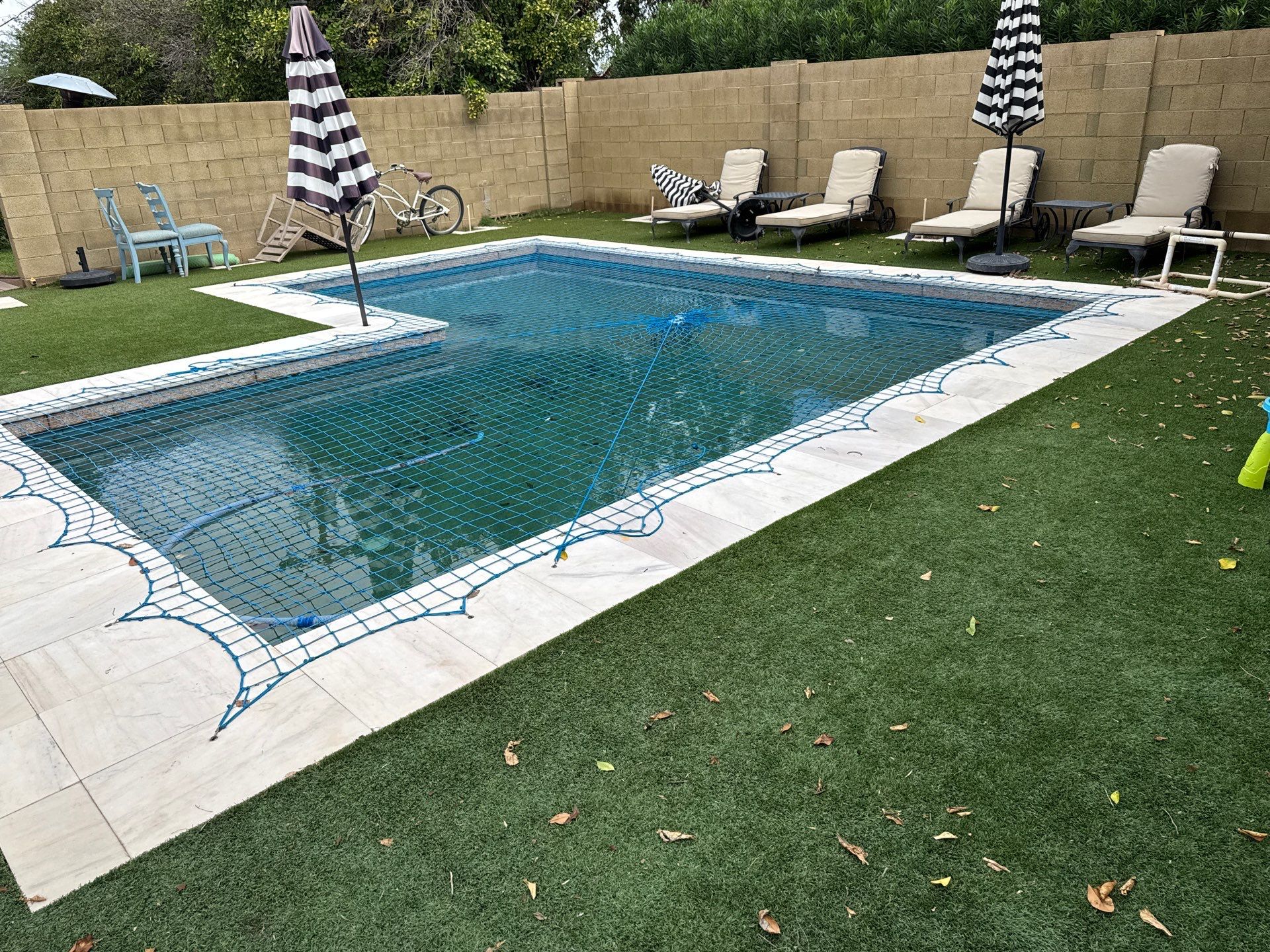
Options for the turf
You currently have turf here, and there are a few options. Just know that none of them will be as nice to walk and run on as Bermuda or St. Augustine. Kurapia is one option that will work. I'll try to find a yard with Kurapia so you can go see it and feel it in person.
Clover and dichondra won't work here right now because of how much sun this area gets. Once you get some shade back here, like from a shade tree, they become an option.
Another option is to leave a 2 to 3 foot strip of turf around the pool and do a living ground cover beyond that.
Kurapia
A low, dense ground cover that can replace turf and takes a lot less water and mowing. It's not quite as soft to run around on as grass, but it handles foot traffic and the heat well.
Frogfruit
Native, low, spreading mat with tiny white flowers that pollinators love. Handles shade or sun and light foot traffic.
Microclover
Small-leaf white clover that handles shade, stays green and soft, and puts nitrogen back into the soil. Seed in fall, October into November.
Dichondra
Low, soft carpet of small round green leaves. One of the best ground covers for shade. Likes regular water.
St. Augustine
Wide, soft blade that handles partial shade better than Bermuda. Mow it tall, 3.5 to 4 inches.
You can't fit all of these. Pick a few favorites and repeat them so it looks intentional.
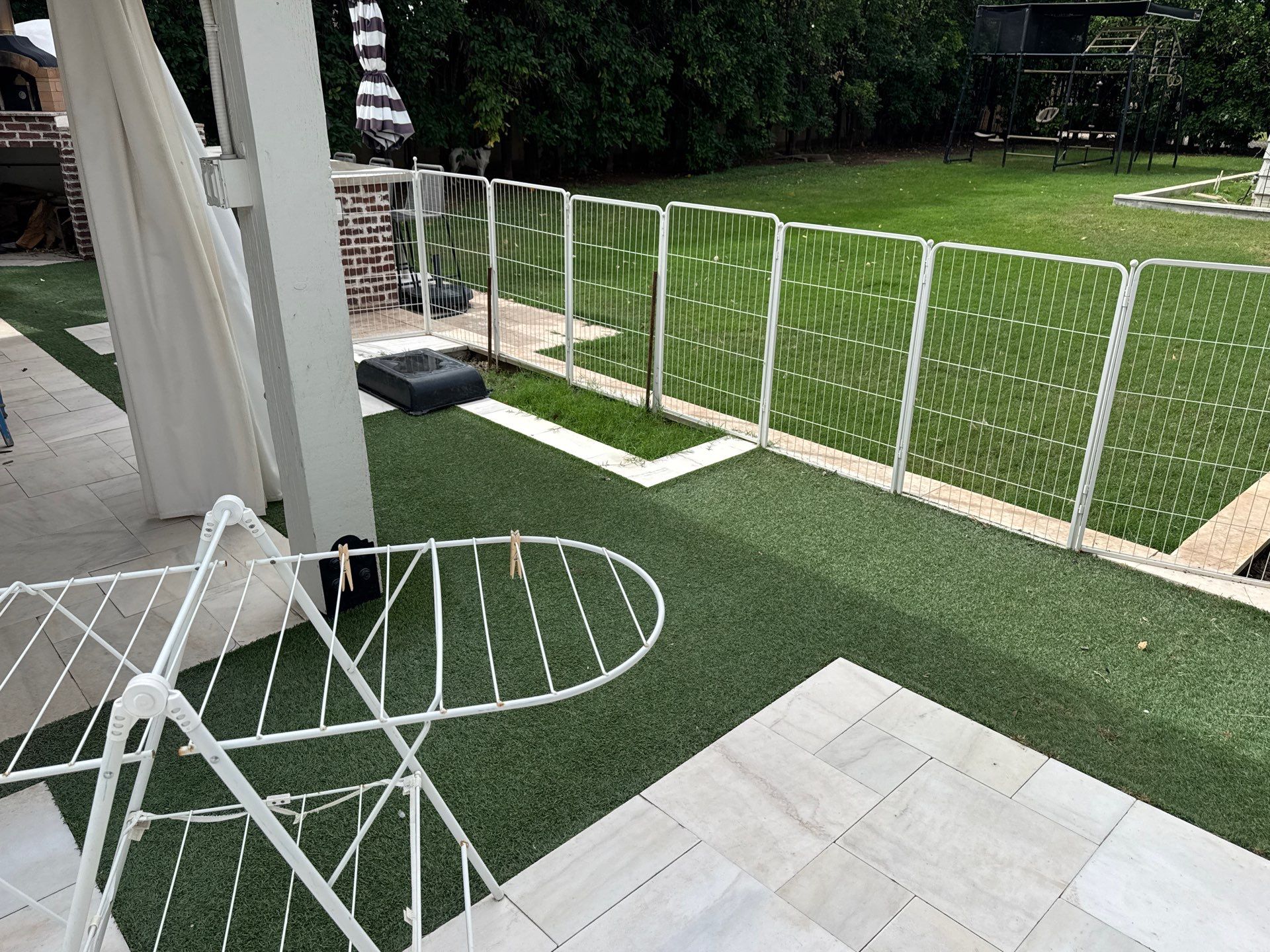
Another spot for a shade tree
Right here is another option for a shade tree. It's not as close to the pool, so it won't drop as much into the water, but it's still close enough to give shade in the afternoon. A Chinese elm would grow nice and tall and shade the pool even though the pool is about 20 feet away.
Since this spot is farther from the pool, it's also a good place for the mulberry or date palm from your list. Both drop fruit, so keep them away from the pool.
Chinese Elm
Fast growing, semi evergreen shade tree with a wide, graceful canopy, 40 to 50 feet. Handles full west sun and does well in a lawn. The bark gets a pretty mottled look as it matures.
Red Push Pistache
Medium shade tree, 25 to 40 feet, with red new growth in spring and great fall color. Handles full west sun and heat, does well in a lawn, and is low litter.
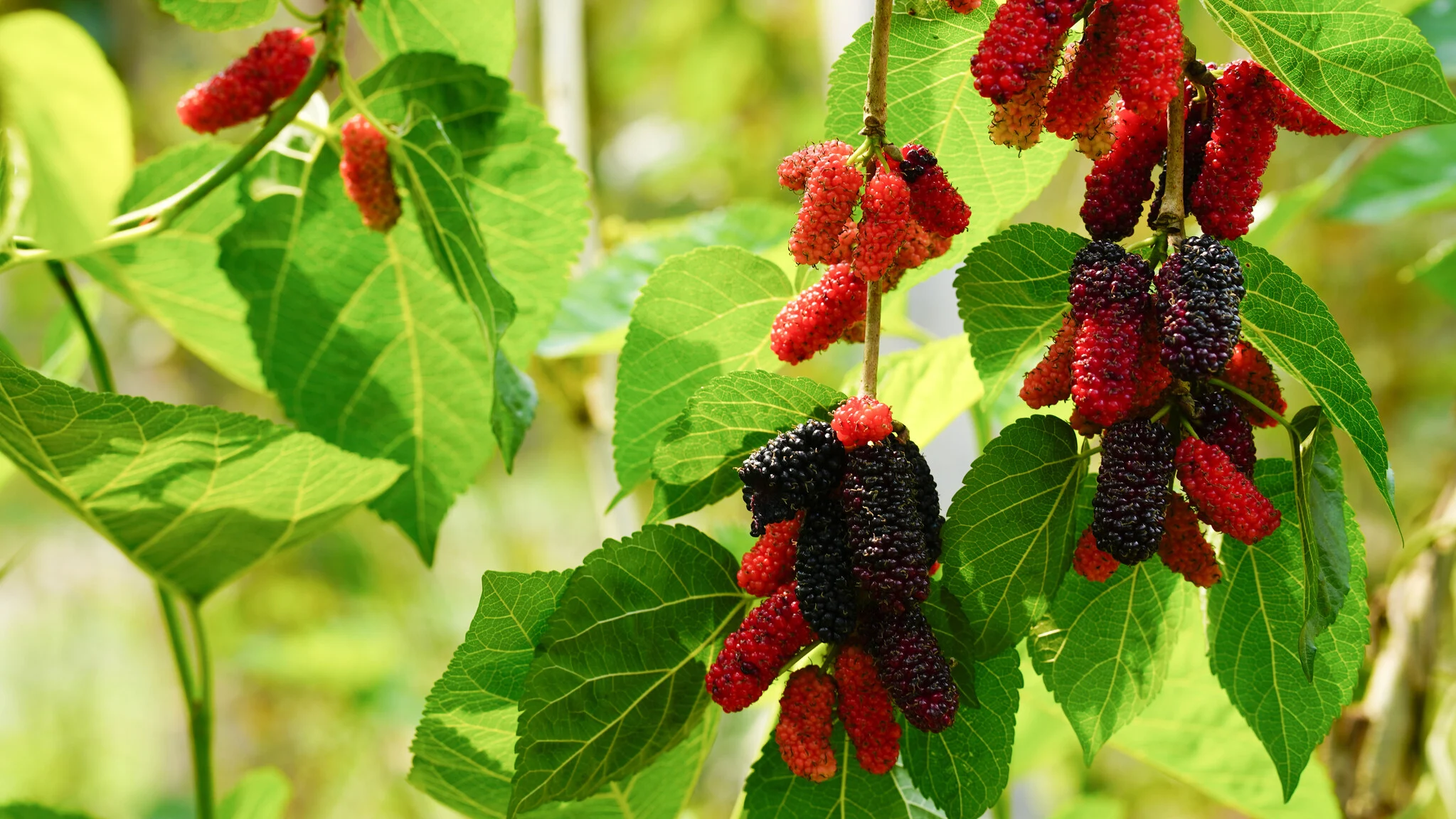
Mulberry (fruiting)
Fast growing shade tree with a big, dense canopy and sweet berries in spring. You already have a few, so this is here if you want one more. Can reach 30 to 40 feet, but it takes hard pruning well to keep it shorter.
Date Palm
Grows tall over many years with big fronds that throw good shade. Female palms produce dates, and they love heat and deep water. Medjool and Khadrawy are two of the best.
- Size: start with 15 gallon trees. Smaller trees establish faster and always end up being better trees long term than big boxed ones.
- Above grade: find the root flare, where the trunk widens into the roots, before you dig, and set the tree so the flare sits slightly above the surrounding ground. Dig the hole two to three times as wide as the root ball but no deeper.
- Backfill: native soil plus a tiny bit of compost in the hole, compost on top of the soil, then mulch over the compost, held a foot back from the trunk.
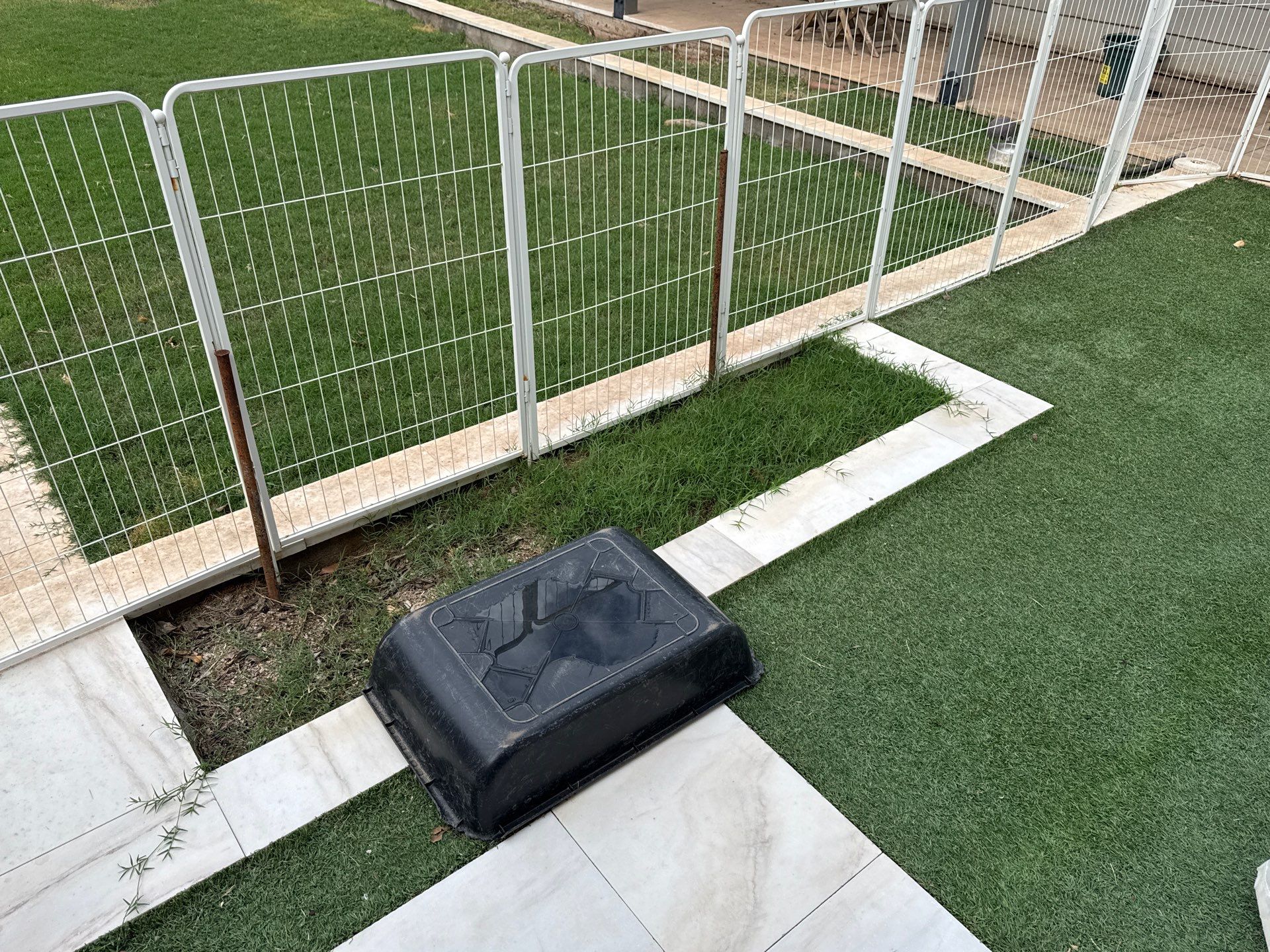
The small garden bed
This small garden bed is tough because it gets blasted by the afternoon sun. You want to grow herbs here, but I'd start with natives that can take that sun and get established first, then add the herbs around them.
Start with natives
Chuparosa
Native with green stems and red tubular flowers through winter and spring. A hummingbird favorite that stays green and takes the heat.

Desert Milkweed
Native, upright gray green stems with cream flowers, 3 to 4 feet. Feeds monarch and queen butterflies.

Globe Mallow
Native with silvery leaves and cup shaped orange flowers in spring. Native bees love it.
Penstemon
Tall flower spikes in red, pink, or purple in spring. Hummingbirds and native bees love it. Plant in fall for spring blooms.
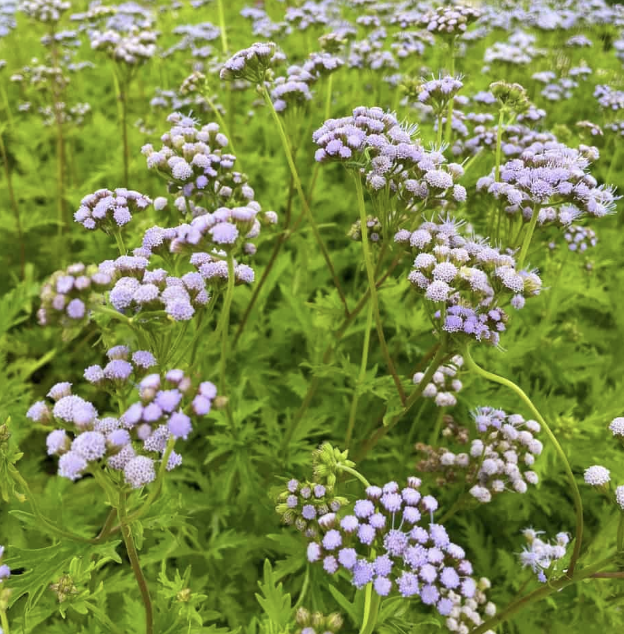
Gregg's Mistflower
Soft, mounding native covered in fuzzy purple flowers spring through fall. Butterflies swarm it.
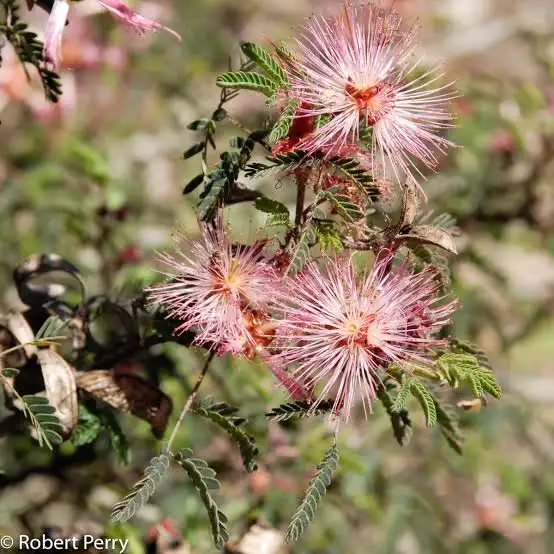
Pink Fairy Duster
Native, low and airy, 2 to 3 feet, with soft pink puffball flowers in late winter and spring.
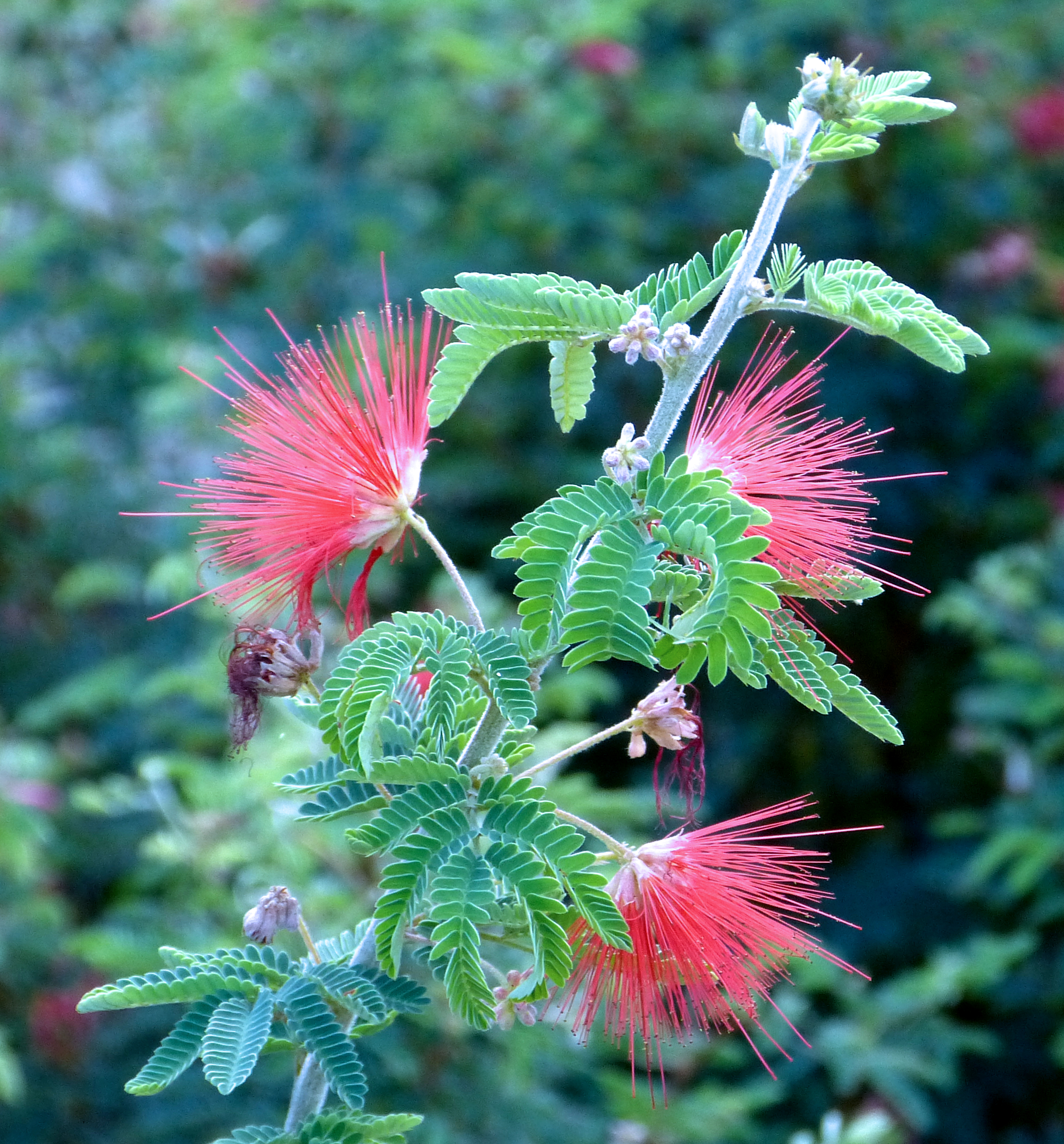
Baja Fairy Duster
3 to 4 feet tall with bright red puffball flowers most of the year that hummingbirds love. Takes full west sun and can be lightly sheared into a loose, informal hedge.
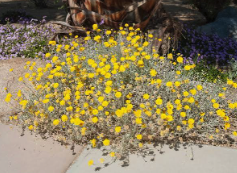
Desert Marigold
Low mound of gray leaves with bright yellow daisies most of the year. Reseeds itself and keeps color going.
Vitex from your list also does well in the full afternoon sun here, and it'll do much better in the ground than in a container. Bees and butterflies love it.
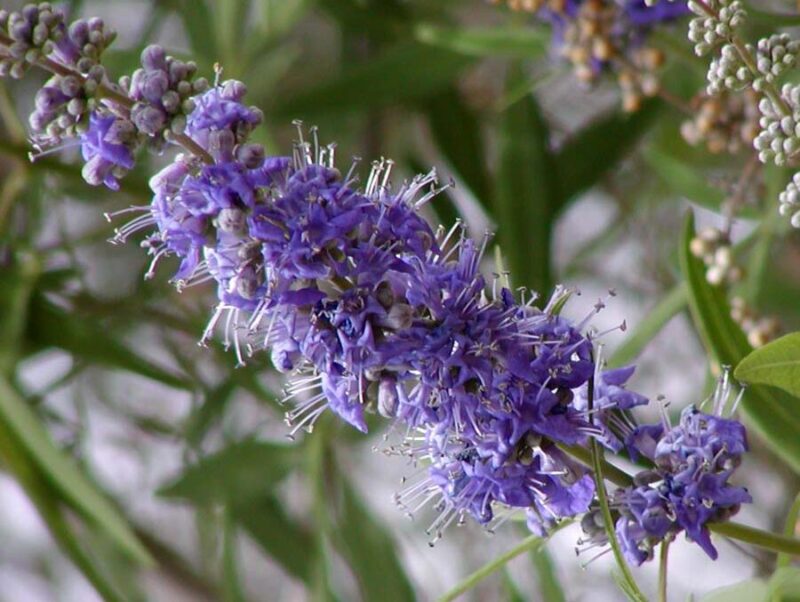
Vitex
Small tree, 15 to 20 feet, covered in purple flower spikes through summer that bees love. Takes full sun and heat and loses its leaves in winter. Looks best grown multi trunk.
Then add herbs
- Rosemary, Mexican oregano, thyme, and sage: the toughest herbs for heat. They stay year round.
- Oregano and lemongrass: handle the heat well with regular water.
- Basil: loves the warm season. Plant it in spring.
- Cilantro, parsley, and dill: cool season herbs. Plant them in fall and enjoy them through spring.
Fertilizing
Everything in this write-up comes back to the soil. Feeding is really about feeding the soil life. Fungi, bacteria, and worms break down organic matter and hand nutrients to the roots, which is what brings back the St. Augustine, slows the decline of the sour orange hedges while you replace them, and gets new plantings established, all without synthetic fertilizers. Here's the exact approach I use, so you can do it yourself.
- Compost, and be generous. On trees, spread it in a wide ring around the drip line, the outer edge of the canopy where most of the feeder roots are, from about halfway in to a couple feet past the edge. On shrubs, hedges, and vines, put it closer in, from a few inches off the stems out about a foot past the edge of the plant. Go 1 to 2 inches deep, and if you're unsure, go thicker rather than thinner. You really can't overdo quality compost. Do this three times a year: late winter (February), early summer (May), and fall (October).
- Worm castings every quarter. Every three months, scatter worm castings over the same areas: a few cups around each shrub and a couple pounds around the drip line of each tree. Castings are loaded with beneficial microbes that bring the soil to life. When it lines up with a compost round, put the castings down first and the compost right over them.
- A good organic fertilizer. These are the three products we use and recommend, all from Catalyst. Apply them at the label rate on the schedule each one gives.
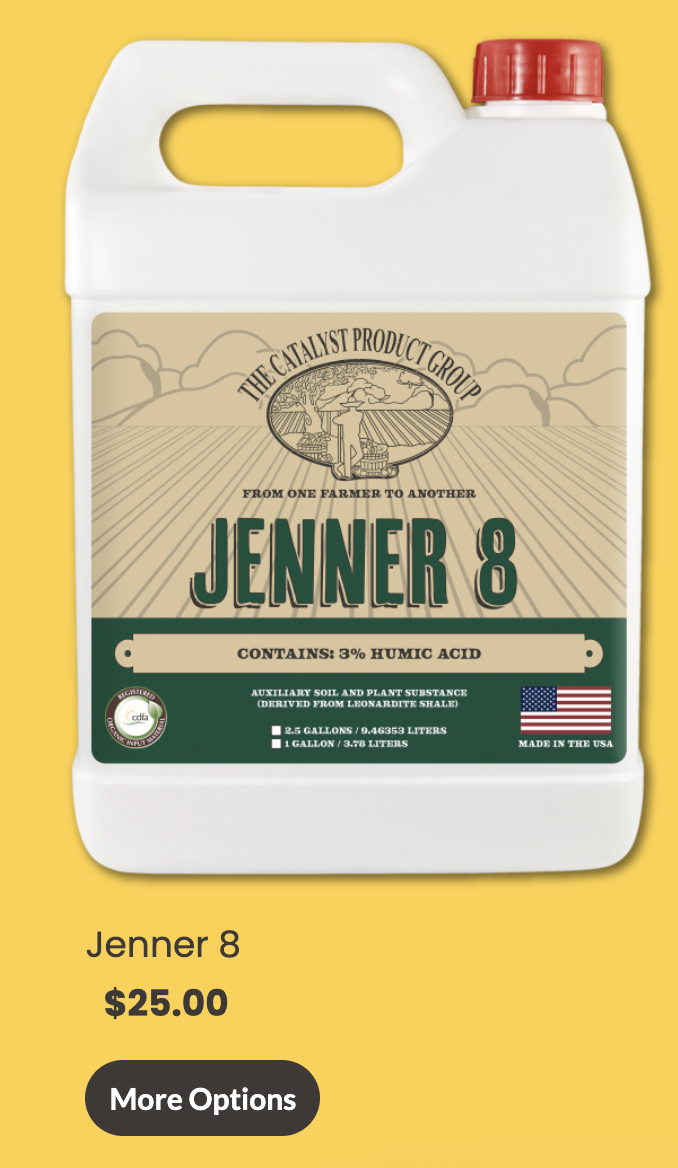
Jenner 8
Liquid organic feed for the whole landscape.
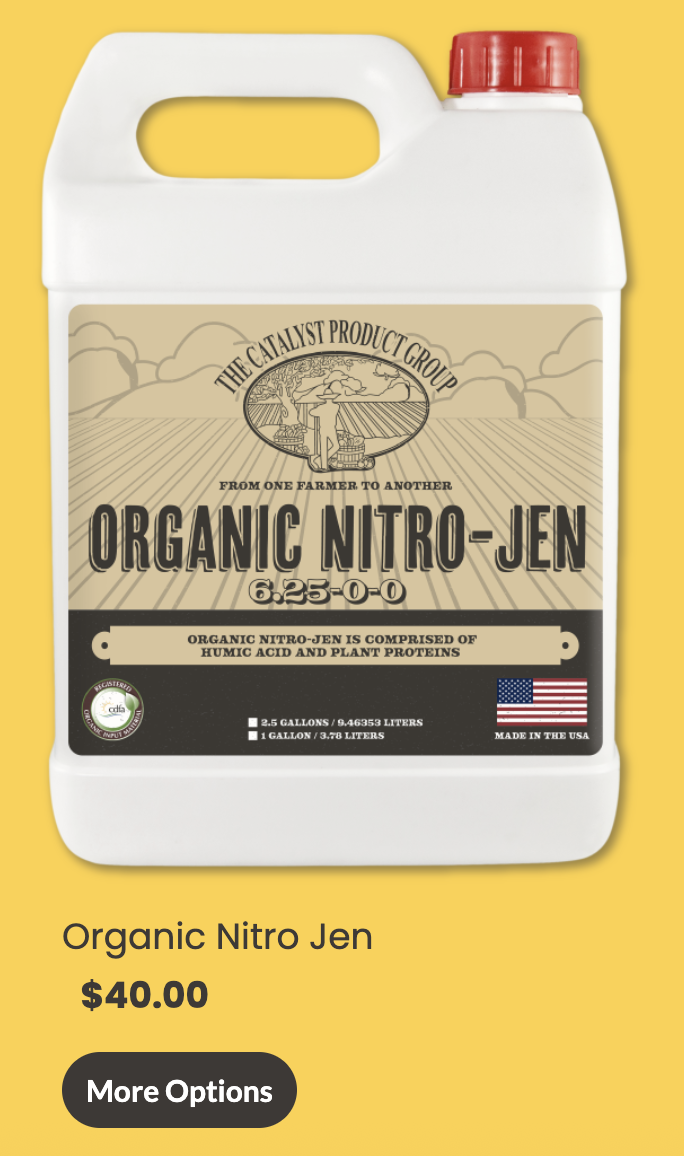
Organic Nitro Jen
Organic nitrogen to push healthy green growth.
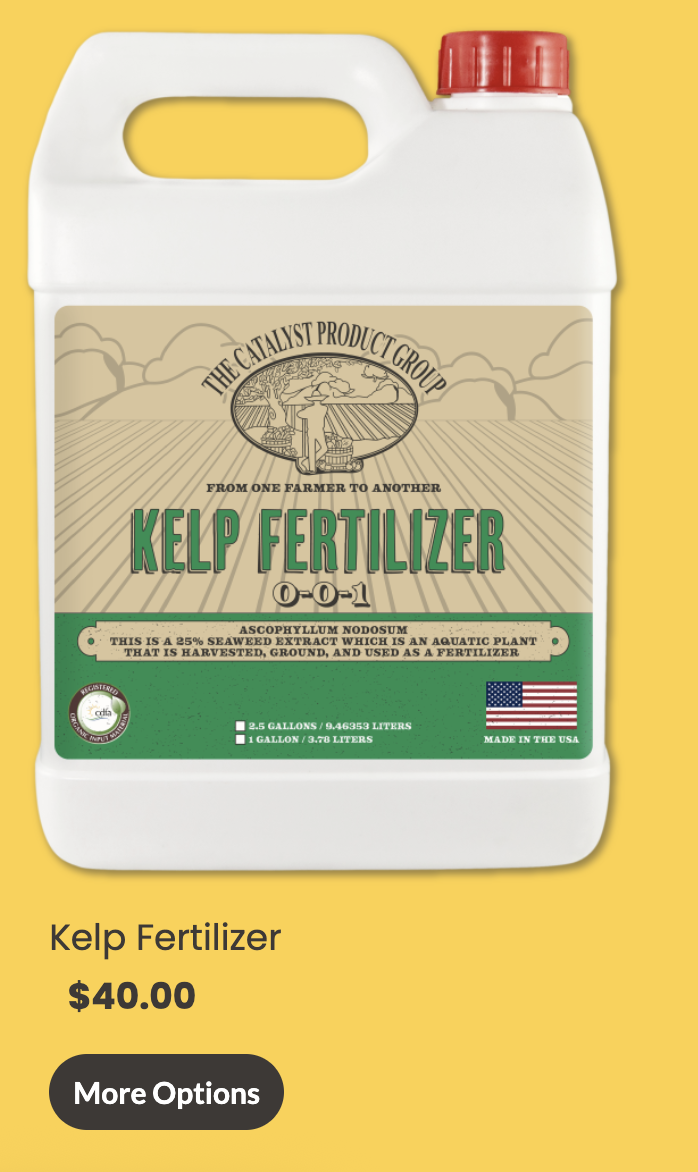
Kelp Fertilizer
Kelp based feed that supports roots and overall plant health.
You can find all three on the Catalyst website. Click Products, then Home and Garden.
- Water it all in. Give everything a deep watering right after you put it down so it soaks into the root zone.
- Mulch over the top. Mulch goes over the compost to keep it moist and cool so the soil life can do its work. Hold it a foot back from trunks and stems. No need to work any of it into the soil.
Compost, worm castings, and mulch are all at Arizona Worm Farm.
If you'd rather we handle it
Our monthly landscape fertilizing program feeds the whole yard for you. If you just want the grass taken care of, we can also do a one time spray for the lawn.
- Covers the full yard: trees, hedges, beds, and the lawn
- Monthly compost based liquid feeding across the full landscape
- Compost applications three times a year
- A recap video sent to you after each visit
- A one time spray for just the St. Augustine
- Our liquid blend to green it up and help it fill back in
Quick reference
Organic fertilizers
Catalyst (Products, then Home and Garden)Compost, mulch, raised bed mix
Arizona Worm FarmRaised garden beds
Olle GardensWhat to plant and when
Maricopa County planting guideTropical plants
Greenlife NurseryIrrigation
Garrett: 480-678-9121Questions
Ask me anytime in the Garden Nerd ClubNext steps
You can take this list and do it yourself, and I'm right there in the Garden Nerd Club if you want a second set of eyes along the way. If you'd rather have us handle the planting, like the hedge replacements, the vines, and the trees, I can put together a planting proposal for you.
For the drip line along the pool walls or anything else irrigation related, call Garrett at 480-678-9121.
You can see more of what we do on our planting services page.