
Thanks for having me out, Zakia. Below is everything we went over, in the order we walked the yard, with the details on each so you have it all in one place.
As a consult client, you're already in the Garden Nerd Club, so you have direct access to me there. If questions come up while you work through any of this, ask me there anytime.
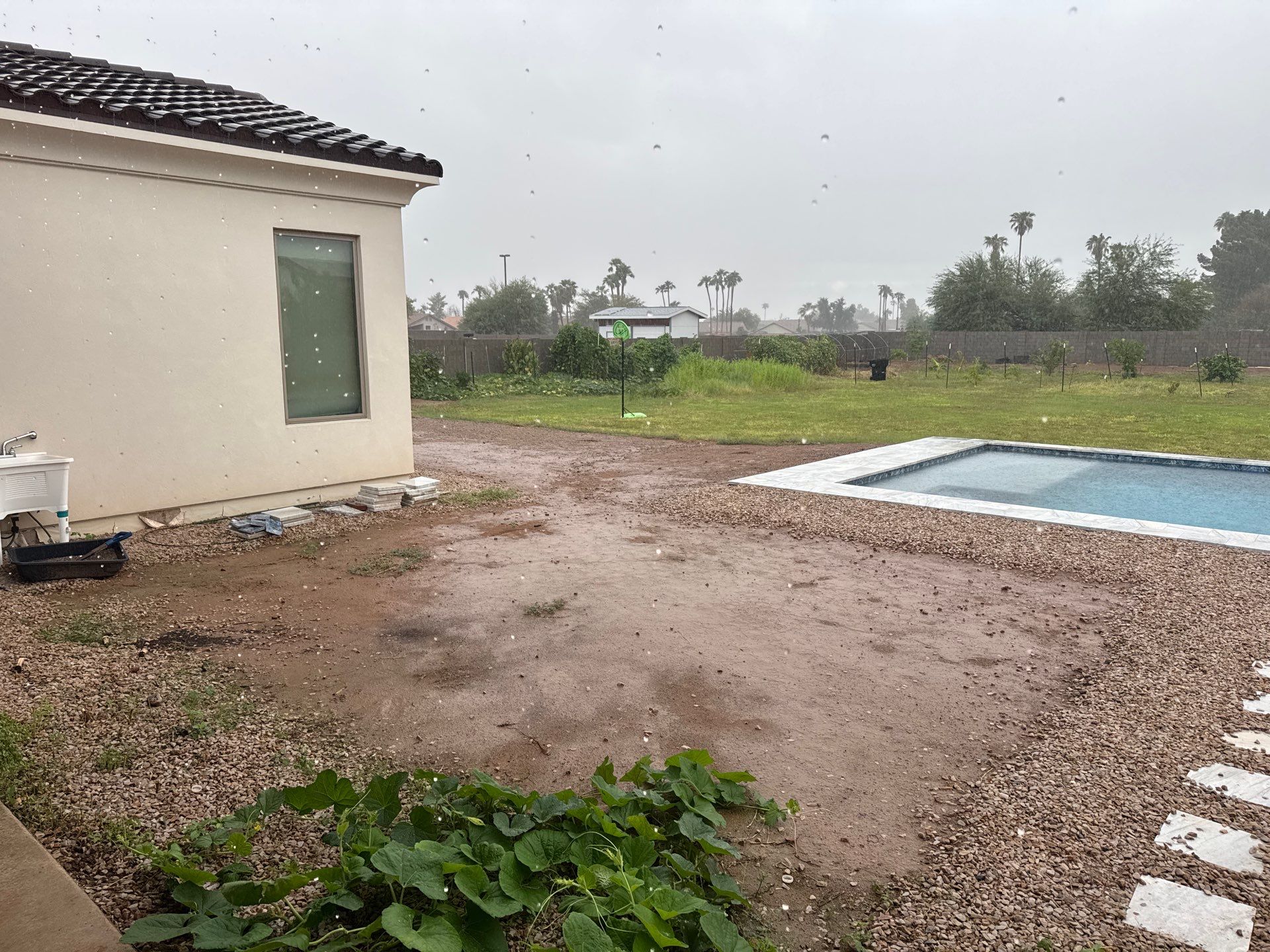
Shade trees and ground cover by the pool
On both sides of the pool, a shade tree will cool the whole area down and shade the water and the deck in the afternoon. I'm thinking a red push pistache on both sides. Chinese elm is another good choice, and I've added a few more options. Matching trees on both sides gives it a clean, balanced look.
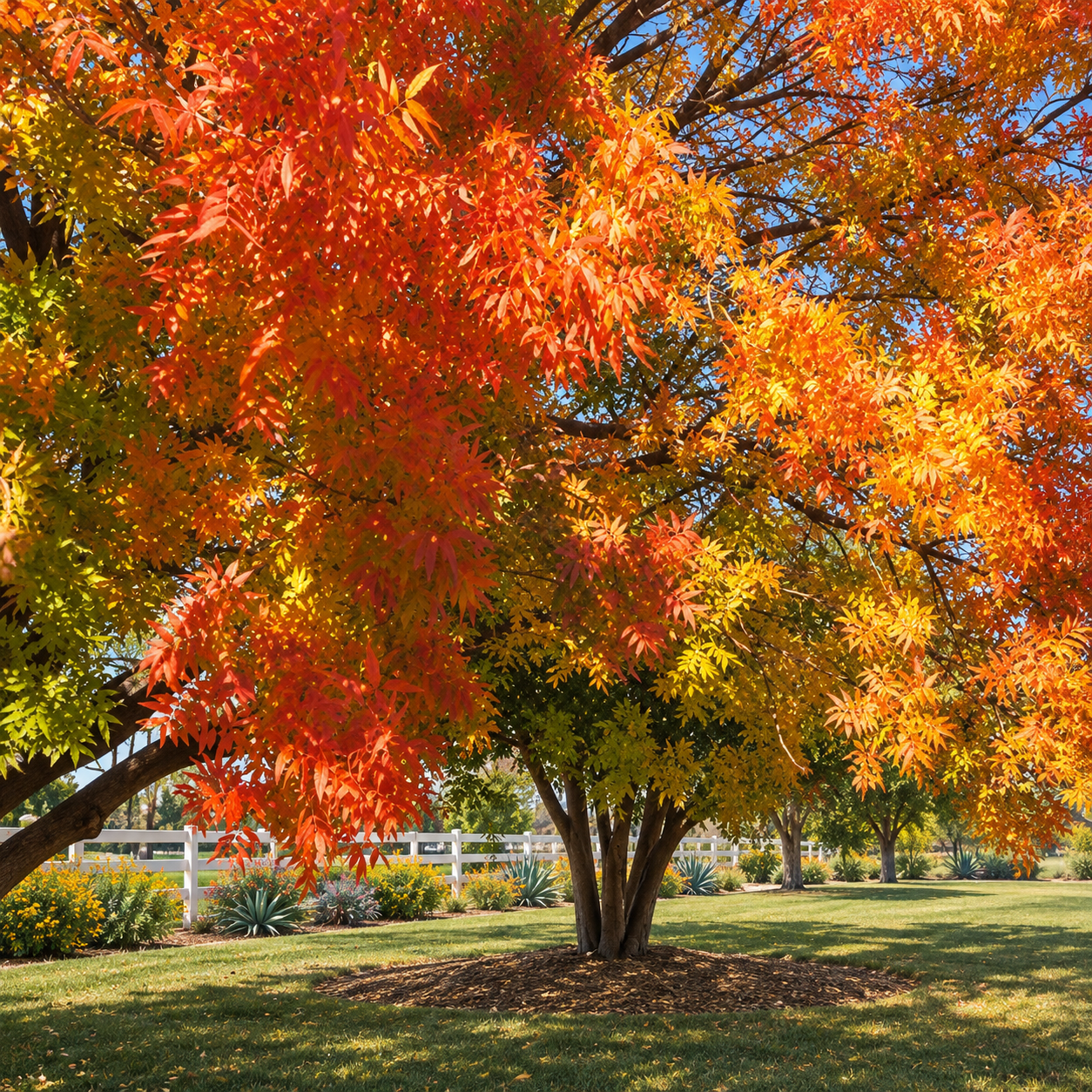
Red Push Pistache
Medium shade tree, 25 to 40 feet, with red new growth in spring and great fall color. Handles full west sun and heat, does well in a lawn, and is low litter.

Chinese Elm
Fast growing, semi evergreen shade tree with a wide, graceful canopy, 40 to 50 feet. Handles full west sun and does well in a lawn. The bark gets a pretty mottled look as it matures.
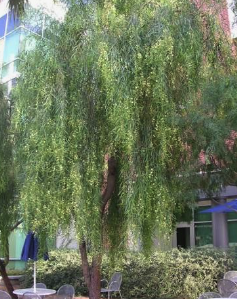
Willow Acacia
Evergreen with long, weeping leaves and a more upright shape, 20 to 30 feet. Handles full west sun, stays green all year, and takes less water than plants that aren't desert adapted.

Mulga Acacia
Australian native, 15 to 20 feet, with fine silvery green evergreen leaves and yellow flower spikes in spring. Low litter, tough in full sun, and takes less water than plants that aren't desert adapted.
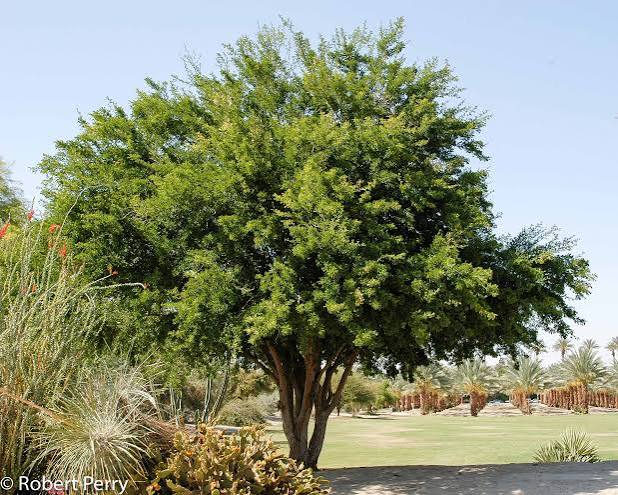
Texas Ebony
Compact evergreen, 15 to 25 feet, with dark green leaves, a dense canopy, and cream colored flowers in late spring. Very tough in full sun and reflected heat. Small thorns on young growth.
- Keep the trees 8 to 10 feet back from the pool edge so the roots stay clear of the decking and plumbing.
- Size: start with 15 gallon trees. Smaller trees establish faster and always end up being better trees long term than big boxed ones.
- Above grade: find the root flare, where the trunk widens into the roots, before you dig, and set the tree so the flare sits slightly above the surrounding ground. Dig the hole two to three times as wide as the root ball but no deeper.
- Backfill: native soil plus a tiny bit of compost in the hole, compost on top of the soil, then mulch over the compost, held a foot back from the trunk.
Ground cover
Then fill in around them with ground cover. Lantana, emu bush, and yellow dot are all great here, along with a few others. Ground cover shades the soil, cools the area, and keeps dust down around the pool.
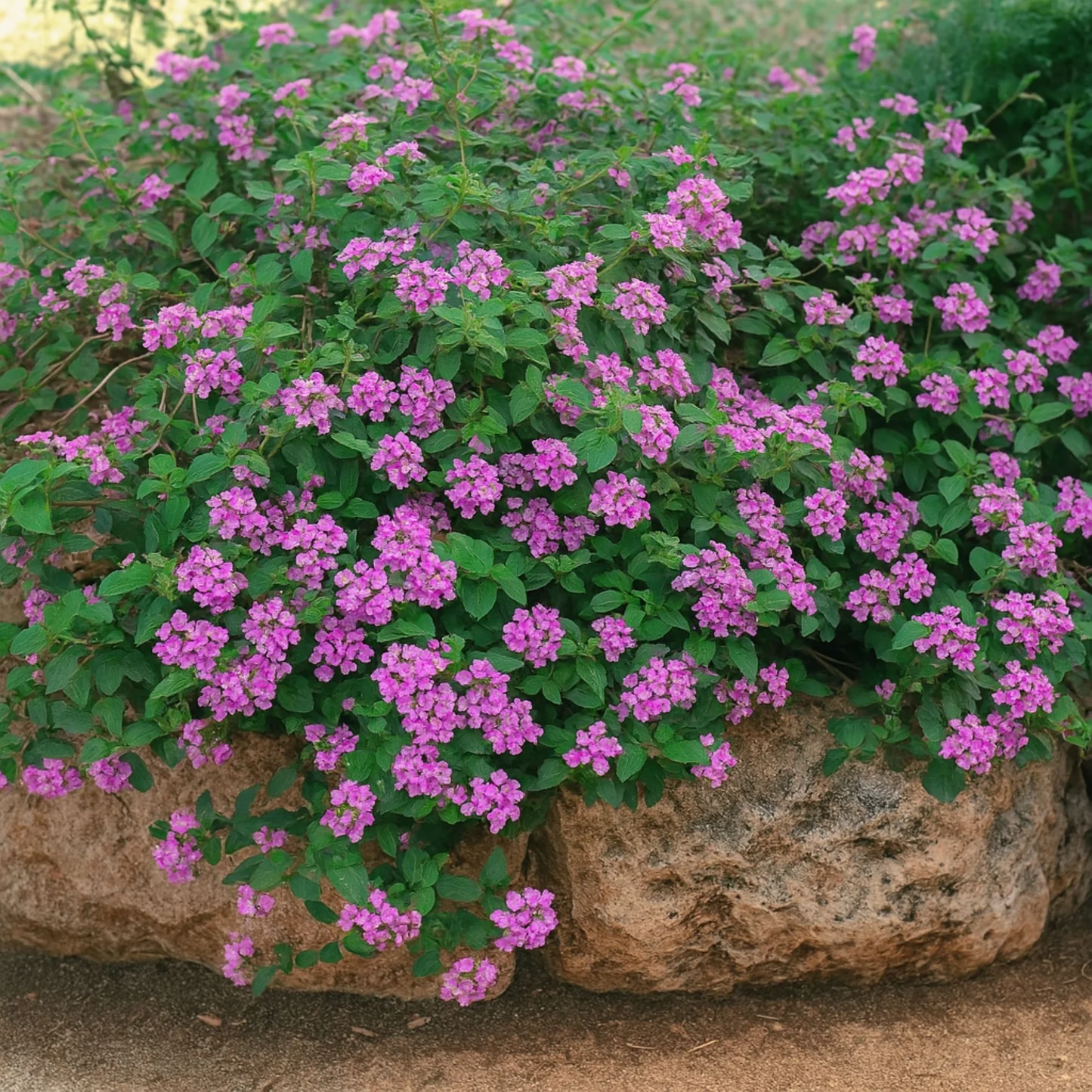
Trailing Lantana
Purple or white flowers spring through fall and a magnet for butterflies. Spreads 4 to 6 feet per plant and takes full sun and reflected heat.
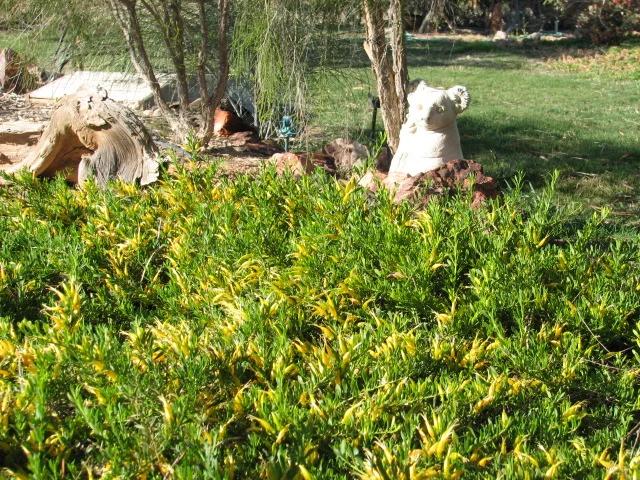
Emu Bush (Outback Sunrise)
Low and spreading, under a foot tall and 4 to 6 feet wide. Gray green leaves with orange red flowers winter through spring that hummingbirds love. Takes full sun and reflected heat and drops very little.

Yellow Dot
Fast, bright green mat with little yellow daisy flowers most of the year. Covers bare ground quickly and cools the soil underneath.
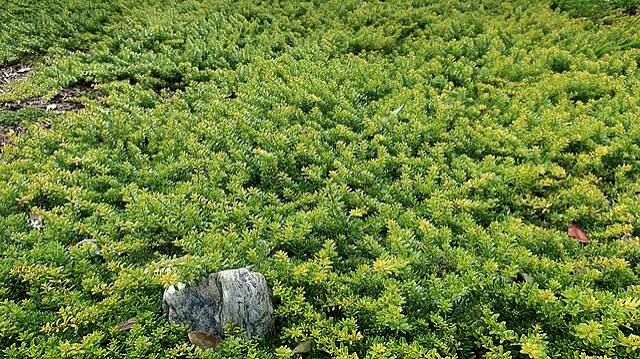
Myoporum
Dense, lush green mat that spreads 6 to 9 feet wide with small white flowers. Fastest way to cover a lot of ground with fewer plants. Space them 5 to 6 feet apart.
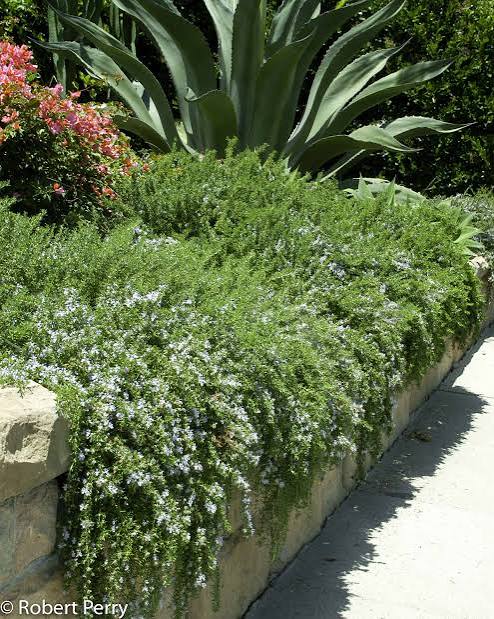
Trailing Rosemary
Spills and spreads 4 to 6 feet with blue flowers bees love in winter and spring. Takes full sun and reflected heat, and you can cook with it.
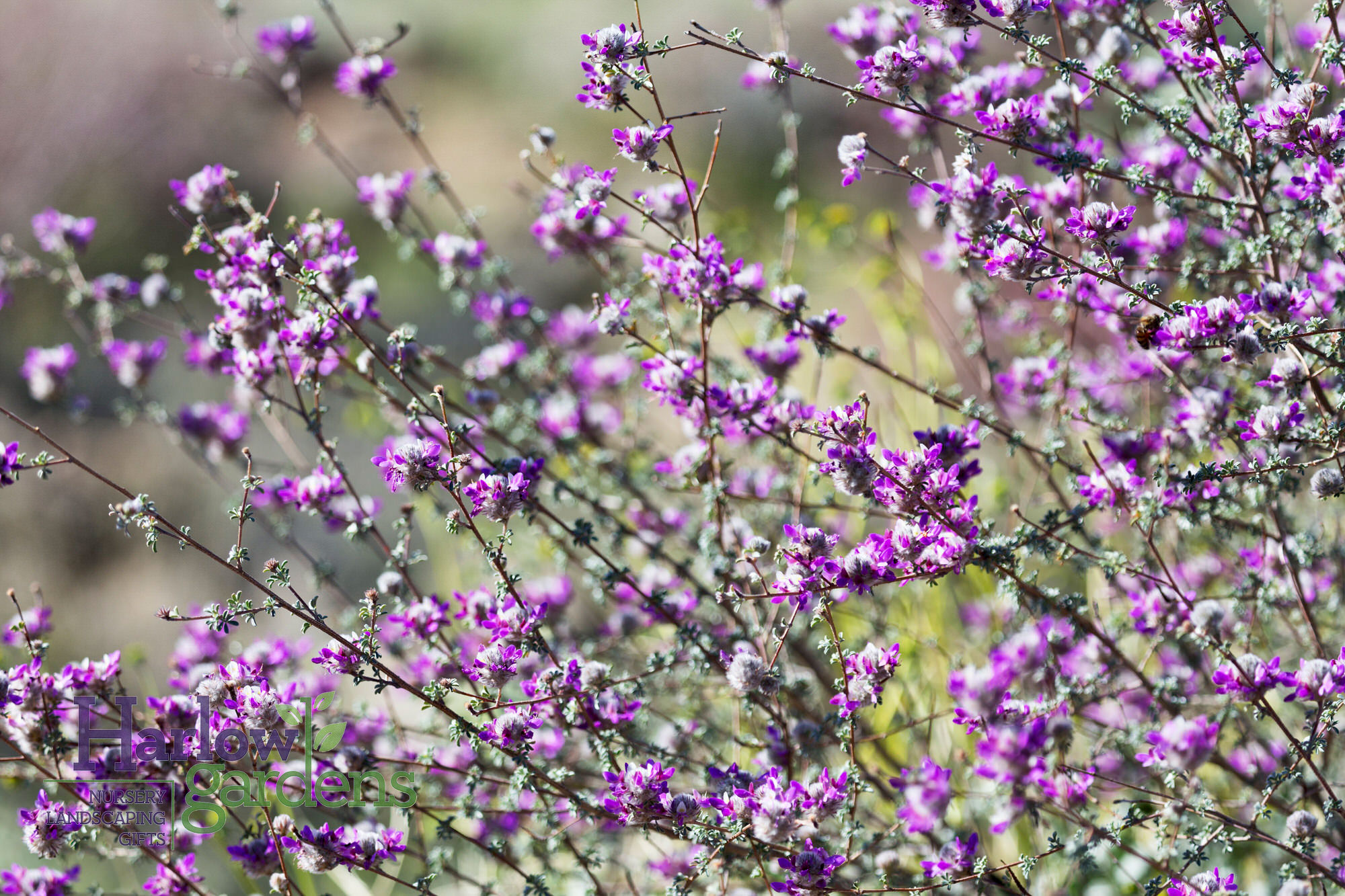
Trailing Indigo Bush
Native groundcover with silvery foliage that hugs the ground and small purple flowers in spring. Very low water and handles reflected heat off concrete really well.
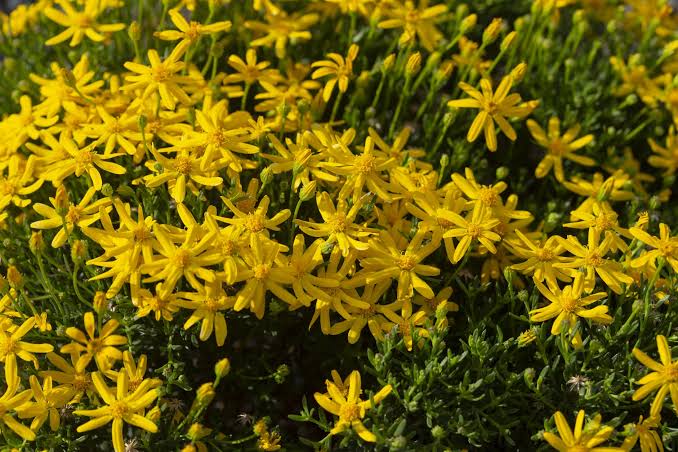
Damianita
Low, tidy mound of fine green foliage covered in golden yellow flowers in spring and fall. Stays about a foot tall and 2 feet wide.
You can't fit all of these. Pick a few favorites and repeat them so it looks intentional.
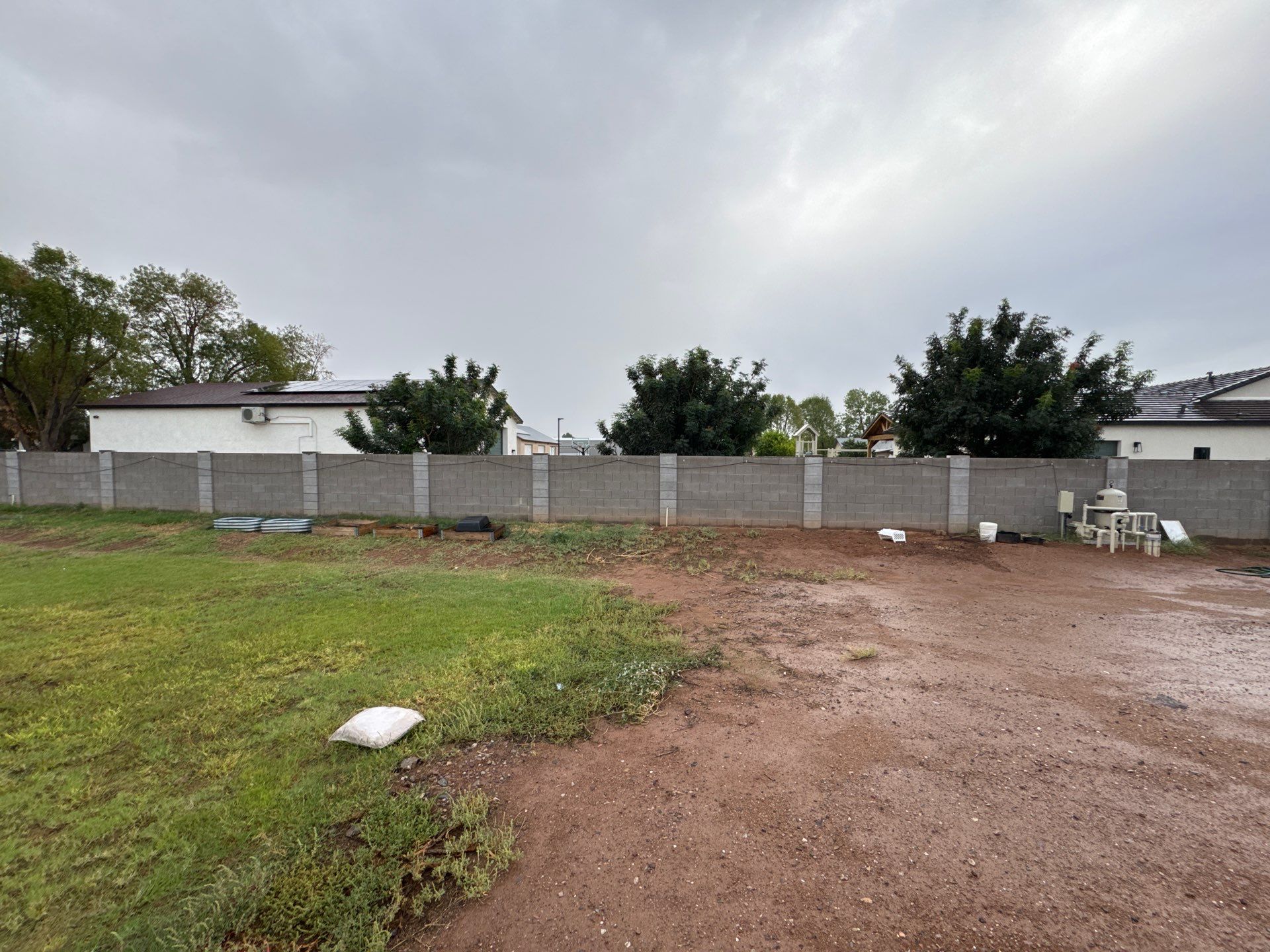
A hedge or bamboo along the west wall
This wall faces west, so it gets blasted by the afternoon sun. A hedge along it will cool the wall down and stop it from radiating heat back into the yard all evening. Barbados cherry, hopseed, Arizona rosewood, orange jubilee, and yellow bells all work here. Clumping bamboo is another great option for this wall.
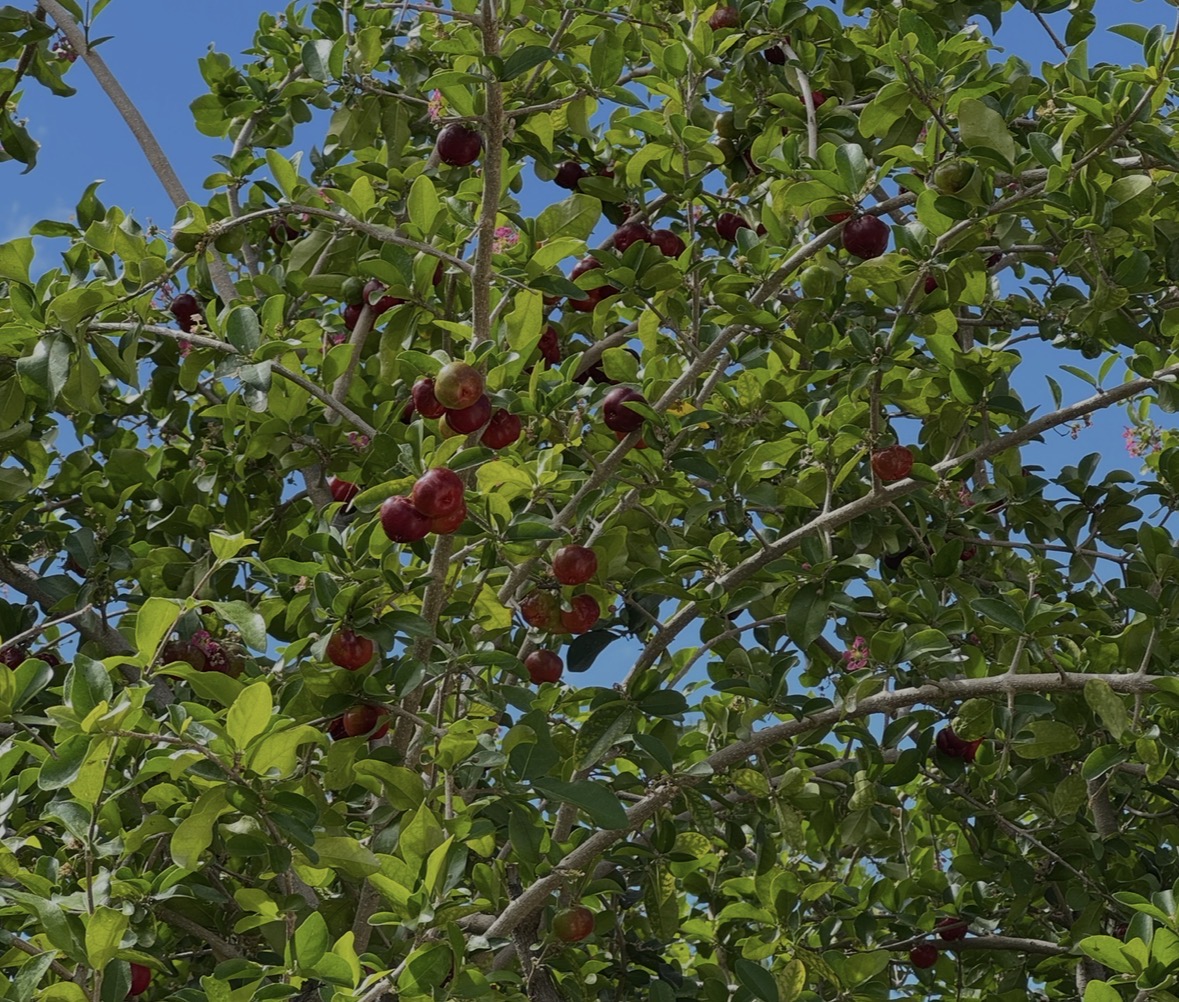
Barbados Cherry
Shrub, 6 to 10 feet, with glossy green leaves, small pink flowers, and bright red, tangy cherries several times a year. Loves full sun and heat. Protect it on frosty nights while it's young.

Hopseed
Fast growing native evergreen that fills in to a dense 8 to 12 foot screen. Stays fairly narrow and upright, so it fits tighter spots. Takes less water than plants that aren't desert adapted and handles reflected heat off a block wall. Plant 4 to 5 feet apart.

Arizona Rosewood
Native evergreen with dark, glossy leaves that grows 10 to 15 feet tall. Dense, tidy, very low litter, and one of the best screens for full sun and reflected heat. Plant 5 to 6 feet apart.

Orange Jubilee
Fast and lush, with big clusters of orange trumpet flowers spring through fall that hummingbirds love. Grows 10 to 12 feet tall. A hard freeze can nip it back, but it grows right back in spring. Plant 4 to 5 feet apart.
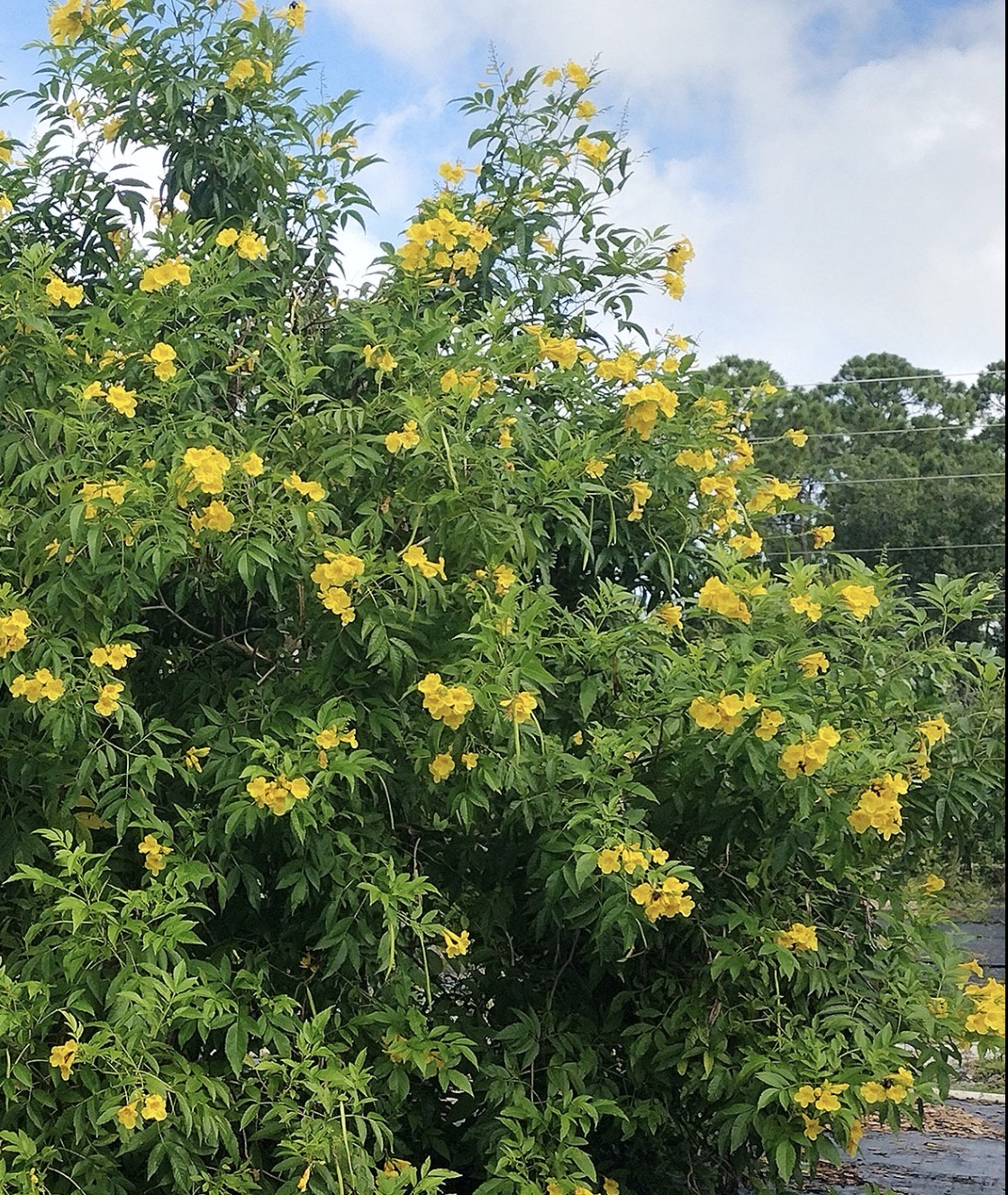
Yellow Bells
Bright yellow trumpet flowers spring through fall on lush green foliage, 8 to 12 feet tall. Takes full sun and heat and handles some shade. A hard freeze can nip it back. Plant 5 to 6 feet apart.
Here's a short video on orange jubilee.
You can't fit all of these. Pick your favorites and repeat them along the wall.
Planting the hedge
- Plant 3 to 4 feet off the wall so the back of the hedge gets light and air and doesn't rub on the block.
- Backfill with native soil plus a tiny bit of compost in the hole, lay compost on top of the soil, then mulch over the compost, a foot back from the trunks.
- Water new plants deeply two to three times a week for the first few weeks, then stretch it out. Give each one its own emitters.
Clumping bamboo
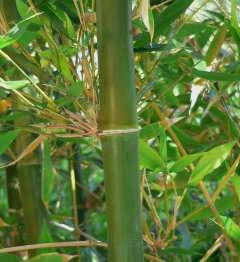
Oldhamii Bamboo (Clumping)
A clumping bamboo, so it widens slowly instead of running through the yard. Makes a tall, dense green screen fast, up to 25 to 30 feet over time. It wants more water than the desert options on this wall.
- Clumping only: go with a clumping type like Oldhamii. It widens slowly in a tight clump. Avoid running bamboo, which spreads underground through the whole yard.
- Containing it: a clumping bamboo doesn't need a barrier. If it ever spreads past where you want it, cut out the edge canes and roots with a sharp spade.
- Spacing: plant them about 5 to 6 feet apart for a solid screen.
- Water: bamboo wants more water than the desert plants, so give it its own valve or extra emitters, and add more as the clumps widen.
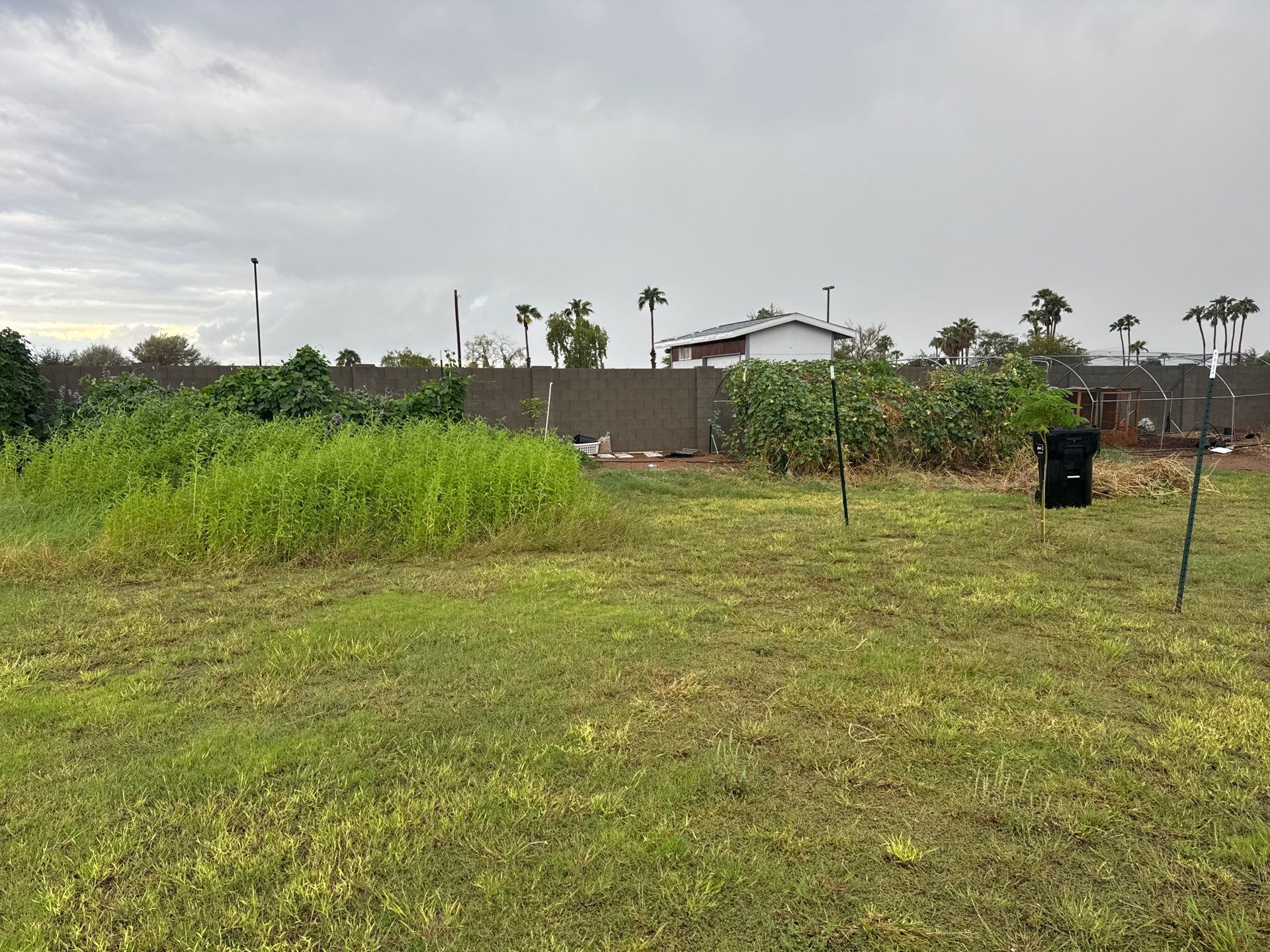
A tree to shade the fruit trees
Right outside the fruit tree area, a tree here will protect the fruit trees from the afternoon sun. You like large fruit trees, and mulberry is an option, but you already have a few. Here are some other trees that grow tall enough to give afternoon shade to the rest of the yard without getting too tall.
Carob
Evergreen shade tree, 30 to 40 feet, with a dense, rounded canopy of glossy dark green leaves. The pods are edible and taste a lot like chocolate. Very tough in our heat and takes less water than plants that aren't desert adapted.
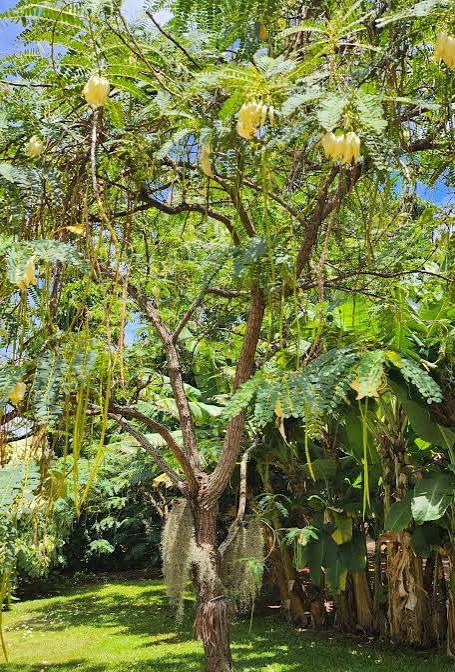
Moringa
Very fast growing, 15 to 25 feet, with light, airy leaves that are edible and packed with nutrients. Gives filtered afternoon shade without getting huge. Can die back in a hard freeze but regrows quickly in spring.
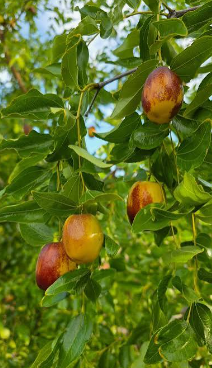
Jujube
Tough fruit tree, 15 to 25 feet, that thrives in full sun and heat. Fruit tastes like an apple when crisp and a date when dried. Loses its leaves in winter and takes less water than plants that aren't desert adapted.

Fig
One of the easiest fruit trees in the Valley. Big leaves, fast growth, and two crops a year on many varieties. Loses its leaves in winter, which is when to prune.
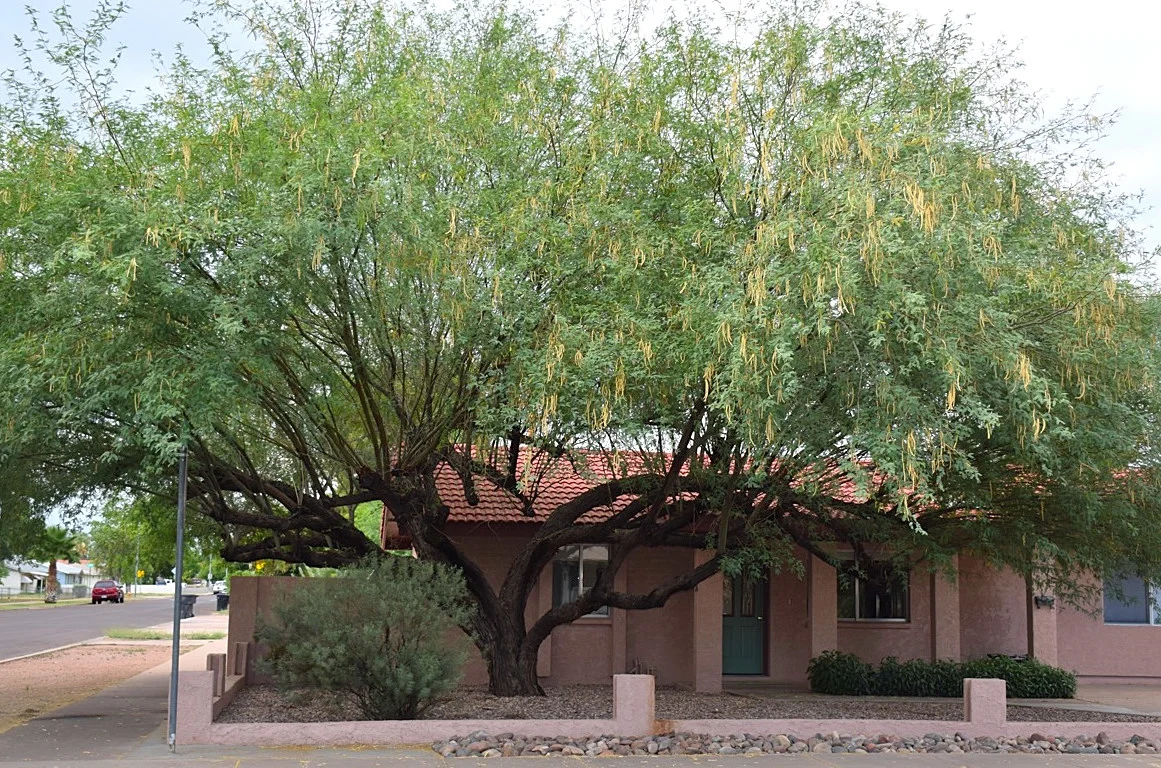
Native Velvet Mesquite
The native mesquite, 25 to 30 feet, with a wide, airy canopy and filtered shade. The pods are edible and can be ground into flour, and it supports local wildlife in ways the non native hybrids don't.
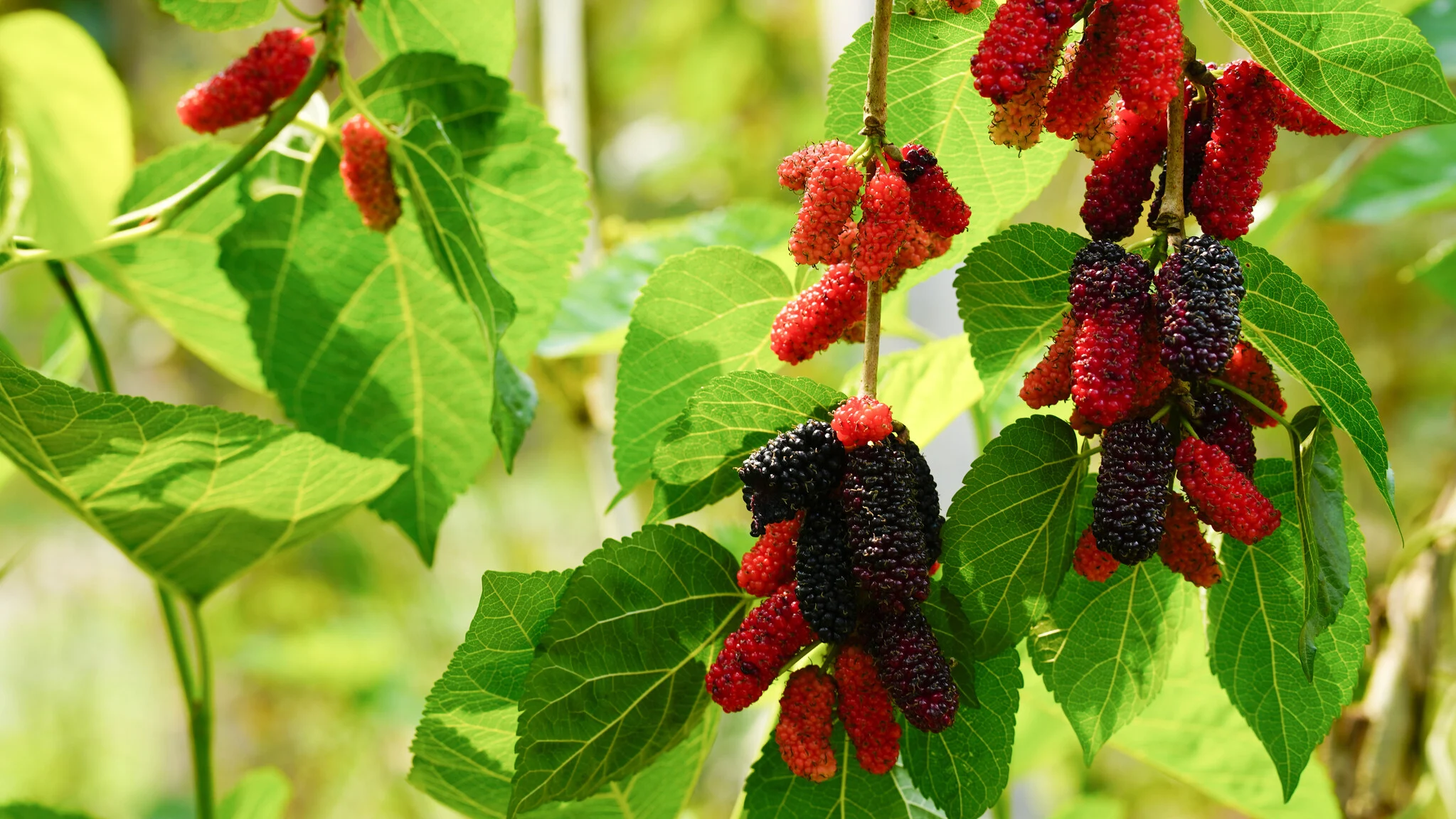
Mulberry (fruiting)
Fast growing shade tree with a big, dense canopy and sweet berries in spring. You already have a few, so this is here if you want one more. Can reach 30 to 40 feet, but it takes hard pruning well to keep it shorter.
- Plant it on the west side of the fruit tree area, since that's where the afternoon sun comes from.
- Size: start with 15 gallon trees. Smaller trees establish faster and always end up being better trees long term than big boxed ones.
- Above grade: find the root flare, where the trunk widens into the roots, before you dig, and set the tree so the flare sits slightly above the surrounding ground. Dig the hole two to three times as wide as the root ball but no deeper.
- Backfill: native soil plus a tiny bit of compost in the hole, compost on top of the soil, then mulch over the compost, held a foot back from the trunk.
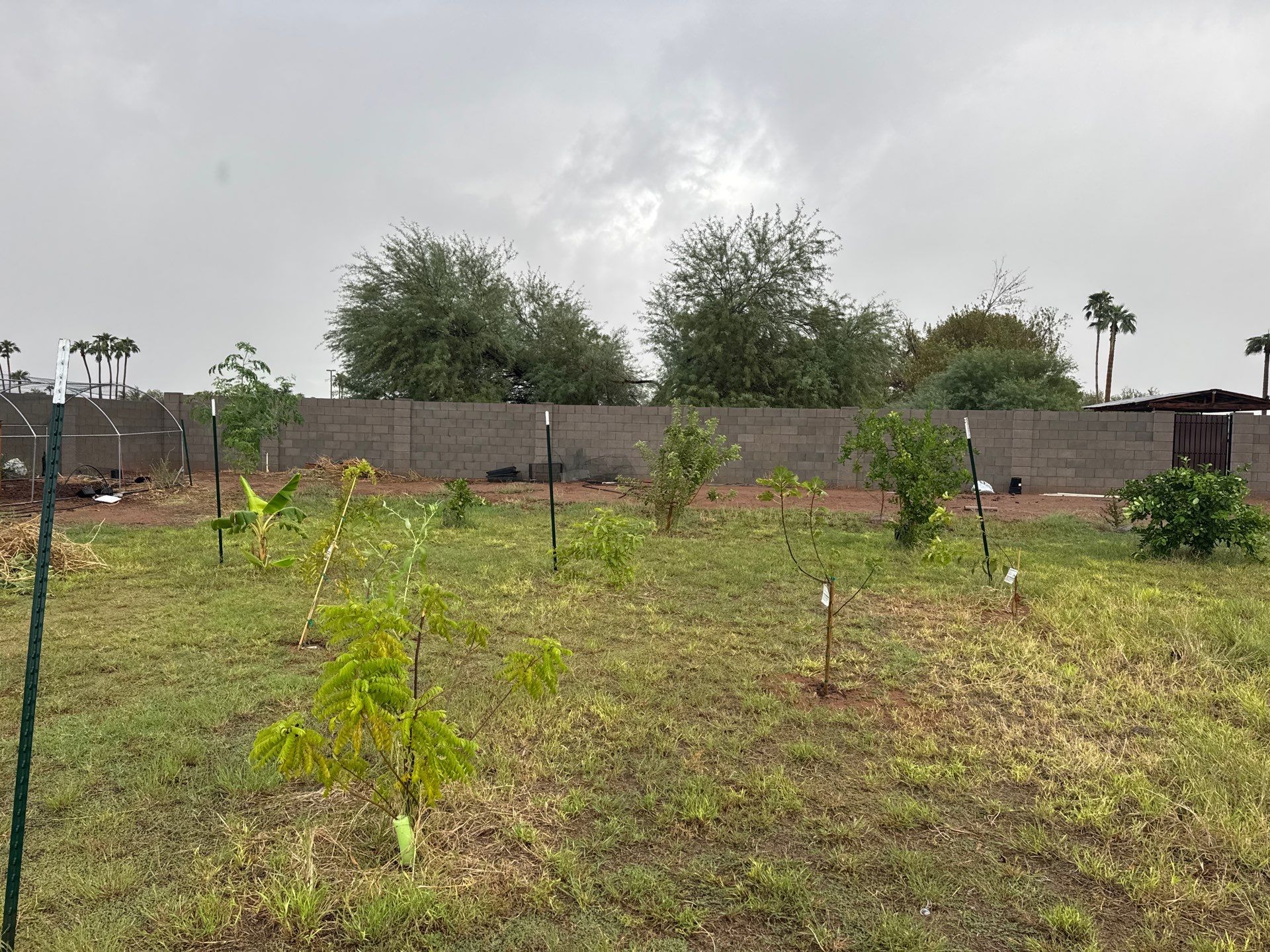
Root flares on the fruit trees
On all the trees in here, I noticed a common theme: they're buried too deep. The root flare is where the trunk widens out into the roots, and it needs to be exposed to air. When it's buried, the bark stays wet, starts to rot, and roots can begin circling and choking the trunk. This is one of the most common reasons young fruit trees stall out or slowly decline, and it's very fixable now while they're young. This video shows why it matters, with real examples.
Can't see the video? Watch it on YouTube.
How to expose the root flares
- Start right at the trunk and work outward about a foot. A strong stream of water from a hose blasts the dirt away fast without damaging the roots. Follow up with a hand trowel or your fingers.
- Keep going until you see the trunk widen out and the first big roots heading sideways. On trees planted too deep, that's often 3 to 6 inches below the current soil.
- Cut away any nursery twine or wire, and snip any small roots wrapping around the trunk.
- Leave the flare at or just above the surrounding ground, and slope the soil gently away from the trunk. Don't fill it back in.
- Once that's done, restake each tree the right way. See the guava section below.
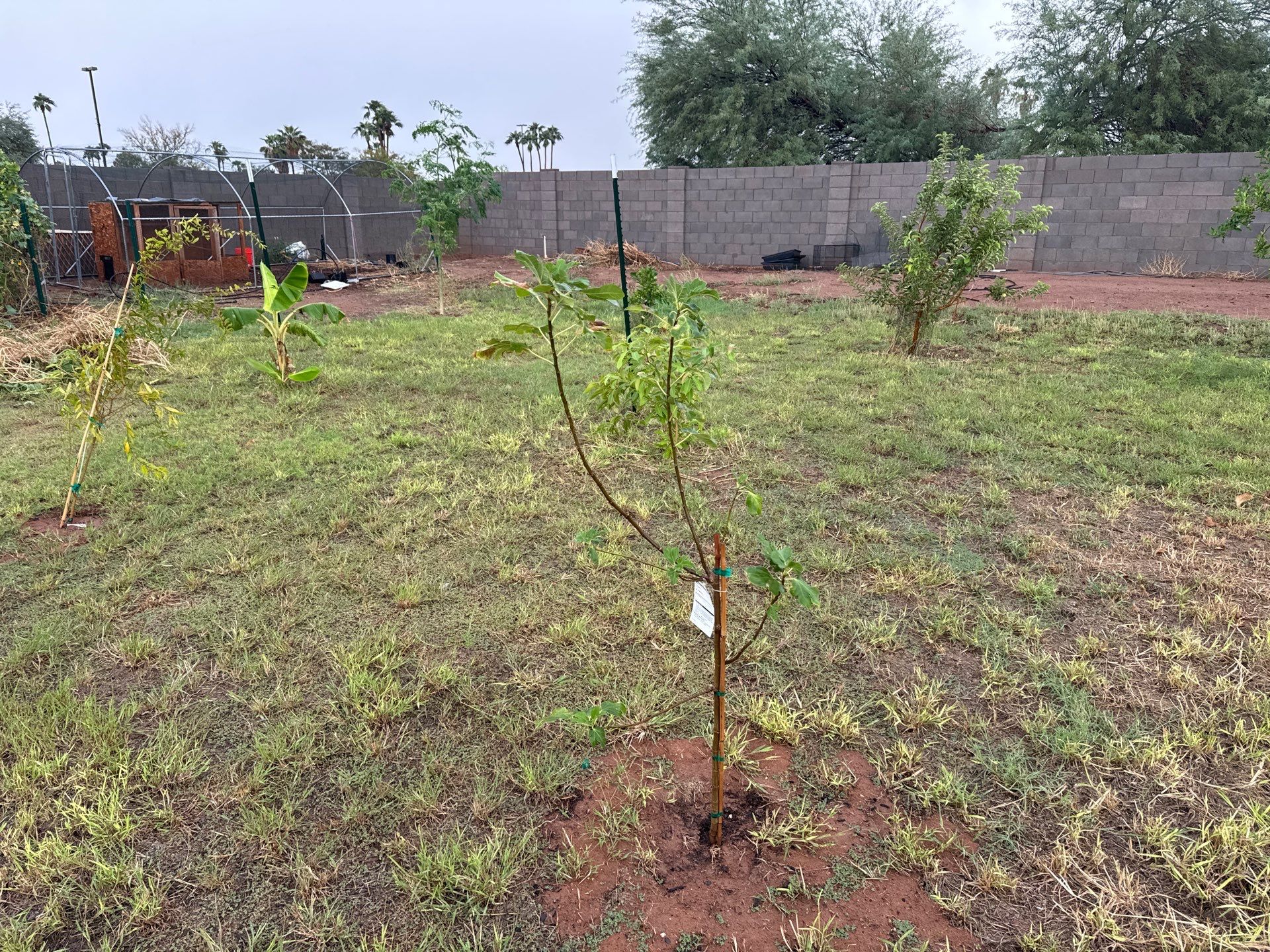
Pruning the fig
This fig is long and lanky. Once it loses its leaves this winter, go ahead and prune it. The more you cut, the bushier it's going to be.
- When: December into January, while it's bare.
- How: cut the long stems back by a third to half, just above a bud. Each cut pushes out new branches below it, which is what fills it in.
- Shape: you can keep it around 8 to 10 feet so the fruit stays in reach.
Fig
One of the easiest fruit trees in the Valley. Big leaves, fast growth, and two crops a year on many varieties. Loses its leaves in winter, which is when to prune.
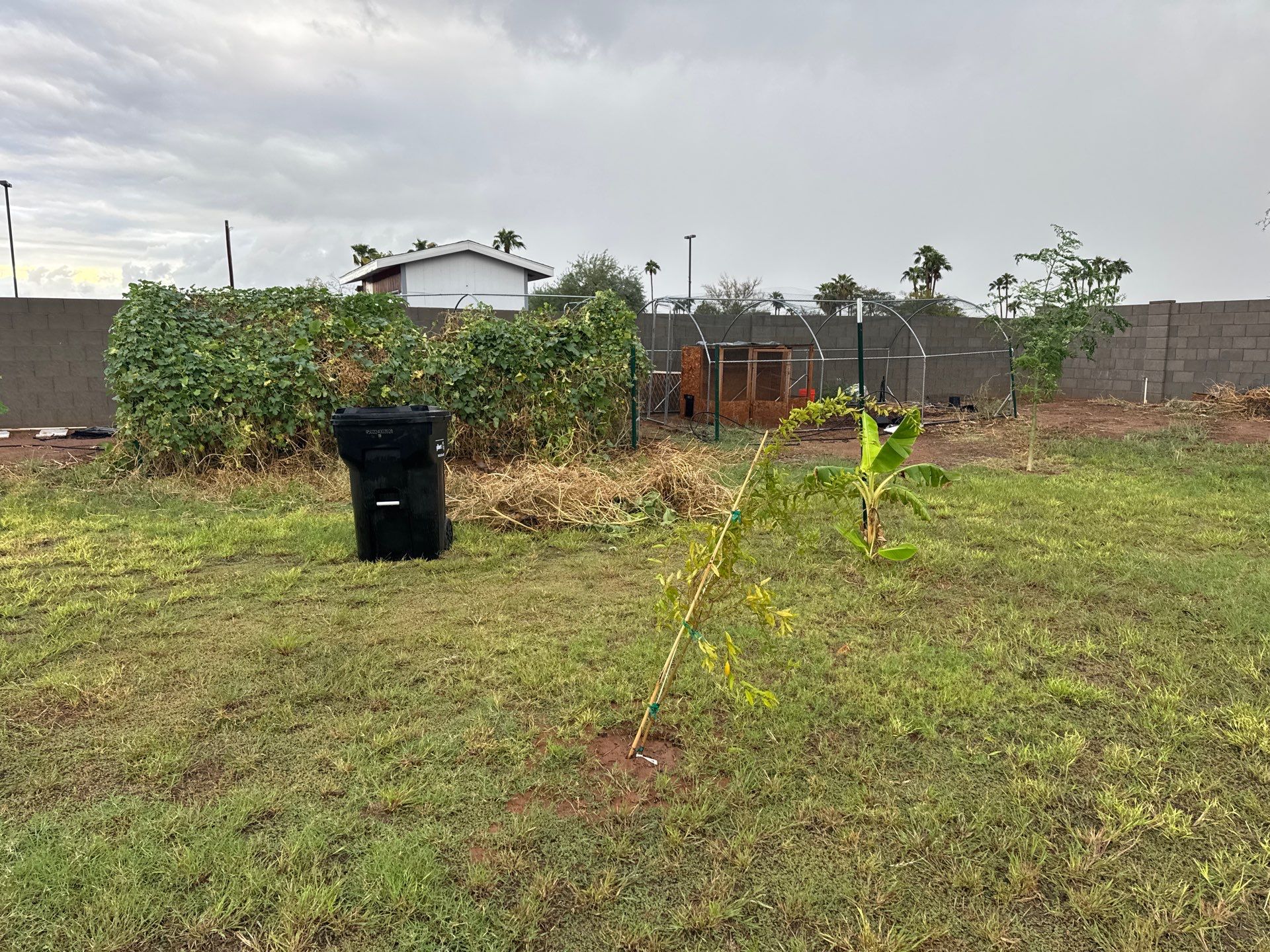
Pruning the pomegranate
Same thing with this pomegranate. Prune it in winter to make it bushier and fuller.
- When: winter, while it's bare.
- How: tip back the long shoots to encourage branching, and take out suckers from the base unless you want it as a multi trunk shrub. Remove any crossing or inward growing branches.
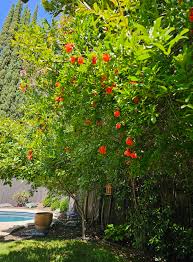
Pomegranate
Loves full sun and heat and takes less water than plants that aren't desert adapted. Grows as a large shrub or small tree. Loses its leaves in winter, which is the time to prune.
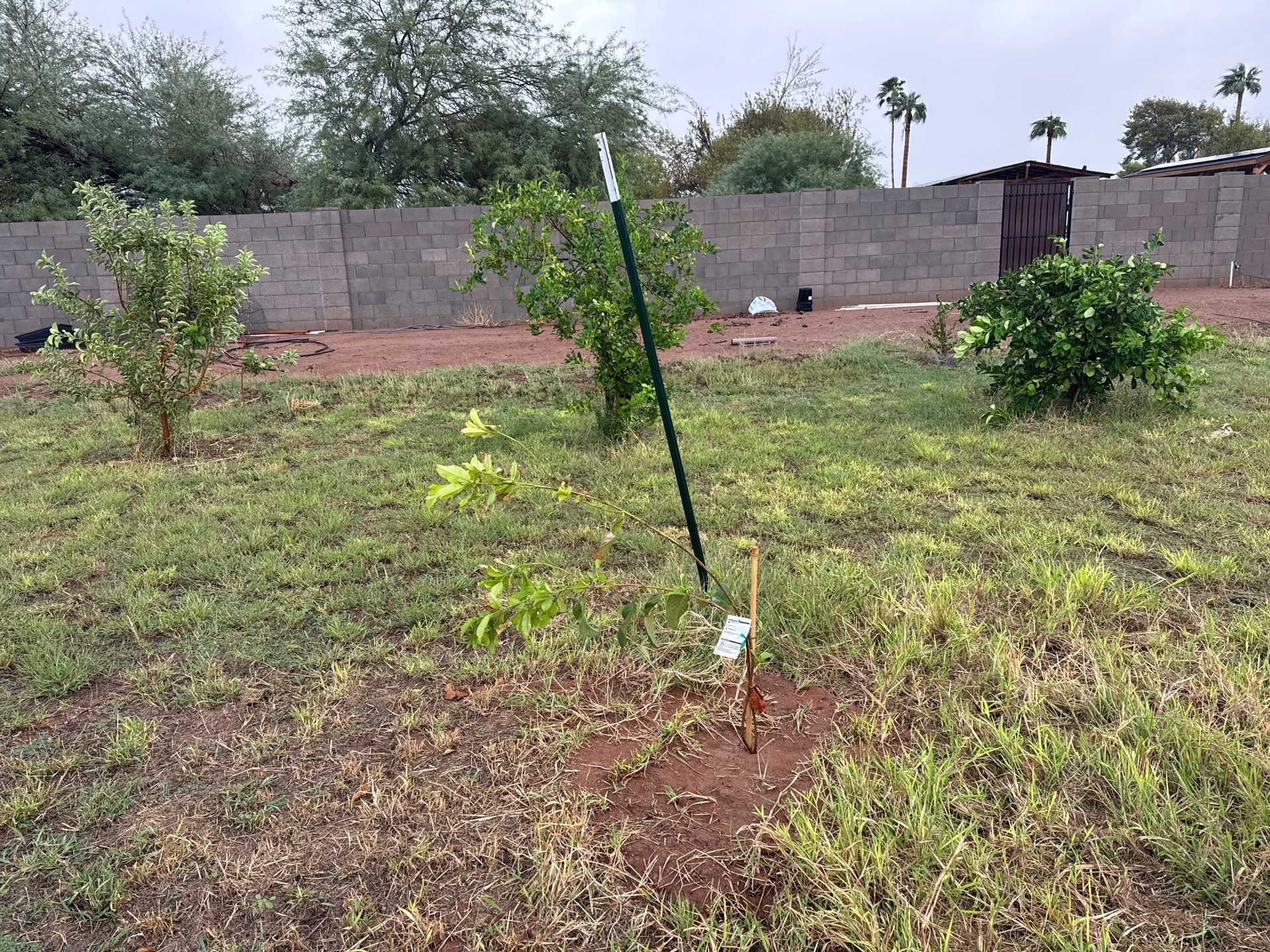
The guava, and staking all the fruit trees
This guava is a little different. Wait until March to prune it, once it gets through the winter. Pruning now pushes out tender new growth that frost would burn.

Guava
Tropical shrub or small tree, 10 to 15 feet, with fragrant fruit in late summer and fall. Frost tender, so it needs cover on cold nights.
Staking all the fruit trees
On this one and all the other fruit trees in here, once you've done the root flare excavations, restake them the right way.
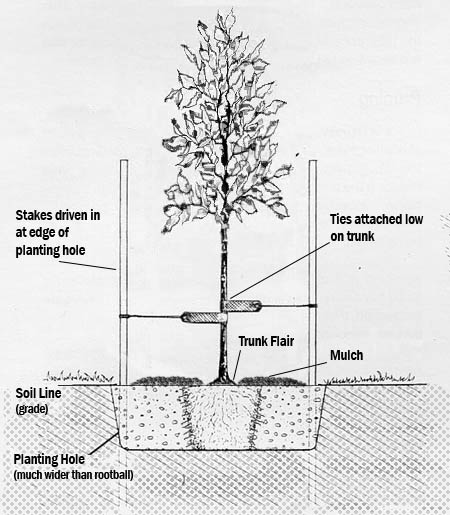
- Remove the middle nursery stake. It's a crutch, and a trunk that can't move never builds the strength to stand on its own.
- Drive two stakes, one on each side of the tree, 12 to 18 inches out from the trunk and into firm soil outside the root ball.
- Use soft, flexible ties like rubber tree ties or strips of bike inner tube, looped in a figure eight from each stake to the trunk.
- Leave some wiggle room. Tie as low as you can while still holding the tree upright, so the top can sway a few inches in the wind. That movement builds a strong trunk.
- Check the ties every few months and pull the stakes after about a year.
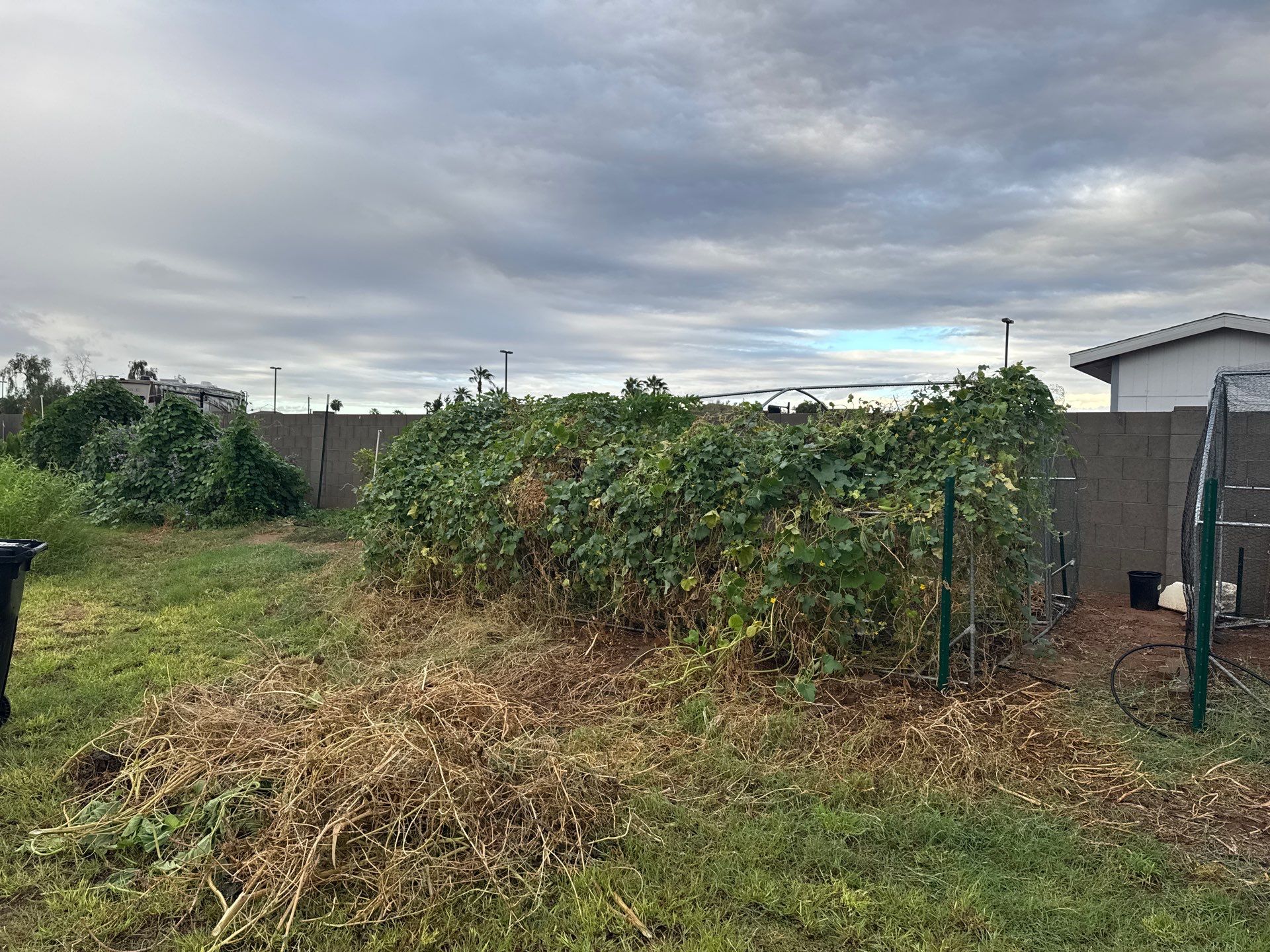
Mangos and papaya
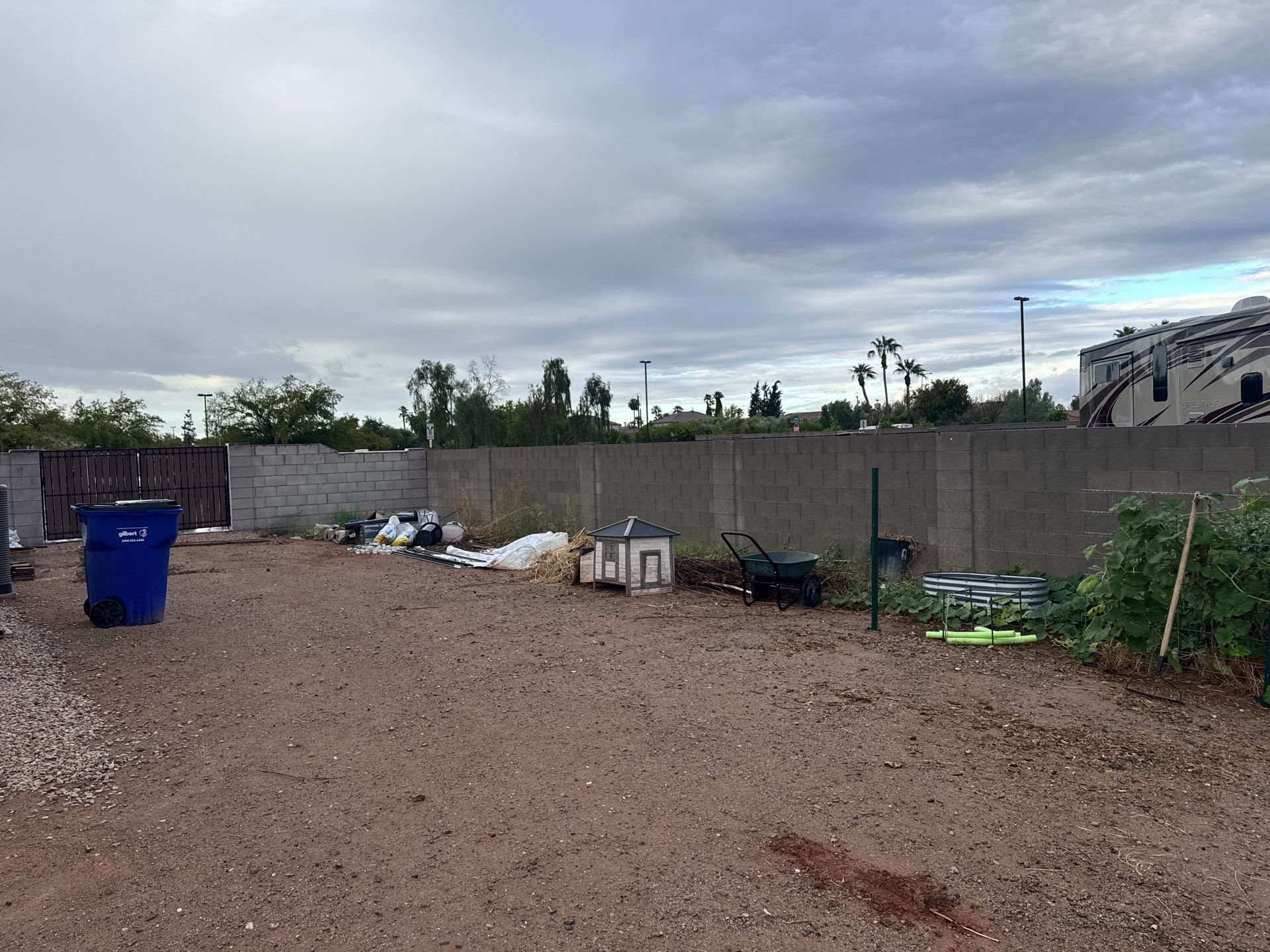
Back in this area, you already have mangos and papaya, and they'll work well here. You can definitely plant more.
Mangos would also do great in the flood irrigation area. You can plant them fairly close together, 5 to 6 feet apart is just fine. They thrive off each other, shading and protecting one another, and they'll look really good grouped together.
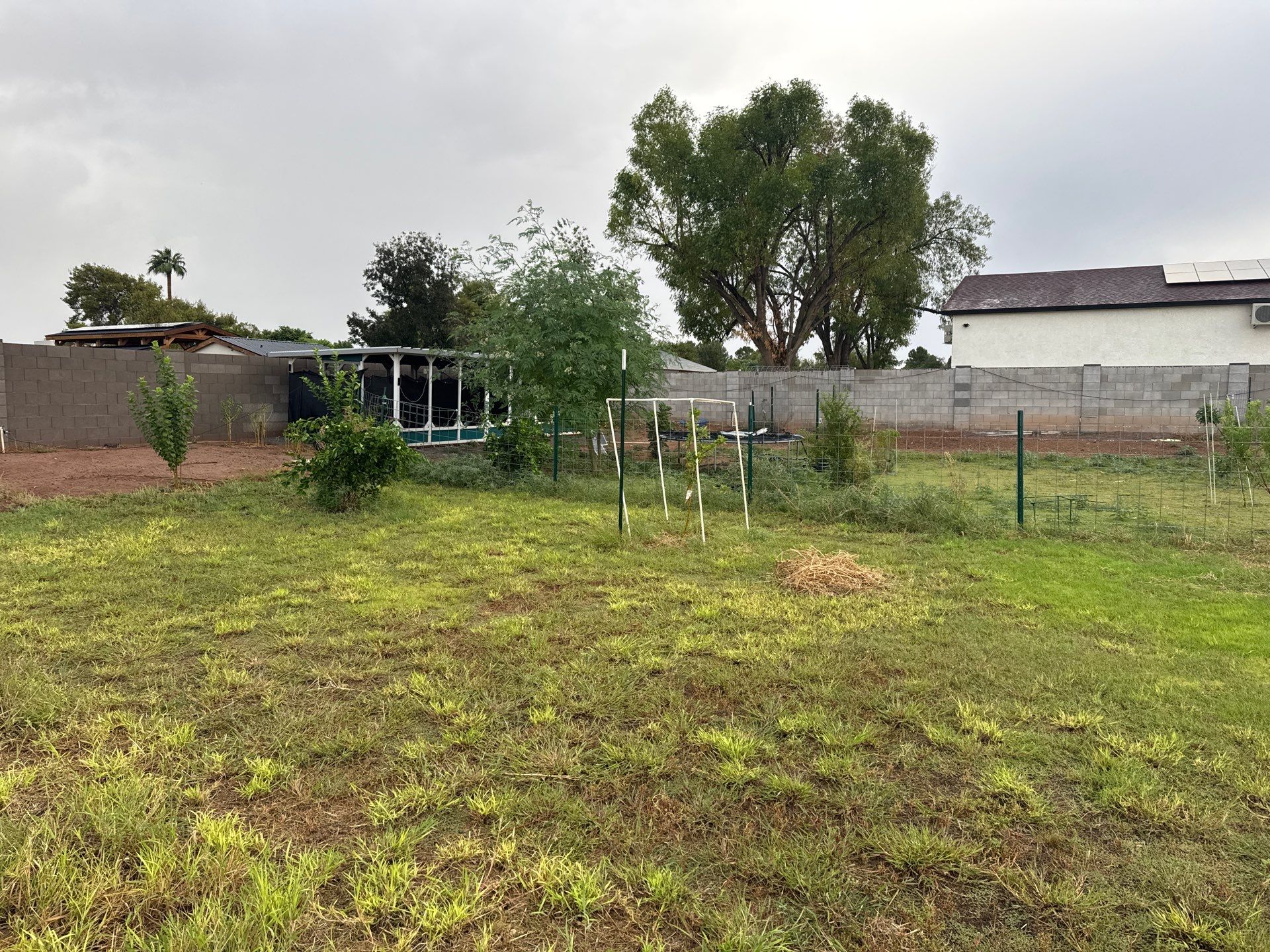

Mango
Tropical fruit tree, about 10 to 15 feet here. Planted close together, mangos shade and protect each other. Frost tender, so cover them on cold nights.
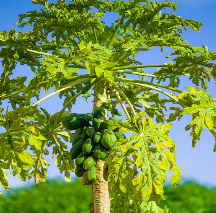
Papaya
Fast, single trunk tropical with big leaves and fruit year round once it's established. Very frost tender, so it needs cover any night that's forecast to get near freezing.
- The deep, periodic soak from flood irrigation is great for both.
- Both are frost tender. See the frost section below for what to cover.
- Plant them with the root flare slightly above grade, like the other trees.
Date palms
Right back in here is a good place for date palms. They love heat and deep water, and they'll throw good shade as they grow.
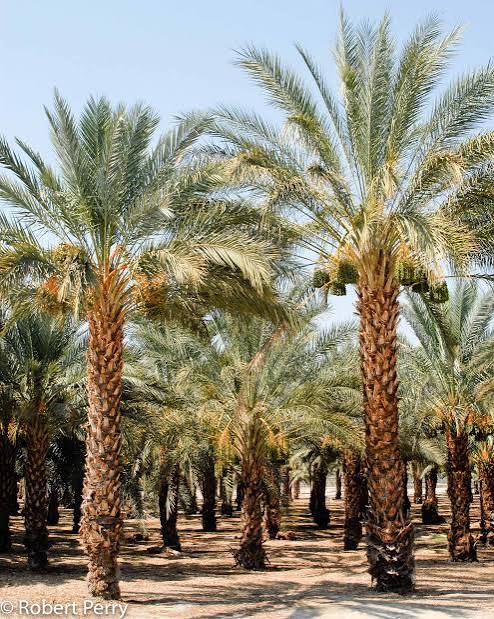
Date Palm
Grows tall over many years with big fronds that throw good shade. Female palms produce dates. They love heat and deep water, which makes the flood irrigation area a great spot.
Which dates are best
- Medjool: the big, soft, caramel-sweet date most people know. The most popular choice for home growers.
- Barhi: can be eaten fresh at the crunchy yellow stage or ripened soft. Very sweet and productive.
- Deglet Noor: a firmer, semi dry date that stores well.
- Khadrawy: one of my favorites. Soft, rich, and caramel sweet, on a smaller, compact palm that's easier to manage.
- Halawy: very sweet, honey like flavor, and a little smaller tree.
Pollination
Date palms are either male or female, and only the females make dates. To get fruit, you'll either need to purchase pollen or have a male and a female.
- Plant a male: one male can pollinate several females nearby.
- Or buy pollen: when the female flowers open in spring, usually February through April, dust the pollen onto the flower clusters, or tie a few strands of male flowers into each female cluster.
Plants around the pool
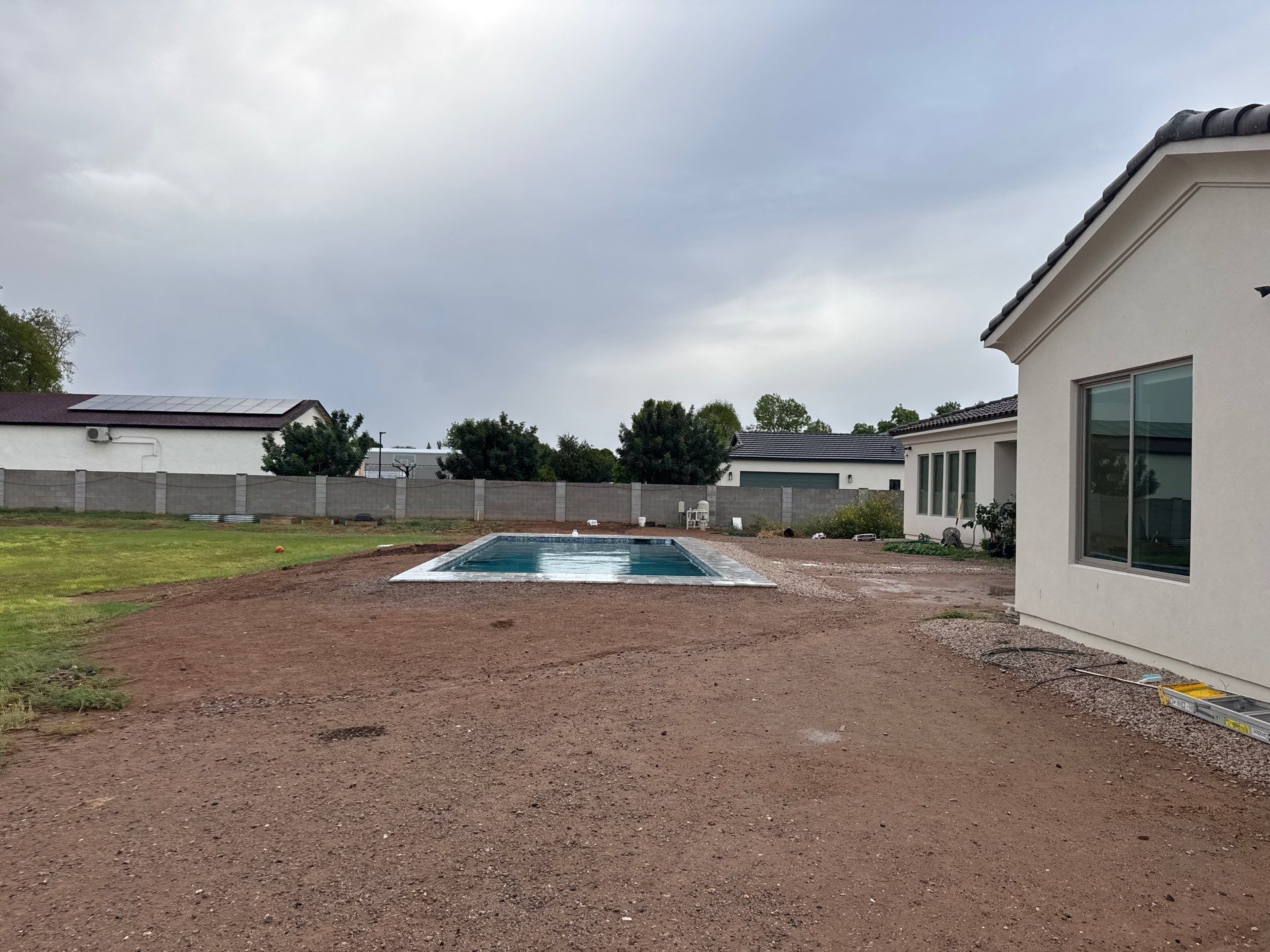
For the pool area, here are plants that will thrive in the heat, look good, and help cool things down. They're all low litter, so they won't fill the pool with leaves.
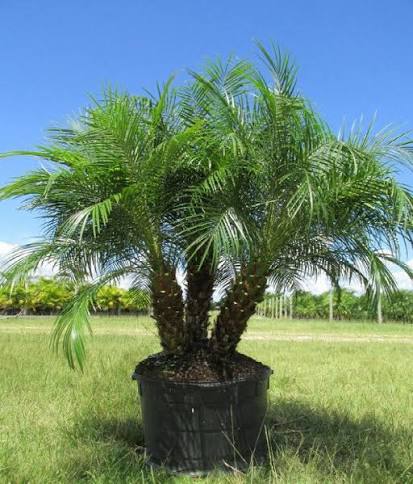
Pygmy Date Palm
Small, slow palm with soft fronds, 6 to 10 feet. Adds tropical height with almost no litter, and it matches the palms already by the pool.
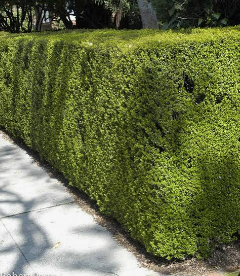
Dwarf Myrtle
Compact myrtle, 3 to 4 feet tall and wide, with small glossy leaves. Holds a tight, clean shape with little effort and drops very little, which makes it great by the pool. Plant about 3 feet apart.
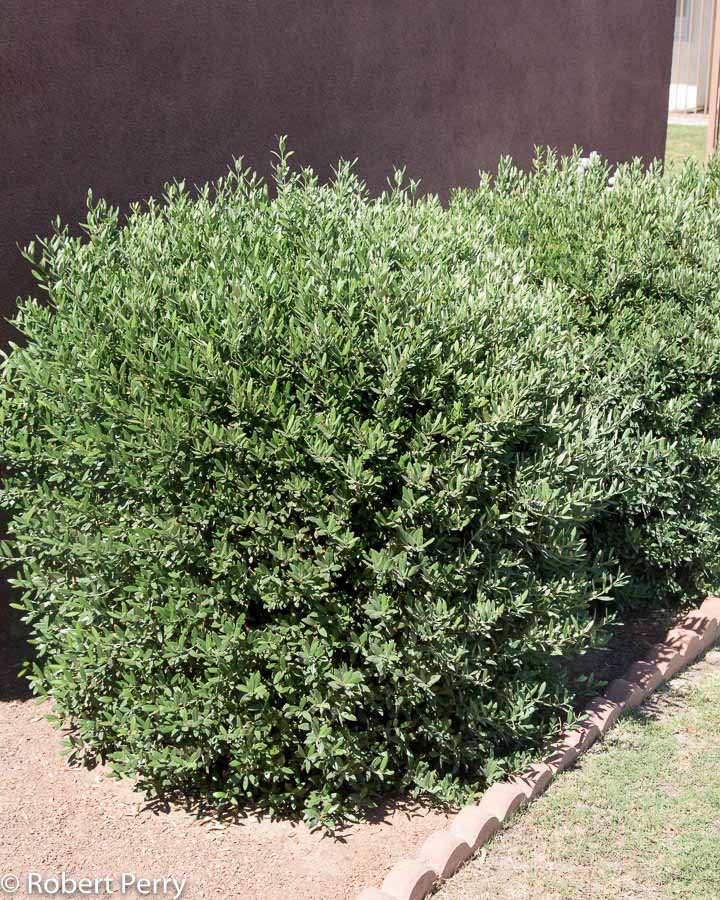
Little Ollie (Dwarf Olive)
Dwarf, fruitless olive with dense silvery green leaves. Naturally 4 to 6 feet, but it shears easily to hold at 3 feet, or it can be trained as a small tree. No fruit, no pollen, very low litter.
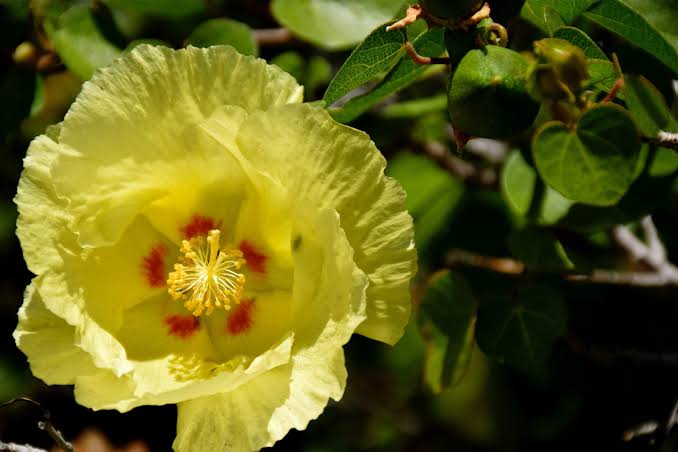
San Marcos Hibiscus
Native mounding shrub, 3 to 5 feet, with deep green leaves and lavender flowers most of the year. A lush look that takes full afternoon sun and heat.

Canna Lily
Big tropical leaves and tall flower spikes in red, orange, or yellow, 3 to 6 feet tall. Adds height and a lush look. Likes consistent water and handles hot sun with it. Cut spent stalks to the ground.
Emu Bush (Outback Sunrise)
Low and spreading, under a foot tall and 4 to 6 feet wide. Gray green leaves with orange red flowers winter through spring that hummingbirds love. Takes full sun and reflected heat and drops very little.
Myoporum
Dense, lush green mat that spreads 6 to 9 feet wide with small white flowers. Fastest way to cover a lot of ground with fewer plants. Space them 5 to 6 feet apart.
My approach with a desert landscape is to add a lot of different plants for diversity. They don't need to be strategically placed. A little sporadic looks good and fuller. Keep lower growing plants near walkways and under trees. Other than that, just do your thing and don't stress about placement.
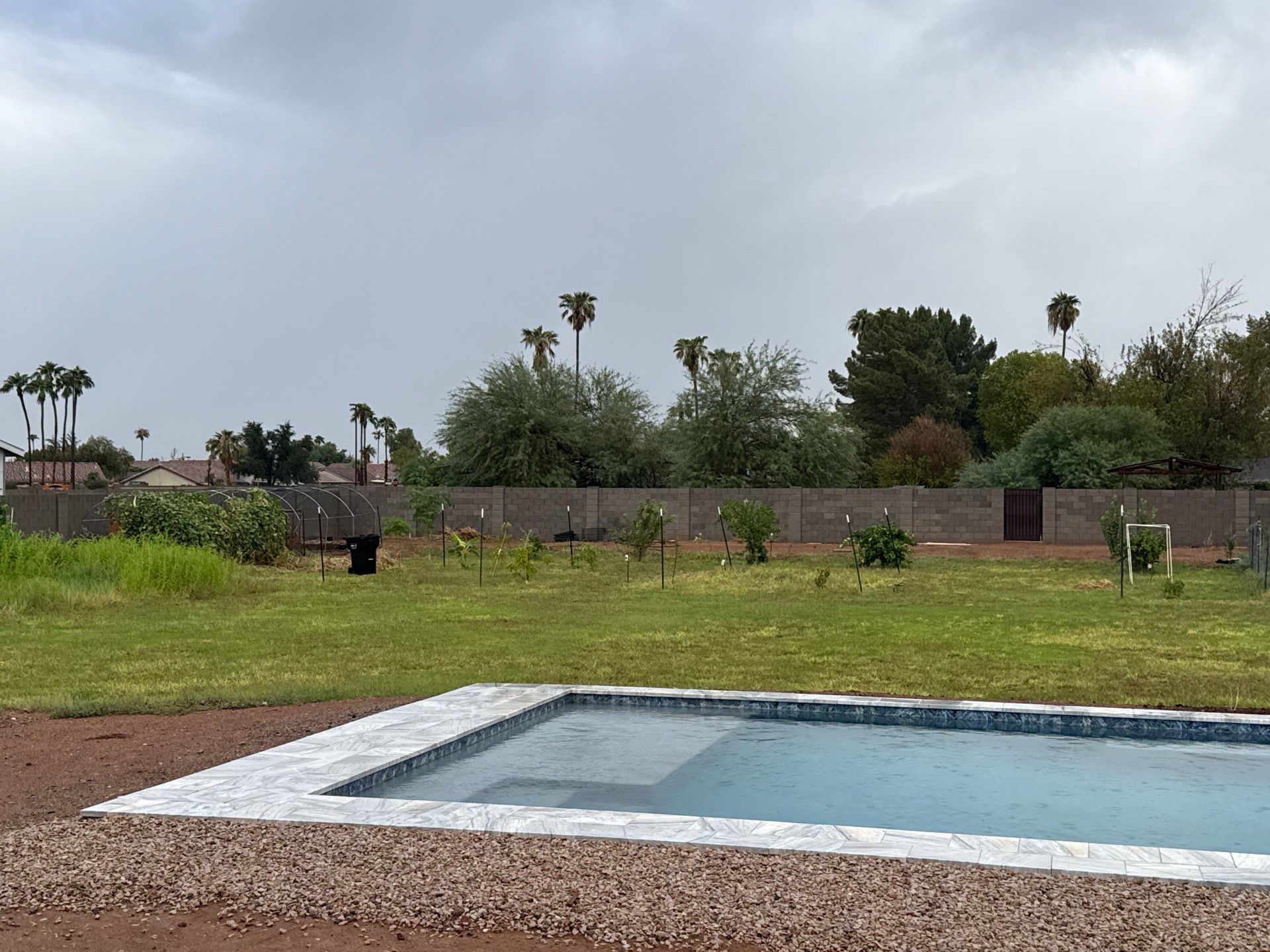
What to cover on frost nights
Here's a list of what needs to be covered on cold nights and what doesn't. Cover anything on the first list any night that's forecast to get near freezing.
Cover these

Banana
Big tropical leaves and fruit once it's established. Frost burns the leaves back, so cover it on cold nights. It regrows from the base if it does get hit.
Guava
Tropical shrub or small tree, 10 to 15 feet, with fragrant fruit in late summer and fall. Frost tender, so it needs cover on cold nights.
Papaya
Fast, single trunk tropical with big leaves and fruit year round once it's established. Very frost tender, so it needs cover any night that's forecast to get near freezing.
Mango
Tropical fruit tree, about 10 to 15 feet here. Planted close together, mangos shade and protect each other. Frost tender, so cover them on cold nights.

Passion Fruit
Fast growing vine with showy flowers and fruit through summer and fall. Climbs a fence or wires quickly. Frost tender, so cover it on cold nights.
Barbados Cherry
Shrub, 6 to 10 feet, with glossy green leaves, small pink flowers, and bright red, tangy cherries several times a year. Loves full sun and heat. Protect it on frosty nights while it's young.
Young citrus also need cover for their first couple of winters.
Don't need to be covered
The stone fruits and the other deciduous fruit trees lose their leaves and go dormant in winter, so the cold doesn't hurt them. In fact they need the cool weather. That includes peaches, plums, apricots, figs, pomegranates, mulberries, jujubes, and grapes.
How to cover
- Use frost cloth, not plastic. Plastic touching the leaves transfers the cold and can burn them.
- Drape it all the way to the ground so it traps the warmth coming up from the soil.
- Cover in the evening and take it off in the morning once it warms up.
- Water the day before a freeze. Moist soil holds heat better than dry soil.
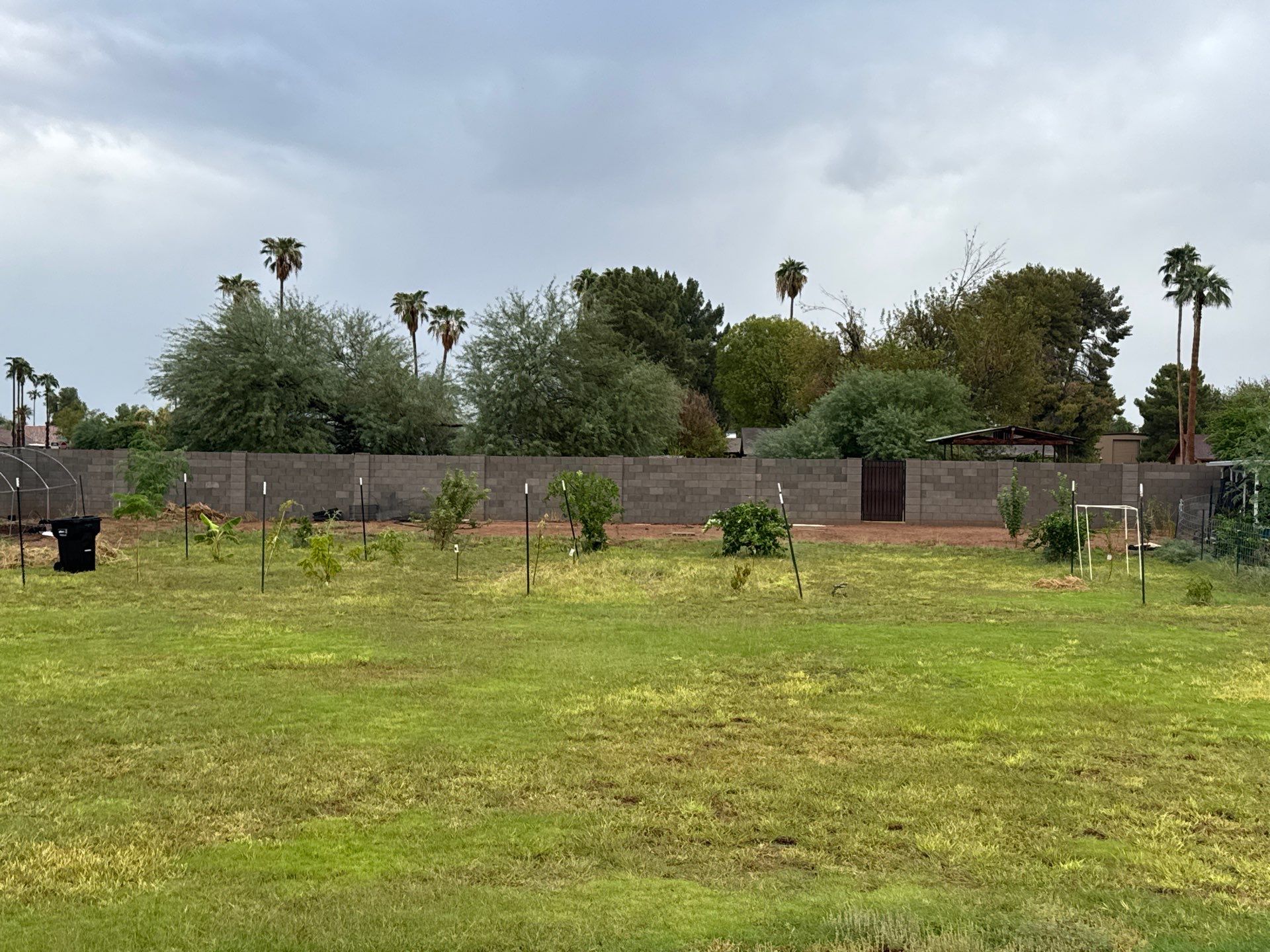
Vines for the back wall
Against this south facing back wall, vines are a great fit. For fruit, passion fruit and grapes. For flowers, tangerine crossvine and Lady Banks rose.
Passion Fruit
Fast growing vine with showy flowers and fruit through summer and fall. Climbs a fence or wires quickly. Frost tender, so cover it on cold nights.
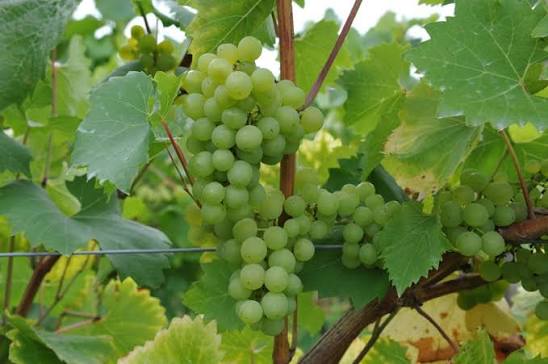
Thompson Seedless Grape
Green, sweet, seedless grapes that ripen in early summer before the worst of the heat. A reliable producer here. Loses its leaves in winter.
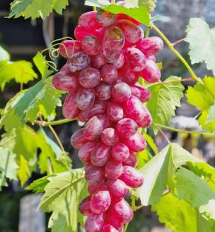
Flame Seedless Grape
Red seedless grapes, crisp and sweet. Ripens early summer and handles our heat well.

Tangerine Crossvine
Evergreen vine with orange trumpet flowers in spring and on and off through the year. Self clinging, fast, and takes the heat.
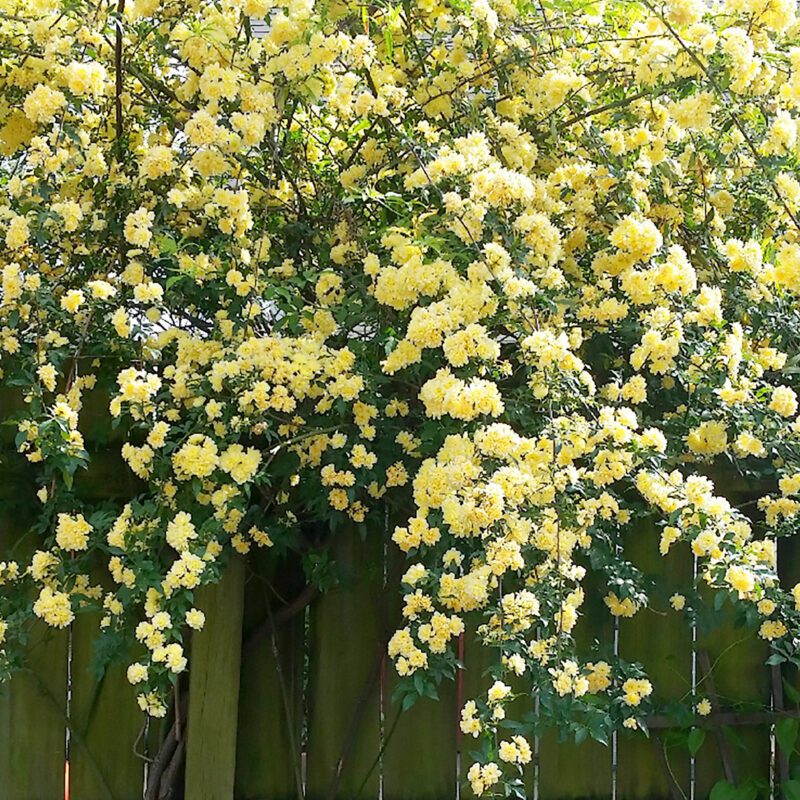
Lady Banks Rose
Thornless climbing rose covered in small yellow flowers in spring. Vigorous, tough, and easy to train along a wall or fence.
- Run a few horizontal wires along the wall on brackets for the passion fruit, grapes, and Lady Banks to climb. Crossvine clings on its own.
- Plant about a foot out from the wall and lean the vine in toward it.
- Grapes fruit on new growth, so prune them hard every winter while they're dormant.
You can't fit all of these. Pick your favorites and repeat them along the wall.
Crape myrtle
You asked about crape myrtle. Here on the east side of the house would be a very good spot for it. It gets the microclimate the house creates, and it gets afternoon shade, which is exactly what crape myrtles need to do well here.
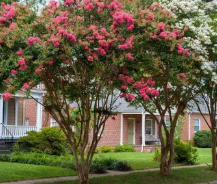
Crape Myrtle
Summer long clusters of pink, red, purple, or white flowers, smooth peeling bark, and good fall color. Does best here with afternoon shade and regular deep water, which is why the east side of the house is the right spot.
- Give it regular deep water and plenty of compost and mulch. Crape myrtles struggle in our soil without it.
- Prune lightly in winter. Just remove crossing branches and suckers. Avoid cutting it back hard to stubs, which weakens the tree.
- Size: start with 15 gallon trees. Smaller trees establish faster and always end up being better trees long term than big boxed ones.
- Above grade: find the root flare, where the trunk widens into the roots, before you dig, and set the tree so the flare sits slightly above the surrounding ground. Dig the hole two to three times as wide as the root ball but no deeper.
- Backfill: native soil plus a tiny bit of compost in the hole, compost on top of the soil, then mulch over the compost, held a foot back from the trunk.
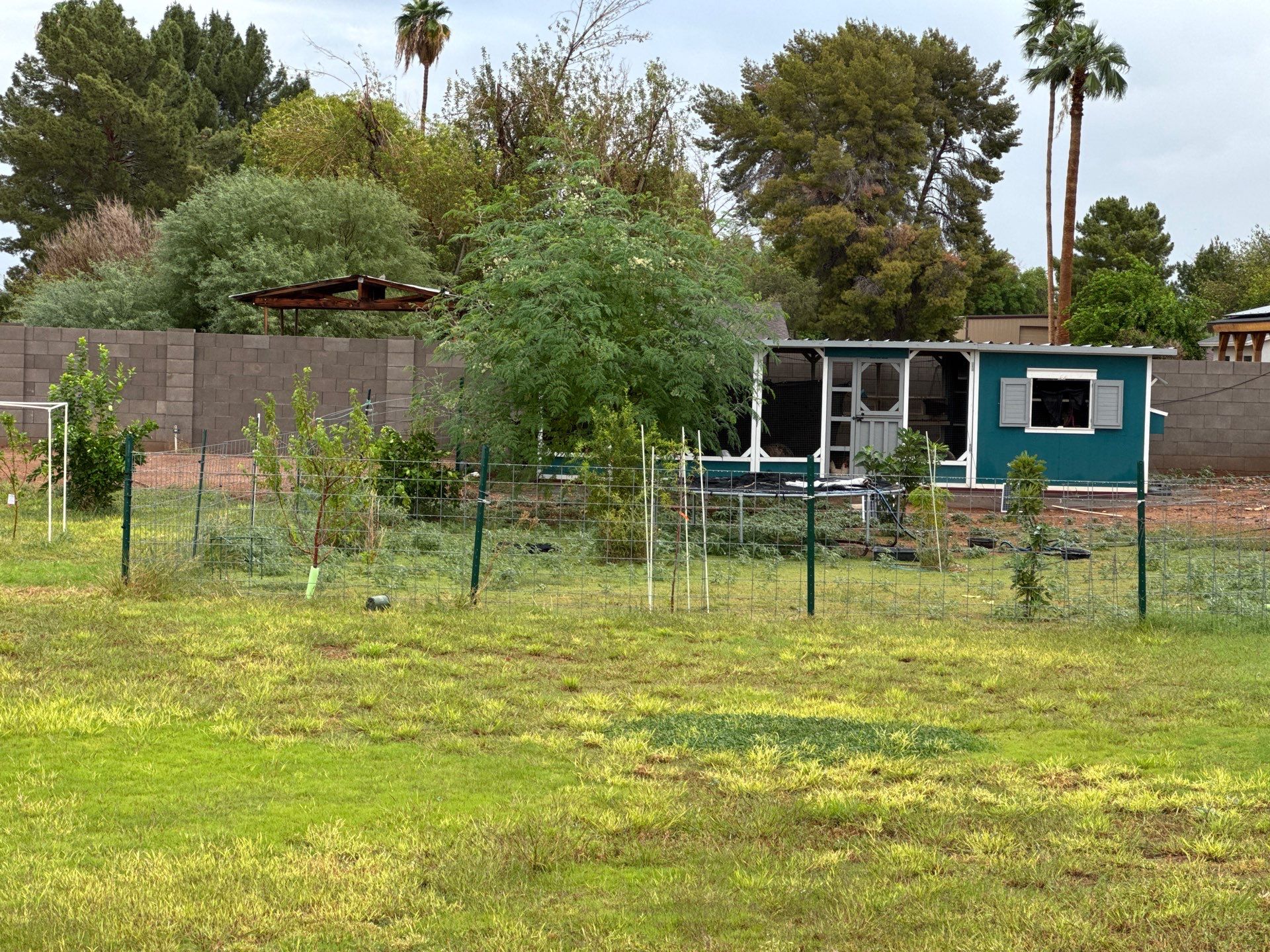
Vines for the fence
This fence is a great spot to grow vines. Here are some options that will cover it well.
Passion Fruit
Fast growing vine with showy flowers and fruit through summer and fall. Climbs a fence or wires quickly. Frost tender, so cover it on cold nights.
Thompson Seedless Grape
Green, sweet, seedless grapes that ripen in early summer before the worst of the heat. A reliable producer here. Loses its leaves in winter.
Tangerine Crossvine
Evergreen vine with orange trumpet flowers in spring and on and off through the year. Self clinging, fast, and takes the heat.
Lady Banks Rose
Thornless climbing rose covered in small yellow flowers in spring. Vigorous, tough, and easy to train along a wall or fence.
- Plant about a foot out from the fence and lean the vine in toward it.
- Tie the first stems loosely to the fence as they grow, then let them climb and spread.
You can't fit all of these. Pick a few favorites and repeat them so it looks intentional.
Fertilizing
Everything in this write-up comes back to the soil. Feeding is really about feeding the soil life. Fungi, bacteria, and worms break down organic matter and hand nutrients to the roots, which is what gets young fruit trees growing strong and producing, all without synthetic fertilizers. Here's the exact approach I use, so you can do it yourself.
- Compost, and be generous. On trees, spread it in a wide ring around the drip line, the outer edge of the canopy where most of the feeder roots are, from about halfway in to a couple feet past the edge. On shrubs, hedges, and vines, put it closer in, from a few inches off the stems out about a foot past the edge of the plant. Go 1 to 2 inches deep, and if you're unsure, go thicker rather than thinner. You really can't overdo quality compost. Do this three times a year: late winter (February), early summer (May), and fall (October).
- Worm castings every quarter. Every three months, scatter worm castings over the same areas: a few cups around each shrub and a couple pounds around the drip line of each tree. Castings are loaded with beneficial microbes that bring the soil to life. When it lines up with a compost round, put the castings down first and the compost right over them.
- A good organic fertilizer. These are the three products we use and recommend, all from Catalyst. Apply them at the label rate on the schedule each one gives.
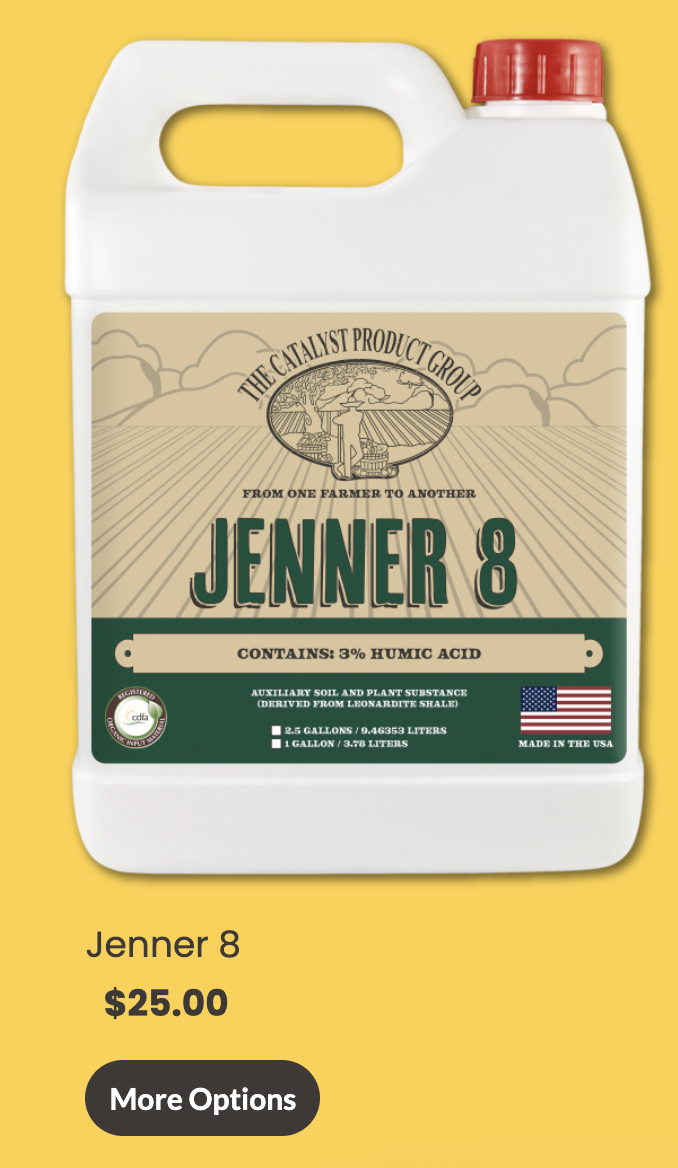
Jenner 8
Liquid organic feed for the whole landscape.
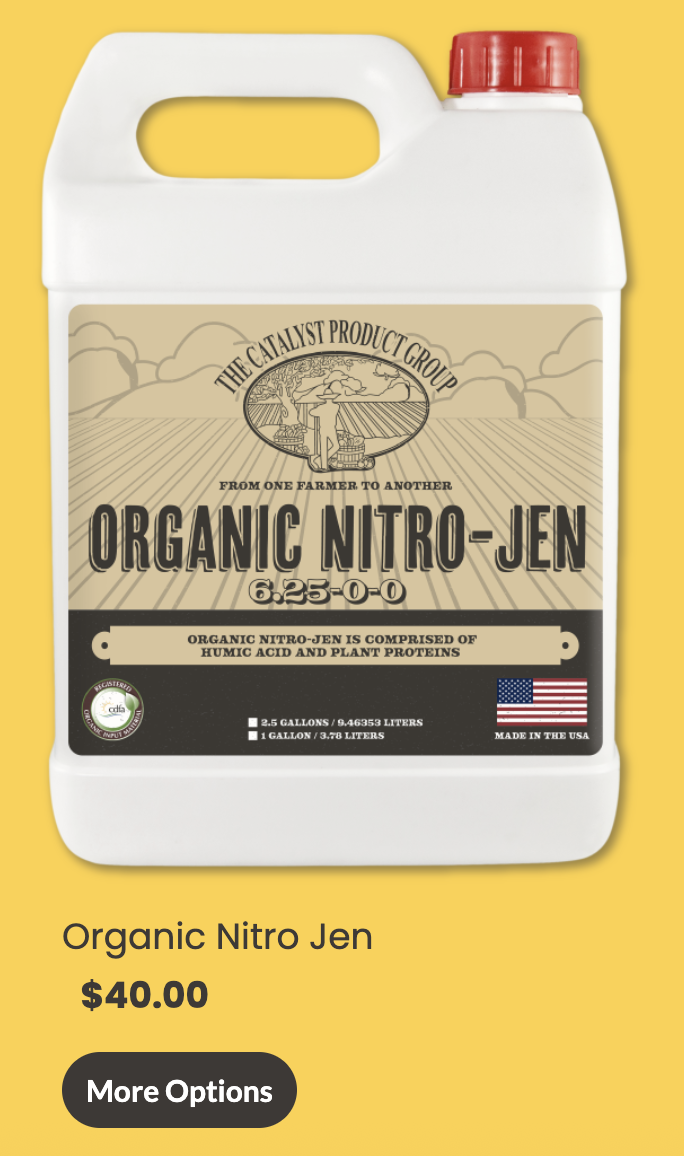
Organic Nitro Jen
Organic nitrogen to push healthy green growth.
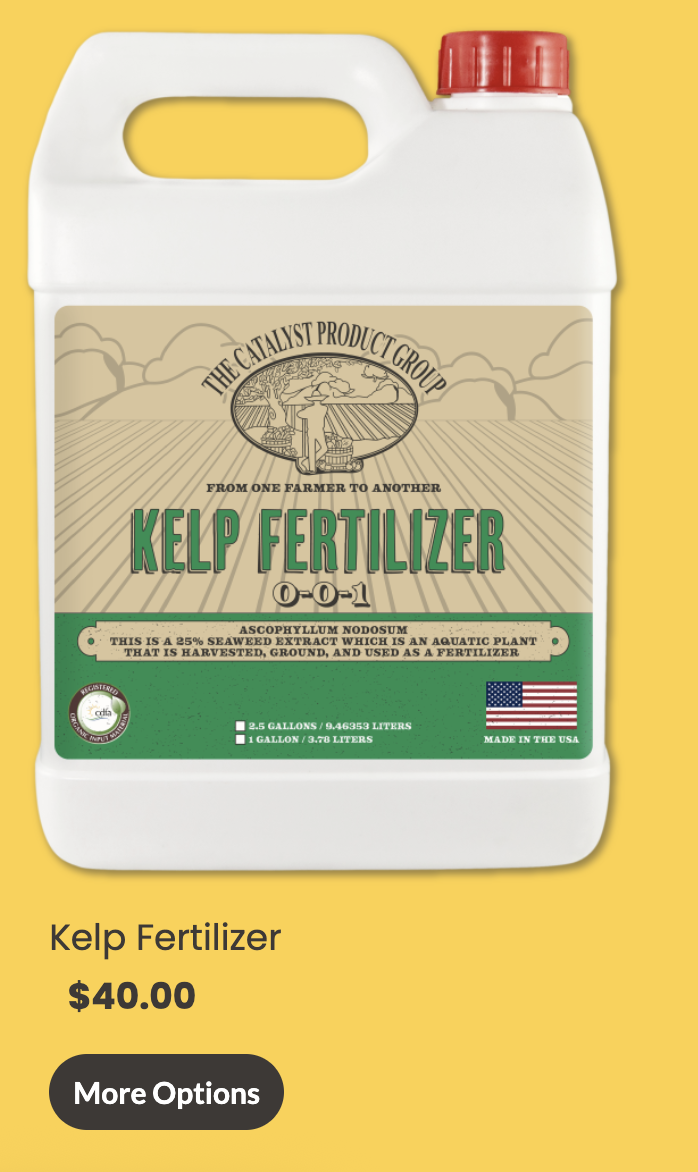
Kelp Fertilizer
Kelp based feed that supports roots and overall plant health.
You can find all three on the Catalyst website. Click Products, then Home and Garden.
- Water it all in. Give everything a deep watering right after you put it down so it soaks into the root zone.
- Mulch over the top. Mulch goes over the compost to keep it moist and cool so the soil life can do its work. Hold it a foot back from trunks and stems. No need to work any of it into the soil.
Compost, worm castings, and mulch are all at Arizona Worm Farm.
If you'd rather we handle it
Our monthly landscape fertilizing program feeds the whole yard for you.
- Covers all the plants and trees in the backyard (not including the lawn)
- Monthly compost based liquid feeding across the full landscape
- Compost applications three times a year
- A recap video sent to you after each visit
Quick reference
Organic fertilizers
Catalyst (Products, then Home and Garden)Compost, mulch, worm castings
Arizona Worm FarmTropical fruit trees
Greenlife NurseryRoot flare video
Why the root flare mattersOrange jubilee video
Watch on YouTubeIrrigation
Garrett: 480-678-9121Questions
Ask me anytime in the Garden Nerd ClubNext steps
You can take this list and do it yourself, and I'm right there in the Garden Nerd Club if you want a second set of eyes along the way. If you'd rather have us handle the planting or the root flare work, I can put together a proposal for you.
For anything irrigation related, call Garrett at 480-678-9121.
You can see more of what we do on our planting services page.