
Thanks for having me out, Linda. Below is everything we went over, in the order we walked the yard, with the details on each so you have it all in one place.
As a consult client, you're already in the Garden Nerd Club, so you have direct access to me there. If questions come up while you work through any of this, ask me there anytime.
Where to start
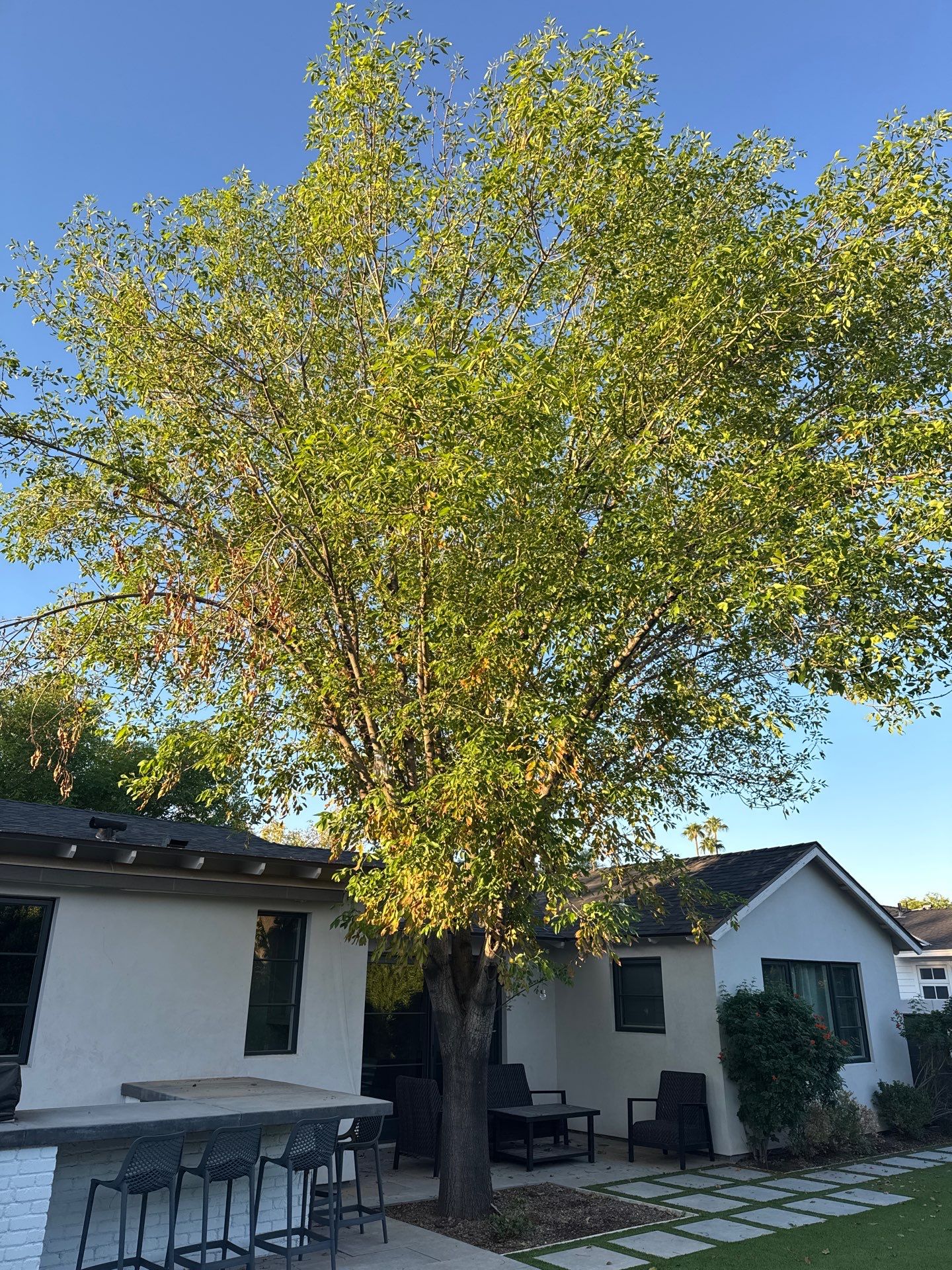
The ash tree: wait and see
This ash tree looks good. I'm not too worried about it. Let's see how it does through the winter as it loses its leaves, and then check on it again in spring when it leafs back out to see if it needs anything else.
For now, don't stress about it, and don't give it any more treatments. Keep up the regular watering and let it rest.
Some yellowing and leaf drop through fall and winter is normal. Ash trees are deciduous. What we'll be watching for in spring is how evenly it leafs out and whether any branches stay bare.
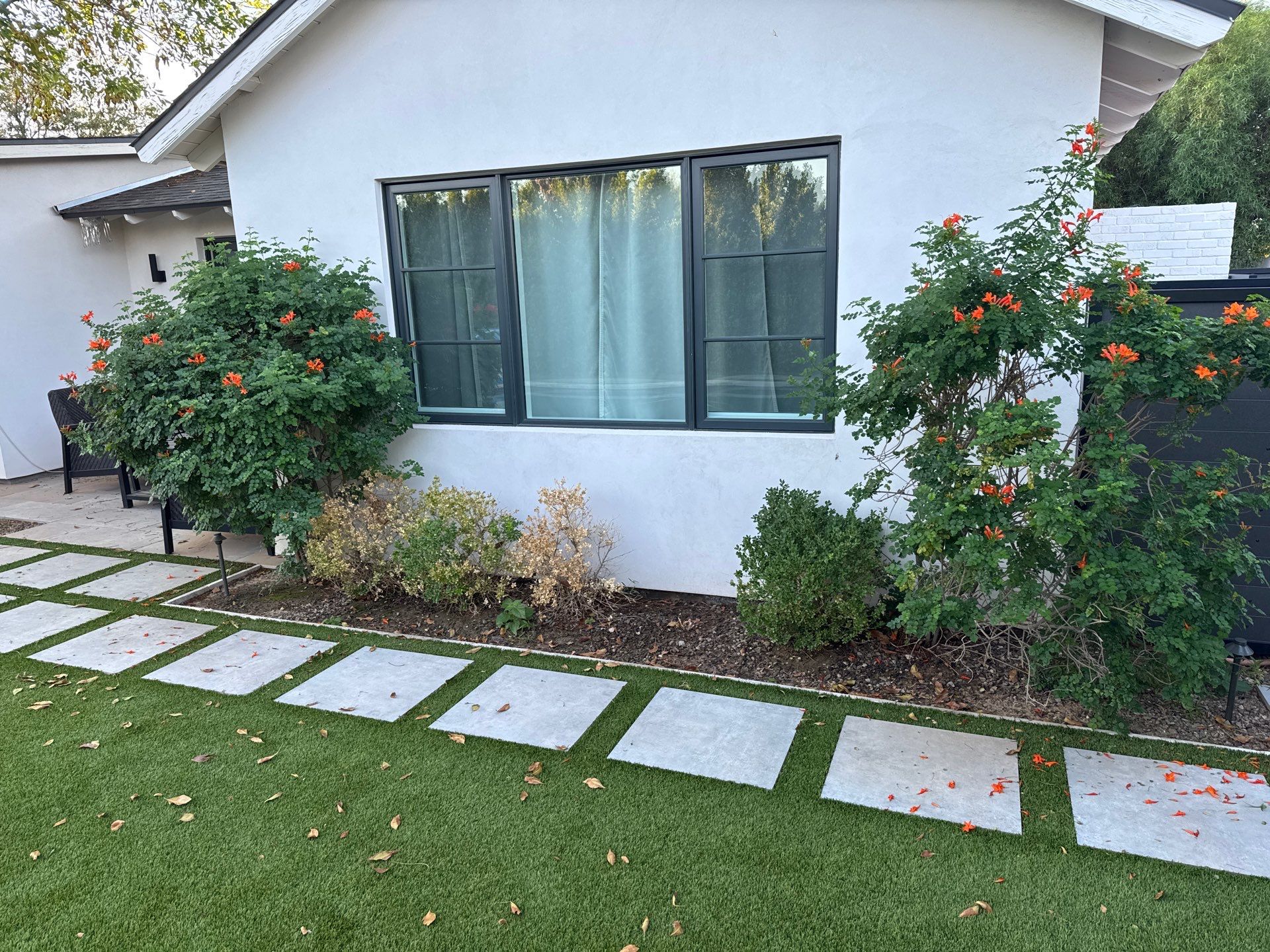
Let the honeysuckles grow and replace the shrubs between them
Stop pruning the honeysuckles here and let them grow in more naturally. They'll fill out and flower a lot more once they're not being cut back.
The shrubs in between them aren't doing great. Desert adapted plants like chuparosa and cape plumbago would be good replacements. There's only room for one kind in these spots, so pick one of the options below and use it in each gap.
Chuparosa
Native with green stems and red tubular flowers through winter and spring. A hummingbird favorite, handles sun or part shade, and takes less water than plants that aren't desert adapted.
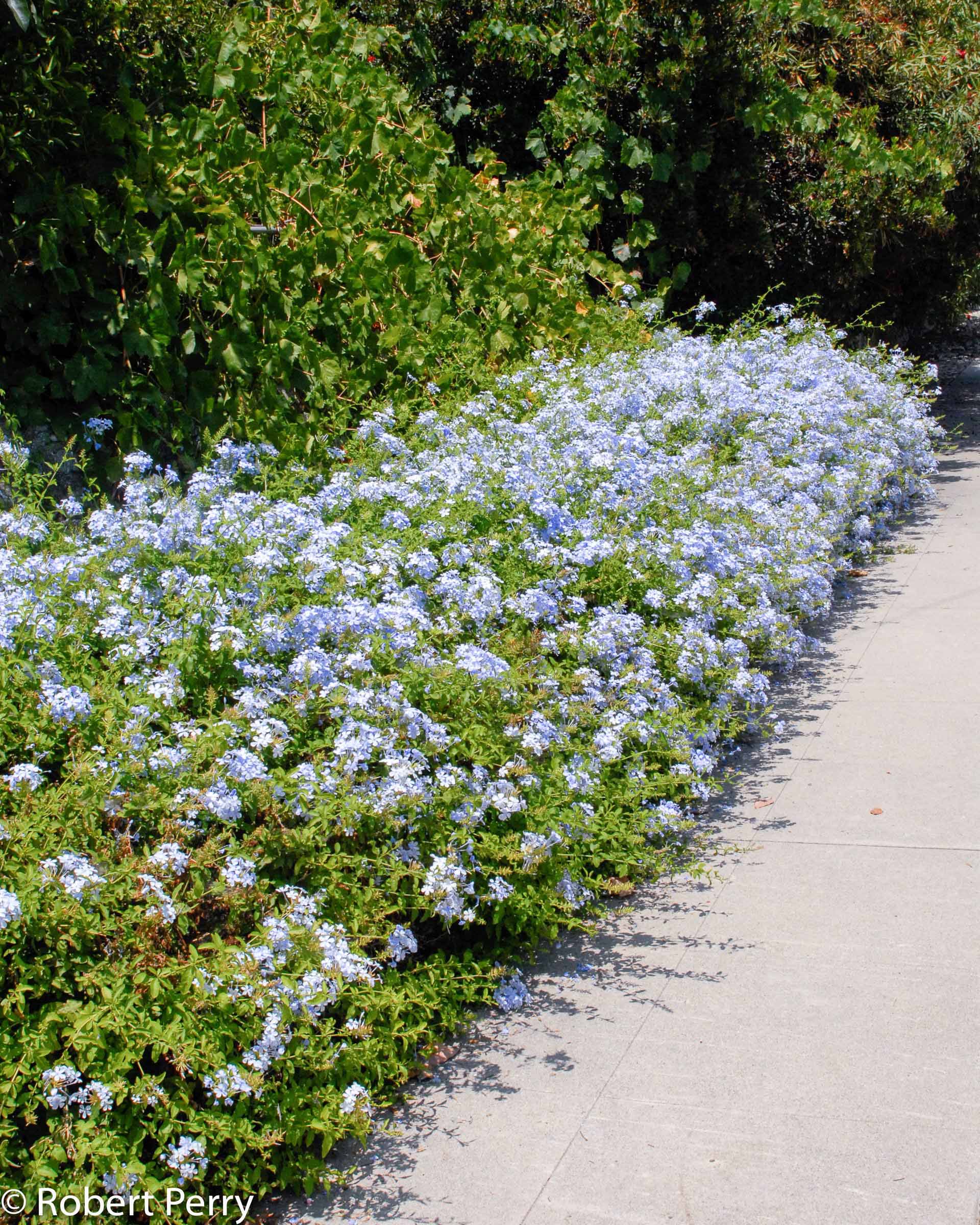
Cape Plumbago
Mounding, 3 to 4 feet, with sky blue flowers spring through fall. Holds a hedge shape well and takes full sun with regular water.
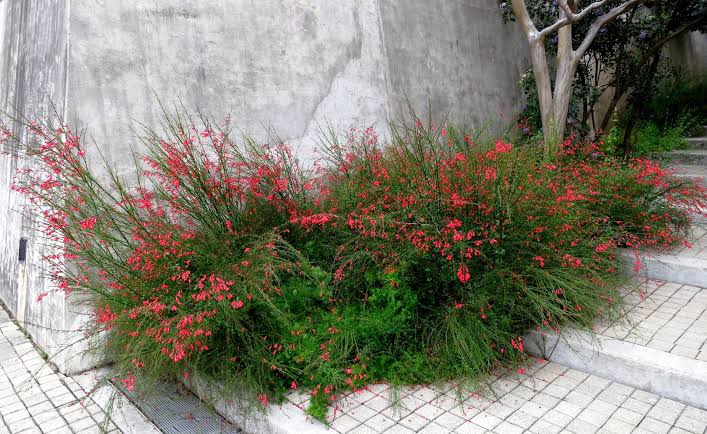
Firecracker Plant
Arching green stems with bright red tubular flowers most of the year. Handles part shade well and hummingbirds love it. About 3 to 4 feet.
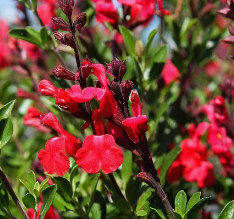
Autumn Sage
Compact, 2 to 3 feet, with red, pink, or coral flowers fall through spring. Takes full sun and can be sheared into a tidy low border.
Pick just one of these and use it in every gap so it reads clean.
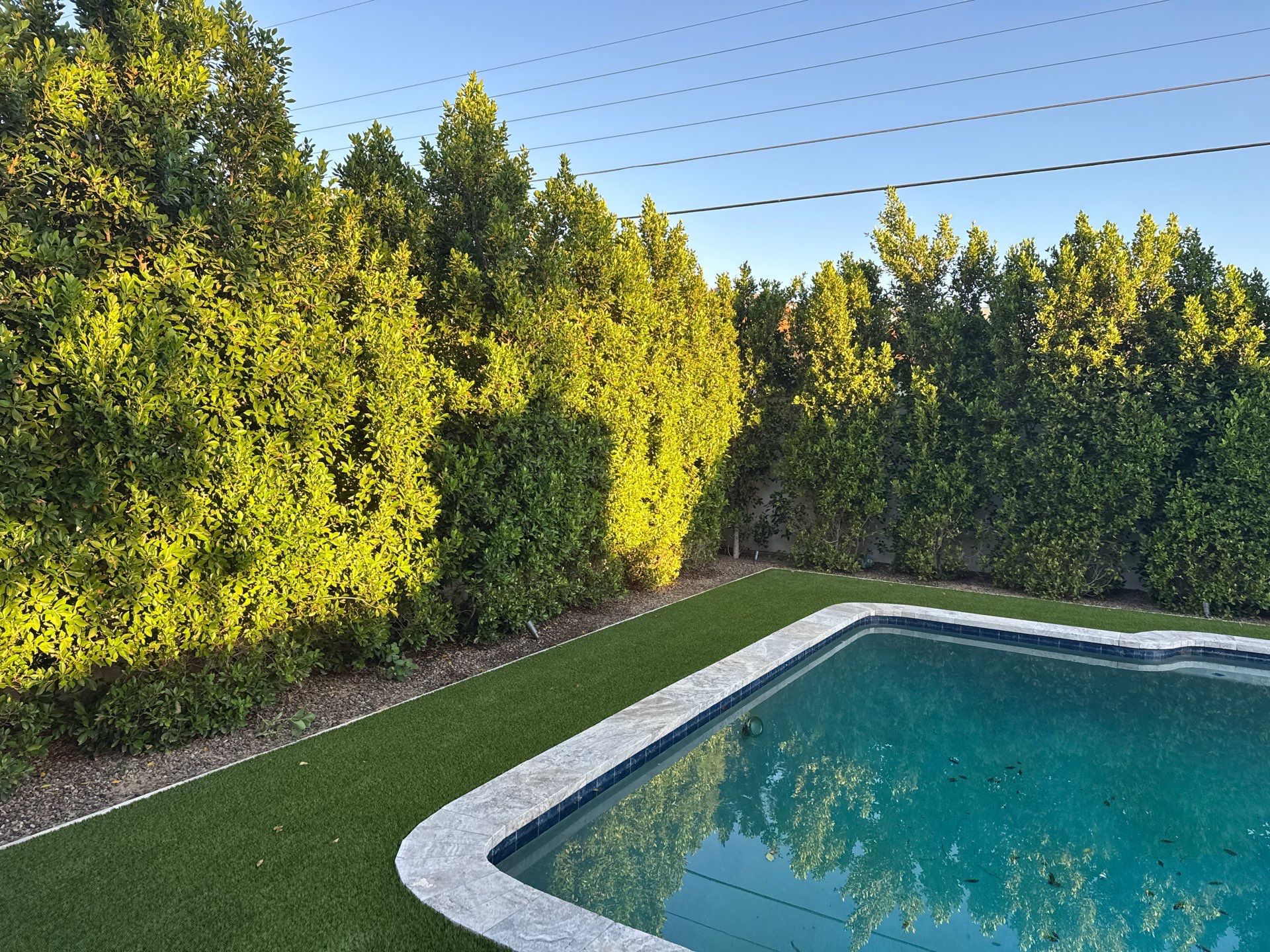
The ficus: let them go free form
With the ficus, stop trimming them on a regular basis. Trim them in October and again in April, and that's it. In between, leave them alone. Constant trimming keeps them stressed and thin. Two trims a year lets them fill out and stay healthy.
Take the tape and the stakes off all of them and let them grow free form now. They're established enough to stand on their own. Keep up the deep watering.
- Removing the stakes: cut the ties and pull the stakes. Check the trunks where the tape was for any rubbing or girdling and make sure nothing is left wrapped around the bark.
- Mulch over the rock: you can put mulch right on top of the rock along the ficus. It'll keep the roots cooler, hold moisture, and slowly feed the soil. It doesn't have to be thick. Even a couple of inches helps. Keep it a foot back from the trunks.
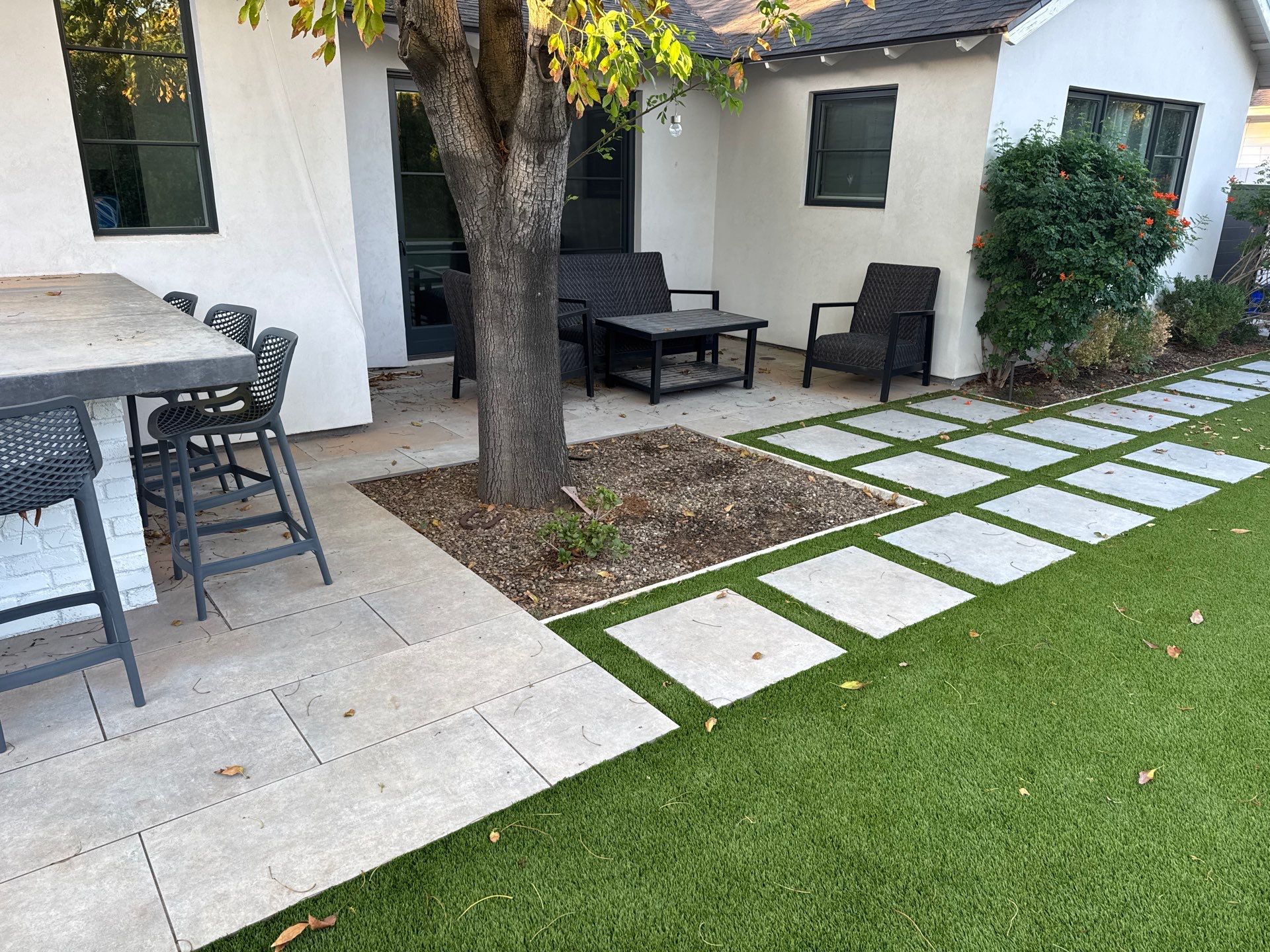
Planting under the patio ash
Under this ash tree, desert adapted plants like chuparosa and others that don't take tons of water would be a good fit. The canopy makes this a part shade spot, so these are options that handle filtered light.
Chuparosa
Native with green stems and red tubular flowers through winter and spring. A hummingbird favorite, handles sun or part shade, and takes less water than plants that aren't desert adapted.
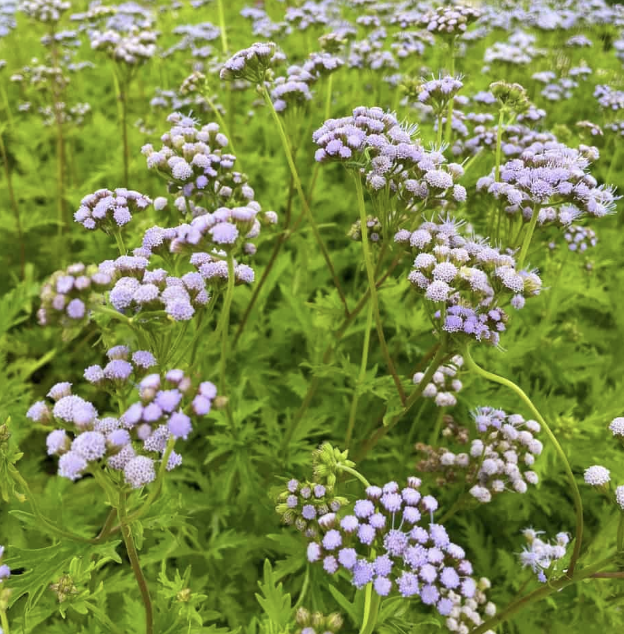
Gregg's Mistflower
Soft, mounding native covered in fuzzy purple flowers spring through fall. Butterflies swarm it. Does well in sun or part shade and spreads over time, so give it room.
Firecracker Plant
Arching green stems with bright red tubular flowers most of the year. Handles part shade well and hummingbirds love it. About 3 to 4 feet.
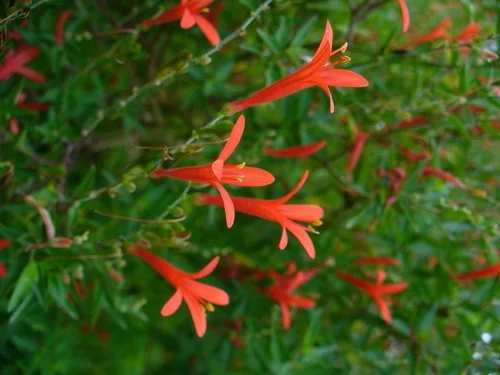
Desert Honeysuckle
Native, 3 to 4 feet, with orange tubular flowers summer through fall. Handles filtered shade under trees and takes less water than plants that aren't desert adapted.
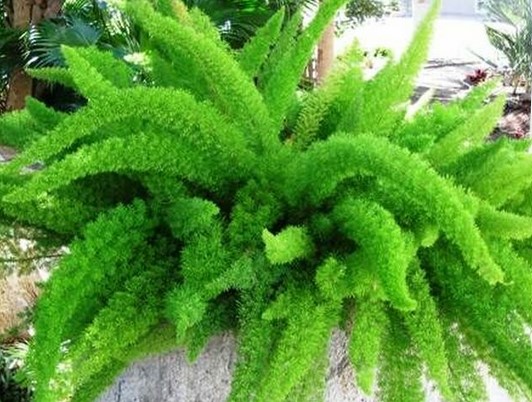
Foxtail Fern
Soft, upright plumes of bright green, about 2 feet tall. One of the best options for shade under trees. Tough once it's settled in.
Cape Plumbago
Mounding, 3 to 4 feet, with sky blue flowers spring through fall. Holds a hedge shape well and takes full sun with regular water.
You can't fit all of these. Pick two or three and group them in clusters.
Planting under an established tree
- Use smaller plants, 1 gallon or 5 gallon, so the holes are small and you don't cut through the tree's roots. If you hit a big root, move the hole over.
- Keep new plants at least 3 feet from the trunk.
- Don't add soil on top of the root zone or raise the grade around the tree. Plant at the existing level.
- Backfill with the native soil plus a tiny bit of compost, lay compost on top, then mulch over it, held back from the trunk and stems.
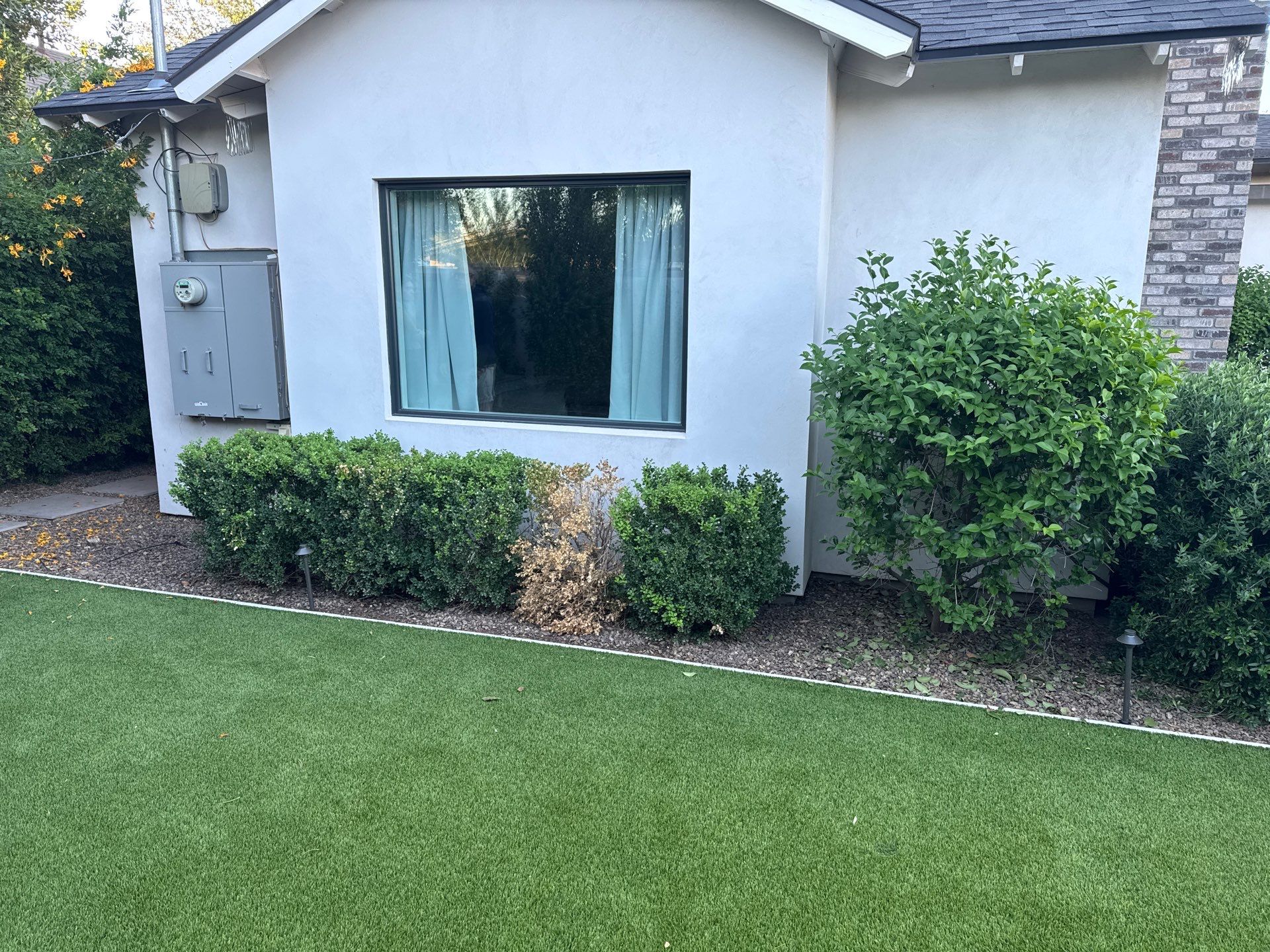
Fill in the gap and sort out the mulch
These are good plants for this spot. Just add another one where the one in the middle is struggling so the row fills back in.
You mentioned being worried about mulch getting blown around by the landscapers. There is a middle ground.
- Shredded bark: stringy shredded bark, sometimes sold as "gorilla hair," knits together into a mat once it settles. Leaf blowers and wind barely move it. This is the best fit here.
- Coarse wood chips: bigger, chunkier chips are heavier than fine mulch and stay put much better.
- Set it below the edge: keep the top of the mulch an inch or so below the edging so it's sitting in a slight basin.
- Talk to the crew: ask them to blow the beds on low or skip them. A quick conversation solves most of it.
Mulch: what, how much, and how
- What kind: natural wood mulch. Arborist chips, a mix of wood and leaves, are the best for the soil. Shredded bark works too. Skip dyed mulch.
- How deep: it doesn't have to be thick. Even an inch or two makes a real difference. Something is better than nothing, and any mulch is much better than rock. Go 3 inches where you can.
- Over rock: wherever possible, pull the rock and put mulch down instead. Every plant here will be happier for it. Where the rock is just a thin layer, you can lay mulch right on top of it.
- Keep it back: hold it a few inches off shrub stems and a foot back from tree trunks. Mulch piled against bark keeps it wet and invites rot.
- Compost first: for the best results, spread an inch of compost and lay the mulch over it. No need to work either one in.
- Top it up: mulch breaks down and feeds the soil, which is the point. Add a fresh inch or two every year.
- Where to get it: Arizona Worm Farm has good mulch and compost. We can also deliver and spread it for you at $150 per cubic yard.
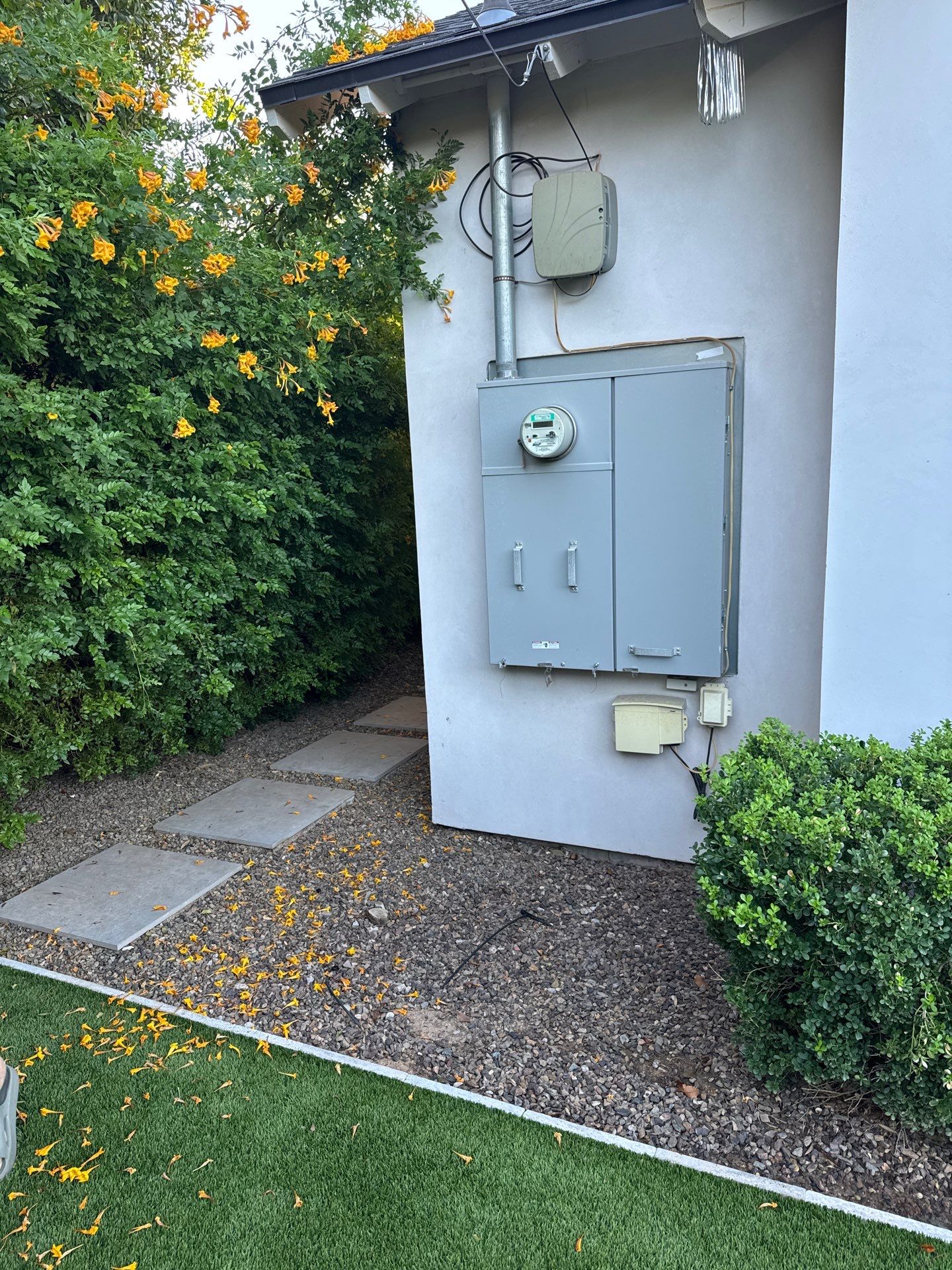
Replacing the old tree by the north wall
Here are some options to replace the old tree. This is a north facing wall, so it gets shade most of the day, especially in winter. Something that handles shade and stays a manageable size works best this close to the house.
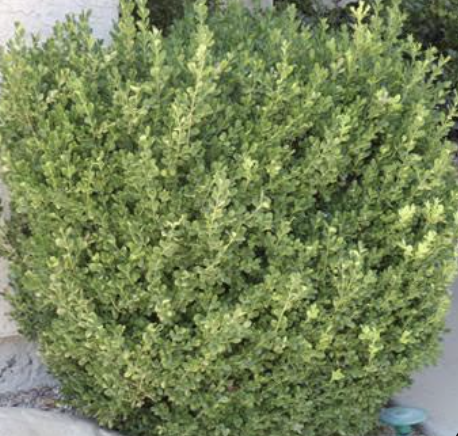
Japanese Privet (tree form)
Evergreen with glossy leaves and white flower clusters in spring. Grown as a small tree, 10 to 15 feet, it handles the shade of a north wall well.
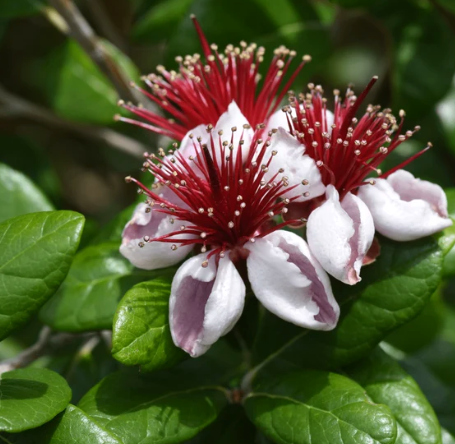
Pineapple Guava
Evergreen, 8 to 12 feet, with gray green leaves, edible flowers, and sweet fruit in fall. Can be grown as a small multi trunk tree and handles part shade.

Twisted Myrtle
Dense, fine textured evergreen with small glossy leaves and a light fragrance, 6 to 8 feet tall. Shears into a clean formal hedge or can be left natural. Handles full sun and part shade, and drops very little. Plant about 4 feet apart.
- Leave clear space in front of the electric panel and meter. The utility needs access, so check their clearance requirements before you plant.
- Keep it at least 6 to 8 feet from the house so the canopy and roots have room.
- Set it so the top of the root ball is level with the ground, never deeper. Backfill with native soil plus a tiny bit of compost, compost on top, then mulch, a foot back from the trunk.
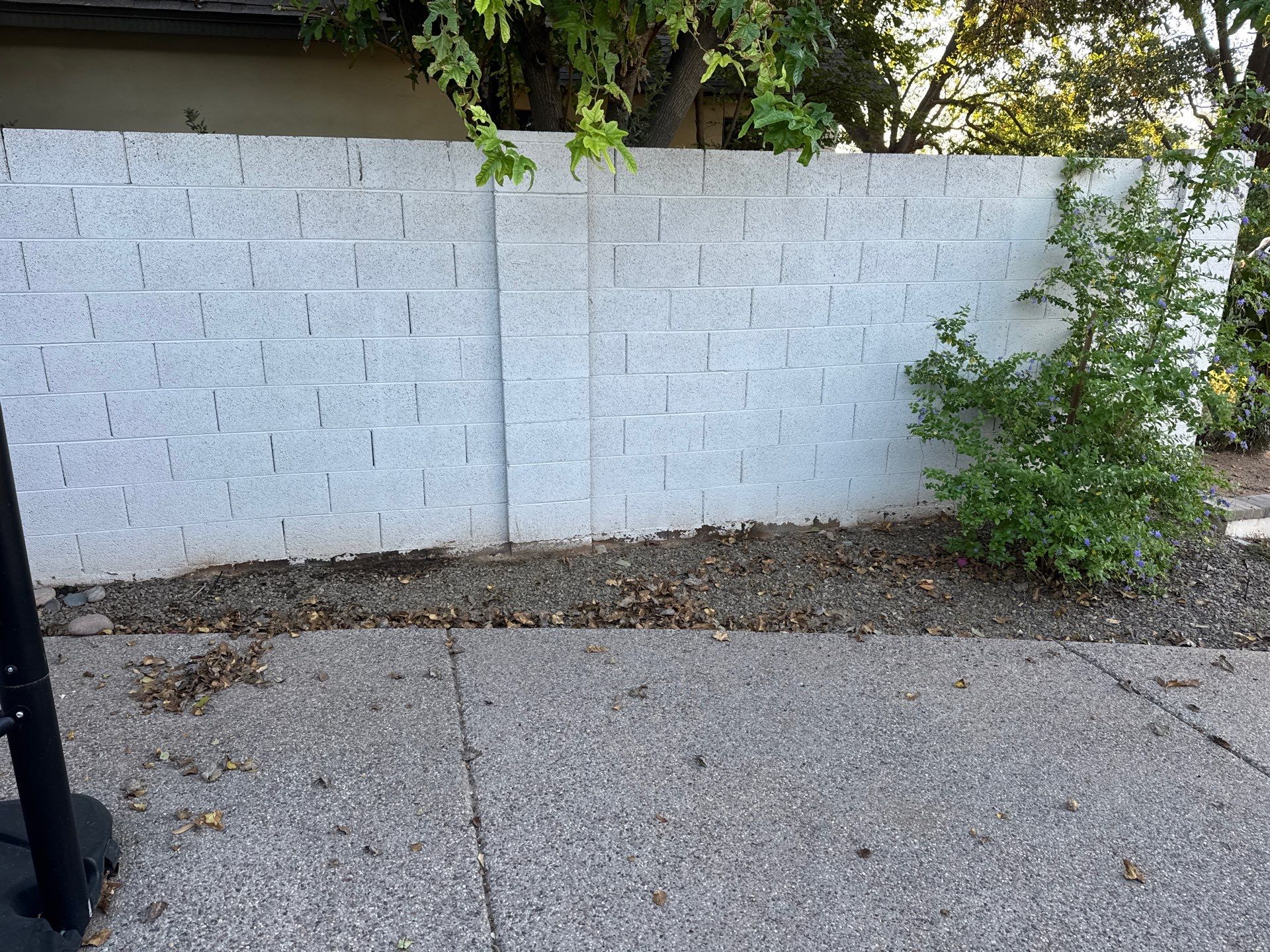
Planting along the basketball court wall
For this spot by the basketball court: it's east facing, so it gets morning sun and afternoon shade. You like the idea of lantana, and it's a great fit. Iceberg roses would work here too, and so would chuparosa and globe mallow, along with a few other desert adapted shrubs. Emu bush works well as a low ground cover in front of them.
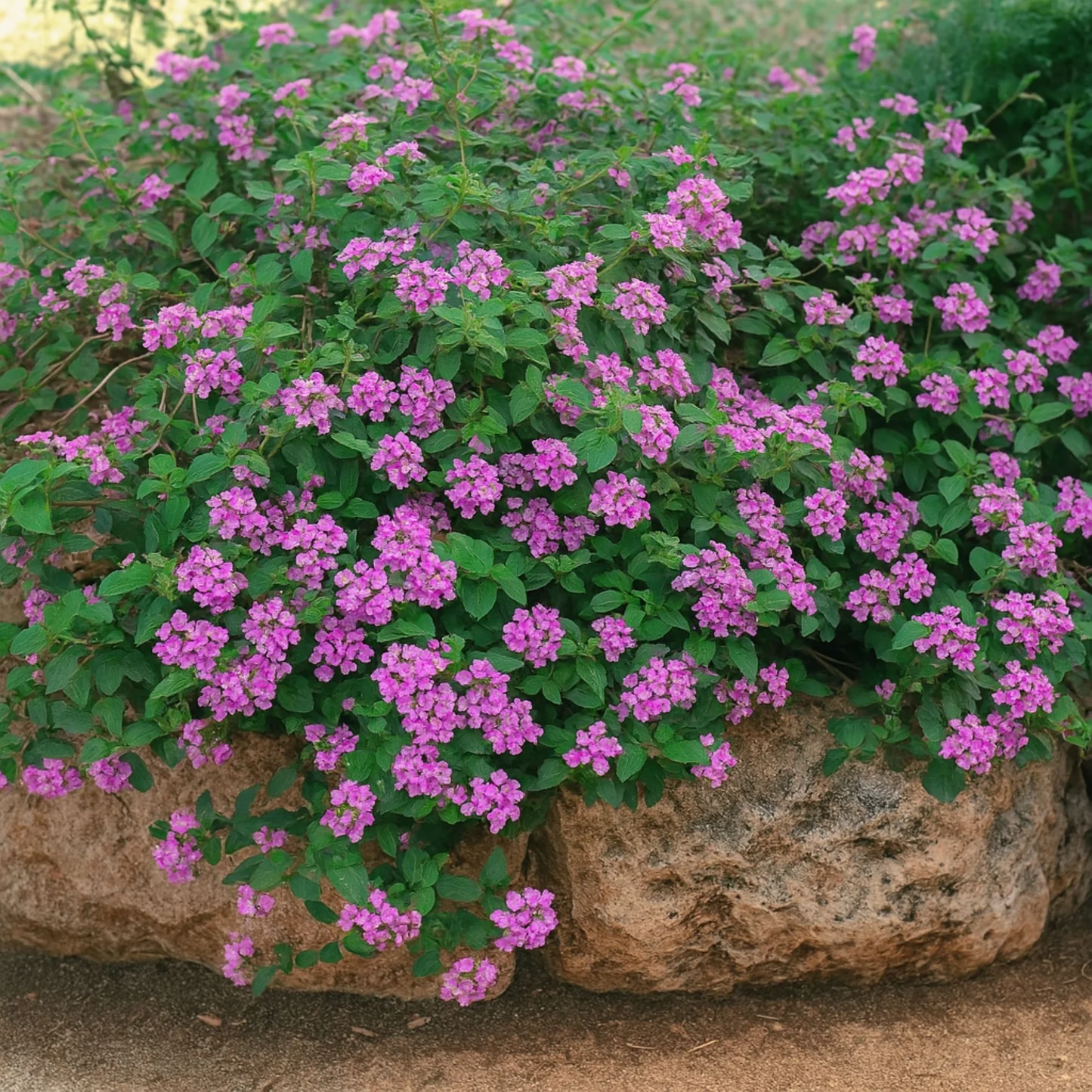
Lantana
Flowers spring through fall and a magnet for butterflies. Takes full afternoon sun and reflected heat. Mounding types hold a low hedge around 3 feet; trailing types make a ground cover. Frost can nip it; cut it back in late February and it flushes right back.
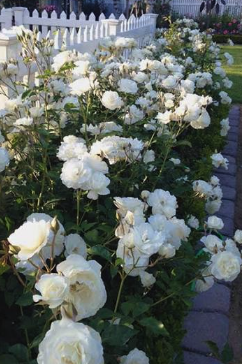
Iceberg Rose
White blooms almost nonstop spring through fall, and one of the most disease resistant, heat tough roses for the Valley. Grows 3 to 5 feet. Feed it well and keep it mulched.
Chuparosa
Native with green stems and red tubular flowers through winter and spring. A hummingbird favorite, handles sun or part shade, and takes less water than plants that aren't desert adapted.

Globe Mallow
Native with silvery leaves and cup shaped orange flowers in spring. Native bees love it. Best with good morning sun.
Gregg's Mistflower
Soft, mounding native covered in fuzzy purple flowers spring through fall. Butterflies swarm it. Does well in sun or part shade and spreads over time, so give it room.
Autumn Sage
Compact, 2 to 3 feet, with red, pink, or coral flowers fall through spring. Takes full sun and can be sheared into a tidy low border.
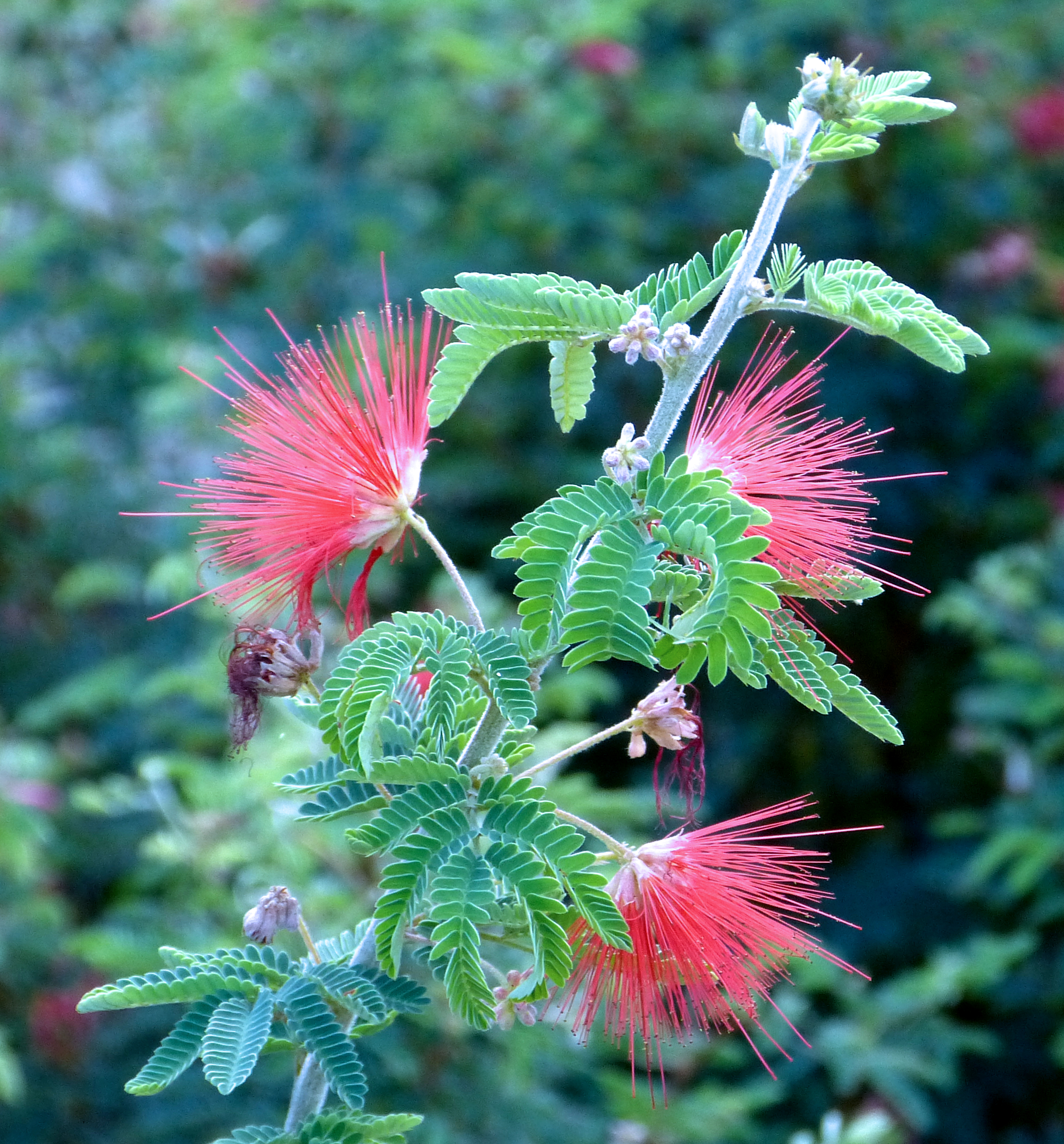
Baja Fairy Duster
3 to 4 feet tall with bright red puffball flowers most of the year that hummingbirds love. Takes full west sun and can be lightly sheared into a loose, informal hedge.
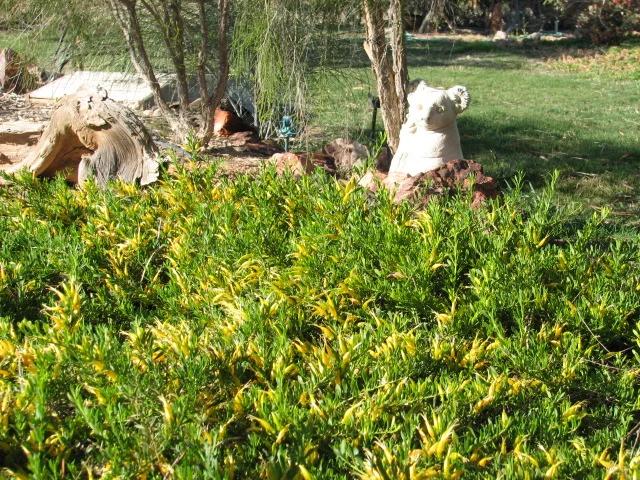
Trailing Emu Bush (Outback Sunrise)
Low and spreading, under a foot tall and 4 to 6 feet wide. Gray green leaves with orange red flowers winter through spring that hummingbirds love. Takes full sun and reflected heat and drops very little.
You can't fit all of these. Pick two or three and repeat them along the wall.
These all bounce back well if a ball lands in them.
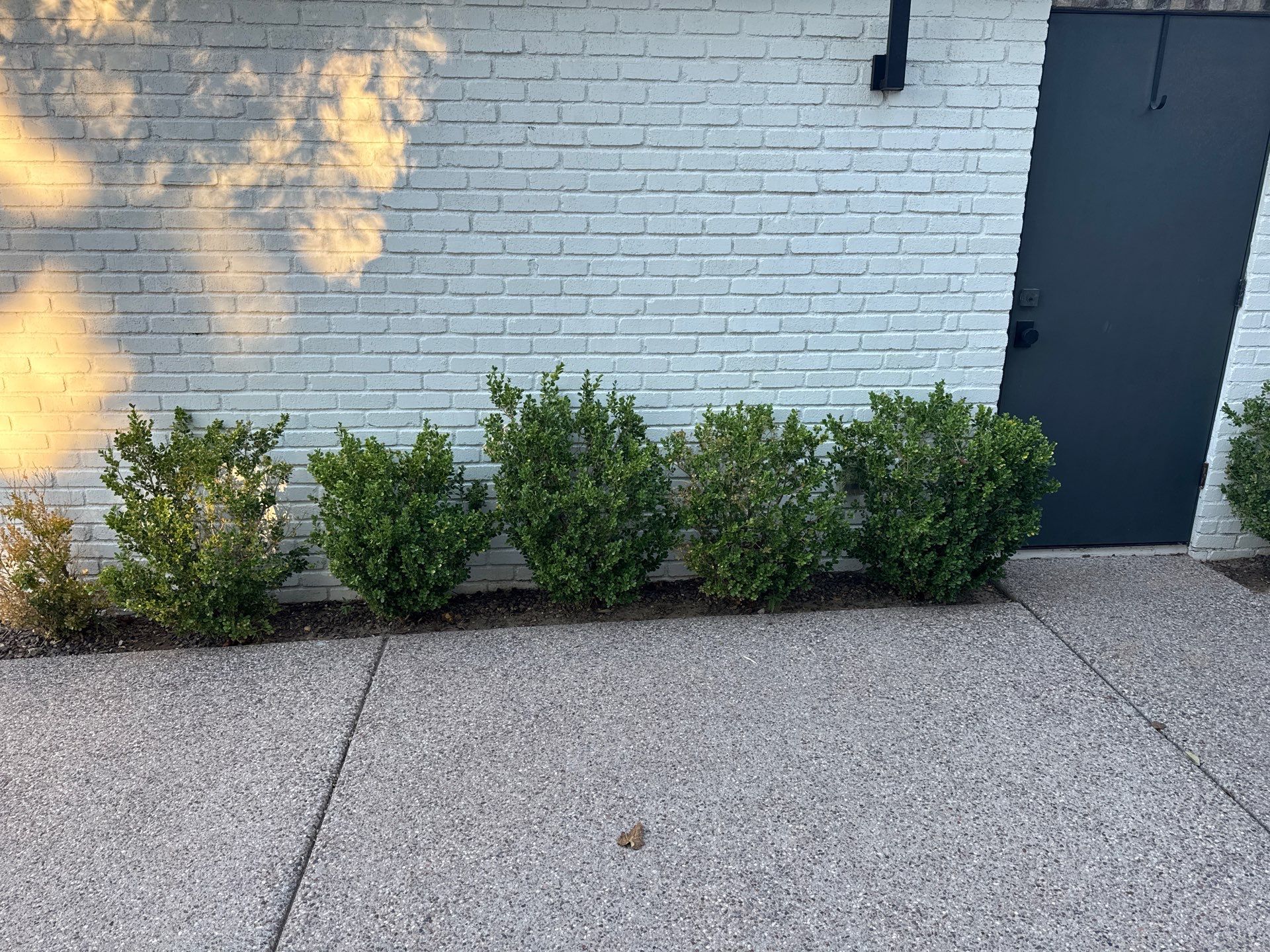
Mulch along the front bed
Mulch here would really help. It keeps the soil cool and moist, cuts down on weeds, and feeds the soil as it breaks down. These shrubs will hold up much better through summer with mulch around them instead of bare soil.
Mulch: what, how much, and how
- What kind: natural wood mulch. Arborist chips, a mix of wood and leaves, are the best for the soil. Shredded bark works too. Skip dyed mulch.
- How deep: it doesn't have to be thick. Even an inch or two makes a real difference. Something is better than nothing, and any mulch is much better than rock. Go 3 inches where you can.
- Over rock: wherever possible, pull the rock and put mulch down instead. Every plant here will be happier for it. Where the rock is just a thin layer, you can lay mulch right on top of it.
- Keep it back: hold it a few inches off shrub stems and a foot back from tree trunks. Mulch piled against bark keeps it wet and invites rot.
- Compost first: for the best results, spread an inch of compost and lay the mulch over it. No need to work either one in.
- Top it up: mulch breaks down and feeds the soil, which is the point. Add a fresh inch or two every year.
- Where to get it: Arizona Worm Farm has good mulch and compost. We can also deliver and spread it for you at $150 per cubic yard.
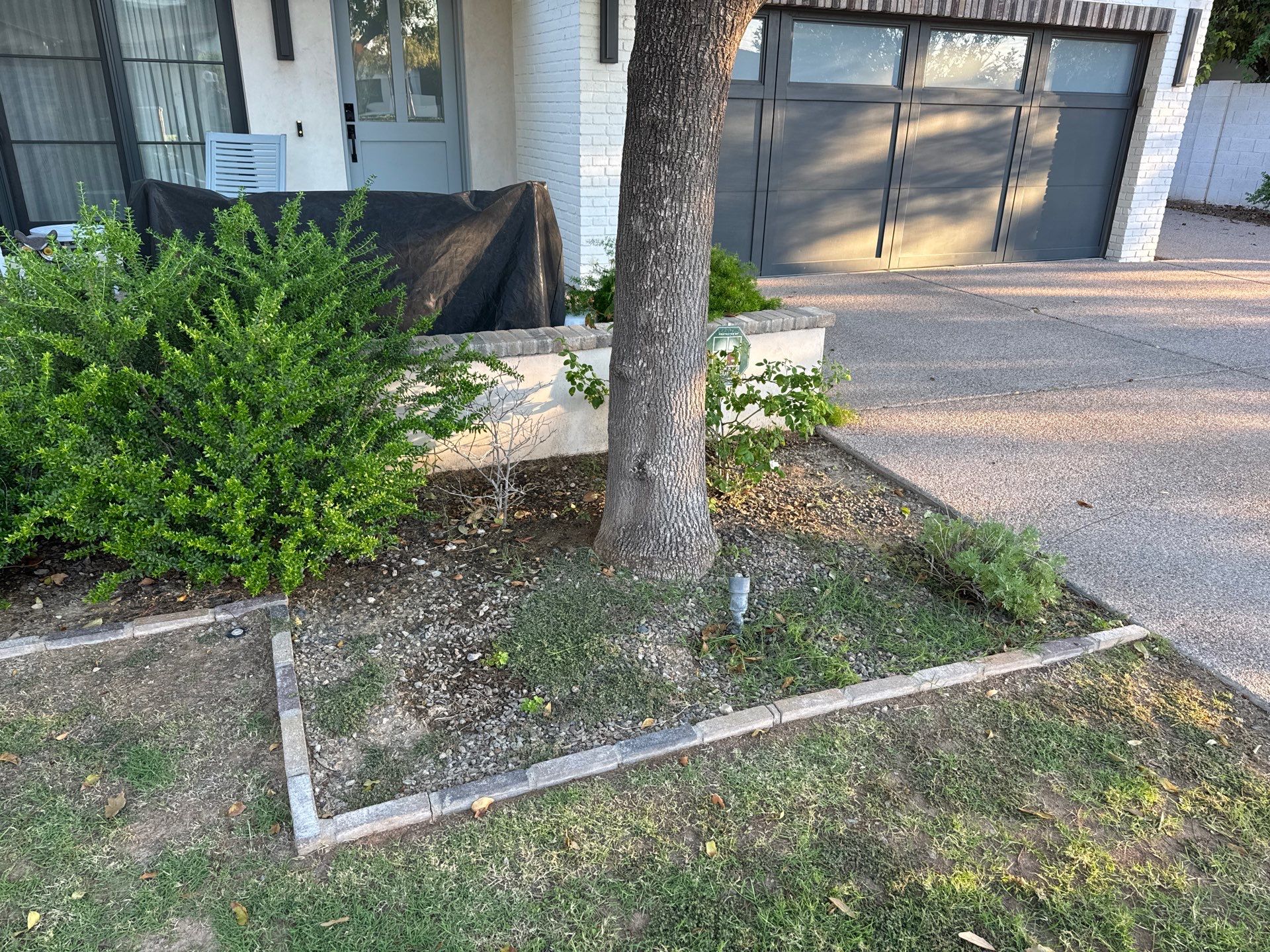
Low water shrubs under the front ash
Same thing under this ash tree. Here are some shrubs that will work in the filtered shade and don't take a lot of water. Cape plumbago and asparagus fern are both great here.
Iceberg roses would work here too. You had roses before, and with the rock pulled back, mulch down, and the better watering habits, they'll do well. Roses like lots of fertilizer and mulch, so keep up with both. The Fertilizing section below has everything you need.
Iceberg Rose
White blooms almost nonstop spring through fall, and one of the most disease resistant, heat tough roses for the Valley. Grows 3 to 5 feet. Feed it well and keep it mulched.
Cape Plumbago
Mounding, 3 to 4 feet, with sky blue flowers spring through fall. Holds a hedge shape well and takes full sun with regular water.
Chuparosa
Native with green stems and red tubular flowers through winter and spring. A hummingbird favorite, handles sun or part shade, and takes less water than plants that aren't desert adapted.
Gregg's Mistflower
Soft, mounding native covered in fuzzy purple flowers spring through fall. Butterflies swarm it. Does well in sun or part shade and spreads over time, so give it room.
Desert Honeysuckle
Native, 3 to 4 feet, with orange tubular flowers summer through fall. Handles filtered shade under trees and takes less water than plants that aren't desert adapted.
Firecracker Plant
Arching green stems with bright red tubular flowers most of the year. Handles part shade well and hummingbirds love it. About 3 to 4 feet.
Autumn Sage
Compact, 2 to 3 feet, with red, pink, or coral flowers fall through spring. Takes full sun and can be sheared into a tidy low border.
Foxtail Fern
Soft, upright plumes of bright green, about 2 feet tall. One of the best options for shade under trees. Tough once it's settled in.
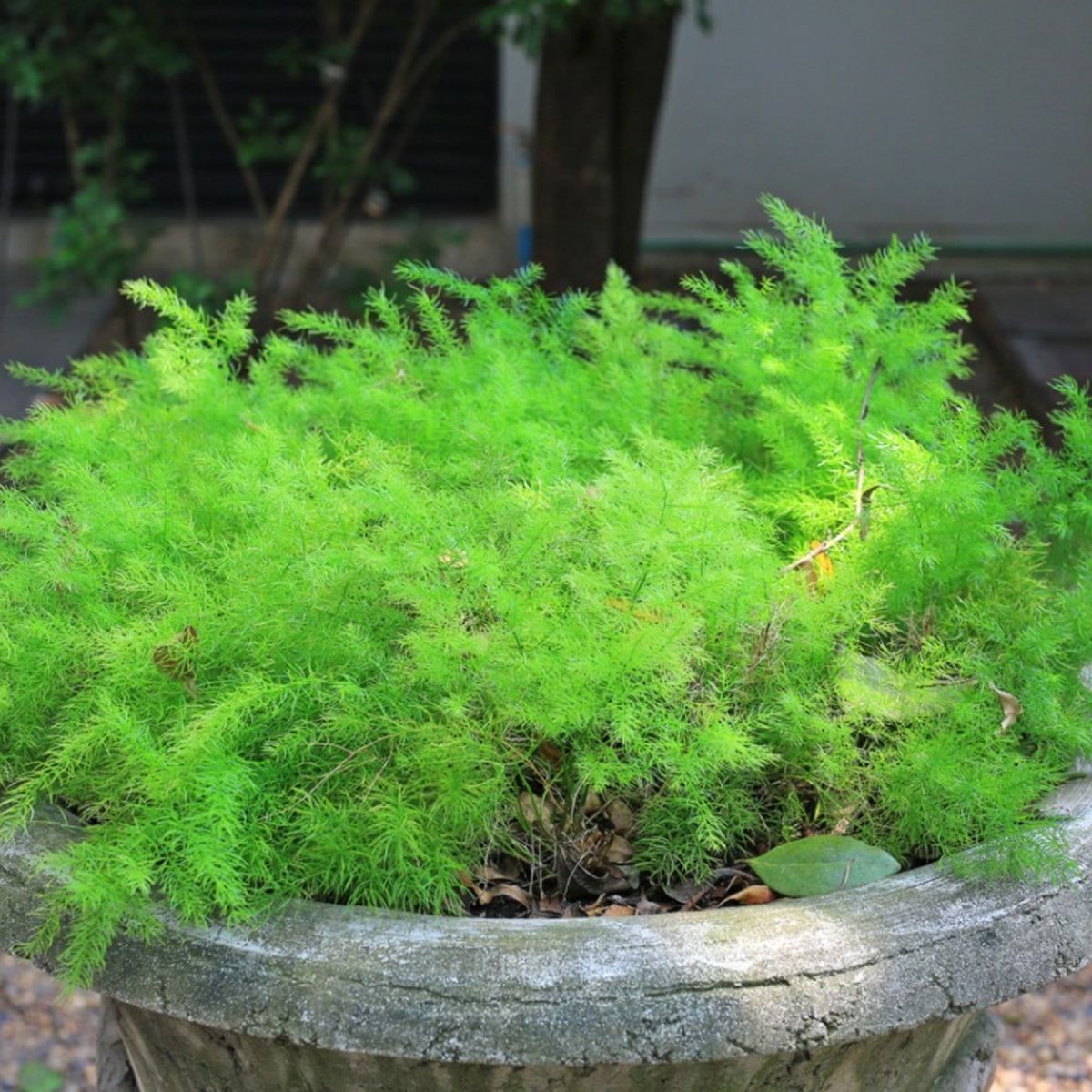
Asparagus Fern
Soft, airy, bright green mound that loves shade. Tough once established and fills a spot quickly.
You can't fit all of these. Pick two or three and group them in clusters.
Planting under an established tree
- Use smaller plants, 1 gallon or 5 gallon, so the holes are small and you don't cut through the tree's roots. If you hit a big root, move the hole over.
- Keep new plants at least 3 feet from the trunk.
- Don't add soil on top of the root zone or raise the grade around the tree. Plant at the existing level.
- Backfill with the native soil plus a tiny bit of compost, lay compost on top, then mulch over it, held back from the trunk and stems.
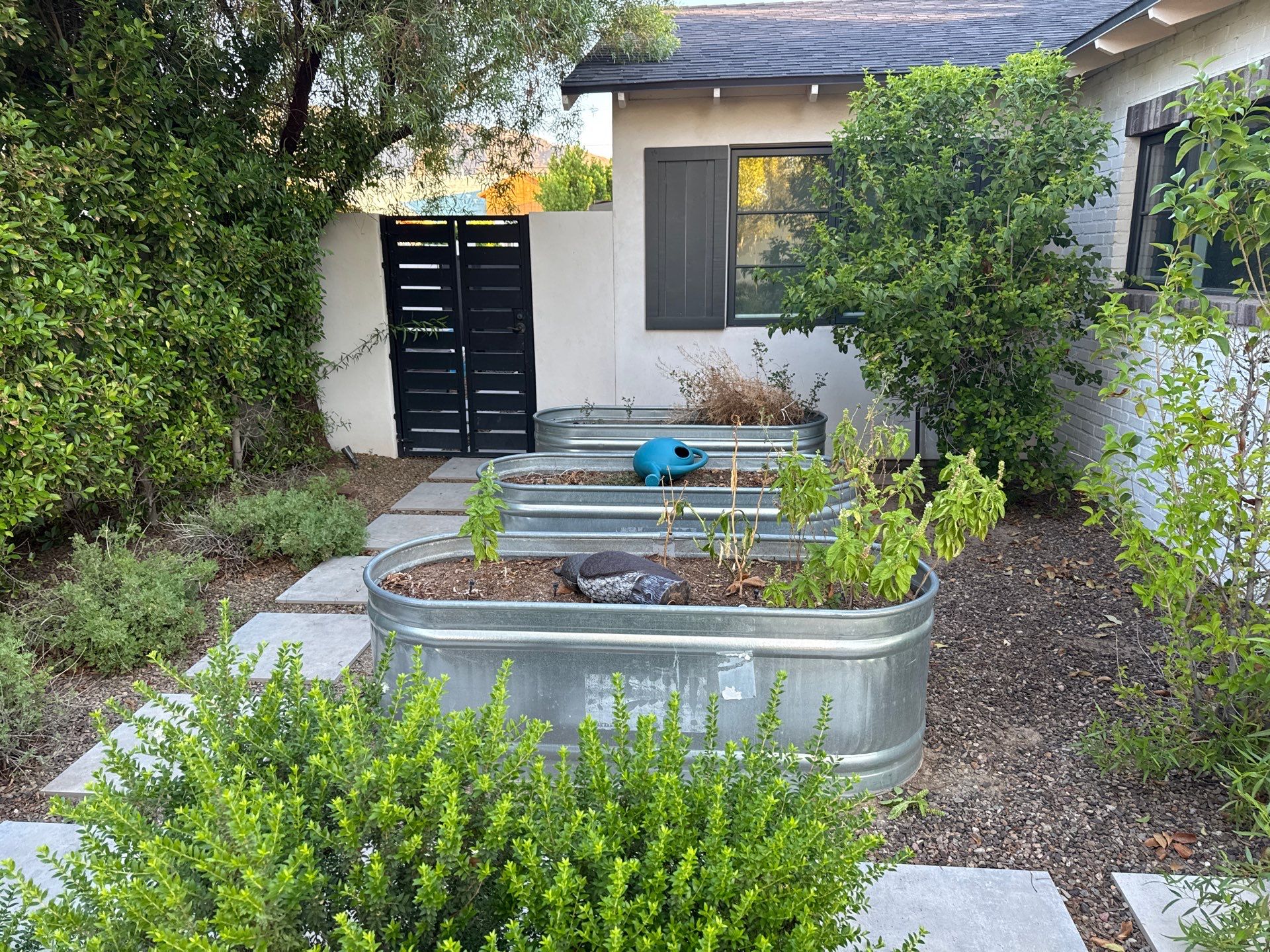
The raised beds
The raised beds are a great setup. Here's how to keep them productive.
- Soil: fill or top them off with raised bed mix from Arizona Worm Farm. It's full of life and ready to plant.
- Top up each season: the soil settles and gets used up as things grow. Add a couple inches of compost before each planting season.
- Drainage: make sure the troughs have drainage holes in the bottom. Standing water at the bottom will rot roots.
- Mulch: an inch of mulch on top of the soil around your plants keeps the beds from drying out so fast.
- What to plant and when: use my Maricopa County planting guide. Fall is one of the best times to grow here.
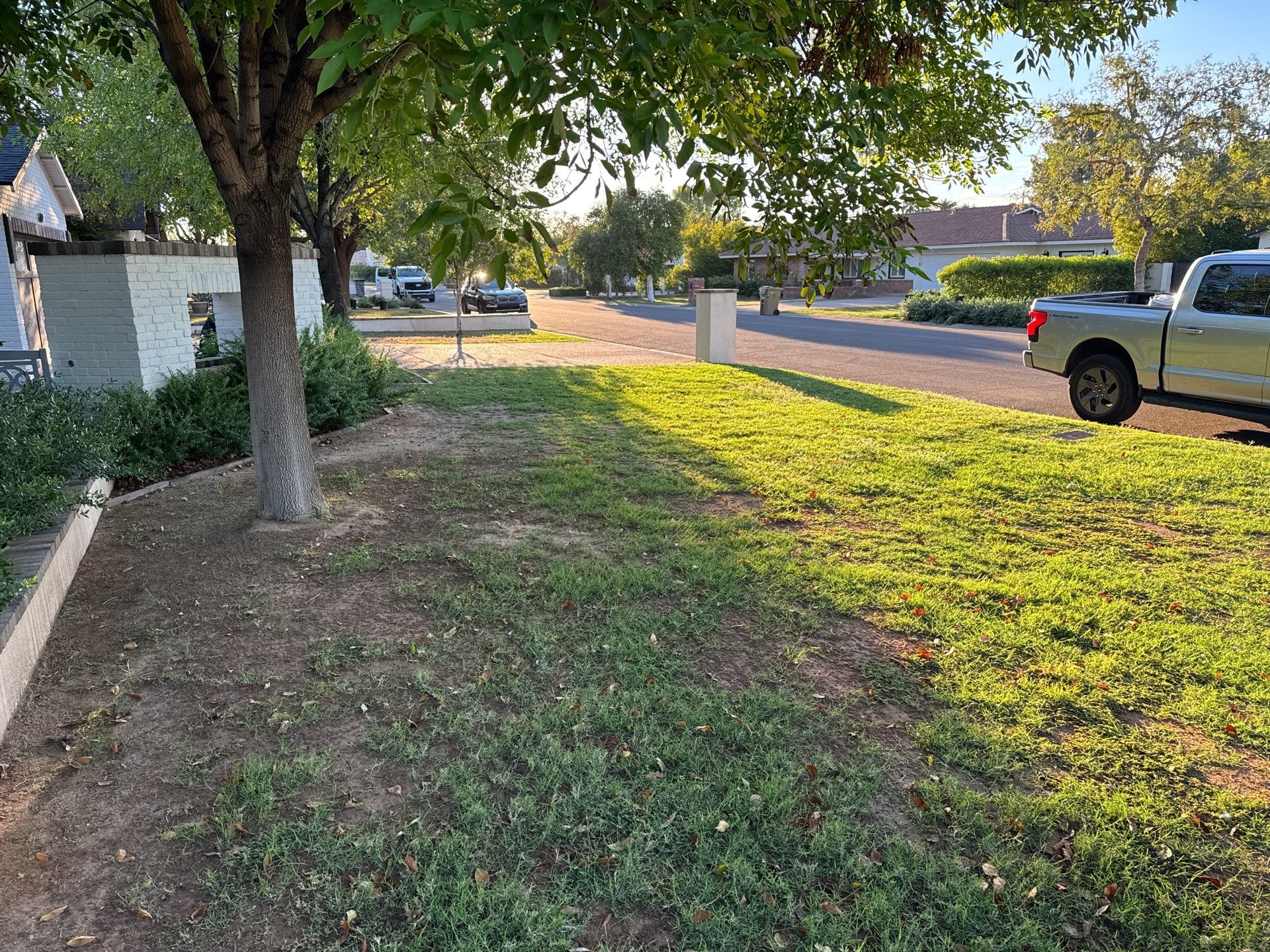
The front lawn: Bermuda, St. Augustine, and clover under the ash
Feeding the Bermuda
- Spread a quarter inch of compost over the lawn in spring and fall.
- Worm castings every quarter.
- The Catalyst fertilizers from the Fertilizing section below, at the label rate during the growing season, April through October.
- Water deeply and less often, mow at 1.5 to 2 inches, and never take more than a third of the blade at once.
St. Augustine
St. Augustine has a wider, softer blade and handles the shade under the ash trees far better than Bermuda. There are two ways to go:
- Resod the whole lawn. Fastest result. The Bermuda has to come out first or it'll grow right up through. Remove it, lay an inch of compost, lay the sod, and water daily for two weeks, then taper to deep, less frequent watering.
- Lay a few strips and let it take over. Cheaper and easier. St. Augustine slowly spreads into the Bermuda on its own. Skip winter rye overseeding so nothing competes with it while it spreads.
Either way, lay it in the warm months, late spring through summer. Mow it tall, 3.5 to 4 inches.
Clover under the ash trees
For the shaded areas under the ash trees where the Bermuda thins out, microclover is a great fit. The leaves stay small, so it blends right in with the Bermuda, and it stays green in the shade. It also puts nitrogen back into the soil. Now is the time to seed it, October into November.
- Mow the thin areas short and rake hard to expose the soil.
- Spread a thin layer of compost, about a quarter inch.
- Mix the seed with sand so you can see where it lands, and spread it at the rate on the bag.
- Rake lightly and press it in by walking over it.
- Keep the surface damp with short waterings once or twice a day until it sprouts, usually 7 to 10 days, then taper off.
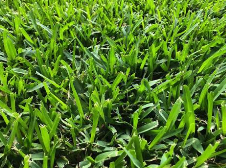
St. Augustine
Wide, soft blade that stays green longer into the cool season than Bermuda and handles the shade under trees much better. Mow tall, 3.5 to 4 inches.
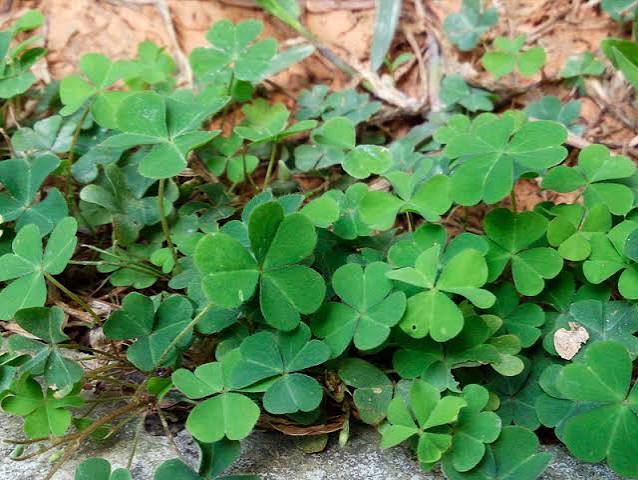
Microclover
Small-leaf white clover that blends right into Bermuda, handles shade, stays green and soft, and puts nitrogen back into the soil. Seed in fall, October into November.
Skip weed and feed products. The weed killer in them takes out clover along with the weeds.
Fertilizing
Everything in this write-up comes back to the soil. The desert adapted plants in the yard need very little feeding: mulch and a light layer of compost once a year is plenty. The non desert plants are a different story. The ficus, the ash trees, the roses, the hedges and shrubs along the house, the lawn, and anything in the raised beds all need regular feeding to stay healthy and handle the heat. Feeding is really about feeding the soil life. Fungi, bacteria, and worms break down organic matter and hand nutrients to the roots, all without synthetic fertilizers. Here's the exact approach I use, so you can do it yourself.
- Compost, and be generous. On trees, spread it in a wide ring around the drip line, the outer edge of the canopy where most of the feeder roots are, from about halfway in to a couple feet past the edge. On shrubs, hedges, and roses, put it closer in, from a few inches off the stems out about a foot past the edge of the plant. Go 1 to 2 inches deep, and if you're unsure, go thicker rather than thinner. You really can't overdo quality compost. Do this three times a year: late winter (February), early summer (May), and fall (October).
- Worm castings every quarter. Every three months, scatter worm castings over the same areas: a few cups around each shrub and a couple pounds around the drip line of each tree. Castings are loaded with beneficial microbes that bring the soil to life. When it lines up with a compost round, put the castings down first and the compost right over them.
- A good organic fertilizer. These are the three products we use and recommend, all from Catalyst. Apply them at the label rate on the schedule each one gives.
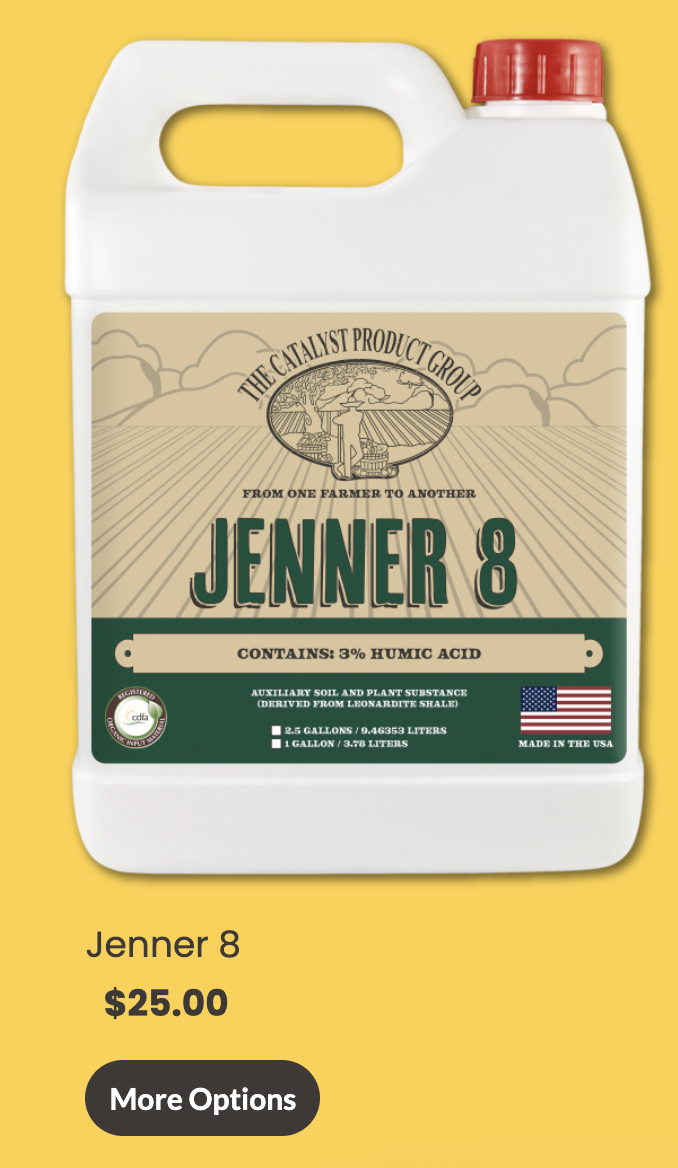
Jenner 8
Liquid organic feed for the whole landscape.
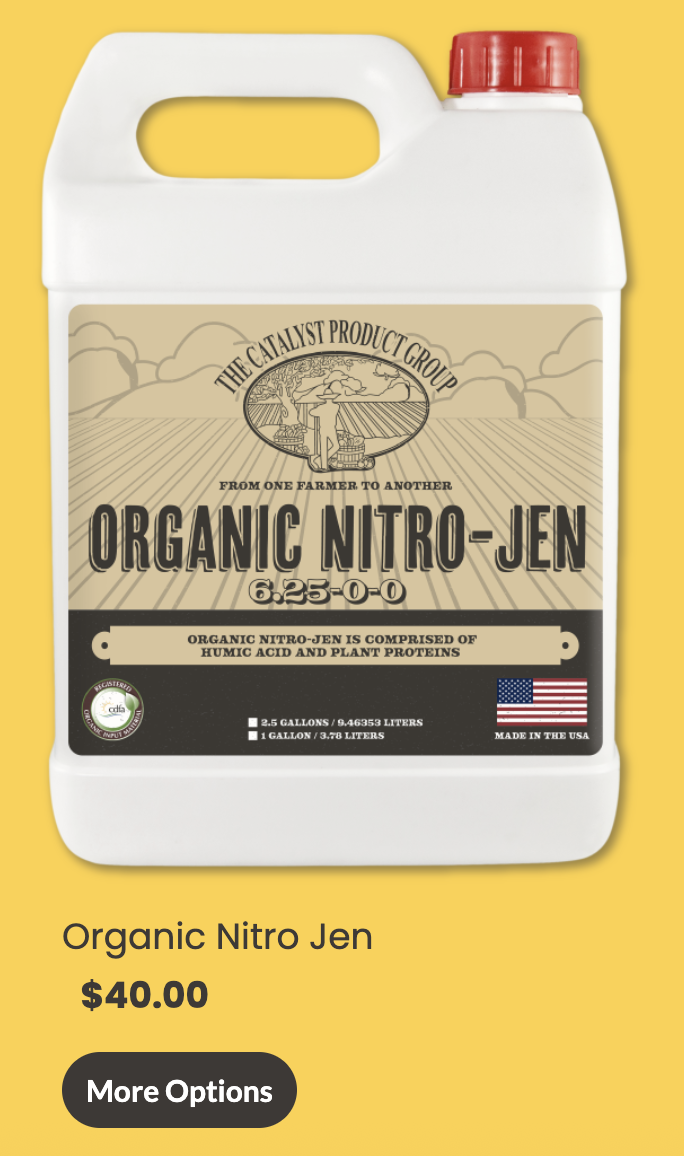
Organic Nitro Jen
Organic nitrogen to push healthy green growth.
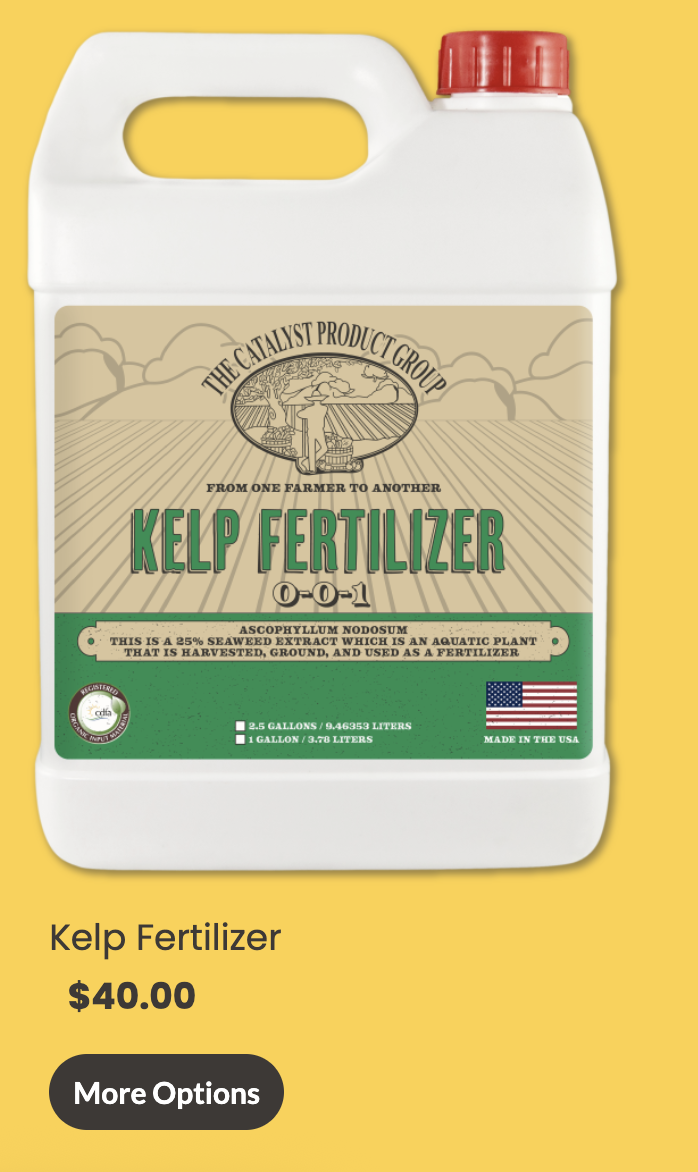
Kelp Fertilizer
Kelp based feed that supports roots and overall plant health.
You can find all three on the Catalyst website. Click Products, then Home and Garden.
- Water it all in. Give everything a deep watering right after you put it down so it soaks into the root zone.
- Mulch over the top. Mulch goes over the compost to keep it moist and cool so the soil life can do its work. Hold it a foot back from trunks and stems. No need to work any of it into the soil.
Compost, worm castings, and mulch are all at Arizona Worm Farm.
If you'd rather we handle it
Our monthly landscape fertilizing program feeds the whole yard for you.
- Covers the ficus, ash trees, roses, shrubs and hedges, and the lawn
- Monthly compost based liquid feeding across the full landscape
- Compost applications three times a year
- A recap video sent to you after each visit
Quick reference
Organic fertilizers
Catalyst (Products, then Home and Garden)Compost, mulch, raised bed mix, worm castings
Arizona Worm FarmWhat to plant and when
Maricopa County planting guideSt. Augustine sod
Evergreen Turf or West Coast TurfArborist
King's Tree ServiceIrrigation
Garrett: 480-678-9121Questions
Ask me anytime in the Garden Nerd ClubNext steps
You can take this list and do it yourself, and I'm right there in the Garden Nerd Club if you want a second set of eyes along the way. If you'd rather have us handle the planting and mulch, I can put together a planting proposal for you.
For anything irrigation related, call Garrett at 480-678-9121.
You can see more of what we do on our planting services page.
