
Thanks for having me out, Adrienne. Below is everything we went over, in the order we walked the yard, with the details on each so you have it all in one place.
As a consult client, you're already in the Garden Nerd Club, so you have direct access to me there. If questions come up while you work through any of this, ask me there anytime.
Where to start
Replacing the two ash trees
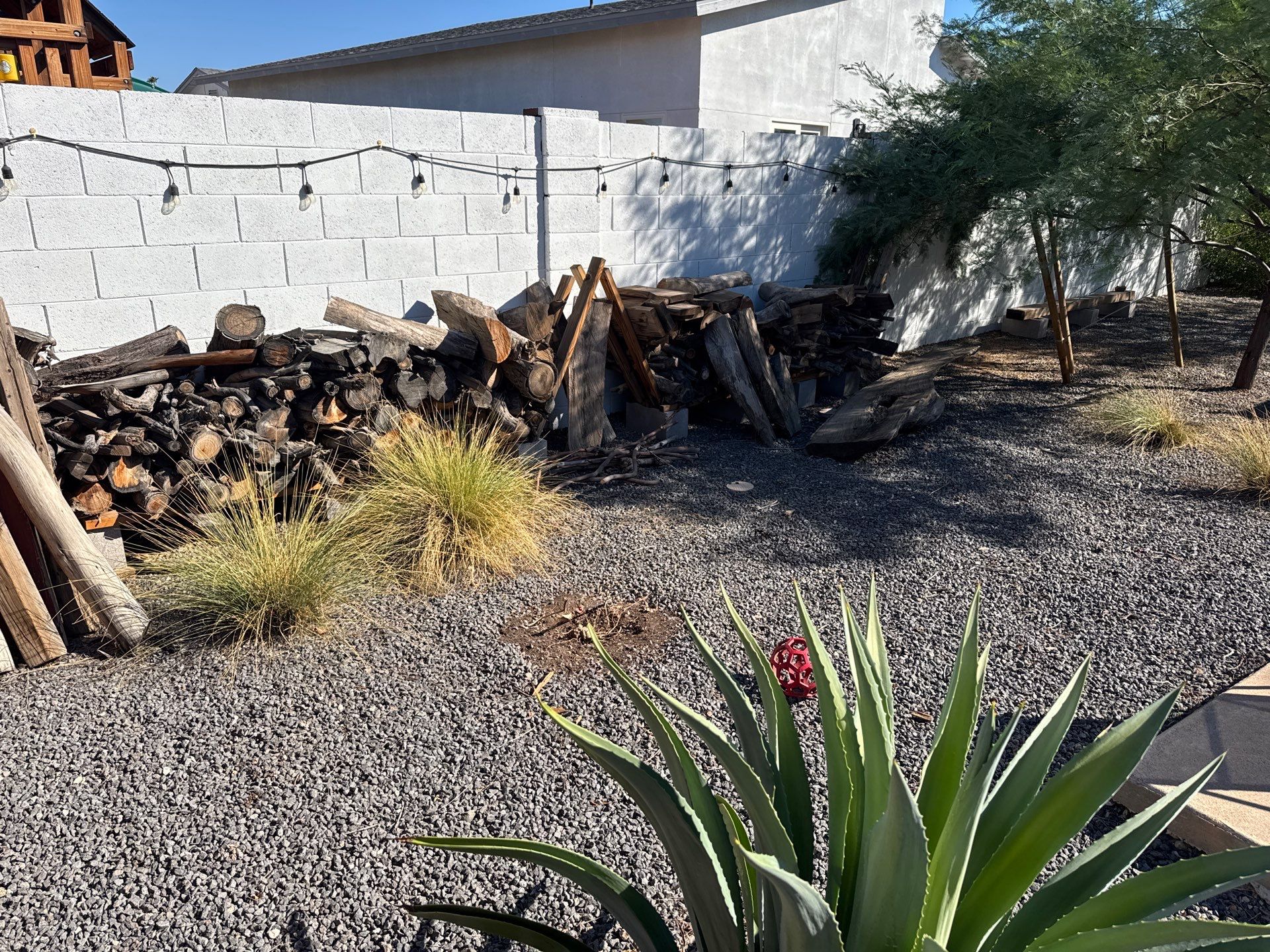
Both ash trees in this area were dead and have already been cut out. Chinese elm and red push pistache are my top picks to replace them. Both give good shade, handle the heat, and are much better long term trees for the Valley than ash. I've added a couple more options too.
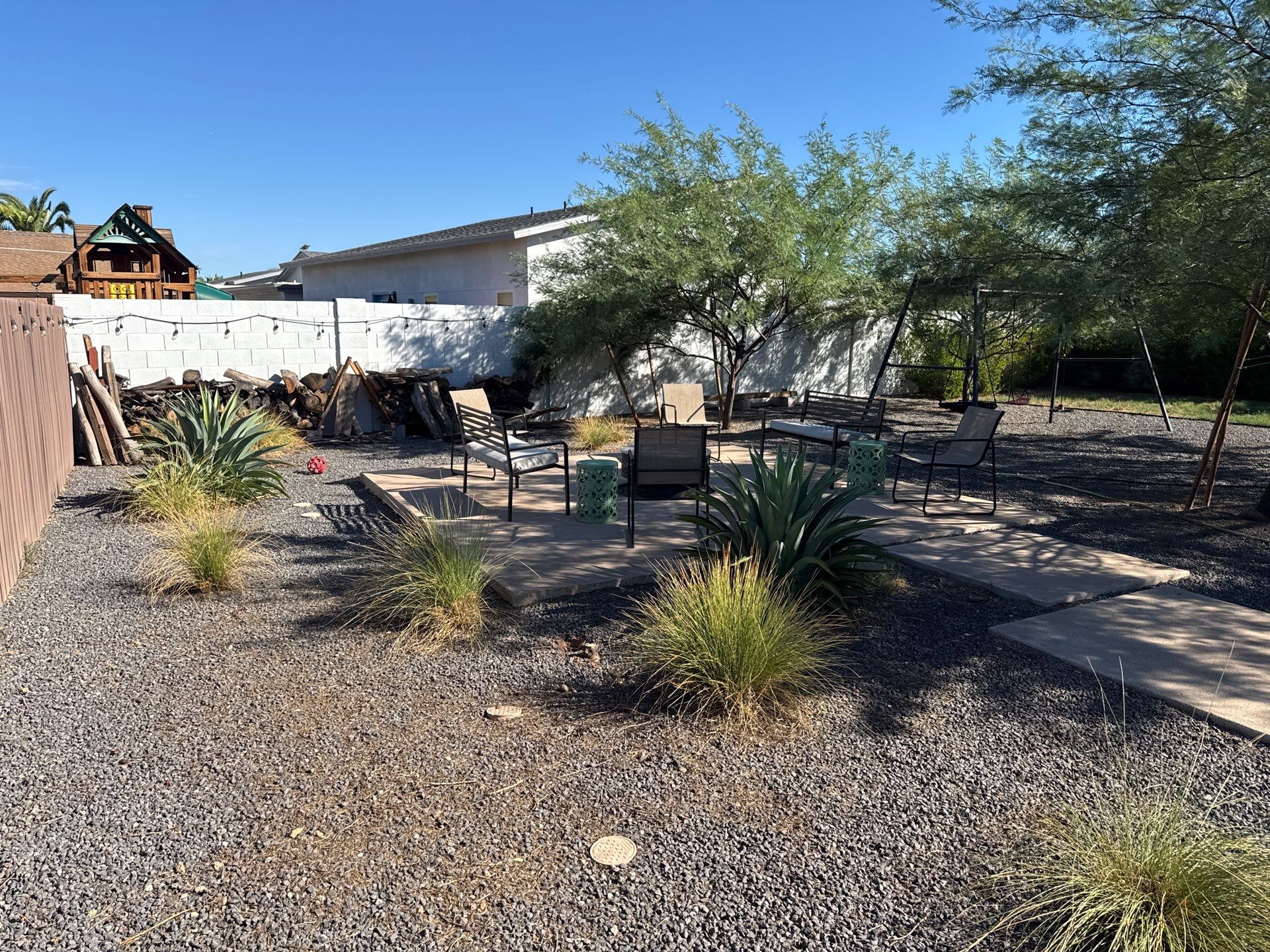

Chinese Elm
Fast growing, semi evergreen shade tree with a wide, graceful canopy, 40 to 50 feet. Handles full west sun and does well in a lawn. The bark gets a pretty mottled look as it matures.
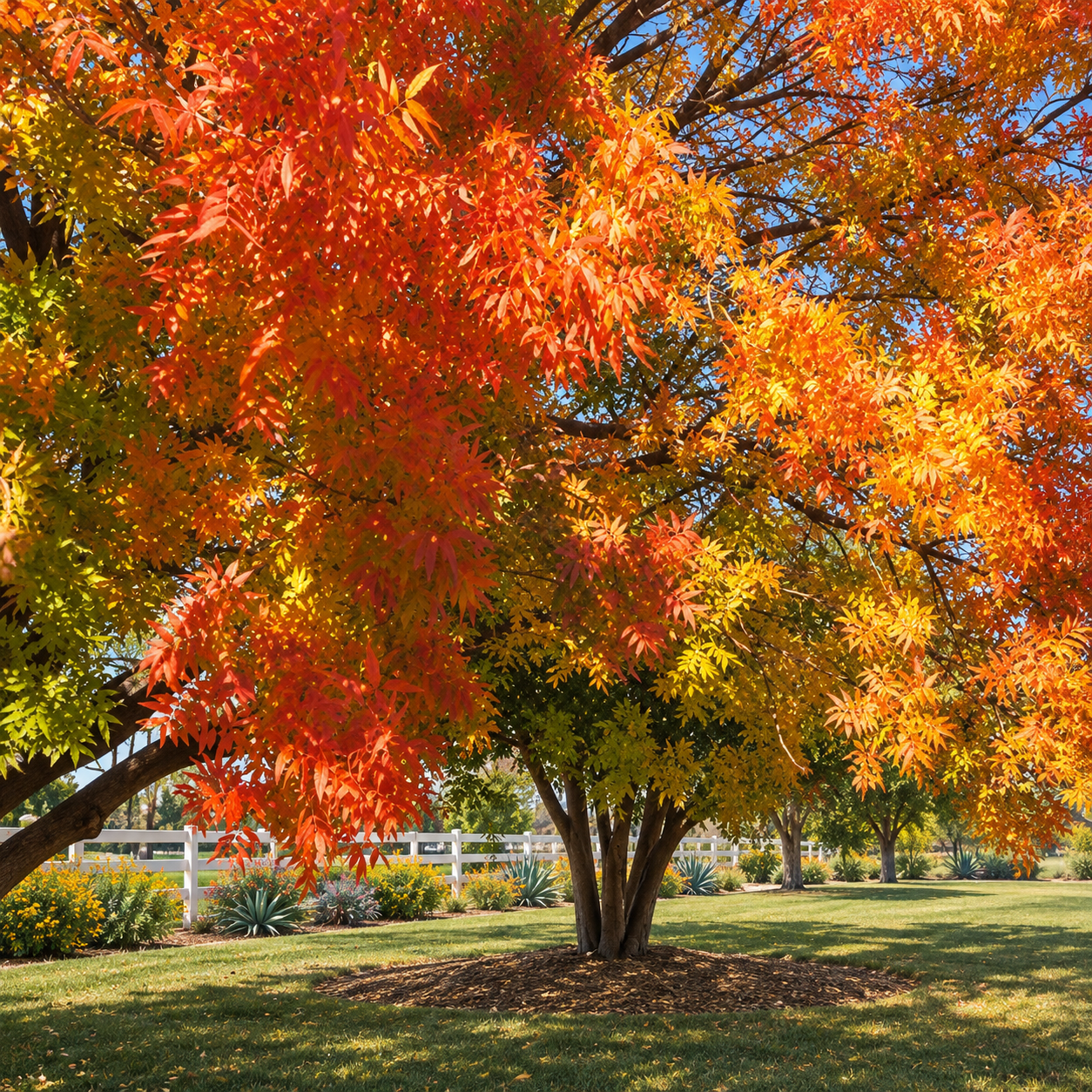
Red Push Pistache
Medium shade tree, 25 to 40 feet, with red new growth in spring and great fall color. Handles full west sun and heat, does well in a lawn, and is low litter.
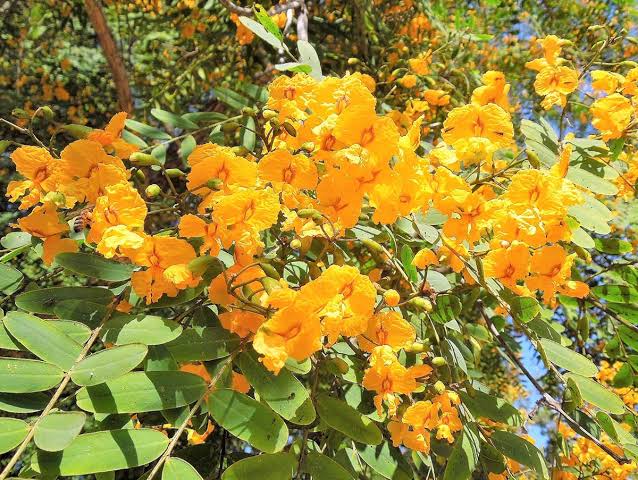
Tipu
Fast growing shade tree with a wide umbrella canopy and yellow flowers in late spring, 30 to 50 feet. Gives serious shade fast. It drops some leaves and pods, which is fine out in the lawn.
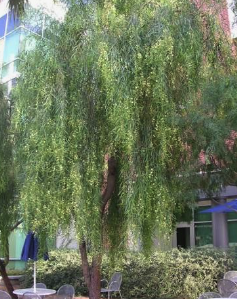
Willow Acacia
Evergreen with long, weeping leaves and a more upright shape, 20 to 30 feet. Handles full west sun, stays green all year, and takes less water than plants that aren't desert adapted.
Pick the one you like best and use it in both spots. Matching trees give the yard a clean, consistent look.
- Placement: keep a shade tree at least 10 feet from the house and the patio slab so the canopy and roots have room.
- At the nursery: slide the tree out of the pot and look at the roots. Pass on any tree with thick roots circling the outside of the root ball.
- Planting: dig the hole as deep as the root ball and two to three times as wide. Set the tree so the top of the root ball is level with the ground, never deeper. Backfill with the native soil plus a tiny bit of compost, lay compost on top of the soil, then mulch over the compost. Don't work it in, and keep the mulch a foot back from the trunk.
- Water: a deep, slow soak once or twice a week the first year, then stretch it out as the tree settles in.
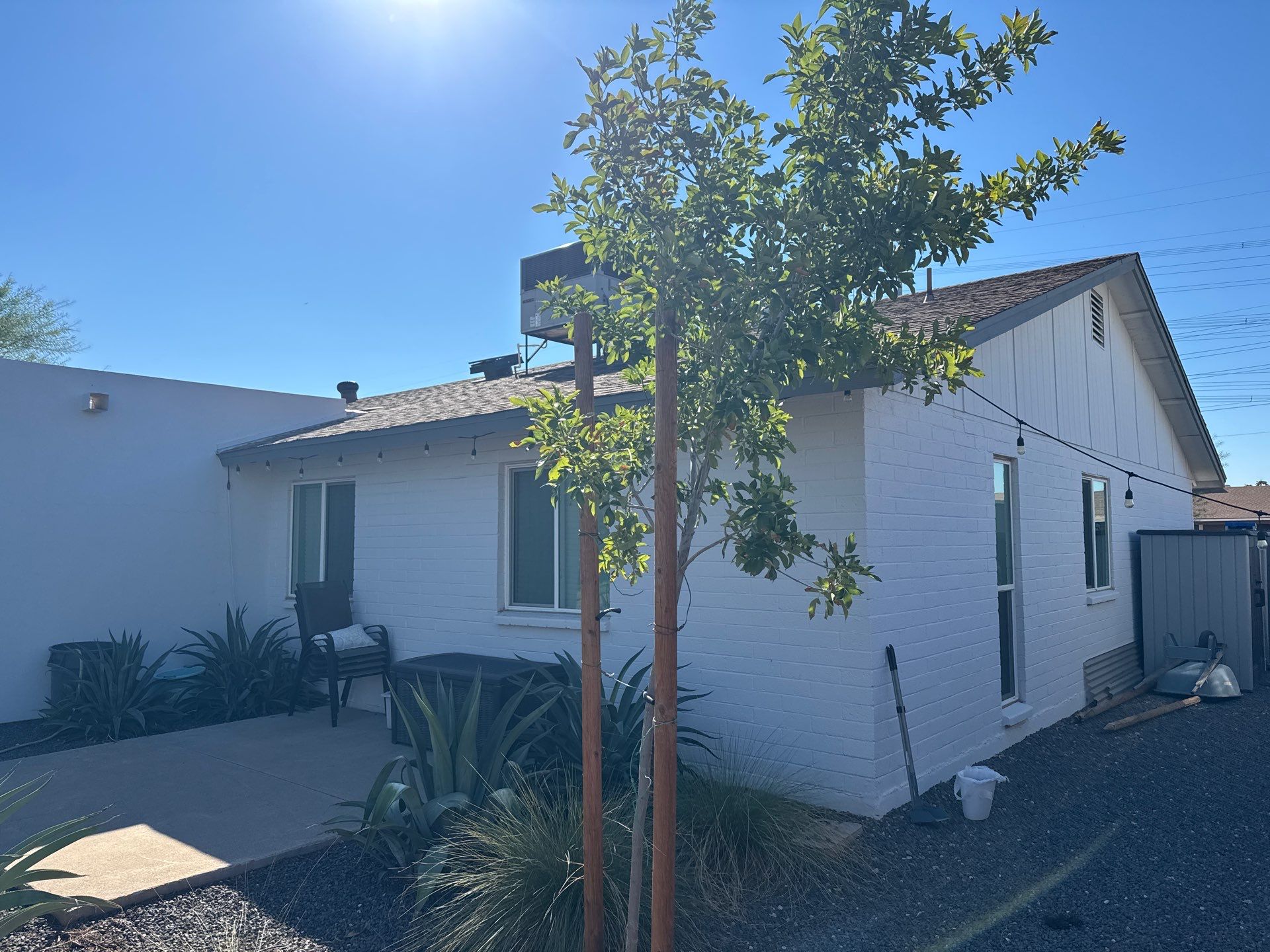
Helping the struggling ash
This ash is struggling a little. Three things will help it a lot: deep watering, pulling the rock back to make a water well, and filling that well with mulch.
The water well
- Pull the rock back in a circle around the tree, 3 to 4 feet out from the trunk.
- Use the soil to build a low ring, a few inches tall, around the outside edge of that circle. This holds the water over the roots so it soaks in instead of running off.
- Fill the well with 3 to 4 inches of mulch, holding it a foot back from the trunk.
Deep watering
- Set a hose on a slow trickle inside the well and leave it for a full day, around 24 hours. That pushes water 2 to 3 feet down to the deeper roots.
- Through the cooler months, a deep soak about once a month on top of the regular irrigation is plenty. Next summer, every couple of weeks.
For feeding, follow the steps in the Fertilizing section below.
Something to think about: if you like the tree you pick to replace the two dead ash trees, it may be worth replacing this one with the same tree too. Ash trees tend to struggle here long term, and three matching trees will look a lot better down the line than two new trees next to an older ash.
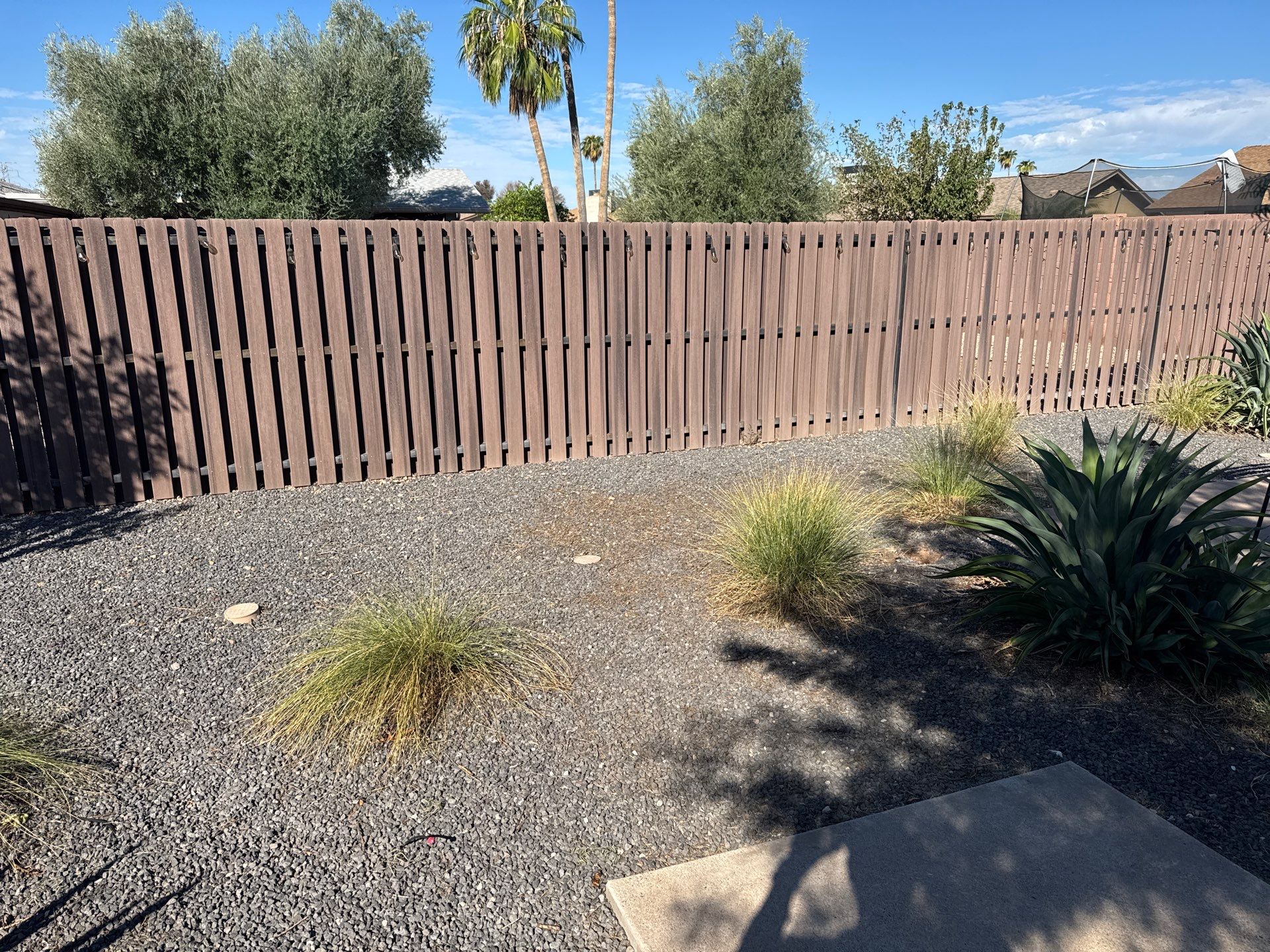
Alternatives to the myoporum
Here are some alternatives to the myoporum. Outback Sunrise emu bush is my first pick. It stays low, flowers through winter and spring, and handles full sun and reflected heat.
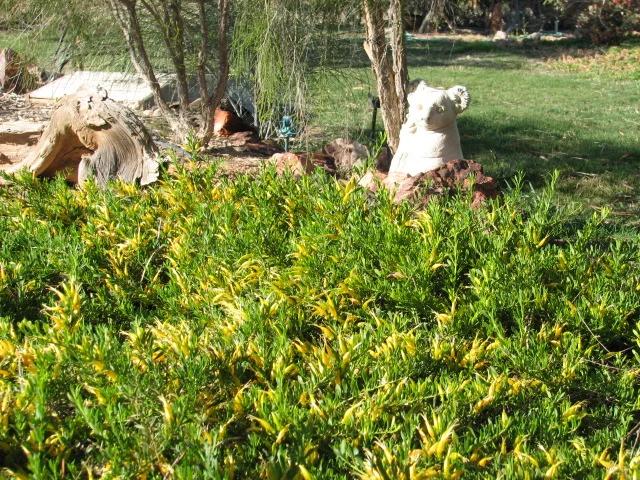
Emu Bush (Outback Sunrise)
Low and spreading, under a foot tall and 4 to 6 feet wide. Gray green leaves with orange red flowers winter through spring that hummingbirds love. Takes full sun and reflected heat and drops very little.
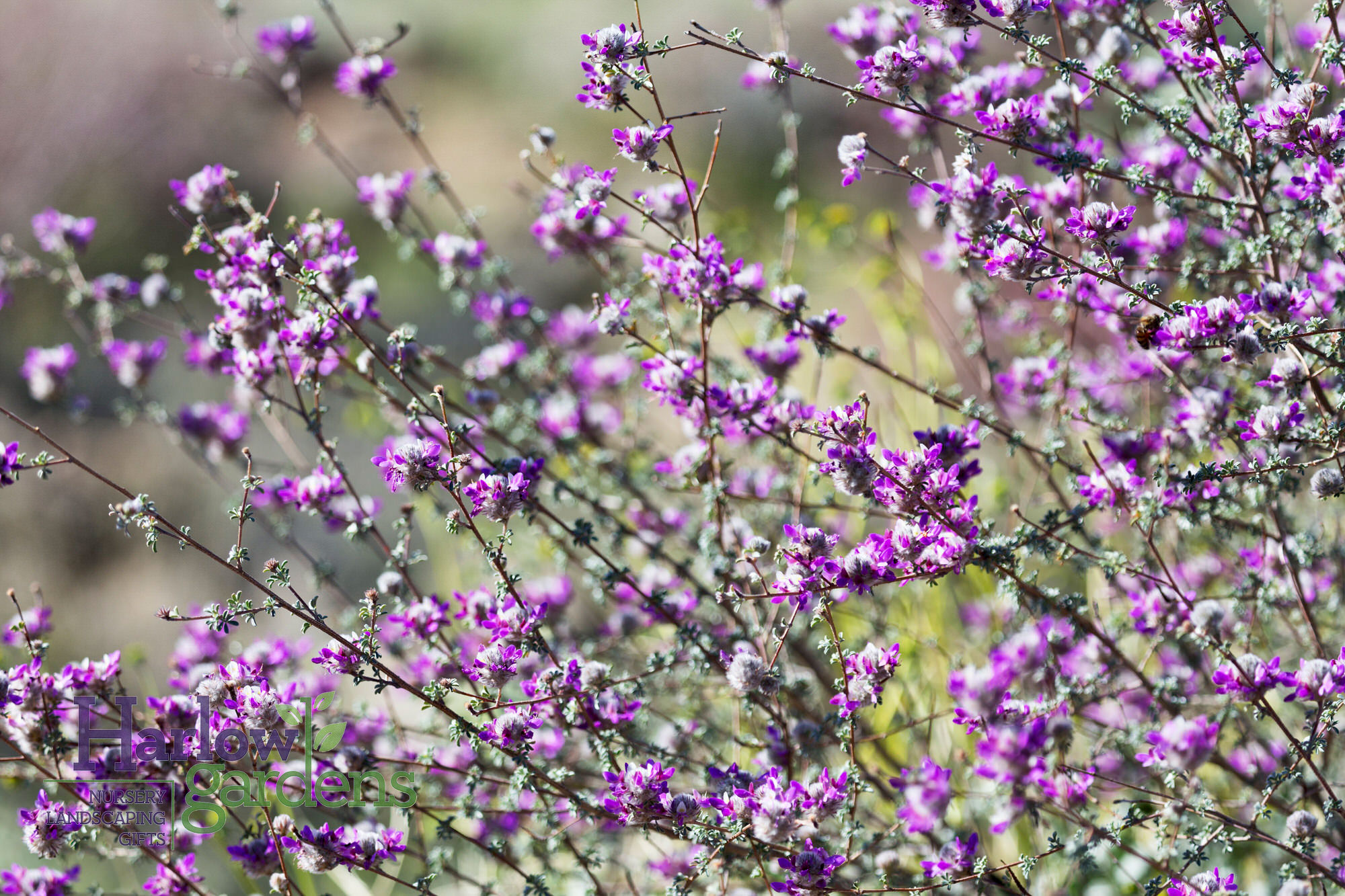
Trailing Indigo Bush
Native groundcover with silvery foliage that hugs the ground and small purple flowers in spring. Very low water and handles reflected heat off concrete really well.
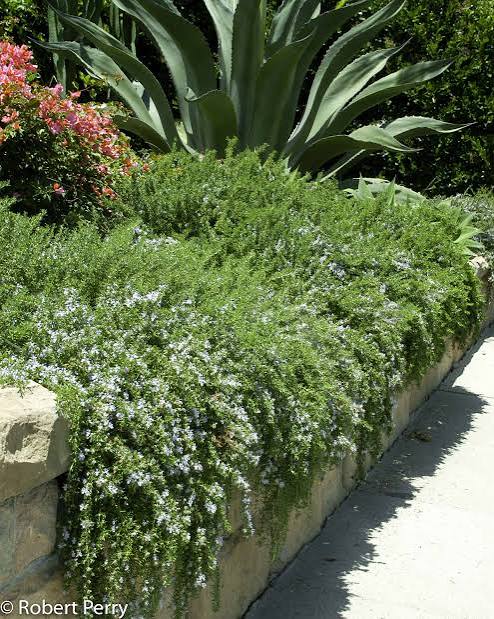
Trailing Rosemary
Spills and spreads 4 to 6 feet with blue flowers bees love in winter and spring. Takes full sun and reflected heat, and you can cook with it.
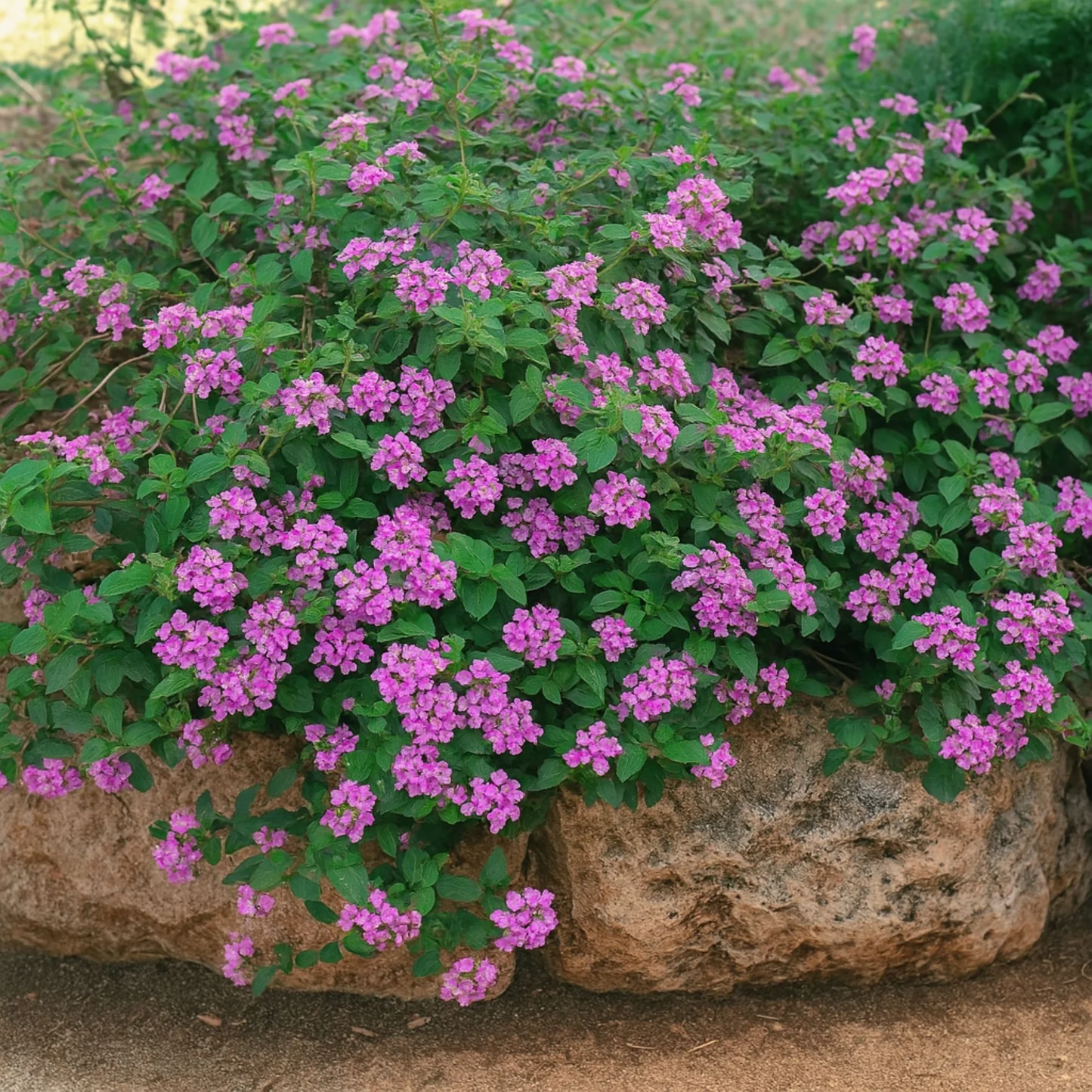
Trailing Lantana
Purple or white flowers spring through fall and a magnet for butterflies. Spreads 4 to 6 feet per plant and takes full sun and reflected heat. Frost can nip it; cut back in late February and it flushes right back.
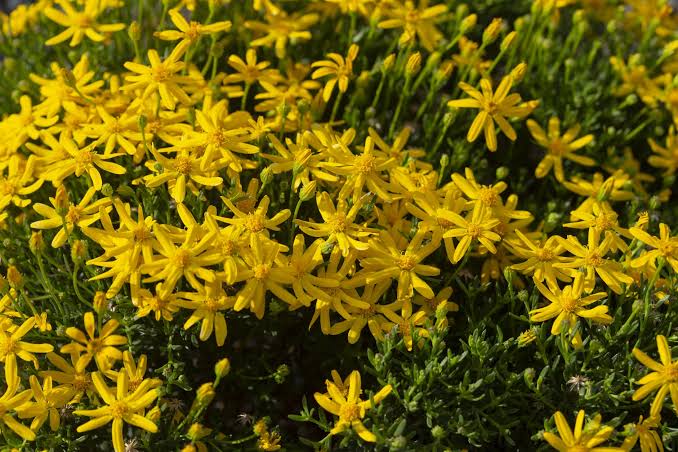
Damianita
Low, tidy mound of fine green foliage covered in golden yellow flowers in spring and fall. Stays about a foot tall and 2 feet wide.

Yellow Dot
Fast, bright green mat with little yellow daisy flowers most of the year. Covers ground quickly and cools the soil under it. Takes a bit more water than the others here.
You can't fit all of these. Pick one or two and repeat them so it looks intentional.
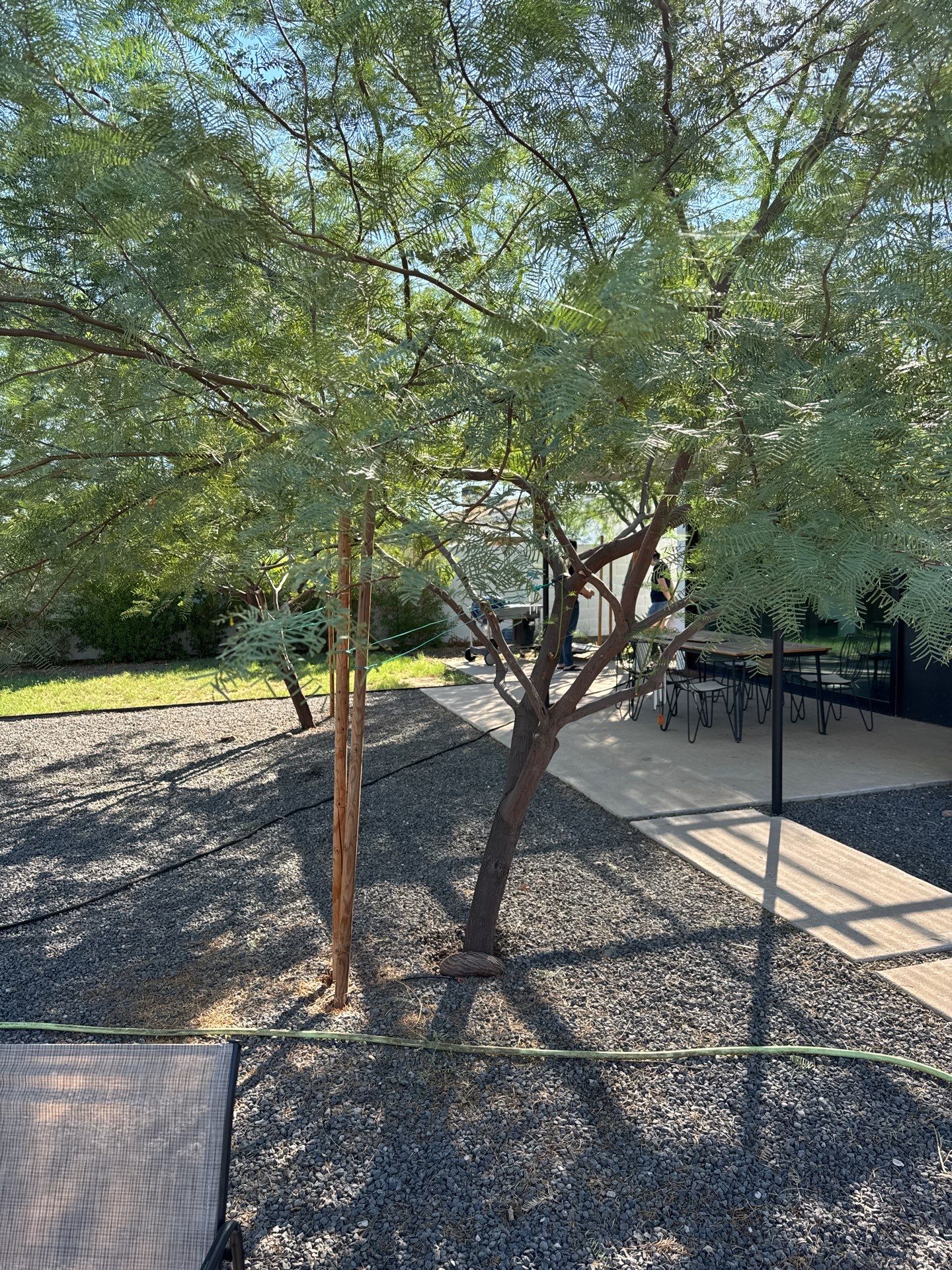
The mesquite with the girdling root
This tree has a girdling root, a root wrapping around the trunk that slowly chokes it as both grow. It's too far along to recover, so I'd rip it out and start over with a new mesquite.
This video shows why an exposed root flare matters, with examples of what buried and girdled flares look like on real trees. It's worth a watch before planting the new one.
Can't see the video? Watch it on YouTube.
Planting the new one so this doesn't happen again
- Pull the old tree out and grind the stump, then plant the new tree a couple of feet off from the old spot so the roots go into fresh soil.
- Check the roots at the nursery. Slide it out of the pot. If thick roots are circling the outside, pick a different tree. Girdling roots almost always start in the nursery pot.
- Find the root flare before you plant. Nursery trees are often potted too deep. Brush or rinse the soil off the top of the root ball until you see where the trunk widens into the roots. A strong stream of water from a hose blasts the dirt away fast. That flare should sit right at ground level once it's planted.
- Loosen any circling roots on the outside of the root ball and straighten them outward, or cut them cleanly.
- Backfill with the native soil plus a tiny bit of compost in the hole, lay compost on top, then mulch over it, held a foot back from the trunk.
- Stake it loosely, or not at all. If it needs a stake, use two stakes outside the root ball with soft ties low on the trunk so it can sway, and pull them after a year.
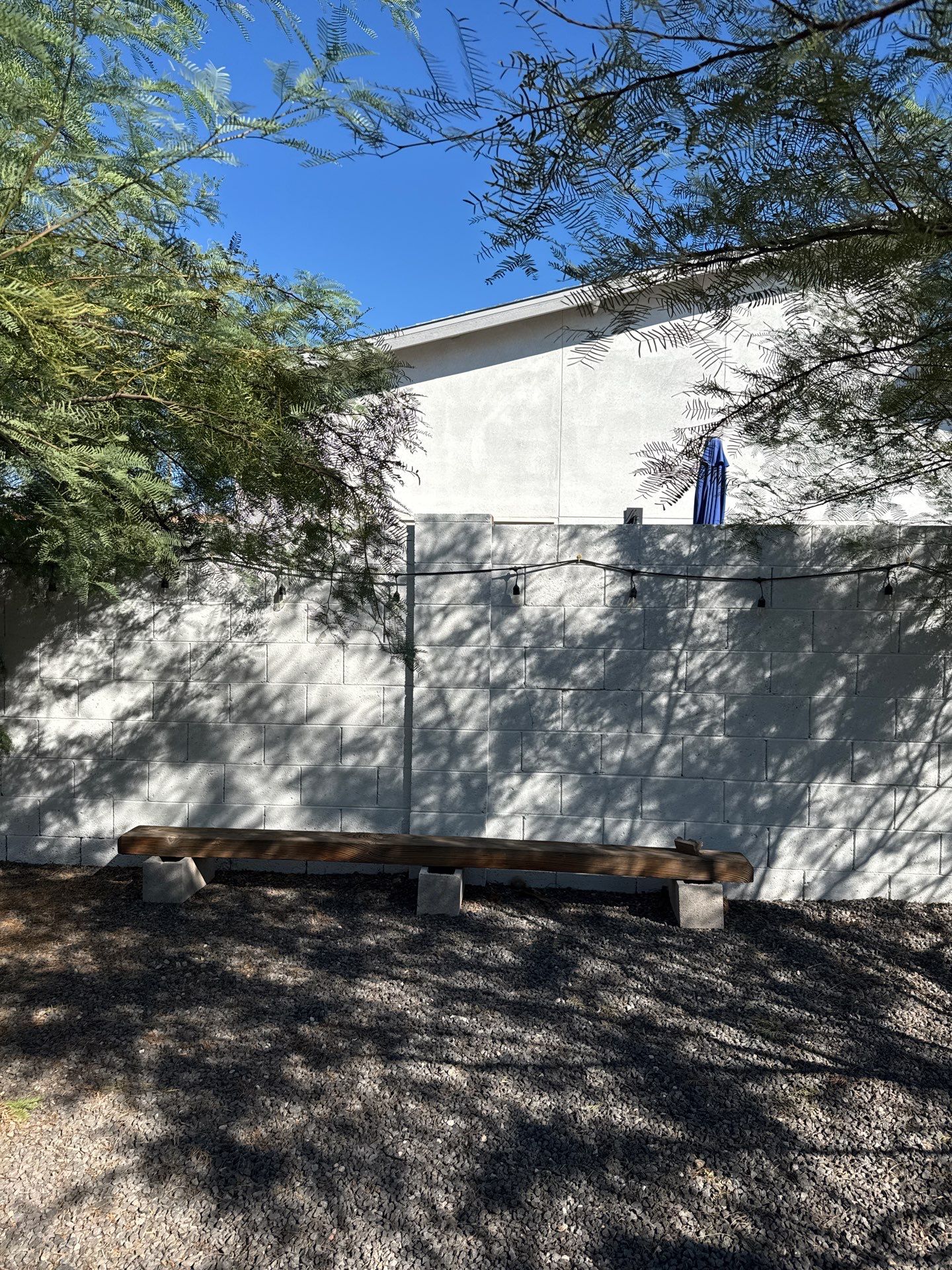
Vines for the new privacy trellis
You want more privacy from the neighbor here and you're putting up a trellis. This is a south facing wall, so it gets sun all day, especially in winter. Tangerine crossvine is the first one I'd go with. It's evergreen, fast, and takes the heat. Skyflower is another good option. It's a shrub rather than a vine, but it grows tall fast and can be tied to the trellis to fill it in.

Tangerine Crossvine
Evergreen vine with orange trumpet flowers in spring and on and off through the year. Self clinging and fast, and it handles full south sun and heat with no trouble.
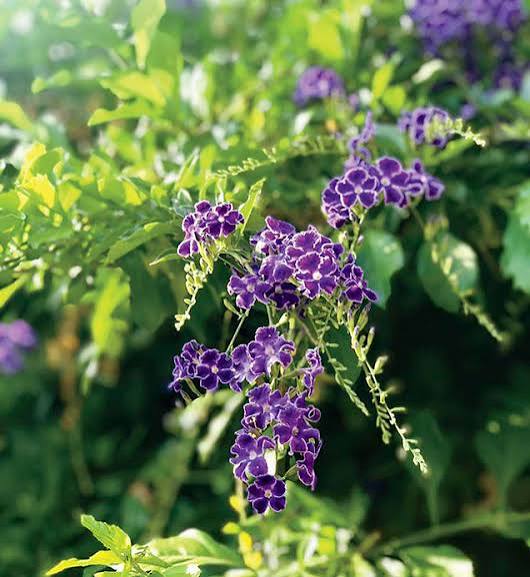
Skyflower (Duranta)
Not a true vine, but it grows tall and fast, 8 to 12 feet, and can be tied flat against the trellis to fill it in. Evergreen, with clusters of purple blue flowers most of the warm season that butterflies love. Takes full sun and heat.
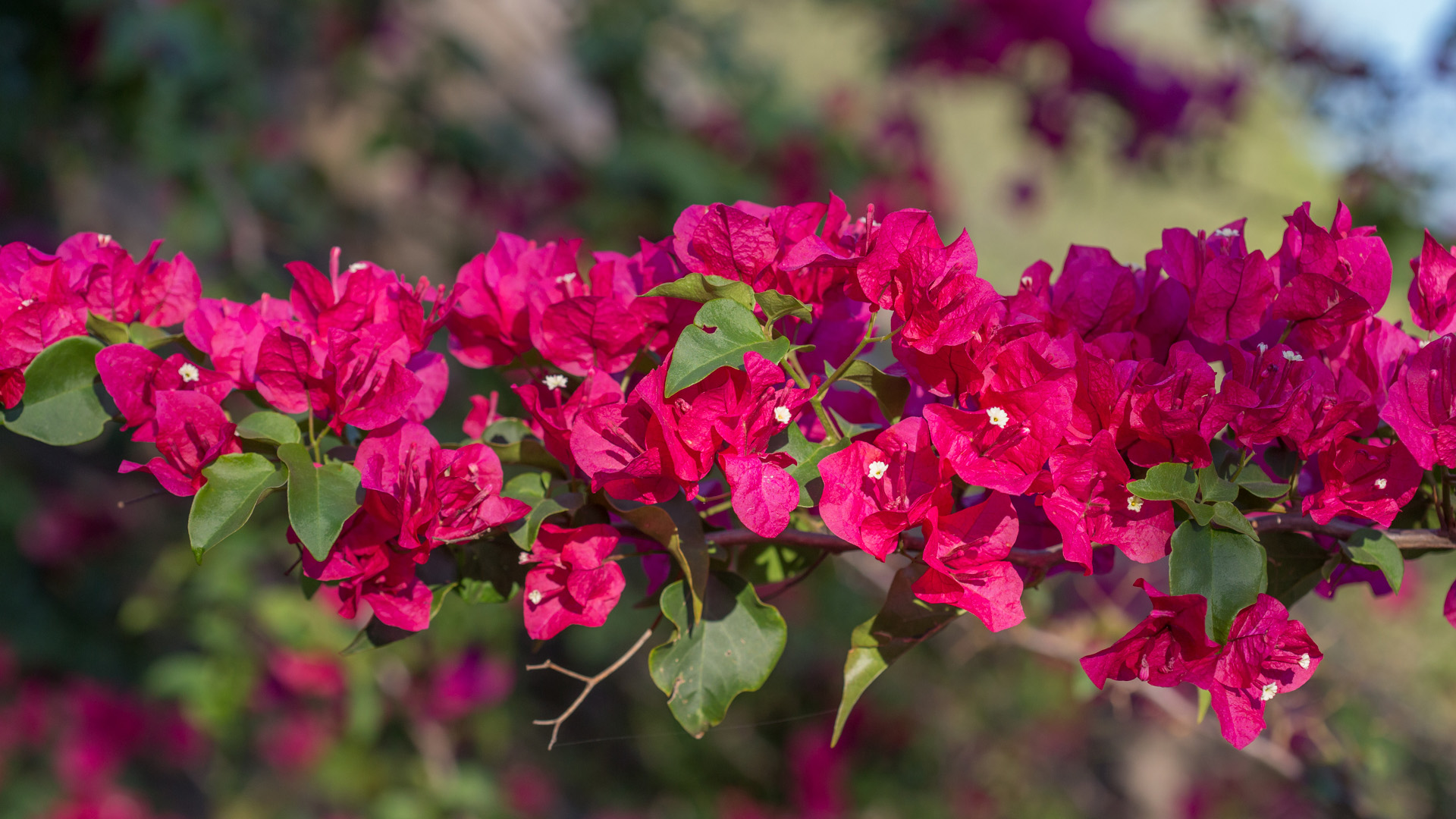
Bougainvillea
Thrives on a hot south wall. Covered in color most of the year and grows fast. It doesn't climb on its own, so tie the canes to the trellis as it grows. Can get frost nipped, then flushes back in spring.
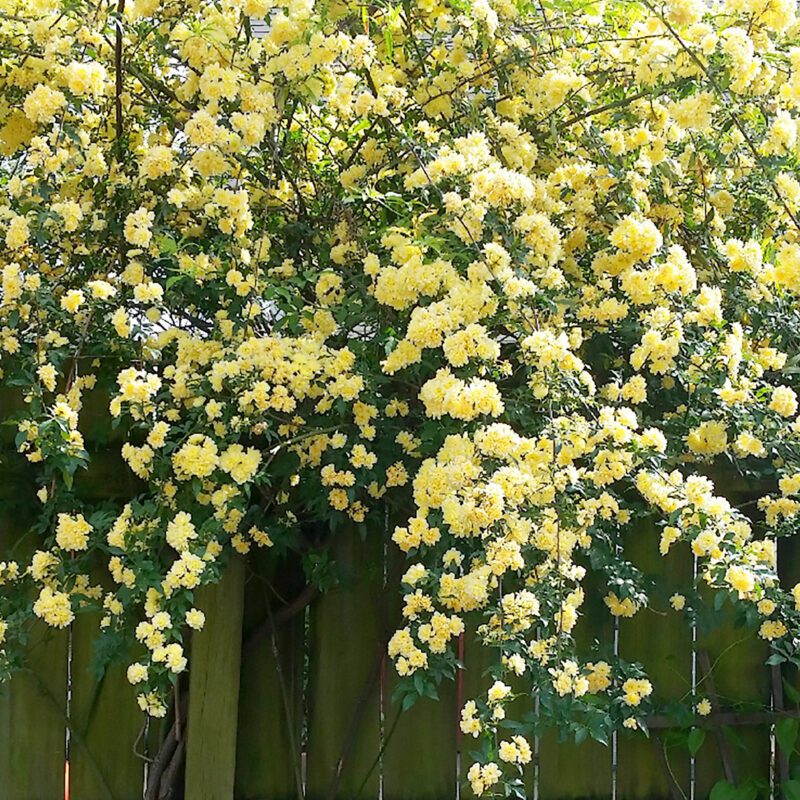
Lady Banks Rose
Thornless climbing rose covered in small yellow flowers in spring. Vigorous and one of the toughest roses in the Valley. It needs a few wire anchors or a trellis to guide it up the wall.
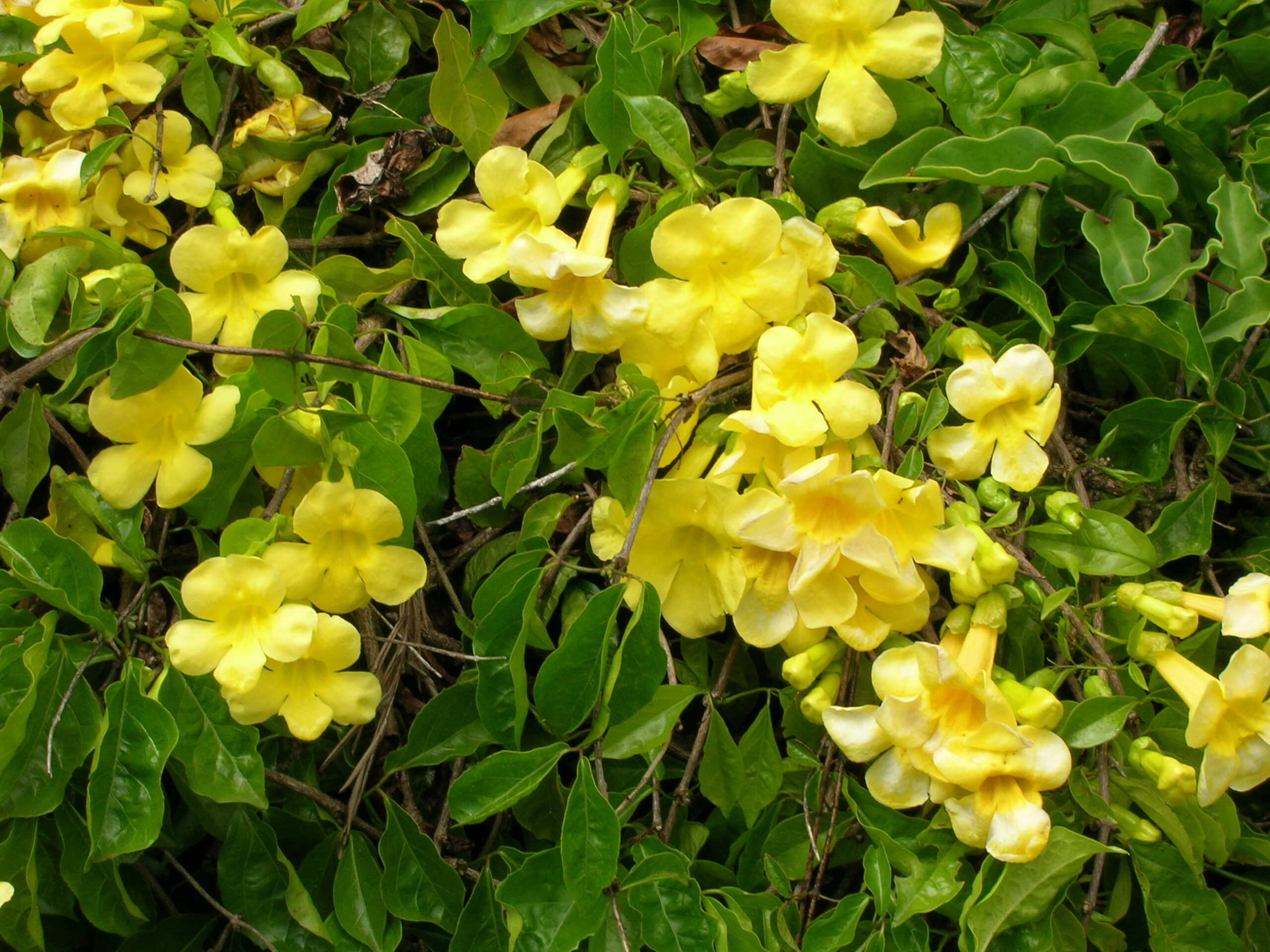
Cat's Claw
Fast, evergreen, self clinging vine with bright yellow flowers in spring. Covers a trellis or wall quickly and takes full south sun. It's vigorous, so plan on trimming it back once or twice a year to keep it on the trellis.
- Plant each vine about a foot out from the base of the trellis and lean it in.
- For full privacy coverage, space them 6 to 8 feet apart along the trellis. Skyflower can go a little closer, about 4 to 5 feet apart.
- Tie the first canes to the trellis loosely as they grow. Crossvine and cat's claw will grab on by themselves after that. Bougainvillea, Lady Banks, and skyflower need tying the whole way up.
- Make sure the trellis is anchored solidly. A full grown vine on a trellis catches a lot of wind in a monsoon storm.
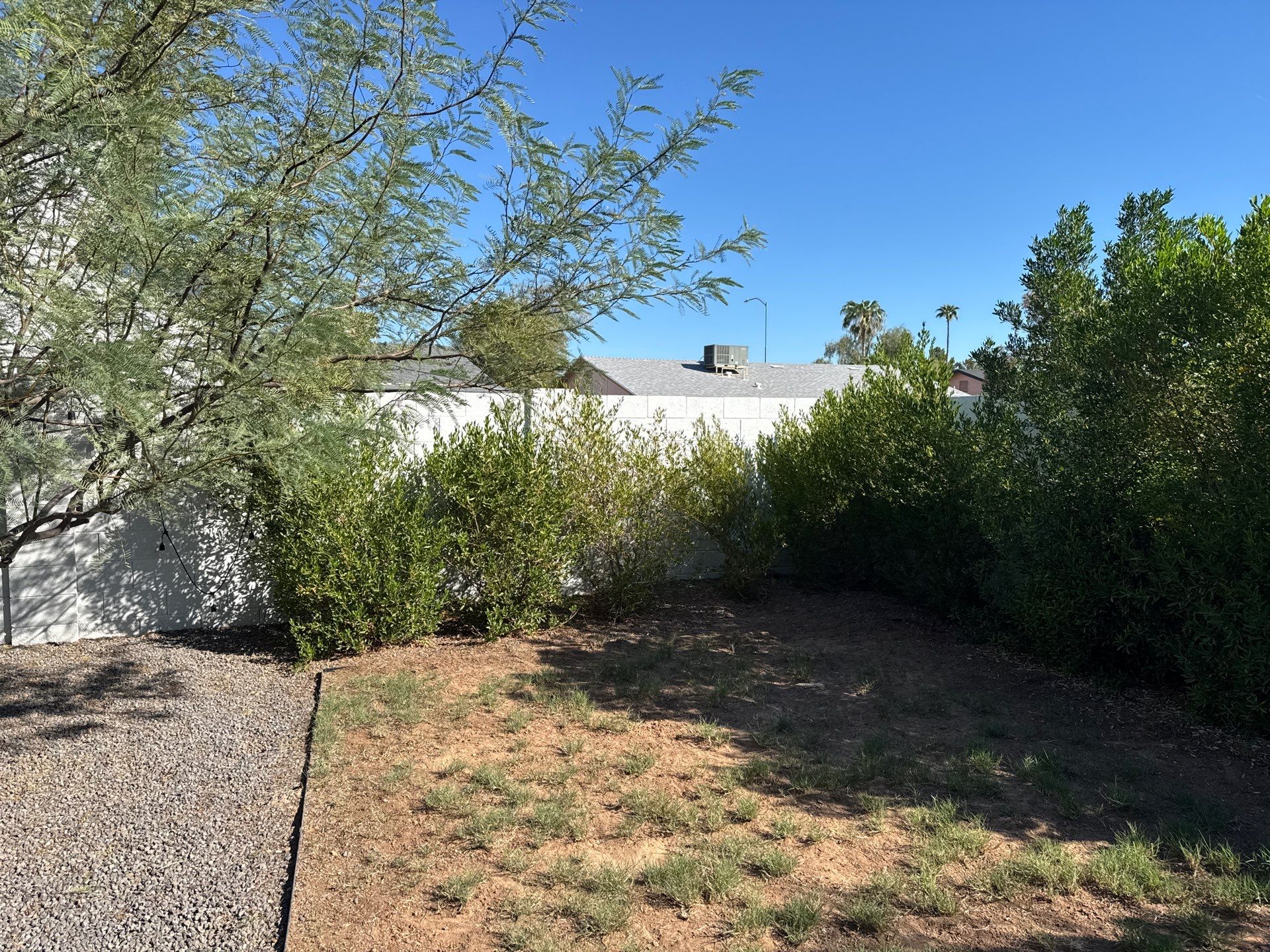
Hopseed: deep water, feed, and a reset
For these hopseed, start with a deep watering, and add some composted chicken manure. That will help speed things up and get them filling in.
The taller ones can get a major reset right now. Really hack them back. Hopseed responds to a hard cut by pushing out lots of new growth from lower on the plant, so they'll come back thicker and fuller from the bottom up.
The reset
- Cut the taller ones back by a third to half, to a foot or two below the height you eventually want. Fall is a great time for it, because they'll have the whole cool season to regrow before summer.
- Cut back to a branch or leaf node, not mid stem, and thin out any dead or crossing wood inside.
- As they regrow, tip back the new growth lightly a couple of times to make them branch and thicken.
Composted chicken manure
Scatter a few cups around each hopseed, spread out to the edge of the plant, then cover it with compost and mulch and water it in deeply. It's a big boost of nutrients and soil life.
For ongoing feeding, follow the steps in the Fertilizing section below.
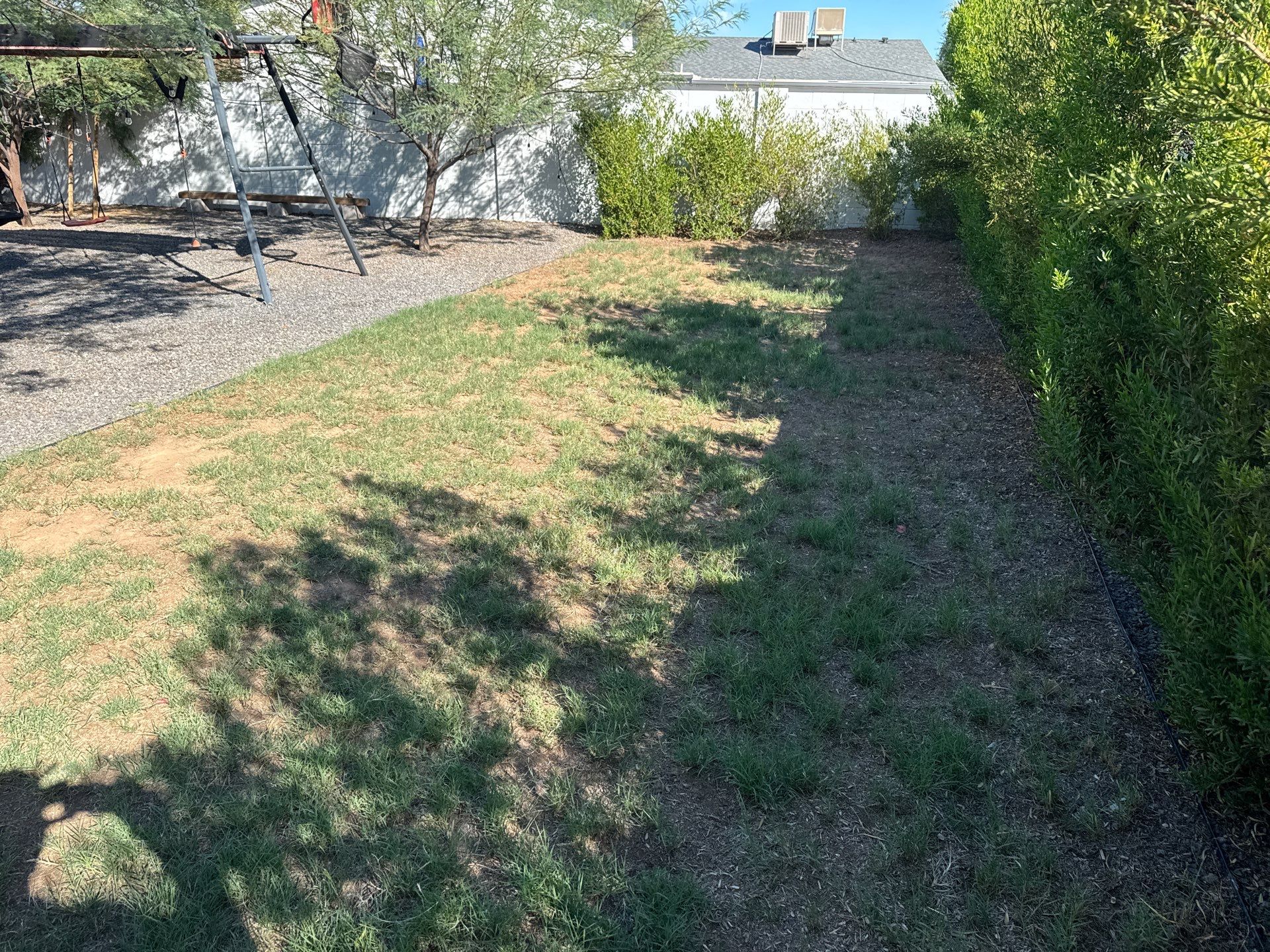
The backyard lawn: Bermuda, St. Augustine, clover, or dichondra
Here are your options for the backyard lawn, starting with taking care of the Bermuda you have now if you decide to keep it.
Taking care of the existing Bermuda
- Feeding: spread a quarter inch of compost over the lawn in spring and fall, worm castings every quarter, and an organic fertilizer at the label rate during the growing season, April through October. The products I recommend are in the Fertilizing section below.
- Aerating: core aerate once a year in late spring or early summer when it's growing hard, then spread the compost right after so it falls into the holes.
- Watering: deep and infrequent. In summer, two to three long waterings a week rather than a little every day. As it cools down, stretch it out. Once it goes dormant in winter, water every two to three weeks.
- Mowing: about 1.5 to 2 inches. Never take more than a third of the blade at once.
St. Augustine
St. Augustine has a wider, softer blade, stays green longer into the cool season, and handles shade from the trees far better than Bermuda. There are two ways to go:
- Roll out sod over the whole area. Fastest result. The Bermuda has to come out first, or it'll grow right up through the St. Augustine. Remove it, lay an inch of compost, lay the sod, and water daily for the first two weeks, then taper to deep, less frequent watering.
- Lay a few rolls in the corners and let it spread. Cheaper and easier. St. Augustine will slowly take over the Bermuda on its own. Skip winter rye overseeding, which competes with it while it's spreading.
Either way, lay it in the warm months, late spring through summer, not going into winter. Mow it tall, 3.5 to 4 inches.
Clover and dichondra, a few years out
Clover and dichondra both do their best in shade, and right now this lawn gets too much sun for them. Once the new trees have a few years to grow in and start shading the lawn, they become great options. Here's how to do it when the time comes.
Clover: microclover stays green and soft, handles shade under trees, and pulls nitrogen out of the air and puts it into the soil. Seed it in October into November.
- Mow the existing grass as short as you can and rake hard to expose the soil.
- Spread a thin layer of compost, about a quarter inch.
- Mix the seed with sand so you can see where it lands, and spread it at the rate on the bag in two directions.
- Rake lightly and press it in by walking on it.
- Keep the surface damp with short, light waterings once or twice a day until it sprouts, usually 7 to 10 days, then taper off.
Dichondra: a soft, low carpet of small round leaves that barely needs mowing. It's best for areas with lighter foot traffic. Seed it when the soil is warm, either early fall or spring, using the same prep as the clover, and keep it consistently moist until it fills in.
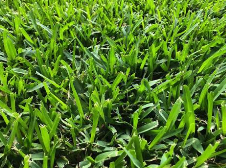
St. Augustine
Wide, soft blade that stays green longer into the cool season than Bermuda and handles partial shade much better. Great for a play lawn. Mow tall, 3.5 to 4 inches.
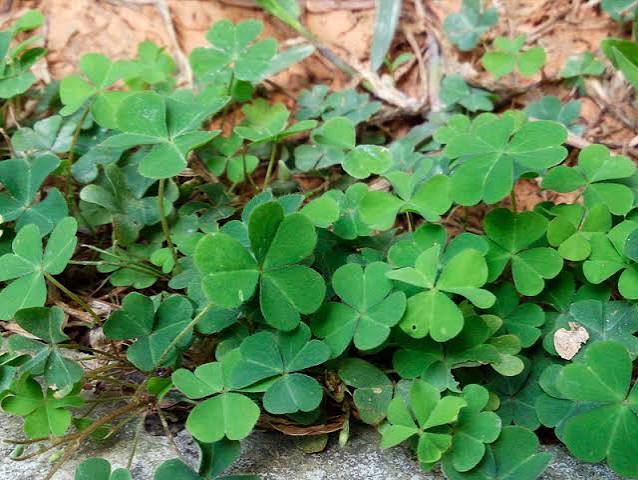
Microclover
Small-leaf white clover that blends into a lawn, handles shade, stays green and soft, and puts nitrogen back into the soil. Best once the trees are big enough to shade the lawn.
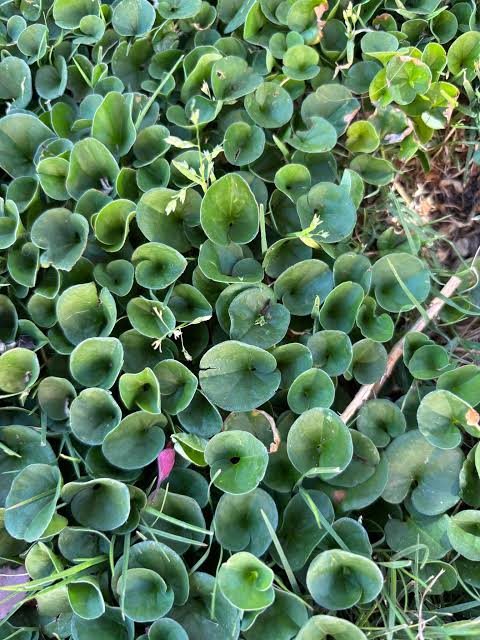
Dichondra
Low, soft carpet of small round leaves that can be grown as a lawn alternative. Needs part shade, little mowing, and regular water. Best once the trees are big enough to shade the lawn, and for light foot traffic.
Skip any weed and feed products. The weed killer in them takes out clover and dichondra along with the weeds.
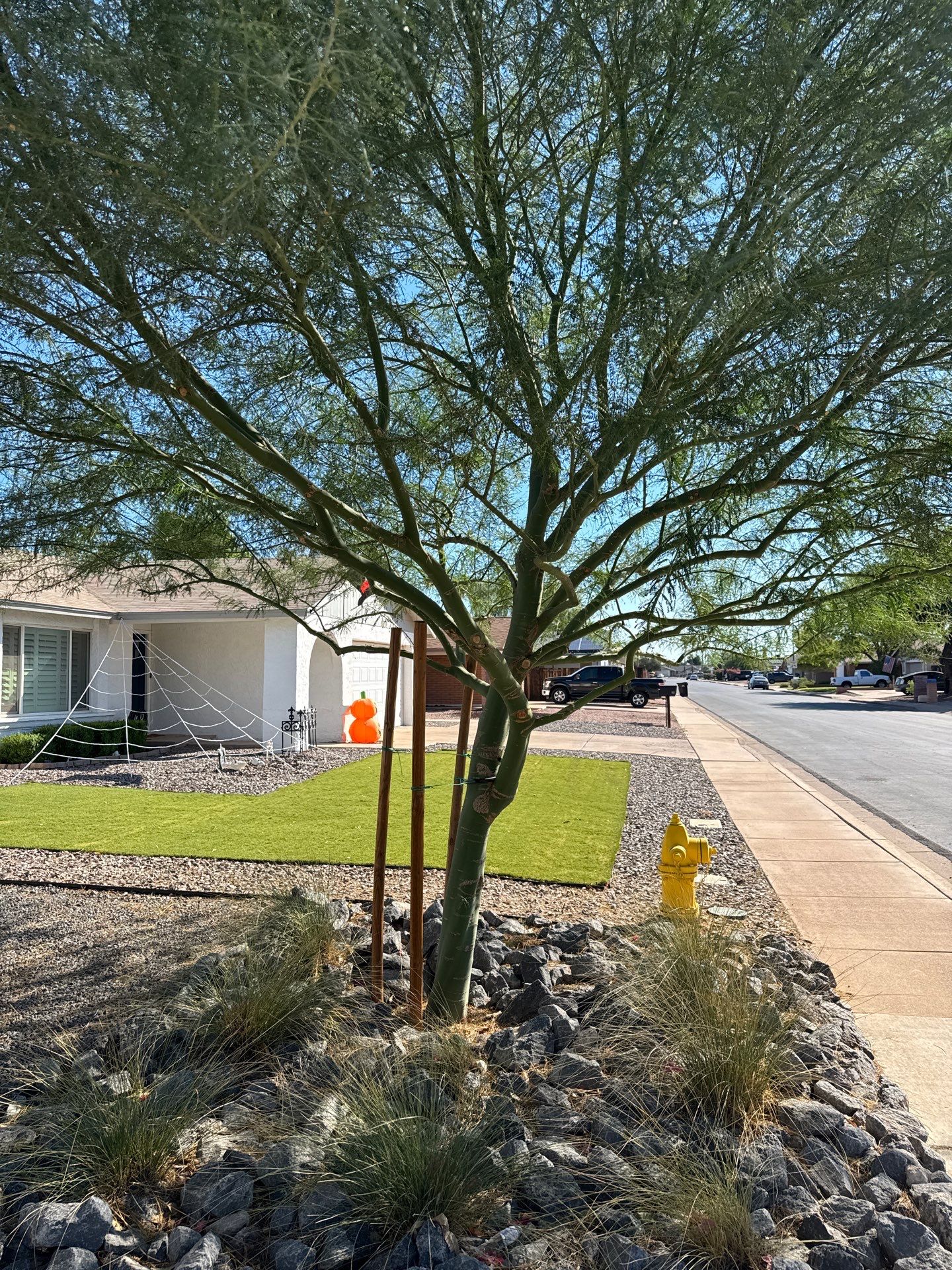
The palo verdes
These palo verdes look good. You've done a great job trimming them. Keep up on it. Now is a great time, and don't be scared to take what needs to come off.
Go ahead and remove the stakes too. They're established enough to stand on their own, and moving in the wind is what builds a strong trunk. Keep up the deep watering like you have been.
Trimming tips
- Take out dead wood, branches that cross or rub, and suckers sprouting from the base or low on the trunk.
- Thin the canopy so wind can pass through instead of catching it like a sail. That's what keeps palo verdes from blowing over in monsoon storms.
- Cut just outside the collar where a branch meets a bigger one. No stubs, and no flush cuts.
- Keep it to about a quarter of the canopy at a time.
For bigger cuts or anything high up, I recommend King's Tree Service.
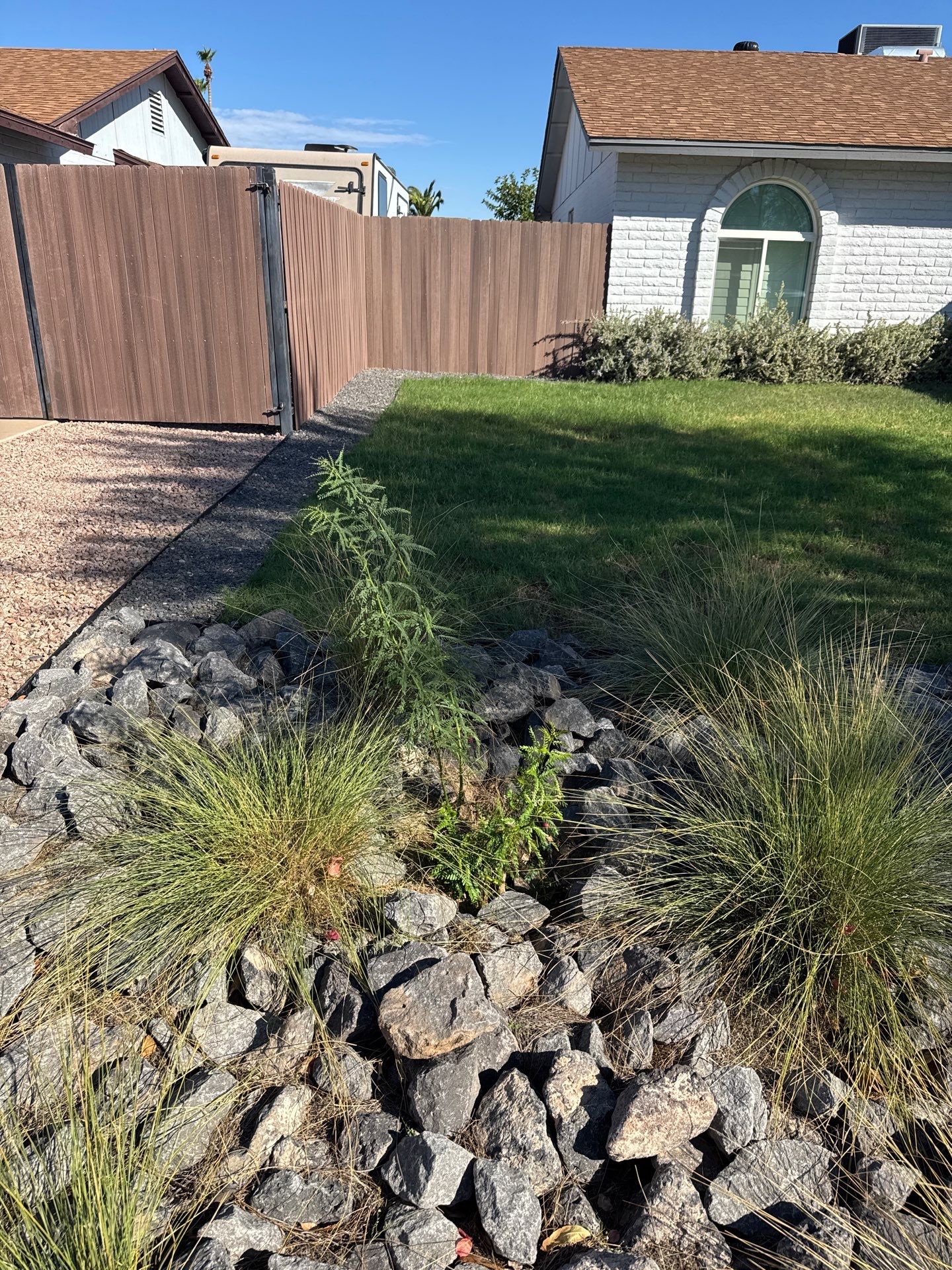
The palo verde regrowing from the old stump
The palo verde growing back from the one that fell over will work. You just need to pick one central leader and keep cutting the rest back as they keep trying to sprout up.
- Pick the strongest, straightest, most upright shoot. That's your new trunk.
- Cut all the other shoots off cleanly at the base.
- Keep checking every few weeks and cut off new sprouts as soon as they show up. The roots are big and will keep pushing them for a while.
- If the leader leans, give it one loose, soft tie to a stake for its first year, then take it off.
- Remove low side branches gradually as it grows so it develops into a single trunk tree.
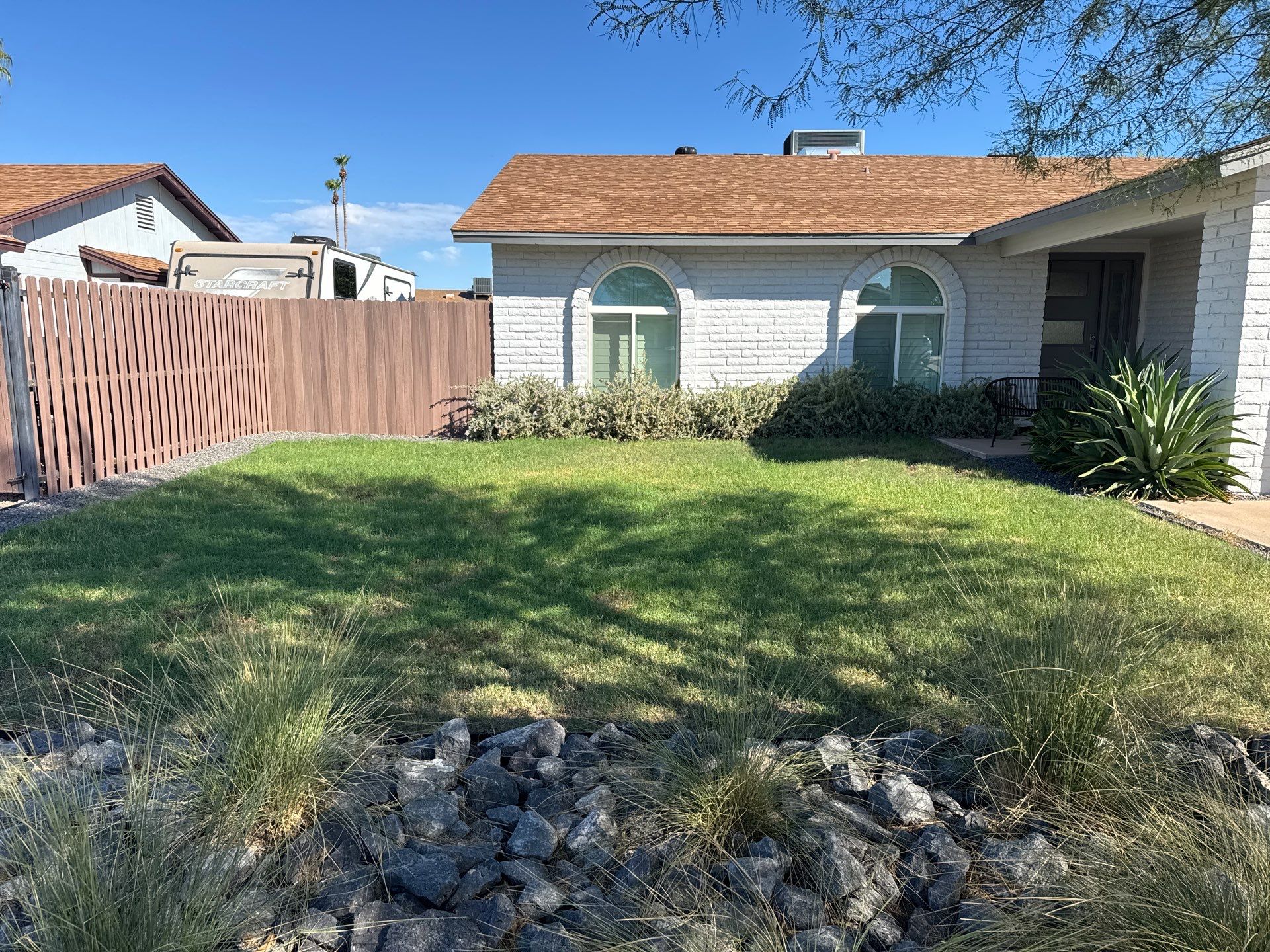
Front lawn care
Here's how to keep the front lawn looking good: fertilizing, aerating, watering, and mowing height.
- Fertilizing: a quarter inch of compost raked into the lawn in spring and fall, worm castings every quarter, and an organic fertilizer at the label rate through the growing season. The products I recommend are in the Fertilizing section below. That builds the soil life that keeps the grass green without the boom and bust of synthetic fertilizer.
- Aerating: core aerate once a year when the grass is actively growing, late spring or early summer for Bermuda, and spread the compost right after so it falls into the holes. It relieves compaction and gets water and air down to the roots.
- Watering: water deeply and less often so the roots go deep. In summer, two to three long waterings a week. Through fall, stretch it out as it cools. Water early in the morning.
- Height of cut: Bermuda at 1.5 to 2 inches, St. Augustine at 3.5 to 4 inches. Taller grass shades its own soil, holds moisture, and crowds out weeds. Never take off more than a third of the blade at once, and keep the mower blade sharp.
Fertilizing
Everything in this write-up comes back to the soil. Feeding is really about feeding the soil life. Fungi, bacteria, and worms break down organic matter and hand nutrients to the roots, which is what helps the new trees establish, brings the struggling ash back, and keeps the hedges and lawns thick, all without synthetic fertilizers. Here's the exact approach I use, so you can do it yourself.
- Compost, and be generous. On trees, spread it in a wide ring around the drip line, the outer edge of the canopy where most of the feeder roots are, from about halfway in to a couple feet past the edge. On shrubs and hedges, put it closer in, from a few inches off the stems out about a foot past the edge of the plant. Go 1 to 2 inches deep, and if you're unsure, go thicker rather than thinner. You really can't overdo quality compost. Do this three times a year: late winter (February), early summer (May), and fall (October). On the lawns, a quarter inch in spring and fall.
- Worm castings every quarter. Every three months, scatter worm castings over the same areas: a few cups around each shrub and a couple pounds around the drip line of each tree. Castings are loaded with beneficial microbes that bring the soil to life. When it lines up with a compost round, put the castings down first and the compost right over them.
- A good organic fertilizer. These are the three products we use and recommend, all from Catalyst. Apply them at the label rate on the schedule each one gives.

Jenner 8
Liquid organic feed for the whole landscape.

Organic Nitro Jen
Organic nitrogen to push healthy green growth.
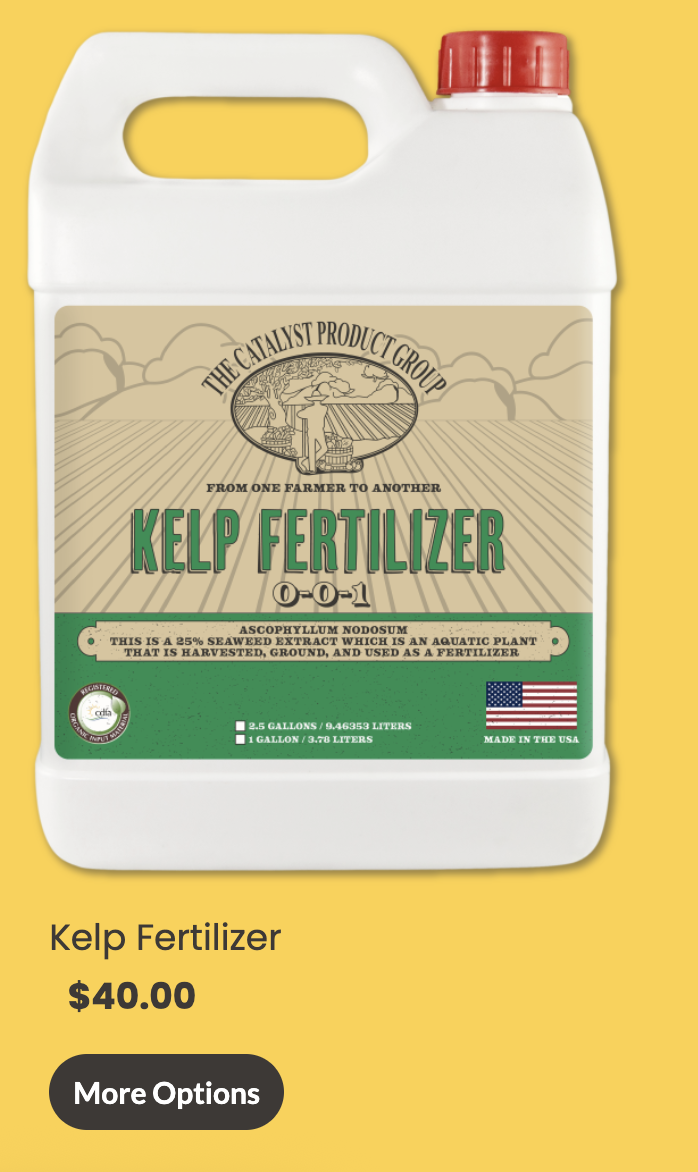
Kelp Fertilizer
Kelp based feed that supports roots and overall plant health.
You can find all three on the Catalyst website. Click Products, then Home and Garden.
- Water it all in. Give everything a deep watering right after you put it down so it soaks into the root zone.
- Mulch over the top. Mulch goes over the compost in the beds to keep it moist and cool so the soil life can do its work. Hold it a foot back from trunks and stems. No need to work any of it into the soil.
Compost, worm castings, and mulch are all at Arizona Worm Farm.
If you'd rather we handle it
Our monthly landscape fertilizing program feeds the whole yard for you.
- Covers the trees, hedges, ground covers, and both lawns
- Monthly compost based liquid feeding across the full landscape
- Compost applications three times a year
- A recap video sent to you after each visit
Quick reference
Compost, mulch, worm castings
Arizona Worm FarmOrganic fertilizer
Catalyst (Products, then Home and Garden)Arborist pruning
King's Tree ServiceIrrigation and turf
Garrett: 480-678-9121St. Augustine sod
Evergreen Turf or West Coast TurfRoot flare video
Why the root flare mattersQuestions
Ask me anytime in the Garden Nerd ClubNext steps
You can take this list and do it yourself, and I'm right there in the Garden Nerd Club if you want a second set of eyes along the way. If you'd rather have us handle the planting, like the replacement trees, the vines, and the ground covers, I can put together a planting proposal for you.
For anything irrigation or turf related, call Garrett at 480-678-9121.
You can see more of what we do on our planting services page.
