
Planting Proposal
Nancy, here's your planting plan
6847 E Lafayette Blvd, Scottsdale, AZ 85251
Area 1 · Kumquat area
Trying star jasmine again

You've tried jasmine here before and it didn't take, but that was before the trees around it filled in and added shade. The light in this spot has changed, and star jasmine does well with more shade, so it's worth another shot. We'll start with two and see how they take this time before adding more.
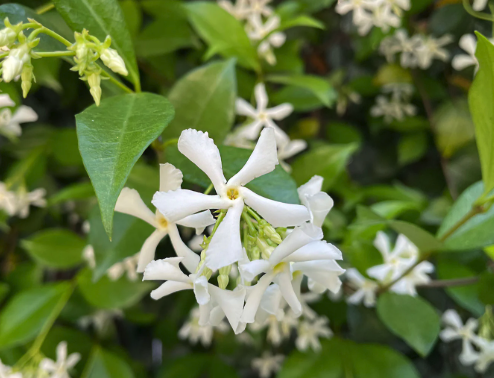
Star Jasmine
Fragrant, evergreen, and happy in shade. Fills in as a groundcover or low climber.
2 × 5 gallonArea 2 · Where the peach was
A Meyer lemon in place of the peach

Once your landscaper pulls the dead peach, we'll put a Meyer lemon in the same spot. Of all the lemons, Meyer is the one I'd pick for a home yard here. It stays compact at about 8 to 10 feet tall and wide, it handles our cold snaps better than Lisbon or Eureka, it has far fewer thorns, and it produces a lot of fruit. The lemons are a little sweeter and thinner skinned than what you'd buy at the store, which most people end up preferring.
Fall is still the best time to plant citrus here. It gives the roots the whole cool season to get established before summer heat hits, so the tree goes into its first summer settled in and ready for it. The only extra step is covering it with frost cloth if we get a night below freezing this first winter. After that first year it handles the cold much better on its own.

Meyer Lemon
Evergreen, 8 to 10 feet tall and wide at maturity. Sourced from Greenfield Citrus Nursery.
1 × 15 gallonArea 3 · Patio roses
A formal Dwarf Myrtle hedge

The old roses come out and a row of Dwarf Myrtle goes in. Myrtle stays dense all the way to the ground and takes regular shaping well, so you can keep it as a clean, formal line at three to four feet. It also handles the reflected heat off the patio far better than the roses have been.
Plan on a light trim two or three times a year once it fills in. Shaping it a little at a time keeps it full at the base instead of leggy.
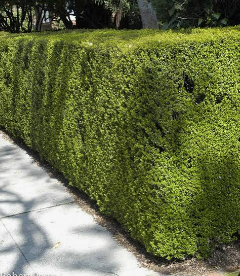
Dwarf Myrtle
Evergreen, fine textured, easy to keep at a formal three to four feet.
10 × 5 gallonArea 4 · West-facing bed
Honeysuckle along the wall, a lower row in front

Honeysuckle does great in this bed, so we're running six new ones along the wall as one continuous planting, in place of the two existing plants. In front of them goes a lower row of four plants.
For the front row, here are a few options that all handle this west exposure and pair well with the orange honeysuckle. They're all the same size and price, so pick whichever you like best, or mix two of them.
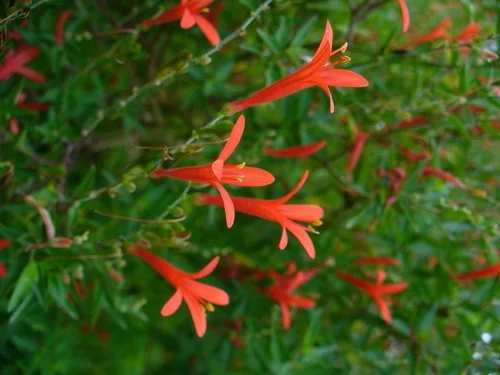
Honeysuckle
Orange tubular blooms that hummingbirds go straight for. Handles the west sun well.
6 × 5 gallon
Globe Mallow
Orange spring flowers and soft gray foliage. Native and loves full sun.
Front row option, 5 gallon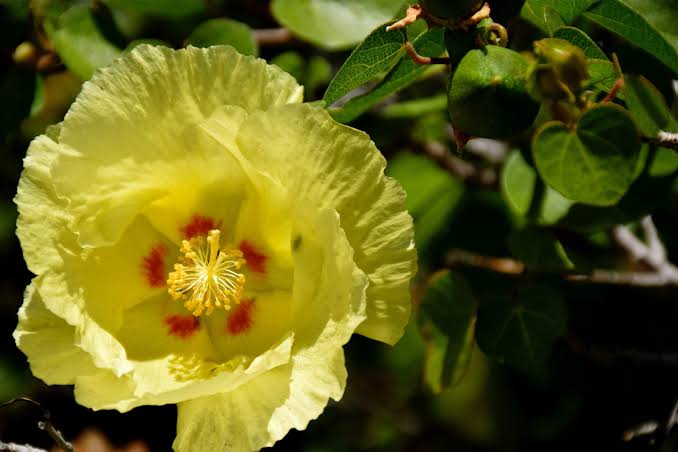
San Marcos Hibiscus
Lavender flowers most of the warm season on a full, rounded shrub.
Front row option, 5 gallon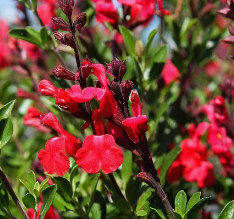
Autumn Sage
Red, pink, or coral flowers in spring and fall. Hummingbirds love it.
Front row option, 5 gallon
Coral Fountain Grass
Soft, arching grass with coral pink plumes. Adds movement and texture in front of the honeysuckle.
Front row option, 5 gallon
Lemongrass
Tall, fragrant grassy clumps you can cook with. Lush and green through the warm months.
Front row option, 5 gallonArea 5 · Pine tree fence line
Cape Plumbago under the pines

Plumbago handles the shade under the pines where the sour orange never took off. It'll bloom a little lighter than it would in full sun, but it fills in well and gives you soft blue flowers along this wall for most of the year. Keep it loose and informal, or give it a light shaping if you want it tidier.
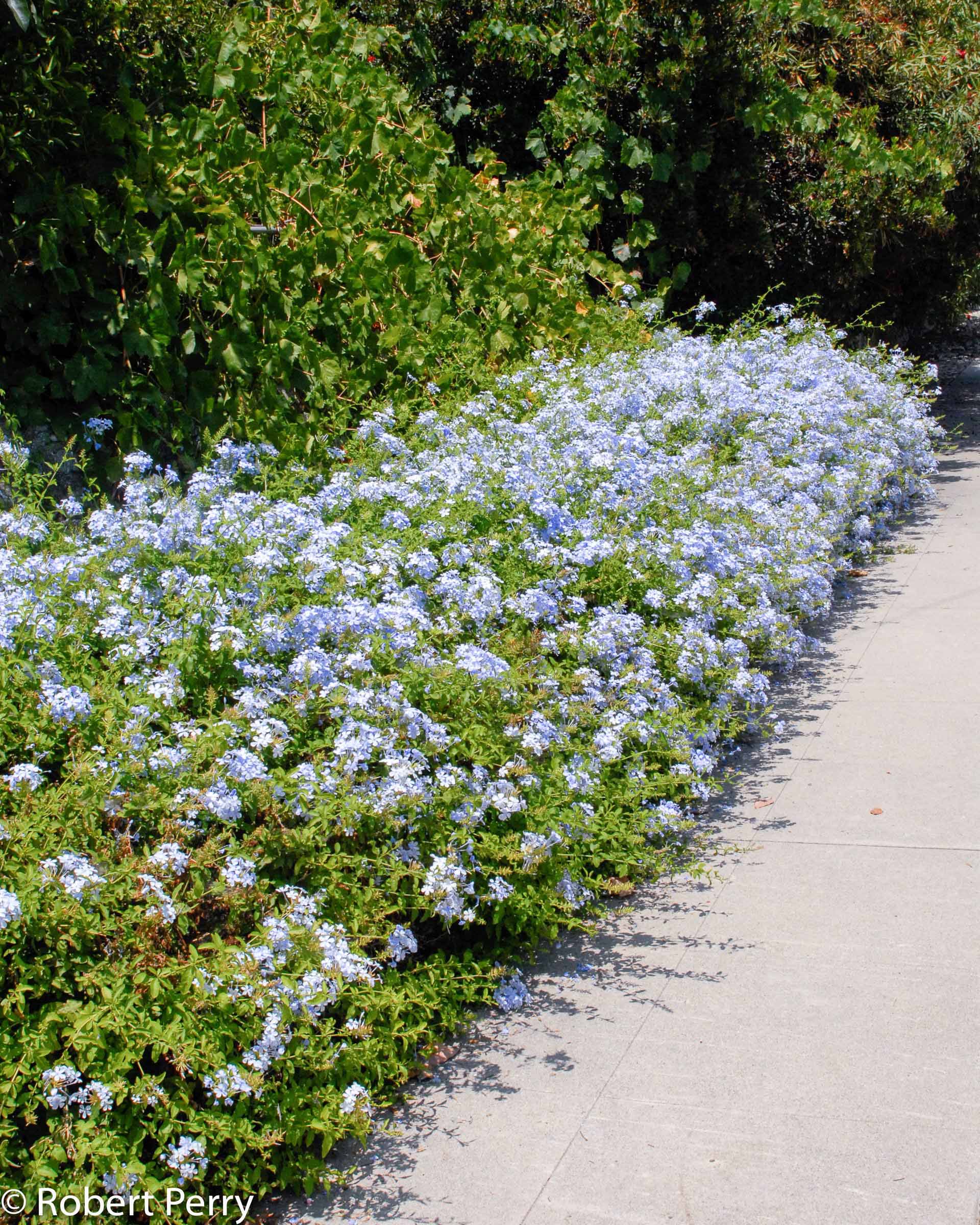
Cape Plumbago
Evergreen, powder-blue blooms, grows about four to six feet tall and wide.
10 × 5 gallonArea 6 · Lime and orange trees
Exposing the root flares

While we're out, we'll also expose the root flares on your lime and orange trees, at no additional charge. The root flare is where the trunk widens out into the main roots, and it should sit right at the soil line. When soil and mulch build up against it over the years, the bark stays damp and the tree slowly struggles. Pulling that soil back lets the tree breathe, take up water the way it should, and grow into a bigger, longer lived tree.
How we plant
Soil first, from day one
Everything gets backfilled mostly with your native soil, with just a small amount of compost mixed into the hole, so the roots grow out into the ground they'll actually live in. We then lay quality compost on top of the soil around each plant and mulch over it, keeping the mulch about a foot back from the lemon's trunk. The compost feeds the soil biology from the top down, the same way it happens in nature.
Pricing
Your planting investment
If it isn't listed on this proposal, it isn't included.
Text me to approveNext steps
How this comes together
- Text me to approve, and let me know which front row plant you like.
- A 50% deposit gets you on the schedule.
- I'll stop by about a week before planting to walk it with you, confirm every spot, and lock in the final price.
- We plant, compost, and mulch.
As a consult client you're already in the Garden Nerd Club, so you have direct access to me for any care questions once everything is in the ground.
Talk soon, Nancy
Text me anytime with questions or changes. I'm looking forward to seeing this come together.
Text Michael