
Your Yard, Emmett
Thanks for having me out. This is everything we walked through, written down in the order we covered it. One thing you'll notice running through almost the whole yard: a lot of the irrigation out here is running on single one-gallon-per-hour emitters, which isn't enough for a lot of these plants. Swapping those for spider emitters, the multi-outlet kind, comes up again and again below, and it's worth treating as one project rather than plant by plant.
Every plant on this list is adapted to this climate and takes a lot less water than something that isn't desert adapted. When we plant, we backfill with your native soil, lay compost right on top, and mulch over that, so the soil biology gets going from day one without disturbing the roots.
Irrigation fixes, a hedge redo, and some pruning
Fill this shaded spot with pollinator color

This spot sits in afternoon shade most of the day, tucked behind a vitex tree and under a mesquite, so whatever goes in here needs to handle part shade rather than full sun. Pull the rock back, build a water well, and lay mulch down as part of the same project. A wider mix of shade-tolerant color that still pulls in pollinators:
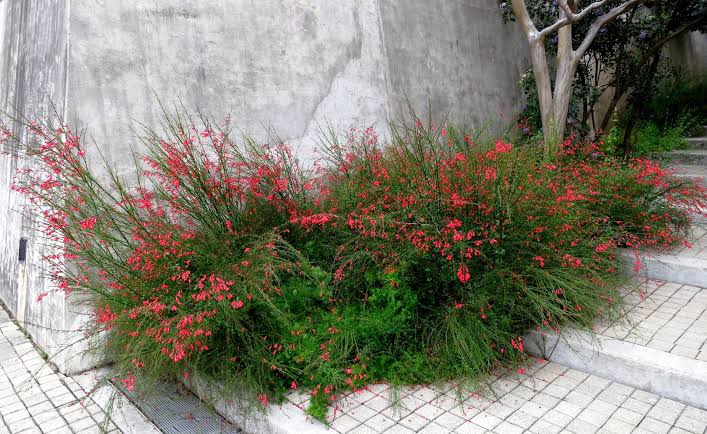
Firecracker Plant
Fine, arching foliage with red tubular blooms, tolerates part shade better than most.
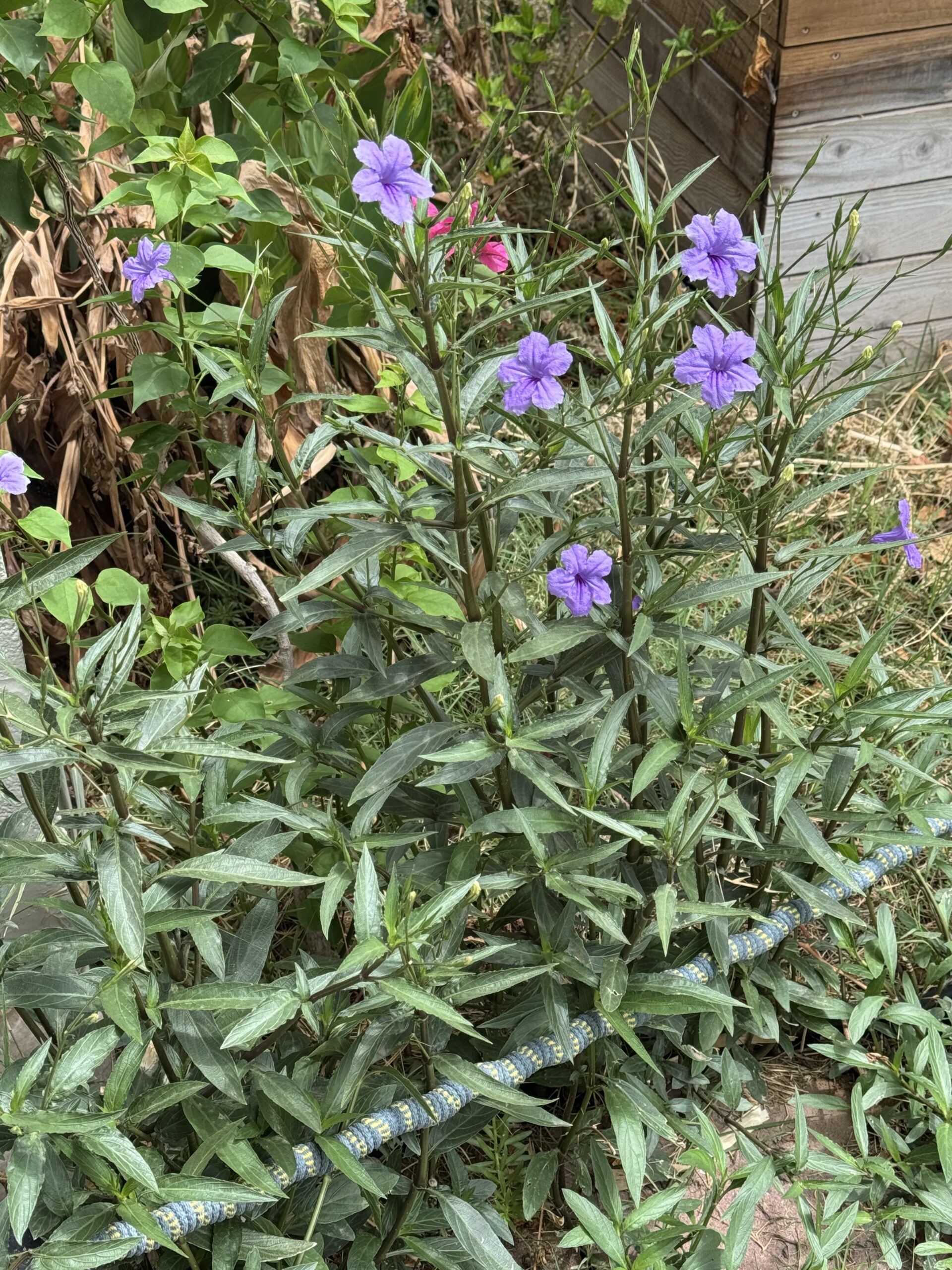
Ruellia
Purple blooms most of the warm season, one of the better bloomers for part shade.
Honeysuckle
Handles the afternoon shade well here and brings in the pollinators alongside the color.

Hibiscus
Big, showy blooms and tolerates part shade better than most hibiscus varieties.
Expose the root flare, plan the prune for next month

This mesquite would benefit from digging out the root flare now. Give it about a month after that before pruning, so it's not dealing with both at once. When you do come back to it, take out the cross branches and the long, lanky growth, cutting back around a third of it so the canopy isn't so weighed down.
Give it a good prune and more water, it'll come back

I'm not worried about this lantana. Give it a good hard prune and more water and it should come right back. The mesquite above it is part of the issue too, so trimming that back lets more light down onto it and helps both recover. A couple good handfuls of compost from Arizona Worm Farm will help it along, and add a spider emitter here too, same as the rest of the yard.
Give the hedge another shot, this time with the right water
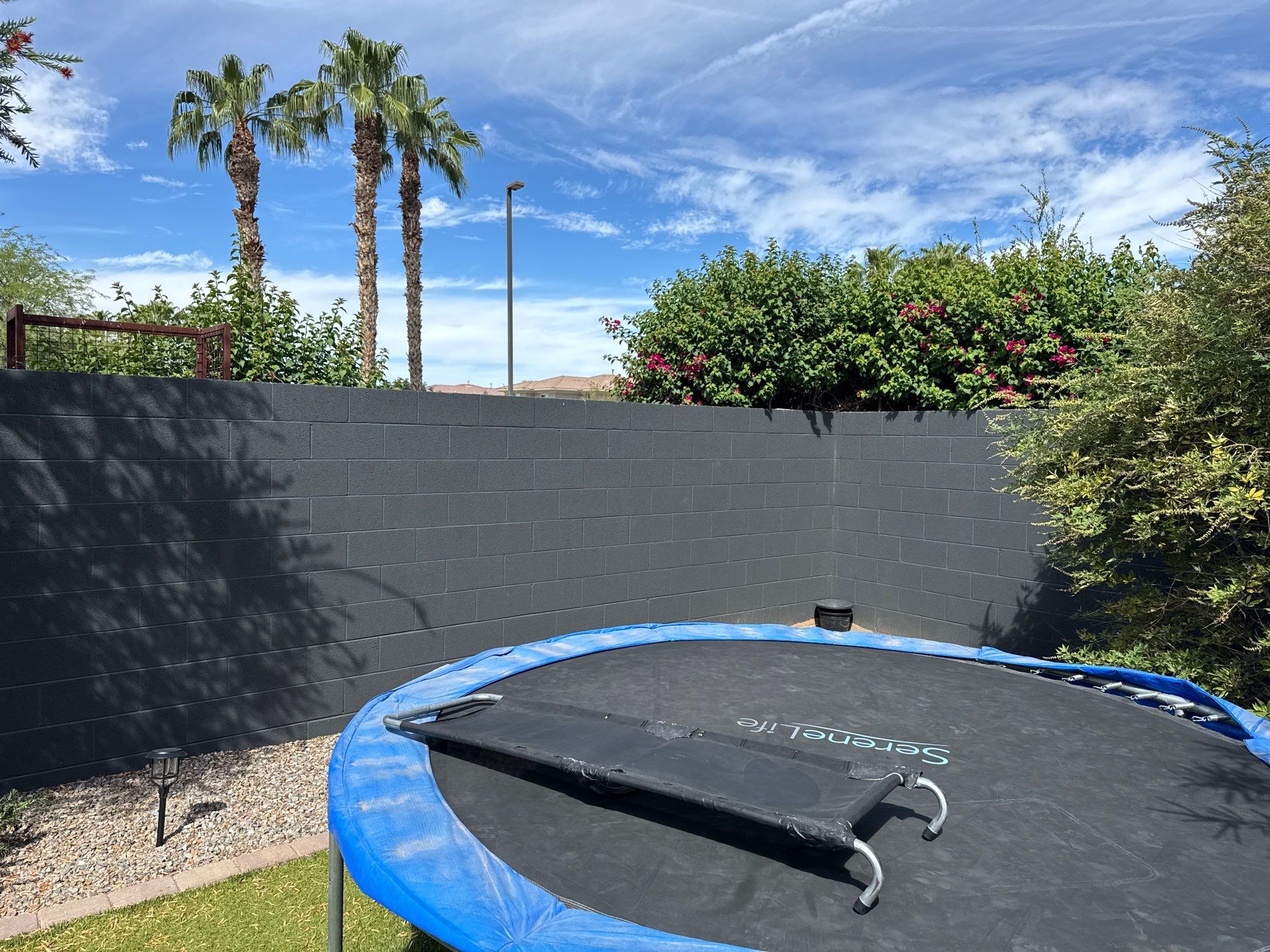
Orange jubilee's been tried here before and it didn't take, but the real issue was watering, not the plant itself. One-gallon-per-hour emitters just weren't enough. Switching to spider emitters fixes that. Plant three or four to fill the hedge back in, pull the rock back, mulch instead, and plant with amendments worked into the hole.
Orange Jubilee, 5 Gallon
For three or four plants to fill in the hedge, that's $255 to $340 total.
Fix the irrigation, feed everything with chicken manure

Same story here with the bottle brush and the bushes and trees around it: replace the one-gallon-per-hour emitters with spider emitters, pull the rock back, and mulch. On top of that, working in some quality composted chicken manure will give everything here a real boost.
Get more water to it, add San Marcos hibiscus alongside
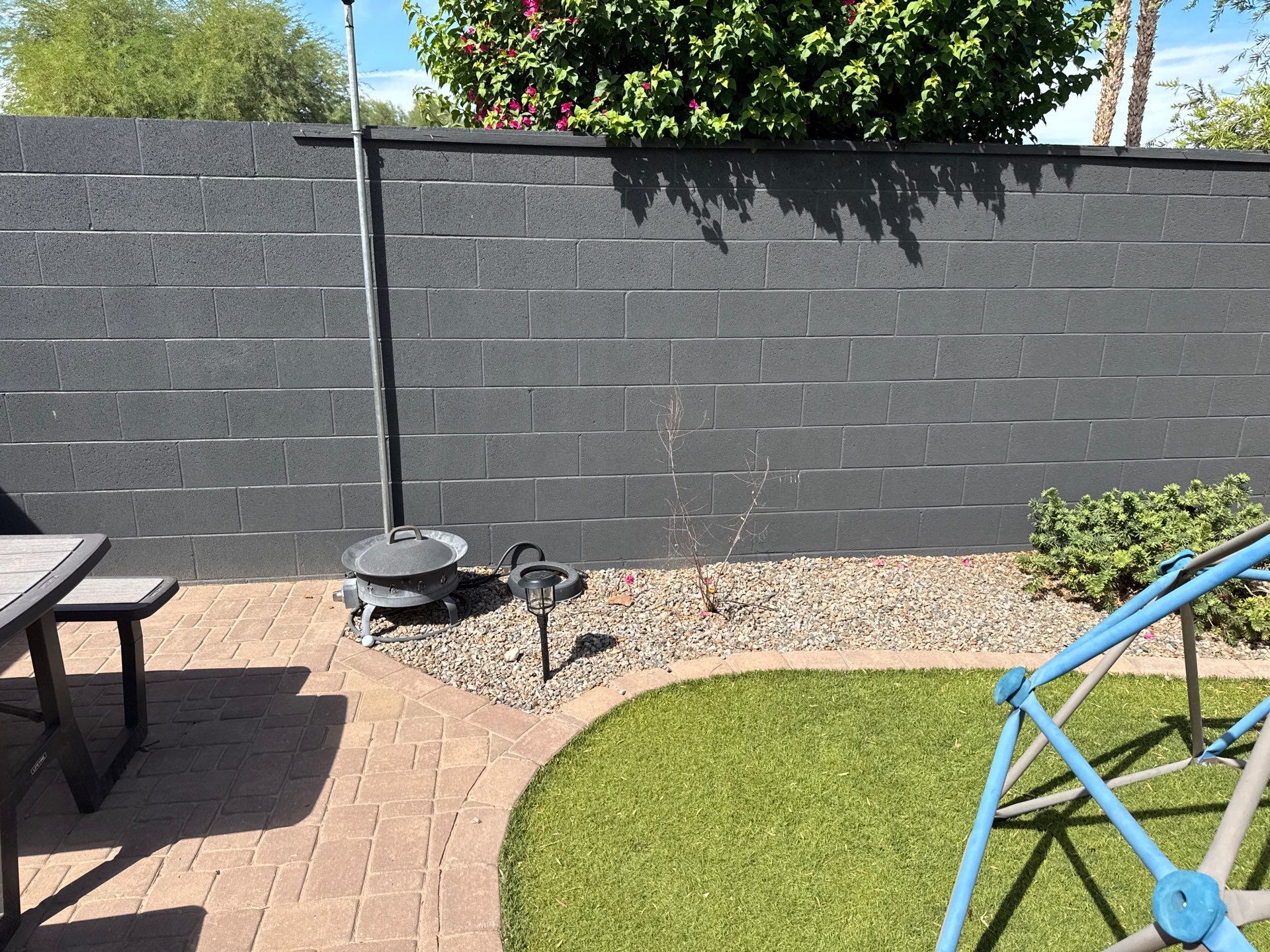
This red bird of paradise got fried and simply needs more water. Replace the emitter, add spider emitters, pull the rock back, mulch, and step up the watering going forward. Planting time can be now, so it's also a good spot to add San Marcos hibiscus right alongside it.
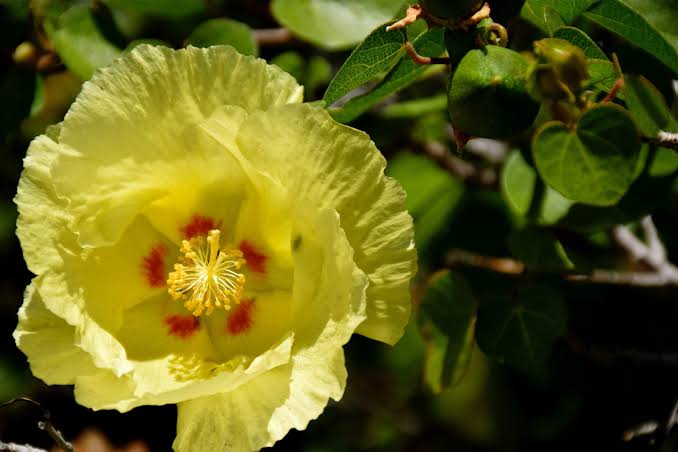
San Marcos Hibiscus
Yellow blooms with a maroon spot at the base, holds up well to full sun and heat.

Globe Mallow
Orange-red blooms most of the year, takes a lot less water than something that isn't desert adapted.
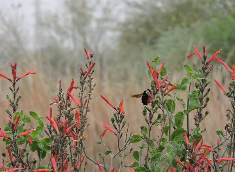
Chuparosa
A hummingbird favorite, red tubular blooms most of the year.
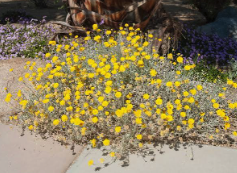
Desert Marigold
Bright yellow daisy blooms nearly year round, low and mounding.
Cover the wall they see from the kitchen
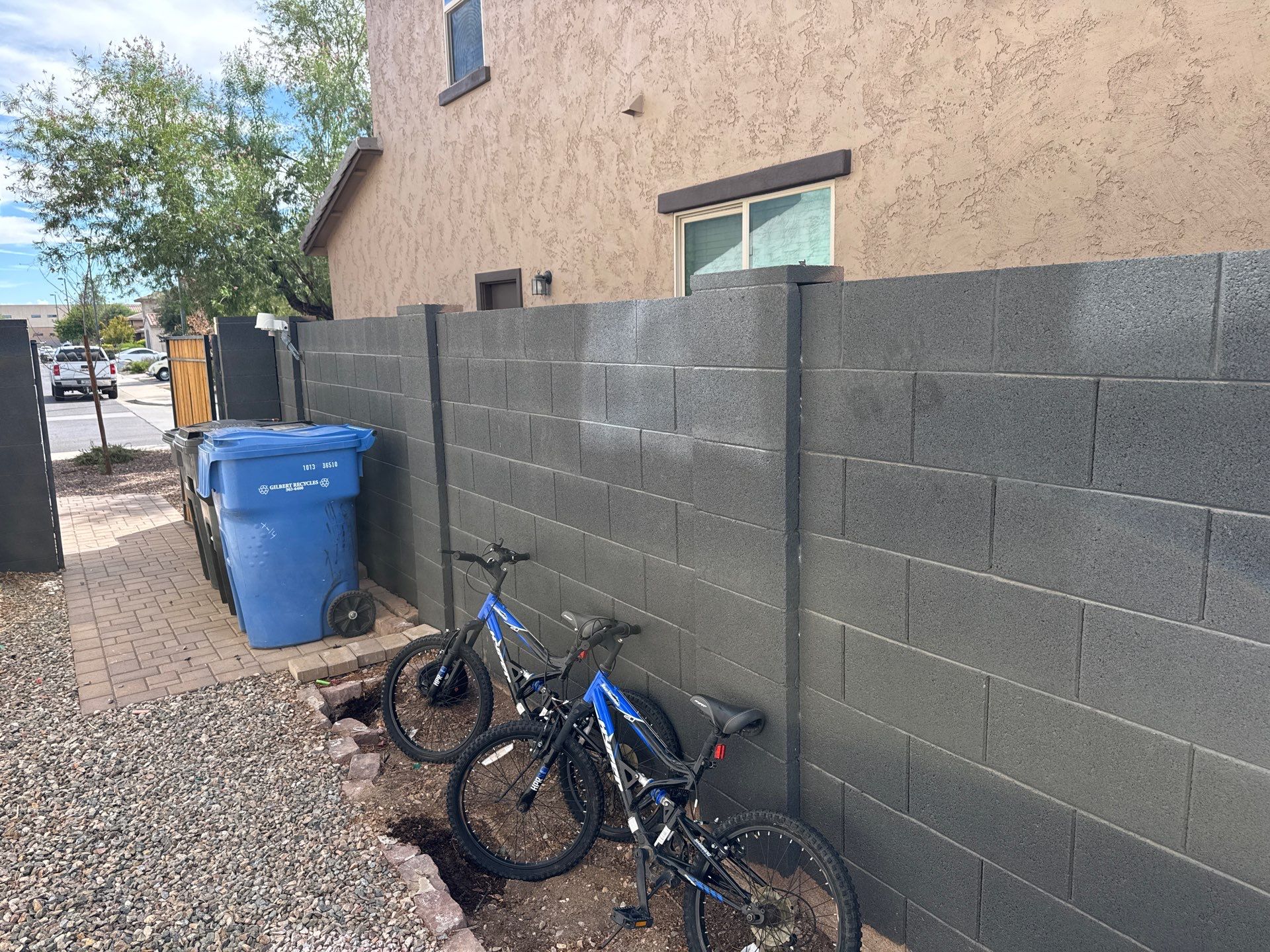
This wall faces north but still gets a fair amount of sun, and it's what they see every time they're at the kitchen window, so it's worth doing right. A few options that work well here:

Orange Jubilee
Bright orange trumpet blooms most of the warm season.
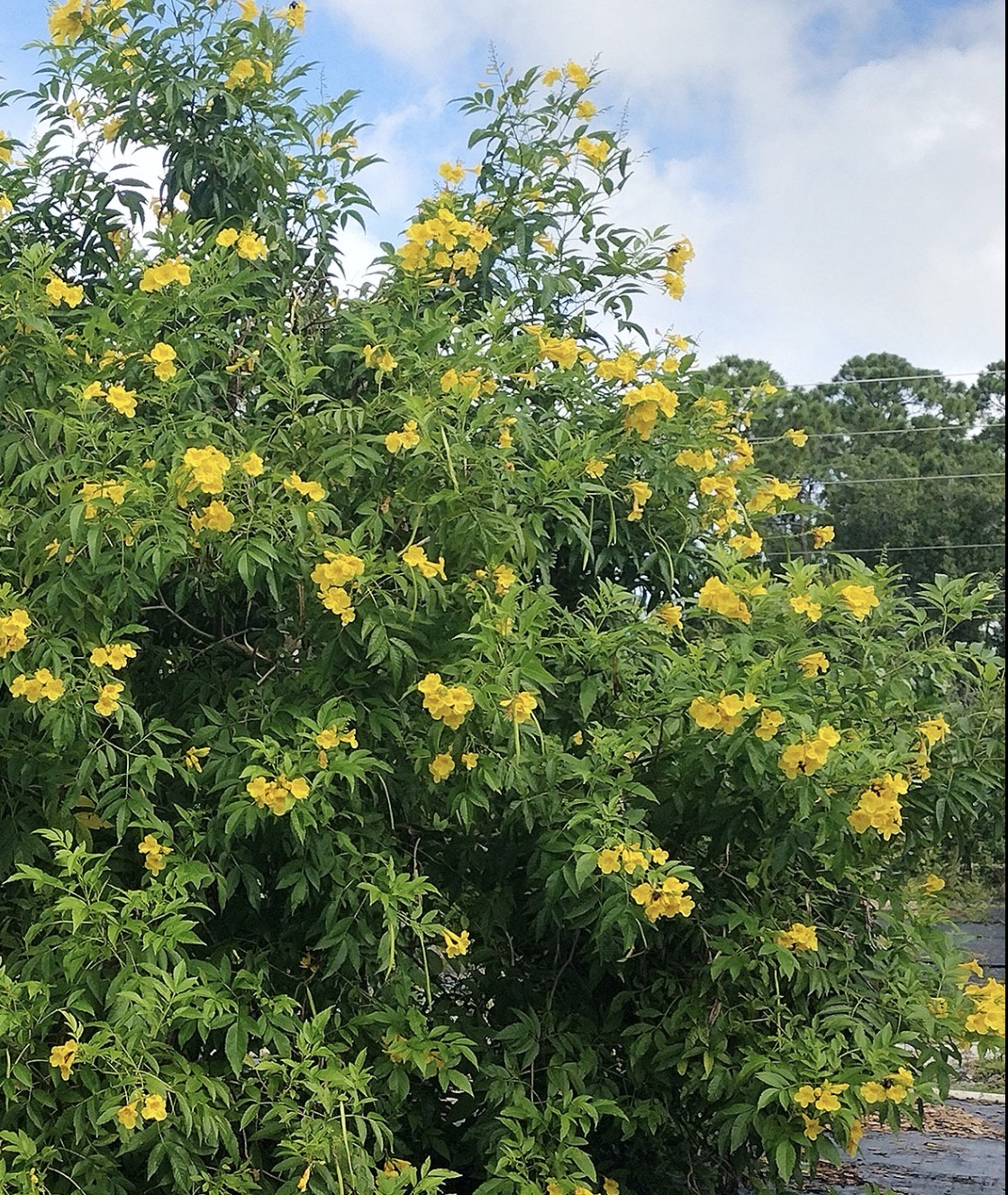
Yellow Bells
Same family as orange jubilee, yellow blooms instead, good paired together.

Hopseed
Dense, fast-growing evergreen screen for solid coverage.

Arizona Rosewood
Native, upright structure, a cleaner look than hopseed.

Twisted Myrtle
Dense, glossy evergreen with a more sculptural form than a plain hedge line.
A tree replacement and a couple cleanup spots
Replace it, and get the planting right this time

This tree didn't make it. Red push pistache is my first pick to replace it, with Chinese elm and mesquite as other options. Getting the planting right matters as much as the species pick: root flare at or just above grade, not buried, watered correctly from the start, and a water well built around the base with mulch instead of rock.

Red Push Pistache
Dense shade with reddish new growth and fall color, a bit more formal looking.

Chinese Elm
Fast, full shade, matches what was here before.
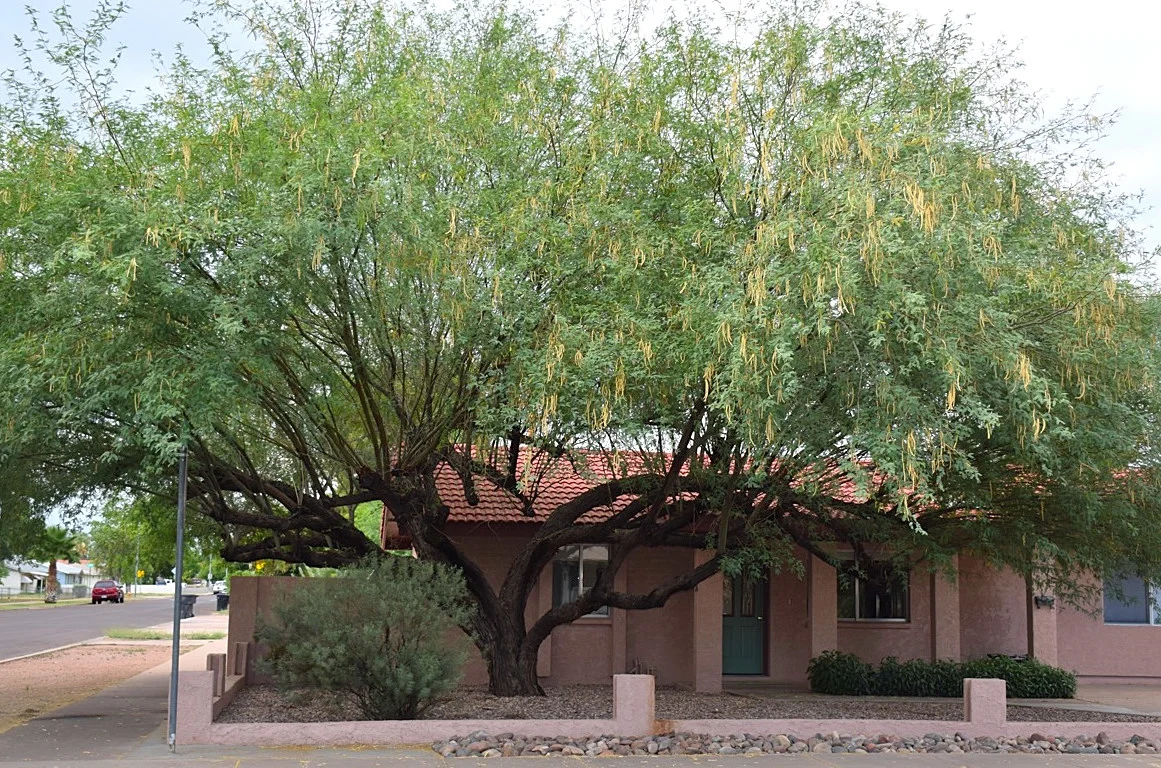
Mesquite
Fast growing with an airy, open canopy, a lighter look than elm.
Expose the root flare, add a dripper, clean up the canopy

This Chinese elm would really benefit from a full root flare excavation, pulling everything back to expose the flare and cutting any girdling roots. Add one more dripper to it, and while you're in there, prune out the cross branches and anything hanging down.
Pull the rock, mulch it, fill in with groundcover


This area would benefit from pulling the rock out and putting mulch down instead. Once that's done, filling the whole space in with Wedelia, also sold as Yellow Dot, gives you complete ground coverage rather than bare mulch showing through.

Yellow Dot
Low, spreading groundcover with small yellow flowers, fills in completely once established.
Monthly organic fertilizing program
Compost and chicken manure came up more than once today. This turns that into a standing habit instead of something to remember on your own.
Whether you handle the planting and pruning yourself or have us do it, everything on this list does better with regular feeding rather than an occasional pass. We come out monthly, spray the whole landscape with our organic liquid blend to feed the soil life, and top dress with quality compost a few times a year, all sourced through Arizona Worm Farm. You get a short recap video after each visit so you know exactly what was done and what we're seeing.
Monthly Organic Fertilizing
No contract, cancel anytime.
Where this goes next
The emitter swap is the one piece here that touches almost everything else, so it's worth tackling first. Garrett, the irrigation guy I work with, can run through the whole property and get everything onto spider emitters in one visit rather than piecemeal. He's at 480-678-9121.
Everything else above is laid out so you can handle it yourself if you'd like. You'll be added to the Garden Nerd Club, where you can ask questions as you go. For the new tree out front, just let me know which way you want to go and I'll get you pricing on that.
Questions on anything here, just reach out. You can also read more about how we plant at thegardennerd.org.