
Your Yard, Cesar
Thanks for having me out. This is everything we walked through, written down so you have it in one place. The big picture: a fruit tree row out front, shade trees on the east side and by the driveway, hedges along the house, a fix for the pecan root flares and the rings in the lawn, and a plan for clover under the pecans where the grass gives up.
Where I gave you a couple of options, I've listed them so you can pick. Every plant here is adapted to this climate and doesn't need much water once established. Whatever you go with, we build the planting hole with quality compost and organic fertilizer so the soil biology gets going from day one. That's what makes these plants take off instead of just survive.
A shade tree, the pecans, and the lawn
The back is mostly about taking care of what's already there. One new tree, a root flare fix on the pecan, and two lawn projects that will make a real difference in how it looks and holds up.
A large shade tree, fruit bearing if you want it

You want a big shade tree here, and ideally one that produces something. That narrows the list, because most of the big shade trees in this climate don't fruit and most of the fruit trees stay small. These are the ones that do both, plus a couple of non-fruiting trees in case size matters more than a harvest.
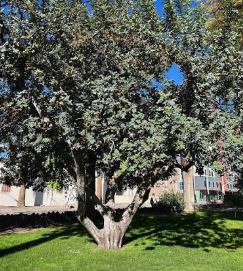
Carob
Evergreen, dense, wide canopy, 30 to 40 feet. Produces sweet edible pods every year once mature. Very tough, handles heat and cold, and doesn't need much water once established. The best true shade tree on this list that also feeds you.
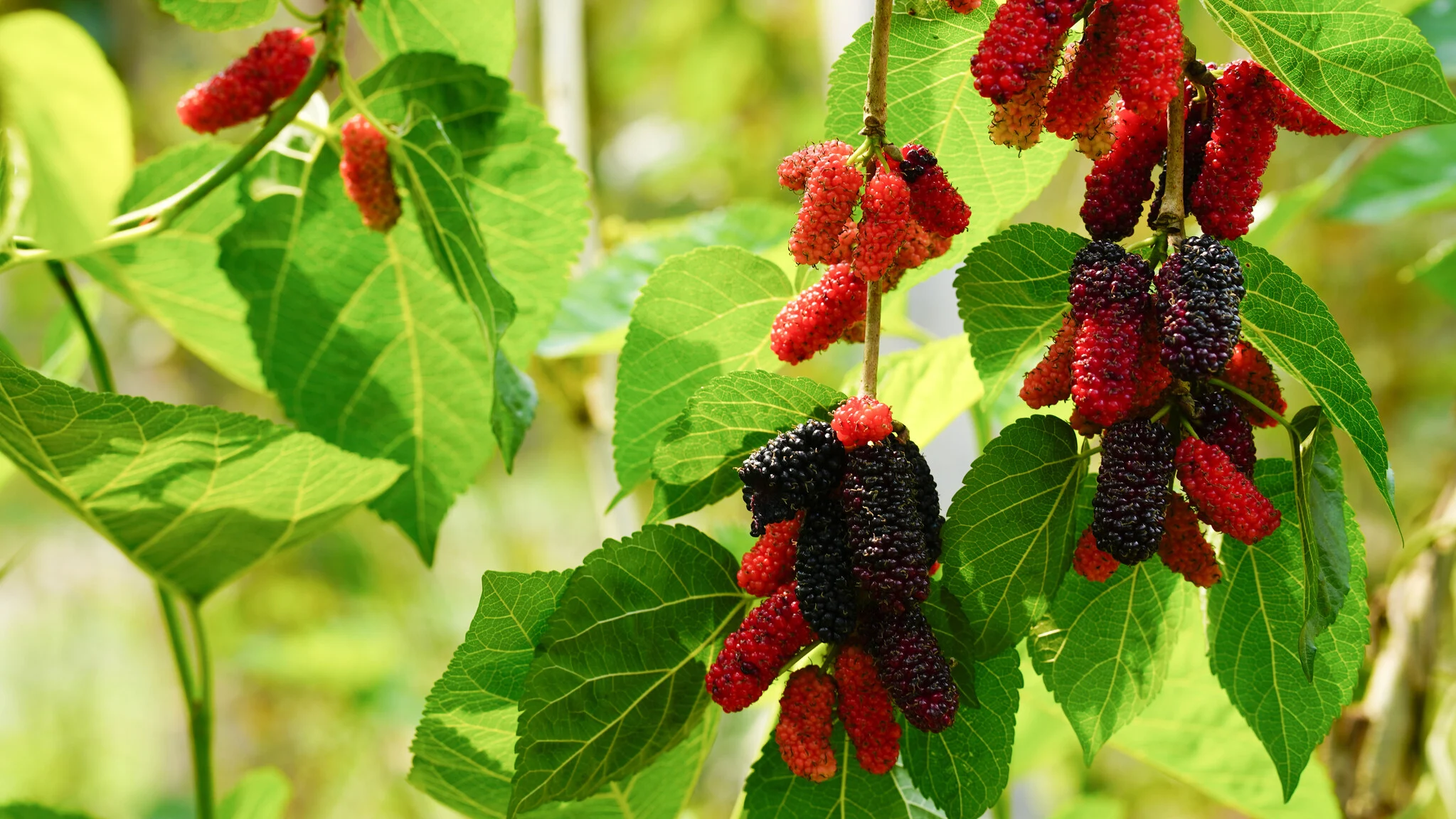
Fruiting Mulberry (Pakistan or Persian)
You already know what a mulberry does for shade. The fruiting types give you big, sweet berries in spring on top of it. Fast growing, 30 feet plus, deciduous. Pakistan mulberry has long berries that don't stain the way the smaller ones do. Plant it away from paving.

Chinese Elm
Fast, wide, graceful canopy with peeling bark. One of the most reliable big shade trees in the Valley. Semi-evergreen here. No fruit, but if pure shade is the goal this is hard to beat.

Red Push Pistache
Round canopy, 30 to 40 feet, red new growth in spring and real fall color, which is rare here. Deciduous. Clean tree, no messy fruit, strong structure.
Dig out the root flares

The root flare is where the trunk widens out and turns into roots. On a healthy tree you can see it above ground. I only photographed one of the two pecans, but this applies to both of them. On these trees it's buried, which is common, because soil and grass get built up around the trunk over the years. When the flare is buried, the bark stays wet, the tree can't breathe the way it needs to, and roots start circling the trunk and choking it. It's a slow decline and most people never connect the dots.
How to dig it out
- Start at the trunk and work outward. Use your hands, a hand trowel, or a hose on a hard stream. Never a shovel against the bark.
- Pull soil back until you find the flare, where the trunk stops being straight and starts curving out into the big roots. That can be an inch or several inches down.
- Clear out to the edge of the flare so the top of every main root is exposed. Cut any small roots that are wrapping around the trunk instead of heading out.
- Leave it exposed. Don't backfill. A little mulch over the roots is fine, but keep it off the trunk and off the flare. Grass should not grow right up to the bark.
If the video doesn't load, watch it here: youtu.be/mLCVVxdvxU8
Leveling with mason sand in summer

Peak summer sounds like the wrong time to bury Bermuda in sand, but it's actually the best time. The grass is growing as fast as it ever will, so it pushes through the sand in days instead of weeks. Mason sand is the right material. It's fine, clean, and washed, so it settles into the low spots and doesn't bring weed seed with it.
- Mow low first, lower than your normal height, so the sand can get down to the soil instead of sitting on top of the blades.
- Spread thin. No more than a half inch at a time. If you can't see grass blades through the sand, it's too deep. Deep low spots get filled over several rounds, not one.
- Work it in with the back of a rake, a push broom, or a leveling drag so the sand falls into the low spots and off the high ones.
- Water it in right away, and keep the lawn on its normal schedule. Do this early in the morning, not in the afternoon heat.
- Repeat every three to four weeks through the growing season until it's where you want it.
Clover where the grass won't grow

Bermuda thins out under the pecans because it needs full sun and it's competing with a big tree for water. You'll never win that fight with more seed or more dirt. Clover is a better plant for that spot. It handles part shade, it makes its own nitrogen so it doesn't need feeding, it stays green with less water than the Bermuda, and the pecan roots don't bother it.
What to buy
White clover. Look for microclover or Dutch white clover (Trifolium repens). Microclover has smaller leaves, stays lower, and blends into a lawn better. Dutch white is cheaper and easier to find. Either works. Skip crimson or red clover, they're taller and annual. Buy it coated or inoculated if you can, which helps it start fixing nitrogen right away.
When and how to seed
- Wait for October. Once daytime highs are under 90 the seed germinates well and the young plants aren't cooked. You can also seed in early spring. Not in summer.
- Rake the area hard to rough up the soil and pull out dead grass so seed touches dirt. Spread a thin layer of screened compost, a quarter inch or so, over the bare spots.
- Broadcast the seed at about a quarter to a half pound per 1,000 square feet for microclover, or up to a pound for Dutch white. It's tiny seed, so mix it with sand in a bucket to spread it evenly.
- Rake it in lightly and press it down. Walk on it or roll it. Seed needs contact with the soil. Don't bury it deeper than a quarter inch.
The first few weeks
- Keep it damp, not soaked. Light watering two to three times a day for the first 10 to 14 days until it's up. Then once a day for another two weeks.
- Germination is 7 to 14 days. It looks like nothing, then it looks like a lot all at once.
- Don't mow for the first four to six weeks. After that, mow it with the rest of the lawn at 3 inches or so. It takes mowing fine.
- No fertilizer on the clover. It feeds itself. Compost once a year in fall is all it wants.
- Once established, taper to deep watering two to three times a week in summer, less in winter. It'll go a little quiet in the hottest weeks and bounce back in fall.
In-ground garden beds

This area is where I'd put in-ground vegetable beds. It's open, it gets sun, it's next to the fence so it stays out of the way of the lawn, and the soil is already loose from being worked. In-ground beds are cheaper than raised beds and they hold water better in our heat, as long as the soil underneath is built up first.
- Lay out the beds about 3 to 4 feet wide so you can reach the middle from either side, with paths between them. Long and straight along the fence line works.
- Loosen the top foot with a fork or broadfork. Don't till it fine, just break it up.
- Add 3 to 4 inches of quality compost on top and work it into the top few inches. That's the whole fertility program. Arizona Worm Farm is where I'd get it, and their raised bed mix works for in-ground beds too if you want to bring the level up.
- Run drip down each bed before you plant, then cover the whole bed with 2 to 3 inches of mulch or straw. Bare soil in Queen Creek loses water and biology fast.
- Plant by the calendar. I wrote up the Maricopa County planting guide, which tells you what goes in what month here. October is a big one for the cool season garden.
Shade on the walls, green against the block
The house has a lot of bare wall and gravel around it. Trees to cool the walls and hedges to soften them will change how the whole place feels, and how hot it is inside in July.
A tree by the driveway, and a hedge along the house


The tree
You've got the house on one side and the driveway on the other, so the tree needs to fit between them without heaving concrete or hanging over the roof. Red push pistache is the one I'd plant. It has a well behaved root system, it stays upright rather than sprawling, and it gives you real fall color. Two other options that also respect the house and the driveway are below.
Red Push Pistache
Round canopy, 30 to 40 feet, red new growth in spring, orange and red in fall. Deciduous, so the house gets winter sun. Non-invasive roots and strong branching.

Texas Olive
Smaller, 15 to 20 feet, evergreen, with big white flowers most of the year. Very well behaved next to paving. Better if you want something that never gets close to the roof.
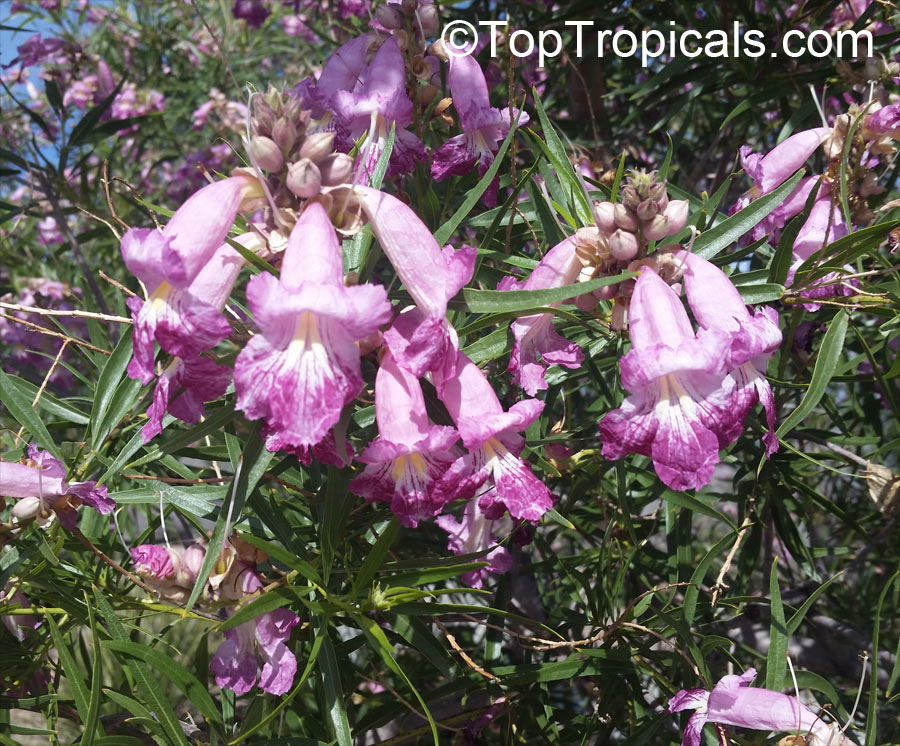
Desert Willow
Native, 20 to 25 feet, light open canopy, pink flowers spring through fall. Drops leaves in winter. Doesn't need much water once established and won't bother the driveway.
The hedge
Along the white wall I'd run a hedge to break up all that flat surface and keep the afternoon sun off the block. Plant 3 to 4 feet apart and they'll close up in a couple of seasons. Both of these are native, evergreen, and once they're in they don't ask for much.

Hopseed
Native, fast, evergreen, 8 to 12 feet. The workhorse hedge for this climate. Green or purple leaf forms. Takes shearing or can be left natural.

Arizona Rosewood
Native, dense, dark green, white flower clusters in spring. Slower than hopseed but very long lived and handles cold better, which matters in Queen Creek.
Two large shade trees

Two big trees on the east side will shade the house through the morning and give you a cooler side yard in summer. Space them 25 to 30 feet apart and 15 feet or more off the house so the canopies meet without the roots working on the foundation. Any of these three will get there. You could also do two different ones.
Chinese Elm
Fast, wide, graceful canopy, 40 feet plus. Semi-evergreen here. The most reliable big shade tree in the Valley and it handles Queen Creek winters without a problem.
Red Push Pistache
Round canopy, 30 to 40 feet, real fall color. Deciduous, so winter sun gets through. Slower than the elm but a cleaner, more structured tree.
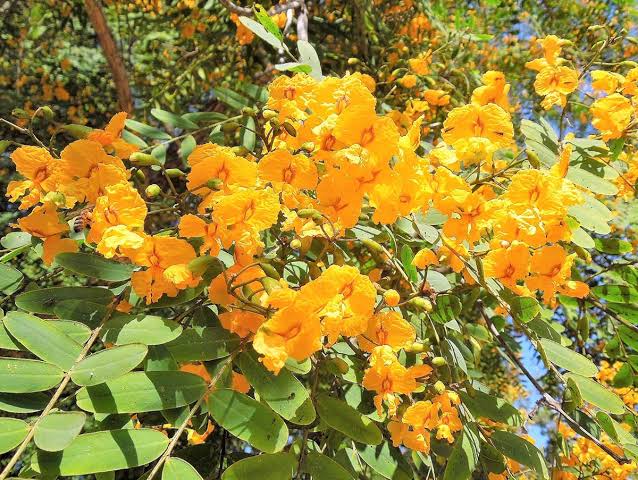
Tipu
Very fast, wide umbrella canopy, yellow flowers in early summer. Gets big. It's frost sensitive when young, and Queen Creek gets colder than Mesa, so plan on covering it the first two winters.
Fruit along the fence and a fix for the rings
The circles in the grass

Those rings are almost certainly fairy ring. It's a soil fungus that feeds on buried organic matter, usually old roots, a stump, or a thick thatch layer. It grows outward from a center point in a circle, which is why you get rings and arcs instead of random patches. As it feeds, it makes the soil inside the ring water repellent, so the grass on top dries out and dies even when the sprinklers are hitting it. That's why swapping the dirt hasn't fixed it. The fungus is bigger than the ring you can see, and it moves right back into the new soil.
How to fix it
- Poke holes through the ring and a couple of feet past it on both sides. A core aerator is best, a garden fork works. Go deep, 4 to 6 inches.
- Break the water repellency. Apply a soil wetting agent (a yucca based one is what I use) over the whole area, then water it in deep. Repeat weekly for a month.
- Top dress with compost after aerating. This is the real fix. Fairy ring takes over when one fungus has no competition. Compost brings in a crowd of other soil life that keeps it in check.
- Pull back on thatch. Dethatch the lawn in late spring if the thatch layer is over a half inch, and don't overfeed it with synthetic nitrogen, which builds thatch and feeds the problem.
A straight row of fruit trees, packed in

Down this strip we'll pack in fruit trees in a straight line along the fence, as many as fit. Kept pruned, they form a productive hedgerow that shades the fence, screens the road, and pulls from the lawn irrigation that's already there. Mix the four types down the line so you're harvesting something most of the year.
Spacing
- Citrus and pomegranate: 8 feet apart.
- Mango and guava: 5 feet apart. These two can be packed in closer on purpose. Planted tight, they shade and protect each other from sun and cold, and their roots share the same living soil, so they feed off each other as they grow.
What to expect with the tropicals
Mango and guava aren't native, so they take longer to get established than the citrus and pomegranate, and you may lose a plant or two in the process. That's normal with tropicals here and not a sign you did anything wrong. Plant a few extra and let the strong ones take over.
- Amend at planting. Mix about 25 percent quality compost into the backfill for every hole. Arizona Worm Farm is where I'd get it.
- Fall is a great time to plant all of these, as long as you're willing to cold protect the mangos through winter (frost cloth on cold nights, or a simple frame you can throw a cover over).
- If you'd rather not deal with that, plant the citrus, pomegranate, and guava now and wait until early spring to put the mangos in.

Guava
Tropical guava does well here with a little frost protection when young. 10 to 15 feet, evergreen, fruits in fall and again in spring. Mexican Cream and Tropic White are good varieties for the Valley.

Mango
Yes, mangoes grow here. I prefer seedling grown trees over grafted, they're tougher. The catch is frost. Queen Creek gets colder than Phoenix, so plan on covering it every winter for the first few years.

Citrus
The easiest fruit tree in this climate. Lemon, orange, grapefruit, mandarin, whatever you eat. Greenfield Citrus in Mesa is where I'd buy. Evergreen, 12 to 20 feet, harvests through winter.
Pomegranate
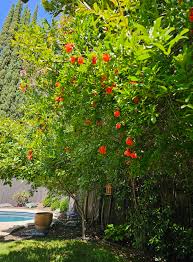
Tough as anything, handles cold and heat, 10 to 15 feet. Fruit in fall. I like Parfianka over Wonderful here, it holds up better against the leaf-footed bugs that go after pomegranates in the Valley.
Plants that live off the lawn irrigation

This bare stretch by the gate wants something in it, and the good news is it doesn't need its own water. Put these on the edge of where the lawn sprinklers reach and they'll drink from that while they get established. After a year or two they won't need supplemental water at all. Any of these four, or a mix down the line.

Orange Jubilee
Fast, 8 to 12 feet, orange trumpet flowers most of the warm season, hummingbirds all over it. Cut back hard in late winter to keep it full.
Yellow Bells
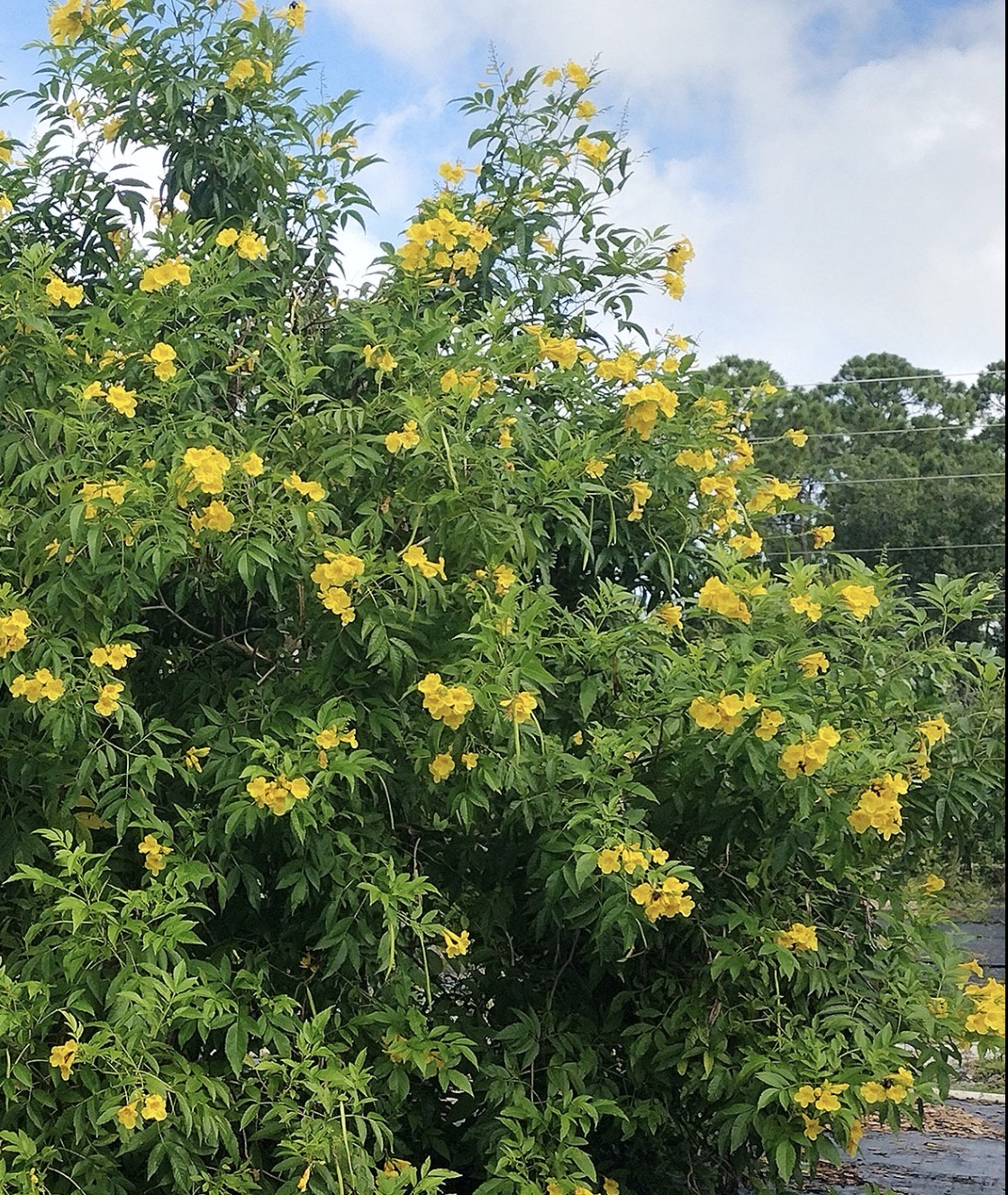
Native cousin of orange jubilee, 6 to 10 feet, bright yellow bells spring through fall. Same easy care, same hummingbirds. Can freeze back in a cold winter and comes right back from the base.
Arizona Rosewood
Native, dense, evergreen, white flowers in spring. Slow but permanent. The best choice if you want something that never freezes back and never needs shaping.
Hopseed
Native, fast, evergreen, 8 to 12 feet. Fills in quicker than rosewood and takes reflected heat off the fence without complaint.
Pecans and mulberries
Get a certified arborist on these

The pecans and the mulberries are the most valuable things on the property and the hardest to replace. They need real pruning from someone who knows tree structure, not a crew with a chainsaw. For that I'd call King's Tree Service. They're certified arborists and they do this right.
- What to ask for: deadwood removal, thinning to reduce wind load before monsoon, and cutting out crossing or rubbing limbs. On the pecans, raising the canopy a bit will help the clover and grass underneath.
- What to refuse: topping, lion-tailing (stripping all the inside growth and leaving tufts on the ends), or taking more than about 20 percent of the canopy in one year. Any of those will make the trees weaker, not stronger.
- Timing: mulberries in winter while they're dormant. Pecans in late winter, right before they push new growth.
Low water plants against a shaded wall
What to plant up against the house

A north wall is the one spot on the property that's never in the afternoon sun, so a lot of desert plants sulk there. These are the ones that handle part shade and still don't need much water once established. Use the taller ones at the back against the wall and the low ones along the front edge. You can't fit all of these, so pick your favorites.
Arizona Rosewood
The anchor plant for a north wall. Native, evergreen, dense, fine in part shade, and cold hardy. Plant a few across the back and the wall disappears.
Jojoba
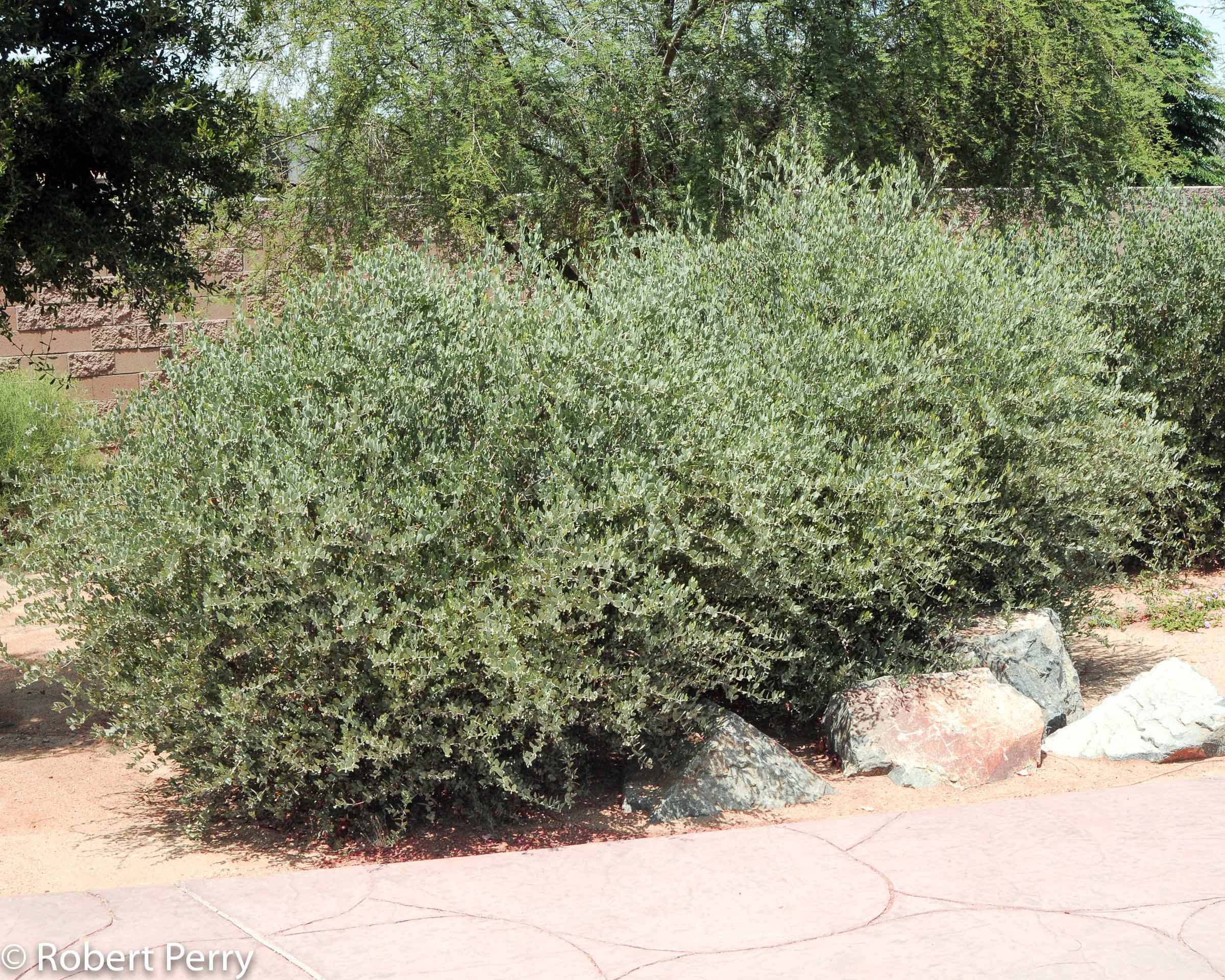
Sonoran native, gray-green evergreen, 6 to 8 feet, tough in shade or sun. Almost no water once it's in. Makes a soft, rounded hedge.
Baja Fairy Duster
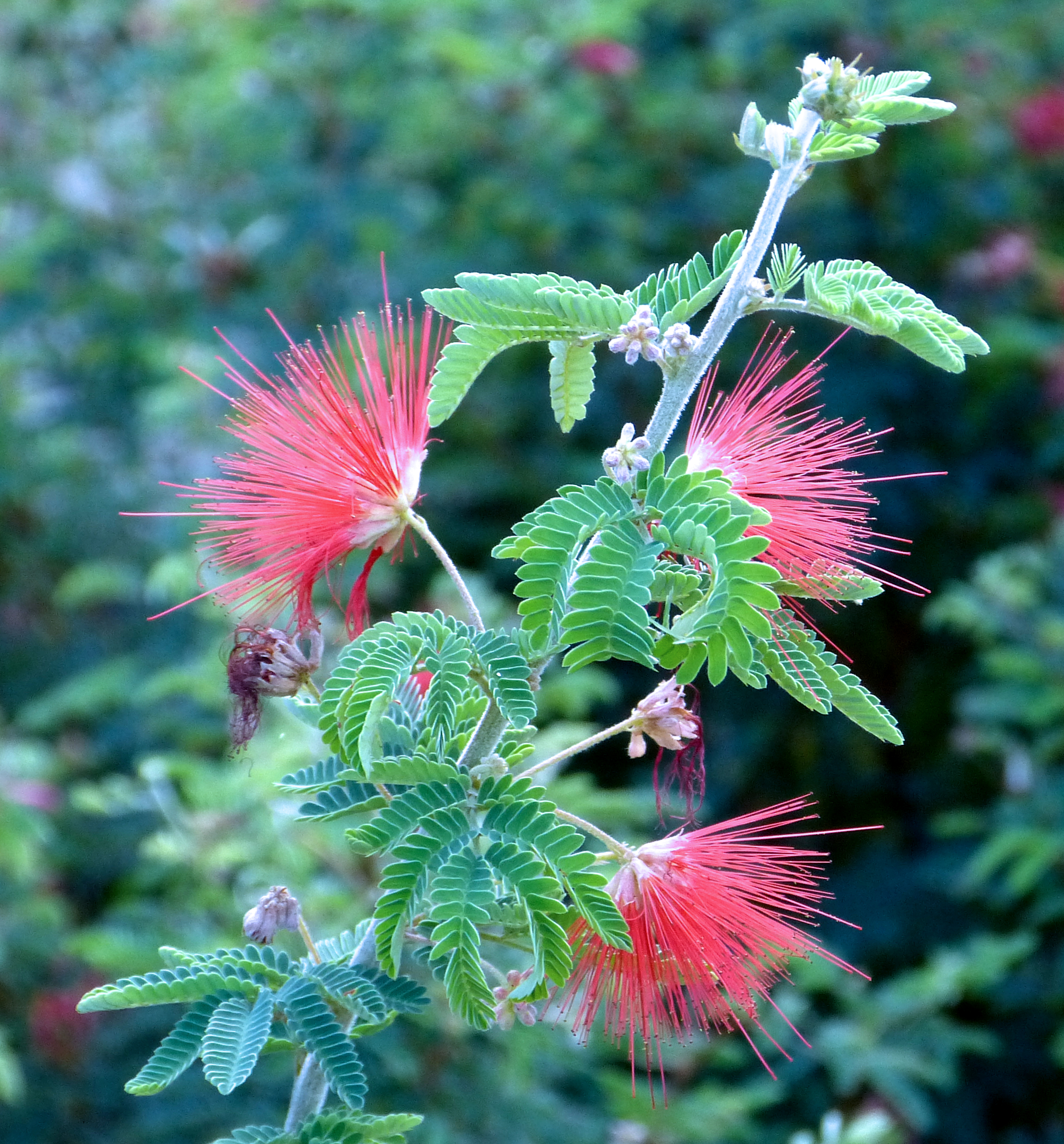
Red puffball flowers most of the year, 4 to 5 feet, hummingbirds constantly. Takes part shade and very little water.
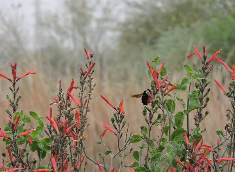
Chuparosa
Native, 3 to 4 feet, red tubular flowers through the cool months when nothing else is blooming. One of the few desert shrubs that's happy on a north side.
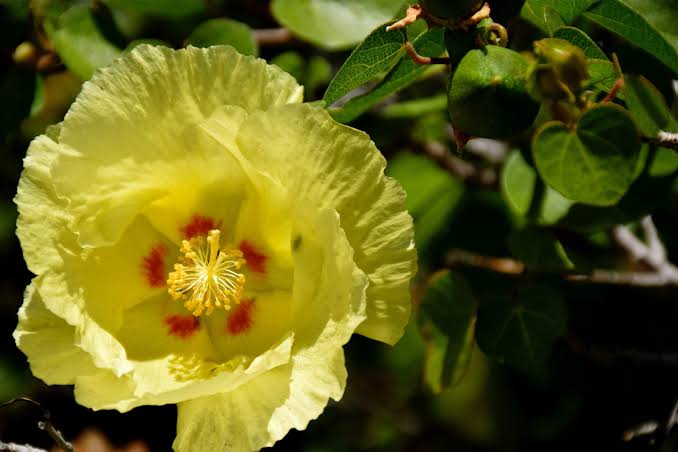
San Marcos Hibiscus
Yellow hibiscus-type flowers on a 3 to 4 foot mound of glossy leaves. Handles part shade and heat, low water.

Yellow Dot
Groundcover for the front edge. Glossy green leaves and little yellow flowers, fills in fast, does well in shade. The easiest way to cover the bare ground between the shrubs.
Where this goes next
Look through this and think about which options feel right, especially the tree picks and what goes in the fruit row. Once you've landed on those, I can put together a planting proposal with pricing and a timeline. Fall is planting season here, so the sooner things go in, the better established they'll be before next summer. If there's any of this you'd rather do yourself, the Garden Nerd Club is where you can ask questions and get walked through it as you go.
For getting irrigation run to the new trees and hedges, reach out to Garrett, the irrigation guy I work with. He's at 480-678-9121.
Questions on anything here, just reach out. You can also read more about how we plant at thegardennerd.org.