
Your Yard, Courtney
Thanks for having me out. This is everything we walked through, written down in the order we covered it. The big picture: relocating your lime tree and putting a new shade tree in its place, exposing a couple of buried root flares, filling in a native pollinator bed, covering the hot west wall, converting half the backyard lawn to native plants, and a handful of pruning fixes front and back.
Every plant on this list is adapted to this climate and doesn't need much water once established. When we plant, we backfill with your native soil, lay compost right on top, and mulch over that, so the soil biology gets going from day one without disturbing the roots.
Trees, walls, and the pollinator bed
The lime tree: raise it in place, or move it and free up the spot

This lime tree is planted quite a bit too deep. You can tell just by looking at it, the trunk runs straight into the soil with no root flare visible at all. There are two solid ways to fix this, and either one works. Here's what each involves so you can pick.
Option A: Keep it right where it is
- Dig out around the trunk until you can see the true root flare, the point where the trunk widens and the first roots spread out
- Build a shallow water well: mound the native soil you dug out into a low ring a couple feet out from the trunk, so water pools there and soaks straight down instead of running off
- Pull the rock back away from the trunk, lay compost over the exposed soil, then mulch on top of that, kept back about a foot from the trunk itself
- Deep soak weekly while the roots adjust to the corrected grade
Option B: Move it 10 feet north

- Dig around the trunk and use a shovel to prop the tree up until the root flare is visible, same as Option A
- Once it's free, carefully lift and move it to the spot pictured above
- Replant at the correct depth with the flare exposed, backfill with native soil, compost on top, mulch over that
- Deep soak weekly while it settles into the new spot
If you go with Option B, the old spot opens up for a real shade tree. A few options for that:
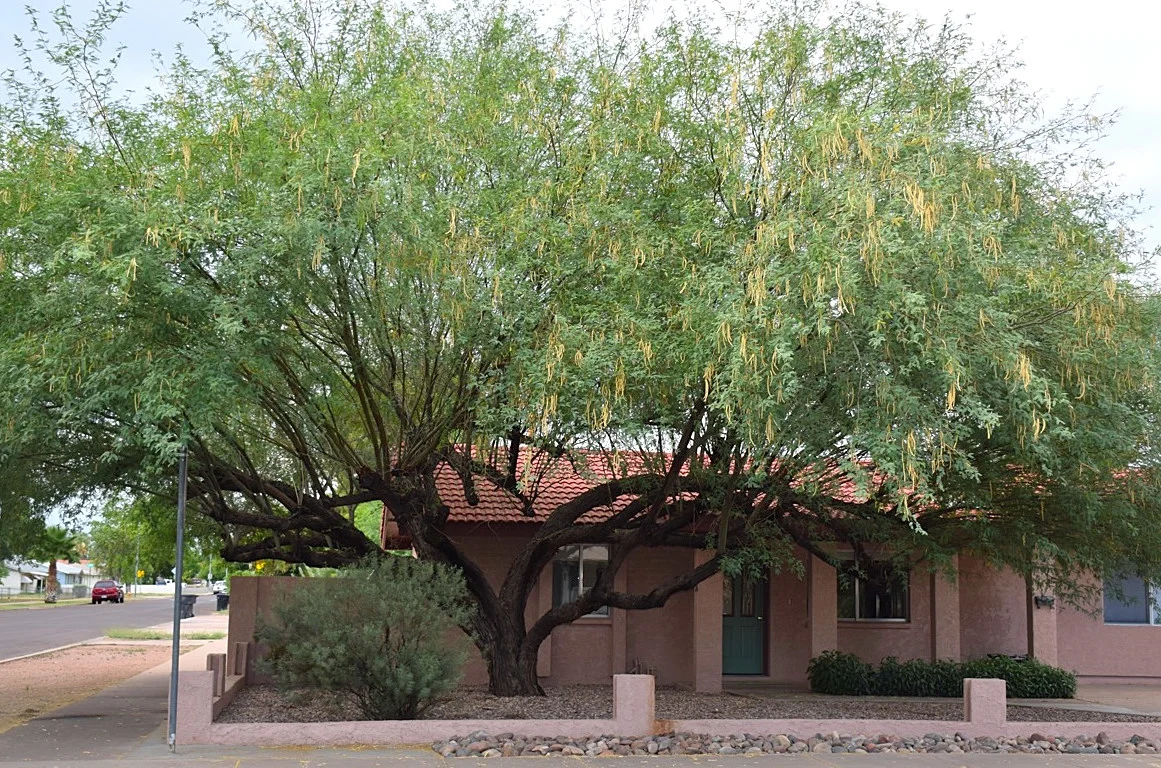
Mesquite
Fast growing with an airy, open canopy. Doesn't need much water once established.

Mulga Acacia
Dense, upright form with silvery foliage. Handles heat and poor soil as well as anything on this list.
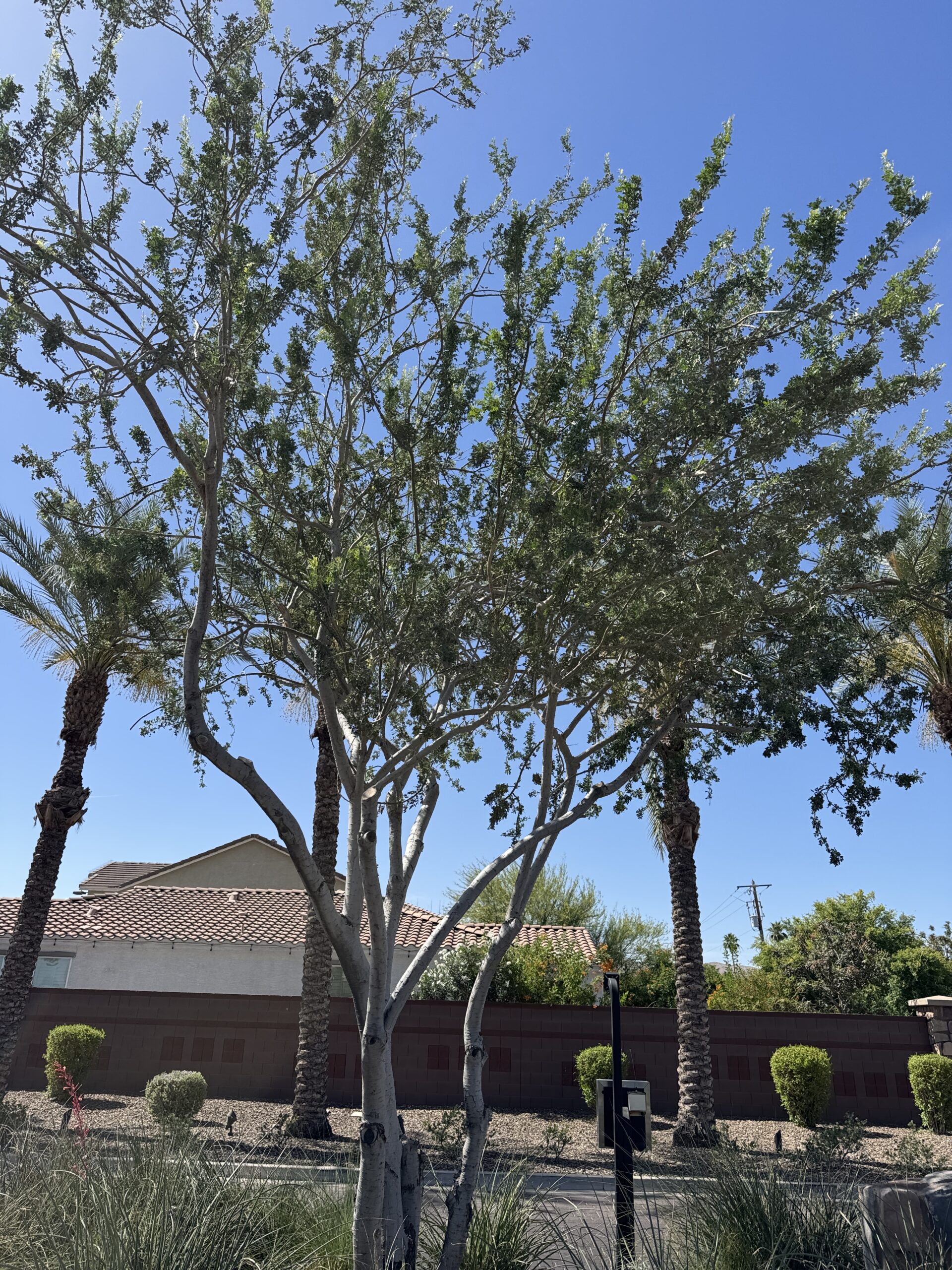
Desert Ironwood
Slower growing, but it will outlive everything else on this list, with soft lavender blooms in late spring.
Layer San Marcos hibiscus in under the existing red hibiscus

There's a red hibiscus already established here, and we're building on it rather than replacing it. Adding three or four San Marcos hibiscus around it, spaced about 3 to 4 feet apart, fills this corner in with a layered look, yellow blooms low and red blooms above. The new plants will also help shade the base of the red hibiscus as they fill in, which keeps the soil around it cooler and helps it perform better as the soil in this corner improves overall.
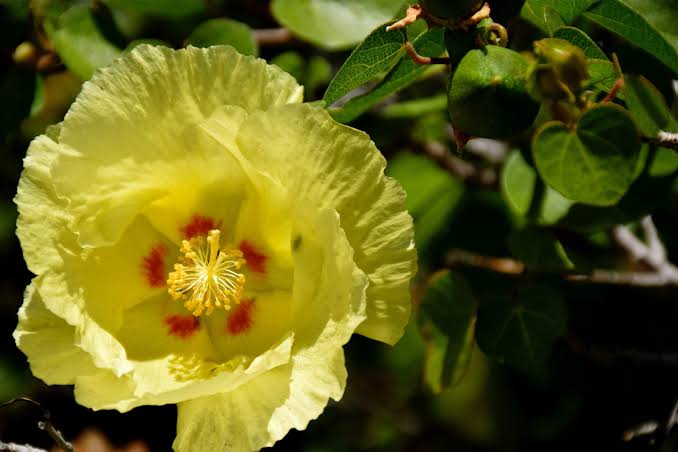
San Marcos Hibiscus
Lower growing than red hibiscus, yellow flowers with a maroon spot at the base, blooms most of the warm season.
Stop shearing it into a hedge line, switch to reductive cuts

Right now this is being sheared into a tight, straight line, which isn't how this plant wants to grow and keeps it thin and stressed on the inside. Switch to reductive pruning instead: find the longer branches that run back to the main trunk and cut those out at the base, rather than shearing the outer tips. Give it a season or two and it fills back out into a fuller, more natural shape.
Fill this bed with a mix of native pollinator plants

This whole area is a good candidate for a pollinator garden, and there's room here for real color and texture, not just one or two things repeated. Planted in loose drifts rather than straight rows, a mix like this pulls in hummingbirds and butterflies through most of the year. There's more on this list than one bed needs, so pick the ones you like best and we'll fill in with those.

Globe Mallow
Orange-red blooms most of the year, doesn't need much water once established.
Chuparosa
A hummingbird favorite, with red tubular blooms most of the year.

Desert Milkweed
A tougher, more upright milkweed for the hottest, driest corners of the bed.
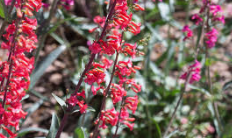
Penstemon
Tall spikes of red or pink tubular flowers in spring, another strong hummingbird draw.
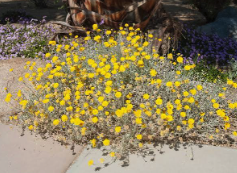
Desert Marigold
Bright yellow daisy-like blooms nearly year round, low and mounding.
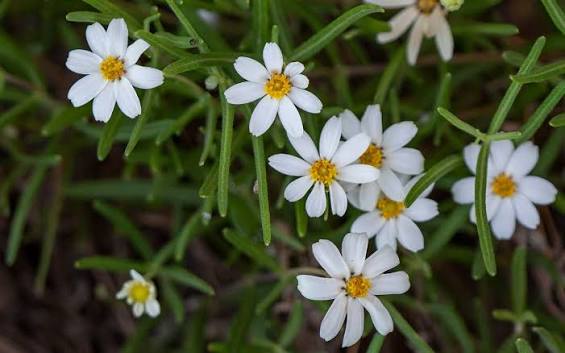
Blackfoot Daisy
Low, tidy mound of small white daisies, blooms most of the warm season.
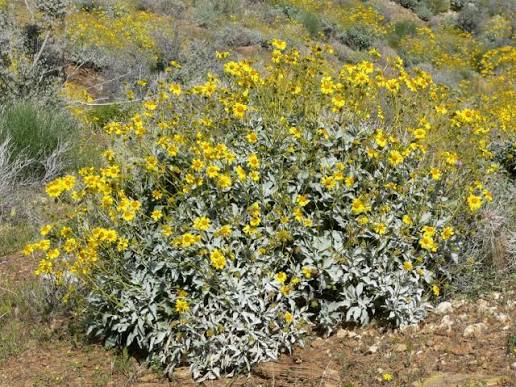
Brittlebush
Silvery foliage with yellow daisy blooms in spring, a classic Sonoran Desert look.
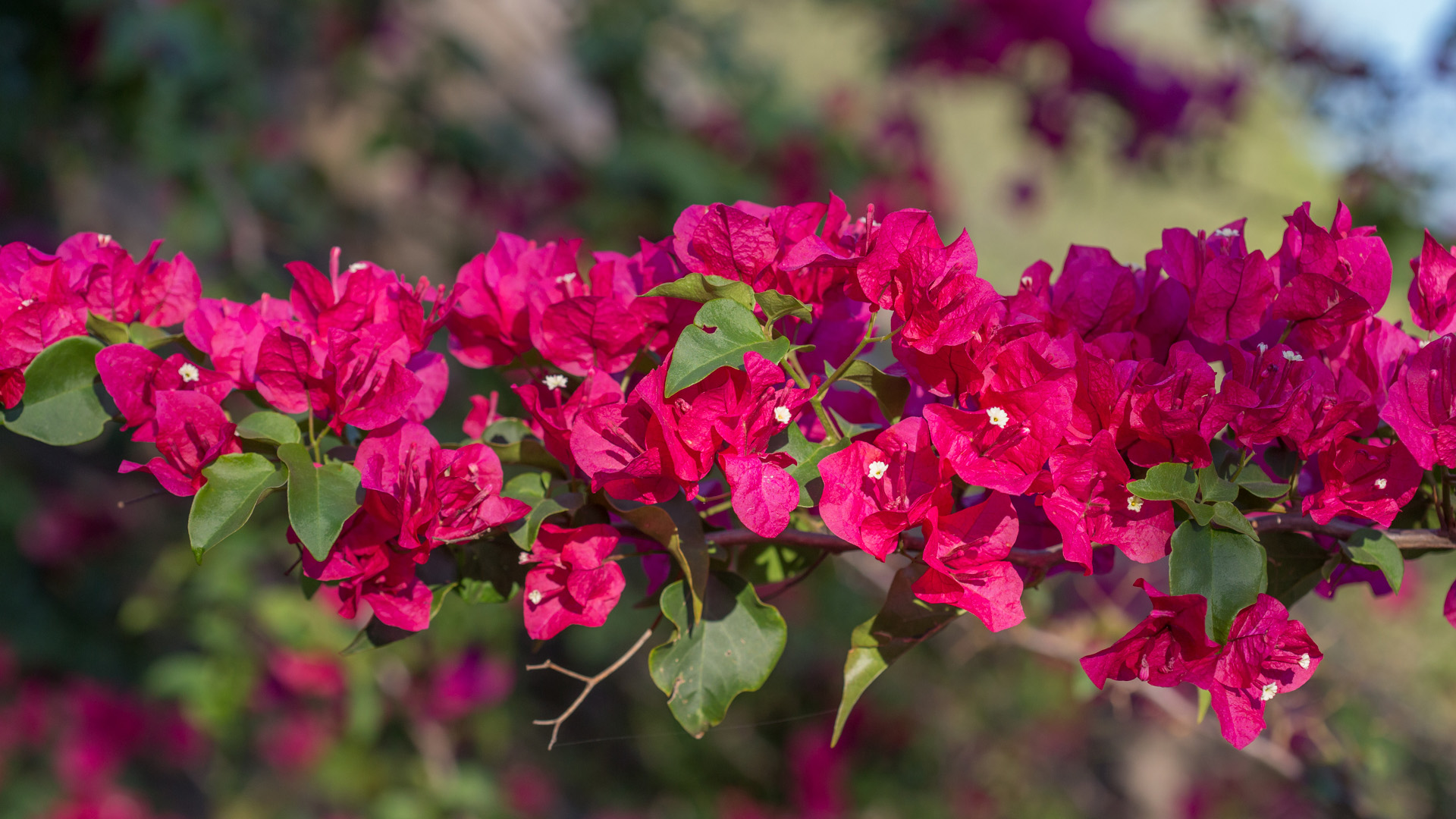
Torch Glow Bougainvillea
Vivid magenta color and a bit more height and structure than the rest of this list, a good anchor plant for the bed.
Once whichever mix you pick goes in, lay down a thin layer of mulch, about an inch, just enough to help the new plants establish without smothering them. You can get everything you need for this from Arizona Worm Farm.
Expose the root flare

This palo verde has bricks ringing the base and wood slats set on either side, both keeping soil piled against the trunk. Remove the bricks and the wood slats, then dig down around the trunk until you can see the natural root flare, the point where the trunk widens and the first major roots spread out. Buried root flares are one of the most common issues we see on established trees, and left alone they slowly girdle the roots and shorten the tree's life.
Once the flare's exposed, it's worth having a certified arborist take a look at the canopy too. Palo verdes get top-heavy fast and are prone to dropping branches as they mature, so periodic structural pruning matters more here than on most desert trees. I work with King's Tree Service for that kind of arborist work, kingstreeserviceaz.com.
Let the elephant's food keep spreading, fill in the rest

This wall faces west and takes the full brunt of the afternoon sun. The elephant's food already growing along it is doing well, just let it keep spreading. To fill in the rest of the wall and add more greenery, a few options:

Hopseed
Dense, fast-growing evergreen screen, good for covering a lot of wall in a hurry.

Arizona Rosewood
Native, upright structure with a cleaner, less shaggy look than hopseed.

Orange Jubilee
Bright orange trumpet blooms most of the warm season, a strong pop of color against the block.

Along the base of this same wall, pull the rock back and lay mulch down instead. Since this wall gets blasted with afternoon heat, mulch here cools the soil noticeably and gives everything new a much better shot at establishing.
Convert half the lawn to native plants, keep the rest healthy

This section of lawn is west-facing, so it takes a beating from the afternoon sun. Cutting it in half and converting the more exposed half to desert-adapted native plants takes pressure off the turf and gives you a lower-maintenance space in its place. A smaller ornamental tree gives it some height and shade:
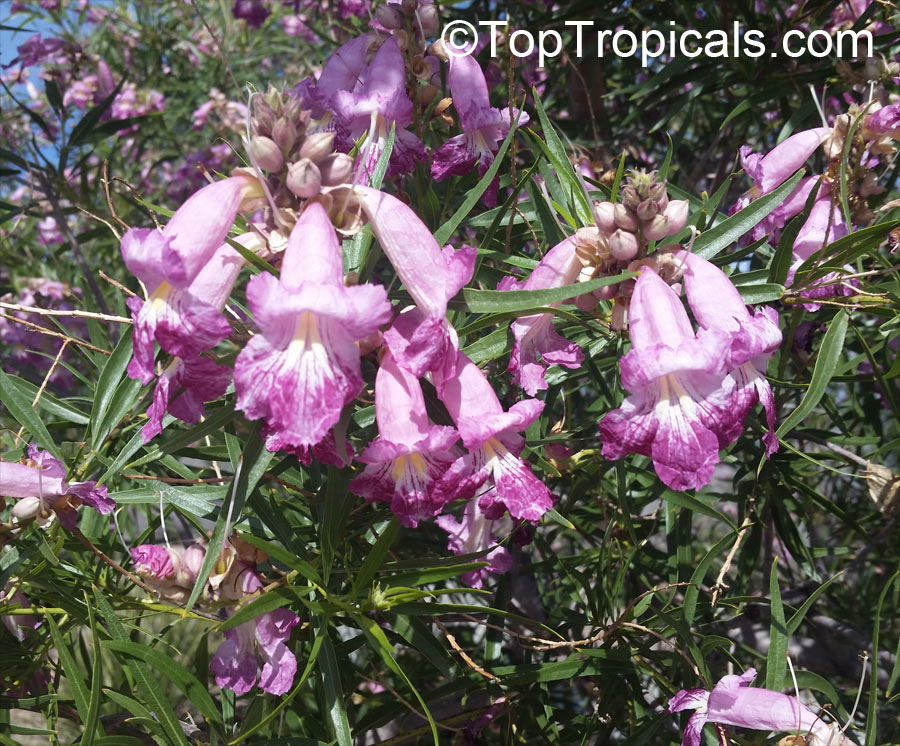
Desert Willow
Showy summer blooms and light, airy shade, a good smaller ornamental for this spot.

Texas Olive
Big white flowers nearly year round and broad, glossy leaves, a bit more presence than desert willow.
Underneath and around whichever tree you pick, there's a lot of good desert-adapted color to fill the rest of this space in with:
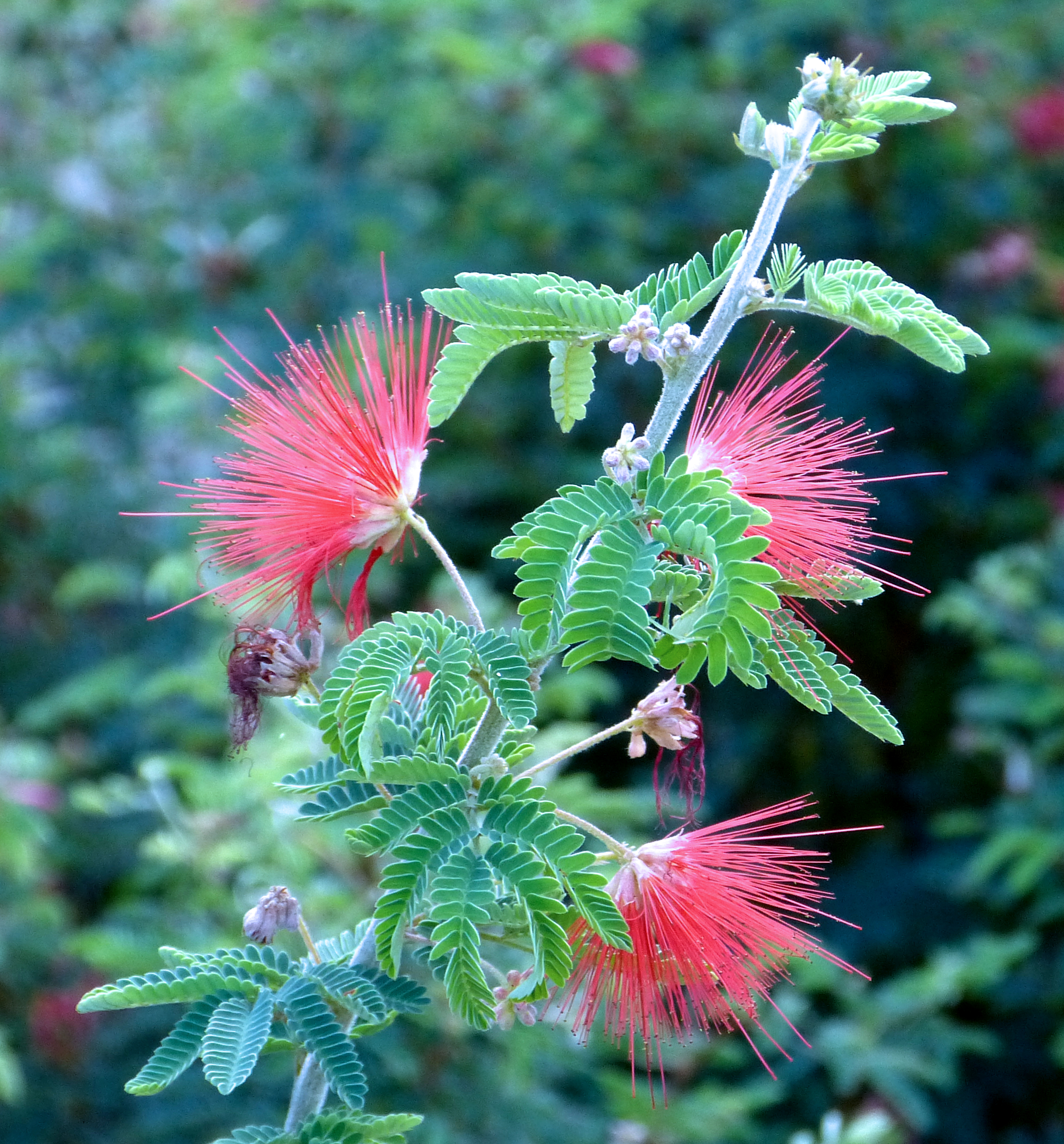
Baja Fairy Duster
Feathery red blooms most of the year, a great filler underneath a small tree.
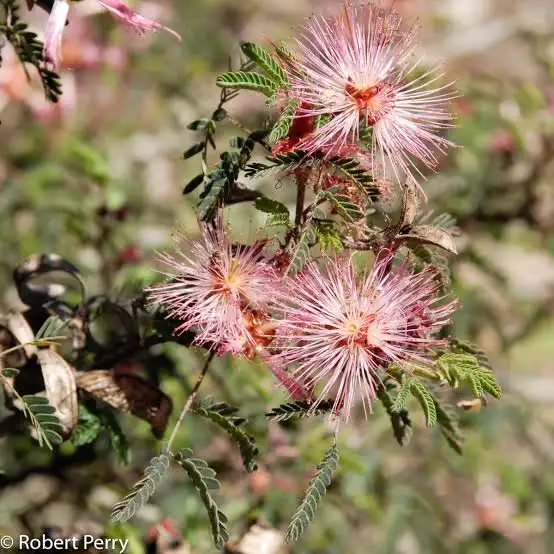
Pink Fairy Duster
Same feathery bloom form as Baja, just in a softer pink, good for mixing the two together.
Brittlebush
Silvery foliage with yellow spring blooms, tough and reliable.
Penstemon
Tall spikes of red or pink tubular flowers, brings the hummingbirds over from the pollinator bed.
Desert Marigold
Bright yellow daisy blooms nearly year round, low and mounding.
Blackfoot Daisy
Low, tidy white blooms most of the warm season, good along the edge of the bed.
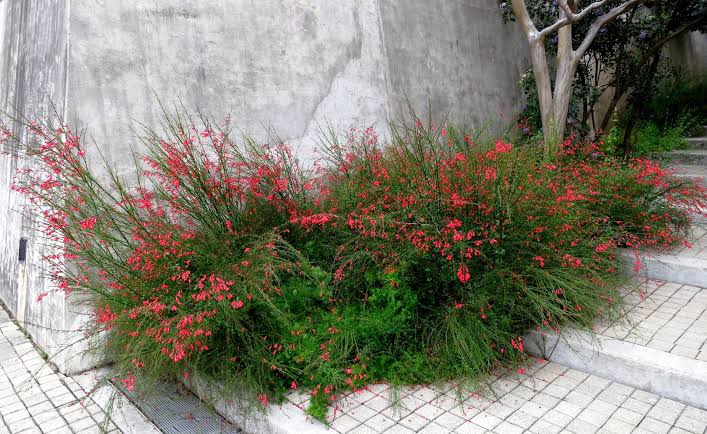
Firecracker Plant
Fine, arching foliage with small red tubular blooms, a softer texture against the others on this list.

For the half that stays lawn, keeping it healthy comes down to a few habits:
- Water deep, not often. Infrequent, deep watering pushes roots down instead of keeping them shallow, which makes the whole lawn more resilient in the heat.
- Feed through the growing season. A consistent feeding schedule from spring through fall keeps it thick enough to crowd out weeds on its own.
- Mow at the right height for the season. Taller through the heat of summer, shorter as it cools off. Never scalp it, that stresses the roots and opens the door to weeds and bare patches.
Once we confirm your grass type, I'll put together the exact watering days, feed schedule, and mow height so you're not guessing.
A shade tree and a handful of pruning fixes
Lighter lift out front, mostly about giving the existing plants room to do what they naturally want to do.
Add a big tree for afternoon shade and some real dimension

The front of the house needs a big tree, both for relief from the afternoon sun and to add some real vertical dimension out front. Here's the full range of options, from fastest to slowest growing:
Mesquite
Fast growing with an airy, open canopy. Doesn't need much water once established.

Red Push Pistache
Fast, dense shade with reddish new growth in spring and fall color, a bit more formal looking than mesquite.

Chinese Elm
Fast, full shade with a more classic, rounded canopy shape.
Desert Willow
Lighter shade with showy summer blooms, a softer look than the others on this list.
Mulga Acacia
Dense, upright form with silvery foliage, handles heat and poor soil as well as anything here.
Desert Ironwood
Slowest growing of the group, but it will outlive all of them, with soft lavender blooms in late spring.
Cut it back hard, let it come back full

Both of these oleanders still have a healthy root system, they've just been sheared hard at the top for a long time. You can absolutely keep them. Start by trimming about a third out now to open them up and see how they respond. If that's enough and they start filling back in on their own, you can stop there. If they're still thin and shrubby come end of winter heading into spring, that's when you'd do the hard cutback, close to the ground. Oleander recovers well from that and usually comes back fuller and healthier, but it's a one-time move you only need if the lighter trim doesn't do the job.
Switch from spraying to hand-pulling and cardboard

Let's move away from spraying Roundup here and handle it organically instead. Do a deep soak first to loosen everything up, then hand-pull as much of the growth as you can. On top of that, lay down a couple layers of cardboard followed by a layer of mulch. The cardboard smothers what's left as it breaks down naturally, no synthetic chemicals going into your soil.
Stop shearing the tips, cut dead wood back to the trunk

This one just needs to stop being pruned so hard and so often. Let it grow more freely. Instead of trimming the ends of branches, when you see a cluster of dead branches, trace it back down to the trunk and cut the whole branch off there instead. Then, at the end of winter, give it one good, deep, aggressive pruning and it comes back full for the season.
Fill in underneath and around it with more native color

Once whichever tree you picked above is in, fill in underneath and around it with more desert-adapted color, the same idea as the backyard pollinator bed so the front and back of the property read as one plan. A broader mix to pick from:
Globe Mallow
Orange-red blooms most of the year, doesn't need much water once established.
Chuparosa
Hummingbird favorite, red tubular blooms most of the year.
Desert Milkweed
Tougher and more upright, good for the hottest spot right under the canopy edge.
Penstemon
Tall red or pink flower spikes in spring, another hummingbird draw.
Desert Marigold
Bright yellow daisy blooms nearly year round, low and mounding.
Blackfoot Daisy
Low, tidy white blooms most of the warm season.
Monthly organic fertilizing program
Everything above establishes faster and needs less water once the soil underneath it is actually alive.
Whether you're planting the new trees and beds yourself or having us do it, the plants on this list all do better in soil that's being fed regularly rather than left to fend for itself. We come out monthly, spray the whole landscape with our organic liquid blend to feed the soil life, and top dress with quality compost a few times a year, all sourced through Arizona Worm Farm. You get a short recap video after each visit so you know exactly what was done and what we're seeing.
For your property, this program covers the entire landscape, including your grass lawn, not just the beds and trees.
Monthly Organic Fertilizing
No contract, cancel anytime.
Where this goes next
You mentioned handling the planting yourself, and everything above is laid out so you can do exactly that. You're not on your own with it either. You'll be added to the Garden Nerd Club, where you can ask questions as you go and I'll walk you through anything, from finding the root flare to what goes in the hole. If you change your mind and want me to put together a planting proposal with pricing, just say so.
Since part of this plan is converting turf, it's worth getting your irrigation checked before anything goes in the ground. Garrett, the irrigation guy I work with, can look at coverage for the converted section and the new trees. He's at 480-678-9121.
Questions on anything here, just reach out. You can also read more about how we plant at thegardennerd.org.