
Tina, here's what we covered
10417 E Pine Valley Dr, Scottsdale, AZ 85255Thanks for having me out to walk the yard. I put this together in the same order we walked it, starting out front and finishing in the backyard garden beds. As a consult client you're already in the Garden Nerd Club, so you have direct access to me there whenever you want to work through any of this.

Let it grow as a shrub, and decide down the road
There's a volunteer palo verde coming up right in front of the Red Bird of Paradise. Volunteers are some of the toughest trees you can have. It started from seed right here, so its roots have never been confined in a pot and it's already adapted to this exact spot. If you let it grow, it will be happy here.
Rather than training it into a single-trunk tree, I'd let it grow the way it wants to, as a big multi-stem shrub. Palo verdes naturally want to grow this way when they come up on their own, and kept as a shrub it stays in scale with this bed and works alongside the Red Bird of Paradise instead of towering over it.
The key is shaping it regularly so it never puts out long, heavy branches. Those long limbs are what get top-heavy, sag, and break in monsoon winds.
Even as a shrub, it will get bigger than the Red Bird of Paradise and start competing with it for sun and root space. Sooner or later you'll need to decide which one you want to keep. If it's the Red Bird of Paradise, pull the palo verde while it's still small and the roots come out easily. If it's the palo verde, keep shaping it and let the Red Bird of Paradise go when it starts to decline. Until you decide, the shaping below lets the two share the space.
- Shape little and often. Every couple of months during the growing season, tip back any shoot that's getting long, cutting it just above a side branch. Small, frequent cuts keep it dense and compact.
- Keep the stems. Leave the multiple stems coming up from the base, that's what gives it the shrub form.
- Timing. Palo verdes handle pruning best in the warm months, from after the spring bloom through summer. Skip heavy pruning in winter.
- Watch the Red Bird of Paradise. Keep the palo verde trimmed back on the side facing the Red Bird of Paradise so it keeps getting full sun and keeps blooming.
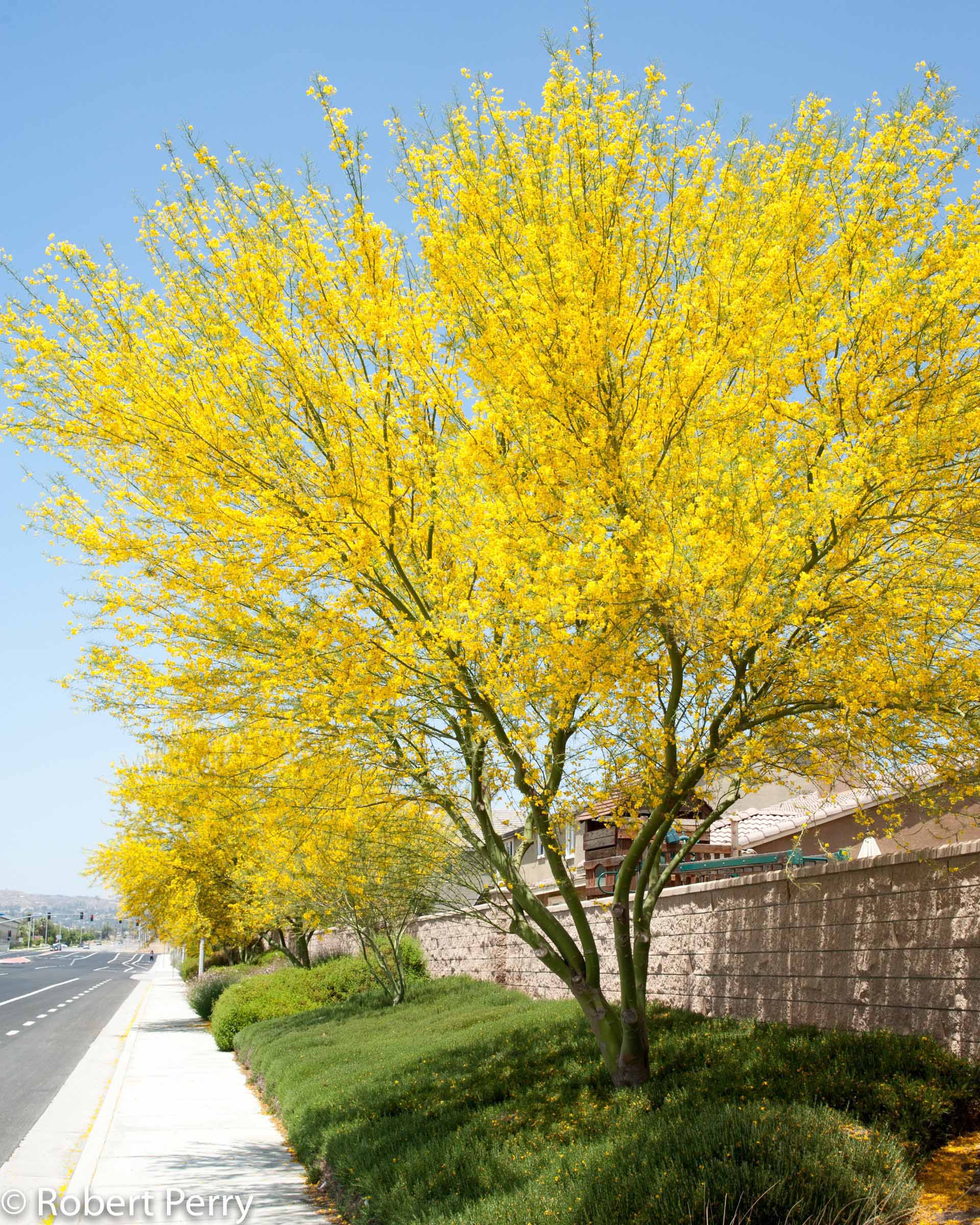
Palo Verde
Green bark, yellow spring flowers, and kept as a dense shrub with regular shaping.
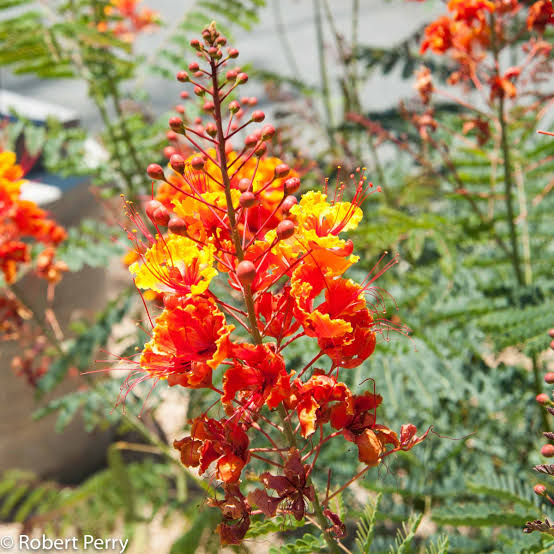
Red Bird of Paradise
Orange and red blooms all summer, needs full sun.

Mounding shrubs to fill these spots
These shrubs are dead or on their way out, so this is a good chance to put in something that will actually thrive. You already have bottlebrush coming up here as volunteers, and those will work. Volunteers establish well because they started right where they're growing. Just know bottlebrush can get big, so if you keep them, plan on shaping them once a year after they bloom to keep them in scale with the rest of the bed.
Pink Fairy Duster is another good option. It's soft and airy with pink puffball flowers in late winter and spring. A few other mounding shrubs that fit this spot are below. Space them four to five feet apart so they can fill in without crowding the Red Bird of Paradise.
Bottlebrush
Already volunteering here, red flower spikes, shape yearly to keep it in scale.
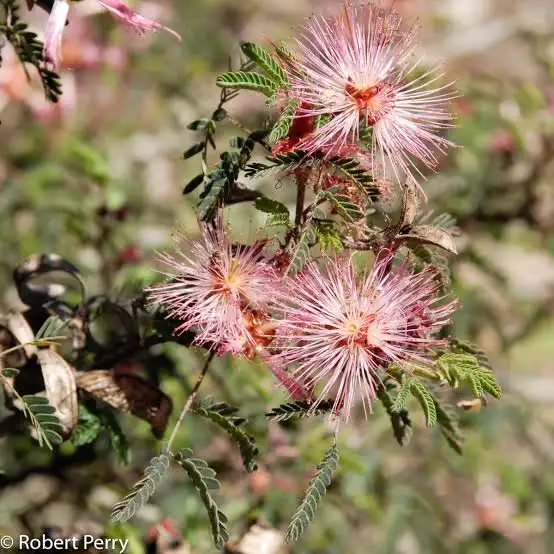
Pink Fairy Duster
Airy native shrub with pink puffball flowers in spring.
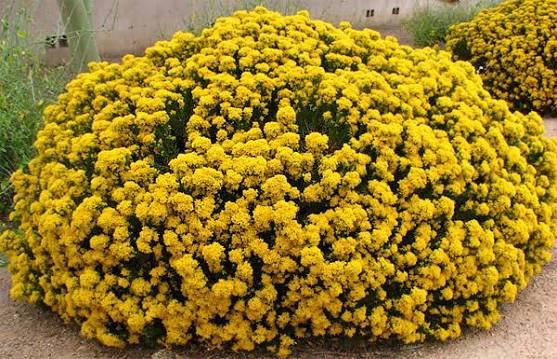
Turpentine Bush
Compact green mound with yellow fall flowers.

Globe Mallow
Native with orange spring flowers and soft gray leaves.
Pick your favorites. Two or three different shrubs repeated through the bed looks better than a bunch of singles.

Low, compact, and colorful
These two shrubs aren't looking great, and I'd replace them rather than try to nurse them along. You want something low that won't spread too much and gives you color. Turpentine Bush is a great fit here. It stays in a neat two to three foot mound, has bright green foliage all year, and covers itself in yellow flowers in the fall when a lot of the yard is winding down.
Plant the replacements in the same spots, and keep them about four feet apart so they read as two separate mounds rather than growing into each other.
Turpentine Bush
Two to three foot mound with yellow fall flowers, my top pick here.
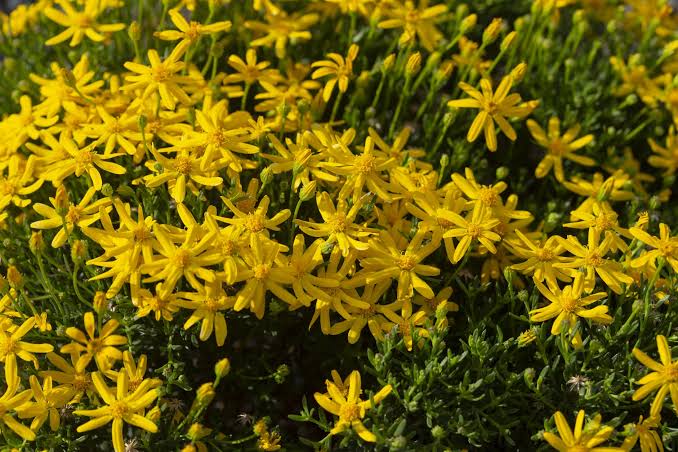
Damianita
Low, fine textured, and covered in yellow daisies spring and fall.
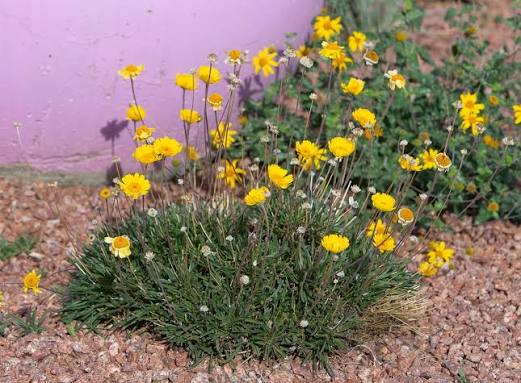
Angelita Daisy
Compact yellow flowers most of the year, stays put.
Desert Marigold
Bright yellow flowers, soft gray leaves, reseeds on its own.
Pick one and use it in both spots so they match.

Shape it without topping it
This emu by the front entry is big and healthy. It just needs a little guidance so it doesn't crowd the walkway, the window, or the downspout.
- Timing. The best time is right after it finishes its main bloom in late winter and spring, roughly March into April. A light touch-up in early fall is fine, but wrap it up by late October so new growth can toughen up before frost. Skip pruning June through August, the heat will scorch freshly exposed stems.
- Keep the walkway clear. Keep the edge about a foot back from the walkway so it doesn't brush against people coming to the door. Follow those branches back into the plant and cut above a side branch.
- Control height from the inside. If it's getting too tall for the window, don't cut straight across the top. Reach in and take the tallest stems down to a lower side branch. It stays shorter but keeps its natural look.
- Thin, don't shear. Remove a few of the oldest, woodiest stems from the inside each year. That lets light into the center and keeps the whole plant full down to the ground. Shearing cuts off the tips where the flowers form.
Emus take less water than plants that aren't desert adapted, and too much water is what usually does them in. Deep and infrequent is the way to go.

Pruning and keeping the leaf-footed bugs away
Pruning. Do your main pruning in winter while the tree is dormant, January into early February, before it leafs out. Pomegranates want to grow as a big multi-stem shrub, so decide what you want it to be:
- Pick three to five strong main trunks and keep those. Remove everything else coming up from the base, and keep pulling suckers throughout the year as they show up.
- Remove branches that cross through the middle, rub against each other, or point back into the center. You want an open vase shape so light and air get into the interior.
- Shorten the long, whippy shoots by about a third to encourage branching.
- Go easy. Pomegranates fruit on short spurs on wood that's two to three years old, so heavy pruning cuts off next year's fruit.
Leaf-footed bugs. These are the brown, long-legged bugs that pierce the fruit and cause it to crack and rot. There's no single fix, but a few habits together make a big difference:
- Clean up fallen fruit and leaf litter under the tree, especially through fall and winter. That debris is where the adults spend the winter.
- Starting in spring, check the undersides of leaves for their eggs, a neat row of small bronze beads. Scrape them off.
- Early in the morning the bugs are slow. Knock them into a bucket of soapy water. Nymphs cluster together, so you can get a whole group at once.
- Once fruit starts forming, spray kaolin clay (sold as Surround) over the fruit and surrounding leaves. It dries into a thin white film that makes the fruit hard for the bugs to recognize and feed on. It's safe on edibles and just washes off. Reapply after rain and every couple of weeks as the fruit sizes up.
- For extra protection, slip organza or mesh fruit bags over the fruit. It's the most reliable protection there is.
- Keep the pollinator plants going around the yard. They bring in assassin bugs, tachinid flies, and other beneficials that go after leaf-footed bugs. Avoid broad spectrum sprays, which kill those beneficials first.
Removing suckers and opening up the center also takes away a lot of their hiding spots, so the pruning helps with the bugs too.

These agave are being hit by weevils
The agave in this planter have been hit by agave snout weevils, so they need to come out. When they do, take the whole plant including the root mass, bag it, and put it in the trash rather than composting it. Scoop out any soft or rotted soil right around where each plant sat. The weevil larvae live in the base of the plant, and leaving that material behind gives them a place to finish their cycle. I'd skip replanting agave here. Keep the cactus, it looks great and isn't affected.
Desert Milkweed would work well here and plays nicely with the cactus behind it. The other options below all fit this planter too. Put the taller plants toward the back near the cactus and the low trailing plant along the front edge.

Desert Milkweed
Upright gray-green stems that echo the cactus, great for monarchs.
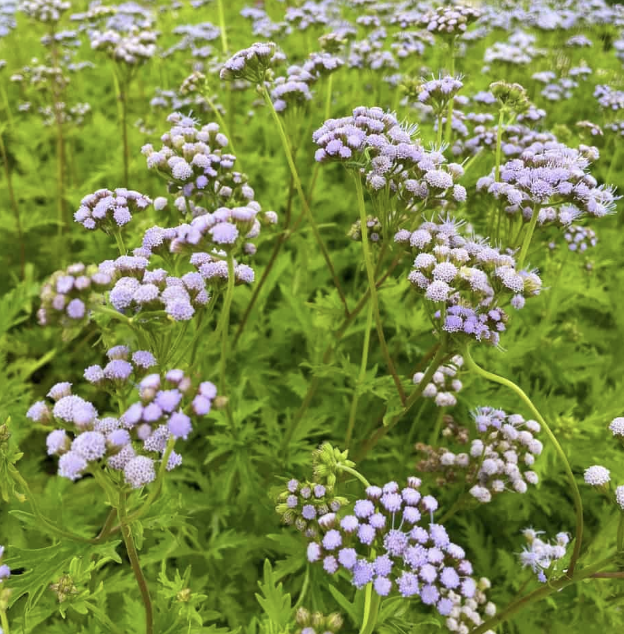
Greg's Mistflower
Lavender flowers spring through fall, loved by butterflies.
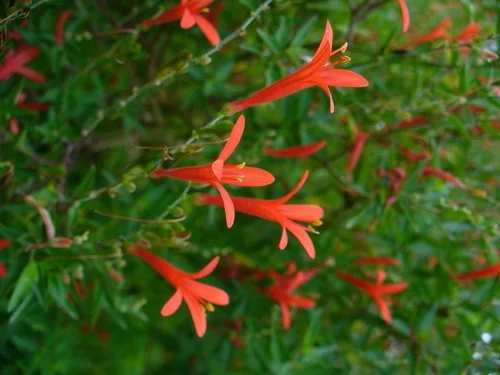
Desert Honeysuckle
Native shrub with orange tubular flowers, about three to four feet tall.
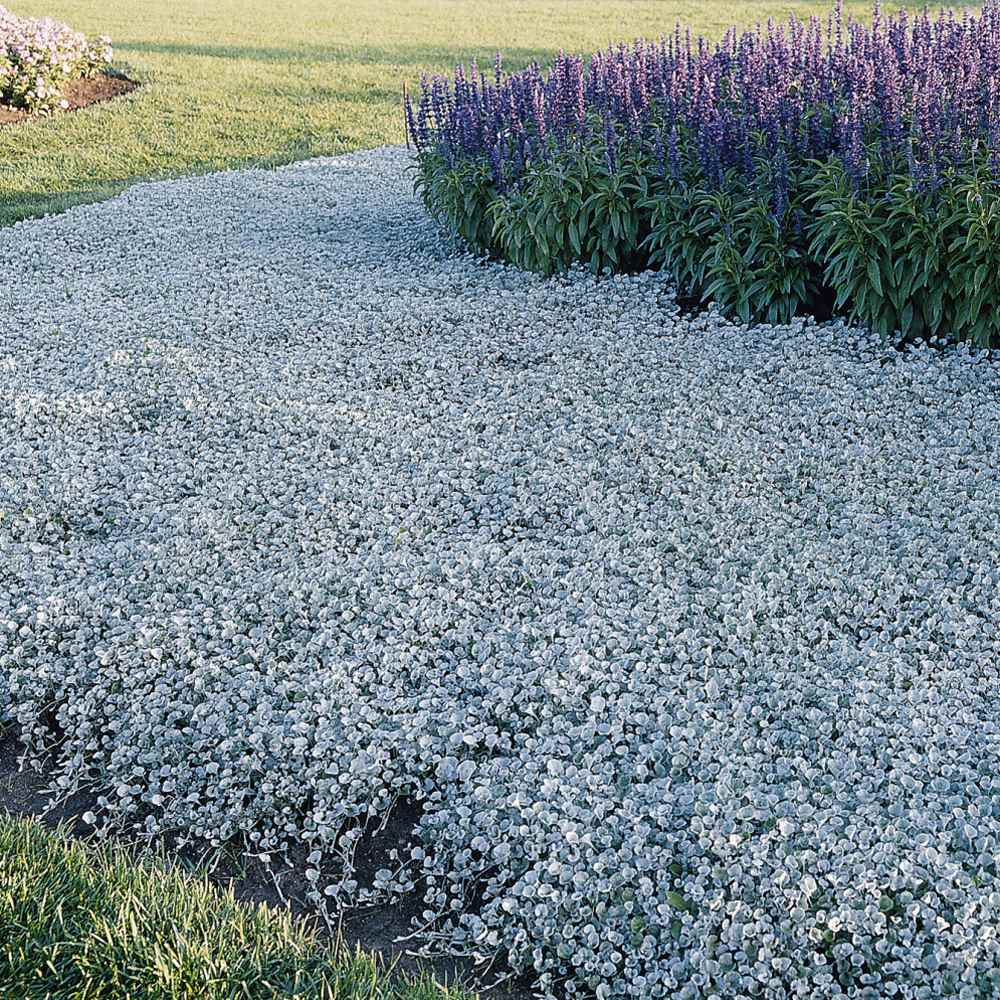
Silver Ponyfoot
Trails over the front of the steel planter.
You can't fit all of these. One or two plants plus the ponyfoot along the edge is the right amount.

Five to six feet tall in almost no space
What's been growing behind the shade cloth hasn't been happy, and this spot doesn't give you much depth or width to work with. You need something that grows up rather than out and handles the heat coming off that block wall.
The columnar cactus options, Totem Pole and Mexican Fence Post, stay skinny forever and need almost nothing from you. If you go with cactus, continue the elephant food as a groundcover across the base. It shades the soil and the base of the cactus through the summer and fills in the bare rock around it. If you'd rather have something green and leafy, Hopseed is naturally upright and handles pruning well, so it can be kept narrow with a light trim a couple times a year. Barbados Cherry gives you a shrub you can eat from. It can be pruned to stay narrow against the wall and produces small tart red cherries a few times a year. It will need frost cover on the coldest nights.
If you go with cactus, keep the shade cloth up through its first summer so the new cactus doesn't sunburn, then take it down. The other options don't need it.
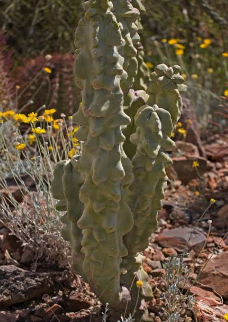
Totem Pole Cactus
Smooth, knobby green columns with no spines, a sculptural fit for a narrow spot.
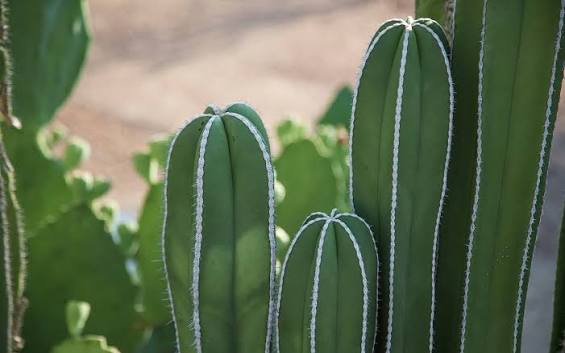
Mexican Fence Post Cactus
Tall, narrow green columns, a clean modern look in a tight space.
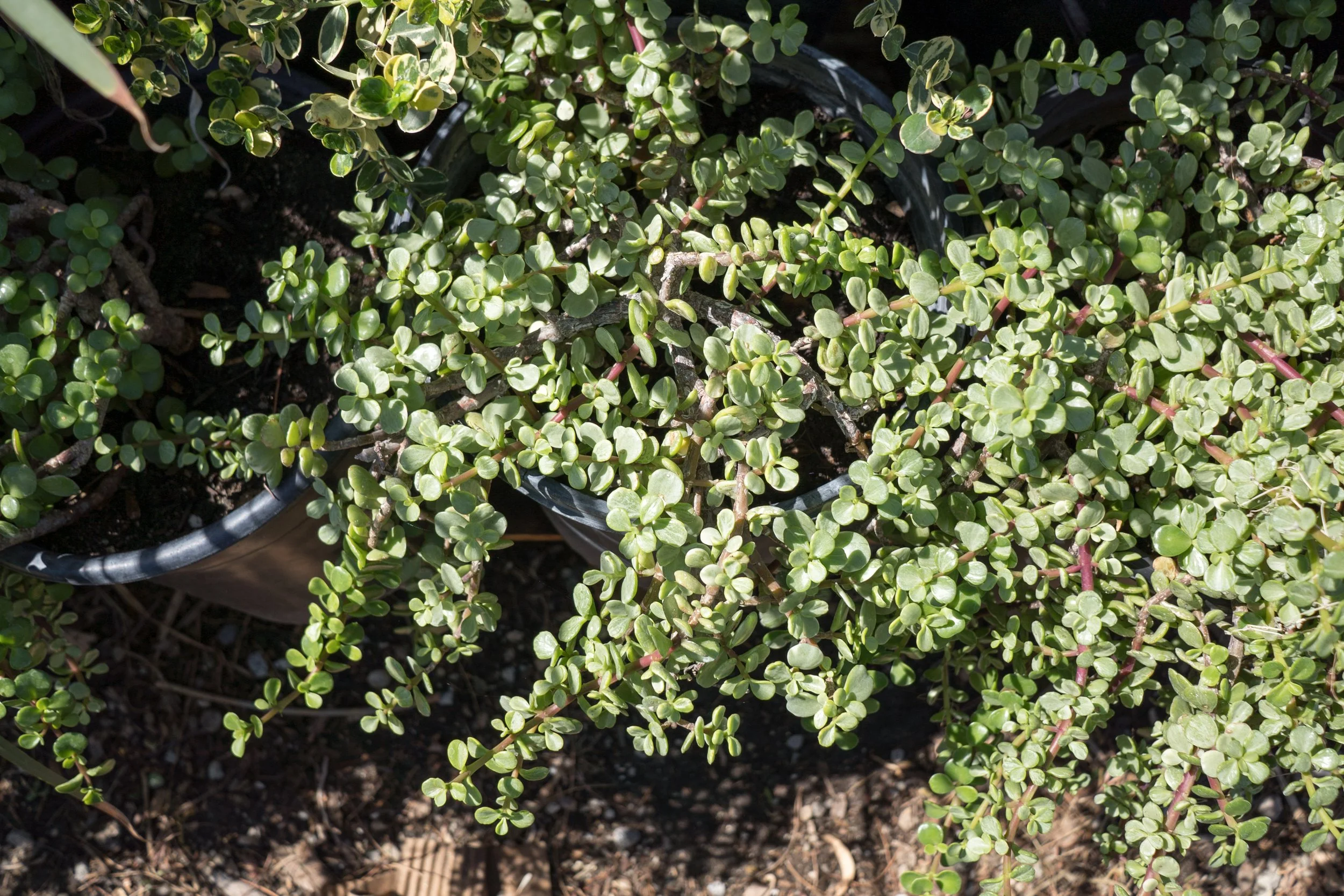
Elephant Food (groundcover)
With either cactus, continue it across the base to shade the soil and the cactus.

Hopseed
Upright evergreen shrub that can be kept narrow with light pruning.
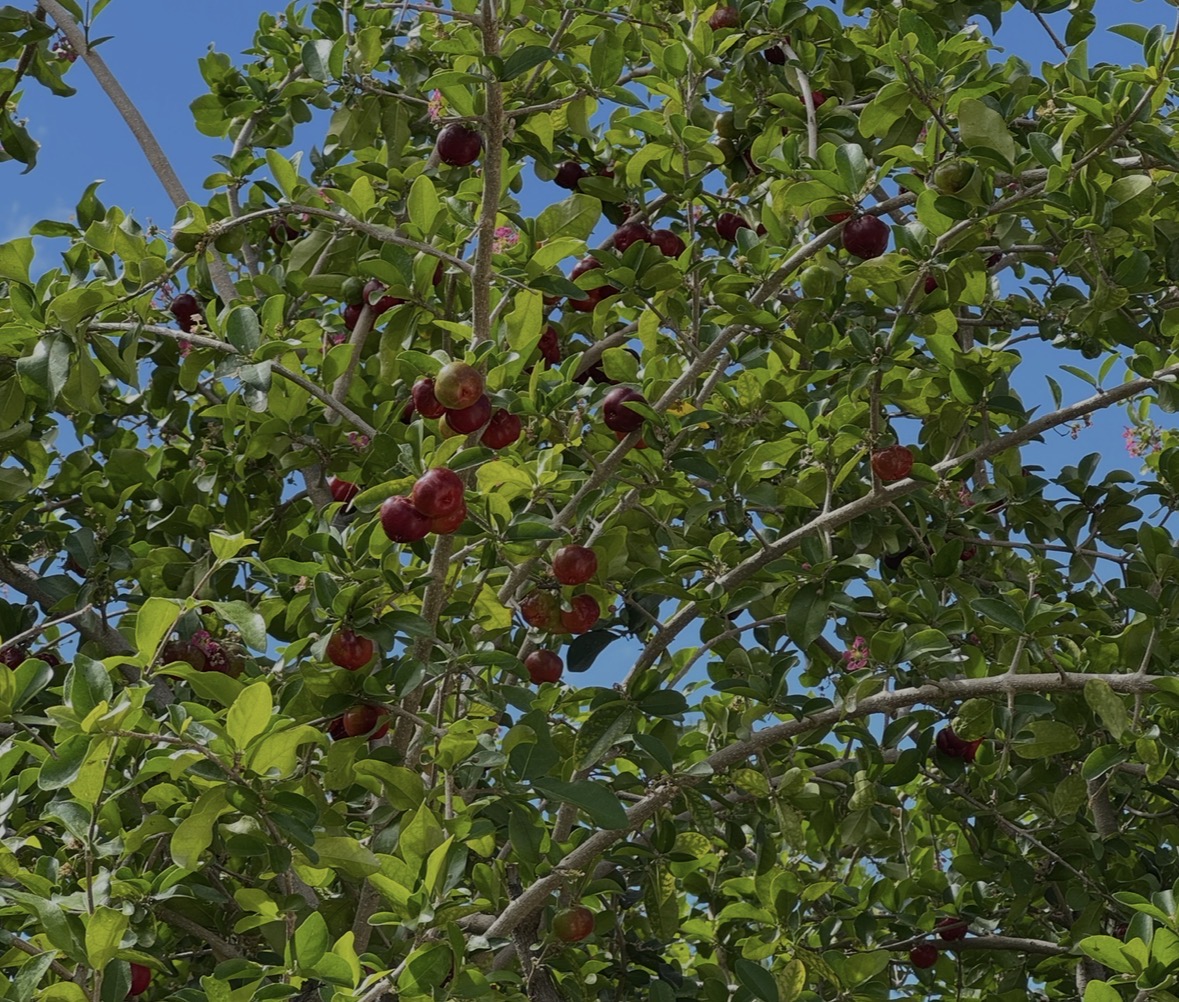
Barbados Cherry
Glossy evergreen shrub with red cherries, prune to keep it narrow.
Pick one. In a space this tight, a single plant will look intentional.

Color that stays compact and keeps things clean
Of your two firecracker plants, the one behind the pomegranate is doing okay and this one is completely gone. Firecracker plant wants more consistent water than a lot of desert plants, so before planting anything new here, run the irrigation and make sure the emitter at this spot is actually putting out water. If it's clogged or missing, that's likely what took this one out.
For replacements, you wanted color, something desert adapted, nothing that gets too big, and nothing that drops a lot onto the rock and planters around it. All of these fit. Chuparosa can reach three to four feet wide, so give it the most room if you choose it. Torch Glow Bougainvillea is a naturally compact, upright bougainvillea, and I'd keep it small intentionally with a light trim after each bloom cycle so it stays in scale with this spot.
Pink Fairy Duster
Airy native shrub with pink puffball flowers in spring.
Globe Mallow
Native with orange spring flowers and soft gray leaves.
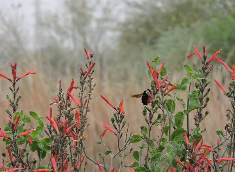
Chuparosa
Red tubular flowers for hummingbirds, give it three to four feet of room.

Torch Glow Bougainvillea
Compact, upright bougainvillea with magenta color, kept small with light trims.
Turpentine Bush
Neat two to three foot mound with yellow fall flowers.
Pick your favorite. If you like the look of a matched pair, use the same plant here and wherever else you swap out the firecrackers later.

Keep it natural and pull it back off the pavers
This emu bush is healthy and doing exactly what emus do, spreading out into a big soft mound. Same approach and timing as the emu by the front entry: keep its loose natural shape while pulling it back off the pavers and out of the path.
- Follow the branch back. For each branch reaching over the pavers, follow it back into the plant and cut it just above a side branch that's pointing where you want it to grow. The cut ends up hidden inside the shrub instead of leaving a flat sheared face.
- Don't shear it into a ball. Shearing cuts off all the tips where the flowers form and creates a thick outer shell with a dead, bare interior.
- No more than a third. Take off no more than about a quarter to a third of the plant in a year. If you need to pull it back further, spread it over two seasons.
- Clean the center. While you're in there, snip out any dead wood from the middle so light and air can get in.

Two directions for this bed
Option 1: Build around the sage. The sage in this bed is doing well. What's missing is something to cover the wall behind it and something out front now that the cactus are gone.
Behind the sage. A vine on this wall will soften all that block and pull the bed together. Plant the vine about 12 inches off the wall so the roots aren't sitting against the footing, and if you do more than one, space them six to ten feet apart. Tangerine Crossvine and Hacienda Creeper both grab onto block on their own, no wires needed.
In front of the sage. Plant a low trailing plant along the front edge so it grows over the side of the bed and softens the stucco.
Option 2: Sugar cane. If you'd rather go a completely different direction, you can clear everything out of this bed and fill it with sugar cane. It grows into a tall, lush green screen in front of the wall, and you get to cut and chew the canes. It wants more water than the desert plants in this write-up, so it would need to be on its own line or get extra hand watering, and a hard frost can burn back the tops, but it comes back from the base. I have sugar cane starts I can give you if you want to go this route, just text me.
Option 1: Vines for the wall

Tangerine Crossvine
Self-clinging, evergreen, and loaded with orange trumpet flowers in spring.
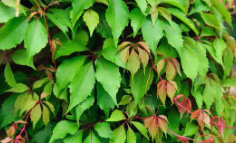
Hacienda Creeper
Climbs block on its own with small leaves that turn red in fall.
Option 1: In front of the sage
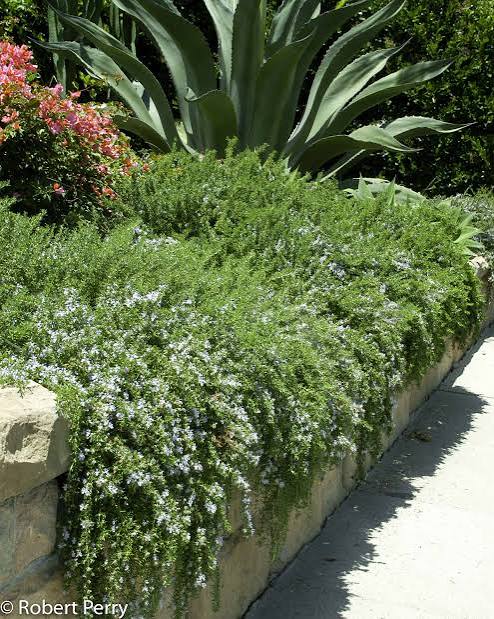
Trailing Rosemary
Cascades over the bed edge, blue flowers in winter, and you can cook with it.
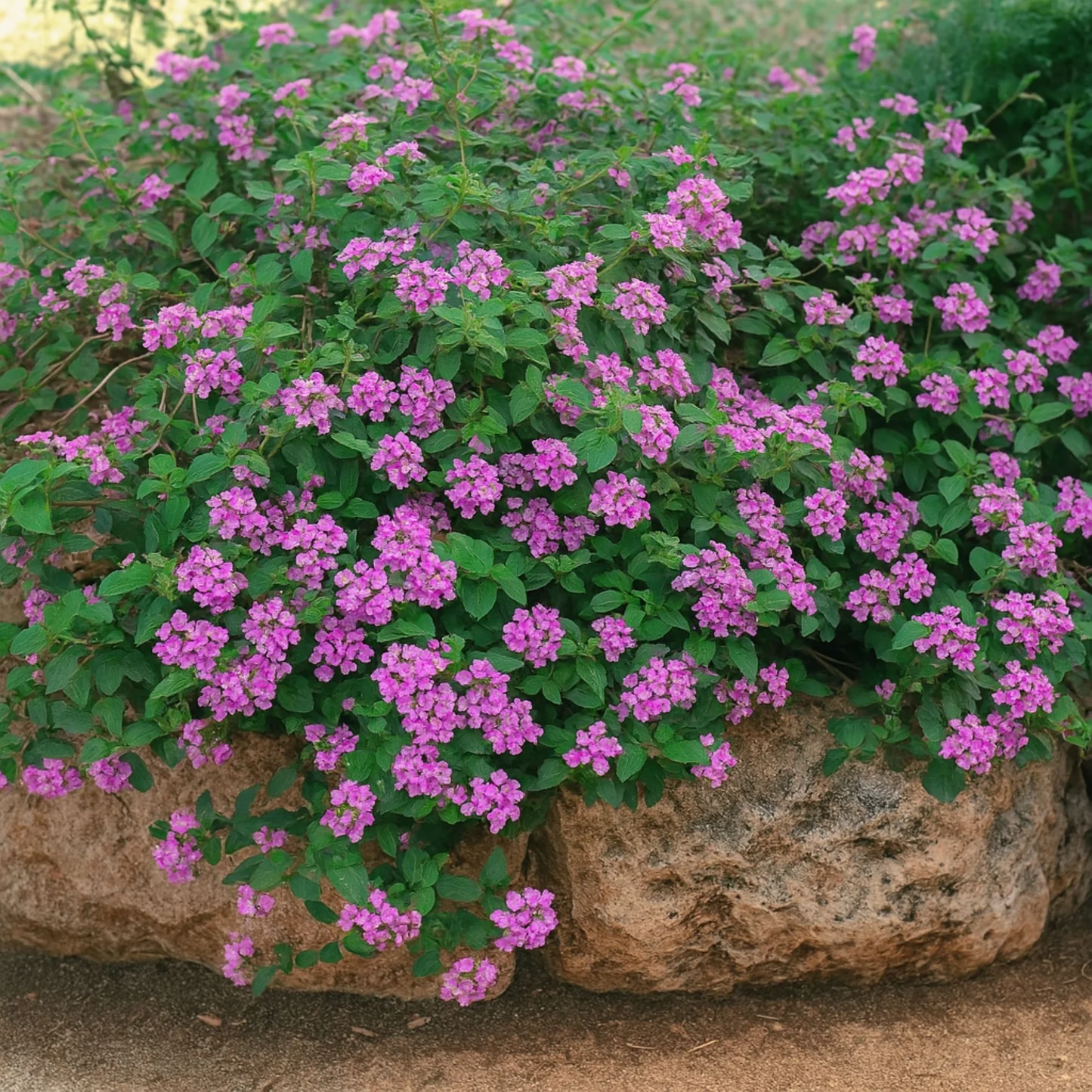
Trailing Lantana
Long bloom season and spills nicely over a raised edge.
Silver Ponyfoot
Silvery trailing groundcover that drapes down the front of the bed.
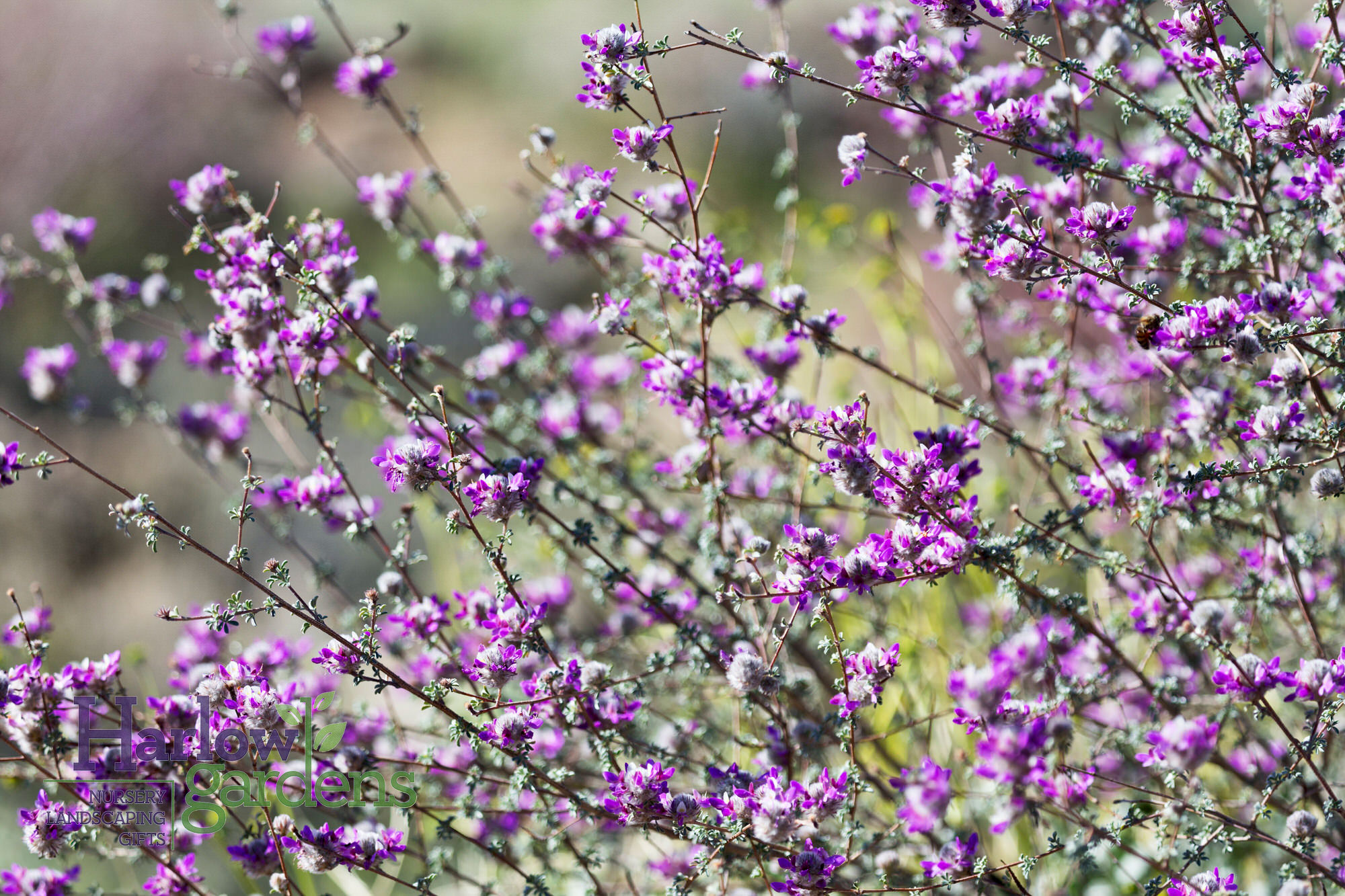
Trailing Indigo Bush
Native silver groundcover with small purple flowers, stays under a foot tall.
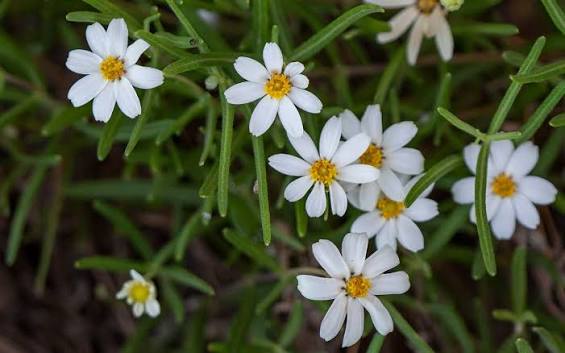
Blackfoot Daisy
Low mounds of white flowers that sit nicely in front of the sage.
Option 2
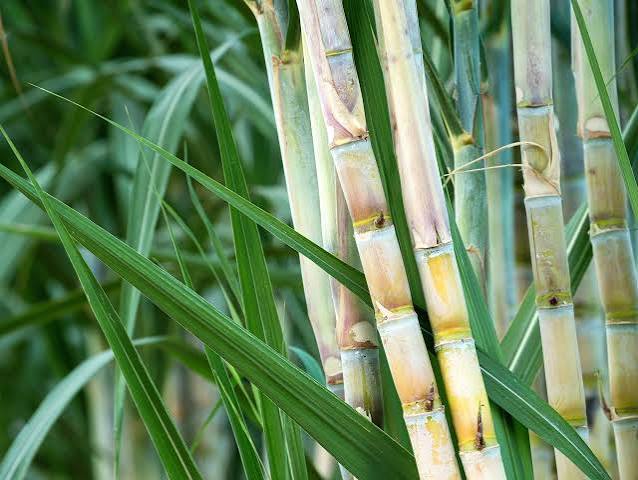
Sugar Cane
Tall, lush screen that fills the whole bed. I can give you starts.
For Option 1, pick one vine and one or two plants for the front. Mixing too many in a bed this size gets busy fast.

Milkweed in the middle, mistflower filling the gaps
You liked the idea of Desert Milkweed back here, and I'd make it the main focus of this bed. Since the bed is seen from the walkway on one side and the bench on the other, there's no real front or back, so plant the milkweed down the middle and let Greg's Mistflower fill in the gaps around it.
Together they make a real butterfly bed. The milkweed is a host plant where monarchs and queens lay their eggs, and the mistflower is one of the best nectar plants we have for them. Mistflower spreads by runners, so it will naturally fill the open spaces and edges over time.
Desert Milkweed
The main plant for this bed, down the middle. Host plant for monarchs and queens.
Greg's Mistflower
Fills in the gaps around the milkweed with lavender blooms spring through fall.

The agave come out, something taller goes in
The agave in this planter have been hit by the same snout weevils as the planter by the grill, so they come out the same way: the whole plant including the root mass, bagged and in the trash, with any soft or rotted soil scooped out around where each plant sat. I'd skip replanting agave in this spot.
For what goes back in, Silver Ponyfoot is a great choice to spill over the edge of the steel and soften it. Pair it with something that has some height so the planter still has presence from across the patio. Put the taller plant in the center or back of the planter and the ponyfoot around the edges. If you go with Penstemon, plant it densely, a single plant looks sparse, but a tight group gives you a solid show of flower spikes.
Silver Ponyfoot
Silvery trailing groundcover that cascades over the planter edge.
Desert Milkweed
Upright gray-green stems to three or four feet, a host plant for monarchs and queens.
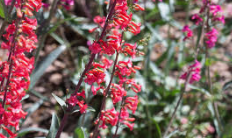
Penstemon
Tall flower spikes in spring. Plant several close together for the best show.
Desert Honeysuckle
Native shrub about three to four feet with orange tubular flowers, loved by hummingbirds.
Blackfoot Daisy
Low white mounds to fill in around the taller plant.
One tall plant in the middle with ponyfoot spilling over the sides is plenty for a planter this size.

Frame both sides of the walkway
This walkway leads your eye right to the fire pit, but right now it's just rock on both sides. Adding plants along it will make the whole path feel finished. There are two ways to go here, and you can do one or combine them.
Line the walkway. Plant a row along each side so it reads as a continuous border once it fills in. The smaller plants (Desert Ruellia, Damianita, Angelita Daisy) go about 18 to 24 inches off the pavers and two to three feet apart. The larger ones (Autumn Sage, Chuparosa, Native Muhly Grass) get bigger, so set them about three feet off the pavers and three to four feet apart so they don't flop into your path.
Small mounding shrubs set back. Put a few small mounding shrubs three to four feet off the walkway on either side, spaced four to five feet apart. Mirror them on both sides so the walk feels balanced. This gives you more height and color without closing in the path.
If you combine them, the border plants go closest to the pavers and the shrubs sit behind.
Plants to line the walkway
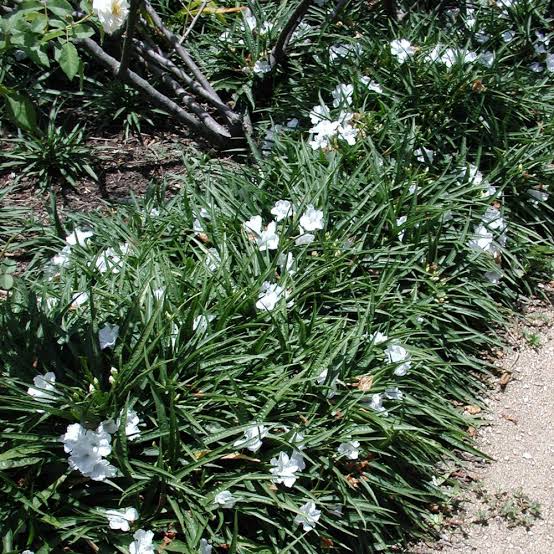
Desert Ruellia
Soft blooms most of the warm season, stays low and neat along a path.
Damianita
Fine green foliage covered in yellow daisies in spring and fall, stays under two feet.
Angelita Daisy
Compact, clean mounds of small yellow flowers almost all year.
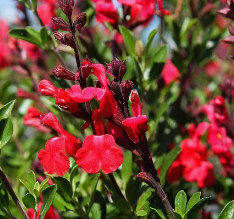
Autumn Sage
Two to three feet with red, pink, or white flowers spring through fall. Hummingbirds love it.
Chuparosa
Red tubular flowers through the cooler months, a hummingbird favorite. Give it room.
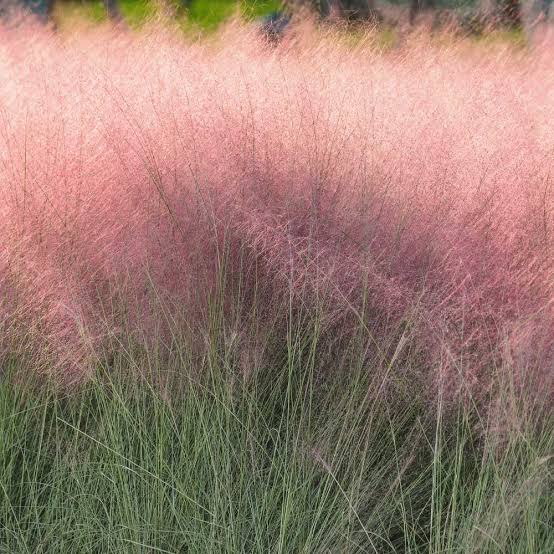
Native Muhly Grass
Fine textured native bunchgrass that softens the edge and moves in the breeze.
Small mounding shrubs
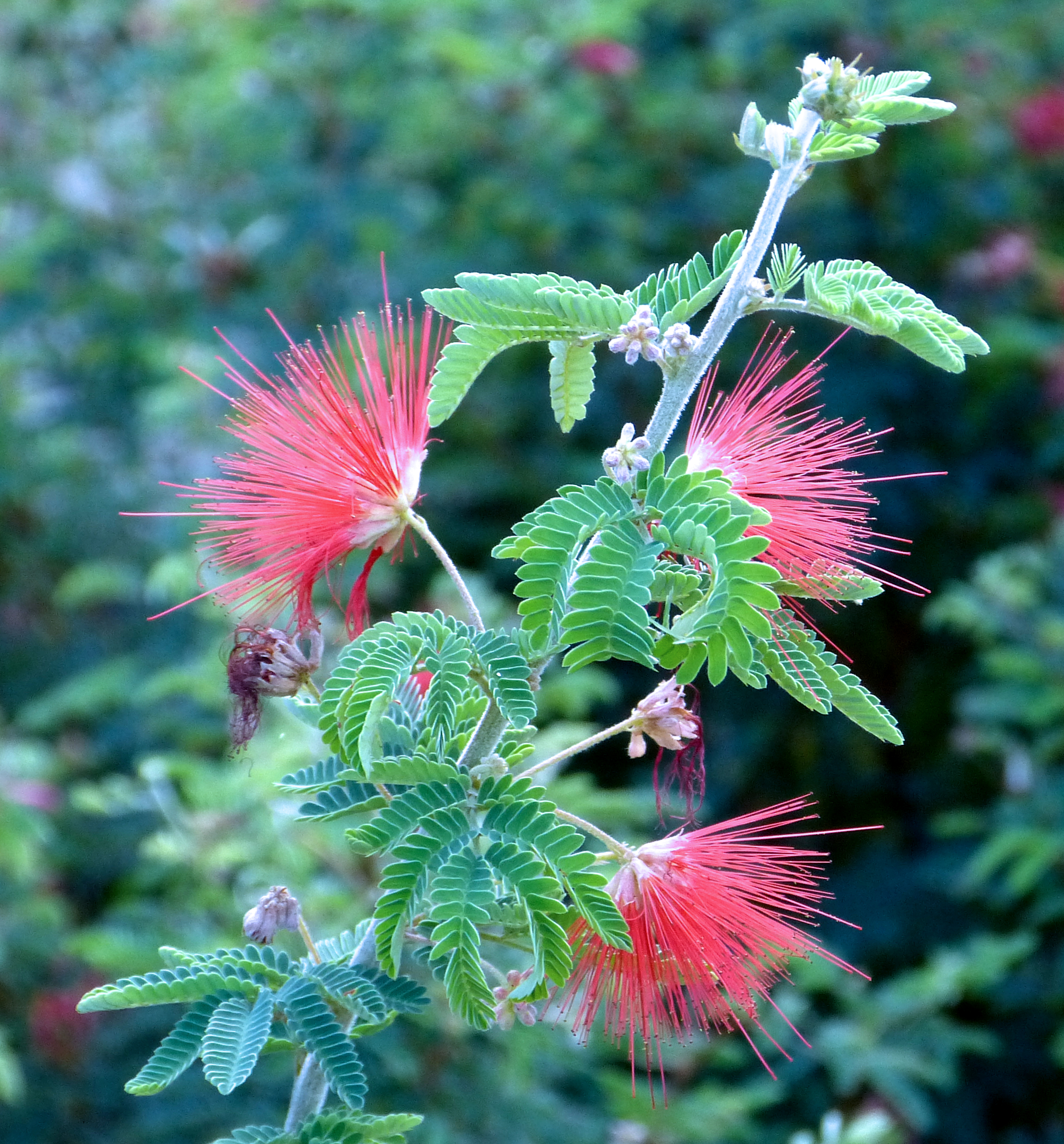
Baja Fairy Duster
Red puffball flowers that hummingbirds love, three to four feet tall and wide.
Turpentine Bush
Neat two to three foot mound with bright yellow flowers in the fall.
Globe Mallow
Native, soft gray foliage with orange flowers in spring.
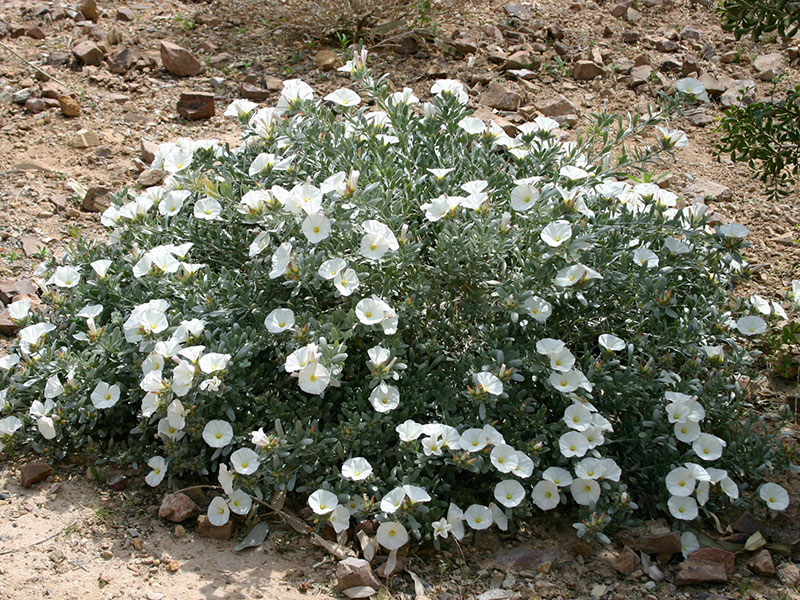
Bush Morning Glory
Silvery foliage with white flowers spring through fall, stays in a soft rounded mound.
You can't fit all of these, pick one border plant and one shrub you like and repeat them down both sides.

These beds are in great shape, keep doing what you're doing
There's not much to change back here. Your husband is doing a great job with these beds. The plants are productive and healthy, and the soil is clearly being taken care of. What I'd add is a few resources to keep the soil getting better every season.
Arizona Worm Farm is my go-to for everything soil related. Their raised garden bed mix is what I'd use to top off these beds. Raised beds sink a few inches every year as the organic matter breaks down, which is a good sign the soil life is working, so plan on adding two to three inches of fresh mix before each main planting season (late summer for fall crops and late winter for spring crops). Their compost is great as a top dressing between plantings, and their Nutrient+ is a good one to keep on hand for feeding the beds while crops are actively growing.
If he wants another organic fertilizer to rotate in, Tony's Magic Mix is a good option. You can find it at A&P Nursery and Summerwinds. Both of these feed the soil biology instead of just pushing growth, which is what keeps a garden bed productive year after year.
For what to plant and when, my Maricopa County planting guide walks through it month by month. We're heading into the best growing season of the year right now.
How to plant everything
Dig the hole as deep as the root ball and two to three times as wide. Backfill with the native soil you took out, no fertilizer in the hole. Then lay compost directly on top of the soil around the plant and put mulch over the compost without mixing it in. In rock areas, pull the rock back in a ring around each new plant for the compost and mulch. Keep mulch a foot back from any trunk.
Order of work. Clear out the dead plants and weevil-damaged agave first, then any tree decisions, then the walls and vines, then everything else.
Where to go for what
- Compost, raised bed mix, Nutrient+, and mulch: Arizona Worm Farm
- Plants and Tony's Magic Mix: A&P Nursery or Summerwinds
- Irrigation checks and repairs: Garrett, 480-678-9121
- What to plant and when: Maricopa County planting guide
- Plant IDs, pruning questions, photos of progress: post in the Garden Nerd Club
Take it at your own pace
If you want to handle the planting yourself, everything you need is here, and you can post questions and progress photos in the Garden Nerd Club as you go. If you'd rather have us do the planting, text me which areas you want to move on and I'll put together a proposal.
For irrigation, Garrett is my go-to. Reach him directly at 480-678-9121. You can also read more about how we plant at thegardennerd.org.