
Melissa, here's what we covered
13617 S 37th St, Phoenix, AZ 85044Thanks for having me out to walk the yard. Overall this property is in good shape, nothing here is in bad condition. The two trees struggling in the backyard were both planted too deep from the start, that's on whoever installed them originally, not anything you did. The good news is it's very fixable. I put this together in the same order we walked it. As a consult client you're already in the Garden Nerd Club, so I'm happy to keep working through this list with you whenever you're ready.

Hard Reset the Orange Jubilee, Add Hummingbird Color
This Orange Jubilee is due for a hard reset, best done at the end of winter right before spring growth kicks in. While we're in here, let's also get the rock out and put down mulch instead. Once that's done, I'd add some desert adapted, native plants that bring in hummingbirds, Desert Milkweed, Chuparosa, and Globe Mallow would all do great along this wall.

Desert Milkweed
Tough, upright, a magnet for pollinators and hummingbirds.
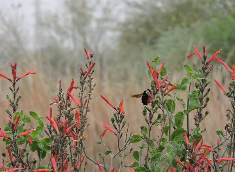
Chuparosa
Red tubular blooms hummingbirds can't resist.

Globe Mallow
Bright orange blooms, tough and easy.

Fill the Gaps, Then Layer in Pollinator Color
Same treatment here, rock comes out, mulch goes down. For the empty spots along this wall, Arizona Rosewood, Hopseed, and Twisted Myrtle would all work well to fill things in, mix and match based on the look you want in each gap. Once that's filled, I'd layer in more pollinator plants here too, Desert Milkweed, Chuparosa, Globe Mallow, and Greg's Mistflower would round this wall out nicely.

Arizona Rosewood
Dense, upright, doesn't need much water once established.

Hopseed
Fast, thick, fills gaps quickly.

Twisted Myrtle
Dense evergreen, handles a bit of shade well too.
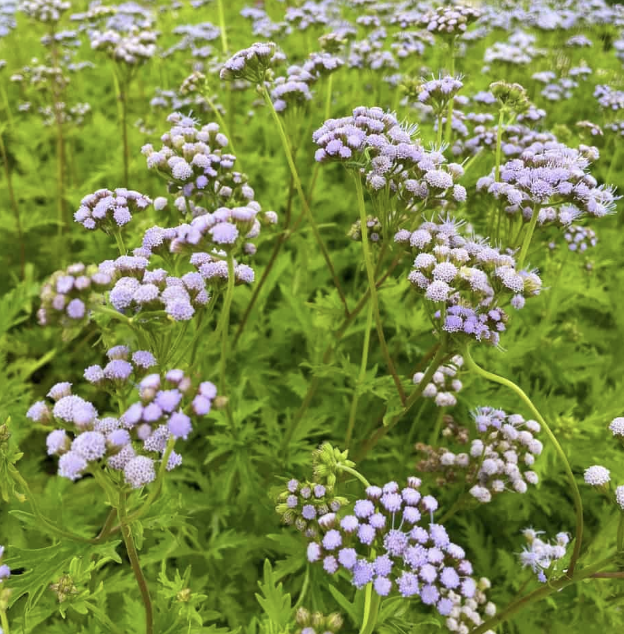
Greg's Mistflower
Fuzzy purple-blue blooms, butterflies love it.

Root Flare Excavation, Bigger Water Well
This is one of the two backyard trees that was planted too deep from the start, which is exactly why it hasn't taken off the way it should have. The fix is a root flare excavation, exposing that flare so the tree can finally breathe and grow the way it's supposed to. While we're at it, I'd make the water well around it bigger, clear out the rock, and add mulch to help it hold moisture better.
Root flare excavation, standalone service.

Hard Reset the Hibiscus, Bring in Tropical Layers
This Hibiscus is due for a hard reset to get it growing fresh again. Once that's done, I'd bring in some tropical layering here, Canna Lily works great for this, plant the taller ones toward the back of the bed and keep the shorter ones up front so everything's visible. A groundcover of Purple Heart underneath ties the whole bed together with its deep purple foliage.

Hibiscus
Existing plant, gets a hard reset to flush new growth.

Canna Lily
Tall varieties toward the back, shorter up front.

Purple Heart
Groundcover layer, deep purple foliage.

Feed It, Clear the Rock, Clean It Up This Winter
This Jasmine really just needs to be fed on a regular basis to keep pushing good growth. I'd get the rock out from around the base and put down mulch instead. Come wintertime, plan on going through and pulling out the dead growth so it comes back clean and full in spring.

Root Flare Excavation, Plus a Full Year of Recovery Care
This is the second of the two backyard trees that was planted too deep, and it's showing it more than the Elm. I'd start with a root flare excavation here too, and given how much this one is struggling, I'd also enroll it in our Tree Recovery Program. That's a full year of care, four visits with deep root liquid injections and compost feeding to really get it kick-started again, along with a bigger water well, fresh mulch, and compost from Arizona Worm Farm around the base.
Ficus Root Flare + Tree Recovery Program
Root flare excavation ($150, bundled rate with program enrollment) + 1 year of the Tree Recovery Program ($550), 4 quarterly visits with deep root liquid injection, compost, and chicken manure.
If you decide to enroll the Chinese Elm in the program too down the road, multi-tree pricing kicks in and brings the combined annual cost down from what each tree would cost enrolled separately.

Build the Soil Up, Then Add Privacy from the Neighbor
The soil in this bed hasn't been performing, so I'd put down a good, generous layer of quality compost from Arizona Worm Farm to get it working again before anything else goes in. Once that's handled, I'd add something here to give you some privacy from the neighbor, Twisted Myrtle or Texas Olive would both work well trained up the trellis for screening without needing a lot of extra water once established.
Twisted Myrtle
Dense, evergreen, good screening option.

Texas Olive
Big white blooms, good size for privacy screening.

Keep the Orange Jubilee, Remove the Bougainvillea
These two are crowding each other out here, so it's time to pick one. Orange Jubilee is the one worth keeping, it's the healthier, better performing plant in this spot. I'd remove the Bougainvillea to give it the room to fill back in properly.

Relocate the Boxwoods, Add a Lighter Vine
The boxwoods currently out front would do well moved over to this south facing wall instead. Star Jasmine isn't the right call here, this wall faces south and gets too hot for it to be happy. Coral Vine or Skyflower would both do much better with that heat, and neither one is aggressive enough to encroach on the walkway. Tangerine Crossvine is another solid option if you want something a bit more restrained.

Coral Vine
Handles heat well, pink blooms, good fit for a hot south wall.
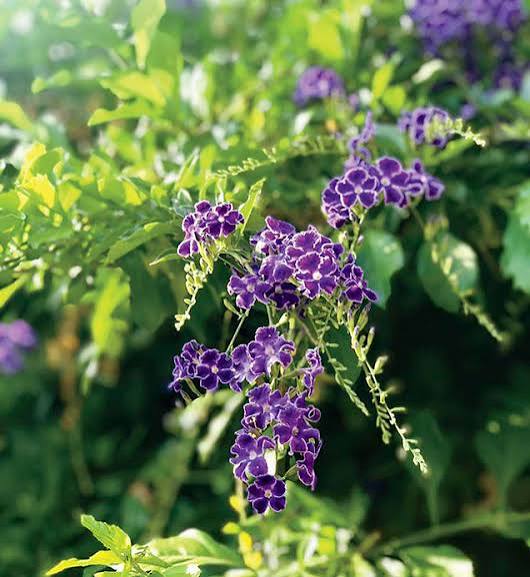
Skyflower
Handles heat well, purple blooms most of the year.

Tangerine Crossvine
Reliable coverage with orange blooms, won't overwhelm the space.

More Sun Is the Main Issue Here
Same approach here, rock out, compost from Arizona Worm Farm and mulch down, and feed it on a regular basis. The real fix, though, is sun, this Jasmine needs more of it. I'd trim the Bougainvillea back a bit so it stops blocking the light, that alone should make a big difference in how this Jasmine performs.

Root Flare Excavation, Plus Groundcover for the Well
This Ash could benefit from a root flare excavation as well. I'd also extend the water well a bit, add compost from Arizona Worm Farm and mulch, and put in a groundcover to cover the well itself so it looks intentional rather than bare. Iceplant, Purple Heart, trailing Lantana, or Emu would all work well here, pick whichever look you like best.

Iceplant
Low, colorful groundcover for the water well.
Purple Heart
Deep purple foliage, low and spreading.
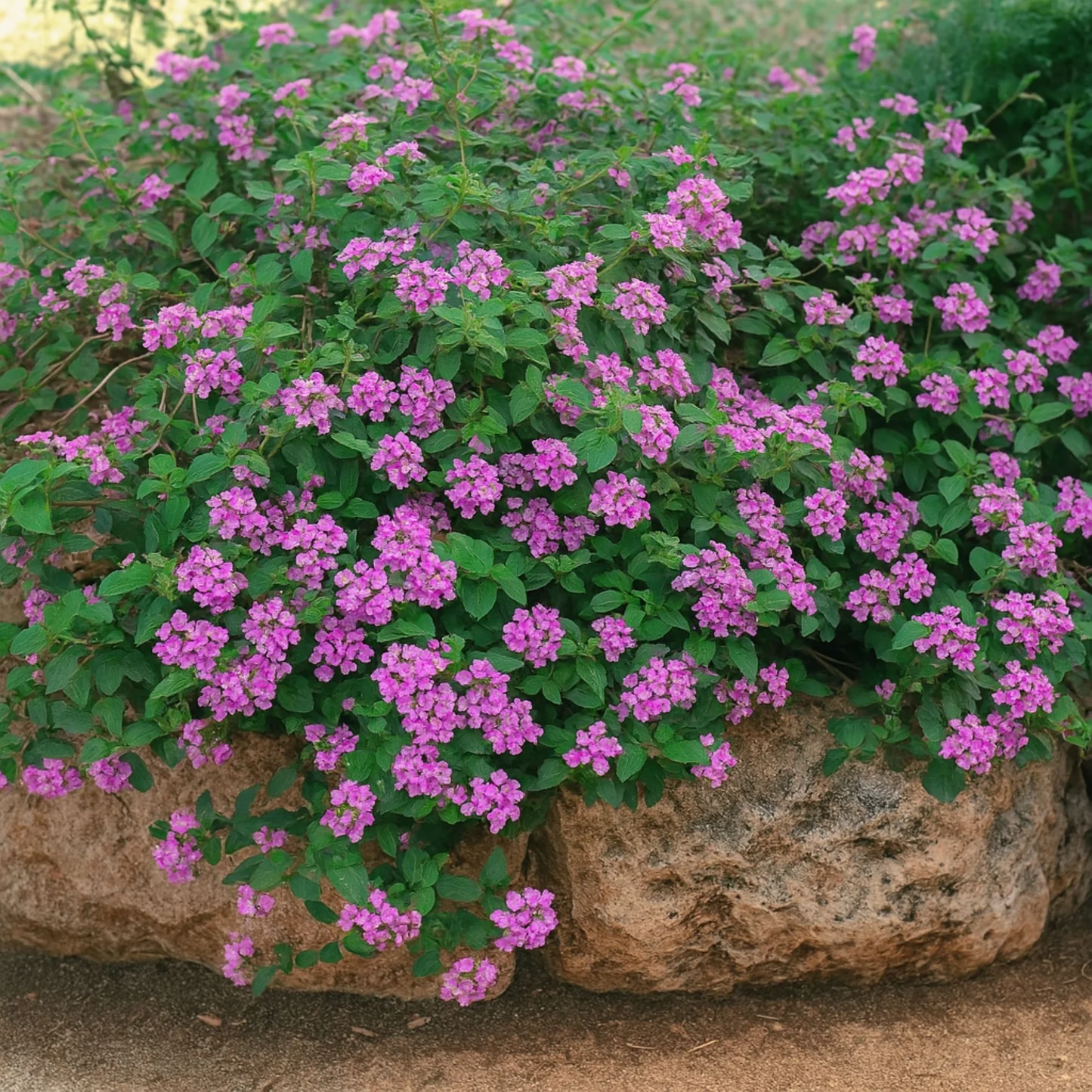
Lantana (Trailing)
Long bloom season, spills nicely over the well edge.

Emu
Low grower, doesn't need much water once established.
Root flare excavation, standalone service, same as the Chinese Elm.

Winter Trim for the Lantana, a Reset for the Orange Jubilee
This side of the house faces west and takes the full brunt of the afternoon sun. The Lantana here needs a trim this winter so it comes back bushier and fuller next season. The Orange Jubilee nearby is getting shaded out by the tree in front of it and could use a good reset of its own. Once both are cut back, I'd put mulch down all around this whole area.

A Desert Willow Would Do Great Right Here
This spot is a great fit for a Desert Willow. It stays smaller than a lot of shade trees, doesn't need much water once established, and gives you orchid-like blooms all summer long.
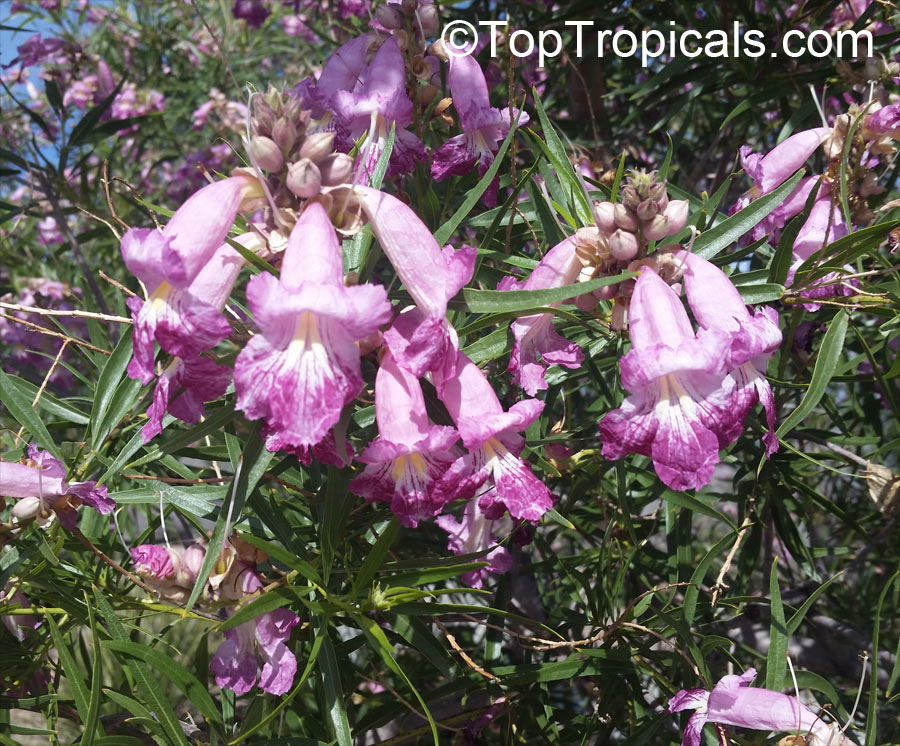
Desert Willow
Smaller size, orchid-like blooms all summer.

A Mesquite Fits Perfectly Here
This is a perfect spot for a Mesquite. It's an Arizona native that doesn't need much water once established, grows fast, and casts a light, dappled shade.
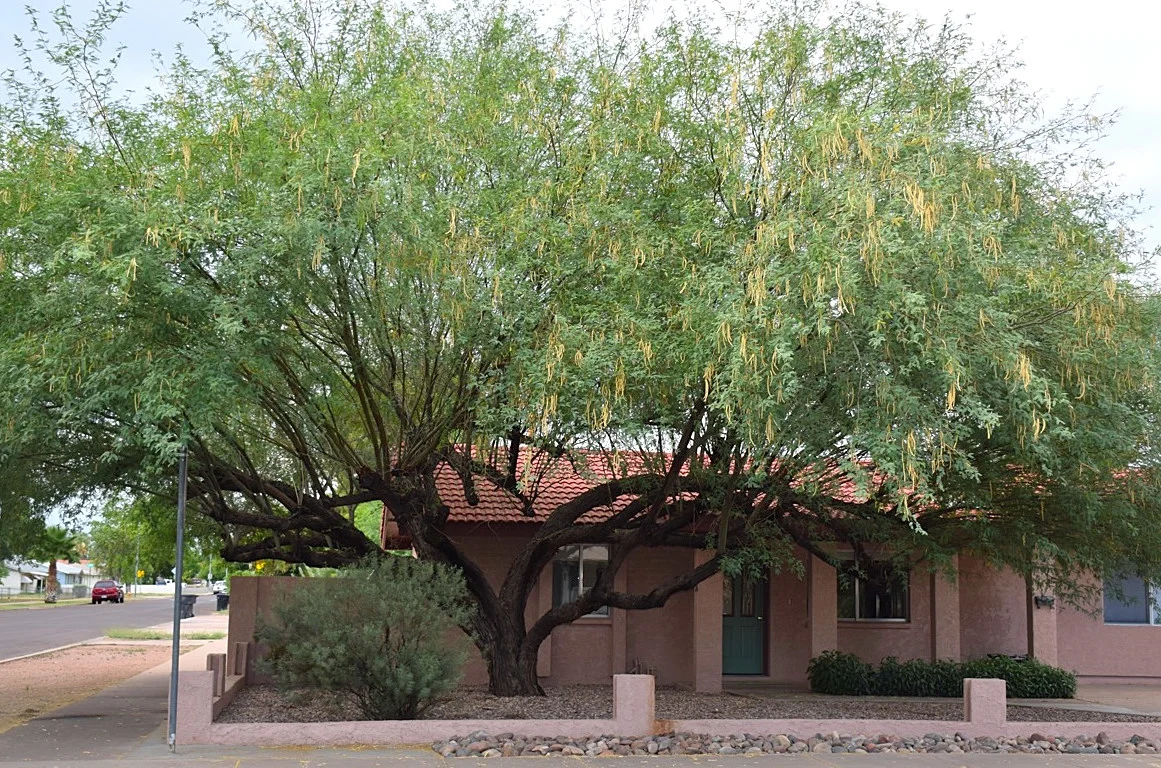
Mesquite
Arizona native, fast growing, light dappled shade.

Creeping Fig for This Shadier Wall
This Jasmine and the walkway it's on face north, so it's only going to get less sun from here, not more. Creeping Fig is a great option for this wall, it actually prefers filtered light and shade and will climb and cover the wall directly instead of fighting for sun it's not going to get.

Creeping Fig
Prefers filtered light and shade, a natural fit for this wall.
All Three Trees, Priced Out
Since these trees were planted too deep from the start, the fix is straightforward, it's just a matter of getting the flare exposed and, for the Ficus, following that up with a real recovery plan.
| Chinese Elm (backyard) — root flare excavation | $200 |
| Ficus (backyard) — root flare excavation (bundled) + 1 year Tree Recovery Program | $700 |
| Ash (front yard) — root flare excavation | $200 |
| Total | $1,100 |
Feed the Whole Yard, Whether You Hire Us or DIY
Beyond the tree work above, the rest of the yard will do a lot better with regular feeding behind it. If you'd rather have us handle it, our monthly fertilizing program covers the property with a liquid feeding each month plus compost applied a few times a year, built to build up real soil biology rather than force growth with synthetic salts.
Monthly Landscape Fertilizing
Liquid feeding every month, plus compost applied a few times a year.
Text me to get startedIf you'd rather handle feeding yourself, the single best thing you can do is add compost from Arizona Worm Farm to your beds on a monthly basis. That one habit alone goes a long way toward keeping everything in this yard healthy and growing well.
Let's tackle this in whatever order makes sense
The two backyard trees are the priority since they're actively struggling, everything else on this list is more about refreshing and filling in over time, so take it at whatever pace works for you. We can advise you along the way in the Garden Nerd Club, or if you'd rather have help with any of it, planting or anything else, just reach out and I can get you pricing.
You can also read more about how we plant at thegardennerd.org.